
Chapter 6 The Muscular System The Muscular System
- Slides: 32
Chapter 6 The Muscular System
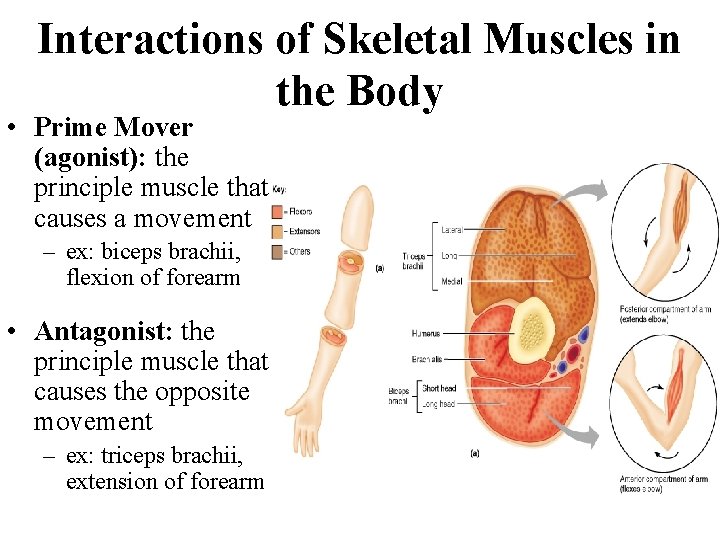
The Muscular System Interactions of Skeletal Muscles in the Body • Muscles usually work in groups, i. e. perform “group actions” • Muscles are usually arranged in antagonistic pairs – flexor-extensor – abductor-adductor, etc.
600+ Skeletal Muscles 5 Golden Rules of Muscle Activity • With a few exceptions, all muscles cross at least one joint • The bulk of the muscle lies proximal to the join crossed • All muscles have at least two attachments; the origin and the insertion • Muscles can only pull; they never push • During contraction, the muscle insertion moves toward the orgin
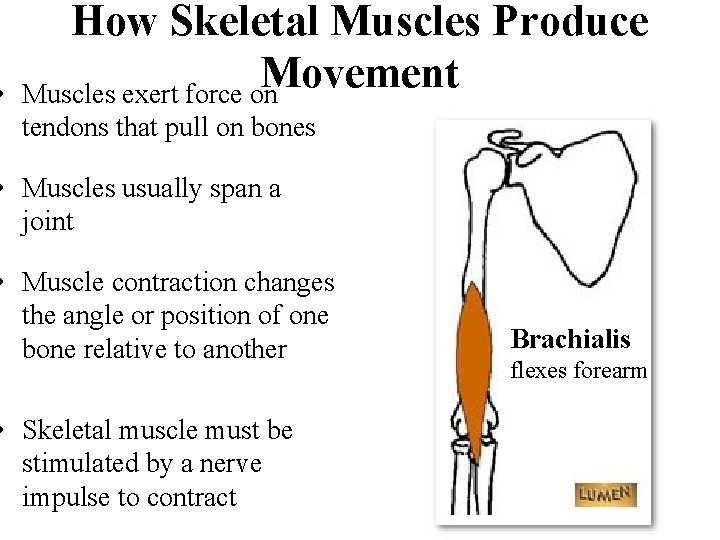
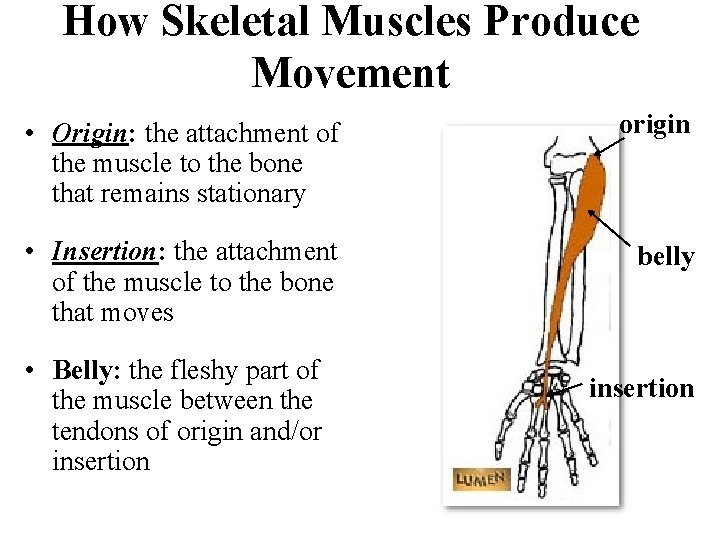
• How Skeletal Muscles Produce Movement Muscles exert force on tendons that pull on bones • Muscles usually span a joint • Muscle contraction changes the angle or position of one bone relative to another • Skeletal muscle must be stimulated by a nerve impulse to contract Brachialis flexes forearm
How Skeletal Muscles Produce Movement • Origin: the attachment of the muscle to the bone that remains stationary origin • Insertion: the attachment of the muscle to the bone that moves belly • Belly: the fleshy part of the muscle between the tendons of origin and/or insertion
Interactions of Skeletal Muscles in the Body • Prime Mover (agonist): the principle muscle that causes a movement – ex: biceps brachii, flexion of forearm • Antagonist: the principle muscle that causes the opposite movement – ex: triceps brachii, extension of forearm
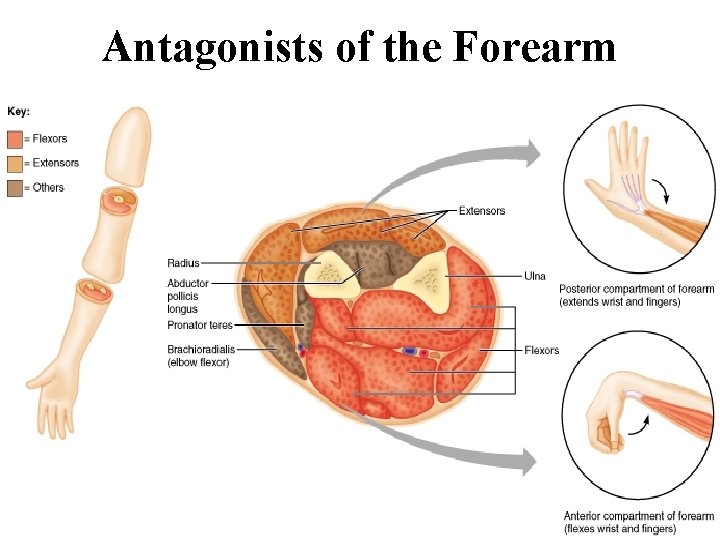
Antagonists of the Forearm
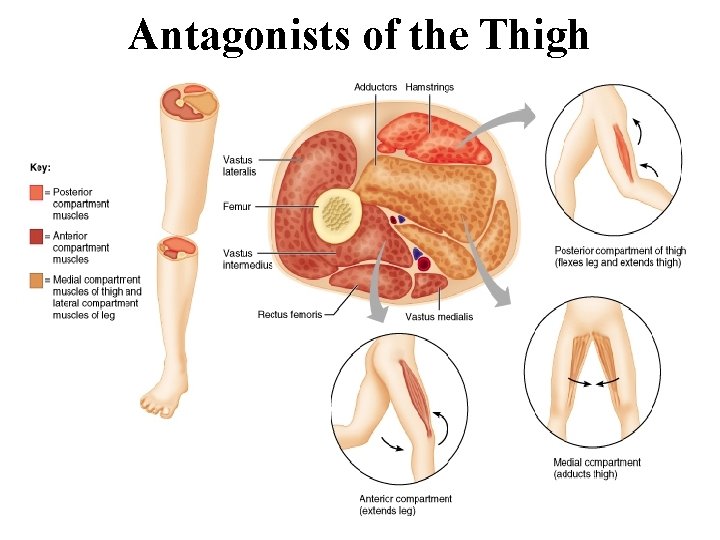
Antagonists of the Thigh
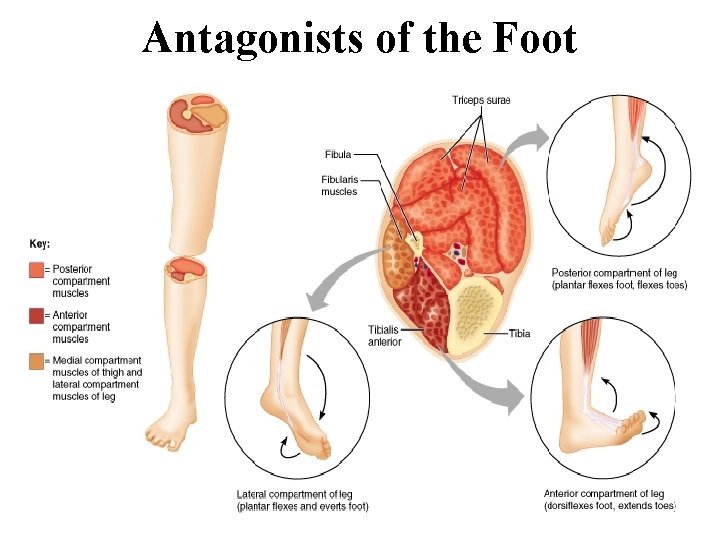
Antagonists of the Foot
Interactions of Skeletal Muscles in the Body • Synergists: muscles that assist the prime mover – ex: extensor carpi (wrist) muscles are synergists for the flexor digitorum muscles when you clench your fist • Fixators: synergists that stabilize the origin of a prime over – ex: several back muscles that stabilize scapula when the deltoid flexes the arm
Functional Roles of Skeletal Muscles • Group Actions: most movements need several muscles working together While the prime movers (agonist and synergists) are contracting to provide the desired movement • other muscles (antagonists) are relaxing & being stretched out passively • agonist and antagonist change roles depending on the action • e. g. , abduction versus adduction • Synergists and Fixators become Agonists and Antagonists in different movements
Naming Skeletal Muscles • • Location of the muscle Shape of the muscle Relative Size of the muscle Direction/Orientation of the muscle fibers/cells Number of Origins Location of the Attachments Action of the muscle
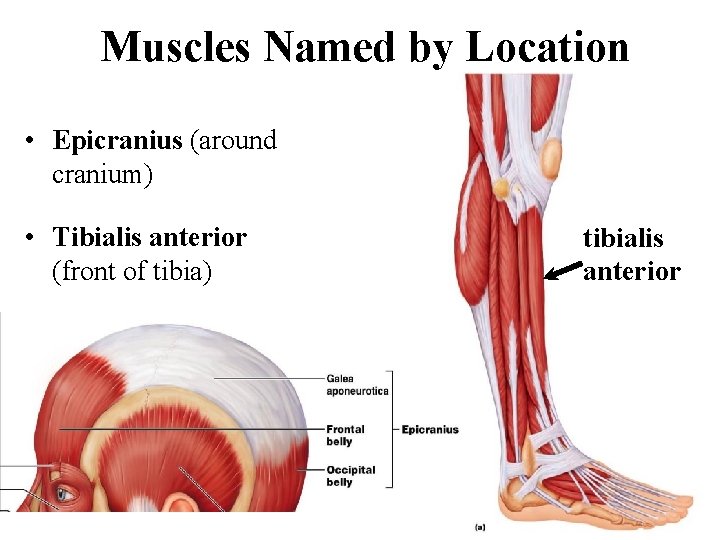
Muscles Named by Location • Epicranius (around cranium) • Tibialis anterior (front of tibia) tibialis anterior
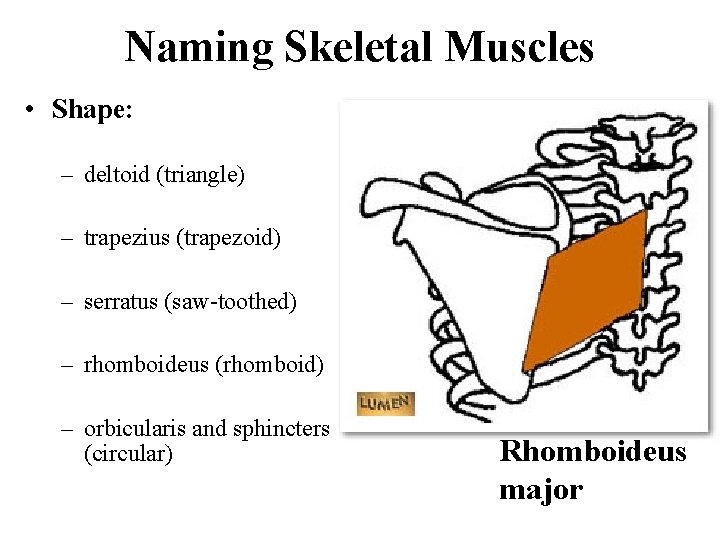
Naming Skeletal Muscles • Shape: – deltoid (triangle) – trapezius (trapezoid) – serratus (saw-toothed) – rhomboideus (rhomboid) – orbicularis and sphincters (circular) Rhomboideus major
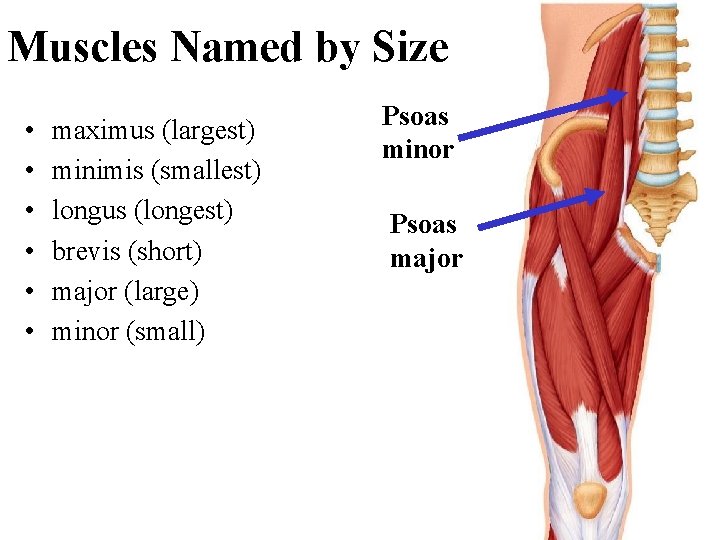
Muscles Named by Size • • • maximus (largest) minimis (smallest) longus (longest) brevis (short) major (large) minor (small) Psoas minor Psoas major
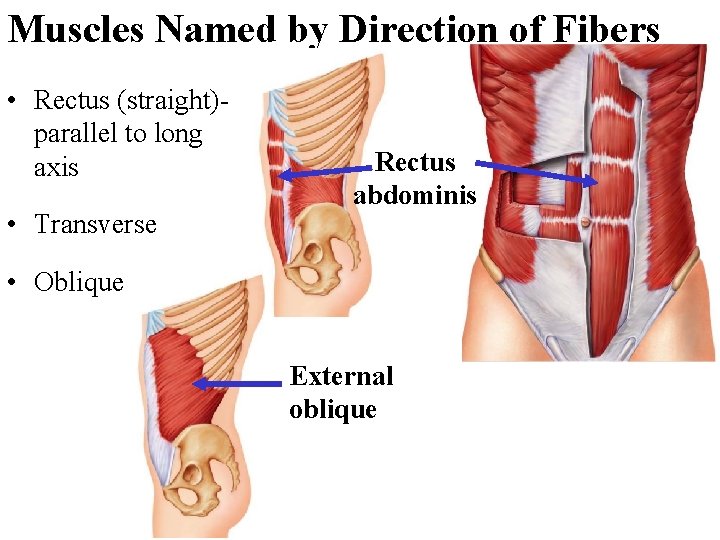
Muscles Named by Direction of Fibers • Rectus (straight)parallel to long axis • Transverse Rectus abdominis • Oblique External oblique
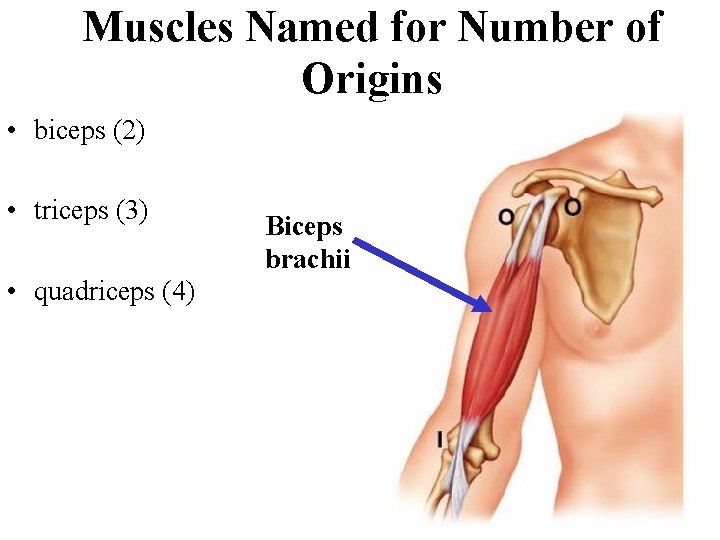
Muscles Named for Number of Origins • biceps (2) • triceps (3) • quadriceps (4) Biceps brachii
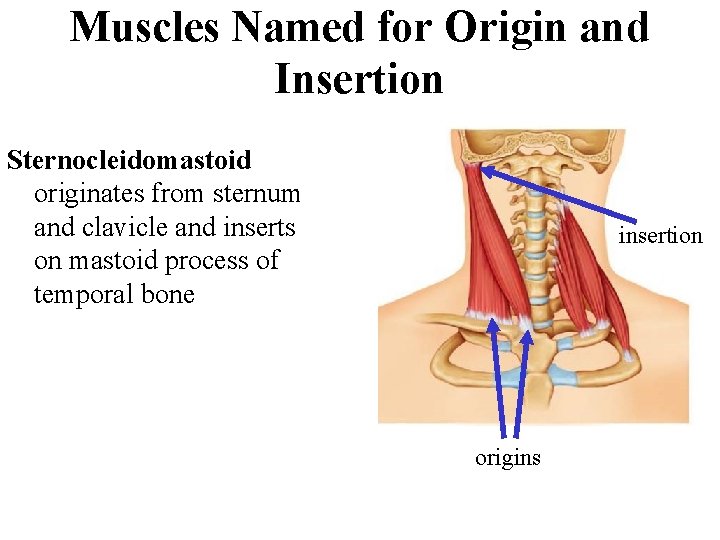
Muscles Named for Origin and Insertion Sternocleidomastoid originates from sternum and clavicle and inserts on mastoid process of temporal bone insertion origins
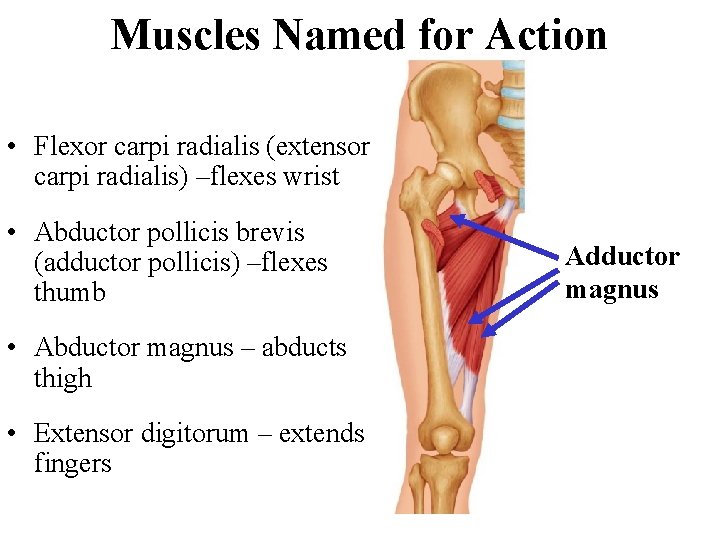
Muscles Named for Action • Flexor carpi radialis (extensor carpi radialis) –flexes wrist • Abductor pollicis brevis (adductor pollicis) –flexes thumb • Abductor magnus – abducts thigh • Extensor digitorum – extends fingers Adductor magnus
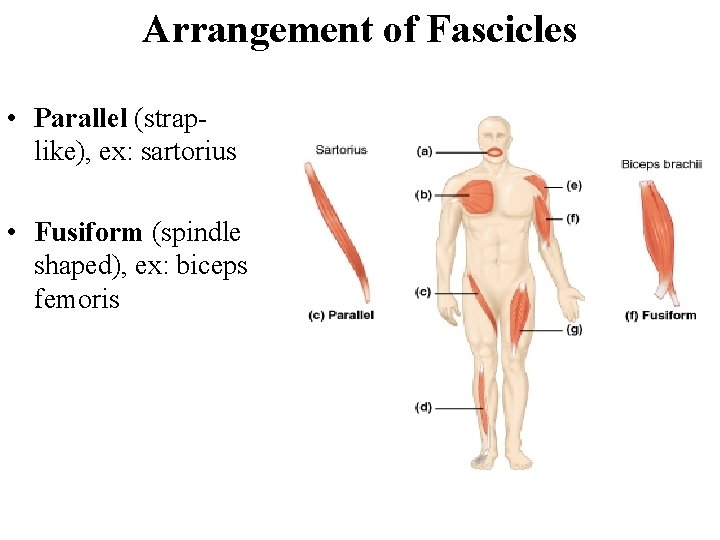
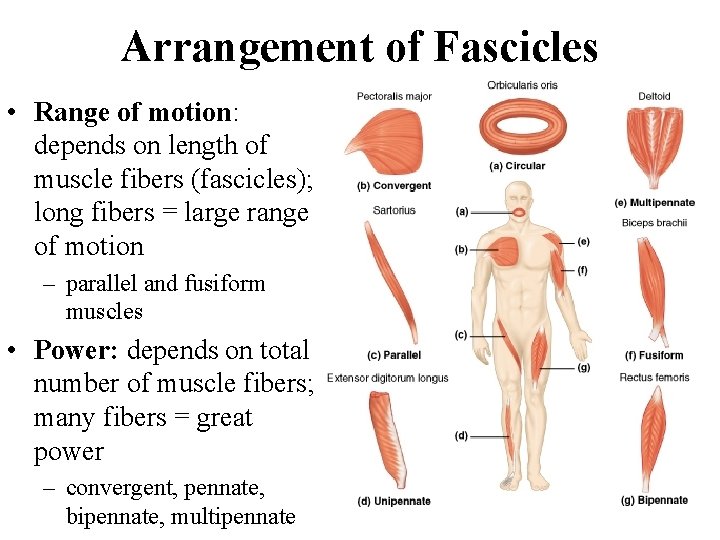
Arrangement of Fascicles • Parallel (straplike), ex: sartorius • Fusiform (spindle shaped), ex: biceps femoris
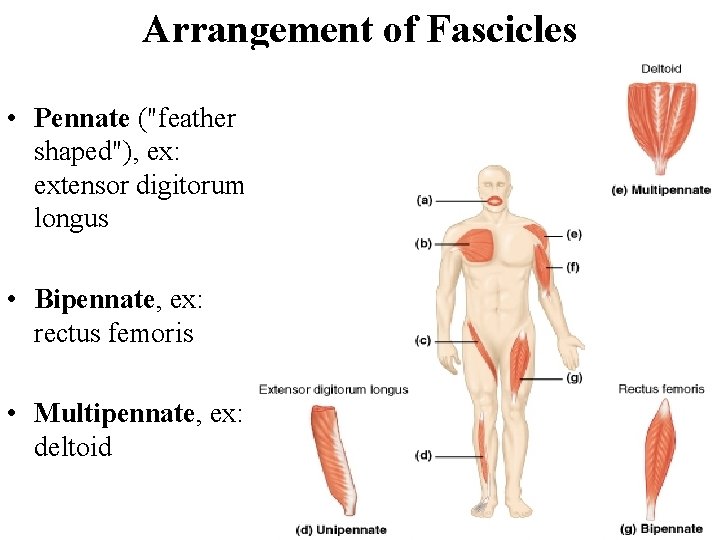
Arrangement of Fascicles • Pennate ("feather shaped"), ex: extensor digitorum longus • Bipennate, ex: rectus femoris • Multipennate, ex: deltoid
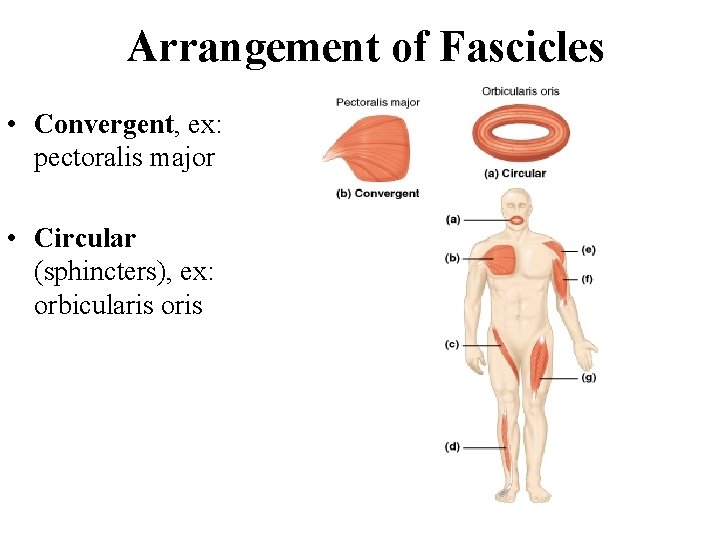
Arrangement of Fascicles • Convergent, ex: pectoralis major • Circular (sphincters), ex: orbicularis oris
Arrangement of Fascicles • Range of motion: depends on length of muscle fibers (fascicles); long fibers = large range of motion – parallel and fusiform muscles • Power: depends on total number of muscle fibers; many fibers = great power – convergent, pennate, bipennate, multipennate
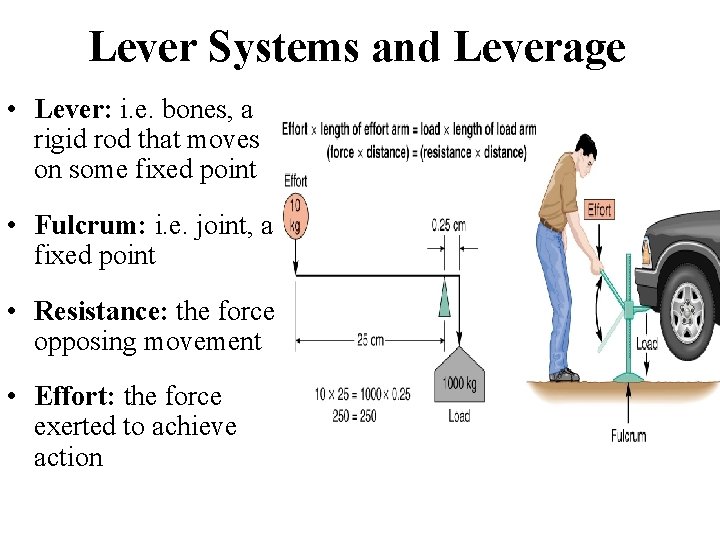
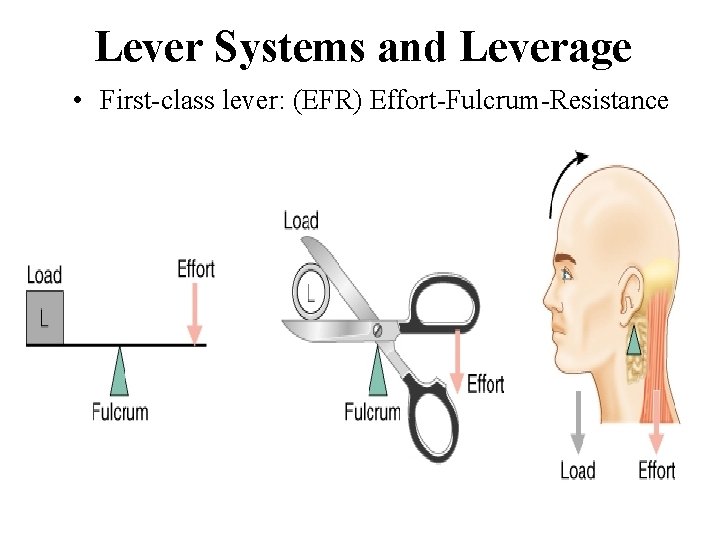
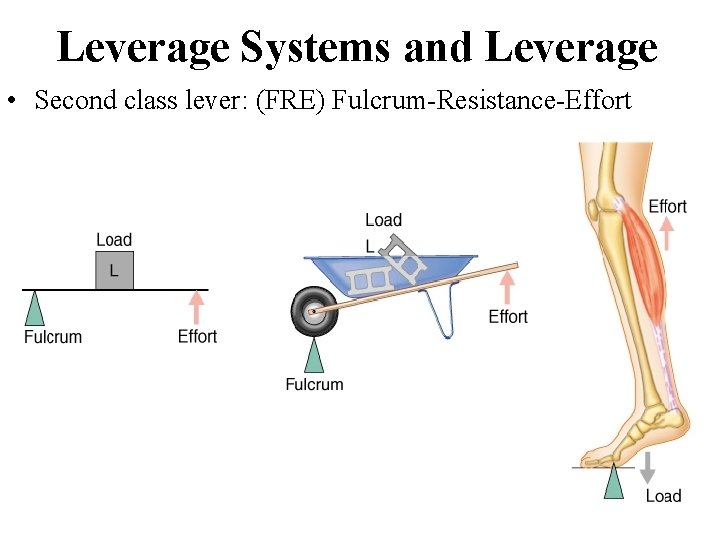
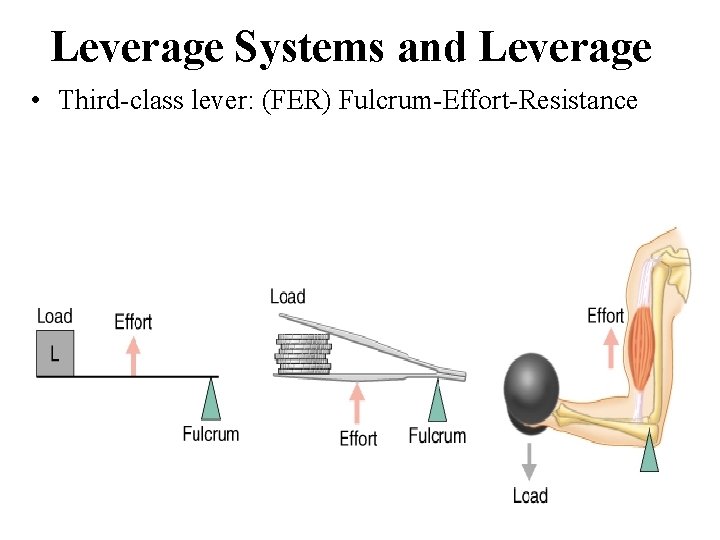
Lever Systems and Leverage • Lever: i. e. bones, a rigid rod that moves on some fixed point • Fulcrum: i. e. joint, a fixed point • Resistance: the force opposing movement • Effort: the force exerted to achieve action
Levers • A lever is acted upon at 2 different points by: 1) resistance or load • • the force that opposes movement the load or object (bone or tissue) to be moved 2) effort • • the force exerted to achieve a movement the effort is provided by muscle(s) • Motion is produced when the effort exceeds the resistance (isotonic contraction)
Lever Systems and Leverage • Leverage: the mechanical advantage gained by a lever • Power: muscle tension (effort) farther from joint (fulcrum) produces stronger contraction (opposes greater resistance) • Range of motion (ROM): muscle tension (effort) closer to joint (fulcrum) produces greater range of motion.
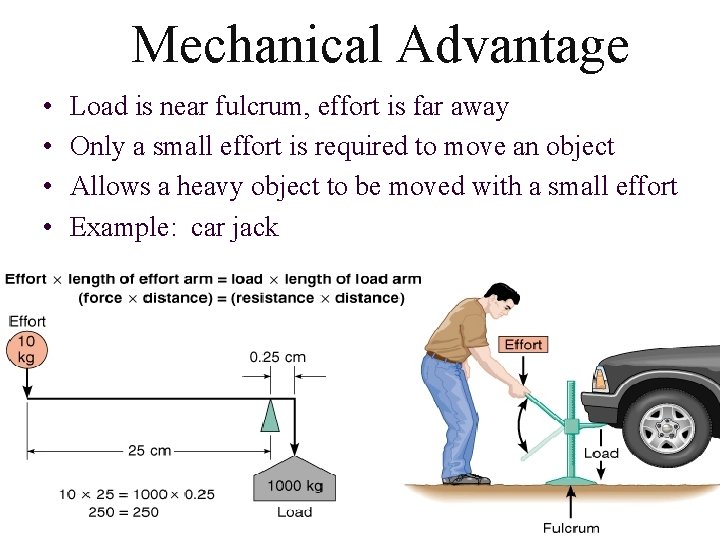
Mechanical Advantage • • Load is near fulcrum, effort is far away Only a small effort is required to move an object Allows a heavy object to be moved with a small effort Example: car jack
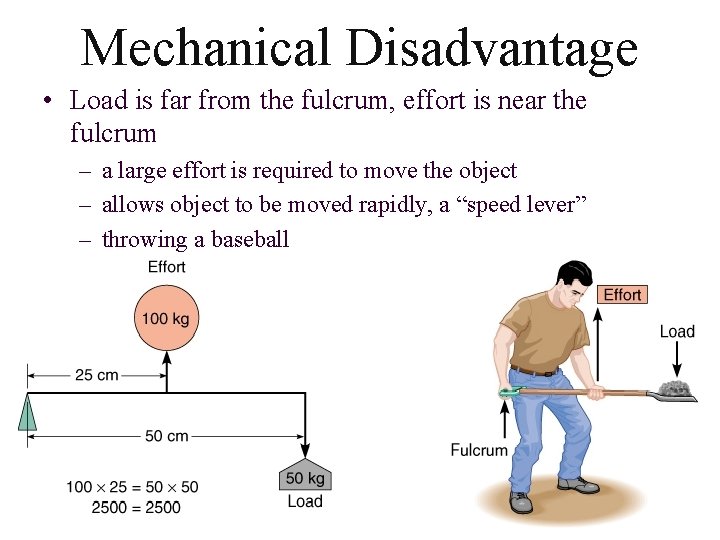
Mechanical Disadvantage • Load is far from the fulcrum, effort is near the fulcrum – a large effort is required to move the object – allows object to be moved rapidly, a “speed lever” – throwing a baseball
Lever Systems and Leverage • First-class lever: (EFR) Effort-Fulcrum-Resistance
Leverage Systems and Leverage • Second class lever: (FRE) Fulcrum-Resistance-Effort
Leverage Systems and Leverage • Third-class lever: (FER) Fulcrum-Effort-Resistance
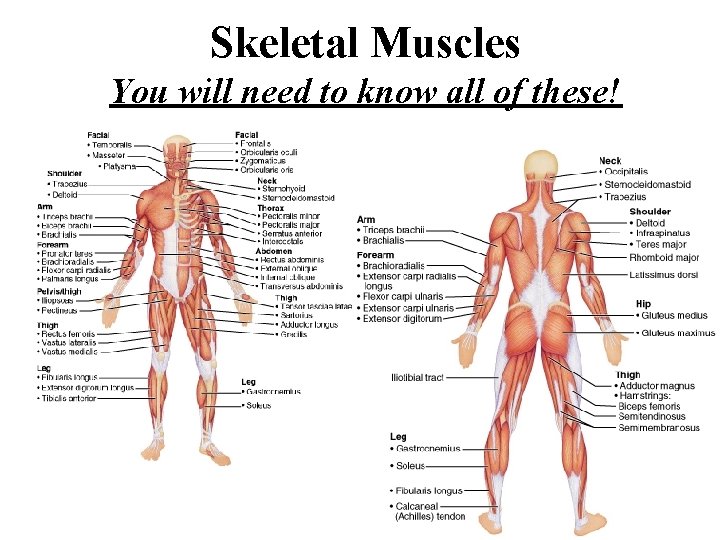
Skeletal Muscles You will need to know all of these!