
Chapter 6 Our Cultural Mosaic Part One What
- Slides: 18
Chapter 6: Our Cultural Mosaic Part One
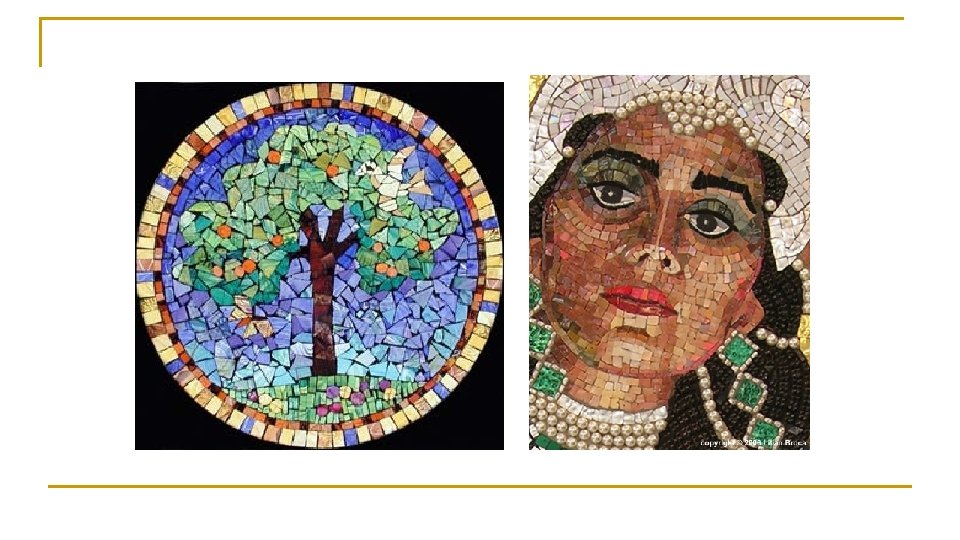
What is a mosaic?
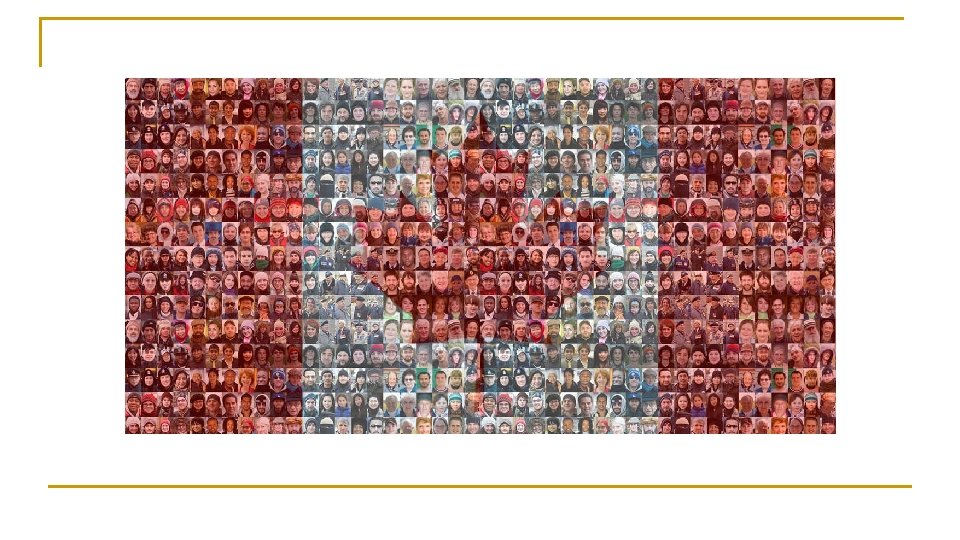
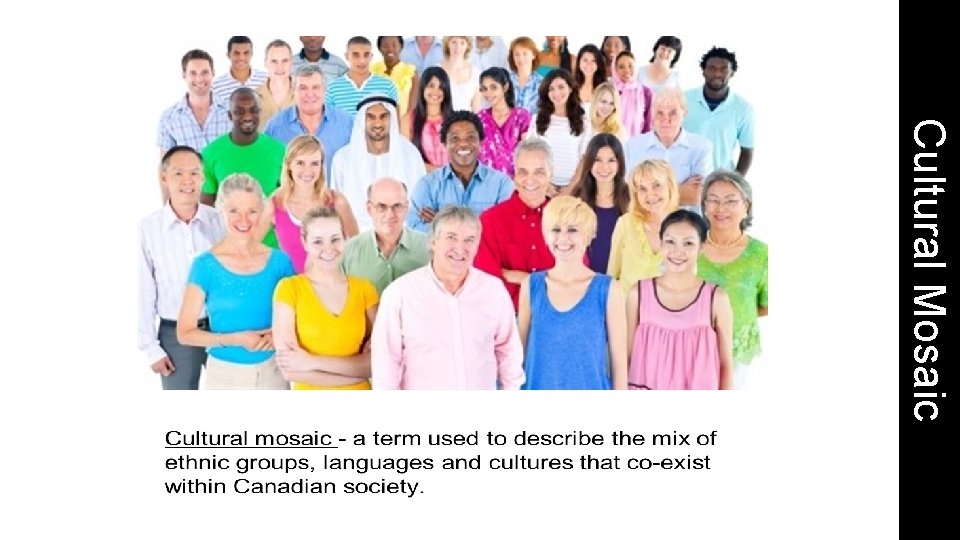
Cultural Mosaic
n An ethnic group is a group of people that shares a common and distinct culture, religion, language, etc. Cultural Mosaic What is an ethnic group?
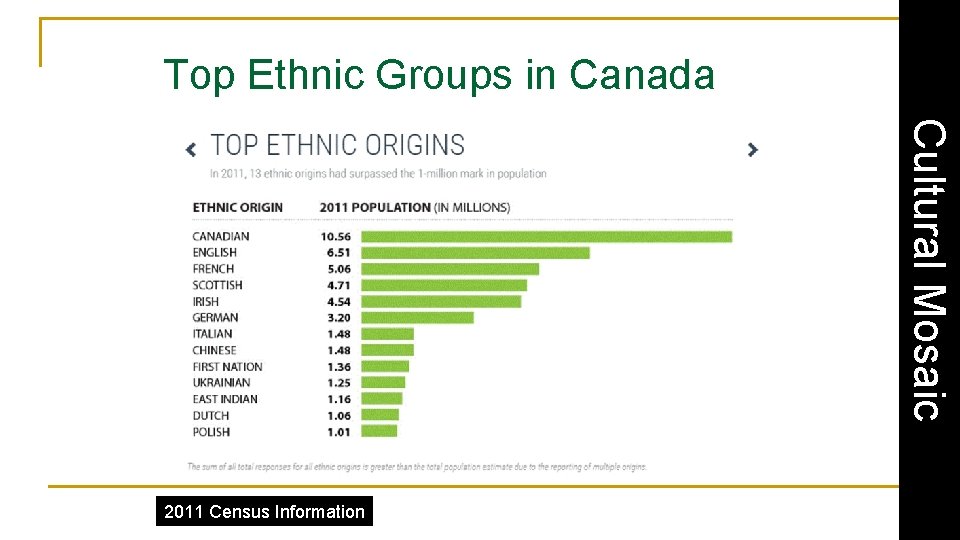
Top Ethnic Groups in Canada Cultural Mosaic 2011 Census Information
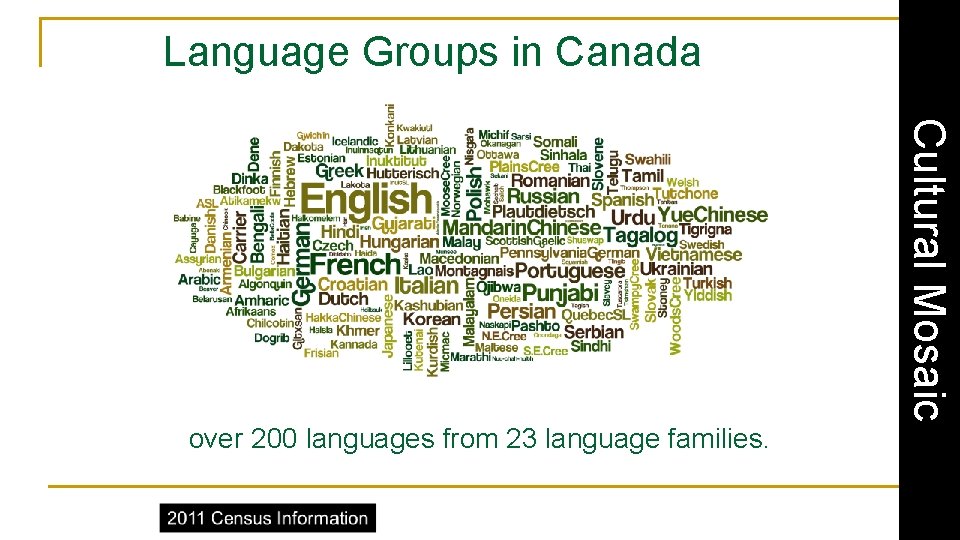
Language Groups in Canada Cultural Mosaic over 200 languages from 23 language families.
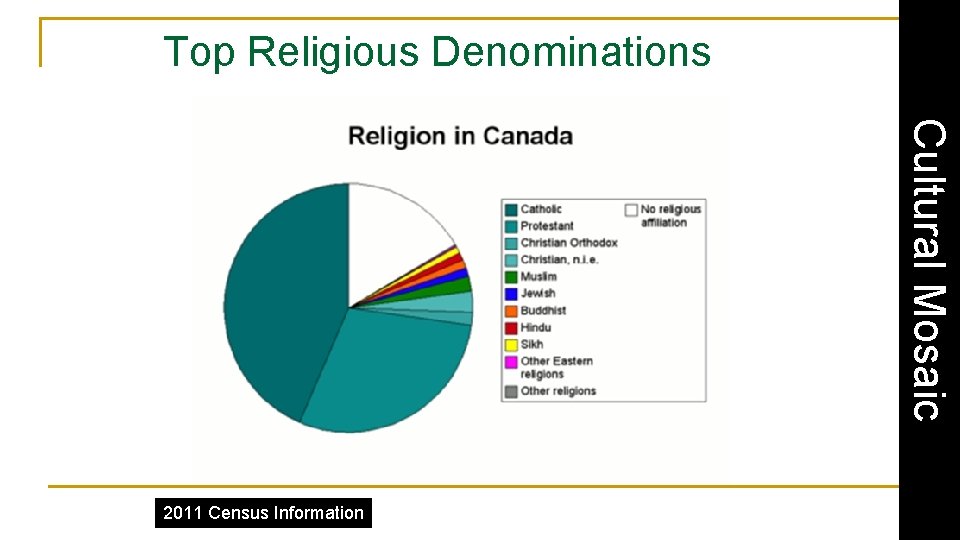
Top Religious Denominations Cultural Mosaic 2011 Census Information
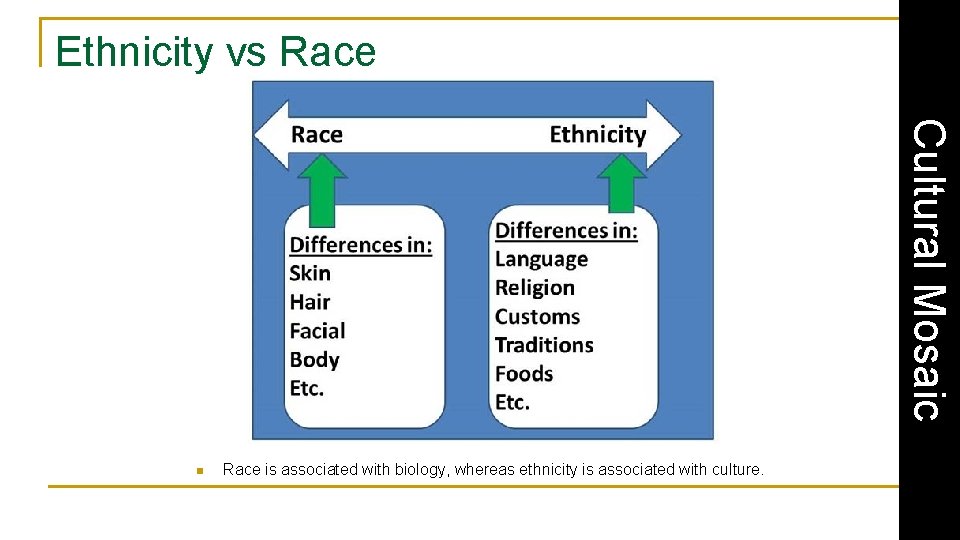
Ethnicity vs Race Cultural Mosaic n Race is associated with biology, whereas ethnicity is associated with culture.
What problems might arise when different cultures come into contact? n What positives can arise when cultural differences exist in harmony? Cultural Mosaic n
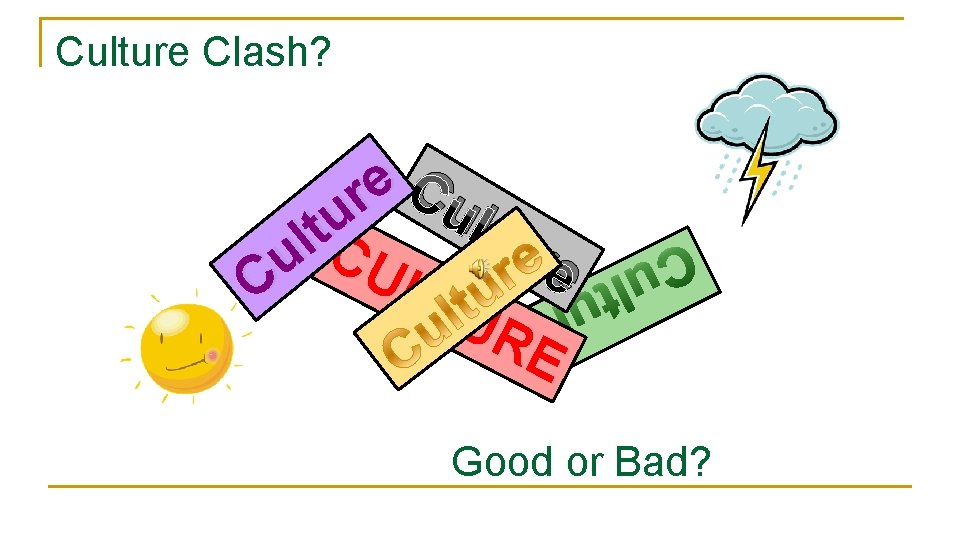
Culture Clash? C e r u ltu tl Cu re u U LT C UR E Good or Bad?
Cultures vary from place to place, and over time, cultures grow and change. Cultures appear and disappear. n Some cultural changes are caused by internal forces. Cultures change because attitudes change. q q For example, 100 years ago most children did not get more than 2 or 3 years of schooling. Today, most Canadians get at least 13 years of schooling. Why did attitudes towards schooling change over time? Change In Cultures n
n Change In Cultures How and why do you think that Canadian Culture changed in the last 100 years?
Other cultural changes result from outside influences. Cultures around the world are changing rapidly as new technologies increase communication between cultures, bringing many outside influences. Travel and communication technology have created a popular culture that stretches around the globe. n For many years, Atlantic Canada developed with input from 3 main groups: Aboriginal peoples, the French and the British. Then, many other groups started to arrive. These groups have all contributed to cultural change, influencing the politics, economy, and social life of the region. Change In Cultures n
Humans are social creatures. They develop by interacting with each other. Healthy humans belong to and interact with members of many groups. q Examples: n n n n Family groups Peer groups Professional, employment, or volunteer groups Linguistic groups chare a common language. Ethnic groups chare a common background, which can include a country of origin. Religious group Cultural group (can be mainstream or contributing). Page 82 Cultural Diversity n
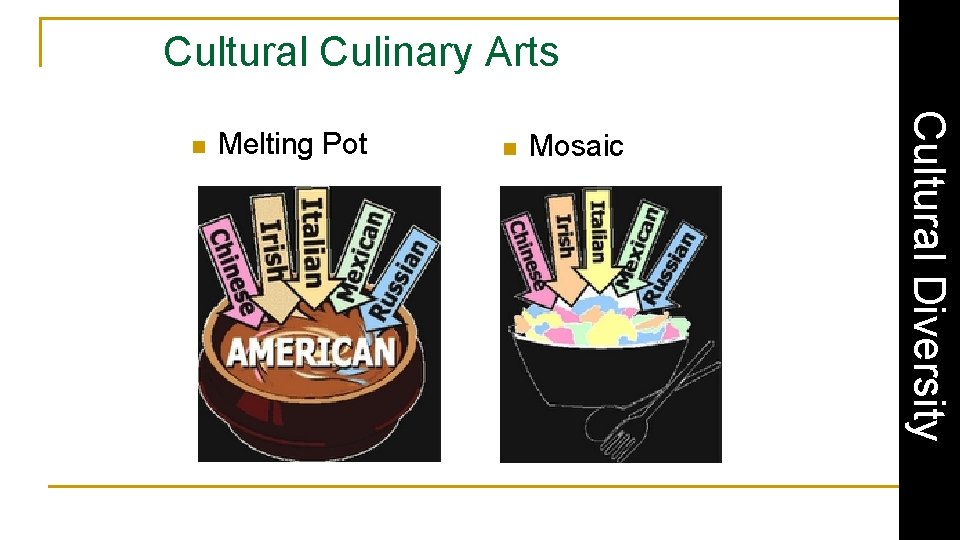
In most countries, the members of all groups are encouraged to assimilate, that is, to become absorbed into the mainstream culture. n Canadian society is multicultural. This means that contributing cultures are expected to participate in Canada’s economic, political, and social life but, at the same time, they are encouraged to maintain their own separate cultural identities. n By accepting many cultures, Canadians learn openness and flexibility and their lives are enriched. Cultural Diversity n
Cultural Culinary Arts Melting Pot n Mosaic Cultural Diversity n