
Chapter 6 Microbial Growth 2013 Pearson Education Inc
Chapter 6 Microbial Growth © 2013 Pearson Education, Inc. Lectures prepared by Christine L. Case
The Requirements for Growth • Physical requirements – Temperature – p. H – Osmotic pressure • Chemical requirements – Carbon – Nitrogen, sulfur, and phosphorous – Trace elements – Oxygen – Organic growth factor
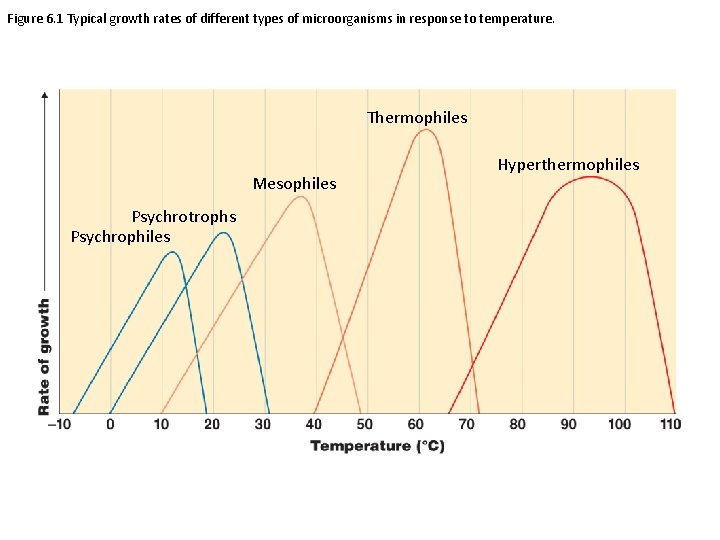
Figure 6. 1 Typical growth rates of different types of microorganisms in response to temperature. Thermophiles Mesophiles Psychrotrophs Psychrophiles Hyperthermophiles
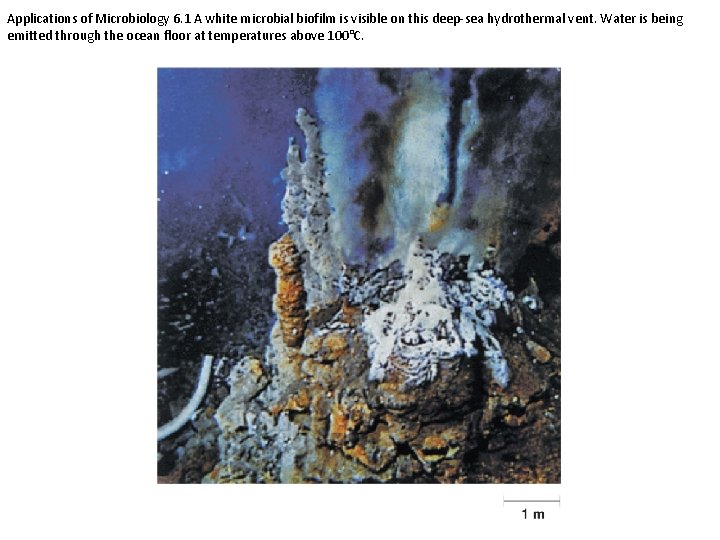
Applications of Microbiology 6. 1 A white microbial biofilm is visible on this deep-sea hydrothermal vent. Water is being emitted through the ocean floor at temperatures above 100°C.
p. H • Most bacteria grow between p. H 6. 5 and 7. 5 • Molds and yeasts grow between p. H 5 and 6 • Acidophiles grow in acidic environments
Osmotic Pressure • Hypertonic environments, or an increase in salt or sugar, cause plasmolysis • Extreme or obligate halophiles require high osmotic pressure • Facultative halophiles tolerate high osmotic pressure
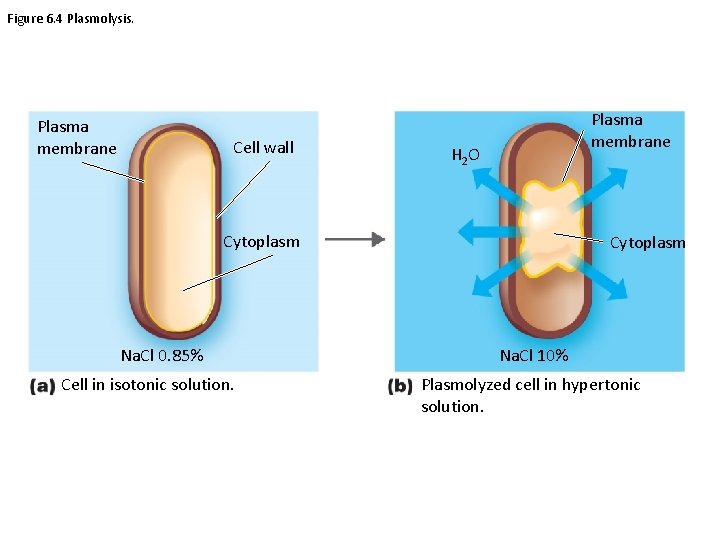
Figure 6. 4 Plasmolysis. Plasma membrane Cell wall Plasma membrane H 2 O Cytoplasm Na. Cl 0. 85% Cell in isotonic solution. Cytoplasm Na. Cl 10% Plasmolyzed cell in hypertonic solution.
Chemical Requirements • Carbon – Structural organic molecules, energy source – Chemoheterotrophs use organic carbon sources – Autotrophs use CO 2
Chemical Requirements • Nitrogen – In amino acids and proteins – Most bacteria decompose proteins – Some bacteria use NH 4+ or NO 3– – A few bacteria use N 2 in nitrogen fixation
Chemical Requirements • Sulfur – In amino acids, thiamine, and biotin – Most bacteria decompose proteins – Some bacteria use SO 42– or H 2 S • Phosphorus – In DNA, RNA, ATP, and membranes – PO 43– is a source of phosphorus
Chemical Requirements • Trace elements – Inorganic elements required in small amounts – Usually as enzyme cofactors
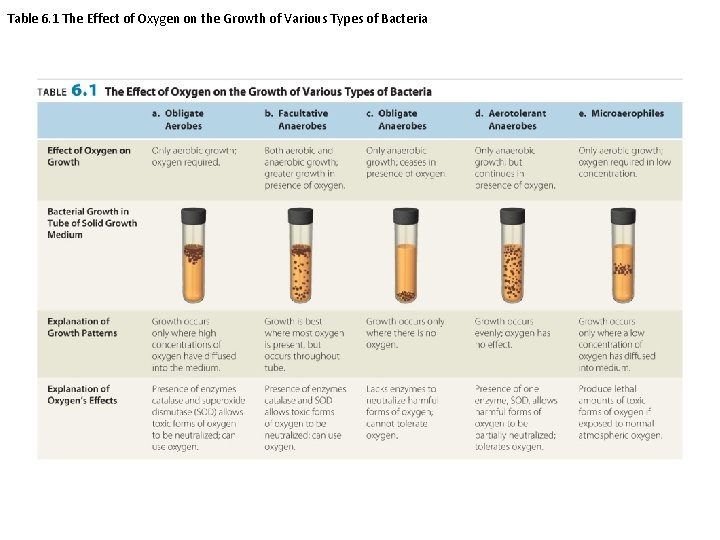
Table 6. 1 The Effect of Oxygen on the Growth of Various Types of Bacteria
Organic Growth Factors • Organic compounds obtained from the environment • Vitamins, amino acids, purines, and pyrimidines
Biofilms • Microbial communities • Share nutrients • Sheltered from harmful factors
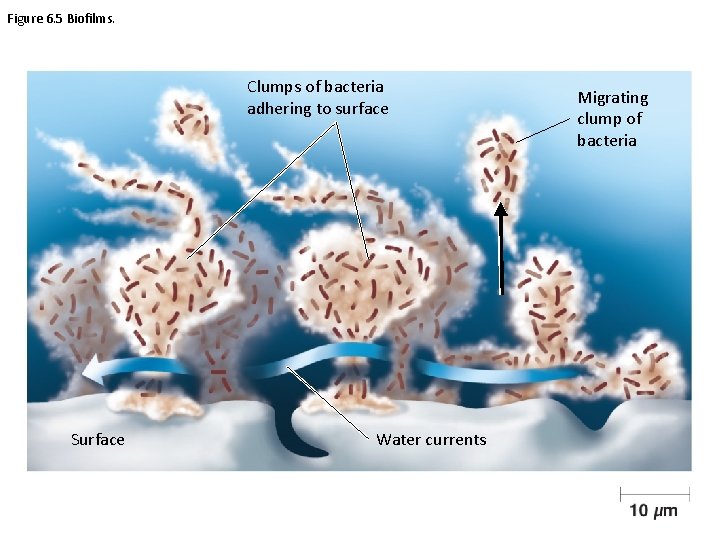
Figure 6. 5 Biofilms. Clumps of bacteria adhering to surface Surface Water currents Migrating clump of bacteria
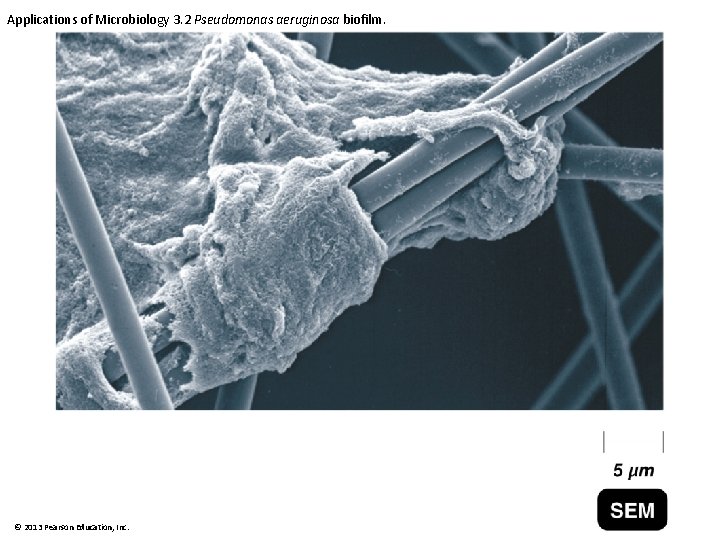
Applications of Microbiology 3. 2 Pseudomonas aeruginosa biofilm. © 2013 Pearson Education, Inc.
Culture Media • Culture medium: nutrients prepared for microbial growth • Sterile: no living microbes • Inoculum: introduction of microbes into medium • Culture: microbes growing in/on culture medium
Agar • Complex polysaccharide • Used as solidifying agent for culture media in Petri plates, slants, and deeps • Generally not metabolized by microbes • Liquefies at 100°C • Solidifies at ~40°C
Culture Media • Chemically defined media: exact chemical composition is known • Complex media: extracts and digests of yeasts, meat, or plants – Nutrient broth – Nutrient agar
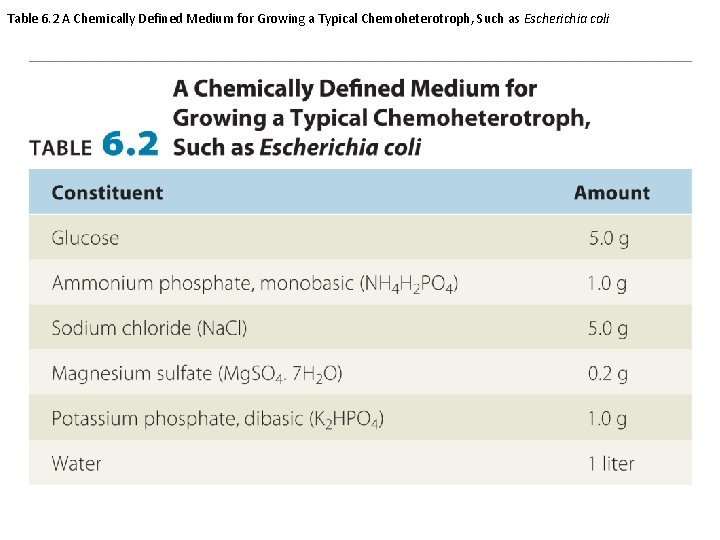
Table 6. 2 A Chemically Defined Medium for Growing a Typical Chemoheterotroph, Such as Escherichia coli
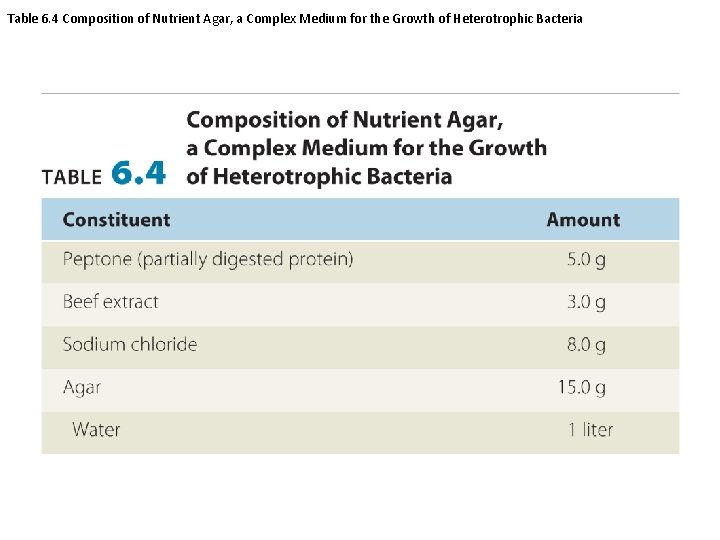
Table 6. 4 Composition of Nutrient Agar, a Complex Medium for the Growth of Heterotrophic Bacteria
Anaerobic Culture Methods • Reducing media – Contain chemicals (thioglycolate or oxyrase) that combine O 2 – Heated to drive off O 2
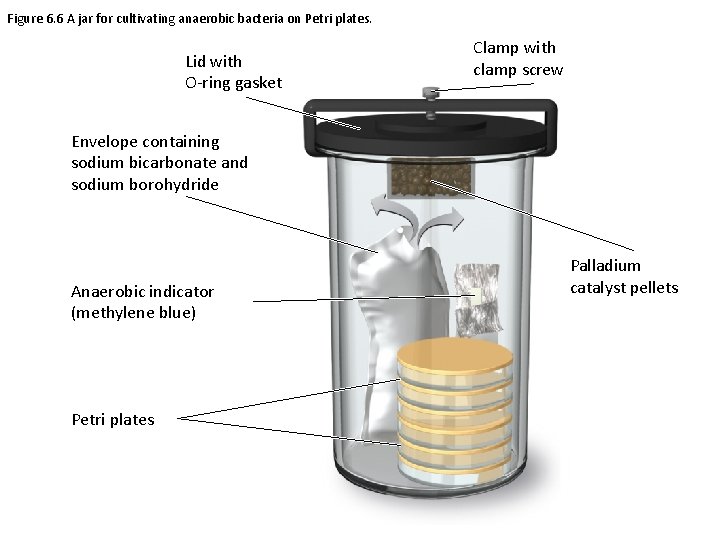
Figure 6. 6 A jar for cultivating anaerobic bacteria on Petri plates. Lid with O-ring gasket Clamp with clamp screw Envelope containing sodium bicarbonate and sodium borohydride Anaerobic indicator (methylene blue) Petri plates Palladium catalyst pellets
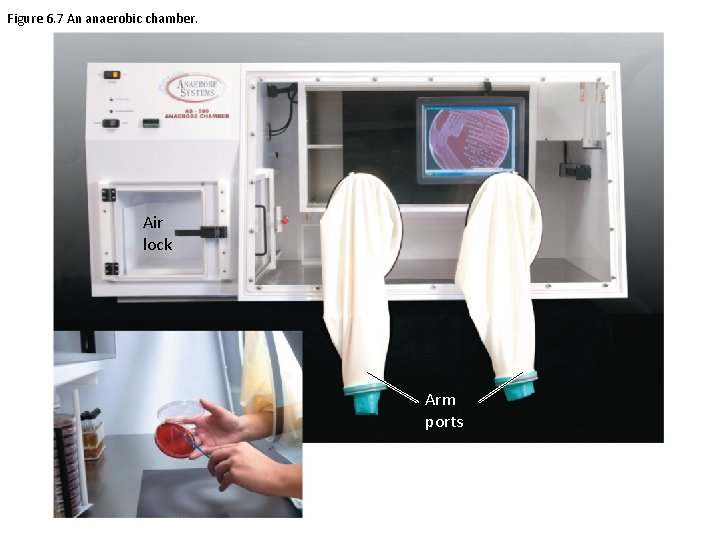
Figure 6. 7 An anaerobic chamber. Air lock Arm ports
Capnophiles • Microbes that require high CO 2 conditions • CO 2 packet • Candle jar
Differential Media • Make it easy to distinguish colonies of different microbes
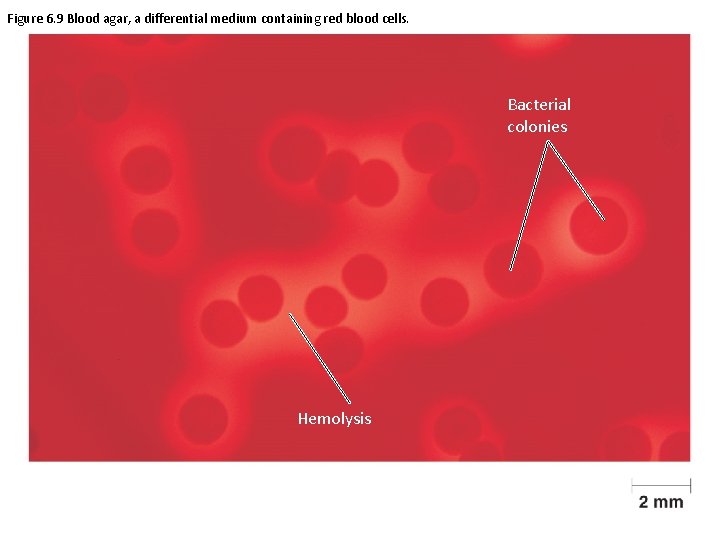
Figure 6. 9 Blood agar, a differential medium containing red blood cells. Bacterial colonies Hemolysis
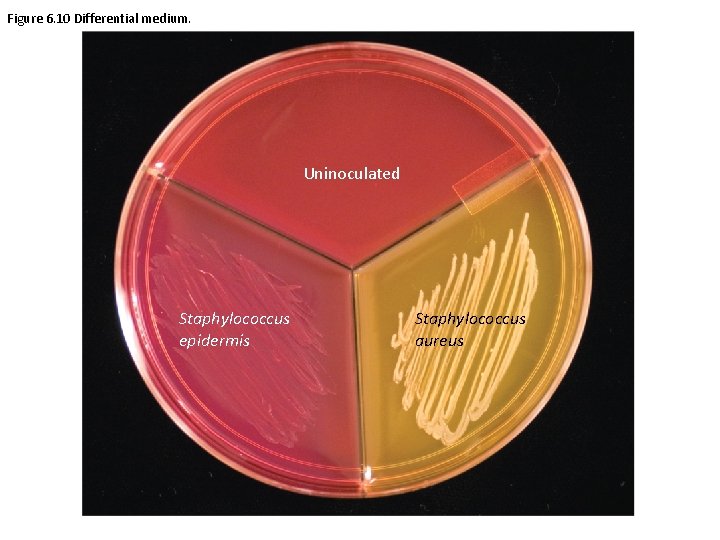
Figure 6. 10 Differential medium. Uninoculated Staphylococcus epidermis Staphylococcus aureus
Selective Media • Suppress unwanted microbes and encourage desired microbes
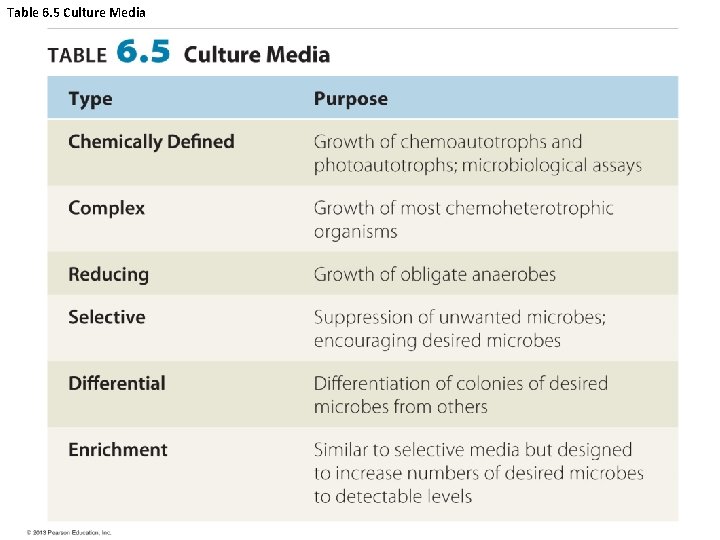
Table 6. 5 Culture Media
Reproduction in Prokaryotes • • Binary fission Budding Conidiospores (actinomycetes) Fragmentation of filaments ANIMATION Bacterial Growth: Overview
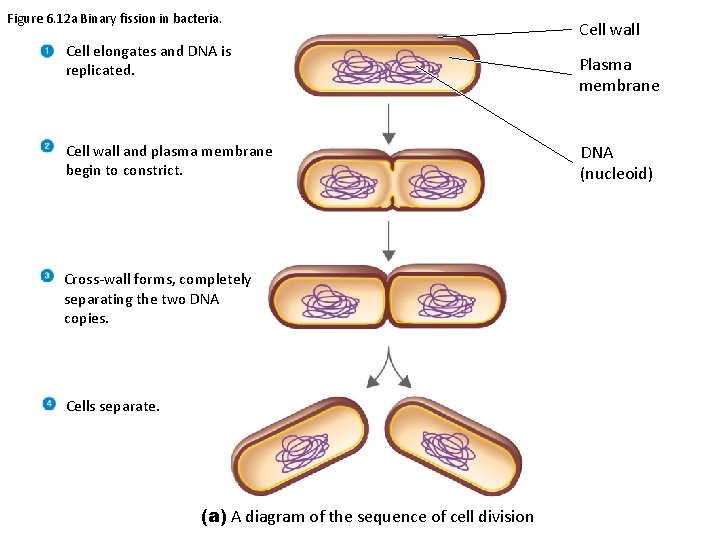
Figure 6. 12 a Binary fission in bacteria. Cell elongates and DNA is replicated. Cell wall and plasma membrane begin to constrict. Cross-wall forms, completely separating the two DNA copies. Cells separate. (a) A diagram of the sequence of cell division Cell wall Plasma membrane DNA (nucleoid)
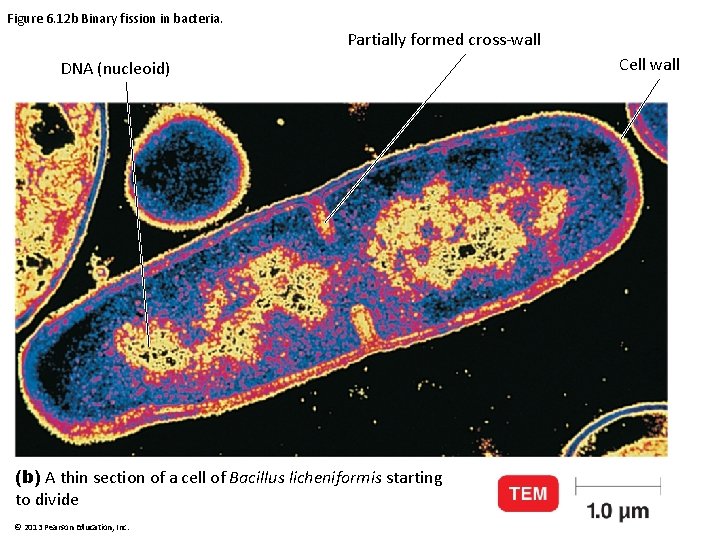
Figure 6. 12 b Binary fission in bacteria. Partially formed cross-wall DNA (nucleoid) (b) A thin section of a cell of Bacillus licheniformis starting to divide © 2013 Pearson Education, Inc. Cell wall
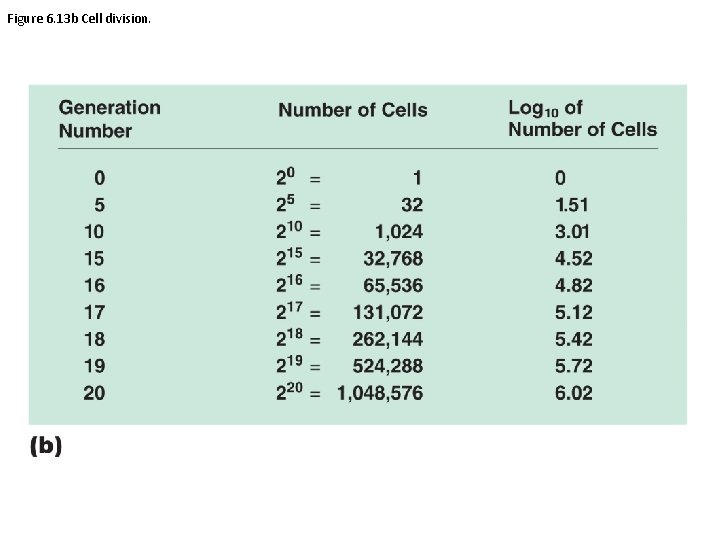
Figure 6. 13 b Cell division.
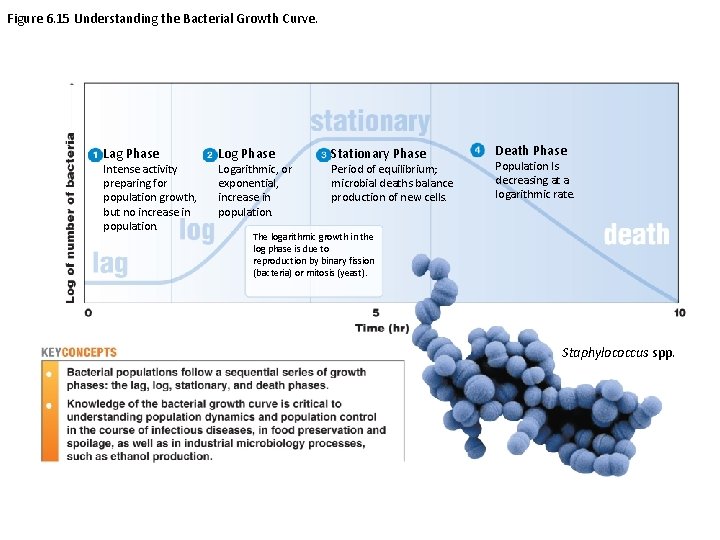
Figure 6. 15 Understanding the Bacterial Growth Curve. Lag Phase Intense activity preparing for population growth, but no increase in population. Log Phase Logarithmic, or exponential, increase in population. Stationary Phase Period of equilibrium; microbial deaths balance production of new cells. Death Phase Population Is decreasing at a logarithmic rate. The logarithmic growth in the log phase is due to reproduction by binary fission (bacteria) or mitosis (yeast). Staphylococcus spp.
- Slides: 35