
CHAPTER 6 LESSON 2 Lesson 2 Cells A
- Slides: 17
CHAPTER 6 LESSON 2
Lesson 2: Cells A. What are cells? 1. All living things have cells, which are the basic unit of an organism. 2. Most cells are so small that a(n) microscope needs to be used to see them. 3. Cells have many different shapes and sizes.
B. What are cells made of? 1. All cells are made of four types of macromolecules—nucleic acids, lipids, proteins, and carbohydrates. 2. The cell membrane is an outer structure that surrounds all cells. 3. About 70 percent of the material inside a cell is water.
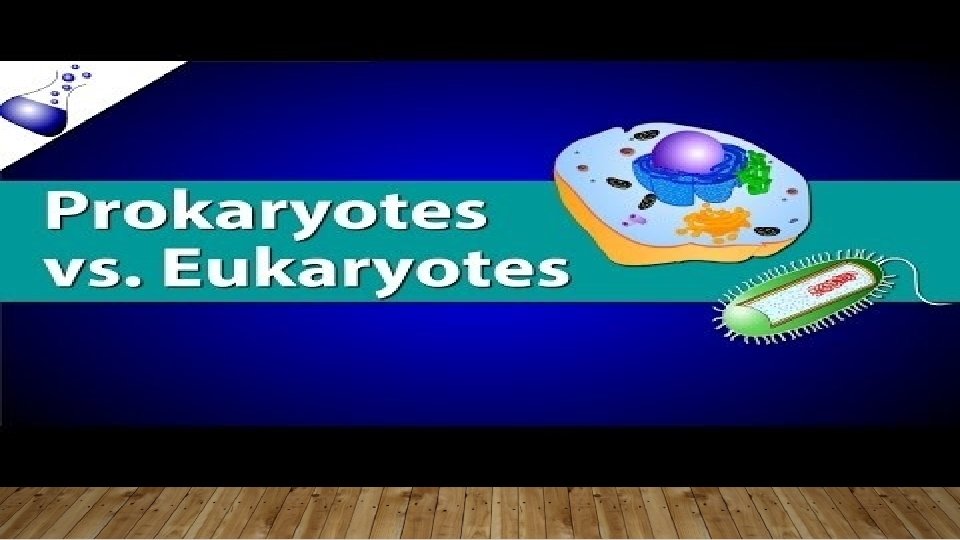
C. Types of Cells 1. Prokaryotic cells are cells that do not have a nucleus or other membrane-bound organelles. 2. Structures in cells that carry out specific functions are called organelles.
3. Cells that have a nucleus and other membrane-bound organelles are called eukaryotic cells. a. Eukaryotes include most multicellular organisms as well as some unicellular organisms. b. In eukaryotes, most of the organelles, including the nucleus, are surrounded by membranes.
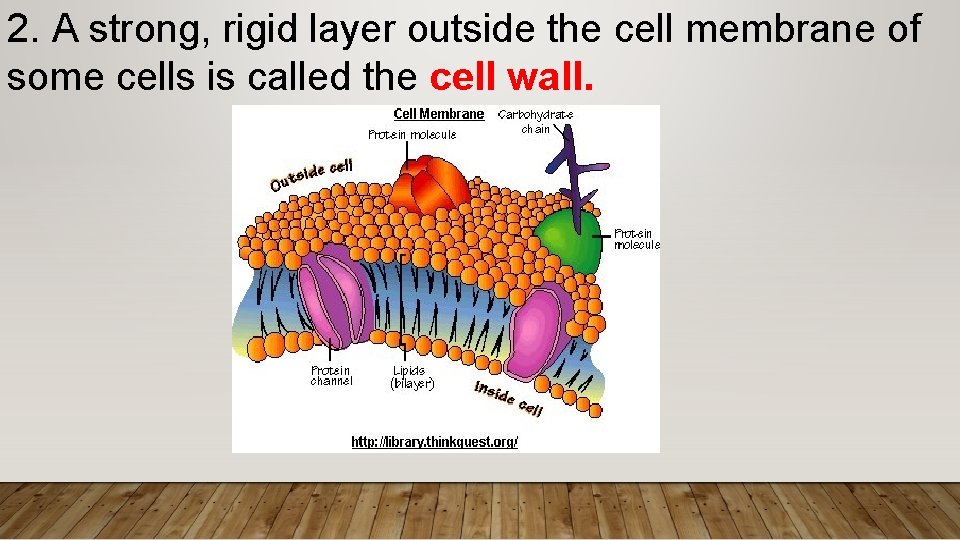
D. The Outside of a Cell 1. The cell membrane is made of lipids and proteins. a. Lipids in the cell membrane protect the inside of a cell from the environment outside the cell. b. Proteins in the cell membrane transport substances between a cell’s environment and the inside of the cell and communicate with other cells.
2. A strong, rigid layer outside the cell membrane of some cells is called the cell wall.
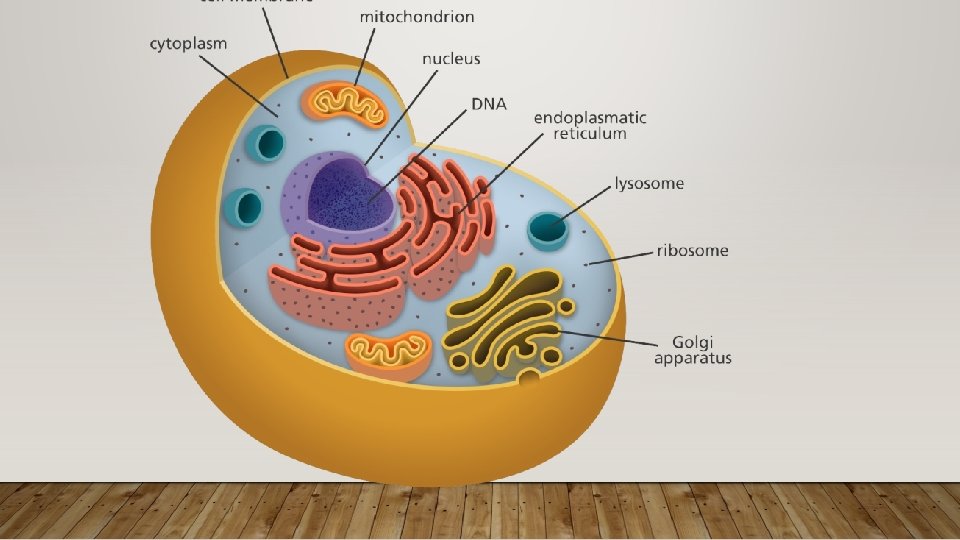
E. The Inside of a Cell 1. The cytoplasm is the liquid part of a cell inside the cell membrane.
2. The information that controls all cell activities is stored in DNA, which is the cell’s genetic material. a. DNA is a type of macromolecule called a(n) nucleic acid. b. The function of RNA is to give cells instructions about which proteins need to be made. c. In eukaryotic cells, DNA is stored in an organelle called the nucleus.
3. In prokaryotes, proteins in the cytoplasm process energy. 4. Eukaryotes have organelles, called mitochondria, which break down food and release energy. 5. Adenosine triphosphate, or ATP, is a molecule that stores energy for later use in carrying out cell functions.
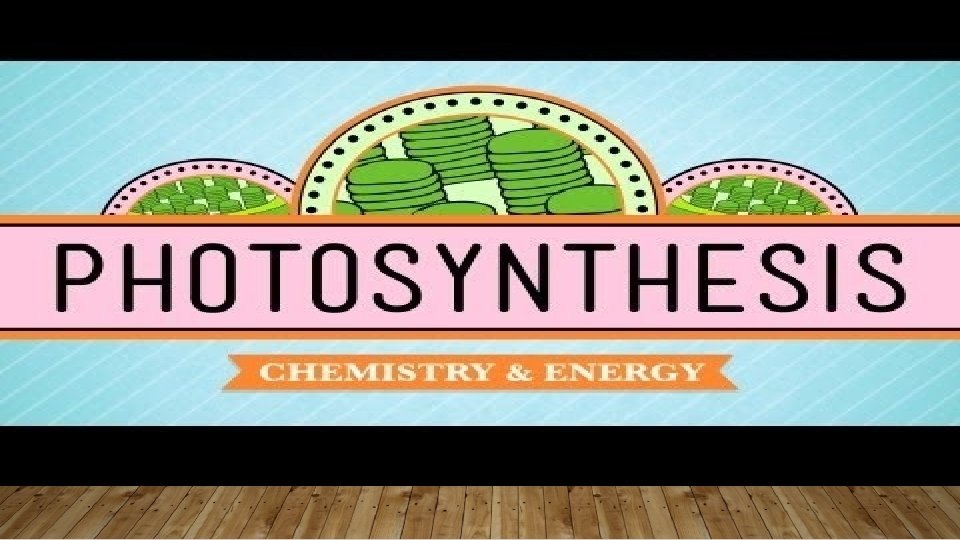
6. Plants and many other autotrophs have energyprocessing organelles called chloroplasts as well as mitochondria. a. Chloroplasts capture light energy and convert it into chemical energy in a process called photosynthesis. a. b. Photosynthesis produces ATP and also carbohydrates such as glucose that are used to store energy.
7. Proteins are made on the surface of ribosomes, which are found in the cytoplasm of prokaryotic and eukaryotic cells. 8. The ribosomes in eukaryotic cells are attached to an organelle called the endoplasmic reticulum.
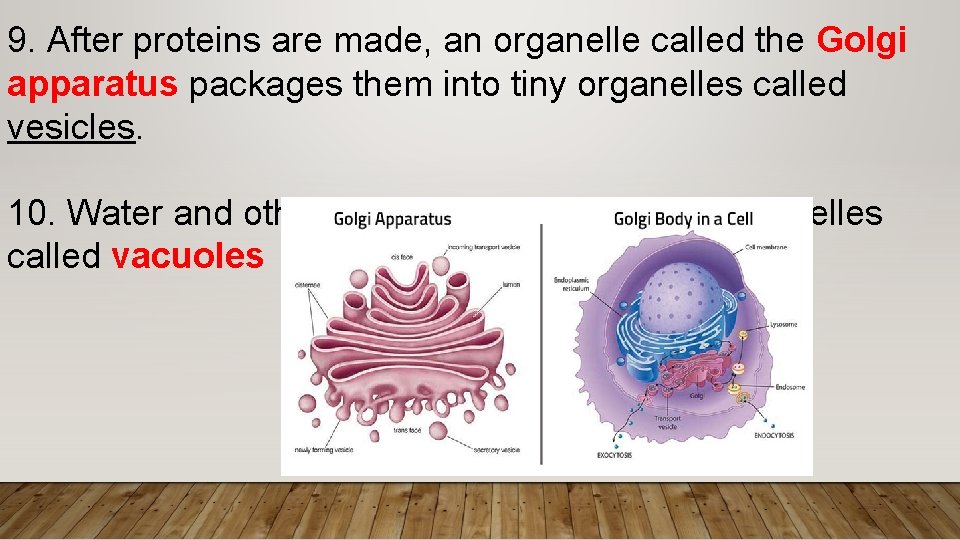
9. After proteins are made, an organelle called the Golgi apparatus packages them into tiny organelles called vesicles. 10. Water and other molecules are stored in organelles called vacuoles