
Chapter 6 FixedIncome Securities Characteristics and Valuation 2001

- Slides: 21
Chapter 6 Fixed-Income Securities: Characteristics and Valuation © 2001 South-Western College Publishing
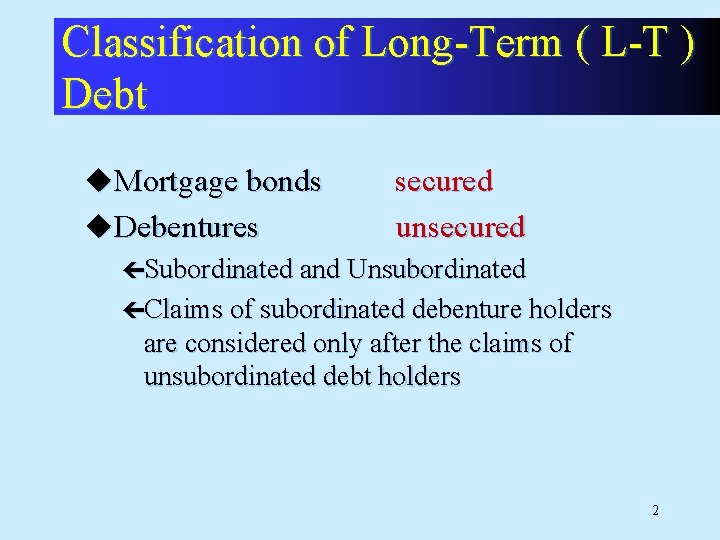
Classification of Long-Term ( L-T ) Debt u. Mortgage bonds secured unsecured u. Debentures çSubordinated and Unsubordinated çClaims of subordinated debenture holders are considered only after the claims of unsubordinated debt holders 2
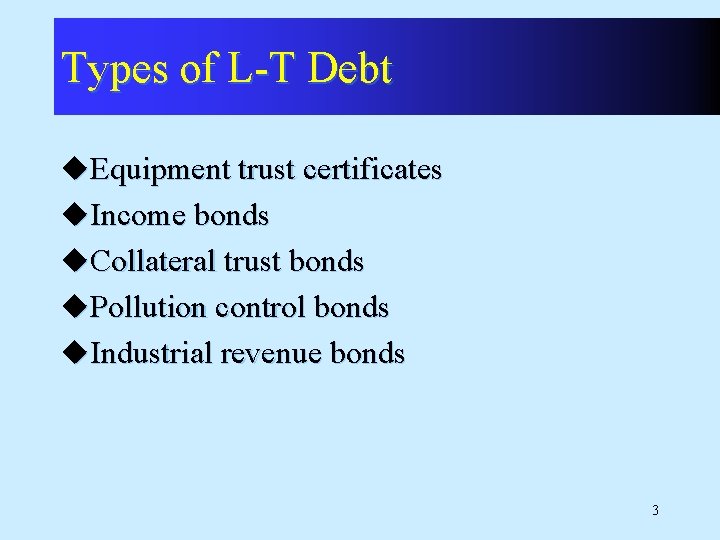
Types of L-T Debt u. Equipment trust certificates u. Income bonds u. Collateral trust bonds u. Pollution control bonds u. Industrial revenue bonds 3
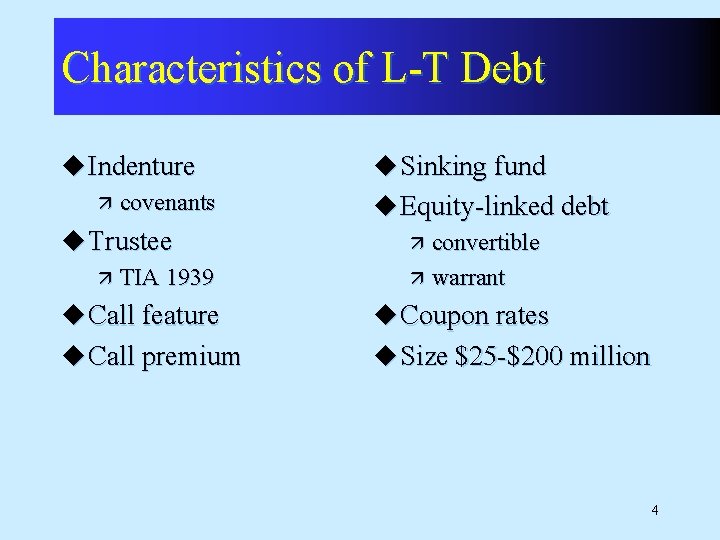
Characteristics of L-T Debt u Indenture ä covenants u Trustee ä TIA 1939 u Sinking fund u Equity-linked debt convertible ä warrant ä u Call feature u Coupon rates u Call premium u Size $25 -$200 million 4
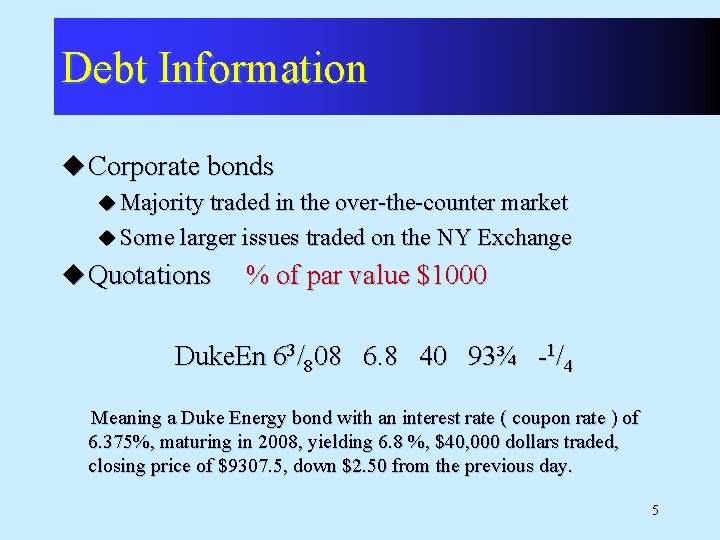
Debt Information u Corporate bonds u Majority traded in the over-the-counter market u Some larger issues traded on the NY Exchange u Quotations % of par value $1000 Duke. En 63/808 6. 8 40 93¾ -1/4 Meaning a Duke Energy bond with an interest rate ( coupon rate ) of 6. 375%, maturing in 2008, yielding 6. 8 %, $40, 000 dollars traded, closing price of $9307. 5, down $2. 50 from the previous day. 5
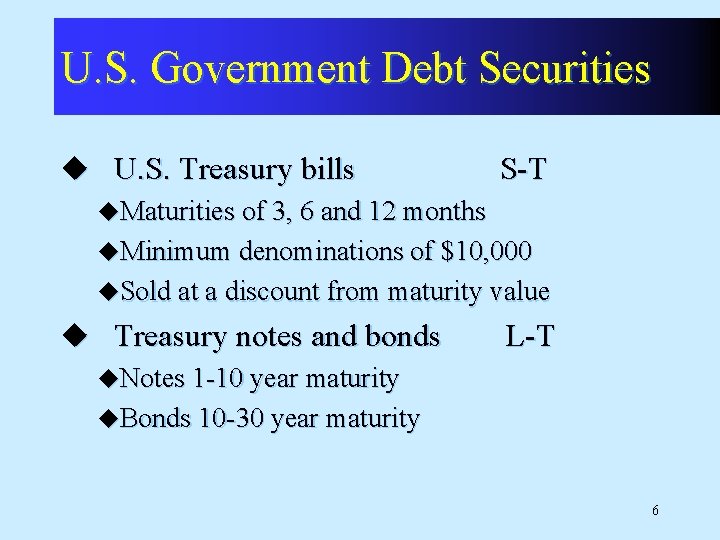
U. S. Government Debt Securities u U. S. Treasury bills S-T u. Maturities of 3, 6 and 12 months u. Minimum denominations of $10, 000 u. Sold at a discount from maturity value u Treasury notes and bonds u. Notes 1 -10 year maturity u. Bonds 10 -30 year maturity L-T 6
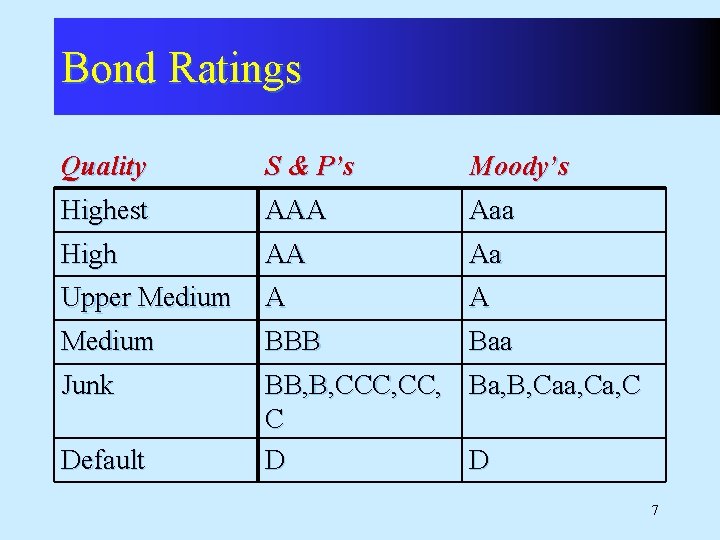
Bond Ratings Quality S & P’s Moody’s Highest AAA Aaa High AA Aa Upper Medium A A Medium BBB Baa Junk BB, B, CCC, Ba, B, Caa, C C D D Default 7
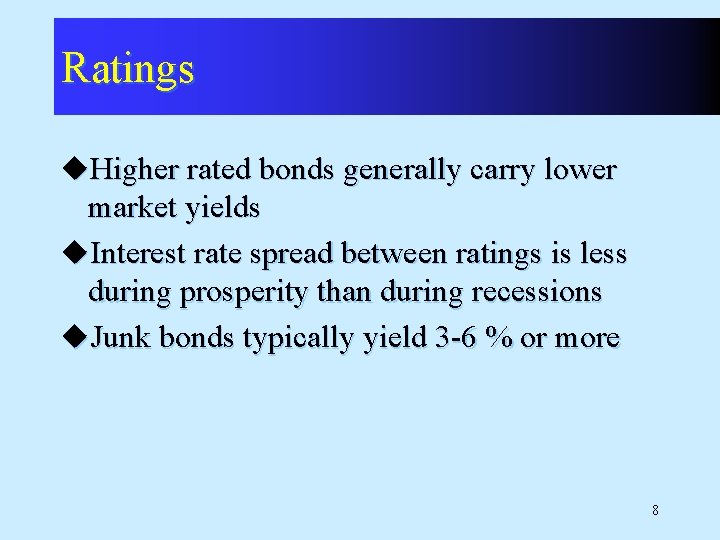
Ratings u. Higher rated bonds generally carry lower market yields u. Interest rate spread between ratings is less during prosperity than during recessions u. Junk bonds typically yield 3 -6 % or more 8
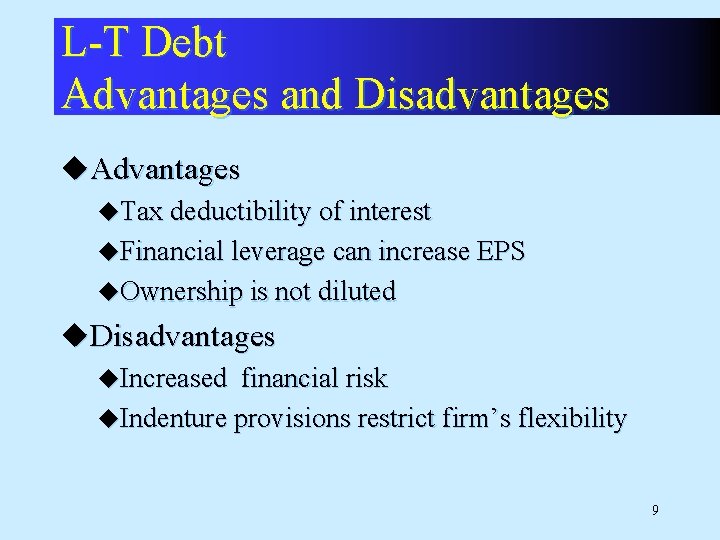
L-T Debt Advantages and Disadvantages u. Advantages u. Tax deductibility of interest u. Financial leverage can increase EPS u. Ownership is not diluted u. Disadvantages u. Increased financial risk u. Indenture provisions restrict firm’s flexibility 9
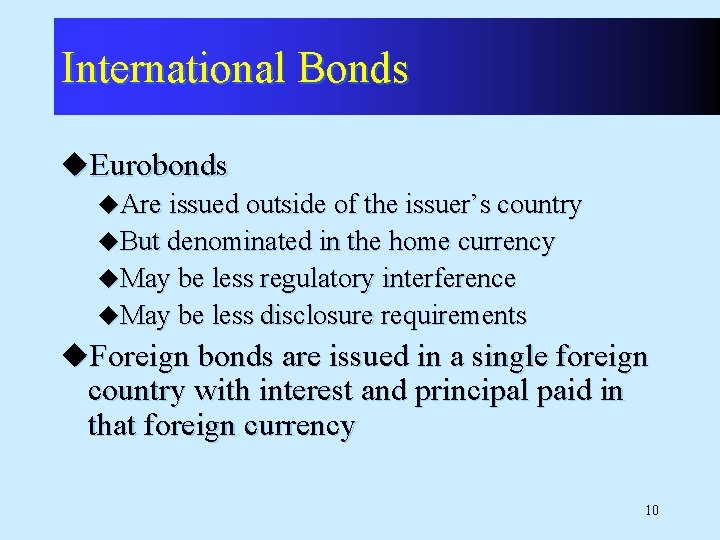
International Bonds u. Eurobonds u. Are issued outside of the issuer’s country u. But denominated in the home currency u. May be less regulatory interference u. May be less disclosure requirements u. Foreign bonds are issued in a single foreign country with interest and principal paid in that foreign currency 10
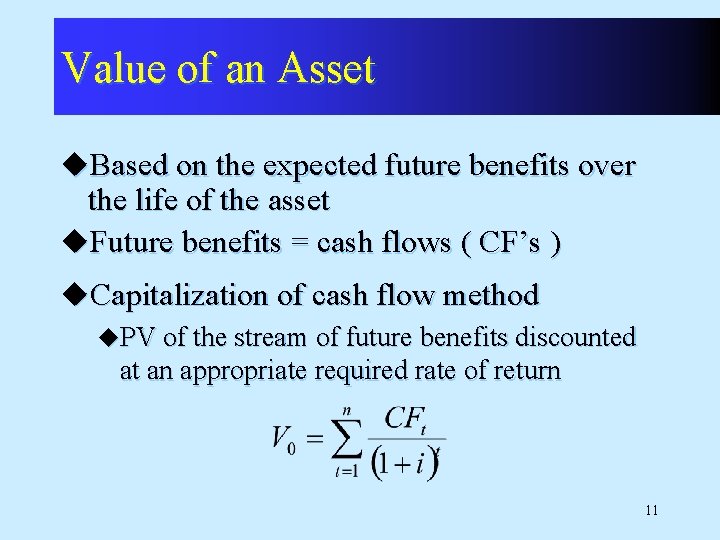
Value of an Asset u. Based on the expected future benefits over the life of the asset u. Future benefits = cash flows ( CF’s ) u. Capitalization of cash flow method u. PV of the stream of future benefits discounted at an appropriate required rate of return 11
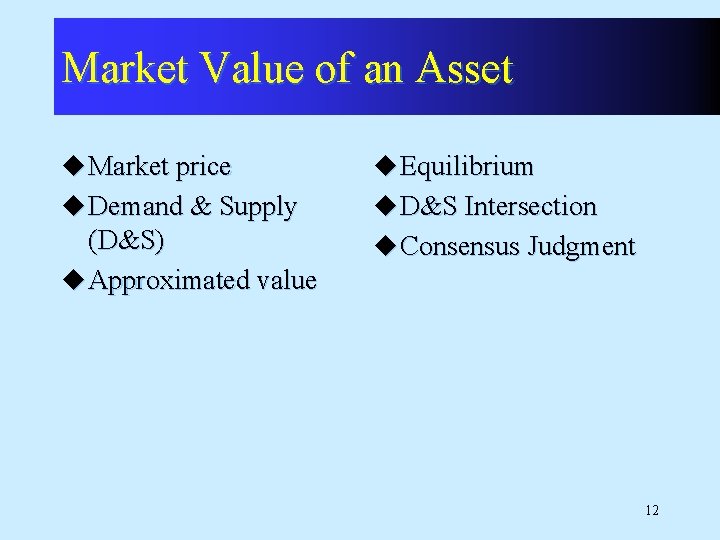
Market Value of an Asset u Market price u Equilibrium u Demand & Supply u D&S Intersection (D&S) u Approximated value u Consensus Judgment 12
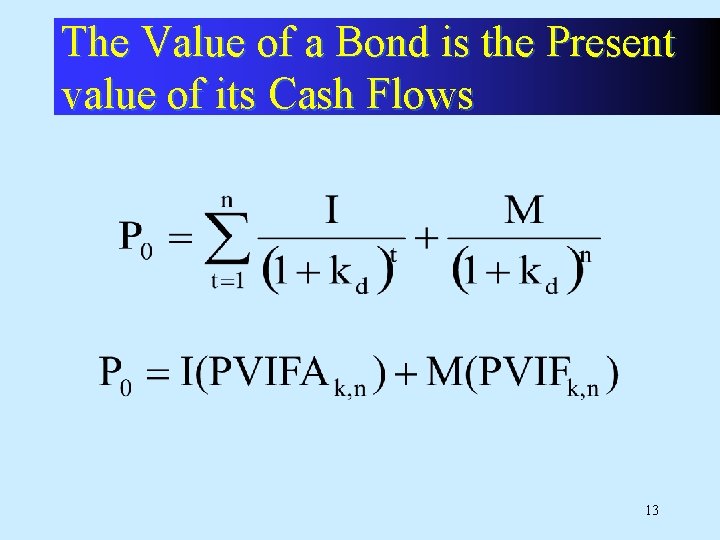
The Value of a Bond is the Present value of its Cash Flows 13
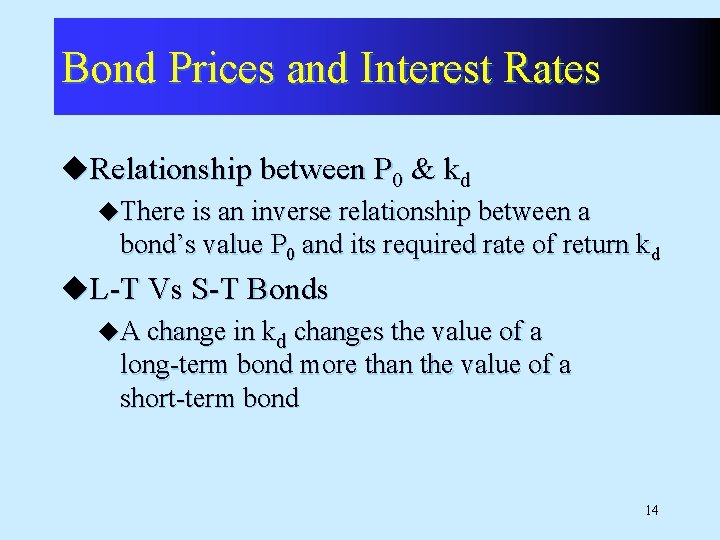
Bond Prices and Interest Rates u. Relationship between P 0 & kd u. There is an inverse relationship between a bond’s value P 0 and its required rate of return kd u. L-T Vs S-T Bonds u. A change in kd changes the value of a long-term bond more than the value of a short-term bond 14
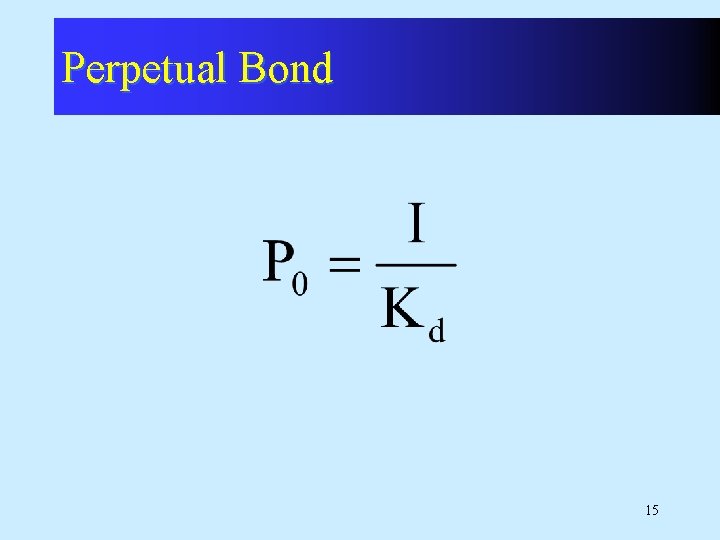
Perpetual Bond 15
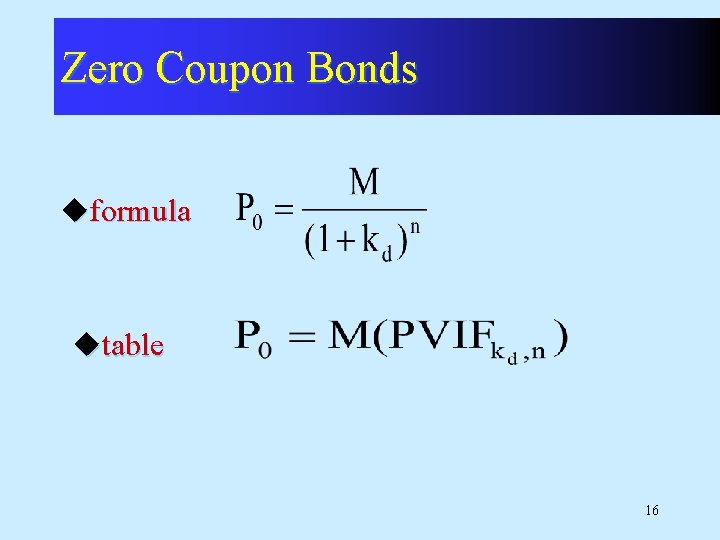
Zero Coupon Bonds uformula utable 16
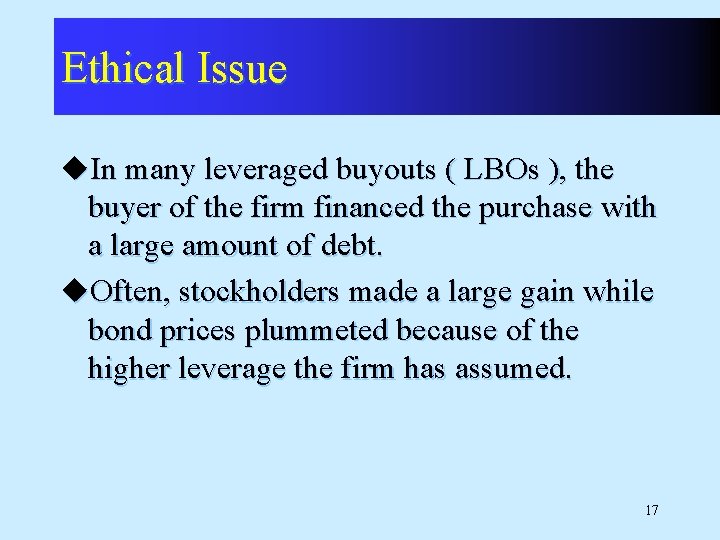
Ethical Issue u. In many leveraged buyouts ( LBOs ), the buyer of the firm financed the purchase with a large amount of debt. u. Often, stockholders made a large gain while bond prices plummeted because of the higher leverage the firm has assumed. 17
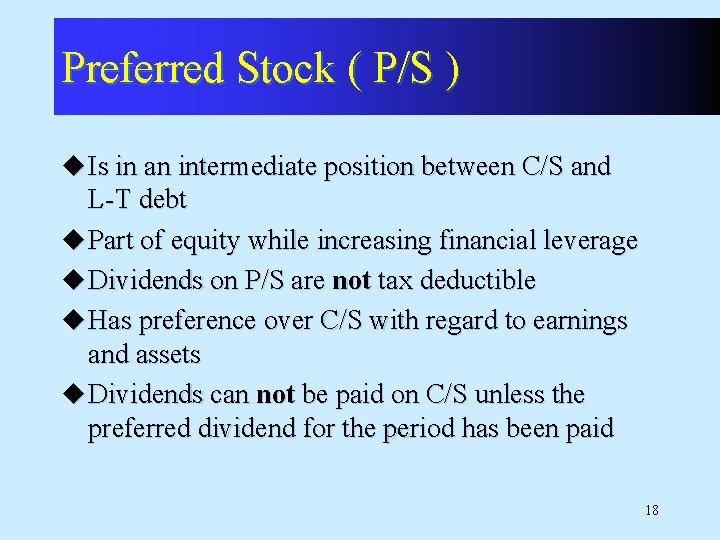
Preferred Stock ( P/S ) u Is in an intermediate position between C/S and L-T debt u Part of equity while increasing financial leverage u Dividends on P/S are not tax deductible u Has preference over C/S with regard to earnings and assets u Dividends can not be paid on C/S unless the preferred dividend for the period has been paid 18
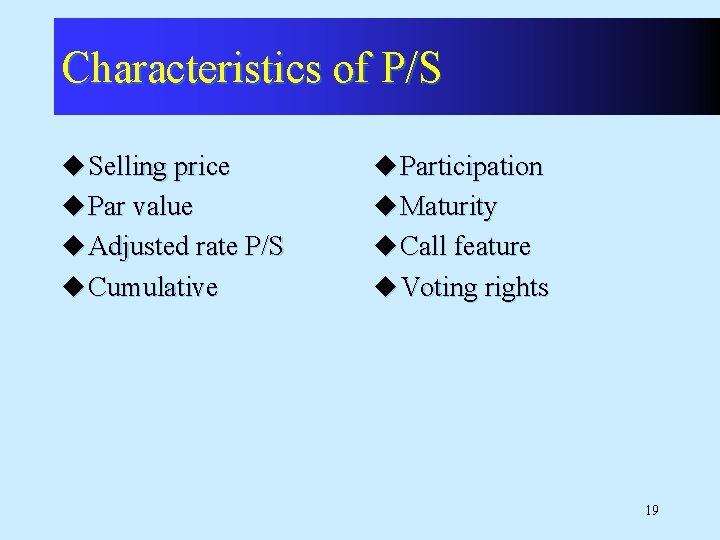
Characteristics of P/S u Selling price u Participation u Par value u Maturity u Adjusted rate P/S u Call feature u Cumulative u Voting rights 19
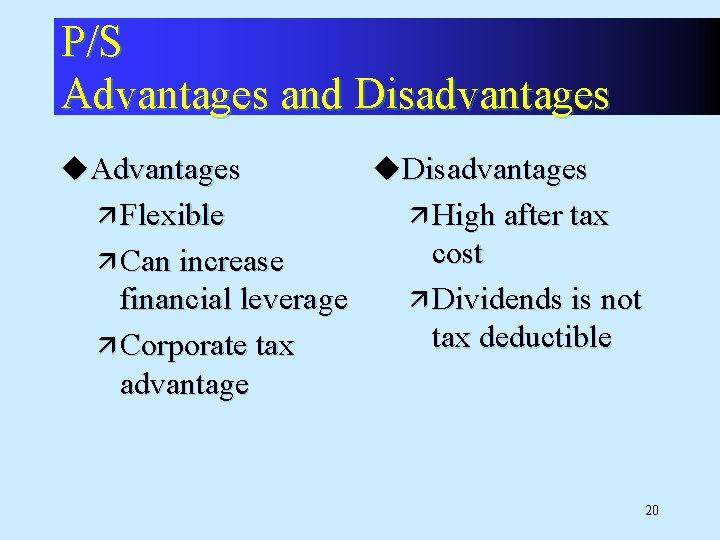
P/S Advantages and Disadvantages u. Advantages u. Disadvantages ä Flexible ä High after tax ä Can increase cost ä Dividends is not tax deductible financial leverage ä Corporate tax advantage 20
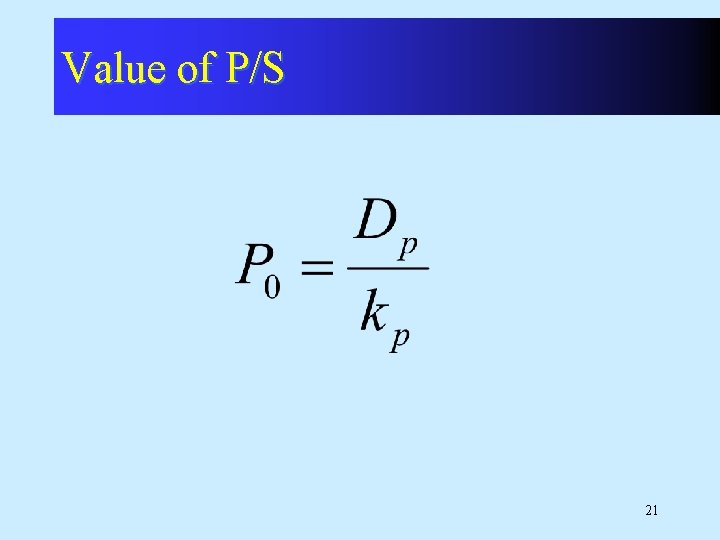
Value of P/S 21