
CHAPTER 6 Electricity and Electric Circuits What is
- Slides: 46
CHAPTER 6 Electricity and Electric Circuits
What is electricity? The flow of electric current. l Water wheel analogy. l
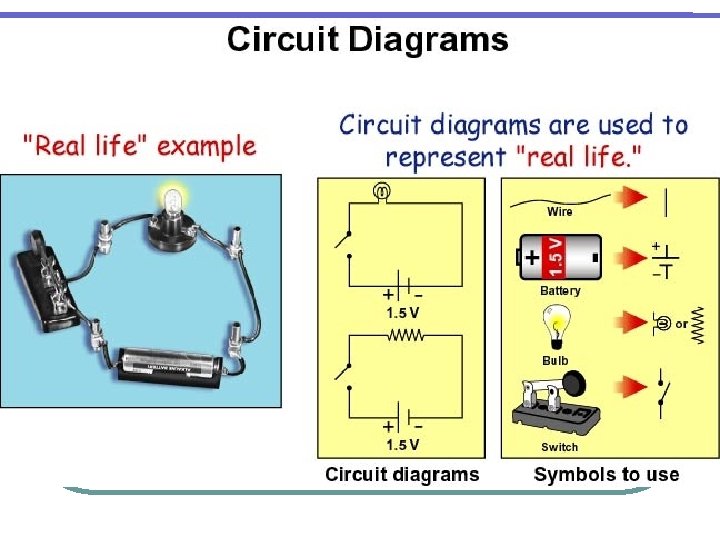
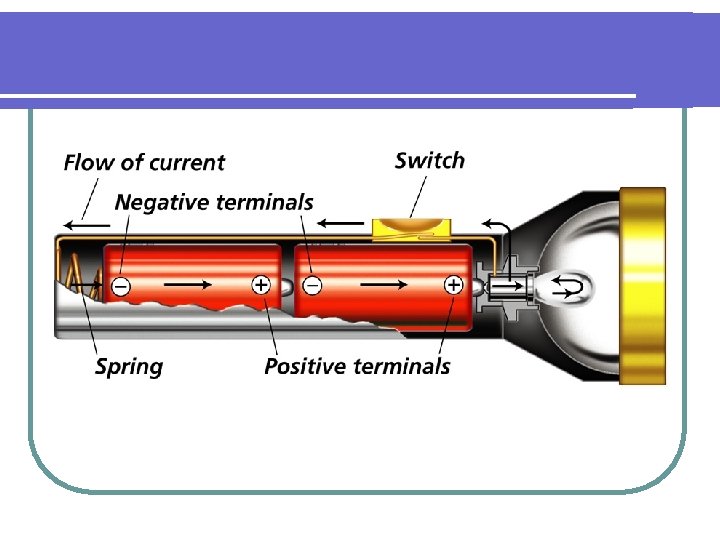
Electric Circuits l An electric circuit provides a pathway for electricity to travel. l Water pipe analogy l Switches
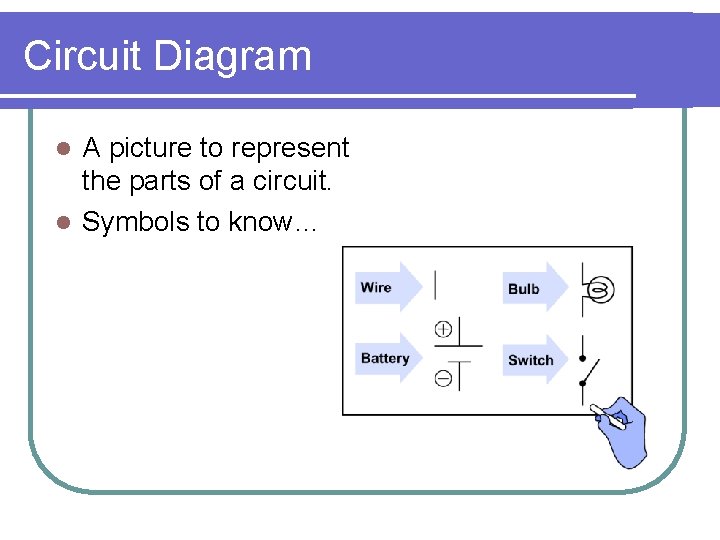
Circuit Diagram A picture to represent the parts of a circuit. l Symbols to know… l
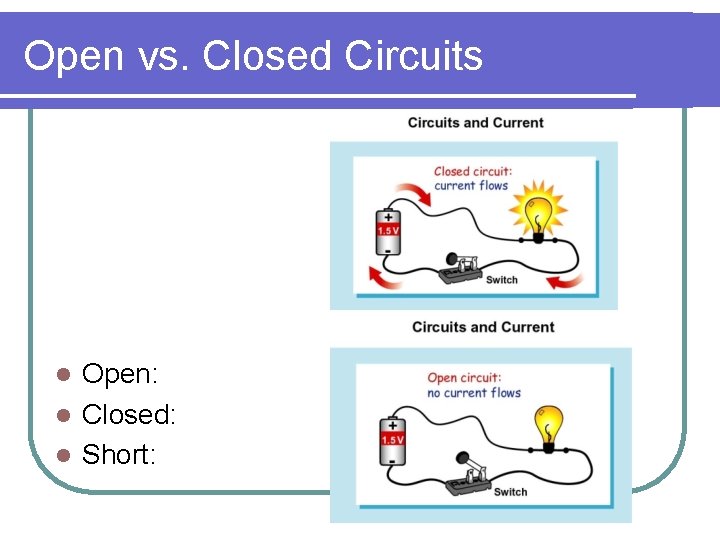
Open vs. Closed Circuits Open: l Closed: l Short: l
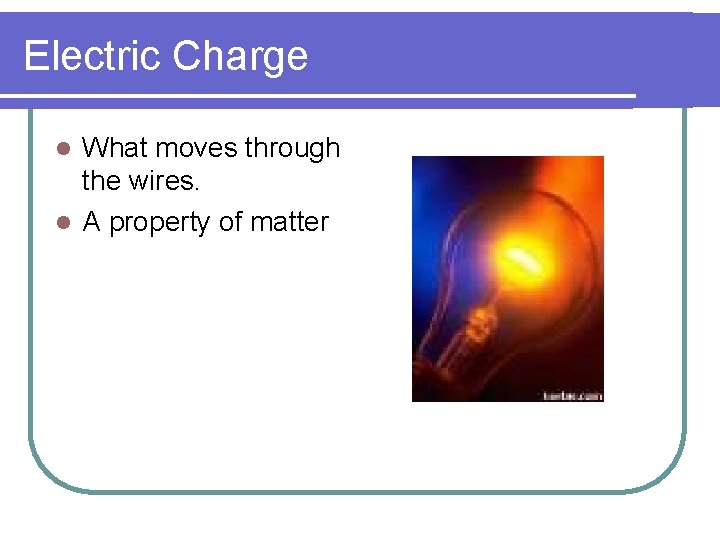
Electric Charge What moves through the wires. l A property of matter l
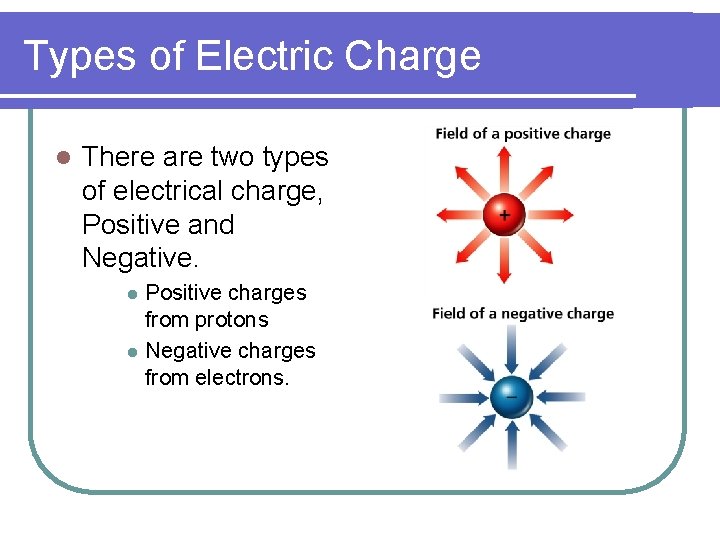
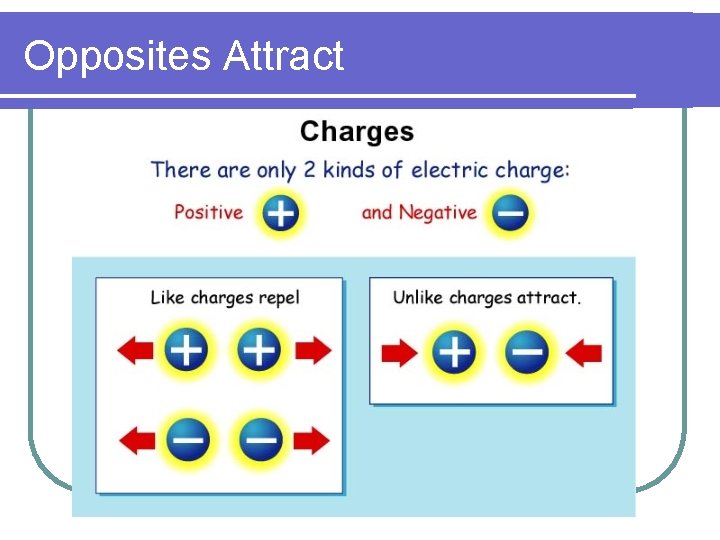
Types of Electric Charge l There are two types of electrical charge, Positive and Negative. l l Positive charges from protons Negative charges from electrons.
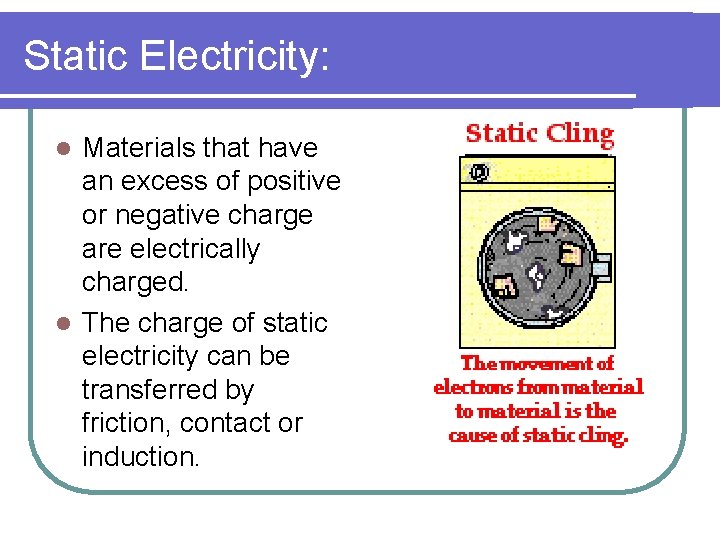
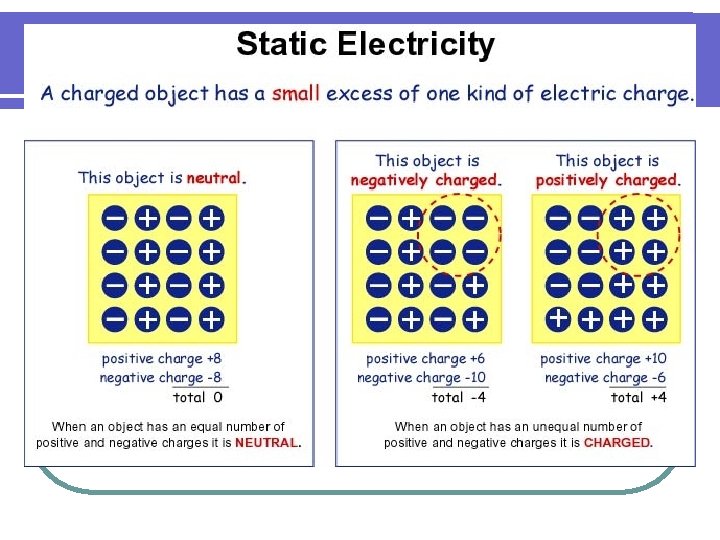
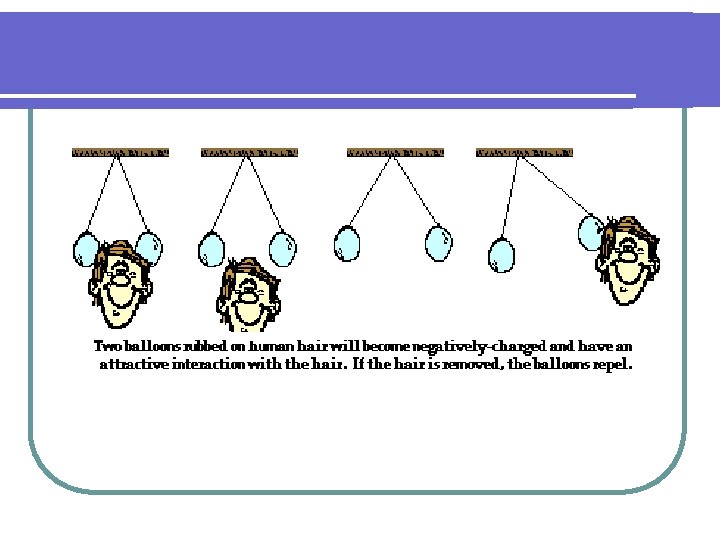
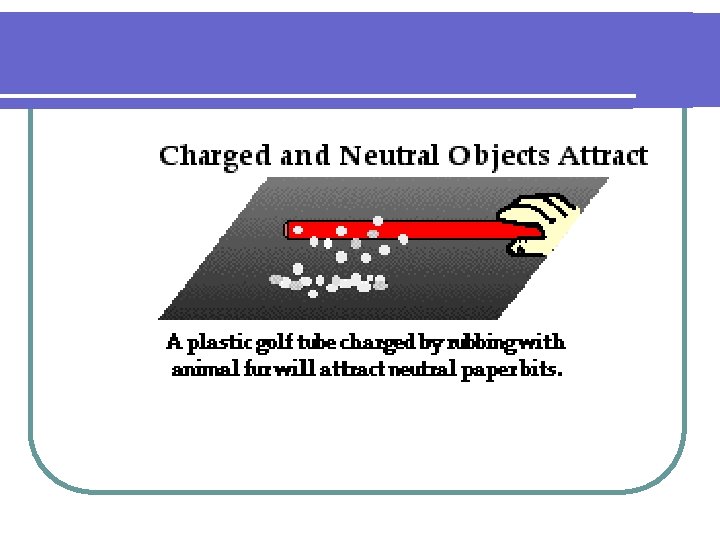
Static Electricity: Materials that have an excess of positive or negative charge are electrically charged. l The charge of static electricity can be transferred by friction, contact or induction. l
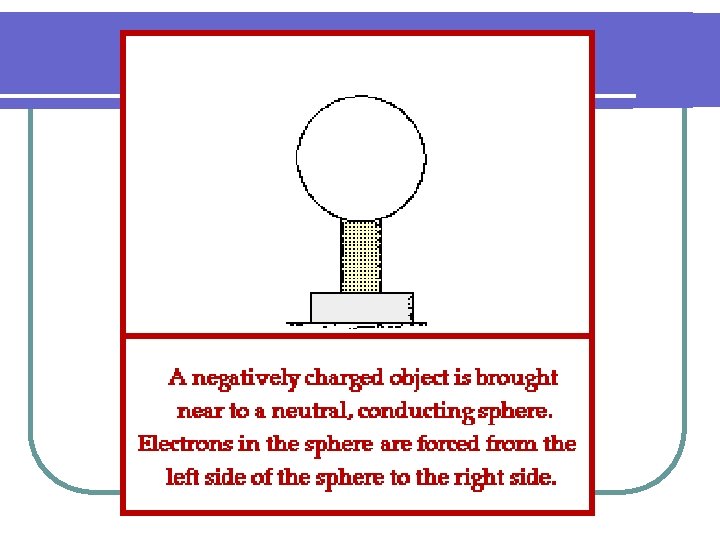
l Friction: Rubbing, build up of charges l Contact: Touching something directly l Induction: Transfer of charge without direct contact.
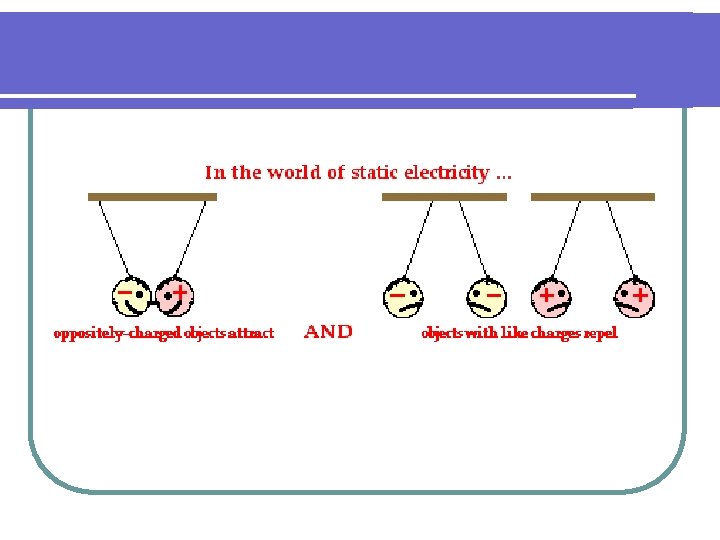
Opposites Attract
The Coulomb l The unit of electric charge
Chapter 6 Quiz l On the back of your scantron sheet l Draw a circuit diagram of a circuit with the following objects: Battery l Switch l Light Bulb l
CHAPTER 7
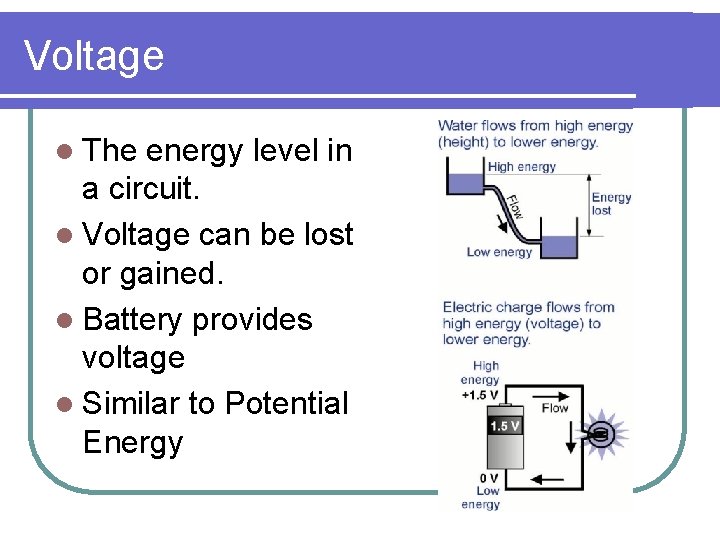
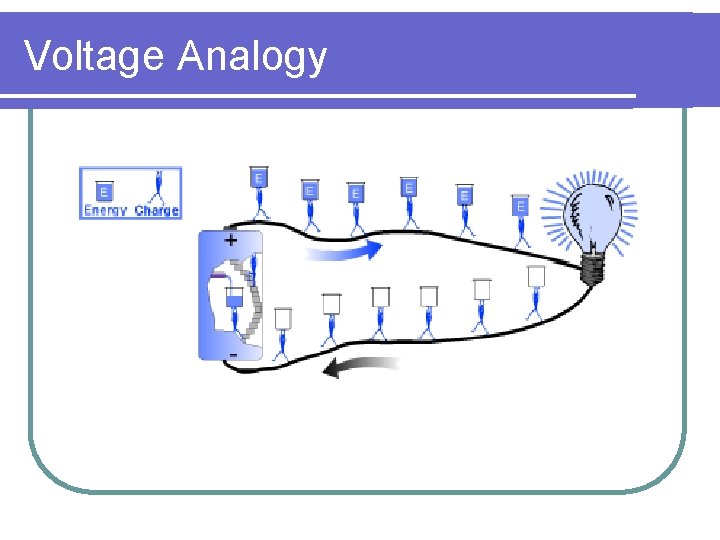
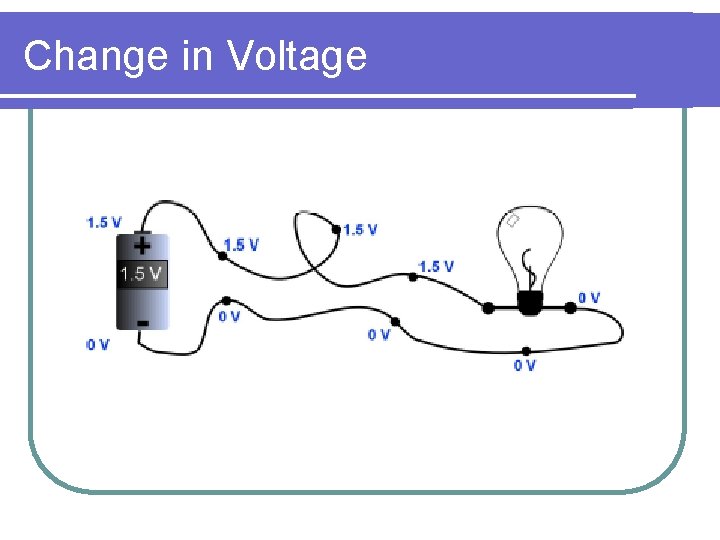
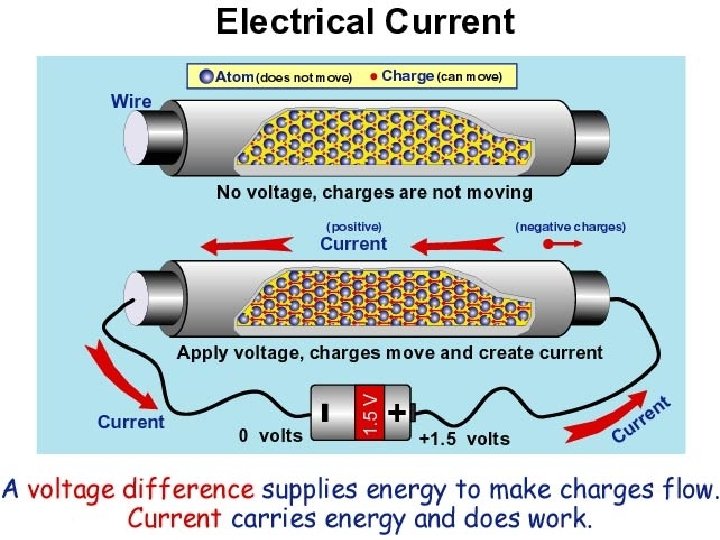
Voltage l The energy level in a circuit. l Voltage can be lost or gained. l Battery provides voltage l Similar to Potential Energy
Voltage Analogy
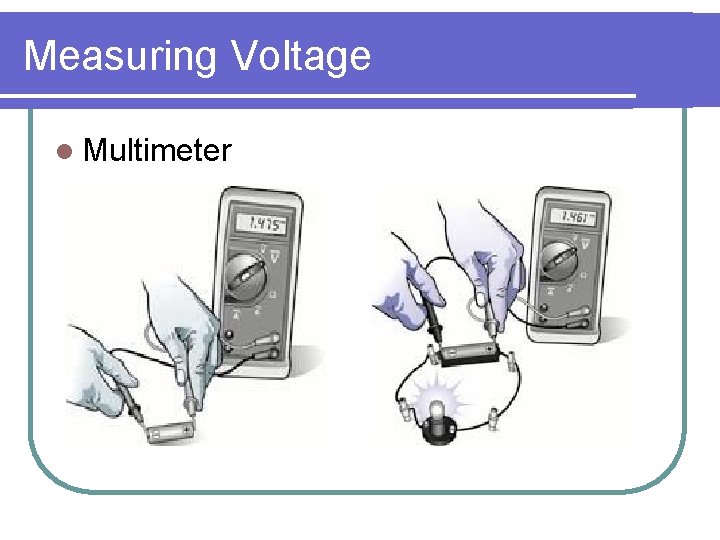
Measuring Voltage l Multimeter
Change in Voltage
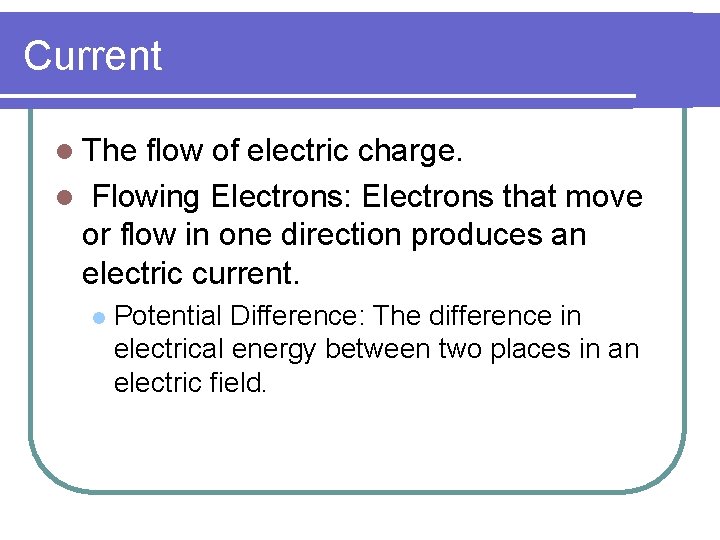
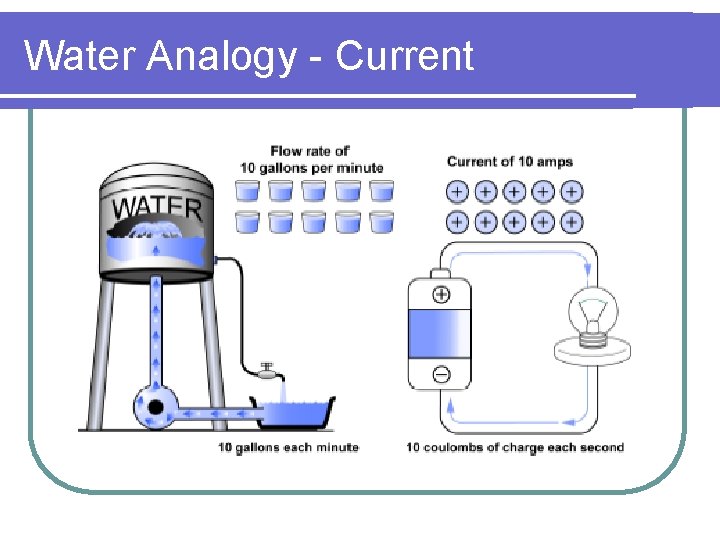
Current l The flow of electric charge. l Flowing Electrons: Electrons that move or flow in one direction produces an electric current. l Potential Difference: The difference in electrical energy between two places in an electric field.
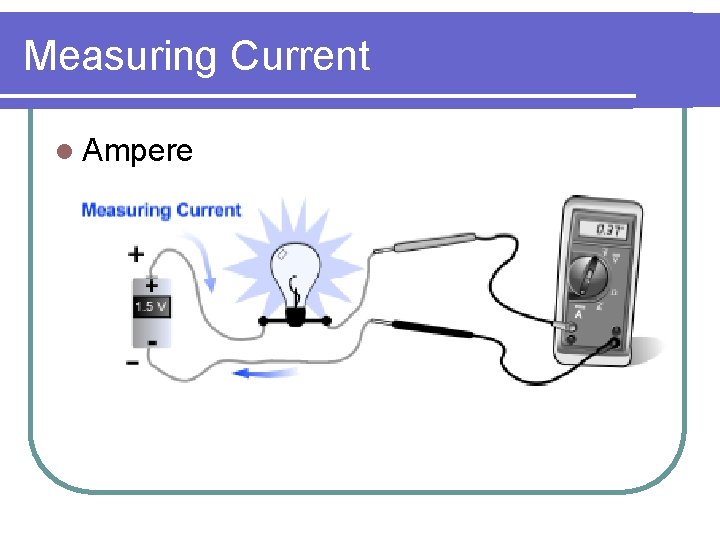
Measuring Current l Ampere
Water Analogy - Current
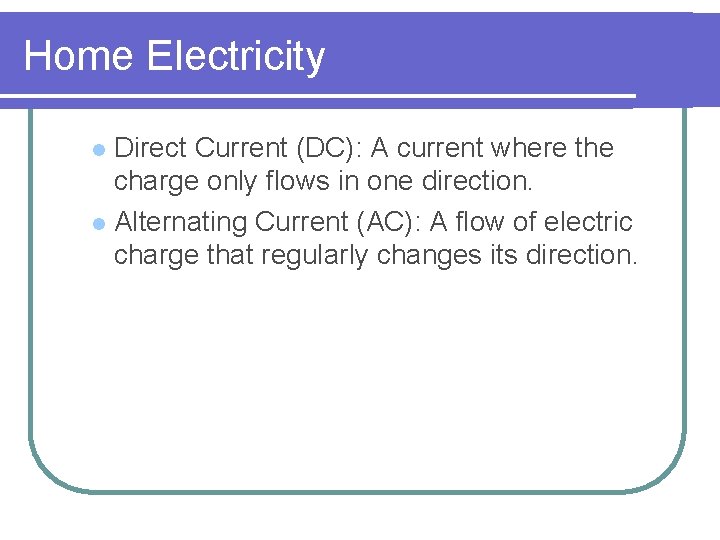
Home Electricity Direct Current (DC): A current where the charge only flows in one direction. l Alternating Current (AC): A flow of electric charge that regularly changes its direction. l
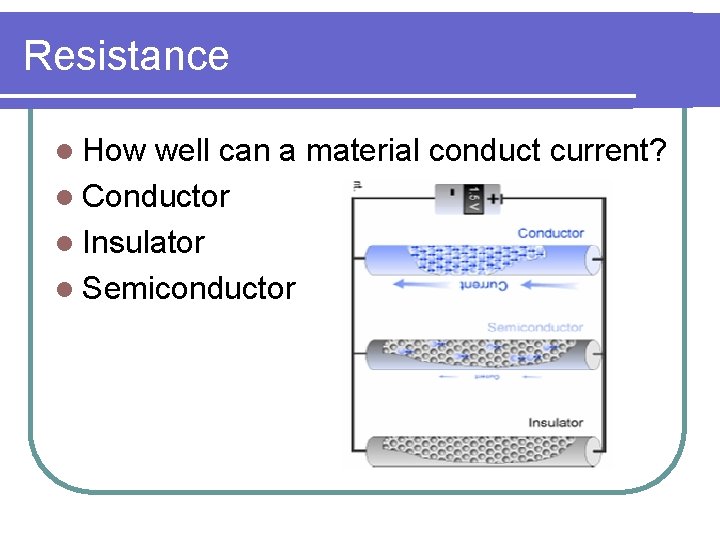
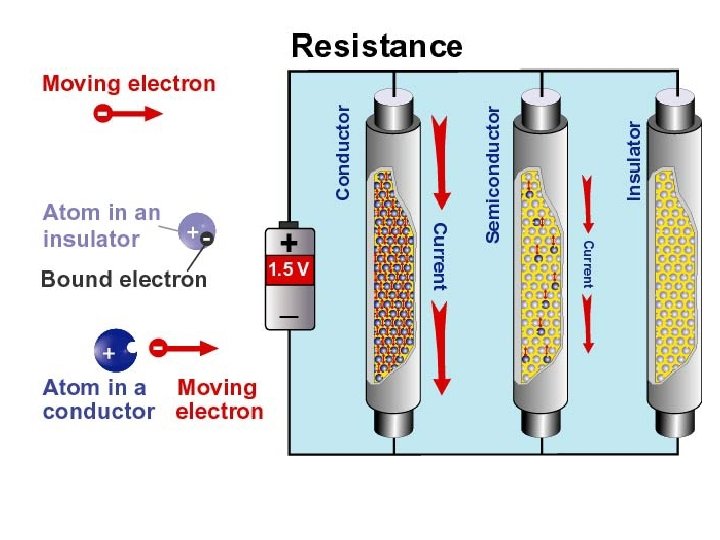
Resistance l How well can a material conduct current? l Conductor l Insulator l Semiconductor
Electric Conductors and Insulators Conductor: A material through which a charge can easily flow l Insulator: A material through which a charge can not easily flow. l Semiconductor: In betweenl
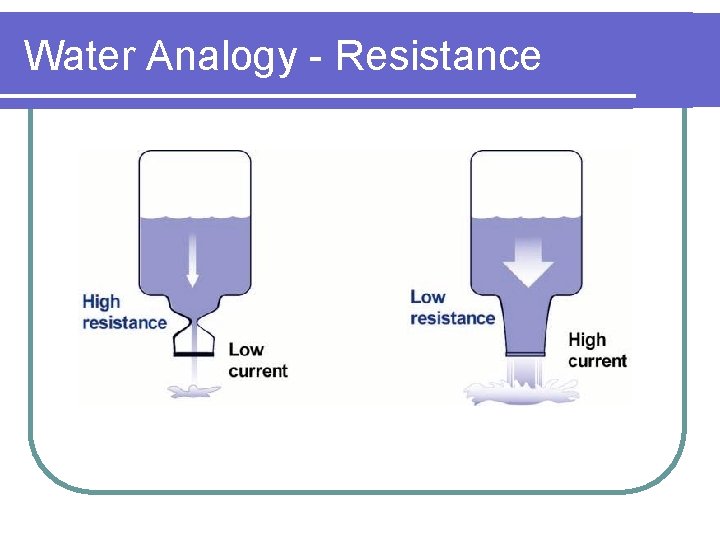
Water Analogy - Resistance
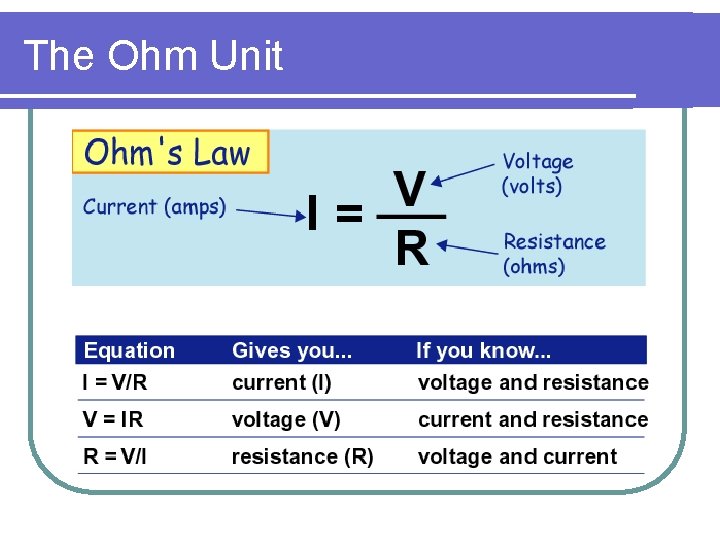
The Ohm Unit
Chapter 8
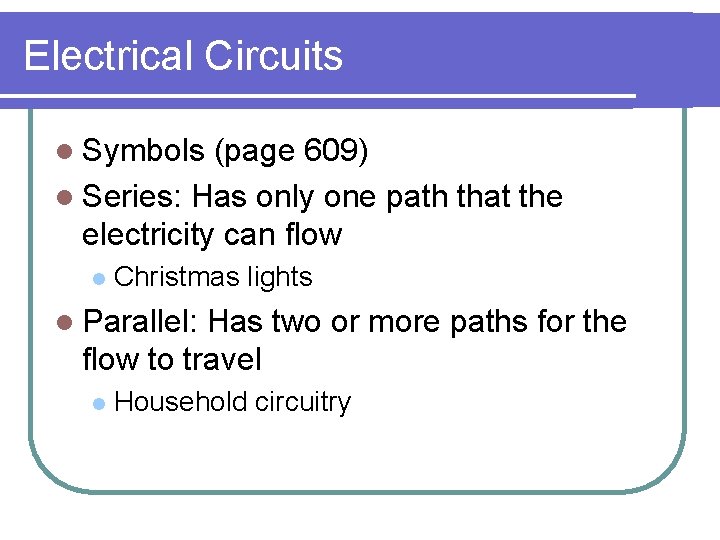
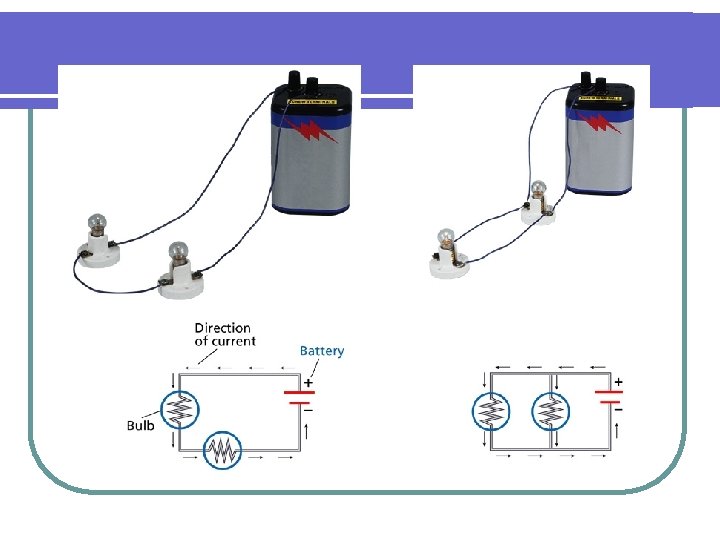
Electrical Circuits l Symbols (page 609) l Series: Has only one path that the electricity can flow l Christmas lights l Parallel: Has two or more paths for the flow to travel l Household circuitry
Chapter 22 Magnetism
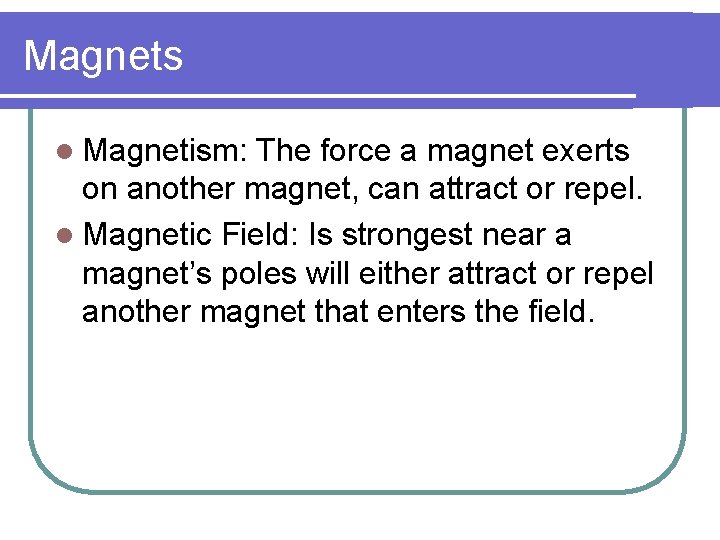
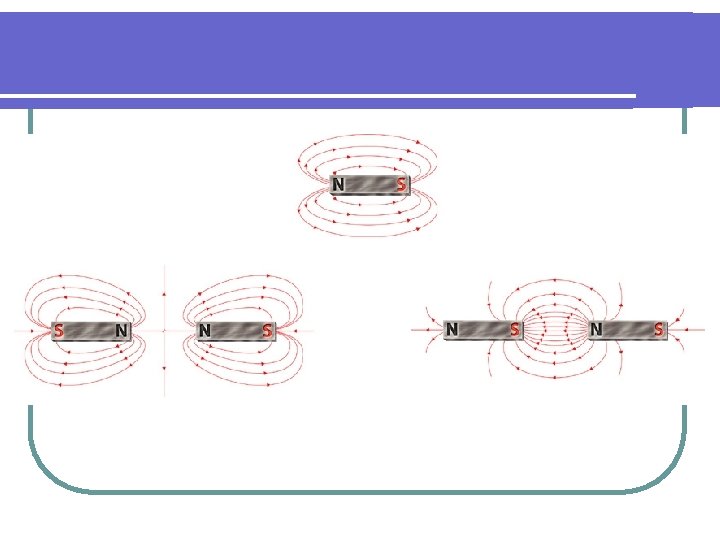
Magnets l Magnetism: The force a magnet exerts on another magnet, can attract or repel. l Magnetic Field: Is strongest near a magnet’s poles will either attract or repel another magnet that enters the field.
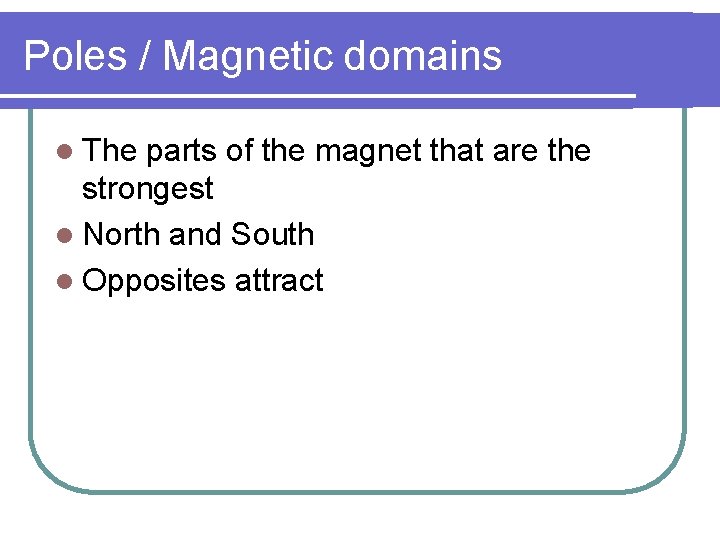
Poles / Magnetic domains l The parts of the magnet that are the strongest l North and South l Opposites attract