
Chapter 6 Biomes and Aquatic Ecosystems Notes Can
Chapter 6: Biomes and Aquatic Ecosystems Notes Can Also Be Found at www. manskopf. com

Chapter 6 Notes Goal • Explain what biomes and aquatic ecosystems are • Explain how biomes are characterized. • Describe how net primary productivity varies among biomes. • Give an introduction to your Biome Project • Give an example of your Biome Project
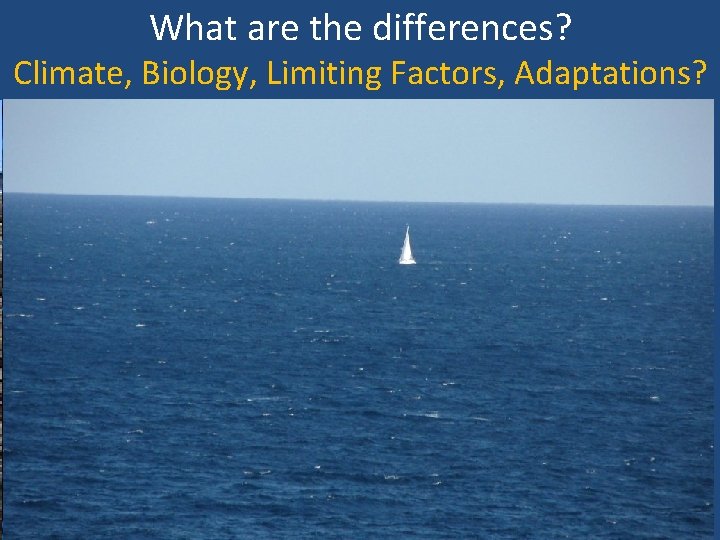
What are the differences? Climate, Biology, Limiting Factors, Adaptations?
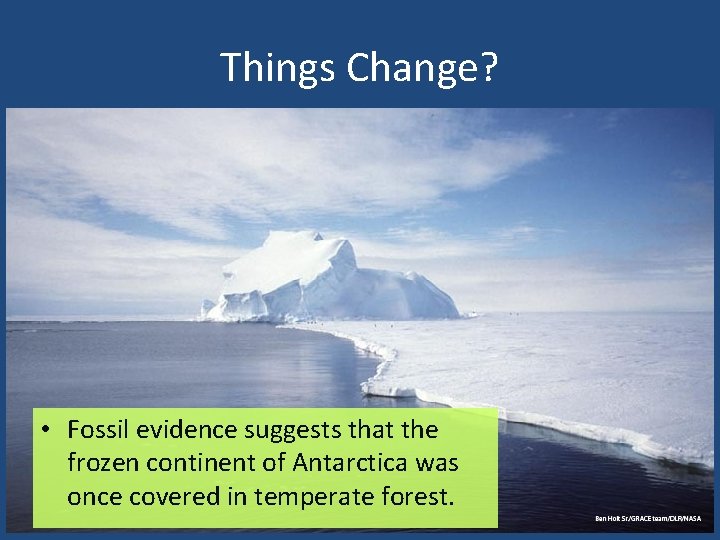
Things Change? • Fossil evidence suggests that the frozen continent of Antarctica was once covered in temperate forest.
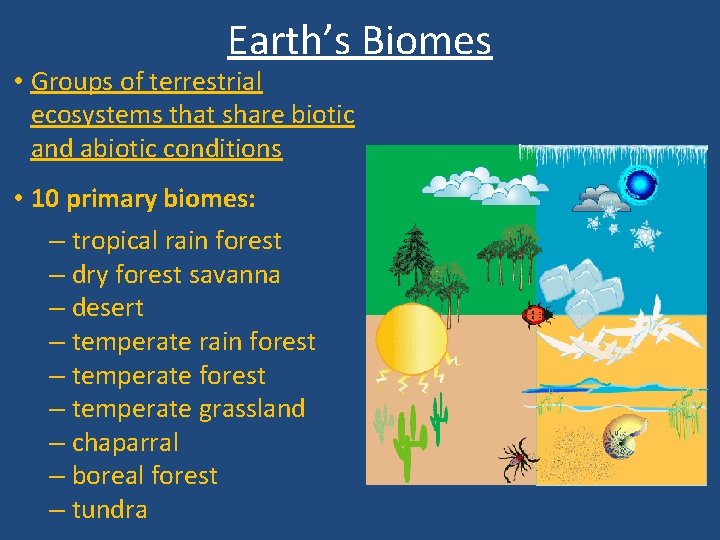
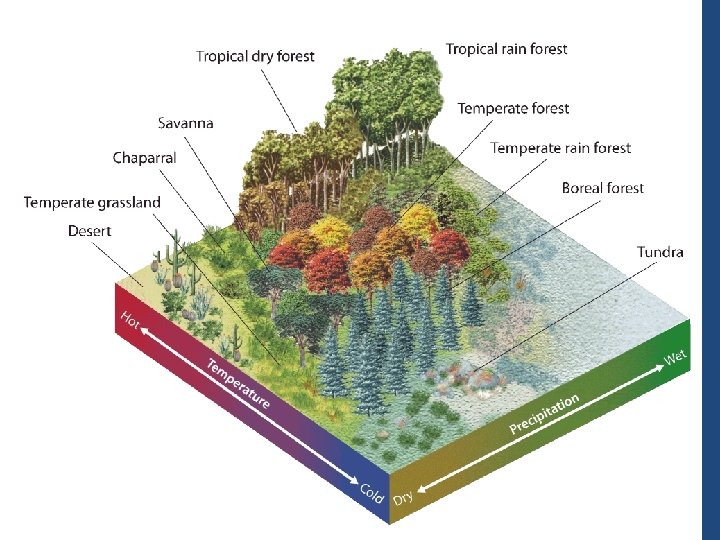
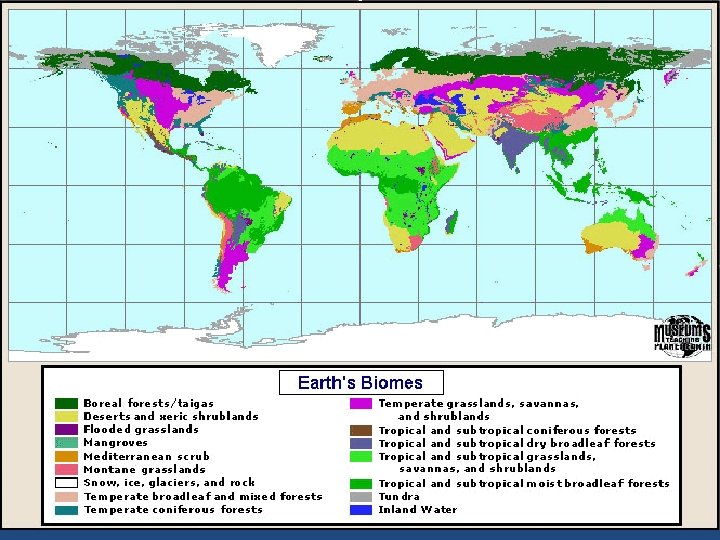
Earth’s Biomes • Groups of terrestrial ecosystems that share biotic and abiotic conditions • 10 primary biomes: – tropical rain forest – dry forest savanna – desert – temperate rain forest – temperate grassland – chaparral – boreal forest – tundra
La Mesa, CA
Philadelphia
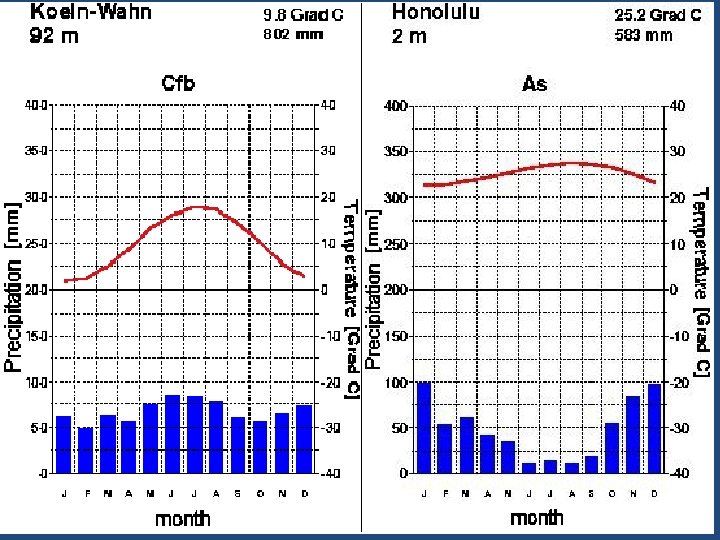
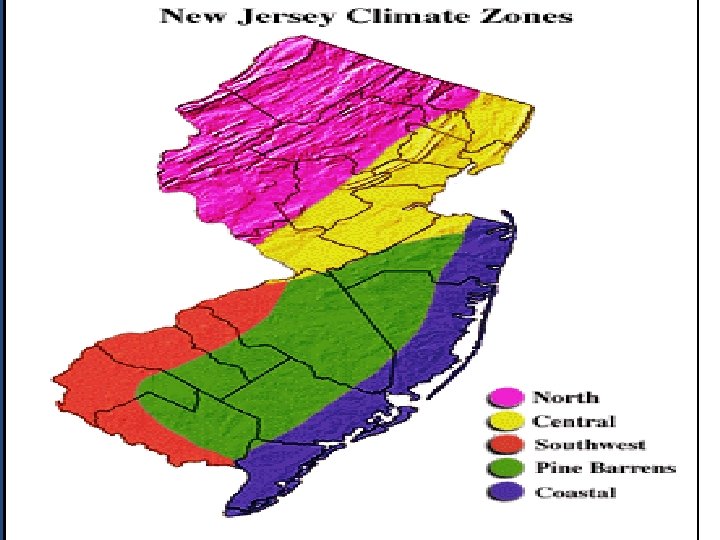
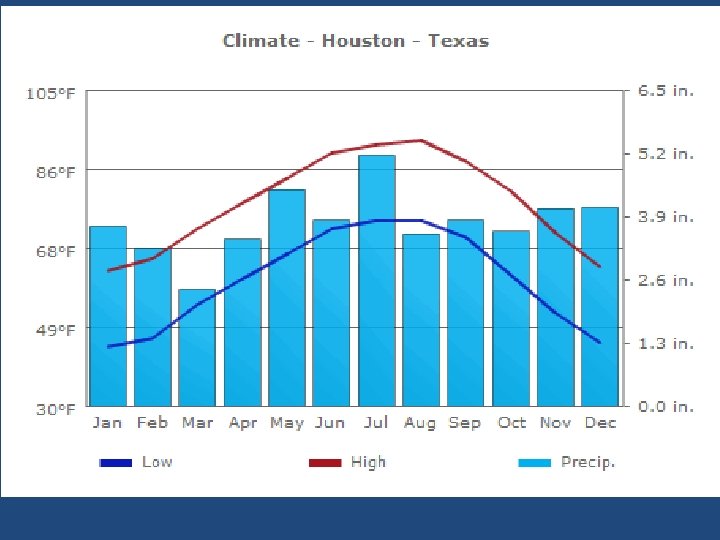
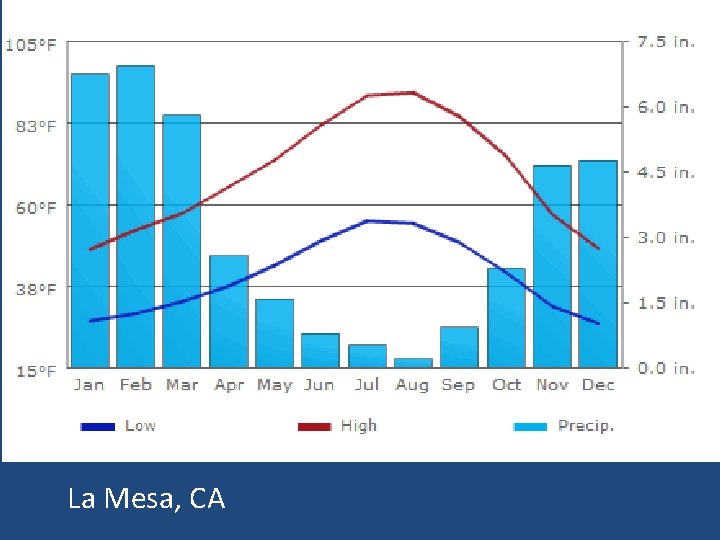
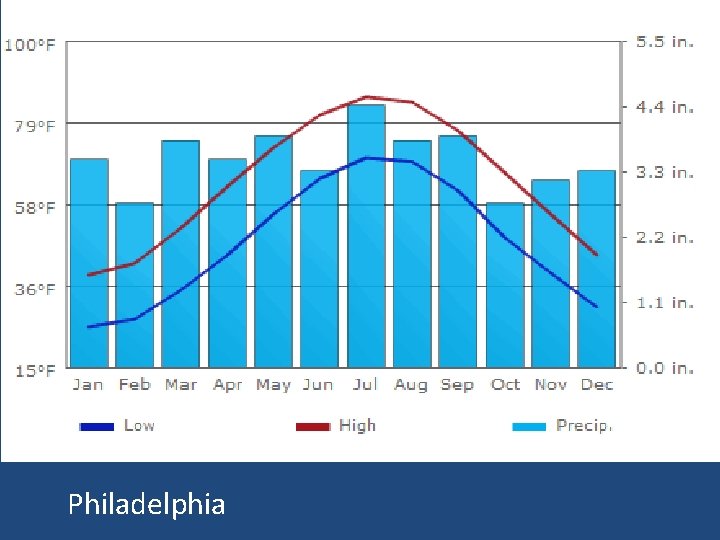
• Climate: Average conditions, including temperature and precipitation, over long periods of time in a given area • Weather: Day-to-day conditions in Earth’s atmosphere • Climatographs: Diagrams that summarize an area’s average monthly temperature and precipitation • Each biome has a set of characteristic organisms adapted to its particular climate conditions.
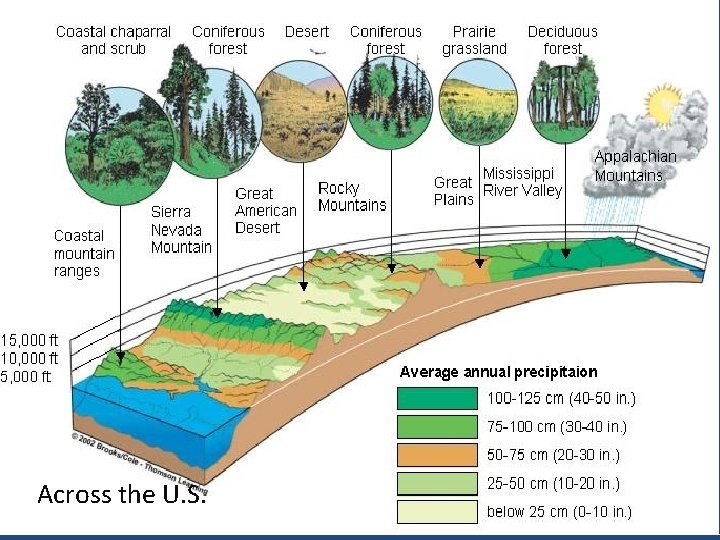
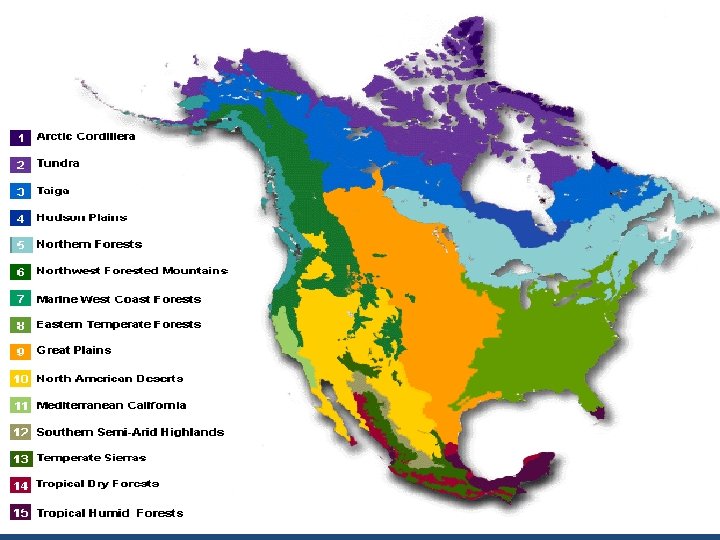
Across the U. S.
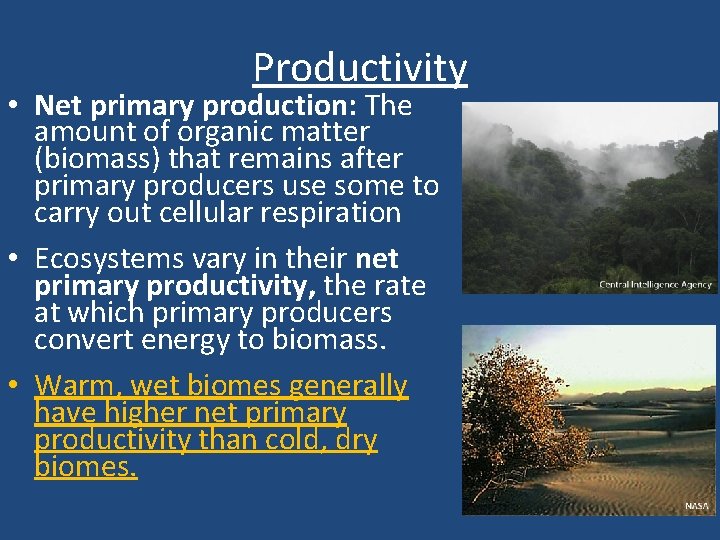
Productivity • Net primary production: The amount of organic matter (biomass) that remains after primary producers use some to carry out cellular respiration • Ecosystems vary in their net primary productivity, the rate at which primary producers convert energy to biomass. • Warm, wet biomes generally have higher net primary productivity than cold, dry biomes.
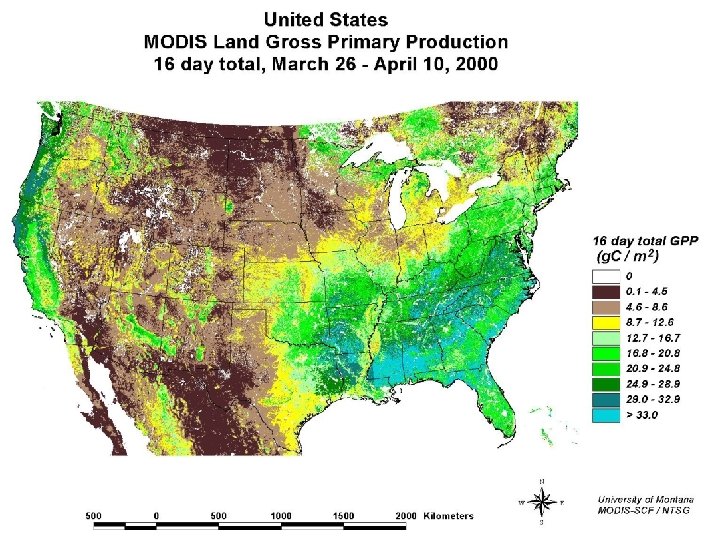
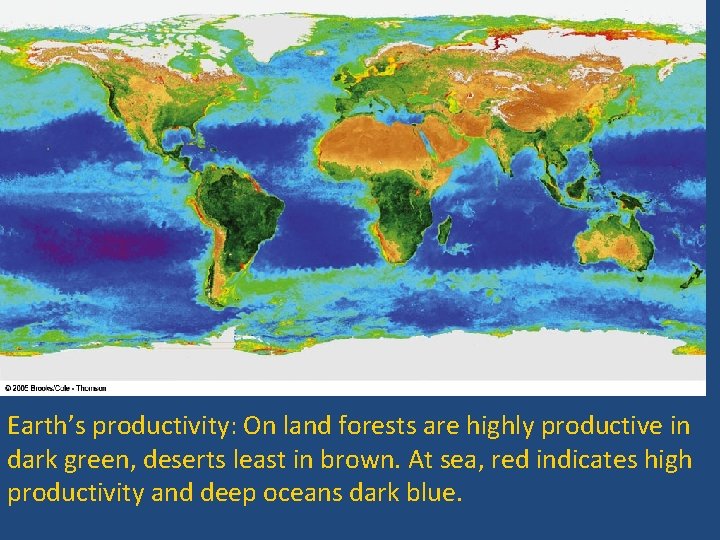
Earth’s productivity: On land forests are highly productive in dark green, deserts least in brown. At sea, red indicates high productivity and deep oceans dark blue.
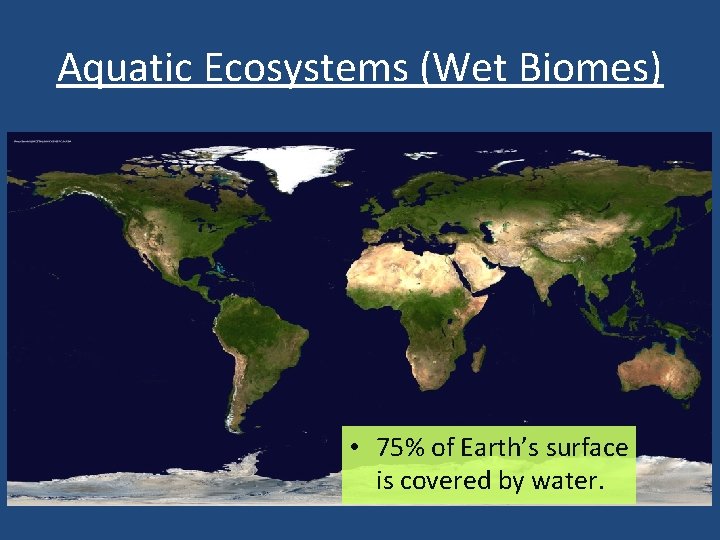
Aquatic Ecosystems (Wet Biomes) • 75% of Earth’s surface is covered by water.
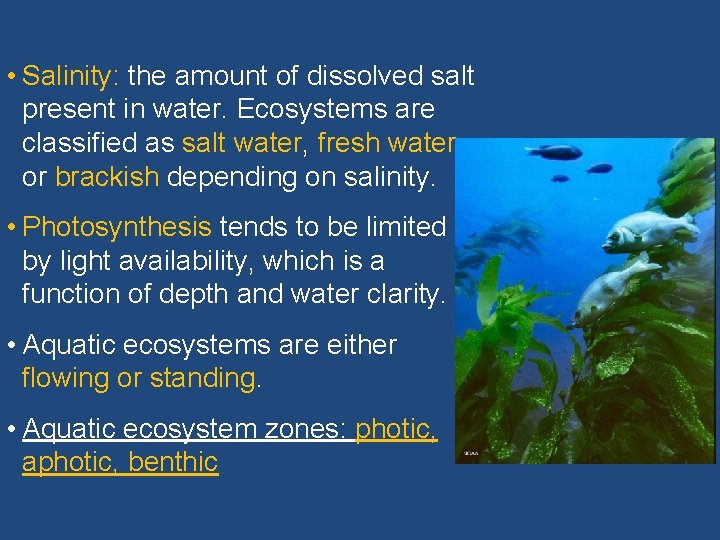
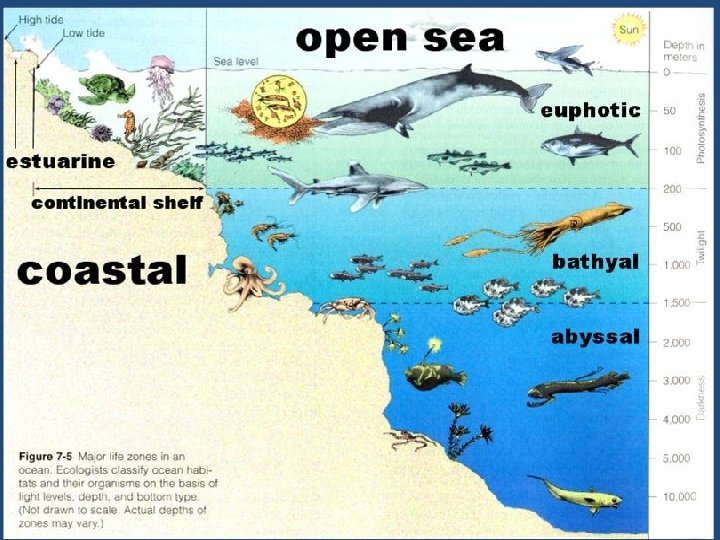
• Salinity: the amount of dissolved salt present in water. Ecosystems are classified as salt water, fresh water, or brackish depending on salinity. • Photosynthesis tends to be limited by light availability, which is a function of depth and water clarity. • Aquatic ecosystems are either flowing or standing. • Aquatic ecosystem zones: photic, aphotic, benthic
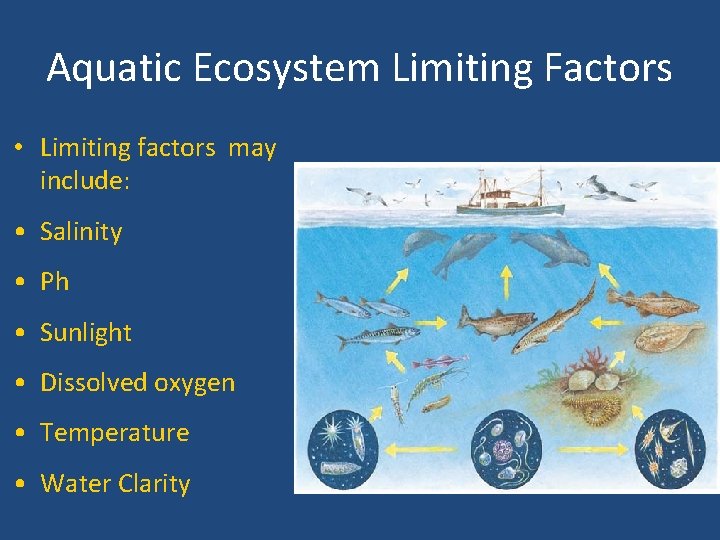
Aquatic Ecosystem Limiting Factors • Limiting factors may include: • Salinity • Ph • Sunlight • Dissolved oxygen • Temperature • Water Clarity
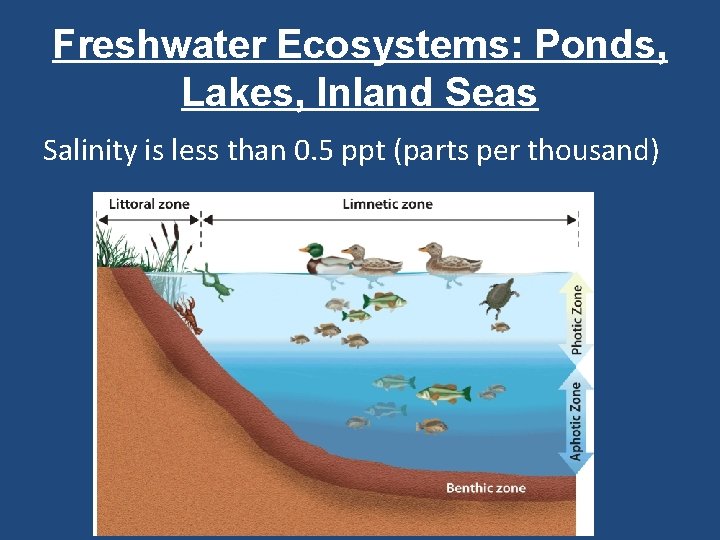
Freshwater Ecosystems: Ponds, Lakes, Inland Seas Salinity is less than 0. 5 ppt (parts per thousand)
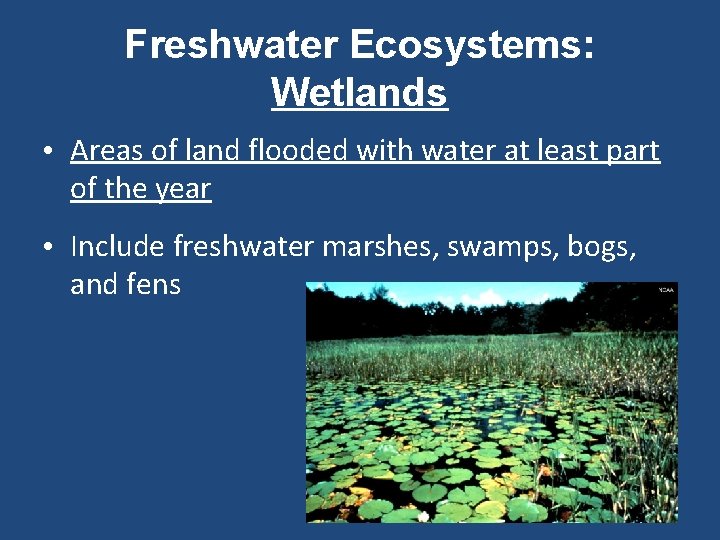
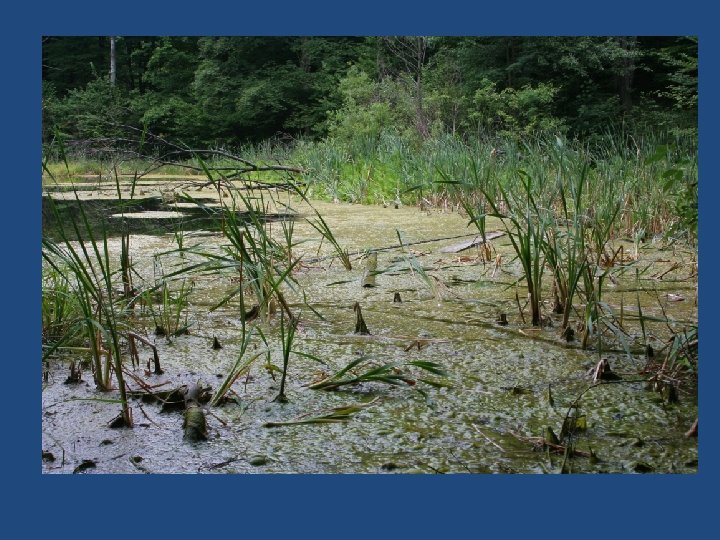
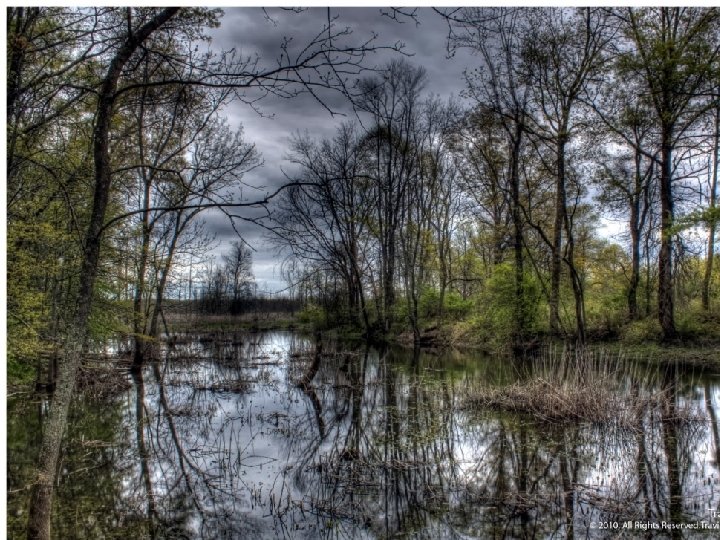
Freshwater Ecosystems: Wetlands • Areas of land flooded with water at least part of the year • Include freshwater marshes, swamps, bogs, and fens
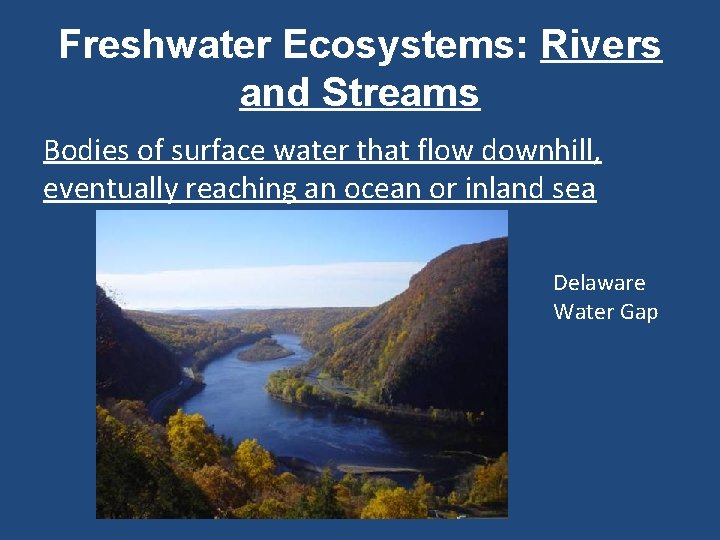
Freshwater Ecosystems: Rivers and Streams Bodies of surface water that flow downhill, eventually reaching an ocean or inland sea Delaware Water Gap
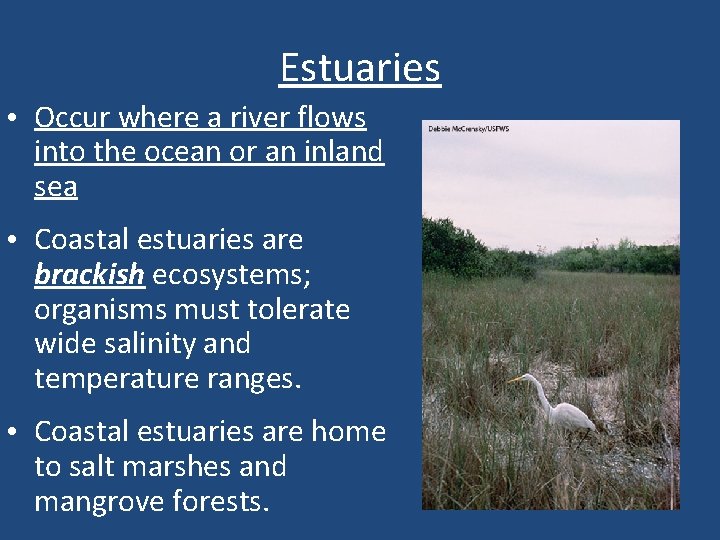
Estuaries • Occur where a river flows into the ocean or an inland sea • Coastal estuaries are brackish ecosystems; organisms must tolerate wide salinity and temperature ranges. • Coastal estuaries are home to salt marshes and mangrove forests.
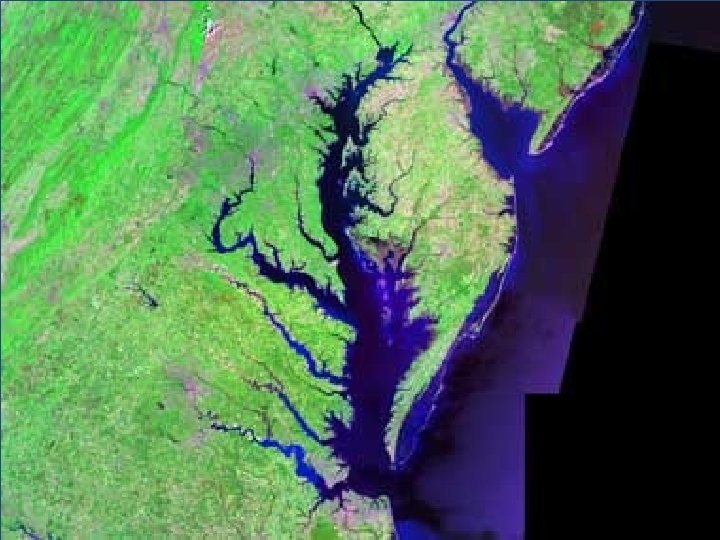
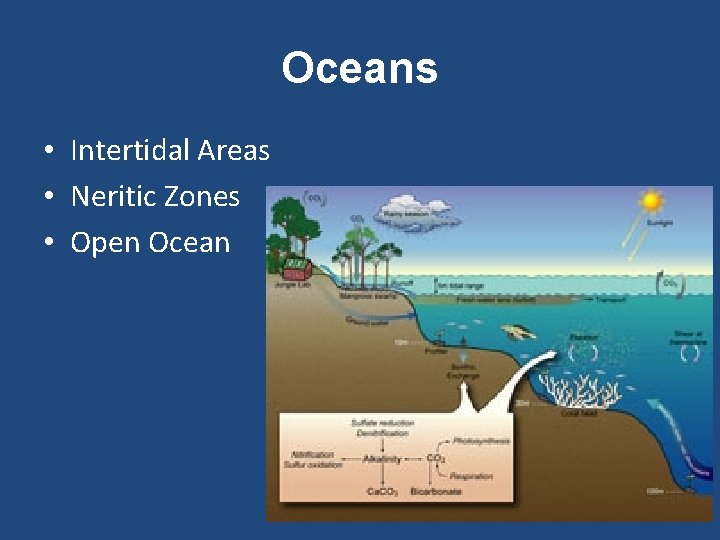
Oceans • Intertidal Areas • Neritic Zones • Open Ocean
Chapter 6 Review • Explain what biomes and aquatic ecosystems are • Explain how biomes are characterized. • Describe how net primary productivity varies among biomes. • Give an introduction to your Biome Project • Give an example of your Biome Project
- Slides: 32