
Chapter 5 Section 1 Early Greeks and the
- Slides: 19
Chapter 5 Section 1 Early Greeks and the Rise of City. States
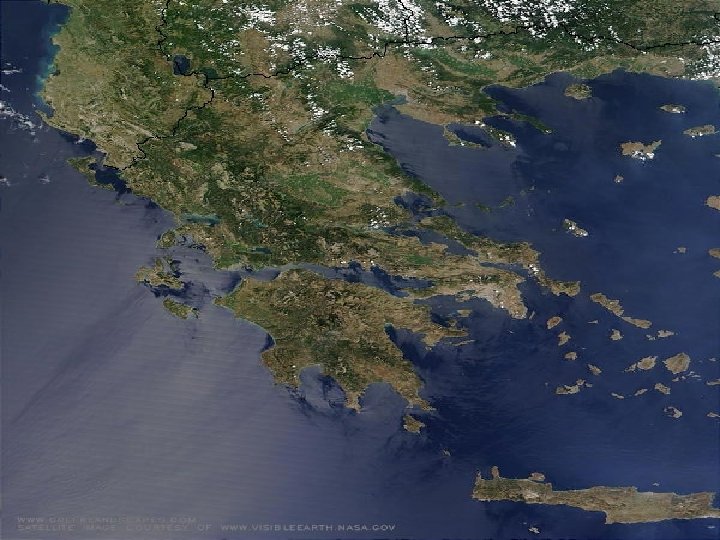
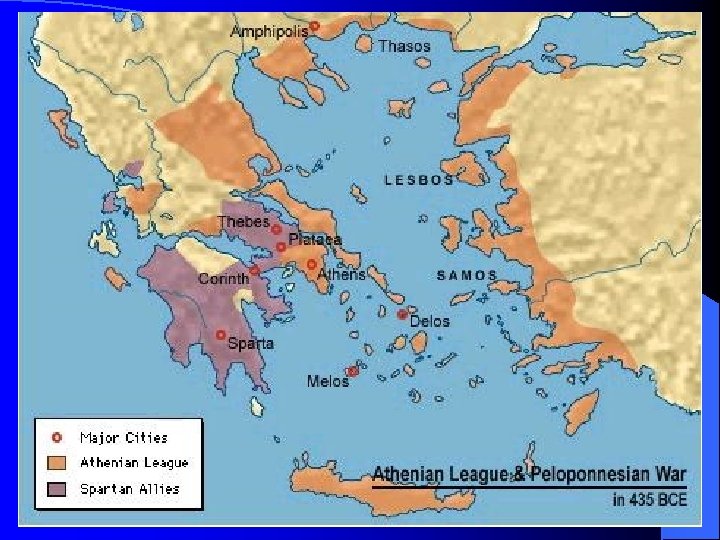
The Sea and Land Geography & Greek Life *Balkan Peninsula: poor soil. *Surrounded by seas: played very important role *Fishermen, sailors, traders l. Colonies in Med. Sea
The Sea and Land Geography and Government l*Lack of unity l*Mountain ranges/villages l*Open to invasion from North l*Rivers: short l*City-states instead of Empire
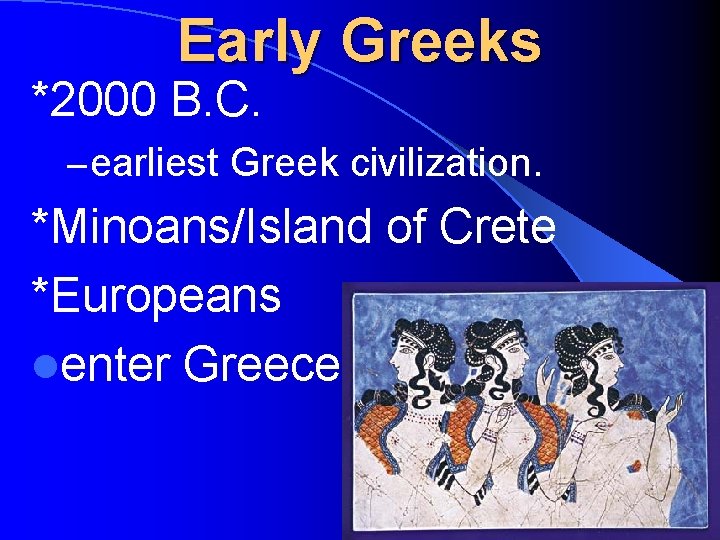
Early Greeks *2000 B. C. – earliest Greek civilization. *Minoans/Island of Crete *Europeans lenter Greece
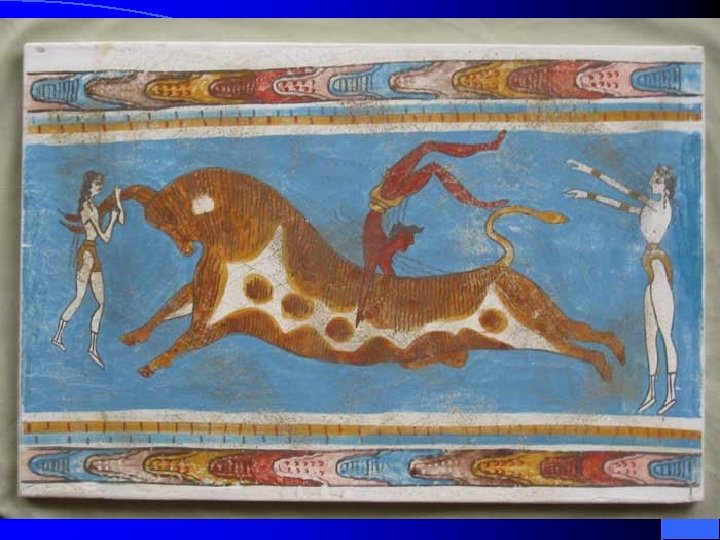
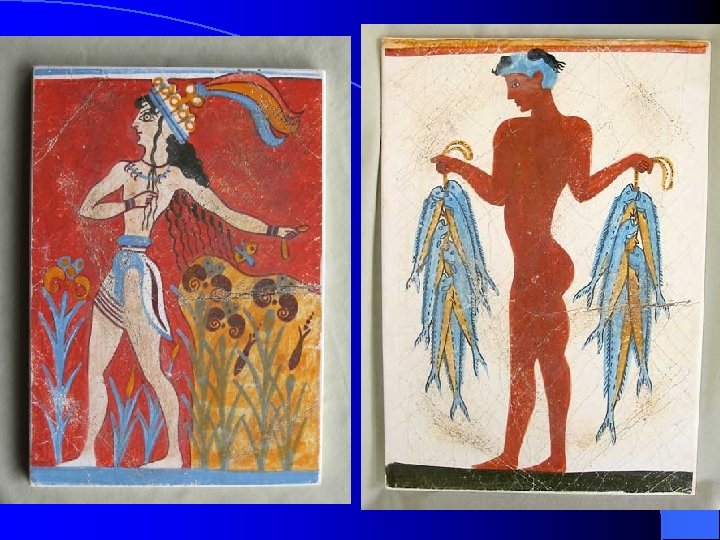
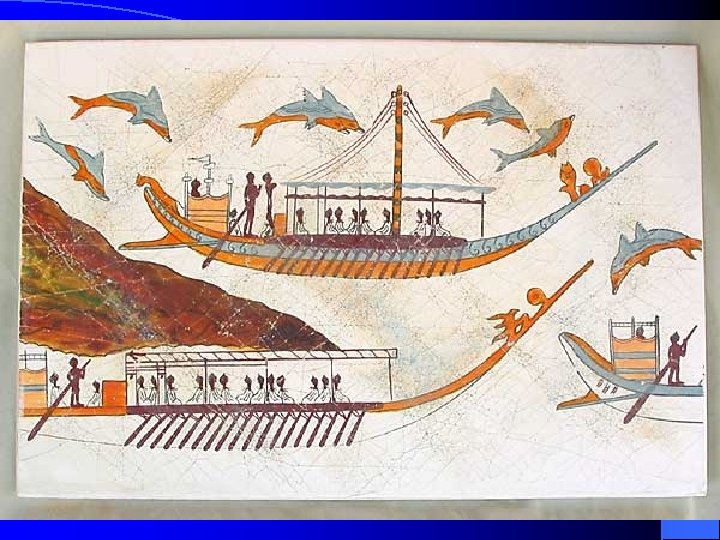
Minoans *King Minos: Ruler of Crete Sailors & Traders – Nobles: running water – Painted frescoes *Volcanic Eruption: tidal waves destroyed islands. *Conquered by Mycenaeans
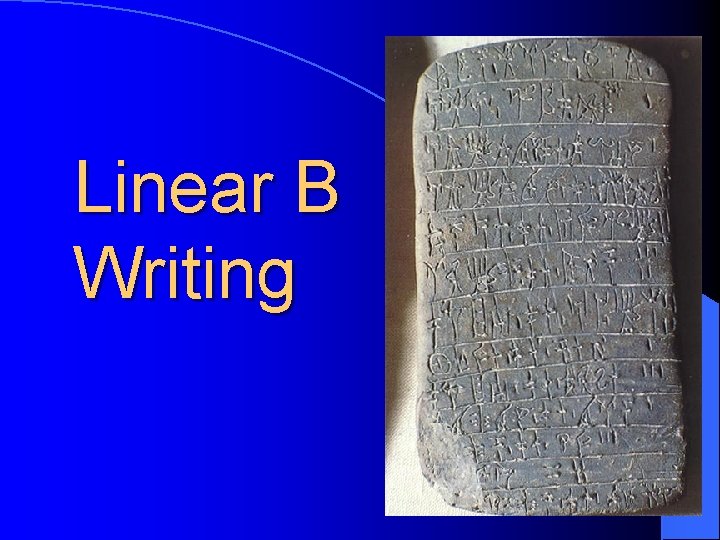
Mycenaeans *Controlled mainland Greece – 1600 – 1200 B. C. *Clans & Tribes: Warriors *Linear B Writing: early form of Greek Writing. *War and earthquakes destroyed most cities by 1200
Linear B Writing
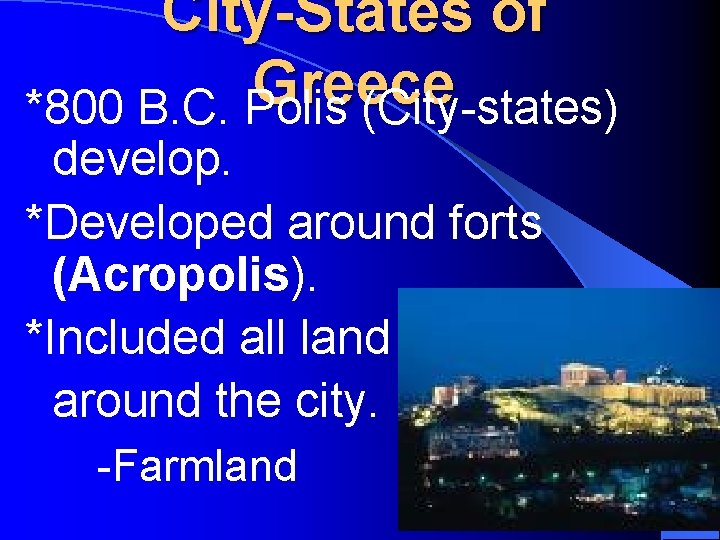
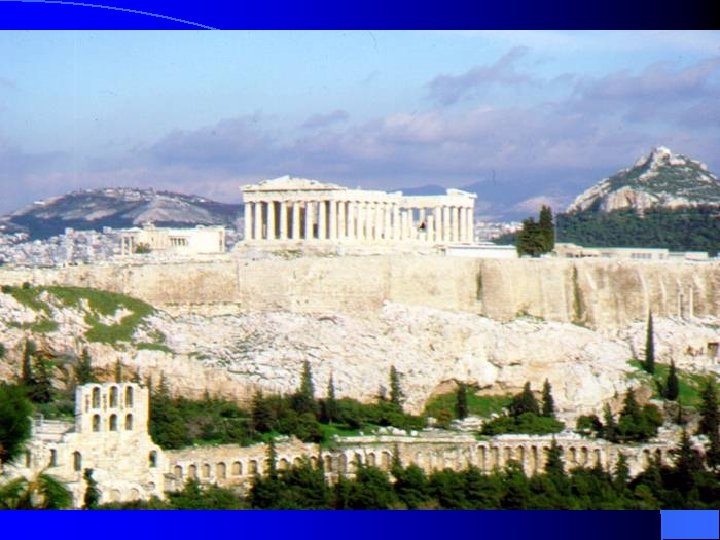
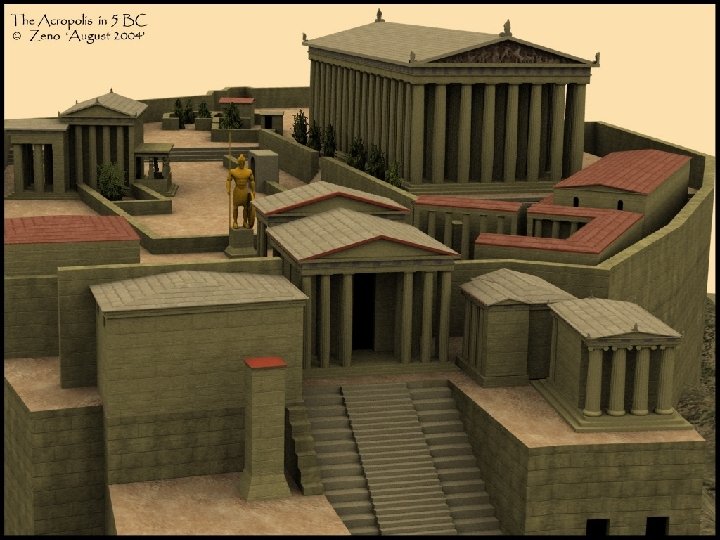
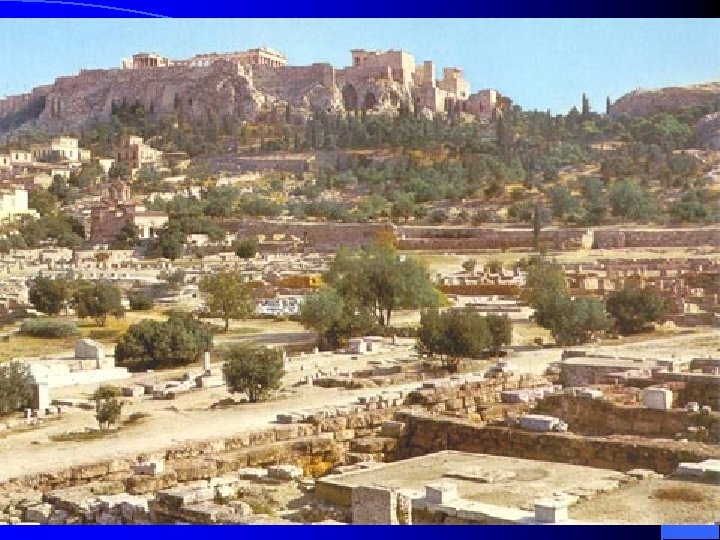
City-States of Greece *800 B. C. Polis (City-states) develop. *Developed around forts (Acropolis). *Included all land around the city. -Farmland
Three Ideas of the Polis Geographical territory of the city-state 2. Political and economic independence it produced 3. Community that it represented 1.
Similarities: City-States *Small areas of land *Small population l 10, 000 or less *Fort on an acropolis (hill) *Agora (marketplace) *Language, religion, culture, festivals
Differences: City-States *Politically independent l Each Polis = own government. *Calendars, money, weights and measures, Laws *Extreme Pride in Polis: willing to die for it l Die for nation.