
CHAPTER 5 Biology in the Present Living People
CHAPTER 5 Biology in the Present: Living People Copyright © 2018 W. W. Norton & Company
Questions addressed in this chapter • Is race a valid, biologically meaningful concept? • What do growth and development tell us about human variation? • What are the benefits of our life history pattern? • How do people adapt to environmental extremes and other circumstances?
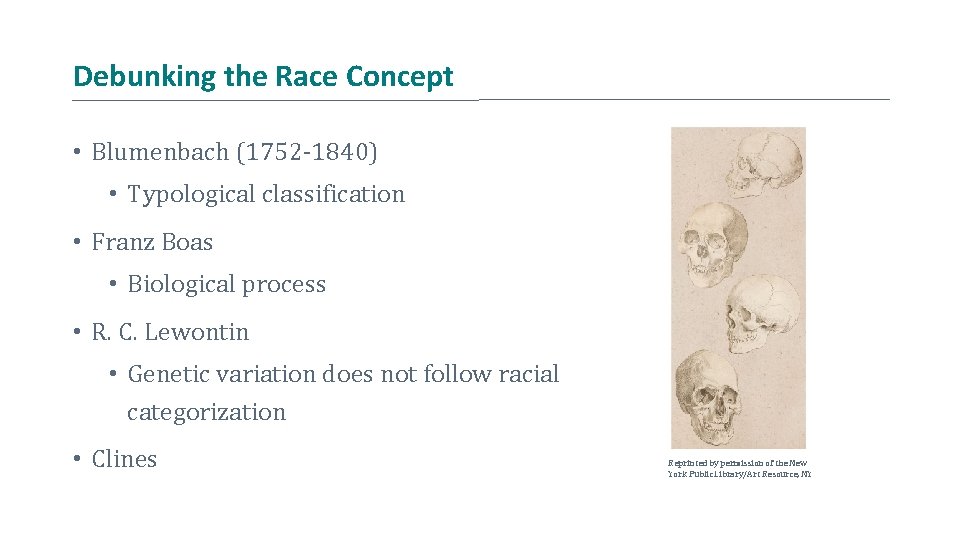
Debunking the Race Concept • Blumenbach (1752 -1840) • Typological classification • Franz Boas • Biological process • R. C. Lewontin • Genetic variation does not follow racial categorization • Clines Reprinted by permission of the New York Public Library/Art Resource, NY
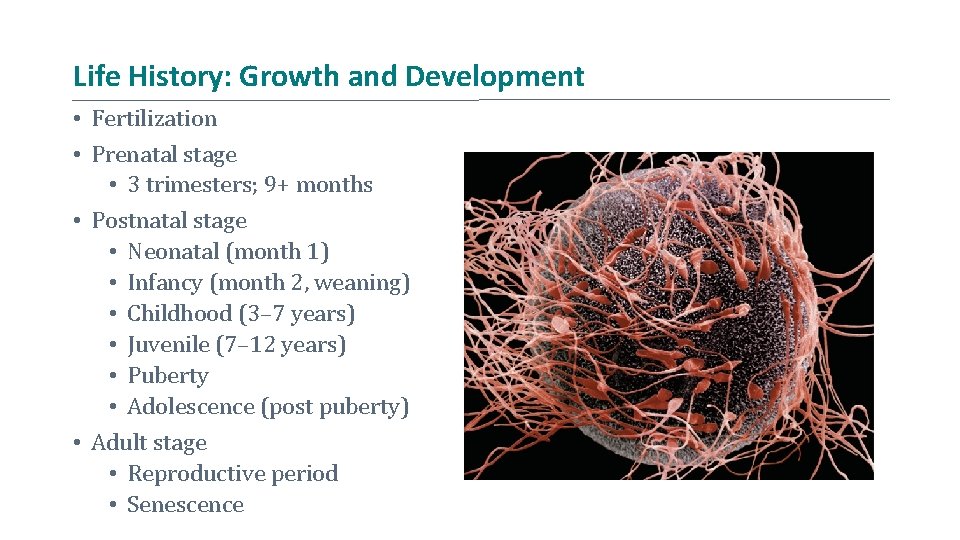
Life History: Growth and Development • Fertilization • Prenatal stage • 3 trimesters; 9+ months • Postnatal stage • Neonatal (month 1) • Infancy (month 2, weaning) • Childhood (3– 7 years) • Juvenile (7– 12 years) • Puberty • Adolescence (post puberty) • Adult stage • Reproductive period • Senescence
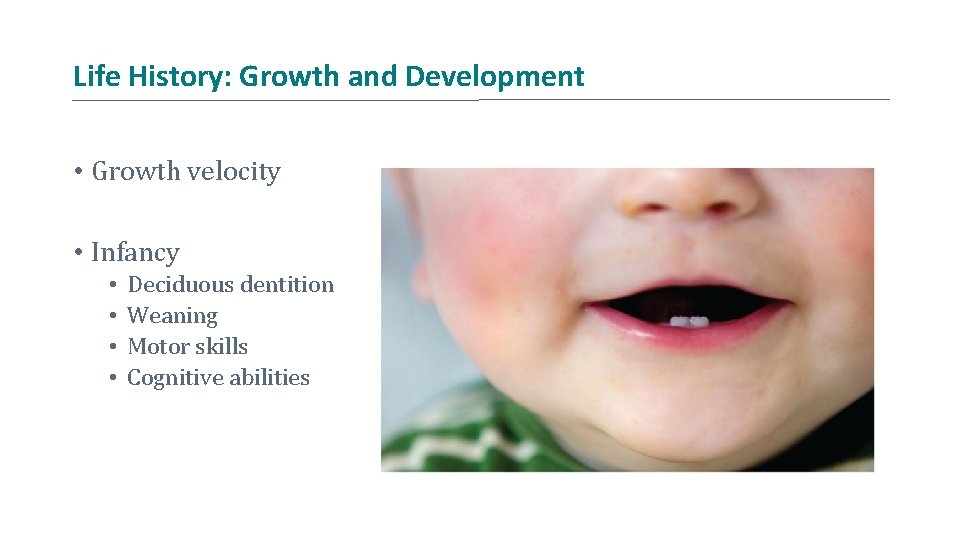
Life History: Growth and Development • Growth velocity • Infancy • • Deciduous dentition Weaning Motor skills Cognitive abilities
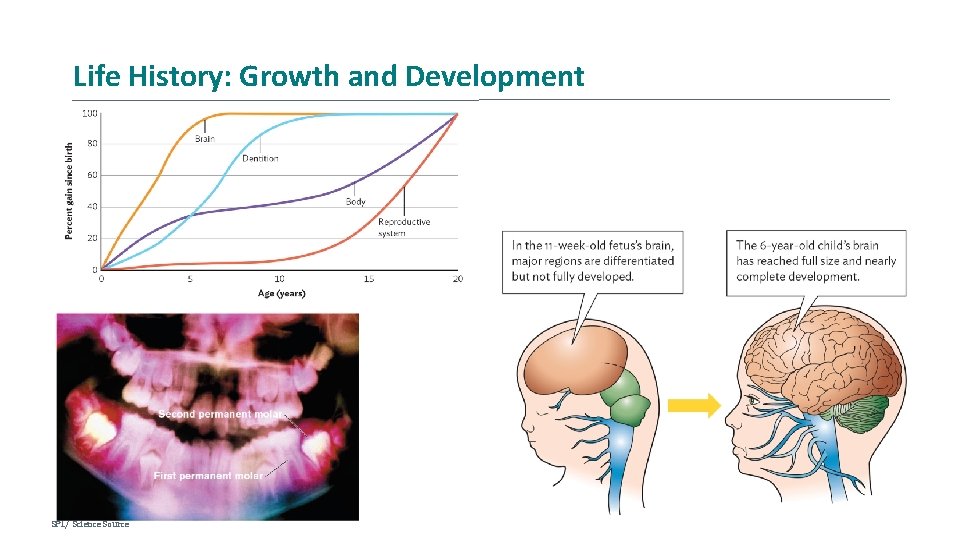
Life History: Growth and Development SPL/ Science Source
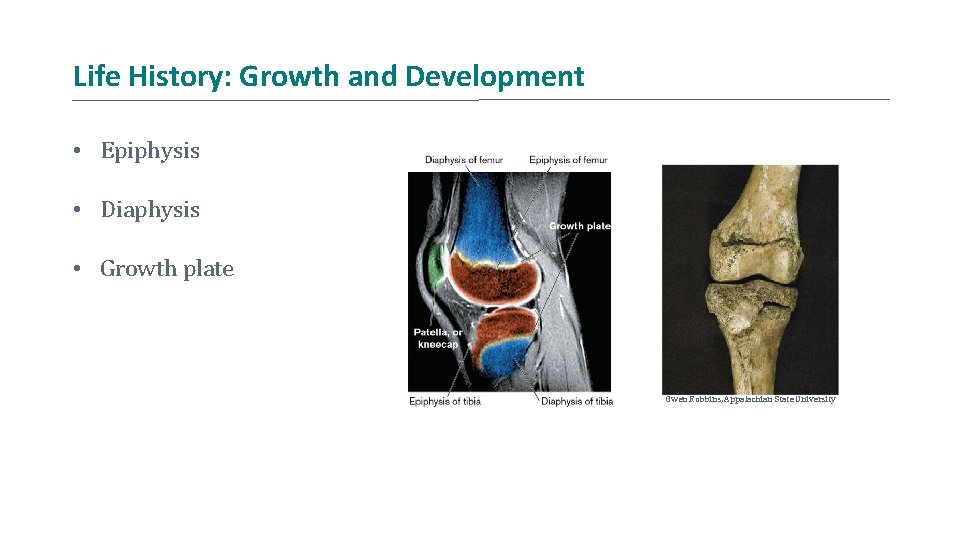
Life History: Growth and Development • Epiphysis • Diaphysis • Growth plate Gwen Robbins, Appalachian State University
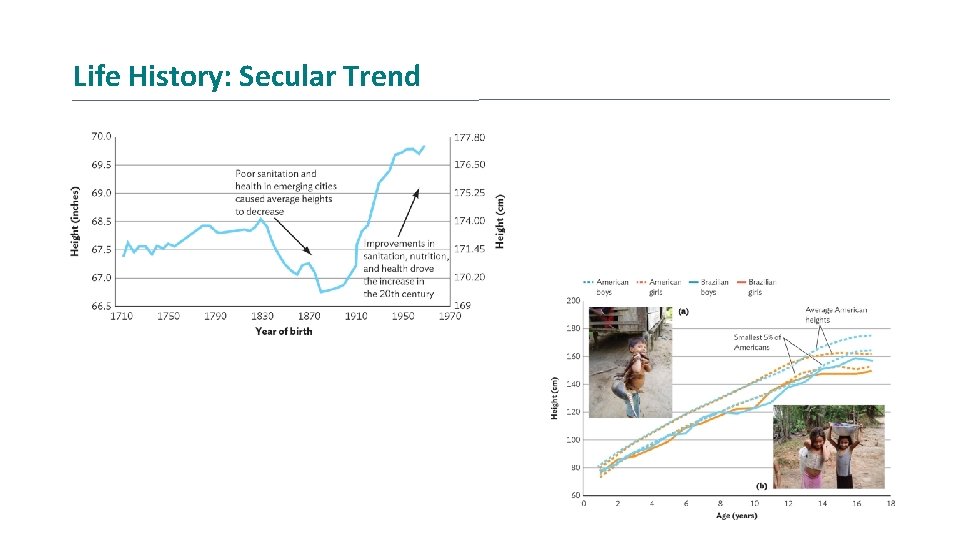
Life History: Secular Trend
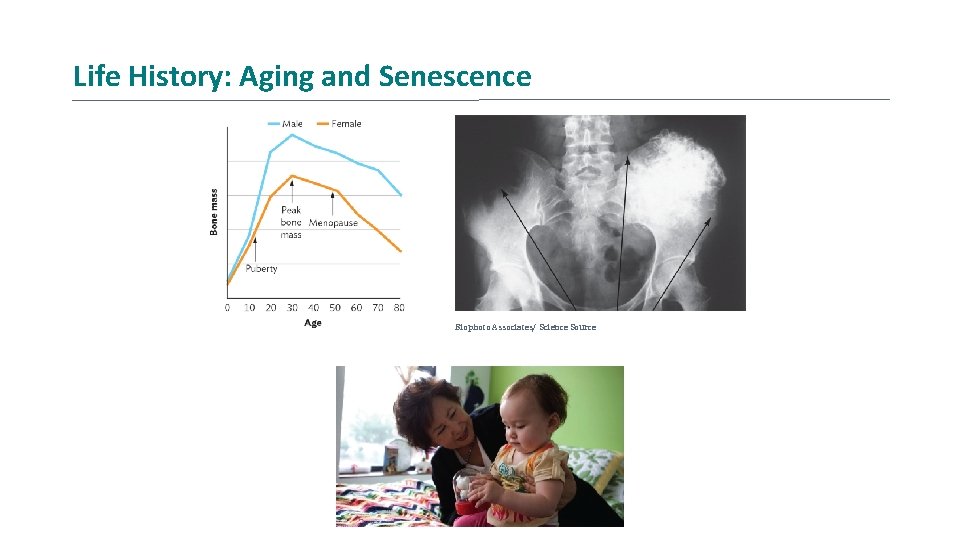
Life History: Aging and Senescence Biophoto Associates/ Science Source
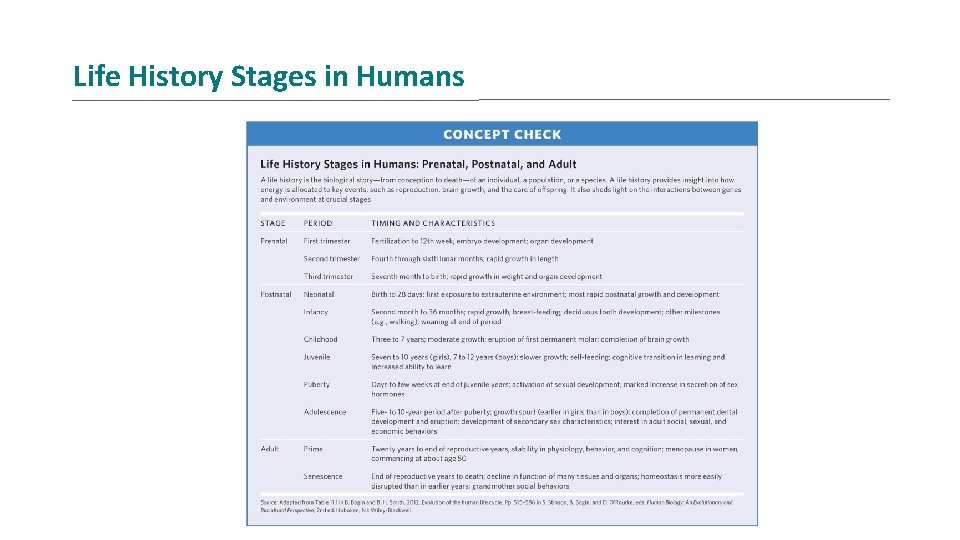
Life History Stages in Humans
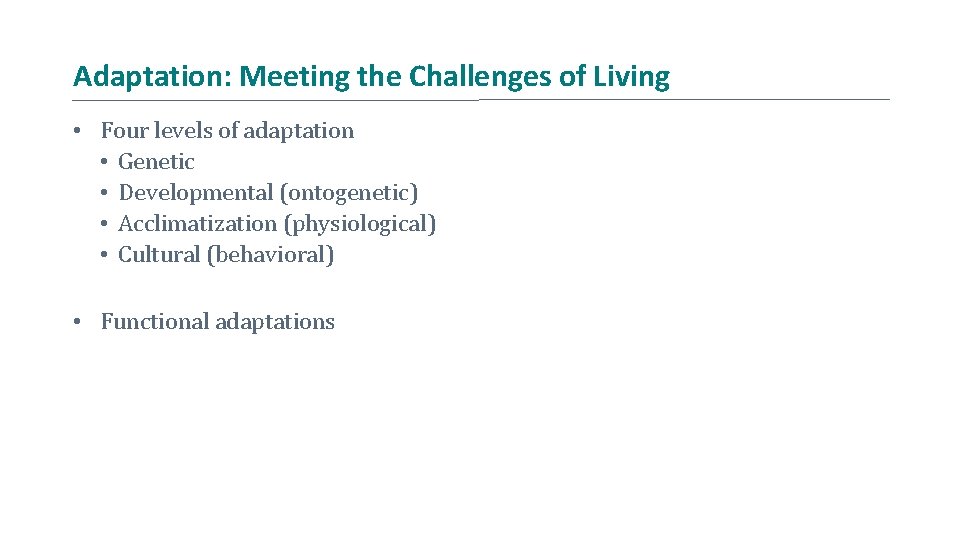
Adaptation: Meeting the Challenges of Living • Four levels of adaptation • Genetic • Developmental (ontogenetic) • Acclimatization (physiological) • Cultural (behavioral) • Functional adaptations
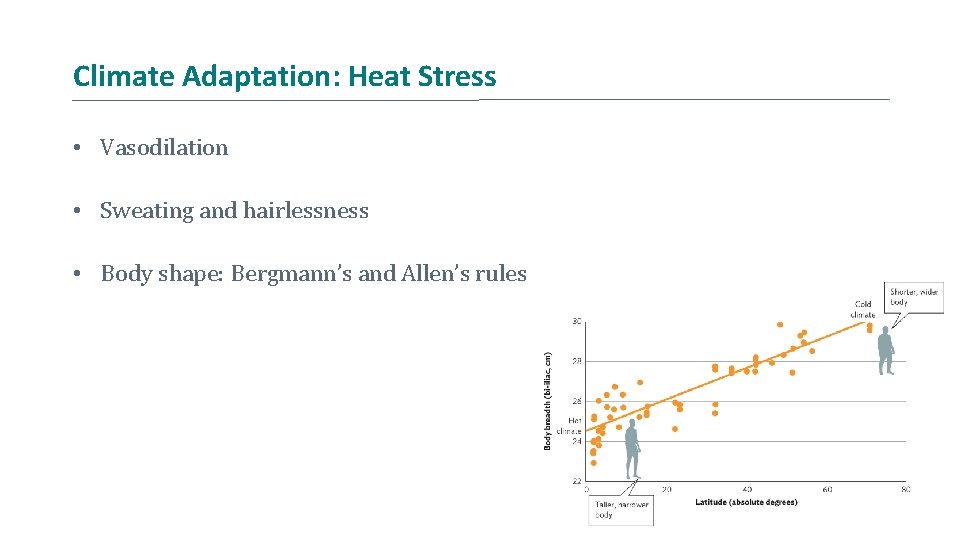
Climate Adaptation: Heat Stress • Vasodilation • Sweating and hairlessness • Body shape: Bergmann’s and Allen’s rules
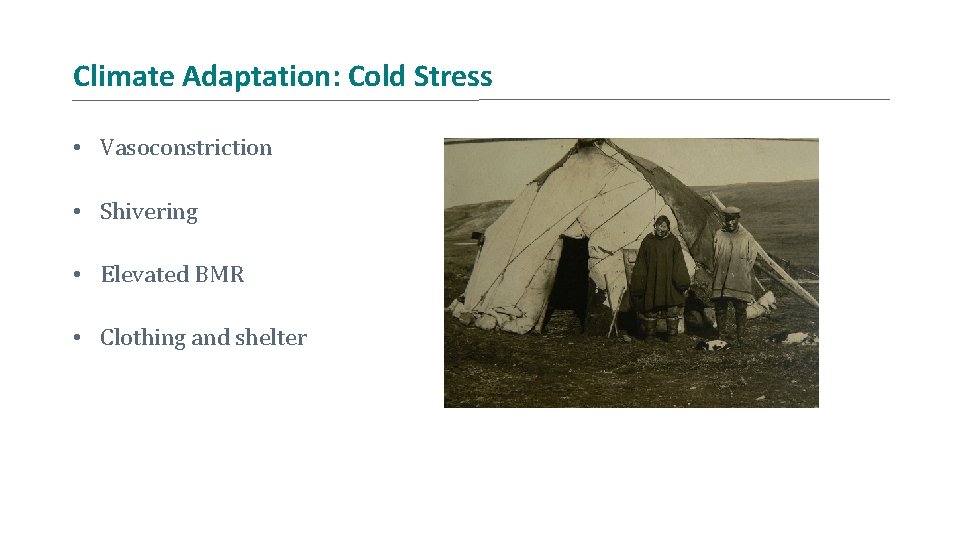
Climate Adaptation: Cold Stress • Vasoconstriction • Shivering • Elevated BMR • Clothing and shelter
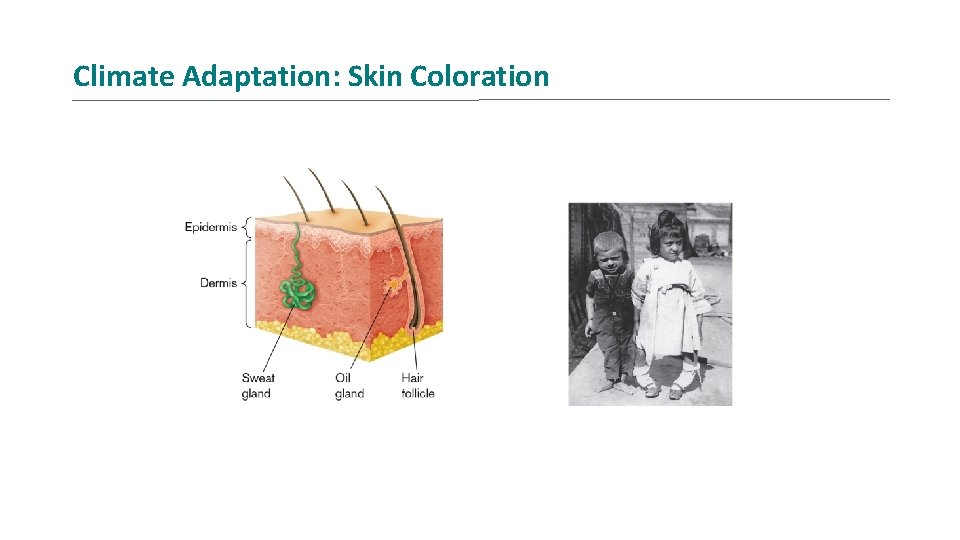
Climate Adaptation: Skin Coloration
Climate Adaptation: Skin Coloration • UV radiation helps synthesize vitamin D • Necessarily for proper skeletal development • UV radiation depletes folic acid • Necessary for DNA synthesis and spinal development
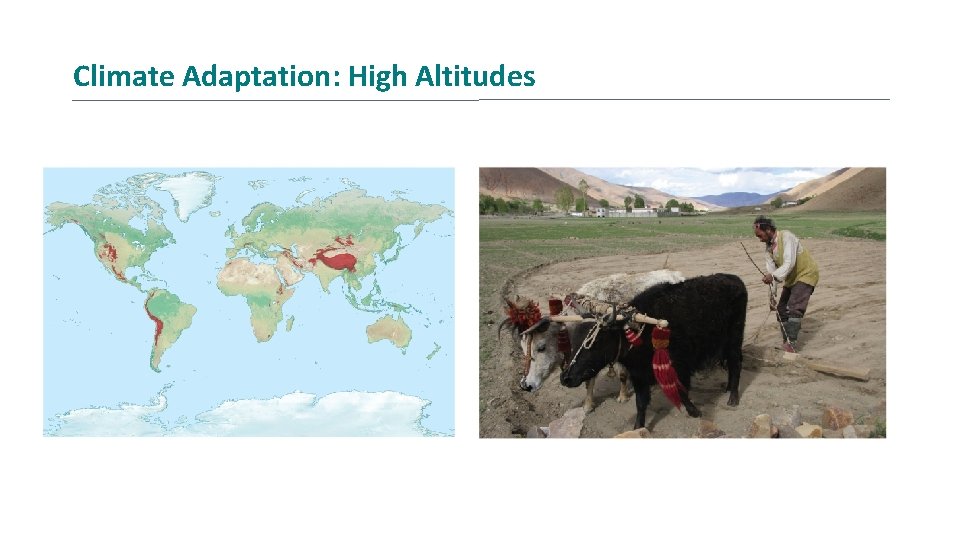
Climate Adaptation: High Altitudes
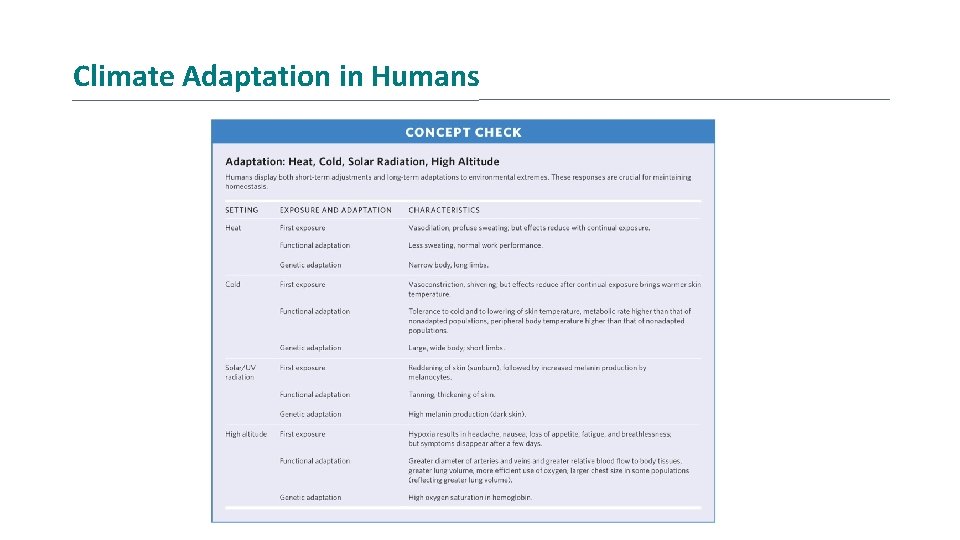
Climate Adaptation in Humans
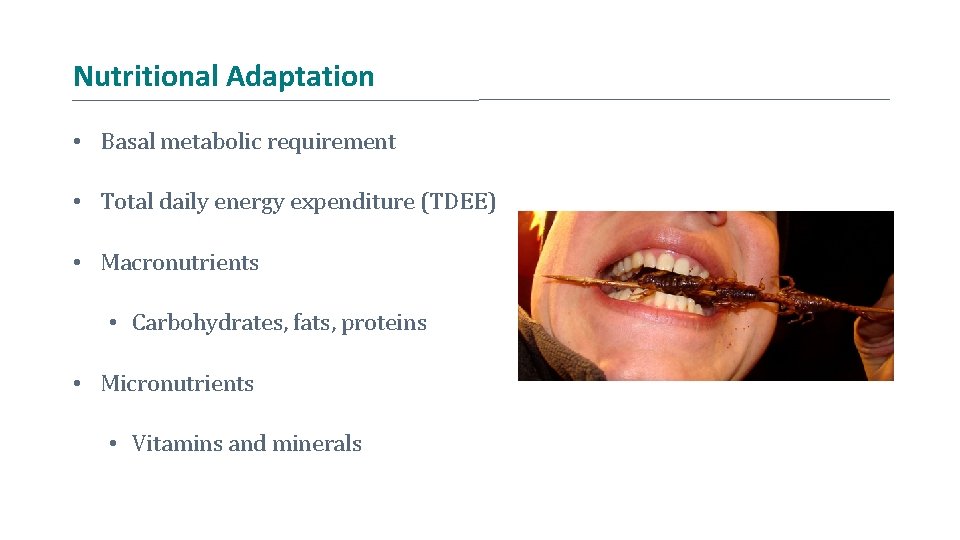
Nutritional Adaptation • Basal metabolic requirement • Total daily energy expenditure (TDEE) • Macronutrients • Carbohydrates, fats, proteins • Micronutrients • Vitamins and minerals
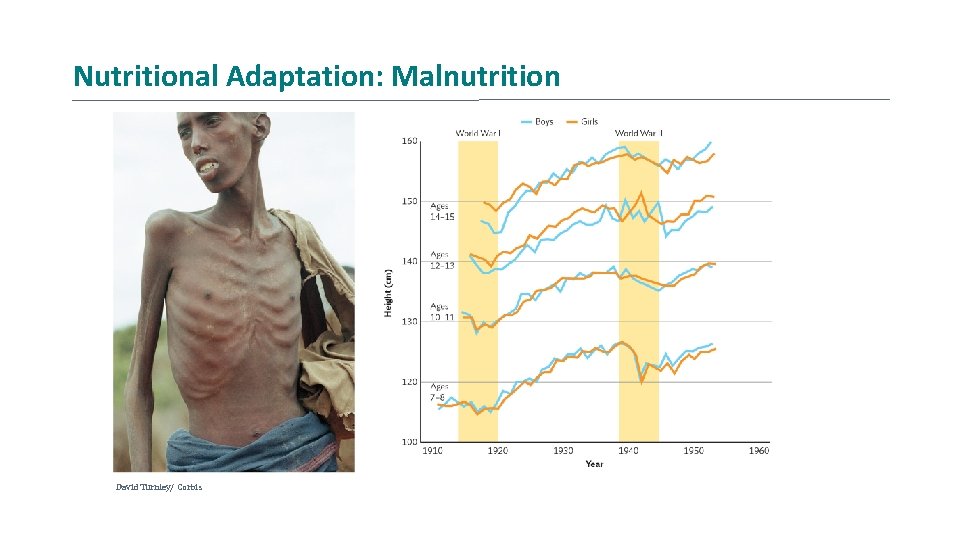
Nutritional Adaptation: Malnutrition David Turnley/ Corbis
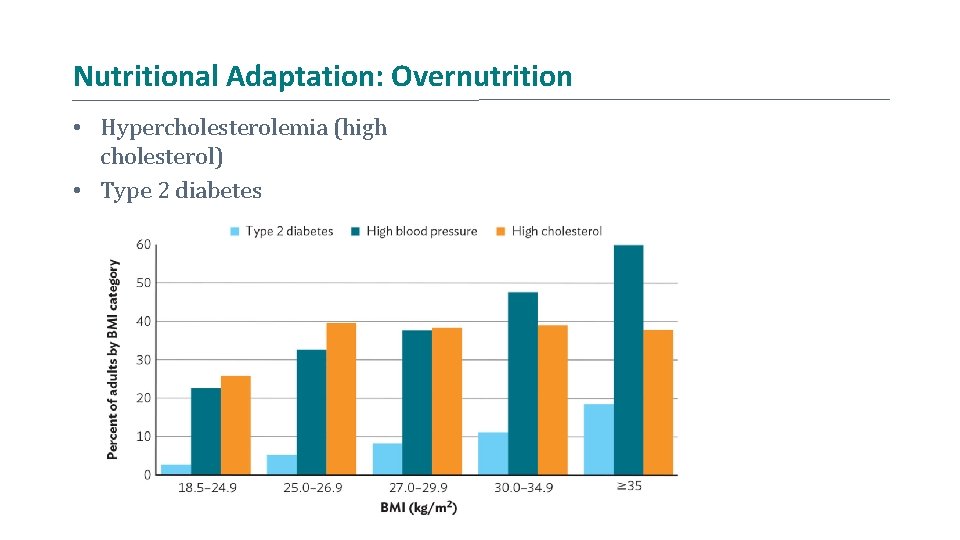
Nutritional Adaptation: Overnutrition • Hypercholesterolemia (high cholesterol) • Type 2 diabetes
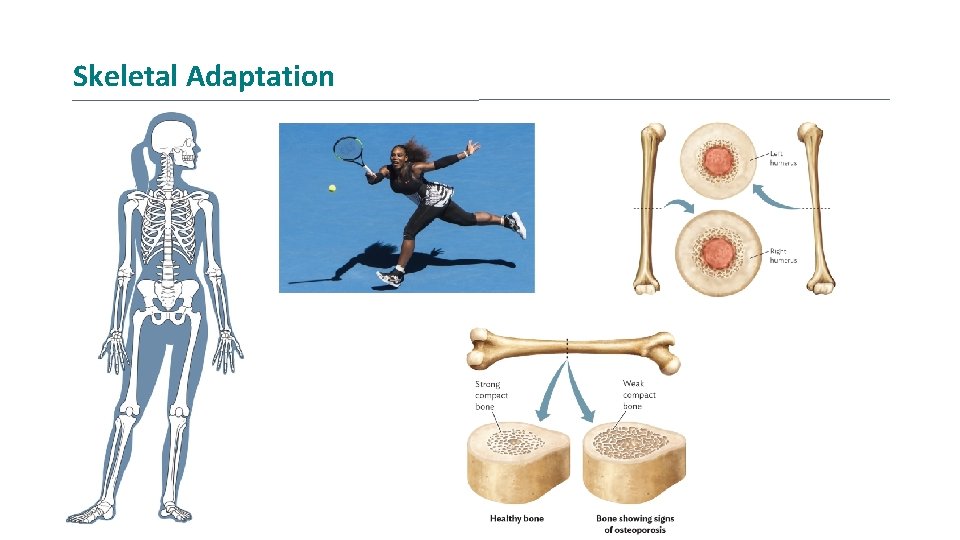
Skeletal Adaptation
Credits This concludes the Lecture Power. Point presentation for Essentials of Biological Anthropology by Clark Spencer Larsen For more resources, please visit https: //digital. wwnorton. com/essanthro 4 Copyright © 2018 W. W. Norton & Company
- Slides: 22