
Chapter 5 Algorithms Computer Science An Overview Tenth
- Slides: 24
Chapter 5: Algorithms Computer Science: An Overview Tenth Edition by J. Glenn Brookshear Modified by Marie des. Jardins for UMBC’s CMSC 100, Fall 2009 Guest Lecturer: Ms. Susan Mitchell Copyright © 2008 Pearson Education, Inc. Publishing as Pearson Addison-Wesley
Chapter 5: Algorithms • • • 5. 1 The Concept of an Algorithm 5. 2 Algorithm Representation 5. 3 Algorithm Discovery 5. 4 Iterative Structures 5. 5 Recursive Structures (skipping for now) 5. 6 Efficiency and Correctness (coming back to this later) Copyright © 2008 Pearson Education, Inc. Publishing as Pearson Addison-Wesley 2
Definition of Algorithm An algorithm is an ordered set of unambiguous, executable steps that defines a terminating process. Copyright © 2008 Pearson Education, Inc. Publishing as Pearson Addison-Wesley 3
Algorithm Representation • Requires well-defined primitives • A collection of primitives constitutes a programming language. Copyright © 2008 Pearson Education, Inc. Publishing as Pearson Addison-Wesley 4
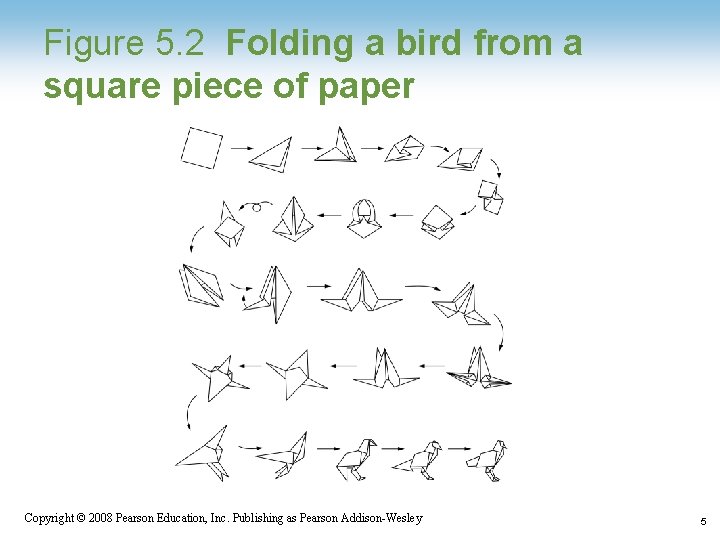
Figure 5. 2 Folding a bird from a square piece of paper Copyright © 2008 Pearson Education, Inc. Publishing as Pearson Addison-Wesley 5
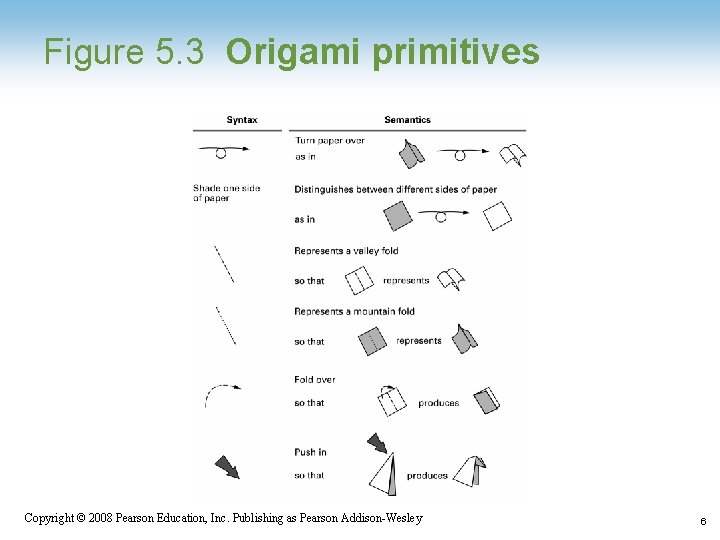
Figure 5. 3 Origami primitives Copyright © 2008 Pearson Education, Inc. Publishing as Pearson Addison-Wesley 6
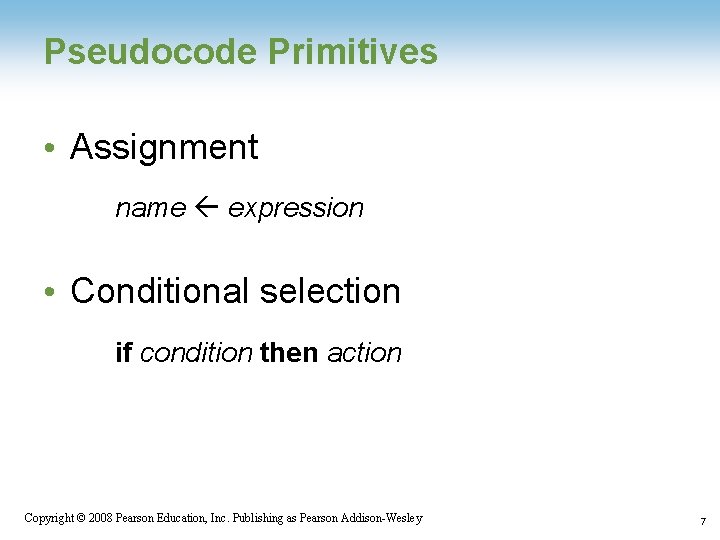
Pseudocode Primitives • Assignment name expression • Conditional selection if condition then action Copyright © 2008 Pearson Education, Inc. Publishing as Pearson Addison-Wesley 7
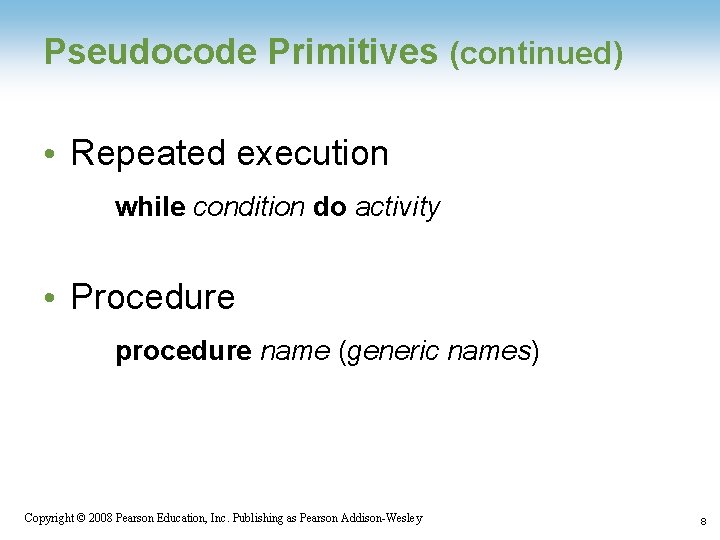
Pseudocode Primitives (continued) • Repeated execution while condition do activity • Procedure procedure name (generic names) Copyright © 2008 Pearson Education, Inc. Publishing as Pearson Addison-Wesley 8
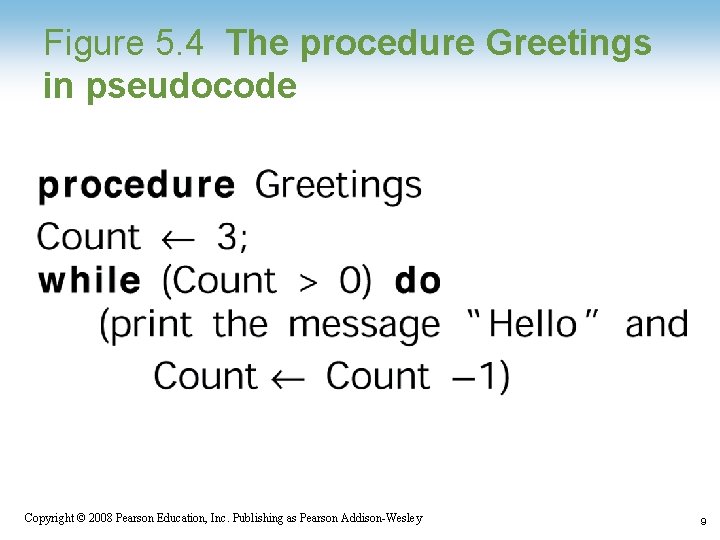
Figure 5. 4 The procedure Greetings in pseudocode Copyright © 2008 Pearson Education, Inc. Publishing as Pearson Addison-Wesley 9
Polya’s Problem Solving Steps • • 1. Understand the problem. 2. Devise a plan for solving the problem. 3. Carry out the plan. 4. Evaluate the solution for accuracy and its potential as a tool for solving other problems. Copyright © 2008 Pearson Education, Inc. Publishing as Pearson Addison-Wesley 10
Getting a Foot in the Door • Try working the problem backwards • Solve an easier related problem – Relax some of the problem constraints – Solve pieces of the problem first (bottom up methodology) • Stepwise refinement: Divide the problem into smaller problems (top-down methodology) Copyright © 2008 Pearson Education, Inc. Publishing as Pearson Addison-Wesley 11
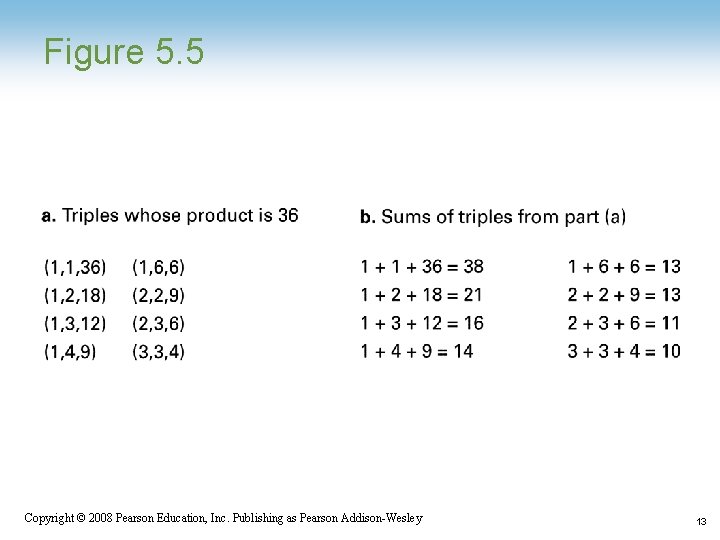
Ages of Children Problem • Person A is charged with the task of determining the ages of B’s three children. – – – B tells A that the product of the children’s ages is 36. A replies that another clue is required. B tells A the sum of the children’s ages. A replies that another clue is needed. B tells A that the oldest child plays the piano. A tells B the ages of the three children. • How old are three children? Copyright © 2008 Pearson Education, Inc. Publishing as Pearson Addison-Wesley 12
Figure 5. 5 Copyright © 2008 Pearson Education, Inc. Publishing as Pearson Addison-Wesley 13
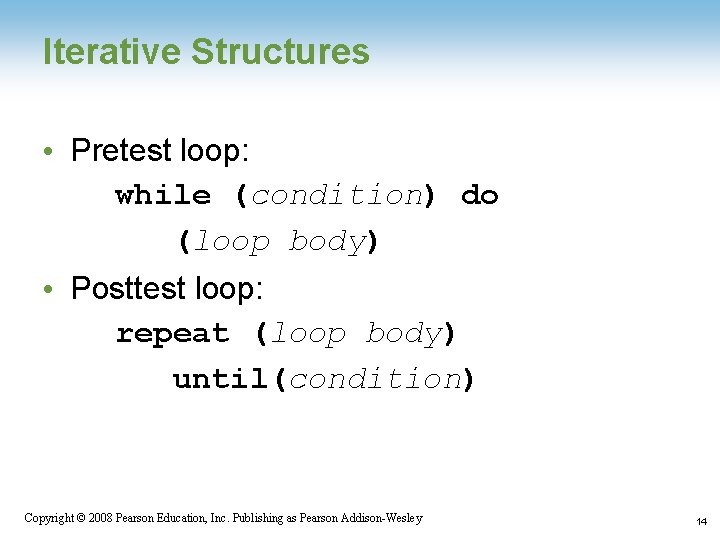
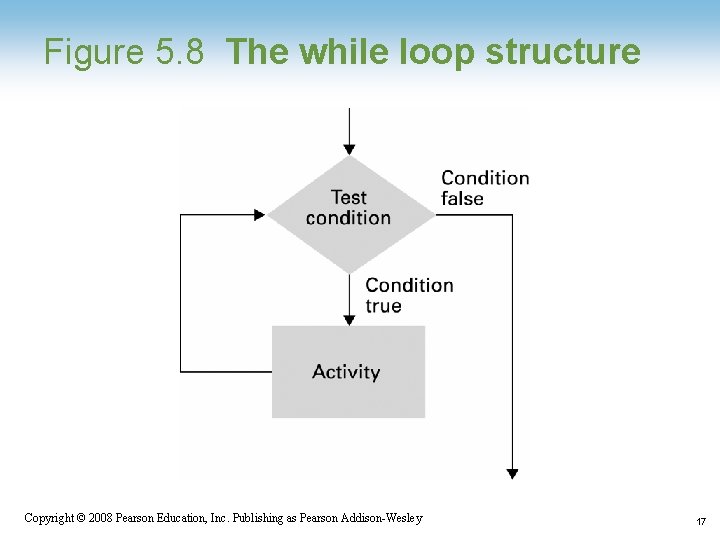
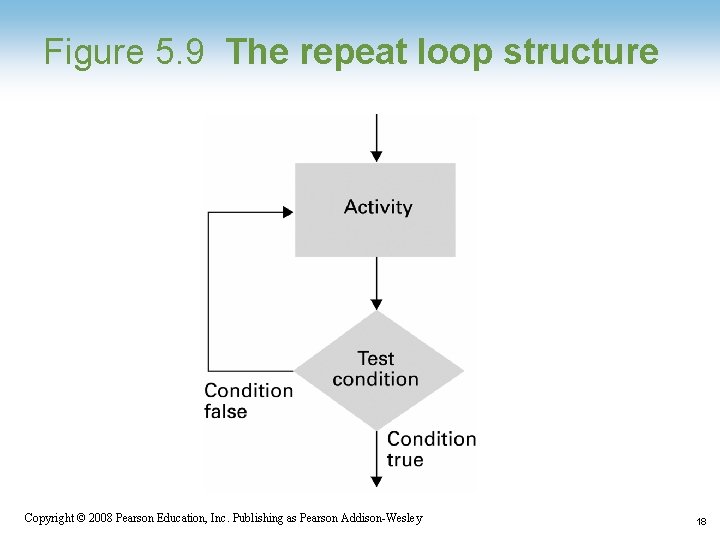
Iterative Structures • Pretest loop: while (condition) do (loop body) • Posttest loop: repeat (loop body) until(condition) Copyright © 2008 Pearson Education, Inc. Publishing as Pearson Addison-Wesley 14
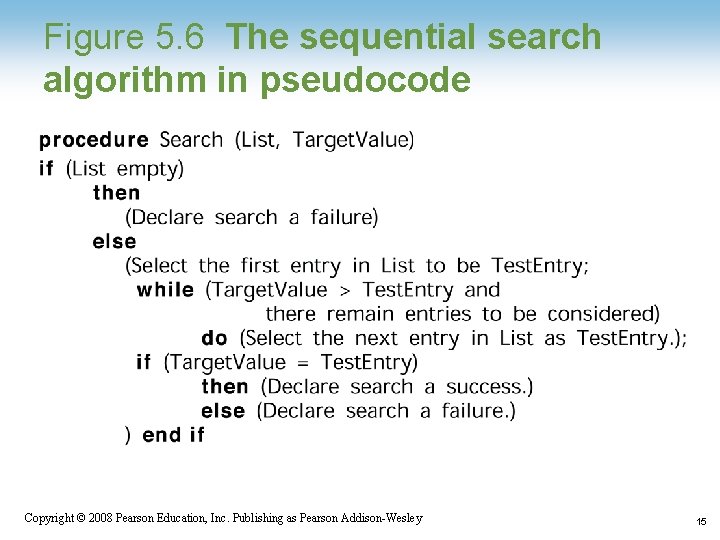
Figure 5. 6 The sequential search algorithm in pseudocode Copyright © 2008 Pearson Education, Inc. Publishing as Pearson Addison-Wesley 15
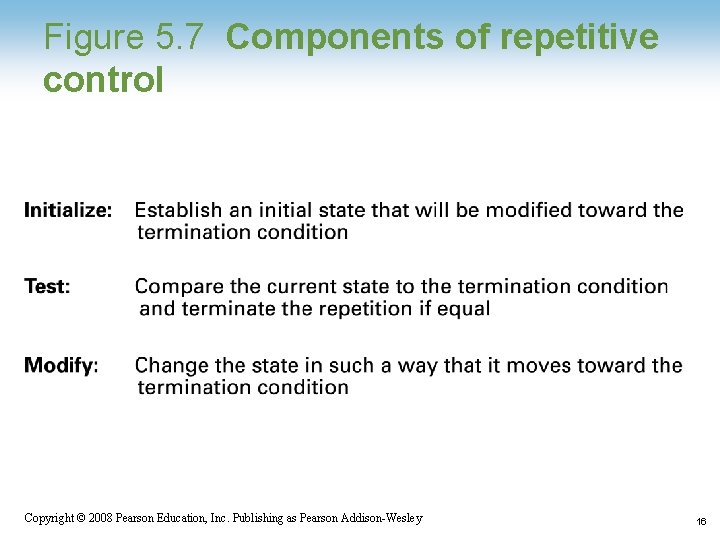
Figure 5. 7 Components of repetitive control Copyright © 2008 Pearson Education, Inc. Publishing as Pearson Addison-Wesley 16
Figure 5. 8 The while loop structure Copyright © 2008 Pearson Education, Inc. Publishing as Pearson Addison-Wesley 17
Figure 5. 9 The repeat loop structure Copyright © 2008 Pearson Education, Inc. Publishing as Pearson Addison-Wesley 18
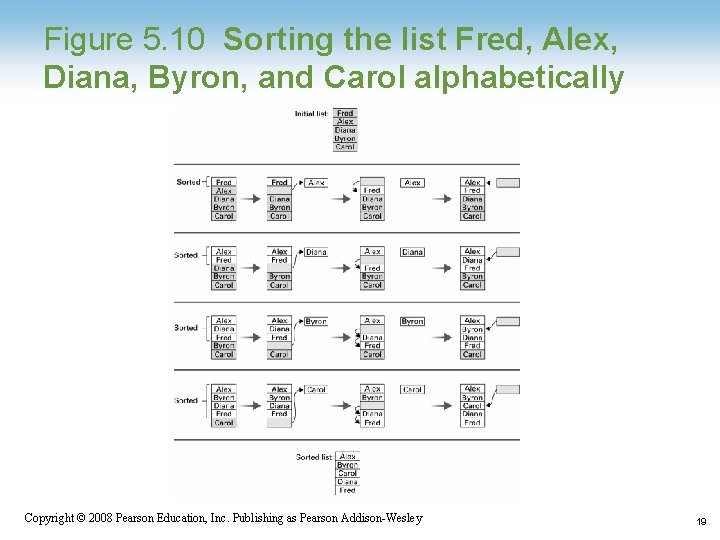
Figure 5. 10 Sorting the list Fred, Alex, Diana, Byron, and Carol alphabetically Copyright © 2008 Pearson Education, Inc. Publishing as Pearson Addison-Wesley 19
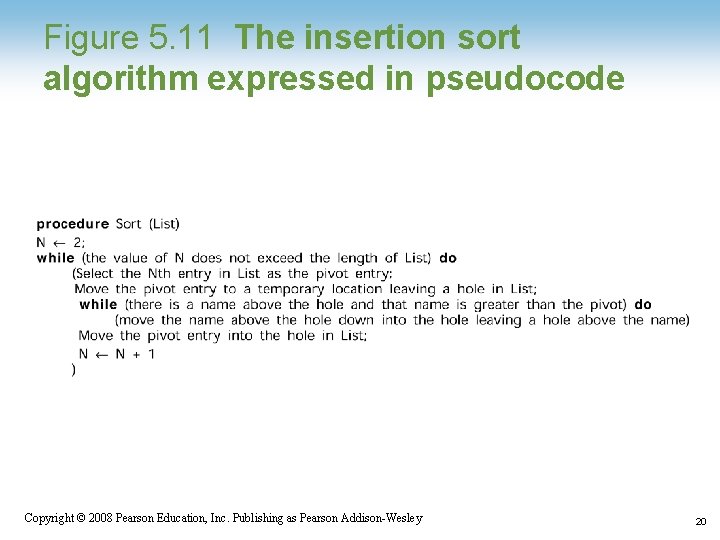
Figure 5. 11 The insertion sort algorithm expressed in pseudocode Copyright © 2008 Pearson Education, Inc. Publishing as Pearson Addison-Wesley 20
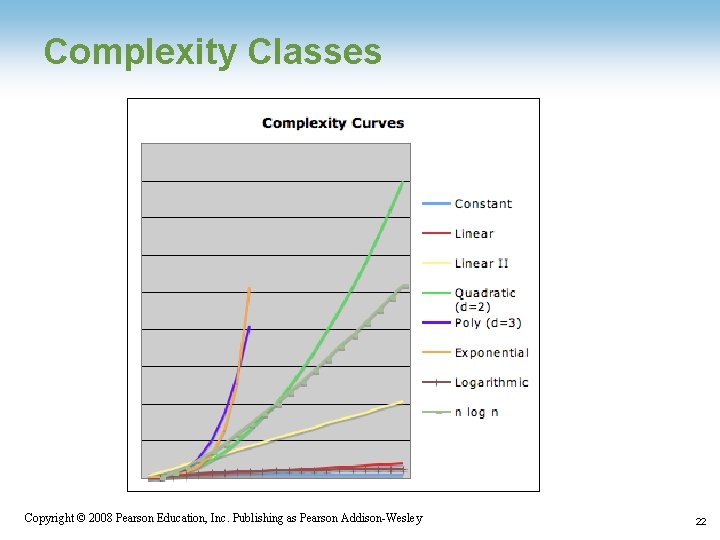
Complexity Classes Copyright © 2008 Pearson Education, Inc. Publishing as Pearson Addison-Wesley 22
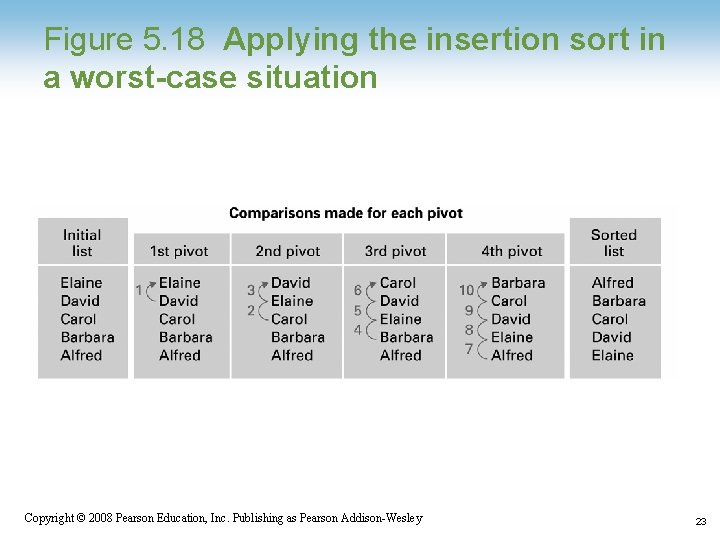
Figure 5. 18 Applying the insertion sort in a worst-case situation Copyright © 2008 Pearson Education, Inc. Publishing as Pearson Addison-Wesley 23
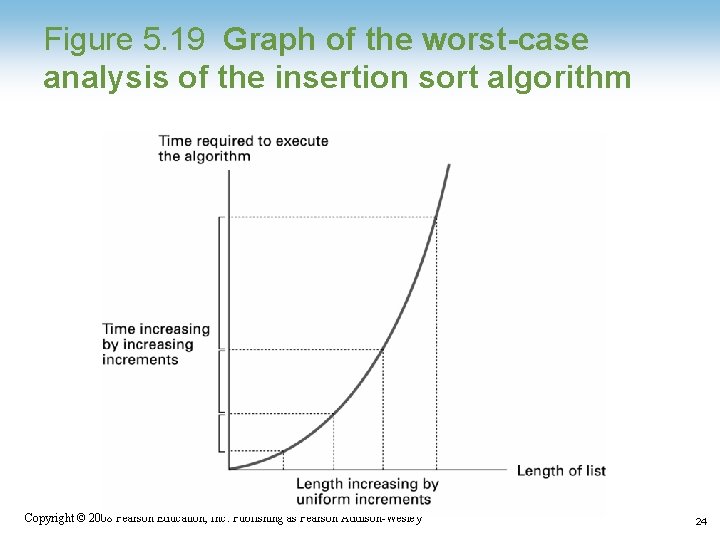
Figure 5. 19 Graph of the worst-case analysis of the insertion sort algorithm Copyright © 2008 Pearson Education, Inc. Publishing as Pearson Addison-Wesley 24
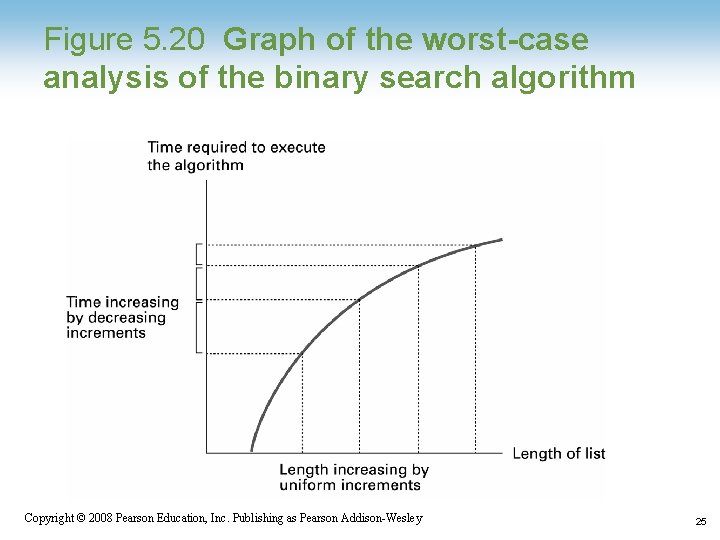
Figure 5. 20 Graph of the worst-case analysis of the binary search algorithm Copyright © 2008 Pearson Education, Inc. Publishing as Pearson Addison-Wesley 25