
Chapter 5 A Land of Contrasts United States
- Slides: 23
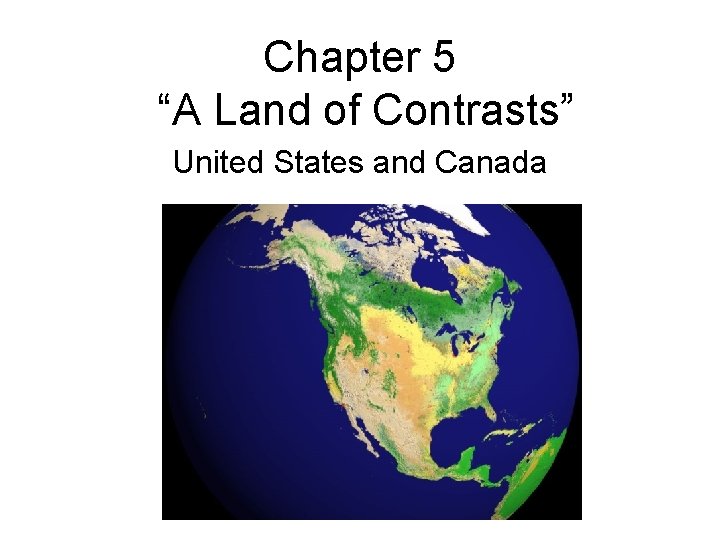
Chapter 5 “A Land of Contrasts” United States and Canada
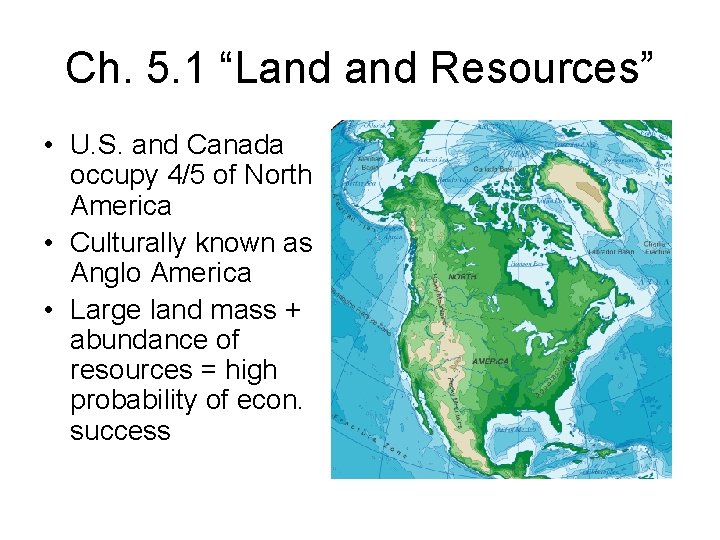
Ch. 5. 1 “Land Resources” • U. S. and Canada occupy 4/5 of North America • Culturally known as Anglo America • Large land mass + abundance of resources = high probability of econ. success
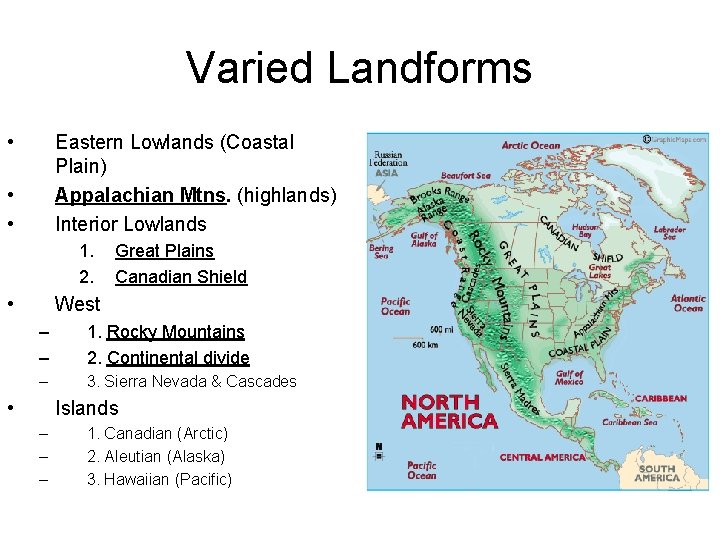
Varied Landforms • Eastern Lowlands (Coastal Plain) Appalachian Mtns. (highlands) Interior Lowlands • • 1. 2. • Great Plains Canadian Shield West – – 1. Rocky Mountains 2. Continental divide – 3. Sierra Nevada & Cascades • Islands – – – 1. Canadian (Arctic) 2. Aleutian (Alaska) 3. Hawaiian (Pacific)
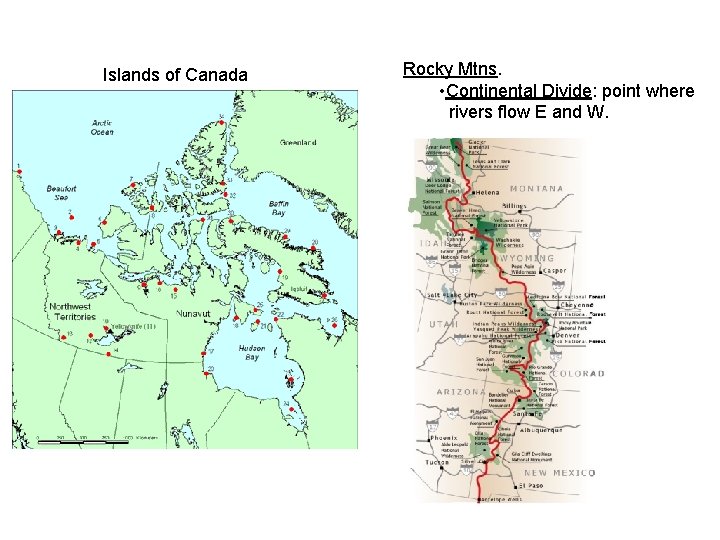
Islands of Canada Rocky Mtns. • Continental Divide: point where rivers flow E and W.
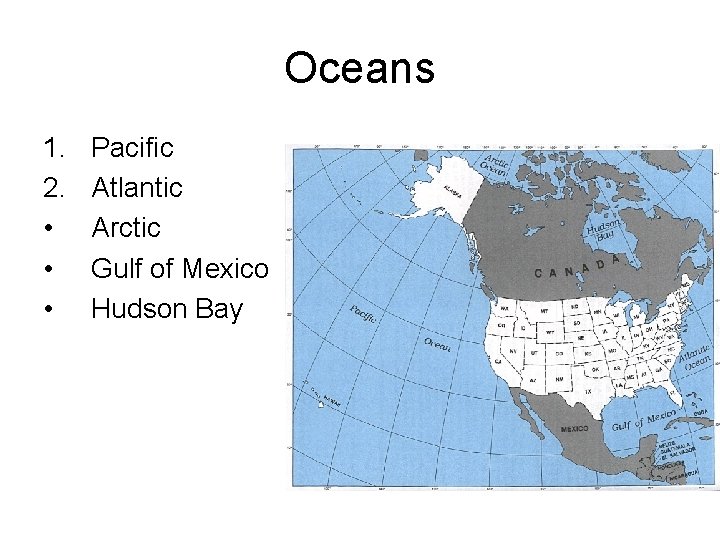
Oceans 1. 2. • • • Pacific Atlantic Arctic Gulf of Mexico Hudson Bay
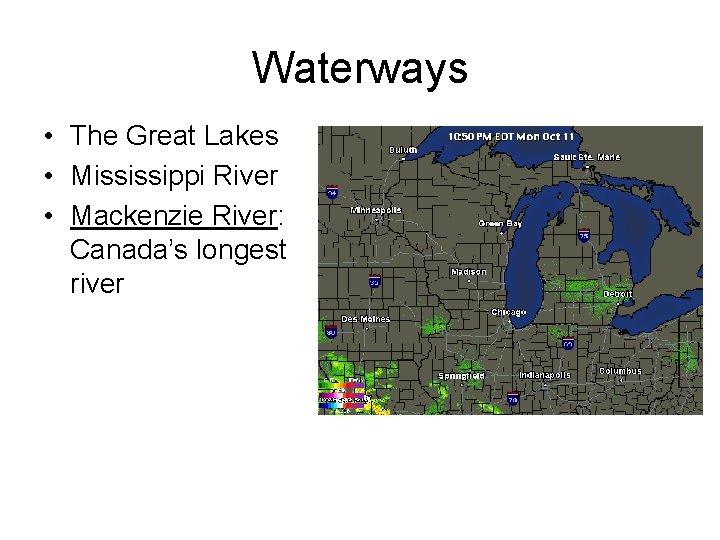
Waterways • The Great Lakes • Mississippi River • Mackenzie River: Canada’s longest river
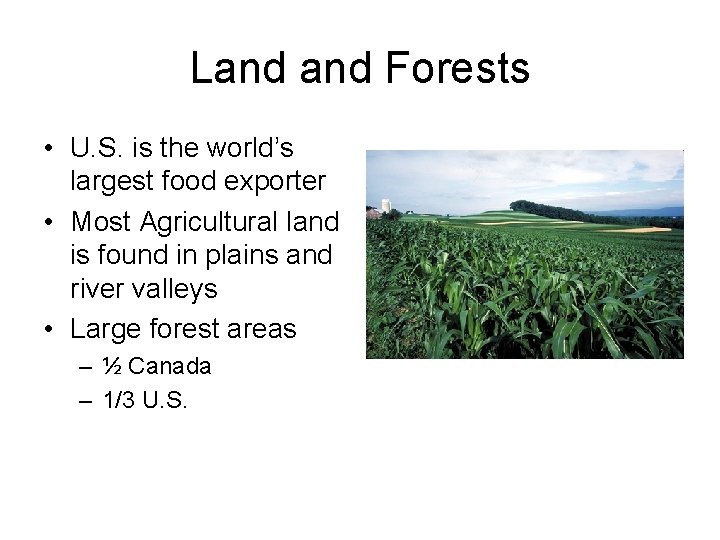
Land Forests • U. S. is the world’s largest food exporter • Most Agricultural land is found in plains and river valleys • Large forest areas – ½ Canada – 1/3 U. S.
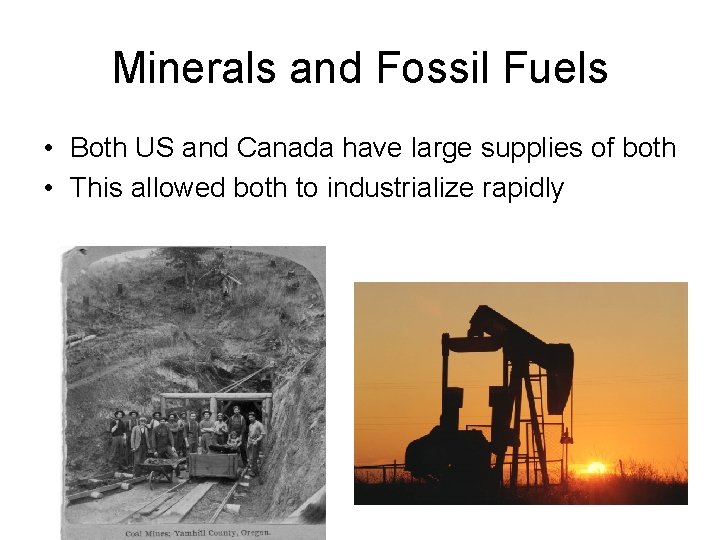
Minerals and Fossil Fuels • Both US and Canada have large supplies of both • This allowed both to industrialize rapidly
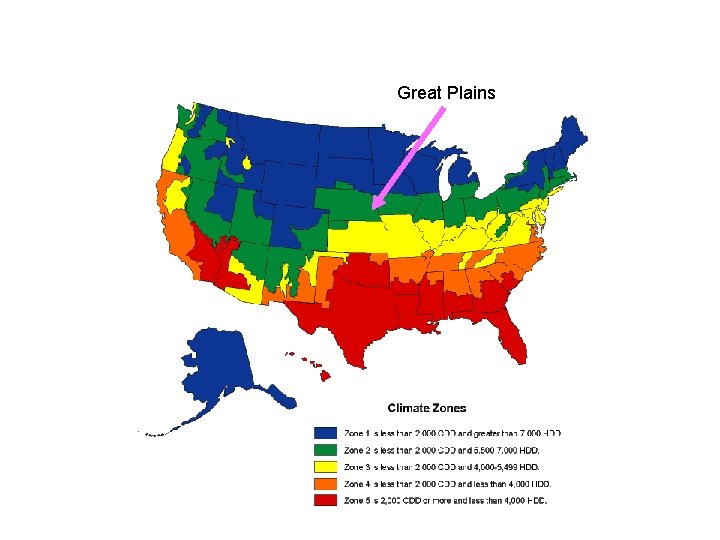
5. 2 “Climate and Vegetation” • U. S. has more climate zones than Canada • Colder Climates – Arctic Coasts of Alaska and Canada • Permafrost – permanently frozen ground • Moderate Climates – N. Central and N. Eastern U. S. and S. Canada – Prevailing Westerlies: NW U. S. - winds that blow from West to East. • Wet but mild winters
Great Plains
Differences in Climate and Vegetation 1. Milder Climates • Southern States: mild temp + adequate rainfall = long growing season 2. Dry Climates • Great Plains and Northern parts of Great Basin, less than 15 in. of rain per year 3. Tropical Climates • Hawaii and Southern Florida • Everglades: swamp land that covers 4, 000 sq. mi.
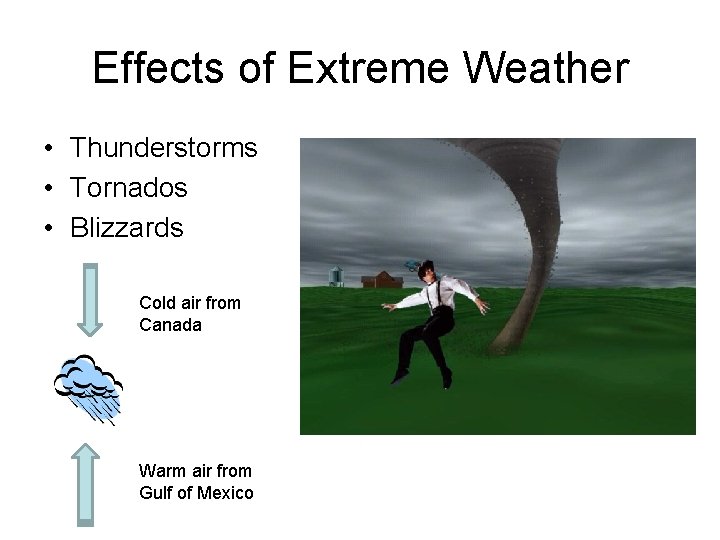
Effects of Extreme Weather • Thunderstorms • Tornados • Blizzards Cold air from Canada Warm air from Gulf of Mexico
5. 3 “Human Environment Interaction”
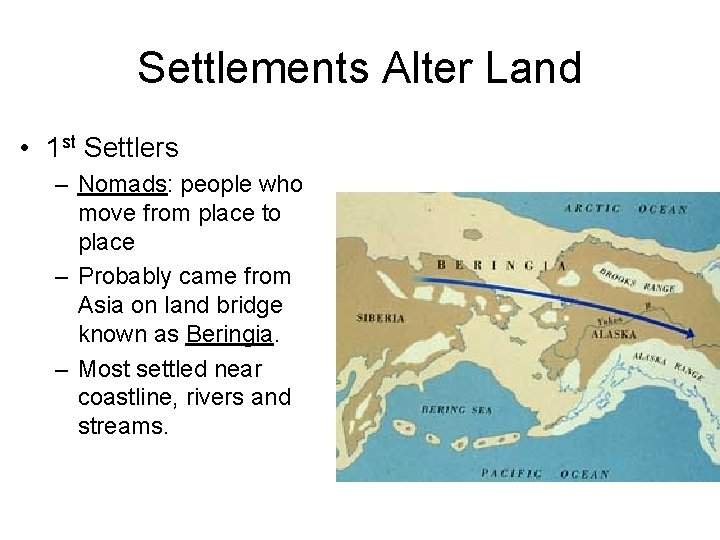
Settlements Alter Land • 1 st Settlers – Nomads: people who move from place to place – Probably came from Asia on land bridge known as Beringia. – Most settled near coastline, rivers and streams.
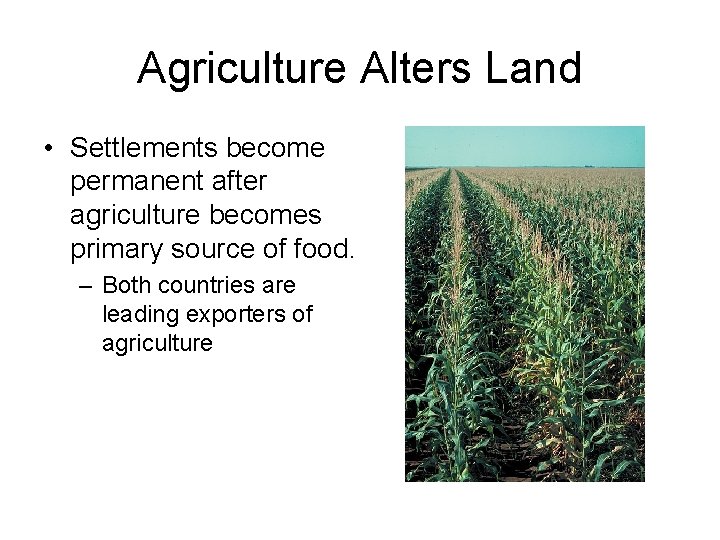
Agriculture Alters Land • Settlements become permanent after agriculture becomes primary source of food. – Both countries are leading exporters of agriculture
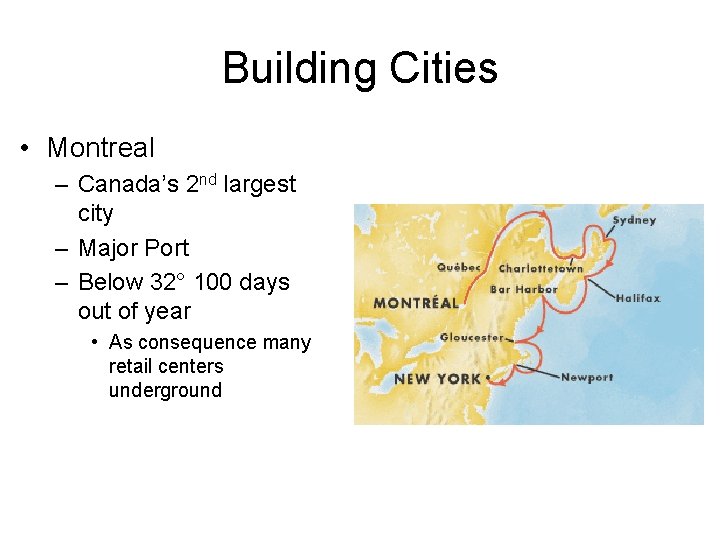
Building Cities • Montreal – Canada’s 2 nd largest city – Major Port – Below 32° 100 days out of year • As consequence many retail centers underground
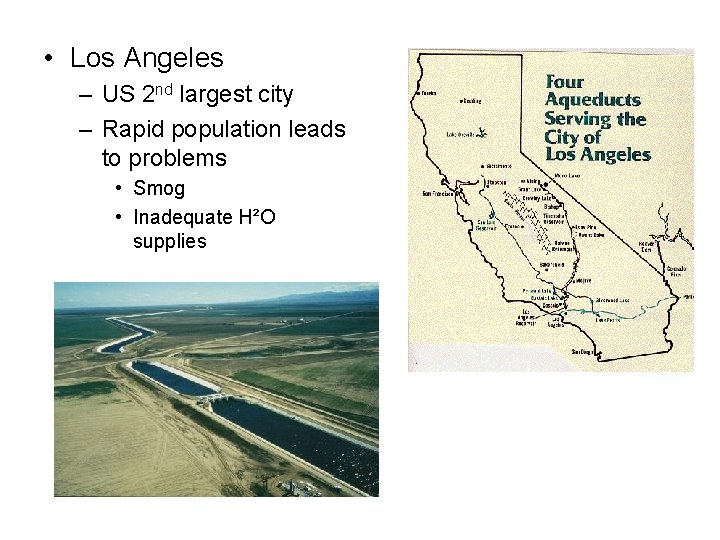
• Los Angeles – US 2 nd largest city – Rapid population leads to problems • Smog • Inadequate H²O supplies
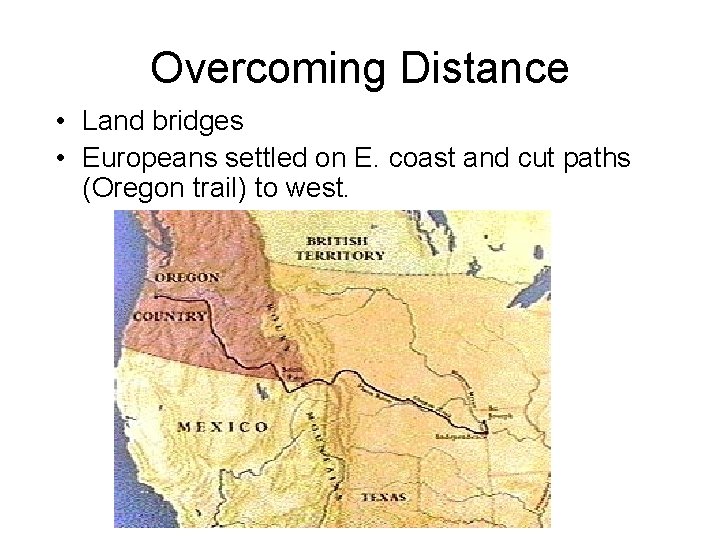
Overcoming Distance • Land bridges • Europeans settled on E. coast and cut paths (Oregon trail) to west.
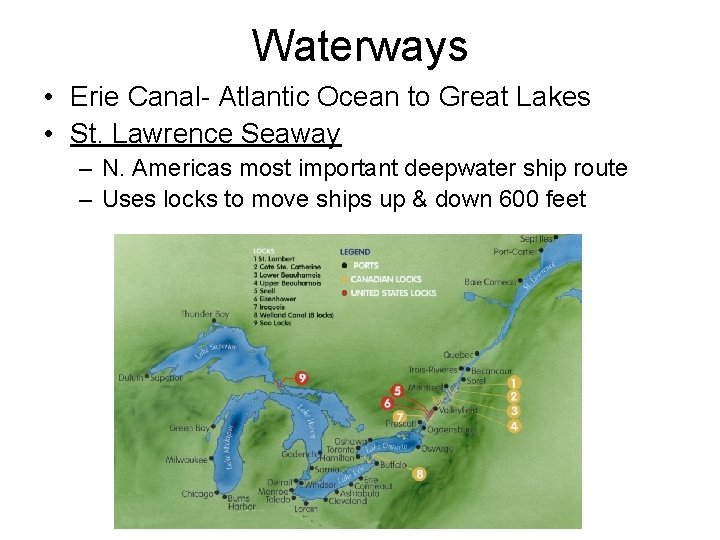
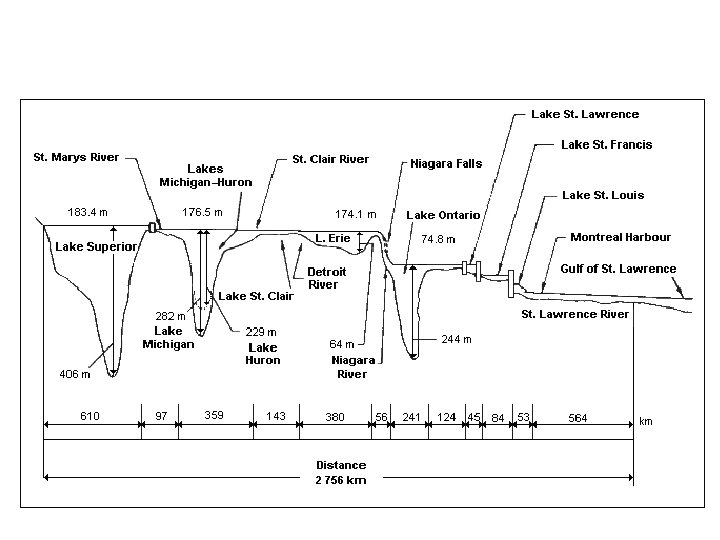
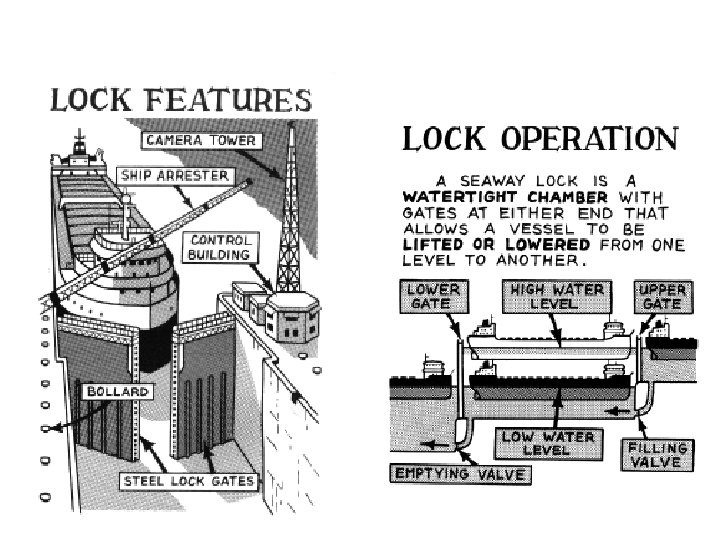
Waterways • Erie Canal- Atlantic Ocean to Great Lakes • St. Lawrence Seaway – N. Americas most important deepwater ship route – Uses locks to move ships up & down 600 feet
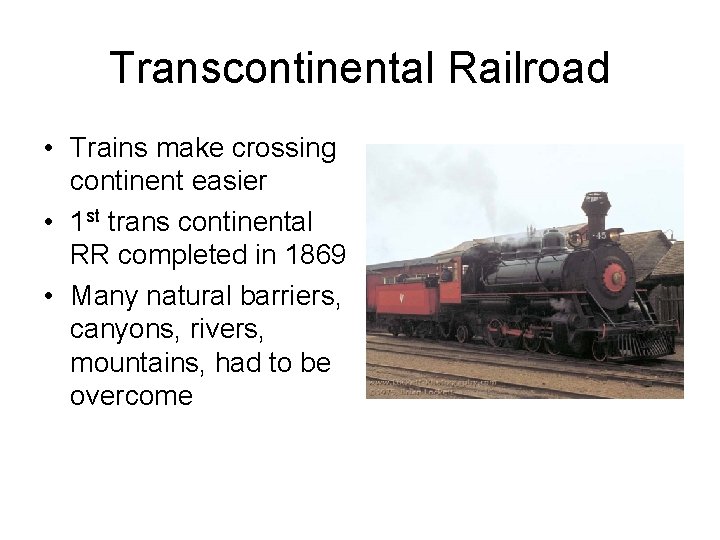
Transcontinental Railroad • Trains make crossing continent easier • 1 st trans continental RR completed in 1869 • Many natural barriers, canyons, rivers, mountains, had to be overcome
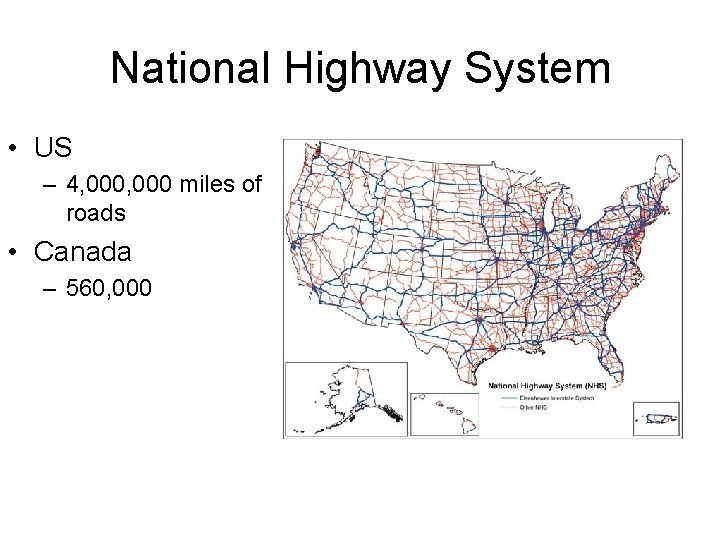
National Highway System • US – 4, 000 miles of roads • Canada – 560, 000