
Chapter 46 Nursing Management Renal and Urologic Problems
Chapter 46 Nursing Management Renal and Urologic Problems S. Buckley, RN, MS Mosby pp Copyright © 2007, 2004, 2000, Mosby, Inc. , an affiliate of Elsevier Inc. All Rights Reserved.
Infectious and Inflammatory Disorders of the Urinary System Copyright © 2007, 2004, 2000, Mosby, Inc. , an affiliate of Elsevier Inc. All Rights Reserved.
Acute Pyelonephritis Etiology and pathophysiology-inflammation of the kidney following uti. (can progress to urosepsis: systemic infection arising from urologic source) Preexisting factor: vesicoureteral reflux, calculi, catheter, stricture, pregnancy, neurogenic bladder Clinical manifestations-fever, chills, N&V, abrupt flank pain (CVA pain), LUTS, bacteriuria, pyuria Diagnostic studies-u/a reveals; pyuria, hematuria, WBC casts, CBC, blood cultures Collaborative care and drug therapy-urine for C&S, imaging: ultrasound, increase, NSAIDs, fluids, antibiotics (ampicillin, vancomycin, cipro), analgesia (pyridium), severe cases require hospitalization, emotional support, follow up, education. Copyright © 2007, 2004, 2000, Mosby, Inc. , an affiliate of Elsevier Inc. All Rights Reserved.
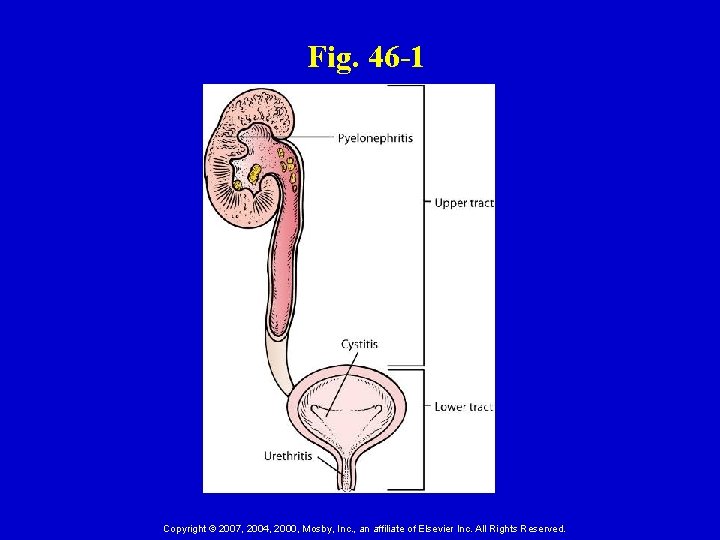
Fig. 46 -1 Copyright © 2007, 2004, 2000, Mosby, Inc. , an affiliate of Elsevier Inc. All Rights Reserved.
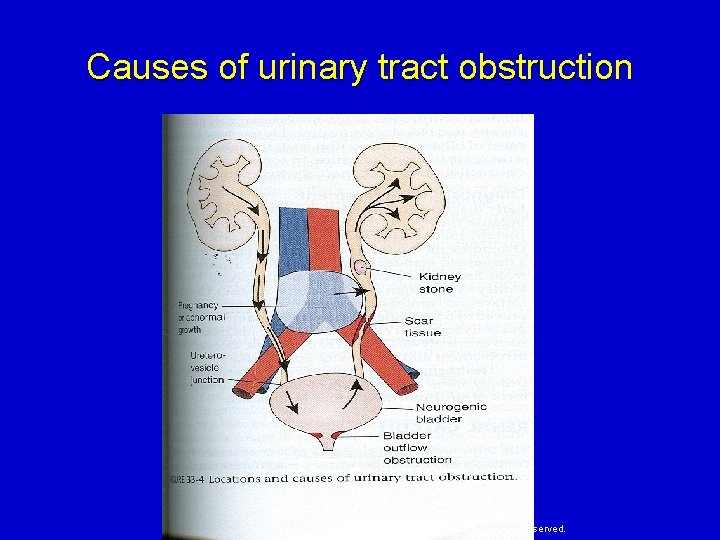
Causes of urinary tract obstruction Copyright © 2007, 2004, 2000, Mosby, Inc. , an affiliate of Elsevier Inc. All Rights Reserved.
Copyright © 2007, 2004, 2000, Mosby, Inc. , an affiliate of Elsevier Inc. All Rights Reserved.
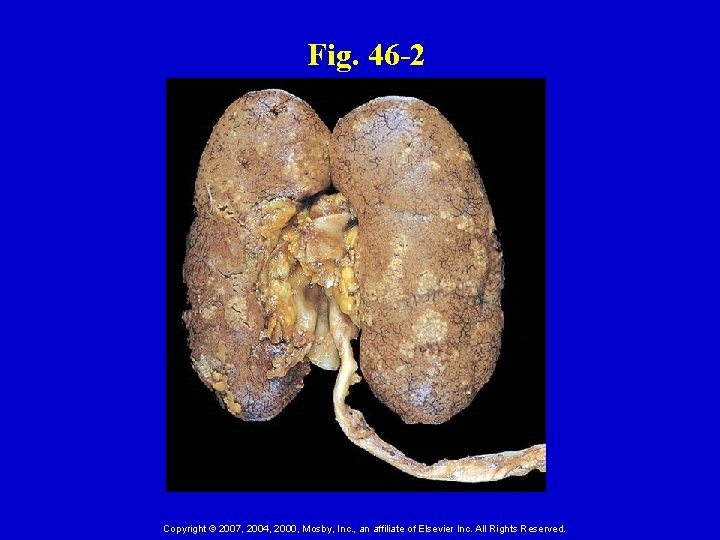
Fig. 46 -2 Copyright © 2007, 2004, 2000, Mosby, Inc. , an affiliate of Elsevier Inc. All Rights Reserved.
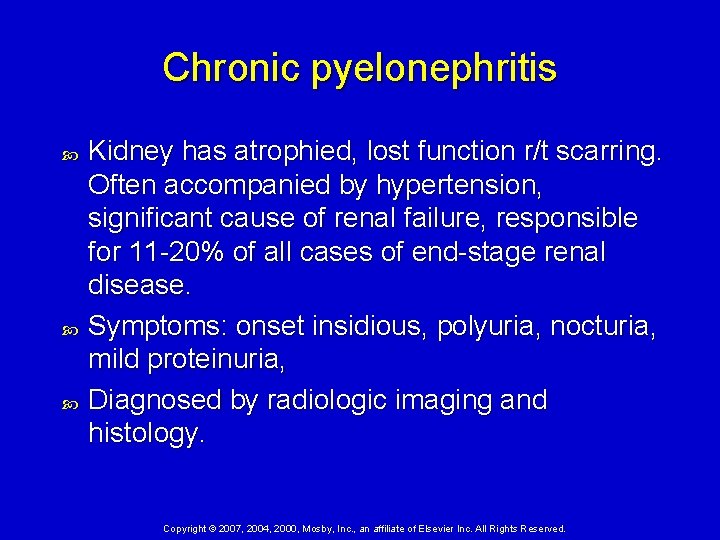
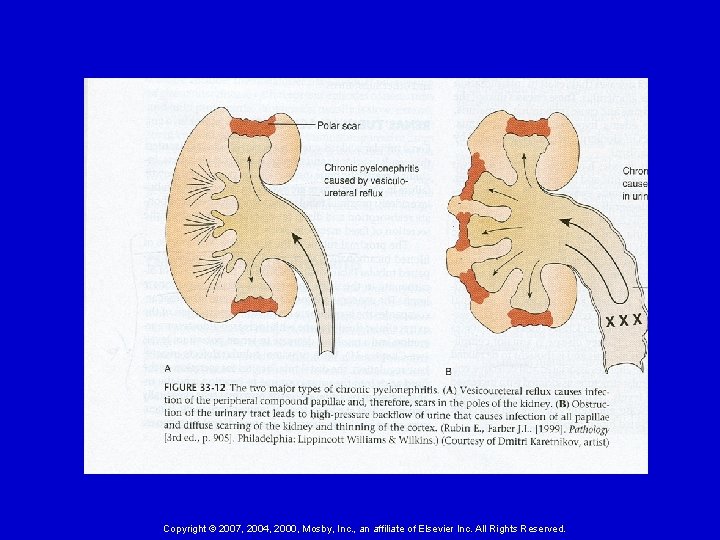
Chronic pyelonephritis Kidney has atrophied, lost function r/t scarring. Often accompanied by hypertension, significant cause of renal failure, responsible for 11 -20% of all cases of end-stage renal disease. Symptoms: onset insidious, polyuria, nocturia, mild proteinuria, Diagnosed by radiologic imaging and histology. Copyright © 2007, 2004, 2000, Mosby, Inc. , an affiliate of Elsevier Inc. All Rights Reserved.
urethritis Inflammation of urethra Causes: trichomonas, monilial infection, Chlamydia, gonorrhea. Often sexually transmitted Symptoms: discharge, LUTS; dysuria, urgency, frequent urination TX: id cause, often treated with Flagyl, mycelex, nystatin (mycostatin), fluconazole (diflucan). Copyright © 2007, 2004, 2000, Mosby, Inc. , an affiliate of Elsevier Inc. All Rights Reserved.
Urethral Diverticula Copyright © 2007, 2004, 2000, Mosby, Inc. , an affiliate of Elsevier Inc. All Rights Reserved.
Interstitial Cystitis/Painful Bladder Syndrome Chronic, painful inflammatory disease of the bladder, affects ~700, 000 Americans/yr. Ration women to men: 10: 1 Etiology; unknown, r/t infections, nephro dysfunction. Symptoms: urgency, frequency and pain, relieved with urination, exacerbated with sexual intercourse. Painful bladder syndrome: pain related to bladder filling in absence of uti. Diagnosis by exclusion; pain despite absence of uti. Collaborative care and drug therapy-dietary, lifestyle changes Nursing management: Interstitial cystitis/painful bladder syndromerelieve anxiety, monitor u/o and possible uti, lifestyle changes, push fluids Use of Prelief (calcium gycerophosphate-alkalinizes urine) Copyright © 2007, 2004, 2000, Mosby, Inc. , an affiliate of Elsevier Inc. All Rights Reserved.
Renal Tuberculosis Secondary to TB of lung 5 -8 yrs after primary disease Symptoms: low grade fever, cystitis, epididymitis, renal colic, lumbar and iliac pain, hematuria. diagnosis-based on tb bacilli in urine and IVP Tx-similar to tx for tb, depends on stage of disease and renal involvement. Copyright © 2007, 2004, 2000, Mosby, Inc. , an affiliate of Elsevier Inc. All Rights Reserved.
Immunologic Disorders of the Kidney Copyright © 2007, 2004, 2000, Mosby, Inc. , an affiliate of Elsevier Inc. All Rights Reserved.
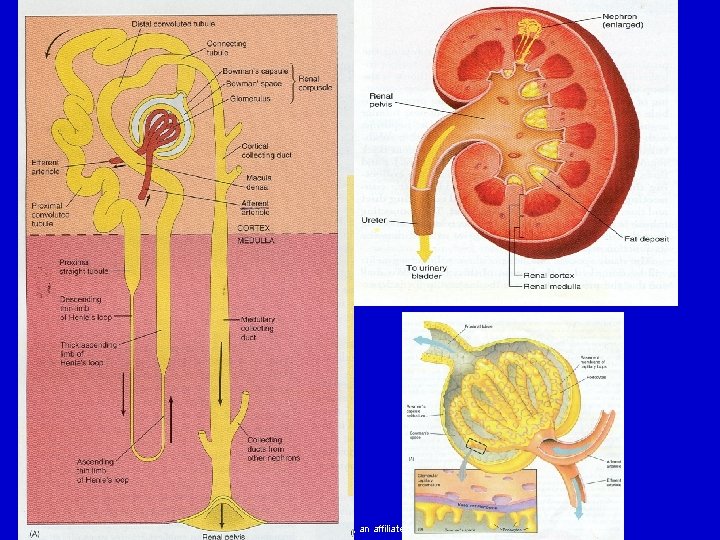
Glomerulonephritis Immunologic process resulting in inflammation of the glomerulus. 3 rd leading cause of renal failure in the US. Autoantibodies production stimulated by exogenous agents (hydrocarbon, viruses (hep. B, C, rubella, bacteria (streptococcal), chemicals, drugs), diseases or endogenous (SLE) Clinical manifestations: hematuria, excretion of RBCs, WBC, casts, decrease GFR, azotemia, oliguria, hypertension, periorbital edema Copyright © 2007, 2004, 2000, Mosby, Inc. , an affiliate of Elsevier Inc. All Rights Reserved.
Copyright © 2007, 2004, 2000, Mosby, Inc. , an affiliate of Elsevier Inc. All Rights Reserved.
Acute Poststreptococcal Glomerulonephritis Clinical manifestations and complications-develops 5 -21 days post infection of throat by strep. Diagnostics: hx, physical assessment, CBC, throat swab Tx; rest, sodium and fluid restriction, diuretics, antihypertensive therapy, emotional support, education, decrease dietary protein. Antibiotics(if strep still present), corticosteroids. Copyright © 2007, 2004, 2000, Mosby, Inc. , an affiliate of Elsevier Inc. All Rights Reserved.
Chronic glomerulonephritis End stage of acute disease Symptoms: proteinuria, hematuia slow development of uremia, progresses toward renal failure Dignostic: u/a, vs, ultrasound, CT, renal biopsy Tx-supportive an symptomatic: control hypertension and uti’s, protein and phosphate restriction may slow the rate of progression. Copyright © 2007, 2004, 2000, Mosby, Inc. , an affiliate of Elsevier Inc. All Rights Reserved.
Nephrotic Syndrome results when: glomerulus is permeable to plasma protein, causing proteinuria, low plasma albumin and tissue edema Symptoms: peripheral edema, massive proteinuria, hypertension, , hyperlipidemia, hypoalbuminemia, ascites, anasarca, calcium abnormalitiesaltered immune response, altered coagulation (hyper) Collaborative care-symptom management; relieve edema, cure primary disease, low Na diet, low protein, diuretics, NSAIDs, anticoagulant therapy, corticosteroids. Copyright © 2007, 2004, 2000, Mosby, Inc. , an affiliate of Elsevier Inc. All Rights Reserved.

Nephrotic syndrome nursing interventions Control edema: daily weights, I & o, girth or extremity size, bp, trending of data, care of skin (hygiene and avoid trauma) May become malnurished, may become anorexic; serve small, frequent meals: low na, low protein Susceptible to infections; avoid exposure, emotional support re: poor body image Educate Copyright © 2007, 2004, 2000, Mosby, Inc. , an affiliate of Elsevier Inc. All Rights Reserved.
Obstructive Uropathies Copyright © 2007, 2004, 2000, Mosby, Inc. , an affiliate of Elsevier Inc. All Rights Reserved.
Renal disease and HIV Incidence of renal disease and HIV is about 10% (higher with IV drug use) Syndromes: proteinuria, nephrotic syndrome, nephropathy -progressing to end stage renal disease and acute renal failure (mostly in pts with AIDs) Survival and recovery depends on the treatment of the primary cause. Copyright © 2007, 2004, 2000, Mosby, Inc. , an affiliate of Elsevier Inc. All Rights Reserved.
Obstructive Uropathies Any anatomic or functional condition that blocks or impedes the flow of urine, may be congenital or acquired. Copyright © 2007, 2004, 2000, Mosby, Inc. , an affiliate of Elsevier Inc. All Rights Reserved.
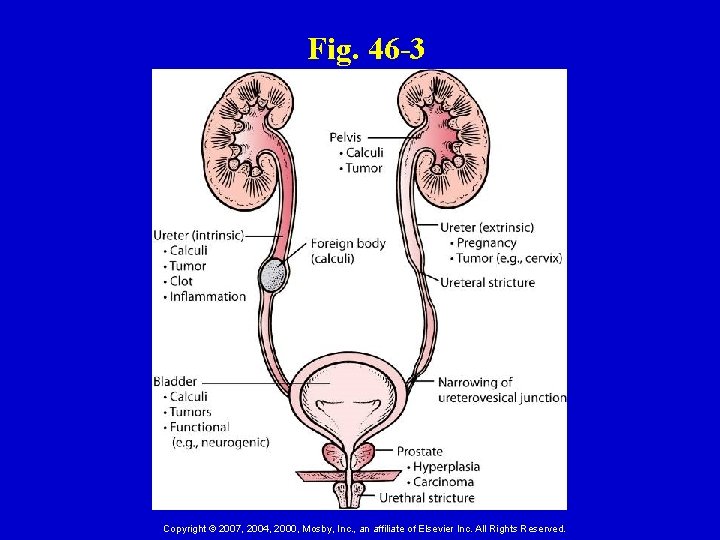
Fig. 46 -3 Copyright © 2007, 2004, 2000, Mosby, Inc. , an affiliate of Elsevier Inc. All Rights Reserved.
hydronephrosis Results from obstruction in urinary system, causing reflux of urine and increased pressure, ureteral dilation, kinking, and dilation and or enlargement of the renal pelves and calyses. Causes pyelonephritis and renal atropy. If one kidney involved, other will compensate. Symptoms: alterations in kidney function (per assessment, labs; increased BUN, creatinine, oliguria or anuria. Copyright © 2007, 2004, 2000, Mosby, Inc. , an affiliate of Elsevier Inc. All Rights Reserved.
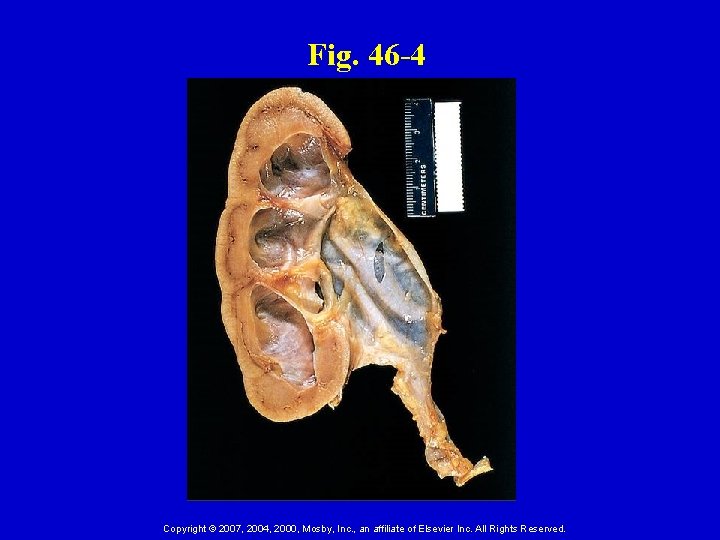
Fig. 46 -4 Copyright © 2007, 2004, 2000, Mosby, Inc. , an affiliate of Elsevier Inc. All Rights Reserved.
Urinary Tract Calculi 500, 000 people/yr develop lithiasis, more common in warm climates (dehydration) Various types of calculi (p. 1170), recurrence of stones -50%. Clinical manifestations-Pain in flank area (depends on location of stone), severe, hematurin, reanl colic, N&V, Diagnostic studies-u/a, culture, VP, ultrasound, cystoscopy. Collaborative care-keep urine dilute and free flowing, reduces risk of formation. , analyze stone to determine cause and prevent recurrance; screening of urine, CBC, urine ph. Endourologic procedure-bladder-cystoscopy, ureteroscopes, Ø Lithotripsy-pulverizes stons with ultasonic vibrations. Ø Surgical therapy-nephrolithotomy-incision into kidney to remove stone. Copyright © 2007, 2004, 2000, Mosby, Inc. , an affiliate of Elsevier Inc. All Rights Reserved. Ø
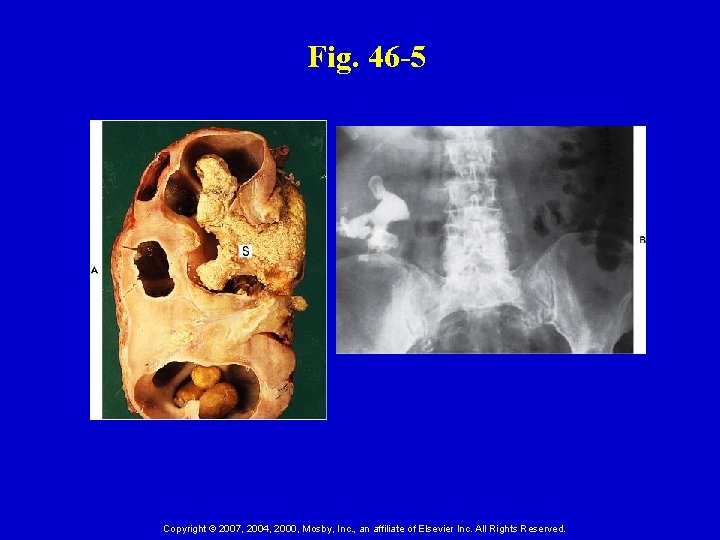
Fig. 46 -5 Copyright © 2007, 2004, 2000, Mosby, Inc. , an affiliate of Elsevier Inc. All Rights Reserved.
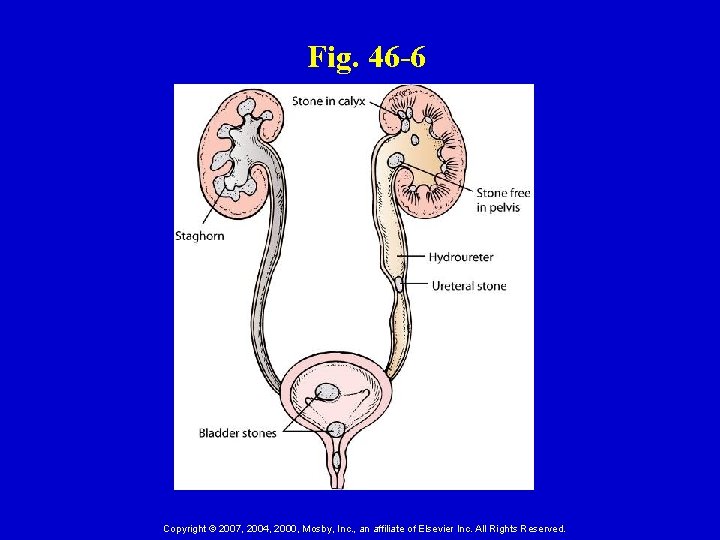
Fig. 46 -6 Copyright © 2007, 2004, 2000, Mosby, Inc. , an affiliate of Elsevier Inc. All Rights Reserved.

Nursing Management Renal Calculi Nursing assessment-screen for litiasis, mange acute attack; pain control (opiods), infection and/or obstruction elimination , hx, increase fluids (3000 ml/day) after acute attack, discourage foods that increase stones. Diet; low na, modify depending on type of stone (p. 1171) Copyright © 2007, 2004, 2000, Mosby, Inc. , an affiliate of Elsevier Inc. All Rights Reserved.

Strictures Ureteral and urethral strictures-narrowing of lumen, associated with unintended reslut of sugical intervention, adhesions, scars or genetic Symptoms: diminshed force of urinary stream, staining to void, split urine stream, frequency, nocturia. Can lead to urinary retention and uti. Diagnostic; retrograde urethrography (RUG). Management; dilation of stricture by stent placemtn, self-catherterization, or urethroplasty. Copyright © 2007, 2004, 2000, Mosby, Inc. , an affiliate of Elsevier Inc. All Rights Reserved.
Renal trauma Increased r/t violent crimes, mva, sports, usually younger men causing blunt trauma. Findings; hematuria Diagnostic: IVP, u/a, ultrasound, CT Tx; bed rest, fluids, analgesia, surgical exploration , repair or nephrectomy. Interventions; emotional support, pain control, monitoring for shock, monitor I&O, observe for hematuria, monitor nephrotoxic antibiotics. Copyright © 2007, 2004, 2000, Mosby, Inc. , an affiliate of Elsevier Inc. All Rights Reserved.
Renal artery stenosis Partial occlusion of one or both renal arteries. Results in hypertension and low perfusion to kidneys Goals of therapy; control hypertension , increase profusion. Collaborative care; percutaneous transluminal renal angioplasty, surgical revascularization of kidney. Copyright © 2007, 2004, 2000, Mosby, Inc. , an affiliate of Elsevier Inc. All Rights Reserved.
Hereditary Renal Diseases Copyright © 2007, 2004, 2000, Mosby, Inc. , an affiliate of Elsevier Inc. All Rights Reserved.
Polycystic Kidney Disease Most common life-threatening genetic disease in the world, affecting 600, 000 in US, 12. 5/world!! Accounts for 10 -15% of chronic kidney disease. 2 forms (childhood (rare), adult). Adult: autosomal disorder, involves both kidneys, cysts destroy surrounding tissue, filled with blood, pus. Clinical manifestations-hypertension, hematuria, feeling of heaviness in back, may have uti, chronic pain, palpable kidneys, effects other organs Copyright © 2007, 2004, 2000, Mosby, Inc. , an affiliate of Elsevier Inc. All Rights Reserved.
PKD Diagnosis based on hx, IVP, ultrasound, CT. Usually progresses to end-stage renal failure. Collaborative care; no specific tx. Major aim is to prevent infections and symptoms. Kidney transplant is only cure. Nursing interventions: management of endstage renal disease. Copyright © 2007, 2004, 2000, Mosby, Inc. , an affiliate of Elsevier Inc. All Rights Reserved.
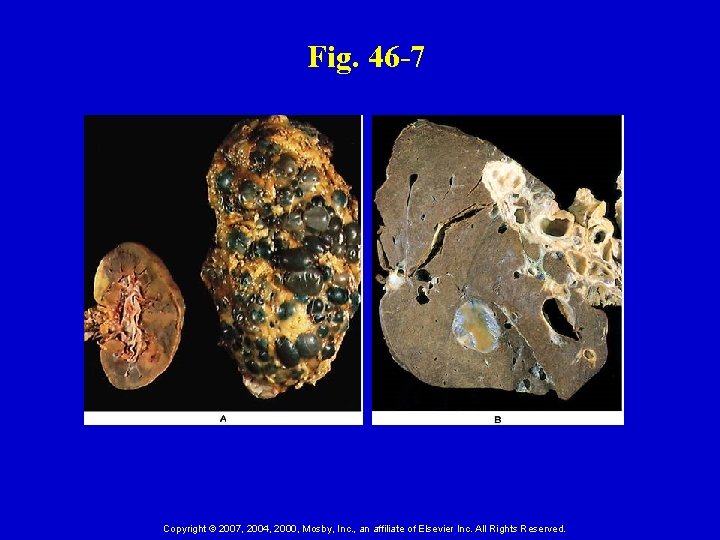
Fig. 46 -7 Copyright © 2007, 2004, 2000, Mosby, Inc. , an affiliate of Elsevier Inc. All Rights Reserved.
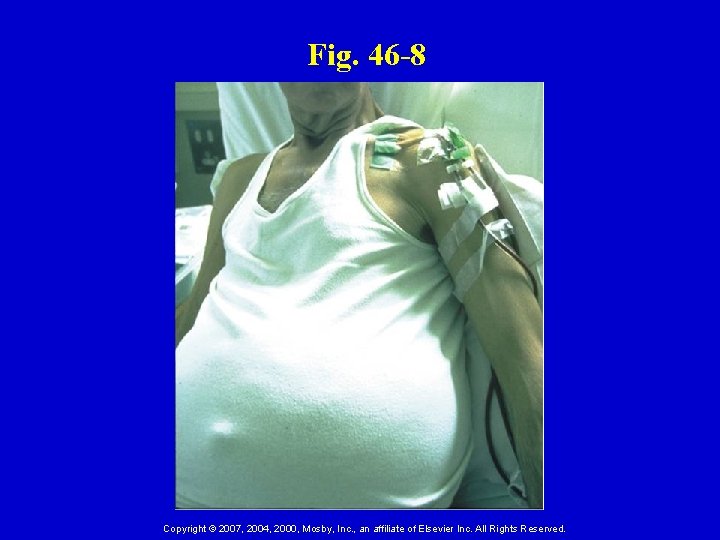
Fig. 46 -8 Copyright © 2007, 2004, 2000, Mosby, Inc. , an affiliate of Elsevier Inc. All Rights Reserved.
Instrumentation Urethral catheterization Ureteral catheters Suprapubic catheters Nephrostomy tubes Intermittent catheterization Copyright © 2007, 2004, 2000, Mosby, Inc. , an affiliate of Elsevier Inc. All Rights Reserved.
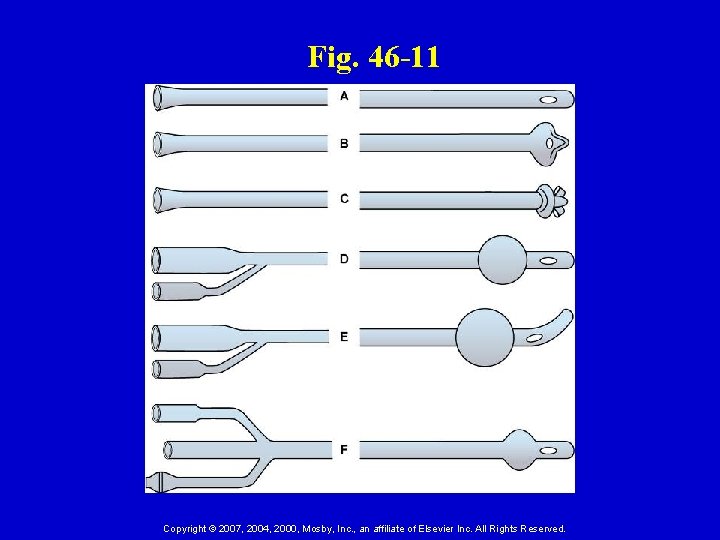
Fig. 46 -11 Copyright © 2007, 2004, 2000, Mosby, Inc. , an affiliate of Elsevier Inc. All Rights Reserved.
Surgery of the Urinary Tract Copyright © 2007, 2004, 2000, Mosby, Inc. , an affiliate of Elsevier Inc. All Rights Reserved.
Renal and Ureteral Surgery Preoperative management Postoperative management Ø Ø Ø Urine output Respiratory status Abdominal distention Laparoscopic nephrectomy Copyright © 2007, 2004, 2000, Mosby, Inc. , an affiliate of Elsevier Inc. All Rights Reserved.
Urinary Diversion Incontinent urinary diversion Continent urinary diversions Orthotopic bladder substitution Copyright © 2007, 2004, 2000, Mosby, Inc. , an affiliate of Elsevier Inc. All Rights Reserved.
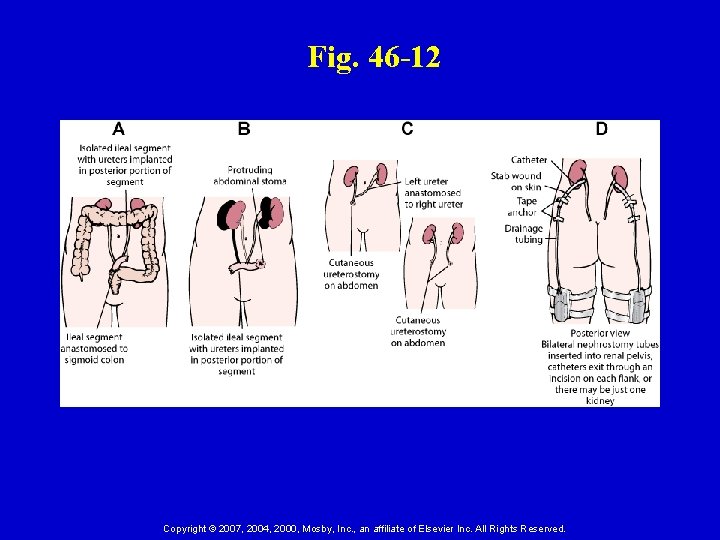
Fig. 46 -12 Copyright © 2007, 2004, 2000, Mosby, Inc. , an affiliate of Elsevier Inc. All Rights Reserved.
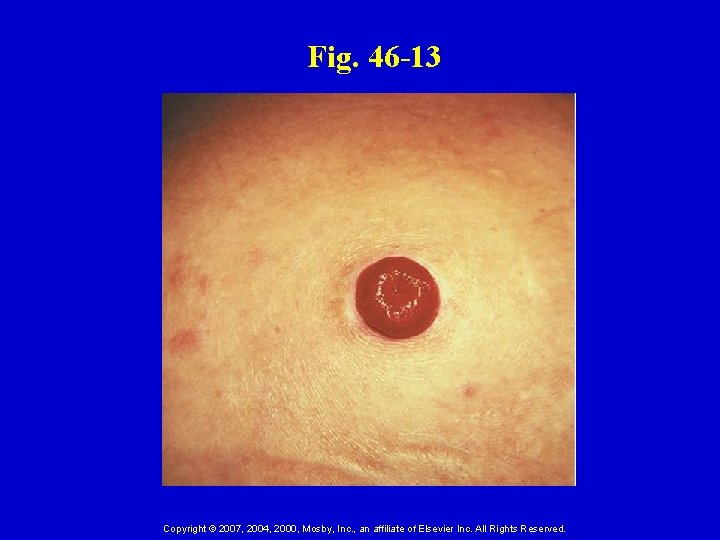
Fig. 46 -13 Copyright © 2007, 2004, 2000, Mosby, Inc. , an affiliate of Elsevier Inc. All Rights Reserved.
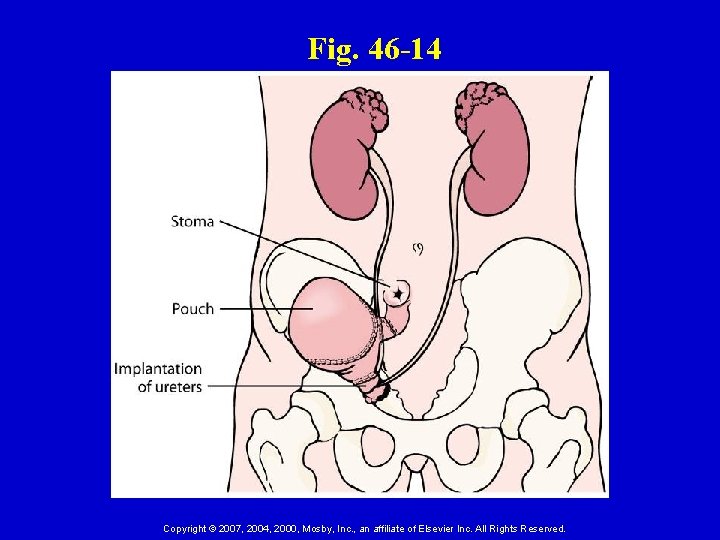
Fig. 46 -14 Copyright © 2007, 2004, 2000, Mosby, Inc. , an affiliate of Elsevier Inc. All Rights Reserved.
Nursing Management Urinary Diversion Preoperative management Postoperative management Copyright © 2007, 2004, 2000, Mosby, Inc. , an affiliate of Elsevier Inc. All Rights Reserved.
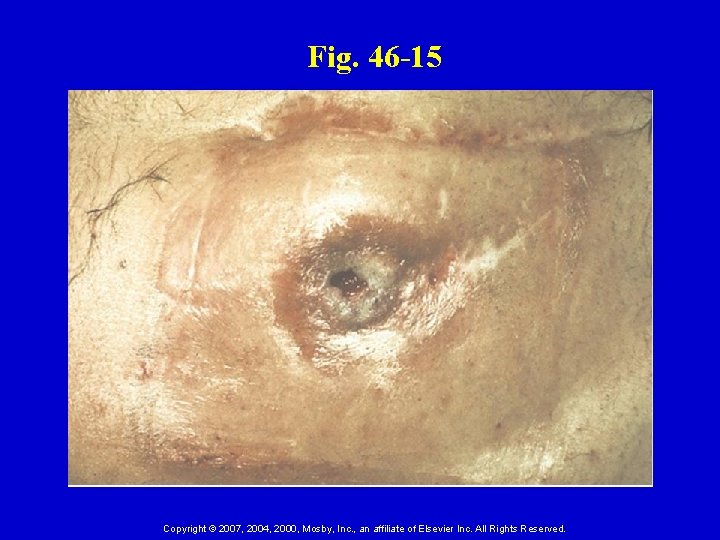
Fig. 46 -15 Copyright © 2007, 2004, 2000, Mosby, Inc. , an affiliate of Elsevier Inc. All Rights Reserved.
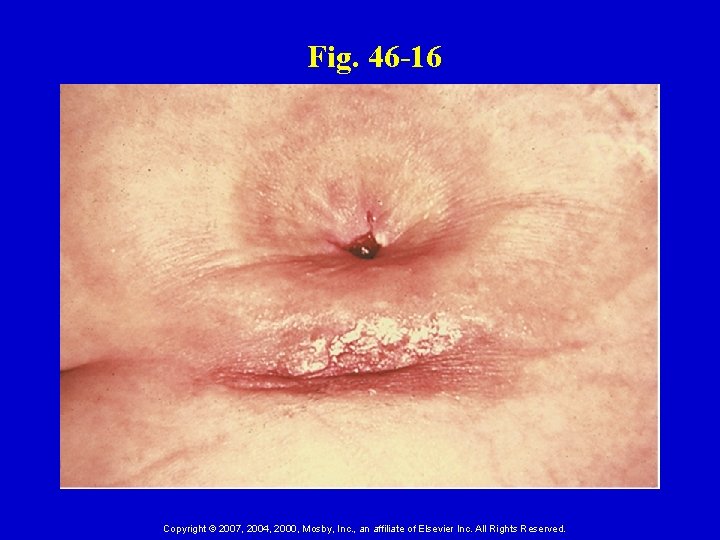
Fig. 46 -16 Copyright © 2007, 2004, 2000, Mosby, Inc. , an affiliate of Elsevier Inc. All Rights Reserved.
- Slides: 48