
Chapter 41 Animal Nutrition By Josh Ivanir Overview
Chapter 41: Animal Nutrition By Josh Ivanir
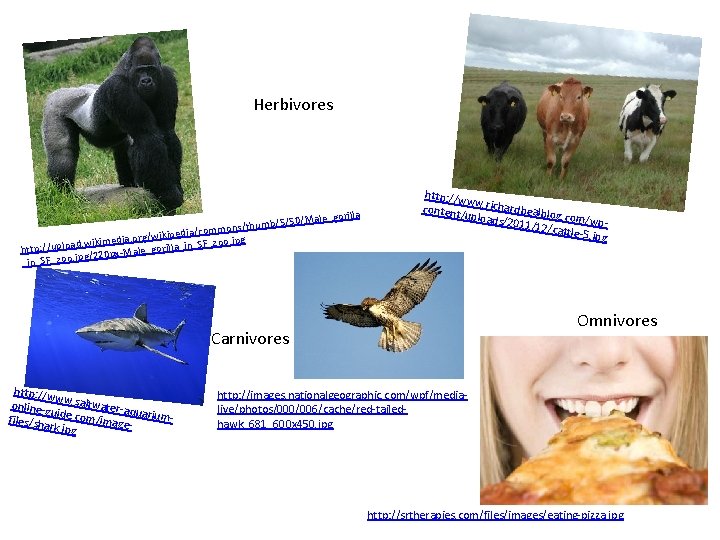
Overview • Three main categories that animals fall in: -Herbivores: eat mainly autotrophs (plants and algae) ex. Gorillas, cattle -Carnivores: eat other animals ex. Sharks, hawks -Omnivores: regularly consume animals as well as plants or algae ex. Humans, Bears • Most animals are also opportunistic feeders, foods that are outside their main dietary category when these foods are available. • All animals consume bacteria along with other types of food.
Herbivores a _gorill b/5/50/Male m u th s/ n o edia/comm dia. org/wikip e im o. jpg ik. w d a lla_in_SF_zo ri o g http: //uplo _ le a M pg/220 px_in_SF_zoo. j http: //w ww. rich ard content/ uploads bealblog. com/w /2011/1 2/cattle- p 5. jpg Omnivores Carnivores http: //w w online-g w. saltwater-a q uide. co m/imag uariumfiles/sh eark. jpg http: //images. nationalgeographic. com/wpf/medialive/photos/000/006/cache/red-tailedhawk_681_600 x 450. jpg http: //srtherapies. com/files/images/eating-pizza. jpg
For any animal, a nutritionally adequate diet must satisfy three nutritional needs: • fuel (chemical energy) which is converted into ATP to power cellular processes. • Organic building blocks, such as organic carbon and organic nitrogen, to synthesize a variety of organic molecules • Essential nutrients, which are required by cells and must be obtained from dietary sources
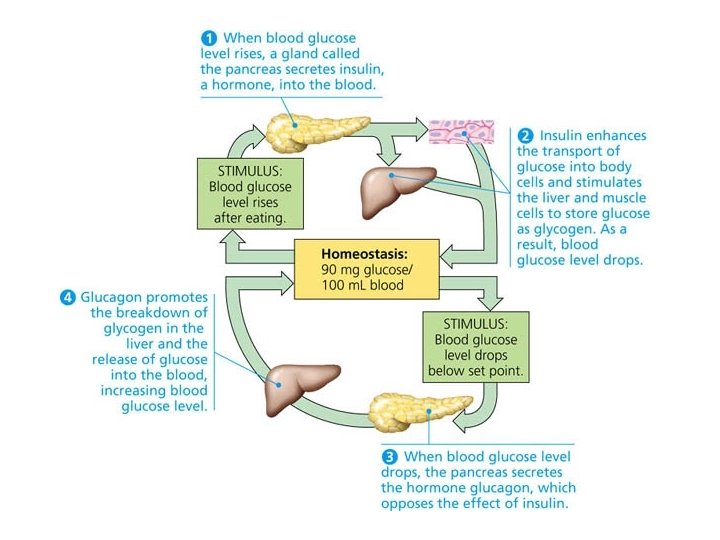
Concept 41. 1 Homeostatic mechanisms manage an animal’s energy budget • The flow of energy into and out of an animal′s body can be viewed as a “budget”. • Mostly all of an animal′s ATP generation is based on the oxidation of energy, carbohydrates, proteins, and fats, in cellular respiration. • Monomers of any of these substances can be used as fuel. • Animals “burn” proteins only after exhausting their supply of carbohydrates and fats. • Fats are rich in energy. • Biosynthesis occurs when an animal takes in more calories than it needs to produce ATP. • In humans, the liver and muscle cells store energy in the form of glycogen, a polymer made up of many glucose units. • Glucose is an important fuel for cells.
• When fewer calories are consumed, fuel is taken out of storage depots and oxidized. • This causes the animal to lose weight. • Most healthy people, even if they are not obese, have enough stored fat to sustain them through several weeks of starvation. Caloric imbalance: • Undernourishment: If the diet of a human or other animal is chronically deficient in calories. • body begins breaking down its own proteins for fuel, muscles begin to decrease in size, and the brain can become protein– deficient. • Overnourishment: Excessive food intake. • Stores excess fat molecules instead of using them.
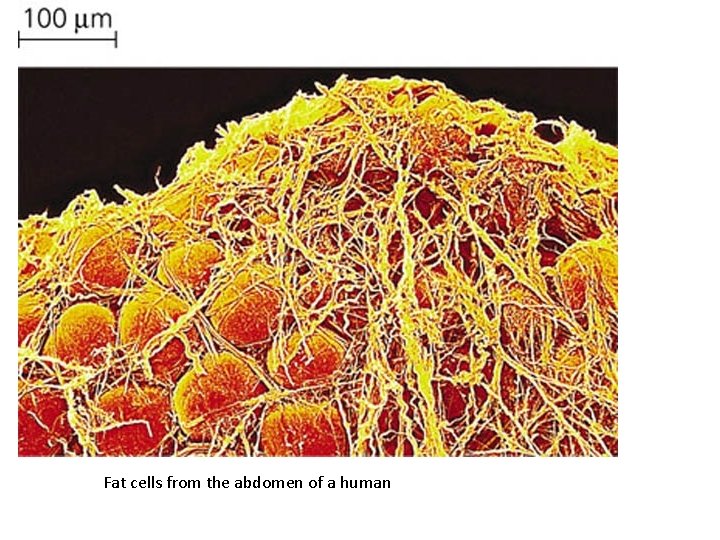
Fat cells from the abdomen of a human
Obesity • Now recognized as a major global health problem by The World Health Organization. • In the United States, the percentage of obese (very overweight) people has doubled to 30% in the past two decades. • Obesity contributes to a number of health problems, including the most common type of diabetes, cancer of the colon and breasts, and cardiovascular disease that can lead to heart attacks and strokes. • Scientists are able to control appetite-regulating hormones. • Inheritance is a major factor in obesity. • Defective genes can contribute to issues in weight loss.
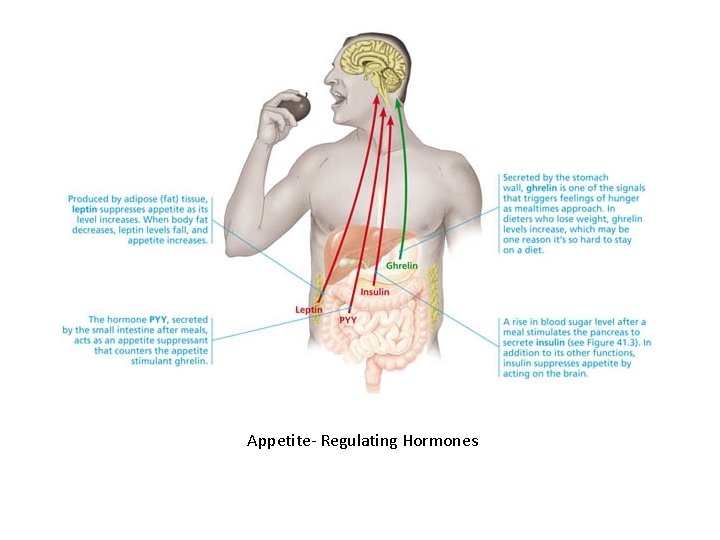
Appetite- Regulating Hormones
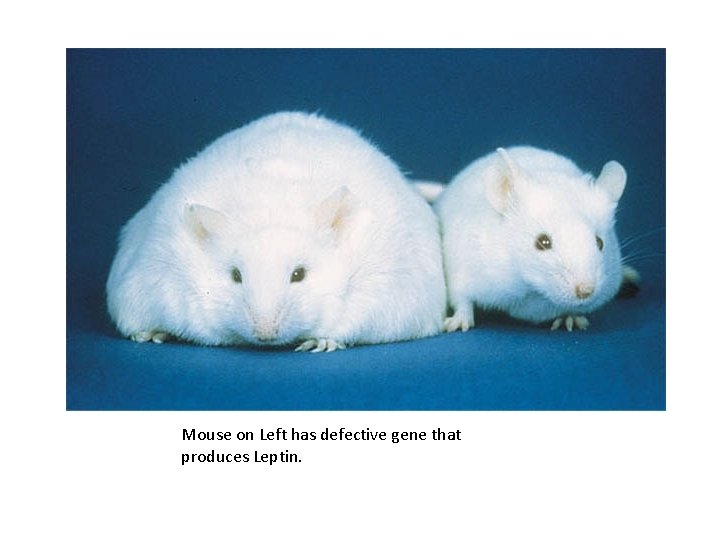
Mouse on Left has defective gene that produces Leptin.
Concept 41. 2: An animal′s diet must supply carbon skeletons and essential nutrients • An animal′s diet must also supply all the raw materials needed for biosynthesis, in addition to providing fuel for ATP production. • An animal must obtain organic precursors (carbon skeletons) from its food to grow, maintain itself, and reproduce. • Animals can fabricate a great variety of organic molecules—carbohydrates, proteins, and lipids. • Animal′s diet must also supply essential nutrients.
• Essential Nutrients: materials that must be obtained in preassembled form because the animal′s cells cannot make them from any raw material. • Malnourished: an animal whose diet is missing one or more essential nutrients. • Four classes of essential nutrients: – essential amino acids – essential fatty acids – Vitamins – minerals
Essential Amino Acids • An amino acid that an animal cannot synthesize itself and must be obtained from food. Eight amino acids are essential in the human adult. • Animals require 20 amino acids to make proteins. • protein deficiency: form of malnutrition caused by insufficient amounts of one or more essential amino acids. • Proteins in animal products are “complete, ” which means that they provide all the essential amino acids in their proper proportions. • Most plant proteins are “incomplete”.
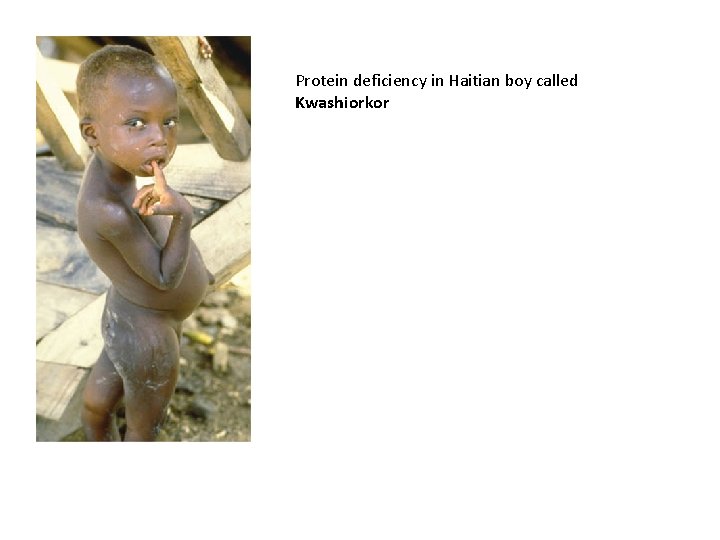
Protein deficiency in Haitian boy called Kwashiorkor
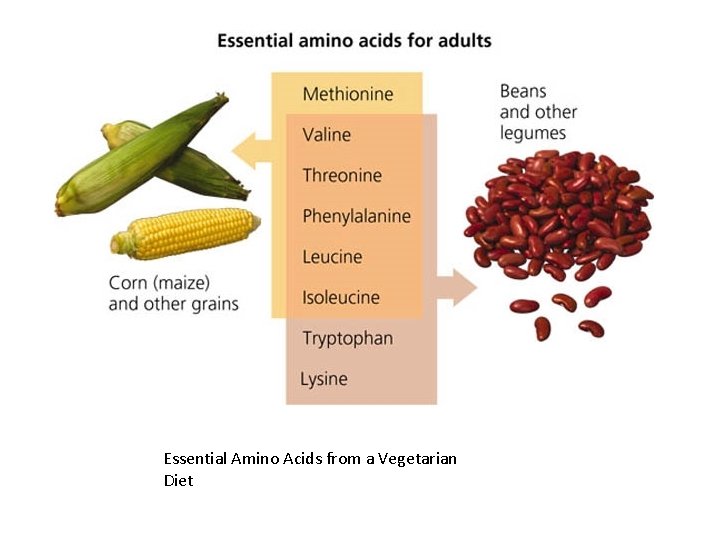
Essential Amino Acids from a Vegetarian Diet
Essential Fatty Acids • Certain unsaturated fatty acids that animals cannot make. • Fatty Acids have double bonds. • Deficiencies are rare.
Vitamins • An organic molecule required in the diet in very small amounts. Vitamins serve primarily as coenzymes or parts of coenzymes. • Vitamin deficiencies can cause severe problems. • 13 vitamins essential to humans have been identified. • Grouped into two categories: – water–soluble vitamins – fat–soluble vitamins
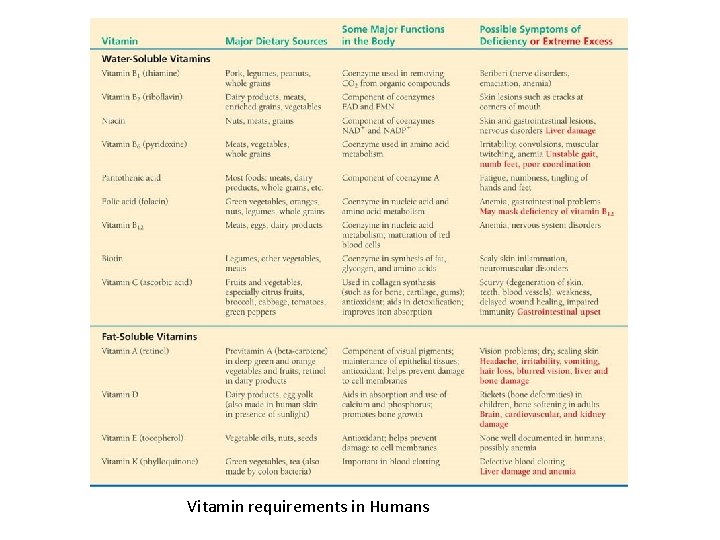
Vitamin requirements in Humans
Minerals • In nutrition, a chemical element other than hydrogen, oxygen, or nitrogen that an organism requires for proper body functioning. • Humans and other vertebrates require relatively large quantities of calcium and phosphorus for the construction and maintenance of bone. • Most people eat more salt than needed
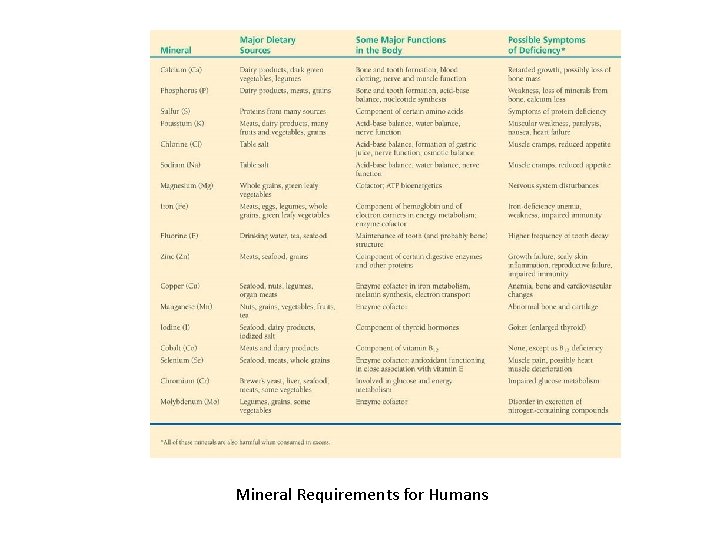
Mineral Requirements for Humans
Concept 41. 3: The main stages of food processing are ingestion, digestion, absorption, and elimination • Ingestion: A heterotrophic mode of nutrition in which other organisms or detritus are eaten whole or in pieces. • Organic material in food consists largely of proteins, fats, and carbohydrates in the form of starch and other polysaccharides. • Cannot use these macromolecules directly for two reasons: – polymers are too large to pass through membranes and enter the cells of the animal. – macromolecules that make up an animal are not identical to those of its food. • Digestion: The process of breaking down food into molecules small enough for the body to absorb.
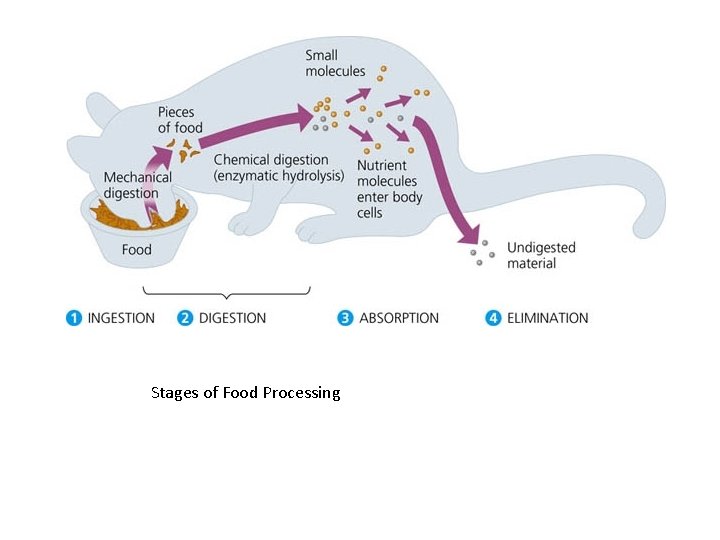
Stages of Food Processing
• enzymatic hydrolysis: The process in digestion that splits macromolecules from food by the enzymatic addition of water. • Absorption: The uptake of small nutrient mol–ecules by an organism′s own body; the third main stage of food processing, following digestion. • Elimination: The passing of undigested material out of the digestive compartment.
Digestive Compartments • Intracellular digestion: The joining of food vacuoles and lysosomes to allow chemical digestion to occur within the cytoplasm of a cell. • • • Begins after a cell engulfs food by phagocytosis or pinocytosis. Extracellular digestion: The breakdown of food outside cells. Occurs within compartments that are continuous with the outside of the animal′s body. • Gastrovascular cavity: An extensive pouch that serves as the site of extracellular digestion and a passageway to disperse materials throughout most of an animal′s body. Animals with relatively simple body plans have a digestive sac with a single opening. Complete digestive tract: A digestive tube that runs between a mouth and an anus; also called an alimentary canal. An incomplete digestive tract has only one opening. • •
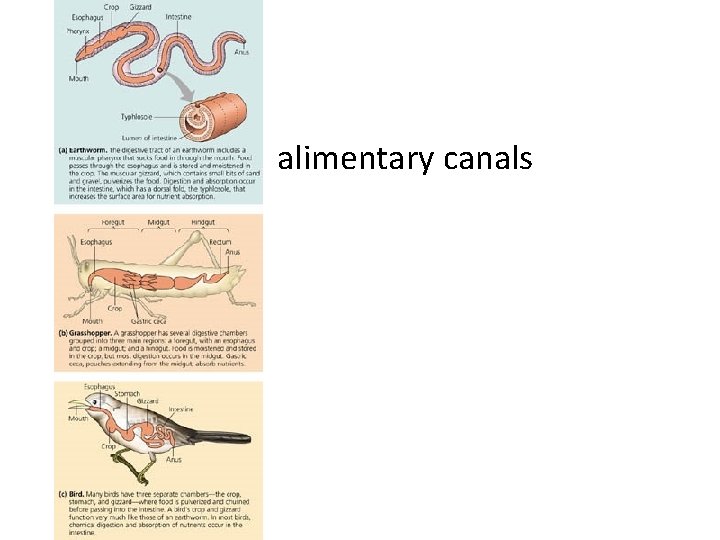
alimentary canals
Concept 41. 4: Each organ of the mammalian digestive system has specialized food–processing functions • • The mammalian digestive system consists of the alimentary canal and various accessory glands that secrete digestive juices into the canal through ducts. Peristalsis: Rhythmic waves of contraction of smooth muscle that push food along the digestive tract. Sphincter: A ring like valve consisting of modified muscles in a muscular tube, such as a digestive tract; closes off the tube like a drawstring. Salivary glands: Exocrine glands associated with the oral cavity. The secretions of salivary glands contain substances to lubricate food, adhere together chewed pieces into a bolus, and begin the process of chemical digestion. Pancreas: A gland with dual functions: The nonendocrine portion secretes digestive enzymes and an alkaline solution into the small intestine via a duct; the endocrine portion secretes the hormones insulin and glucagon into the blood. Liver: The largest organ in the vertebrate body. The liver performs diverse functions, such as producing bile, preparing nitrogenous wastes for disposal, and detoxifying poisonous chemicals in the blood. Gallbladder: An organ that stores bile and releases it as needed into the small intestine.
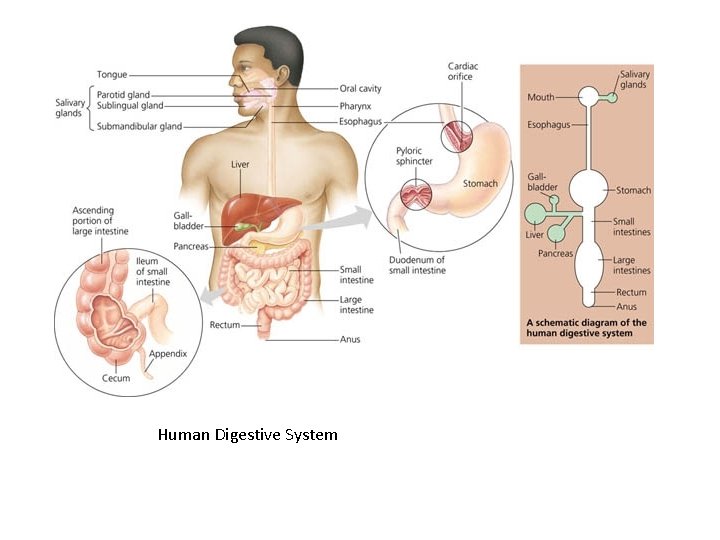
Human Digestive System
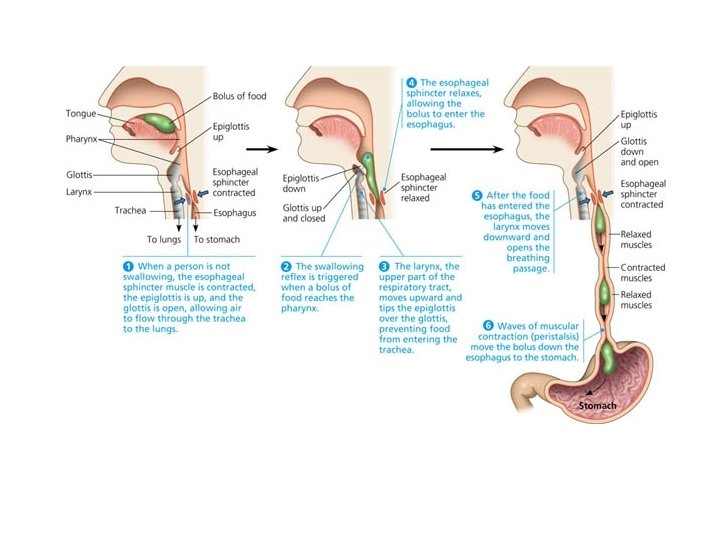
The Oral Cavity, Pharynx, and Esophagus • • During chewing, teeth of various shapes cut, smash, and grind food, making it easier to swallow and increasing its surface area. Oral cavity: The mouth of an animal. • • • Oral Cavity triggers a nervous reflex that causes the salivary glands to deliver saliva through ducts to the oral cavity. Humans secrete more than a liter of saliva each day. Saliva contains a slippery glycoprotein called mucin. Salivary amylase: A salivary gland enzyme that hydrolyzes starch and glycogen. • Bolus: A lubricated ball of chewed food. • During swallowing, the tongue pushes a bolus to the back of the oral cavity and into the pharynx. Pharynx: An area in the vertebrate throat where air and food passages cross; in flatworms, the muscular tube that protrudes from the ventral side of the worm and ends in the mouth. Epiglottis: A cartilaginous flap that blocks the top of the windpipe, the glottis, during swallowing, which prevents the entry of food or fluid into the respiratory system. • • Esophagus: A channel that conducts food, by peristalsis, from the pharynx to the stomach.
The Stomach • An organ of the digestive system that stores food and performs preliminary steps of digestion. • Gastric juice: A digestive fluid secreted by the stomach. • Converts a meal to acid chyme. • Gastric juice includes hydrochloric acid and the enzyme pepsin.
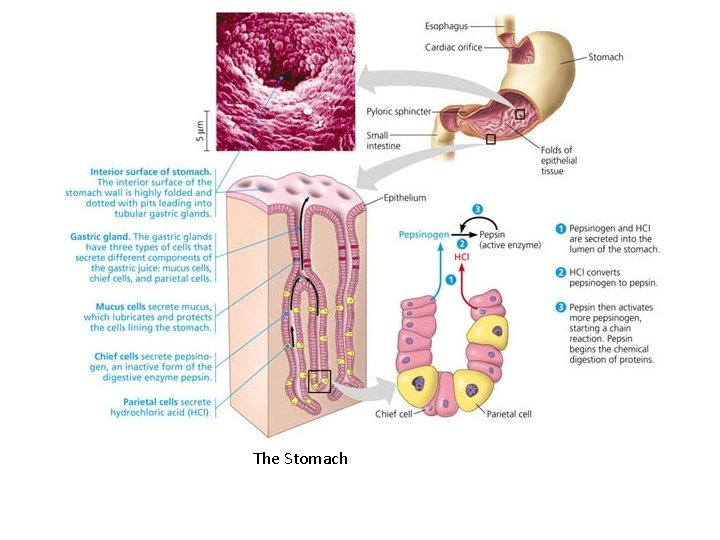
The Stomach
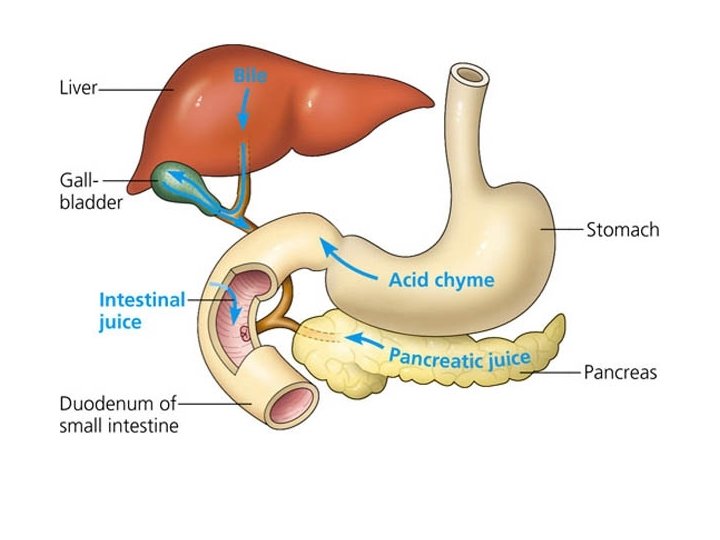
The Small Intestine • The major organ of digestion and absorption. • Acid chyme from the stomach mixes in the duodenum with intestinal juice, bile, and pancreatic juice. • Diverse enzymes complete the hydrolysis of food molecules to monomers, which are absorbed into the blood across the lining of the small intestine. • Hormones help regulate digestive juice secretions.
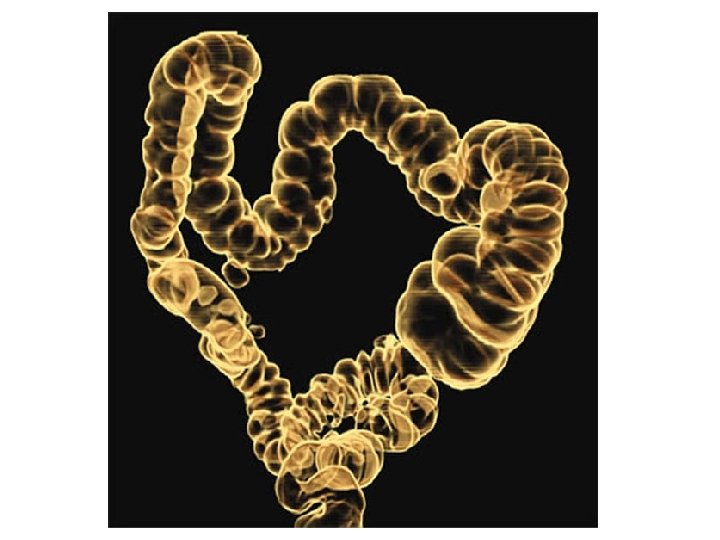
The Large Intestine • Aids the small intestine in reabsorbing water and houses bacteria, some of which synthesize vitamins. • Feces pass through the rectum and out the anus.
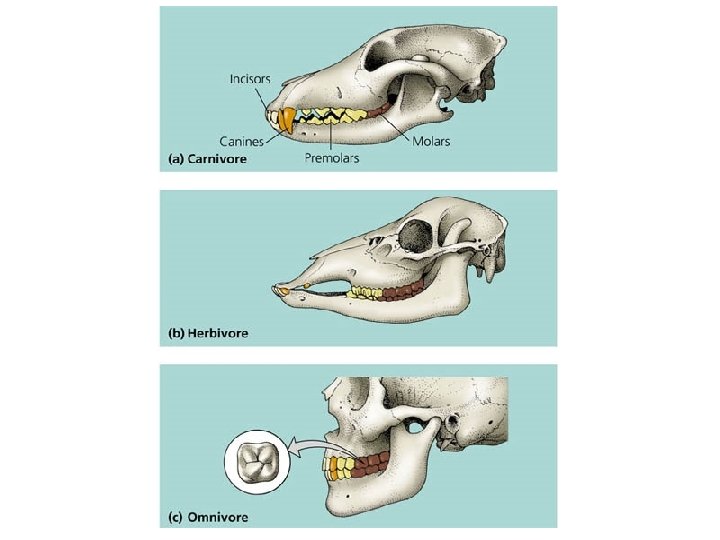
Concept 41. 5: Evolutionary adaptations of vertebrate digestive systems are often associated with diet • Some Dental Adaptations • A mammal′s dentition is generally correlated with its diet. • Mammals have specialized dentition that best enables them to ingest their usual diet.
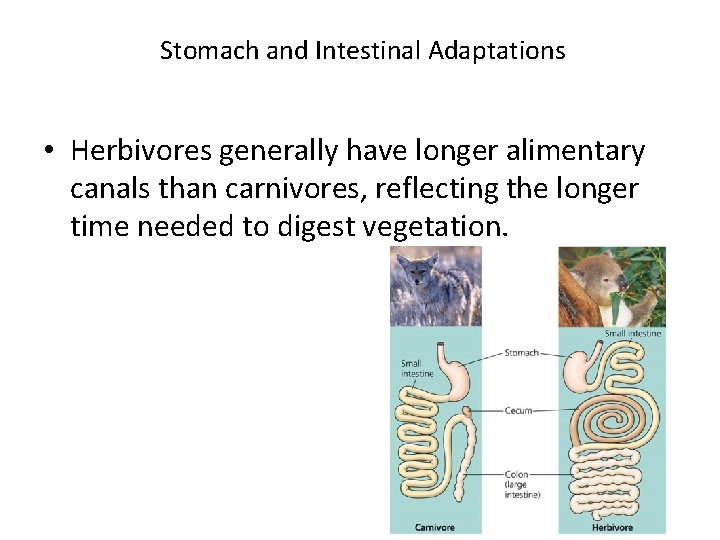
Stomach and Intestinal Adaptations • Herbivores generally have longer alimentary canals than carnivores, reflecting the longer time needed to digest vegetation.
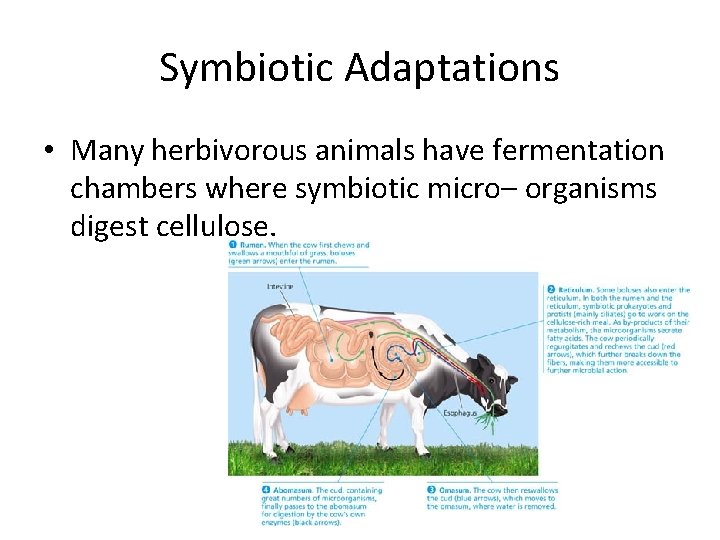
Symbiotic Adaptations • Many herbivorous animals have fermentation chambers where symbiotic micro– organisms digest cellulose.
Works Cited • All Images and information from Campbell biology
- Slides: 41