
Chapter 4 The Role of Culture International Business

Chapter 4: The Role of Culture International Business, 4 th Edition Griffin & Pustay 4 -1 © 2004 Prentice Hall
Chapter Objectives_1 § Discuss the primary characteristics of culture § Describe the various elements of culture and provide examples of how they influence international business § Identify the means by which members of a culture communicate with each other 2 © 2004 Prentice Hall
Chapter Objectives_2 § Discuss how religious and other values affect the domestic environments in which international businesses operate § Describe the major cultural clusters and their usefulness for international managers § Explain Hofstede’s primary findings about differences in cultural values § Explain how ethical conflicts may arise 3 © 2004 Prentice Hall

Culture Behaviors Values Beliefs Culture Attitudes 4 Customs © 2004 Prentice Hall

Characteristics of Culture § Learned behavior § Interrelated elements § Adaptive § Shared 5 © 2004 Prentice Hall

Figure 4. 1 Elements of Culture Language Communication Social Structure Culture Values/ Attitudes 6 Religion © 2004 Prentice Hall
Social Structure § Individuals, families, and groups – Importance of family – Definition of family – Importance of individual relative to the group § Social stratification – categorization based on birth, occupation, educational achievements § Social mobility – ability to move from one stratum of society to another 7 © 2004 Prentice Hall
Language § 3000+ different languages worldwide § 10, 000+ different dialects § Primary delineator of cultural groups § Lingua Franca – English is the common language of international business 8 © 2004 Prentice Hall
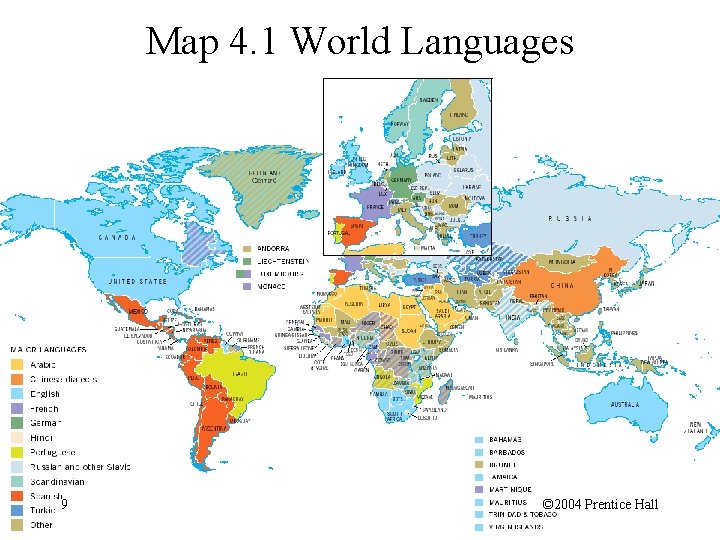
Map 4. 1 World Languages 9 © 2004 Prentice Hall
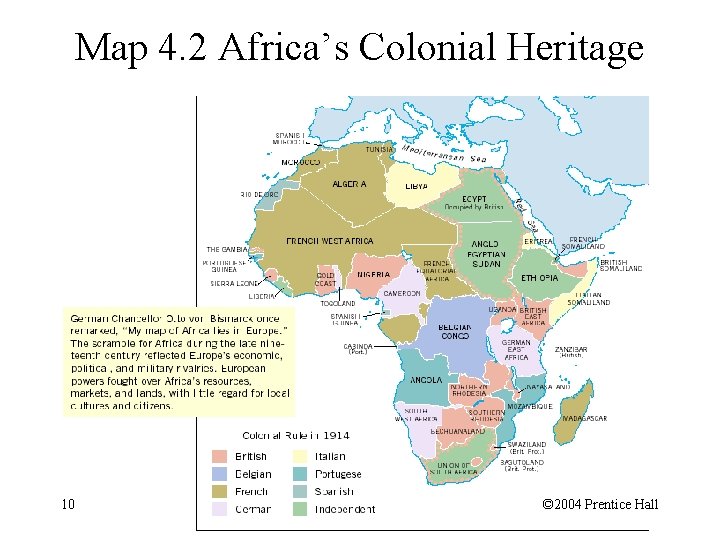
Map 4. 2 Africa’s Colonial Heritage 10 © 2004 Prentice Hall
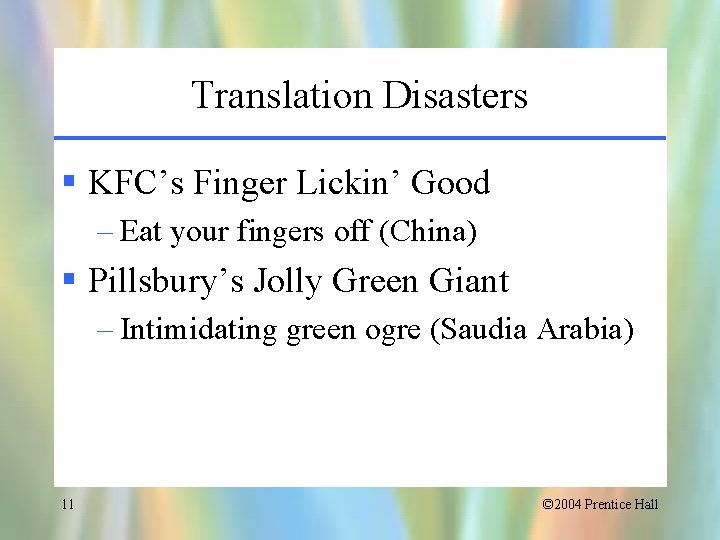
Translation Disasters § KFC’s Finger Lickin’ Good – Eat your fingers off (China) § Pillsbury’s Jolly Green Giant – Intimidating green ogre (Saudia Arabia) 11 © 2004 Prentice Hall
Yes and No Across Cultures § Latin America – meaning of “manana” § Japan – meaning of “yes” versus “yes, I understand” 12 © 2004 Prentice Hall
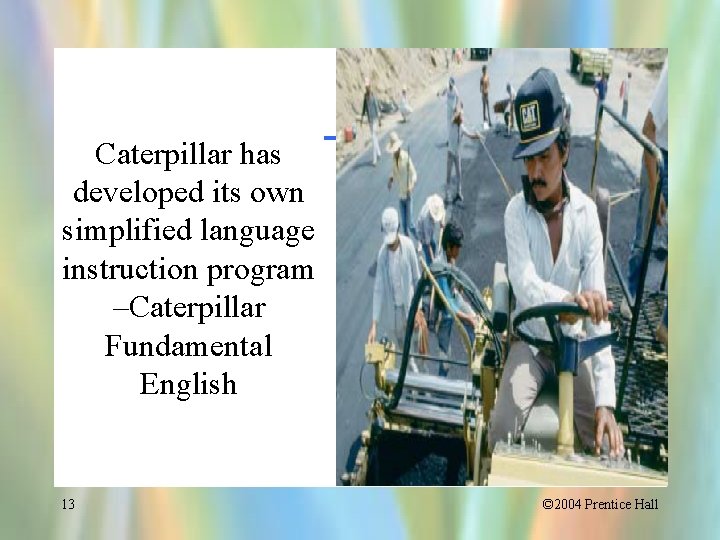
Caterpillar has developed its own simplified language instruction program –Caterpillar Fundamental English 13 © 2004 Prentice Hall
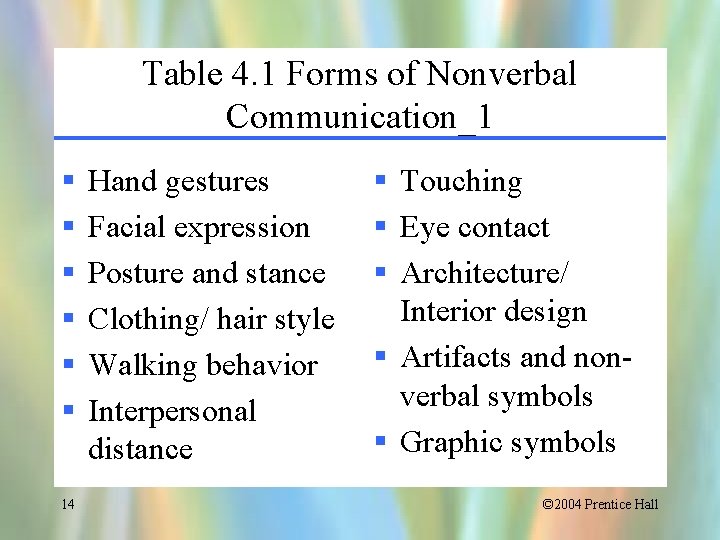
Table 4. 1 Forms of Nonverbal Communication_1 § § § 14 Hand gestures Facial expression Posture and stance Clothing/ hair style Walking behavior Interpersonal distance § Touching § Eye contact § Architecture/ Interior design § Artifacts and nonverbal symbols § Graphic symbols © 2004 Prentice Hall
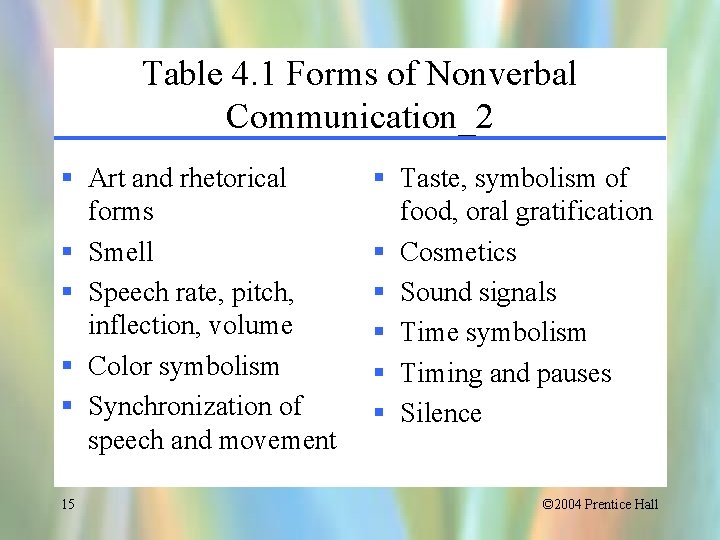
Table 4. 1 Forms of Nonverbal Communication_2 § Art and rhetorical forms § Smell § Speech rate, pitch, inflection, volume § Color symbolism § Synchronization of speech and movement 15 § Taste, symbolism of food, oral gratification § Cosmetics § Sound signals § Time symbolism § Timing and pauses § Silence © 2004 Prentice Hall
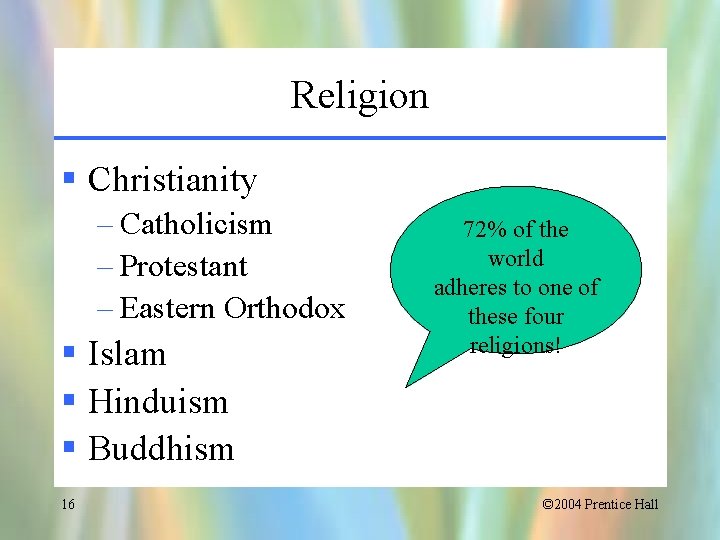
Religion § Christianity – Catholicism – Protestant – Eastern Orthodox § Islam § Hinduism § Buddhism 16 72% of the world adheres to one of these four religions! © 2004 Prentice Hall
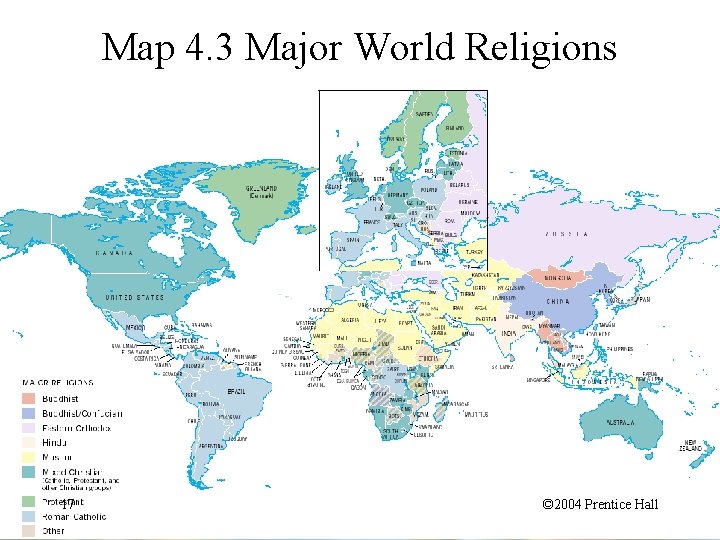
Map 4. 3 Major World Religions 17 © 2004 Prentice Hall
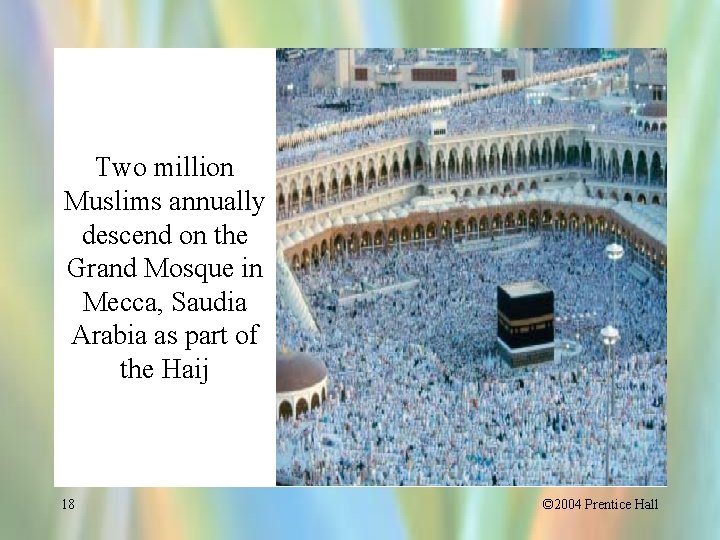
Two million Muslims annually descend on the Grand Mosque in Mecca, Saudia Arabia as part of the Haij 18 © 2004 Prentice Hall
Values and Attitudes § Values: accepted principles and standards § Attitudes: actions, feelings, and thoughts that result from values – Time – Age – Education – Status 19 © 2004 Prentice Hall
Theories of Culture § Hall’s Low-Context, High-Context Approach § Cultural Cluster Approach § Hofstede’s Five Dimensions 20 © 2004 Prentice Hall
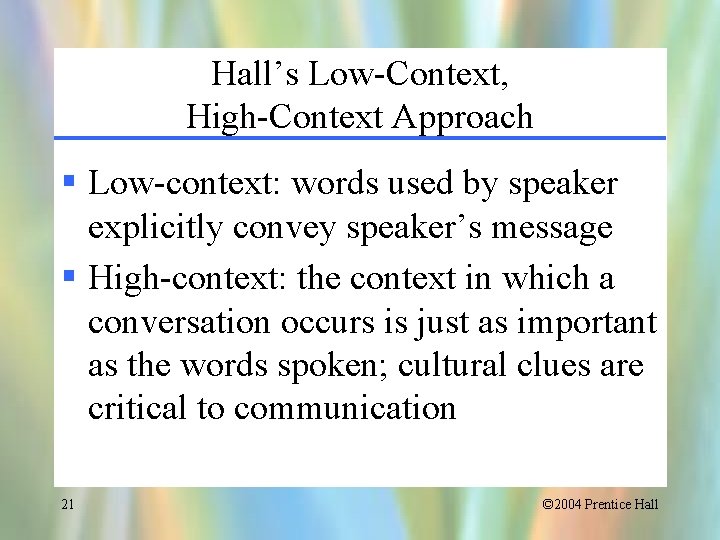
Hall’s Low-Context, High-Context Approach § Low-context: words used by speaker explicitly convey speaker’s message § High-context: the context in which a conversation occurs is just as important as the words spoken; cultural clues are critical to communication 21 © 2004 Prentice Hall
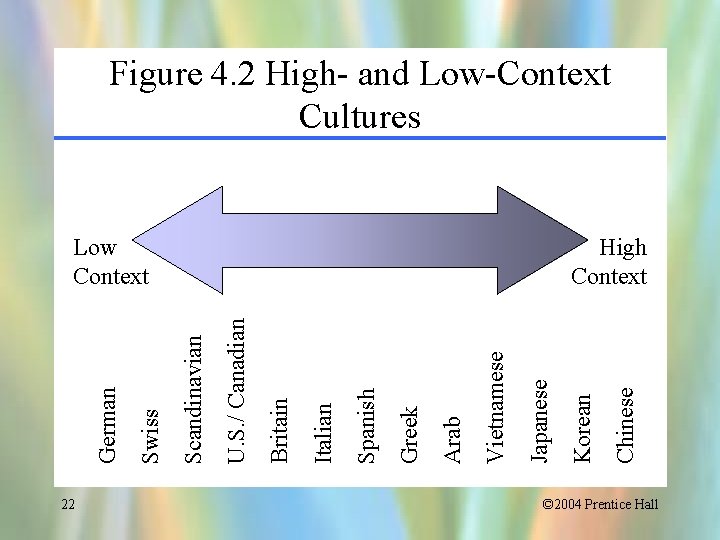
22 Chinese Low Context Korean Japanese Vietnamese Arab Greek Spanish Italian Britain U. S. / Canadian Scandinavian Swiss German Figure 4. 2 High- and Low-Context Cultures High Context © 2004 Prentice Hall
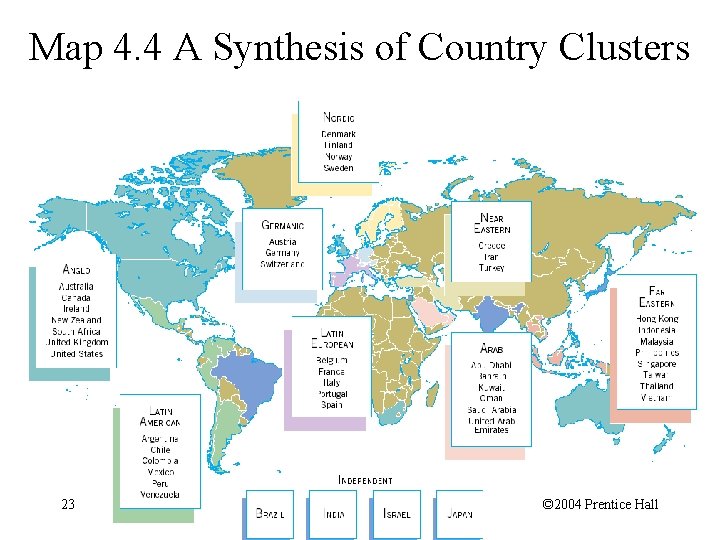
Map 4. 4 A Synthesis of Country Clusters 23 © 2004 Prentice Hall
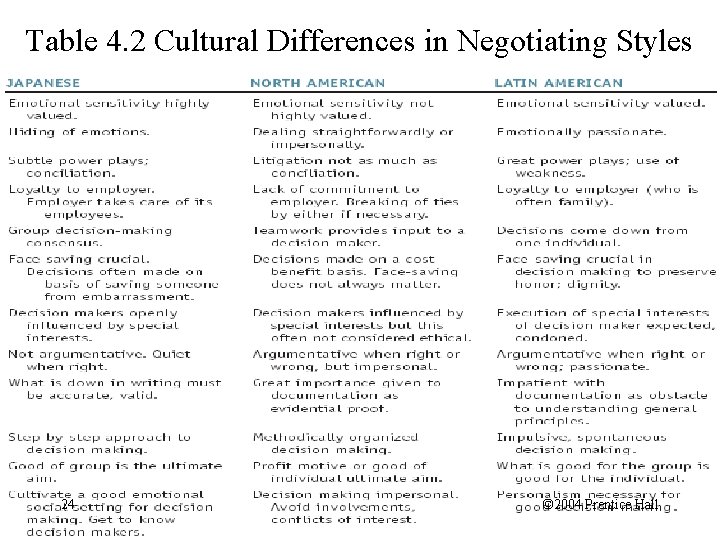
Table 4. 2 Cultural Differences in Negotiating Styles 24 © 2004 Prentice Hall
Hofstede’s Five Dimensions § Social Orientation § Power Orientation § Uncertainty Orientation § Goal Orientation § Time Orientation 25 © 2004 Prentice Hall
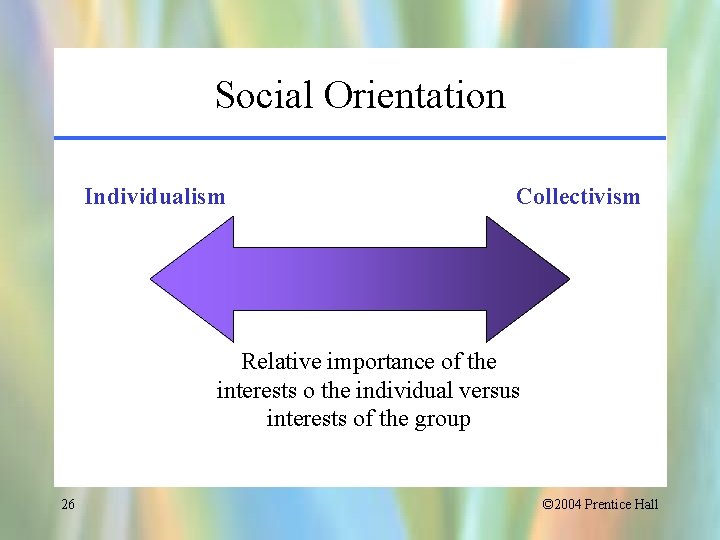
Social Orientation Individualism Collectivism Relative importance of the interests o the individual versus interests of the group 26 © 2004 Prentice Hall
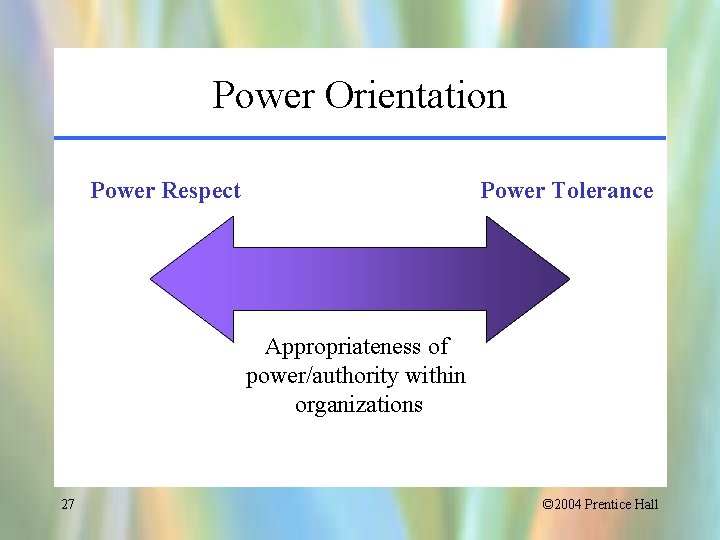
Power Orientation Power Respect Power Tolerance Appropriateness of power/authority within organizations 27 © 2004 Prentice Hall
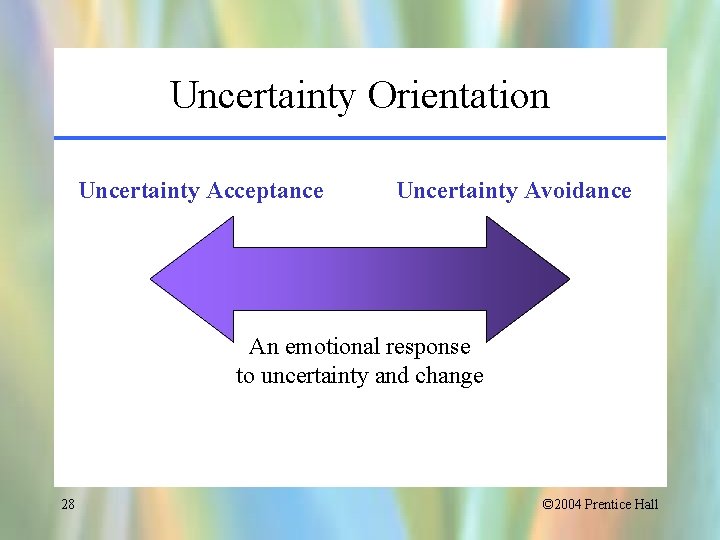
Uncertainty Orientation Uncertainty Acceptance Uncertainty Avoidance An emotional response to uncertainty and change 28 © 2004 Prentice Hall
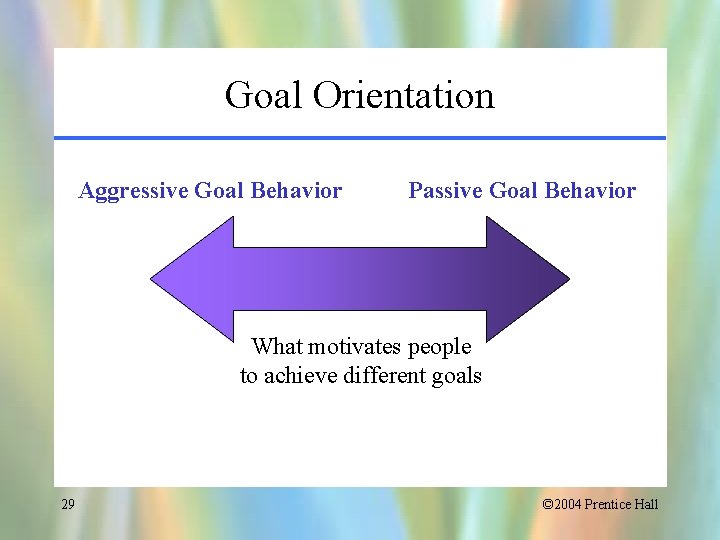
Goal Orientation Aggressive Goal Behavior Passive Goal Behavior What motivates people to achieve different goals 29 © 2004 Prentice Hall
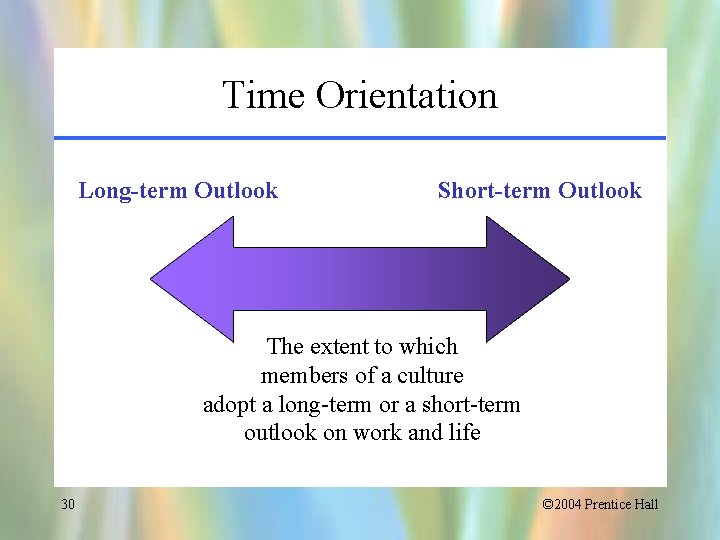
Time Orientation Long-term Outlook Short-term Outlook The extent to which members of a culture adopt a long-term or a short-term outlook on work and life 30 © 2004 Prentice Hall
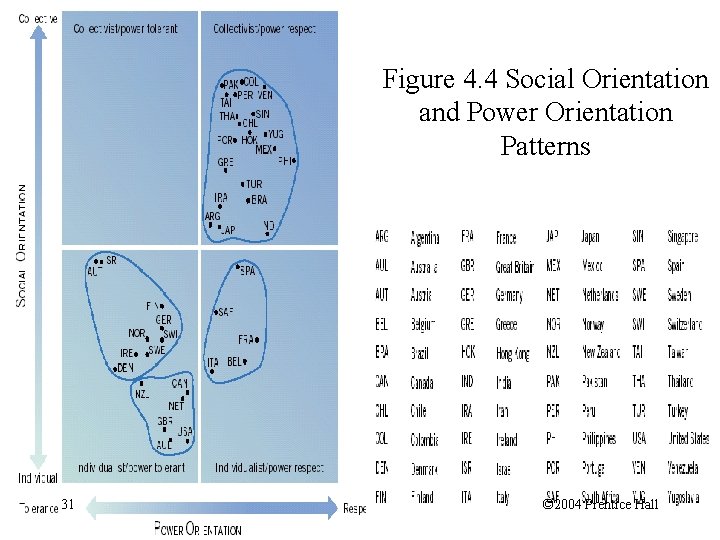
Figure 4. 4 Social Orientation and Power Orientation Patterns 31 © 2004 Prentice Hall

Understanding New Cultures § Self-reference criterion § Cultural literacy § Acculturation 32 © 2004 Prentice Hall
- Slides: 32