
Chapter 4 The Origin of Modern Astronomy Mesopotamian
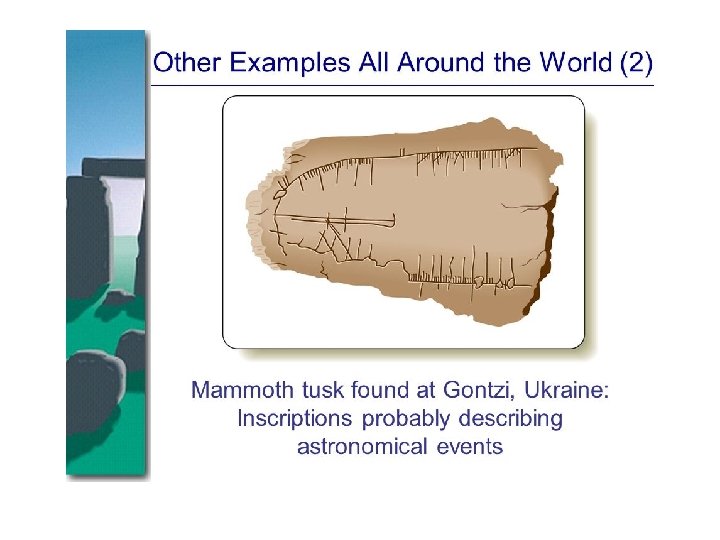
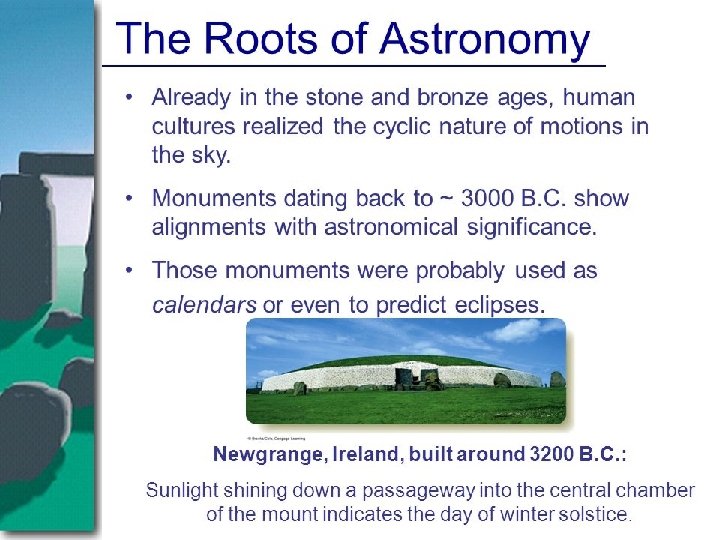
- Slides: 69
Chapter 4 The Origin of Modern Astronomy
Mesopotamian Astronomy • MESOPOTAMIANS built observatories starting ~10000 years ago: • the ziggurat had seven levels, one for each wandering object in the sky: • Sun, Moon, Mercury, Venus, Mars, Jupiter, Saturn • Thus 7 days to the week • They tracked stars --- groups rising before sun at different times of year implied seasonal beginnings for harvesting and planting (zodiac). • Divided circles in 360 degrees, each degree into 60 minutes and each minute into 60 seconds -- we still use! • Left written records in cunieform so we understand them better
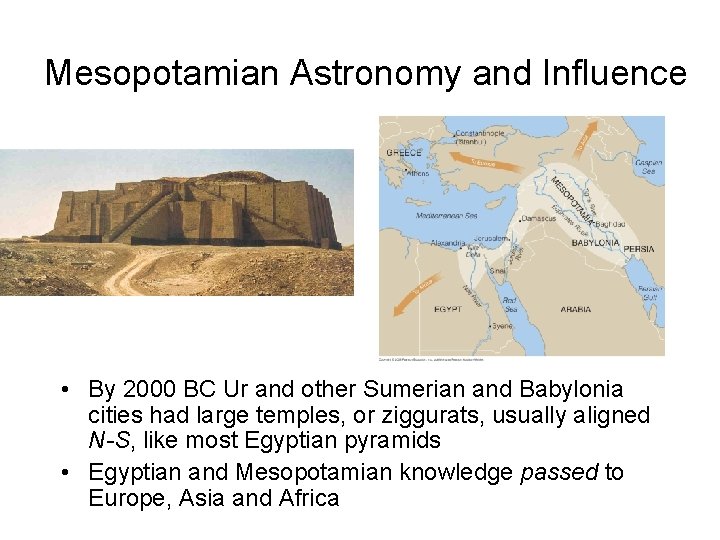
Mesopotamian Astronomy and Influence • By 2000 BC Ur and other Sumerian and Babylonia cities had large temples, or ziggurats, usually aligned N-S, like most Egyptian pyramids • Egyptian and Mesopotamian knowledge passed to Europe, Asia and Africa
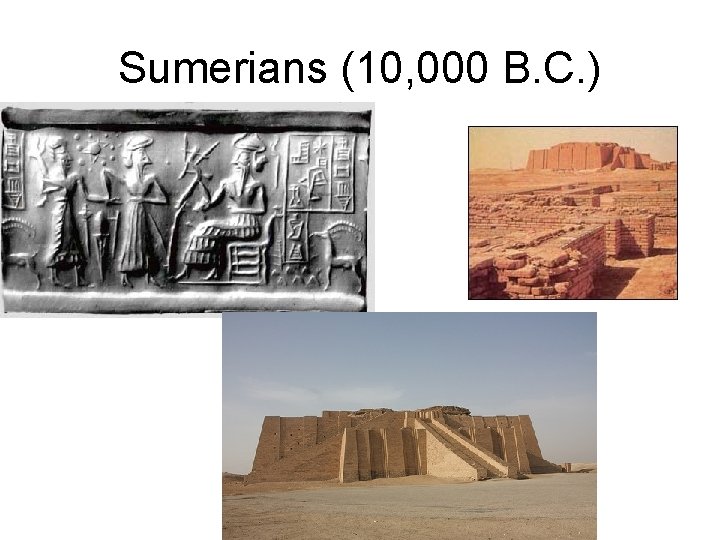
Sumerians (10, 000 B. C. )
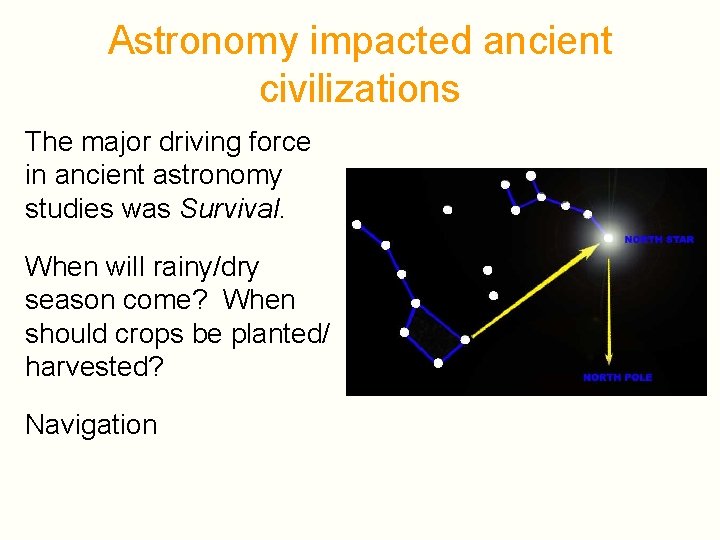
Astronomy impacted ancient civilizations The major driving force in ancient astronomy studies was Survival. When will rainy/dry season come? When should crops be planted/ harvested? Navigation
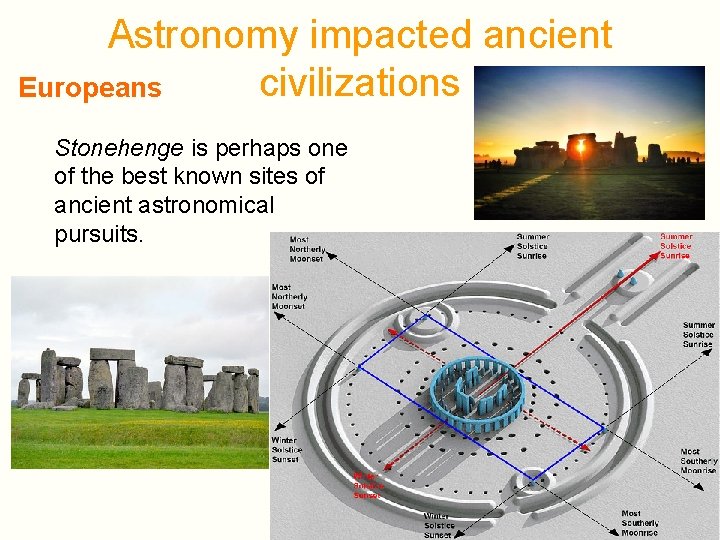
Astronomy impacted ancient civilizations Europeans Stonehenge is perhaps one of the best known sites of ancient astronomical pursuits.
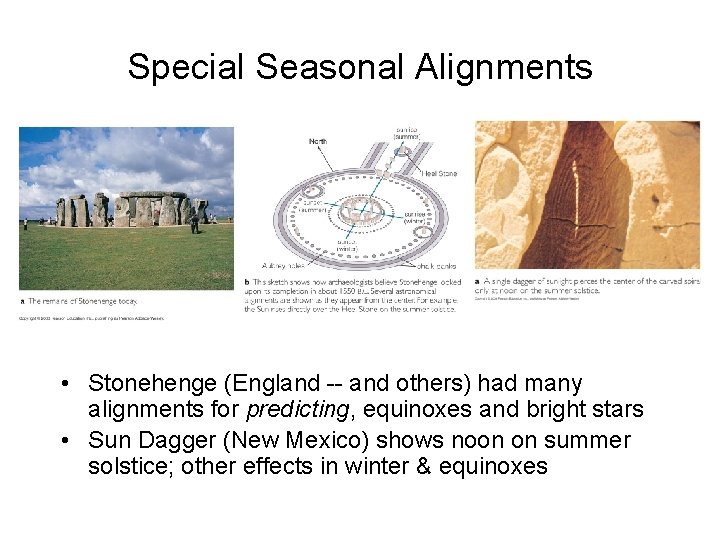
Special Seasonal Alignments • Stonehenge (England -- and others) had many alignments for predicting, equinoxes and bright stars • Sun Dagger (New Mexico) shows noon on summer solstice; other effects in winter & equinoxes
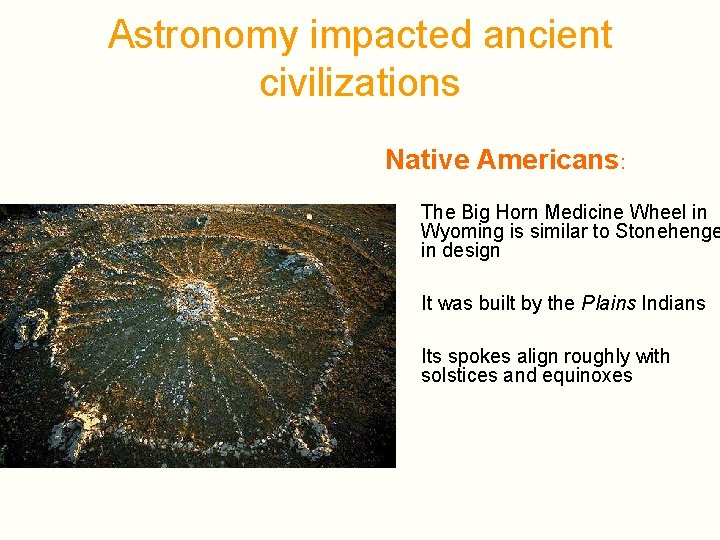
Astronomy impacted ancient civilizations Native Americans: The Big Horn Medicine Wheel in Wyoming is similar to Stonehenge in design It was built by the Plains Indians Its spokes align roughly with solstices and equinoxes
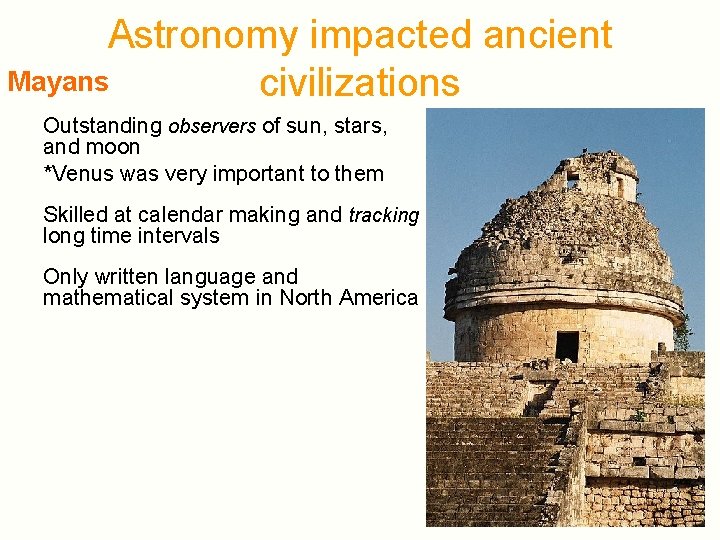
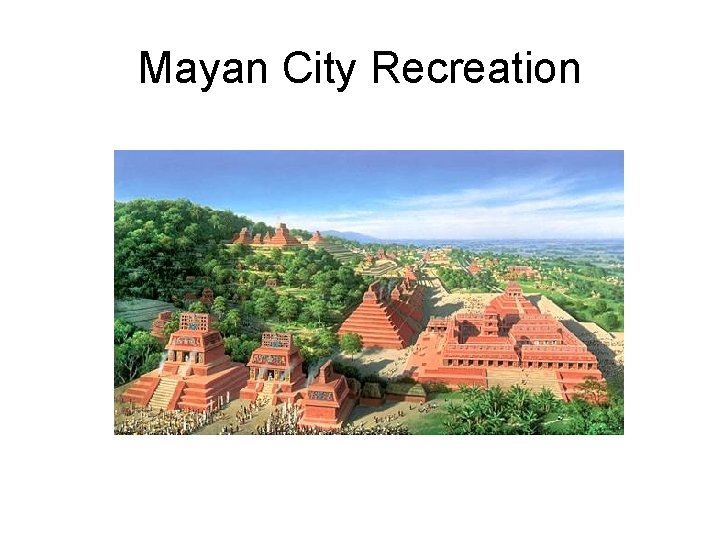
Astronomy impacted ancient Mayans civilizations Outstanding observers of sun, stars, and moon *Venus was very important to them Skilled at calendar making and tracking long time intervals Only written language and mathematical system in North America
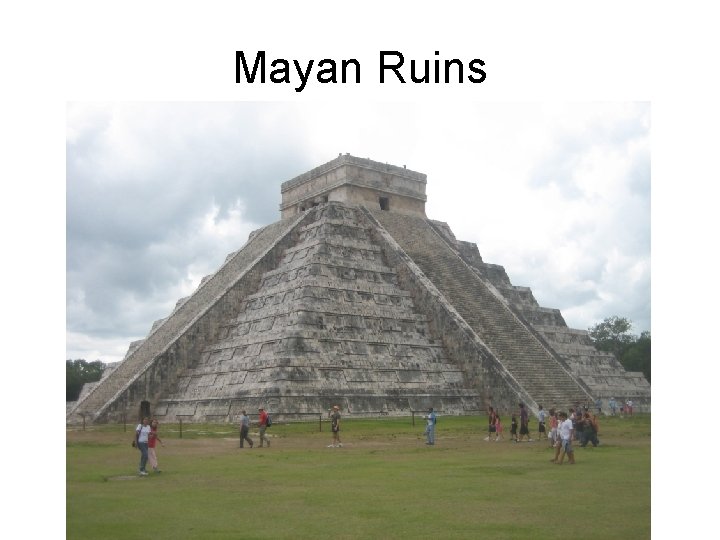
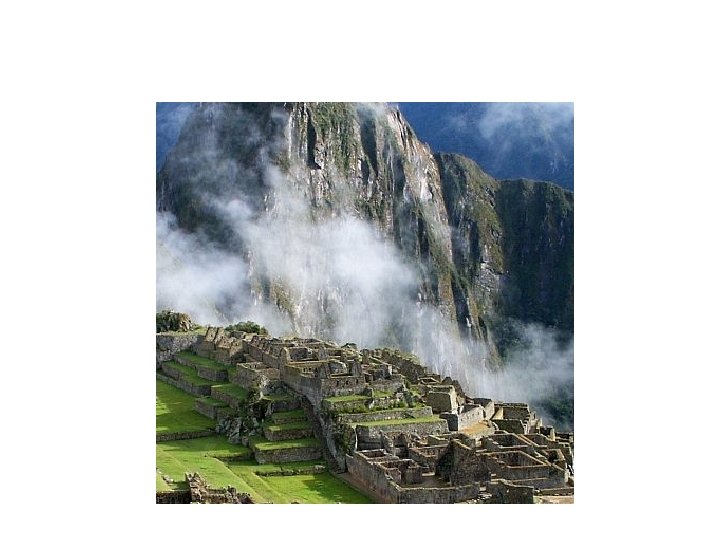
Mayan Ruins
Mayan City Recreation
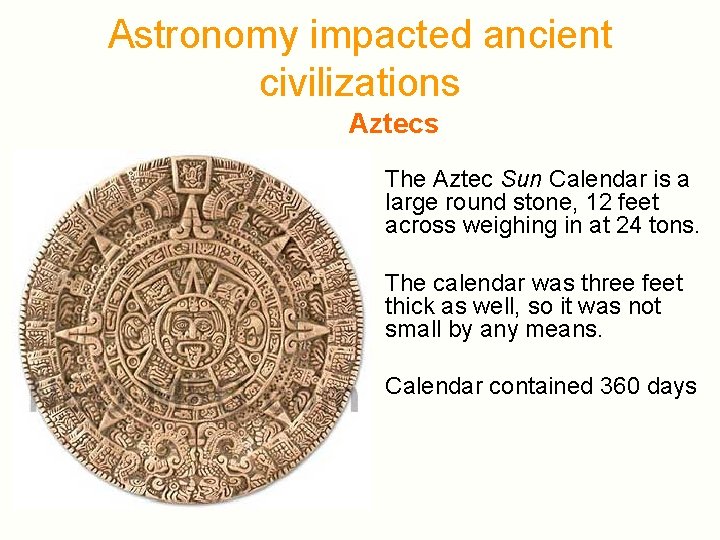
Astronomy impacted ancient civilizations Aztecs The Aztec Sun Calendar is a large round stone, 12 feet across weighing in at 24 tons. The calendar was three feet thick as well, so it was not small by any means. Calendar contained 360 days
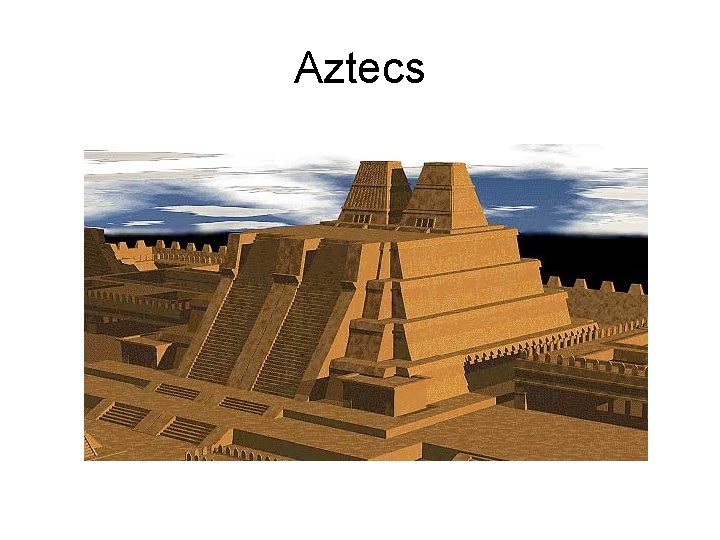
Aztecs
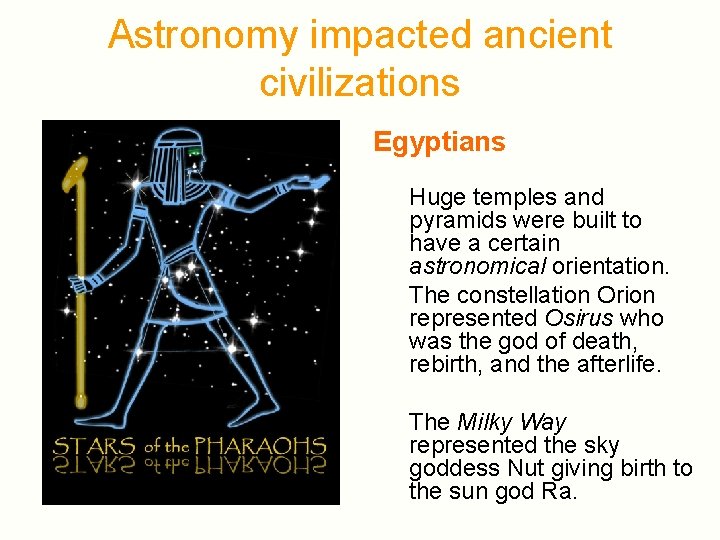
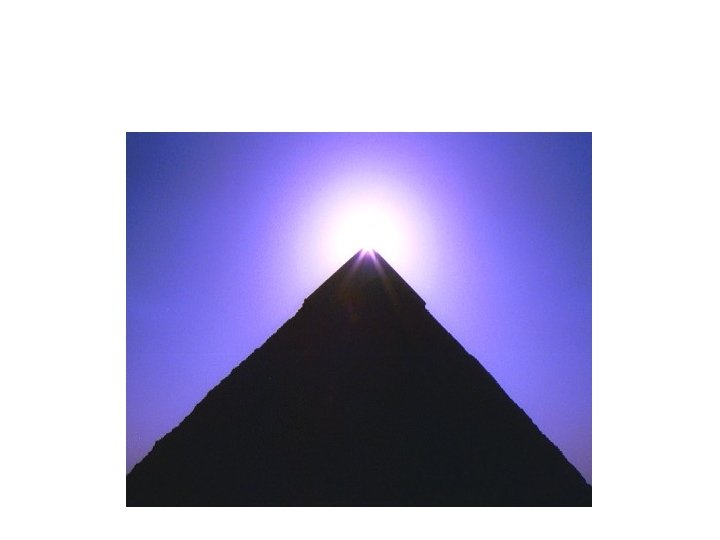
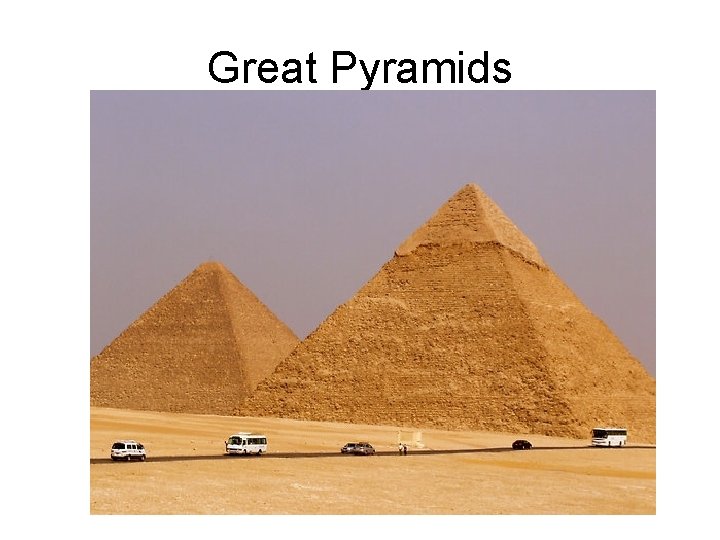
Astronomy impacted ancient civilizations Egyptians Huge temples and pyramids were built to have a certain astronomical orientation. The constellation Orion represented Osirus who was the god of death, rebirth, and the afterlife. The Milky Way represented the sky goddess Nut giving birth to the sun god Ra.
Great Pyramids
Ancient Greek Astronomers (1) • Unfortunately, there are _No____ written documents about the significance of stone and bronze age monuments. • Greeks tried to understand the motions of the sky and describe them in terms of ____Mathematical_____(not physical!) models.
Ancient Astronomers • Create some cards! • Option 1: make 12 trading cards • Option 2: make 12 “game” cards • Option 3: make 12 flash cards • Each card must have: Name/ information or facts about them and their discoveries/picture(s) • Choose 12 of the following astronomers
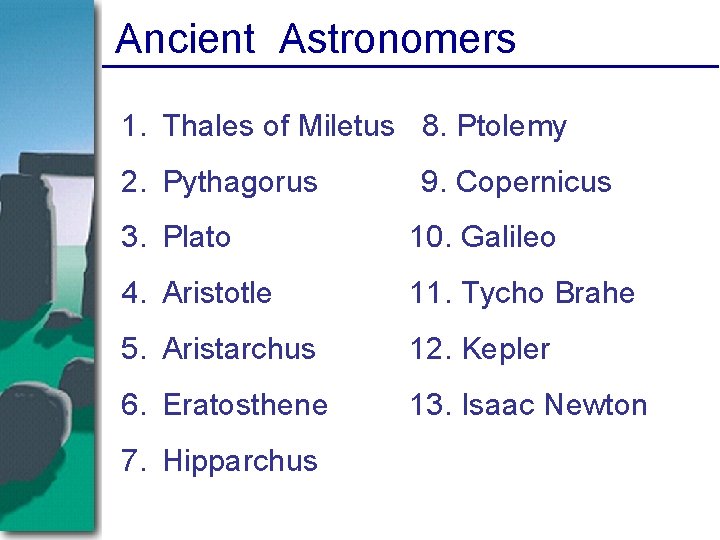
Ancient Astronomers 1. Thales of Miletus 8. Ptolemy 2. Pythagorus 9. Copernicus 3. Plato 10. Galileo 4. Aristotle 11. Tycho Brahe 5. Aristarchus 12. Kepler 6. Eratosthene 13. Isaac Newton 7. Hipparchus
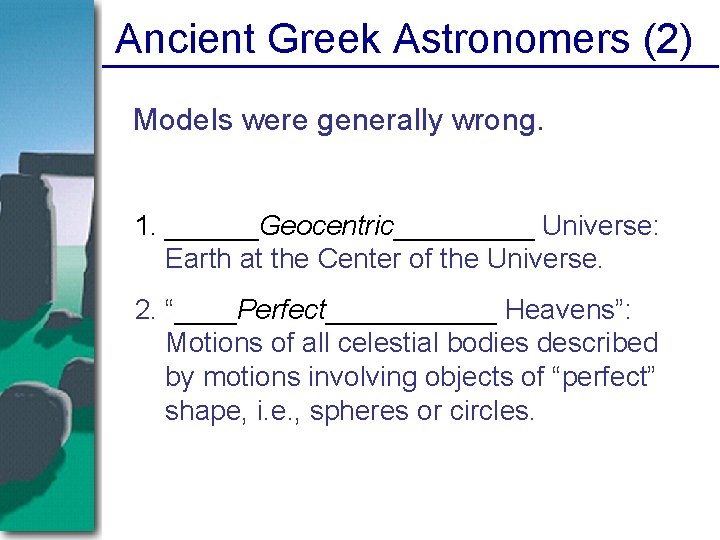
Ancient Greek Astronomers (2) Models were generally wrong. 1. ______Geocentric_____ Universe: Earth at the Center of the Universe. 2. “____Perfect______ Heavens”: Motions of all celestial bodies described by motions involving objects of “perfect” shape, i. e. , spheres or circles.
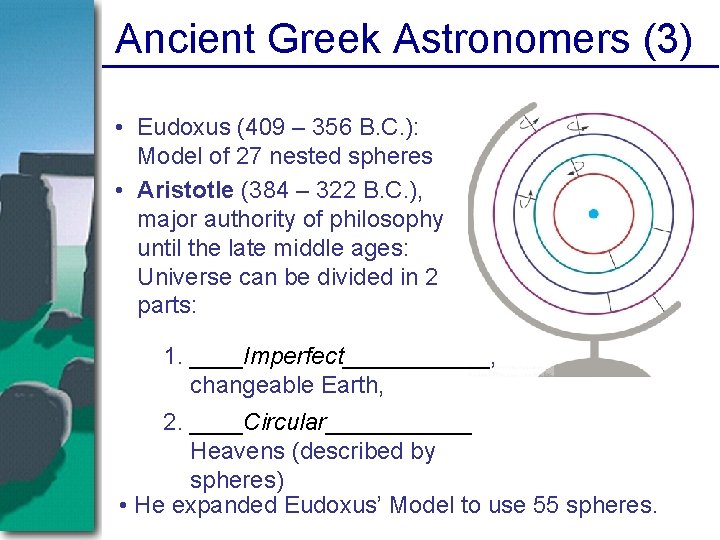
Ancient Greek Astronomers (3) • Eudoxus (409 – 356 B. C. ): Model of 27 nested spheres • Aristotle (384 – 322 B. C. ), major authority of philosophy until the late middle ages: Universe can be divided in 2 parts: 1. ____Imperfect______, changeable Earth, 2. ____Circular______ Heavens (described by spheres) • He expanded Eudoxus’ Model to use 55 spheres.
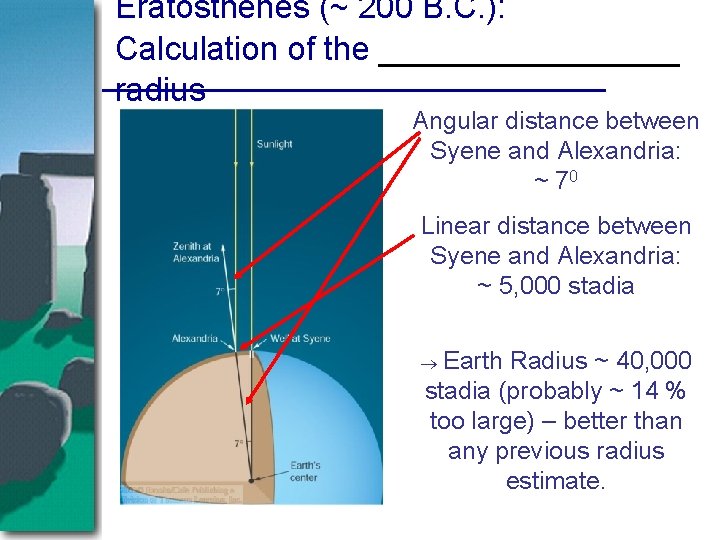
Eratosthenes (~ 200 B. C. ): Calculation of the ________ radius Angular distance between Syene and Alexandria: ~ 70 Linear distance between Syene and Alexandria: ~ 5, 000 stadia Earth Radius ~ 40, 000 stadia (probably ~ 14 % too large) – better than any previous radius estimate.
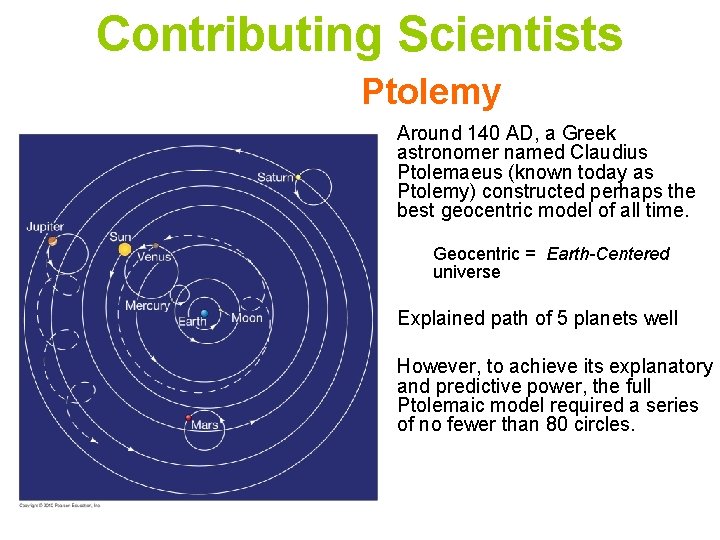
Contributing Scientists Ptolemy Around 140 AD, a Greek astronomer named Claudius Ptolemaeus (known today as Ptolemy) constructed perhaps the best geocentric model of all time. Geocentric = Earth-Centered universe Explained path of 5 planets well However, to achieve its explanatory and predictive power, the full Ptolemaic model required a series of no fewer than 80 circles.
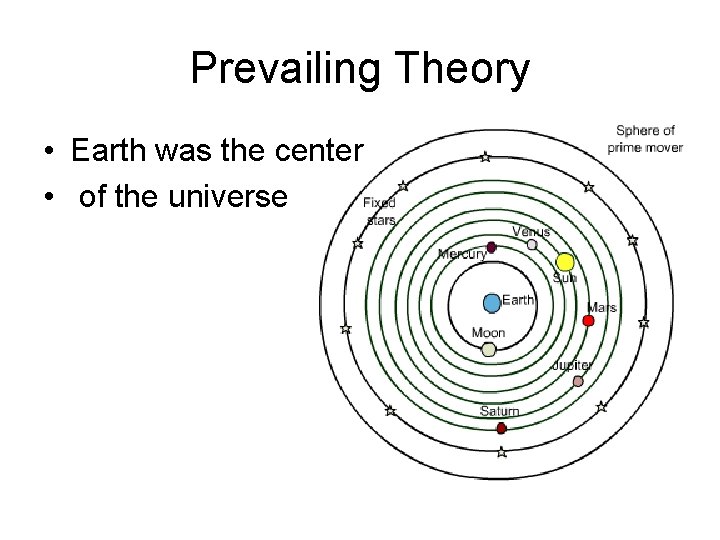
Prevailing Theory • Earth was the center • of the universe
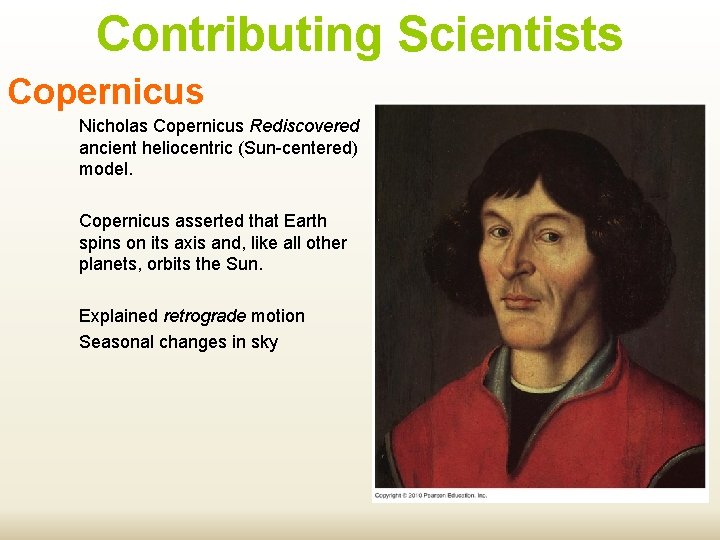
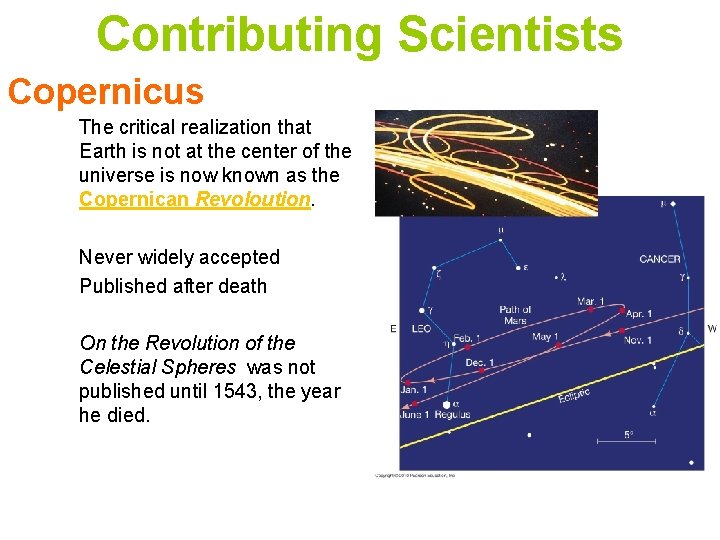
Contributing Scientists Copernicus Nicholas Copernicus Rediscovered ancient heliocentric (Sun-centered) model. Copernicus asserted that Earth spins on its axis and, like all other planets, orbits the Sun. Explained retrograde motion Seasonal changes in sky
Contributing Scientists Copernicus The critical realization that Earth is not at the center of the universe is now known as the Copernican Revoloution. Never widely accepted Published after death On the Revolution of the Celestial Spheres was not published until 1543, the year he died.
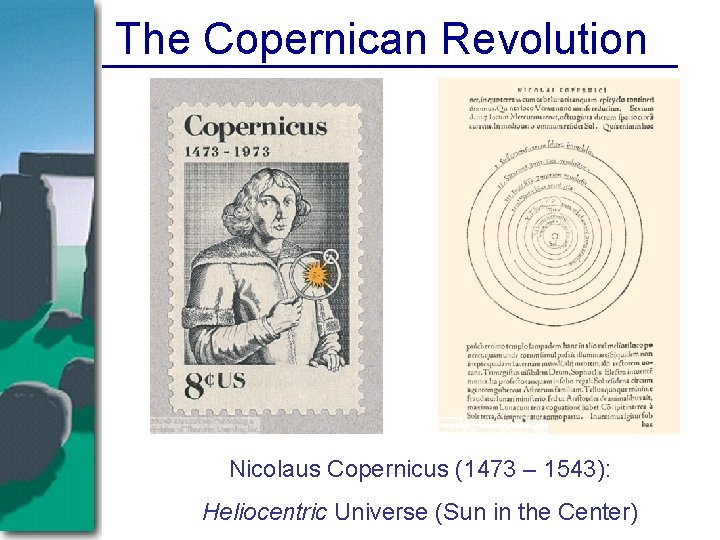
The Copernican Revolution Nicolaus Copernicus (1473 – 1543): Heliocentric Universe (Sun in the Center)
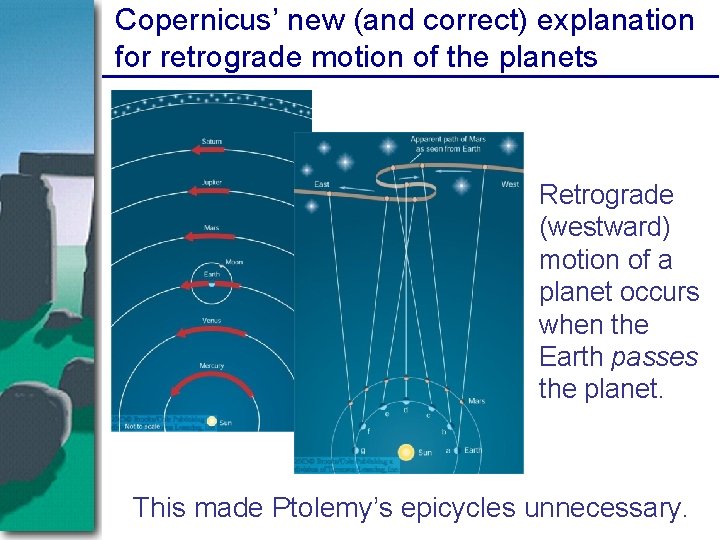
Copernicus’ new (and correct) explanation for retrograde motion of the planets Retrograde (westward) motion of a planet occurs when the Earth passes the planet. This made Ptolemy’s epicycles unnecessary.
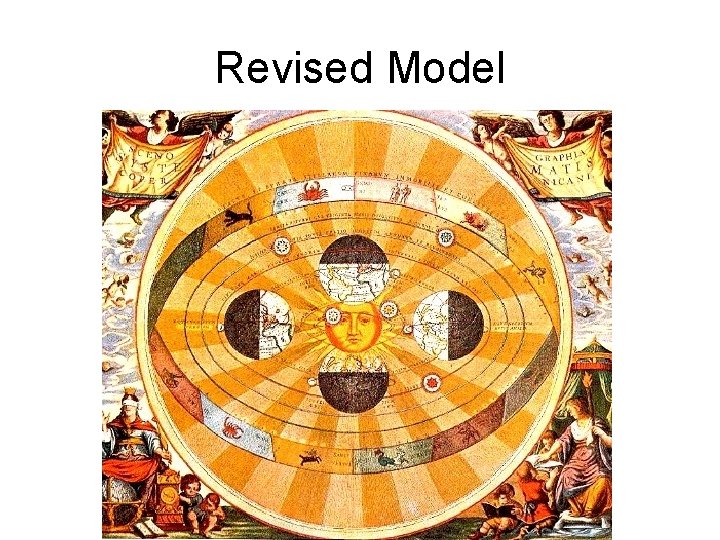
Revised Model
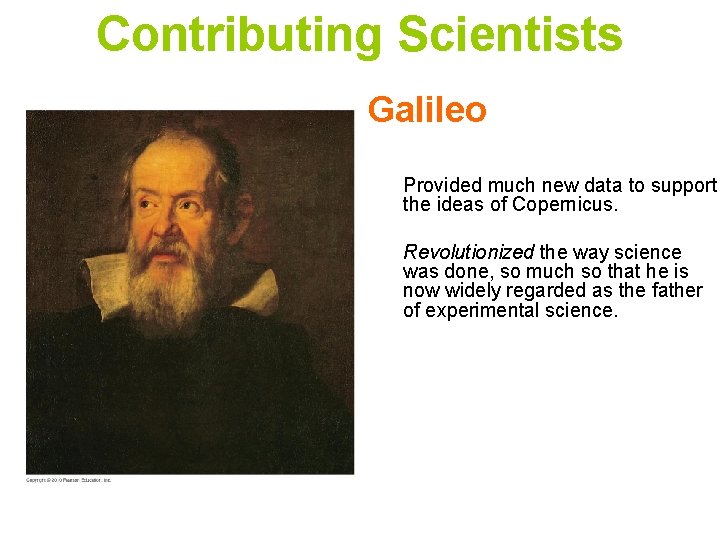
Contributing Scientists Galileo Provided much new data to support the ideas of Copernicus. Revolutionized the way science was done, so much so that he is now widely regarded as the father of experimental science.
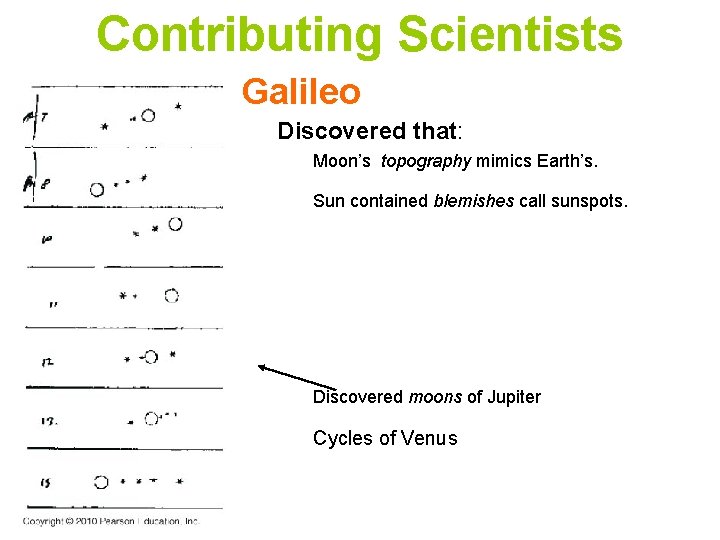
Contributing Scientists Galileo Discovered that: Moon’s topography mimics Earth’s. Sun contained blemishes call sunspots. Discovered moons of Jupiter Cycles of Venus
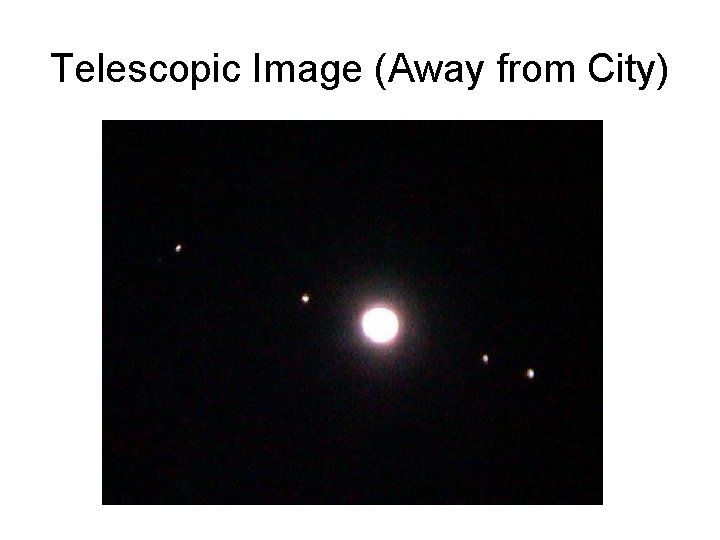
Telescopic Image (Away from City)
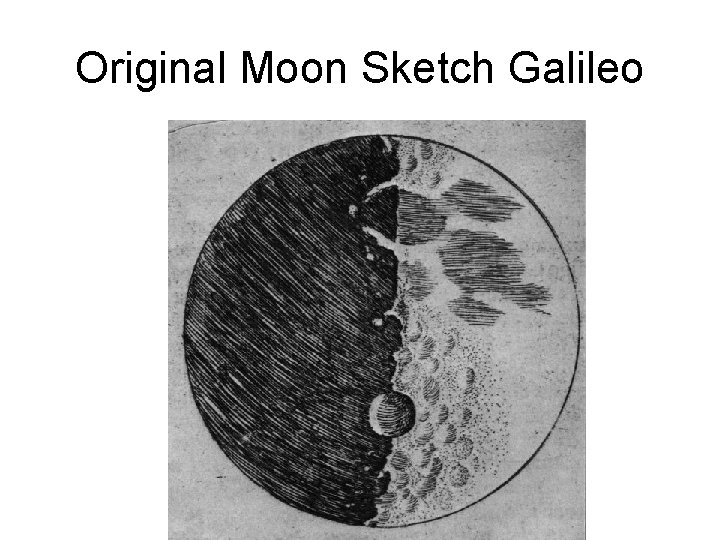
Original Moon Sketch Galileo
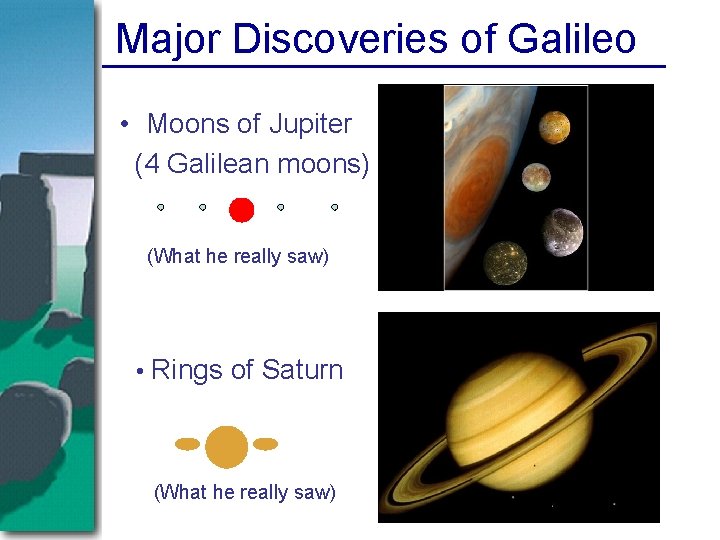
Major Discoveries of Galileo • Moons of Jupiter (4 Galilean moons) (What he really saw) • Rings of Saturn (What he really saw)
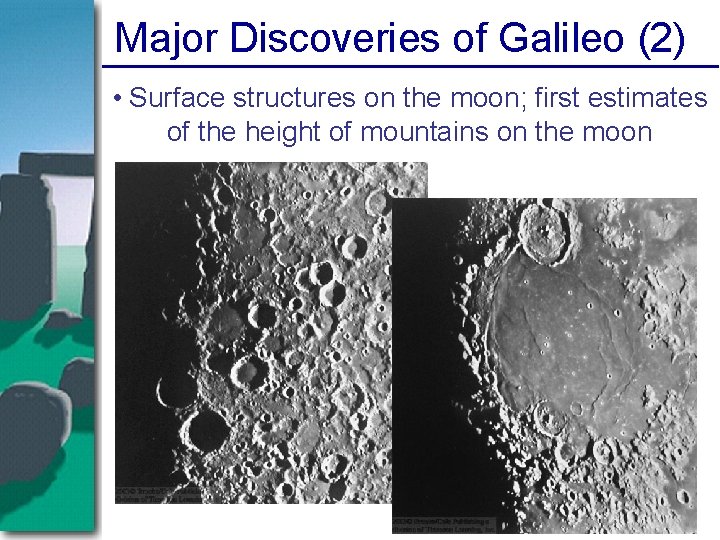
Major Discoveries of Galileo (2) • Surface structures on the moon; first estimates of the height of mountains on the moon
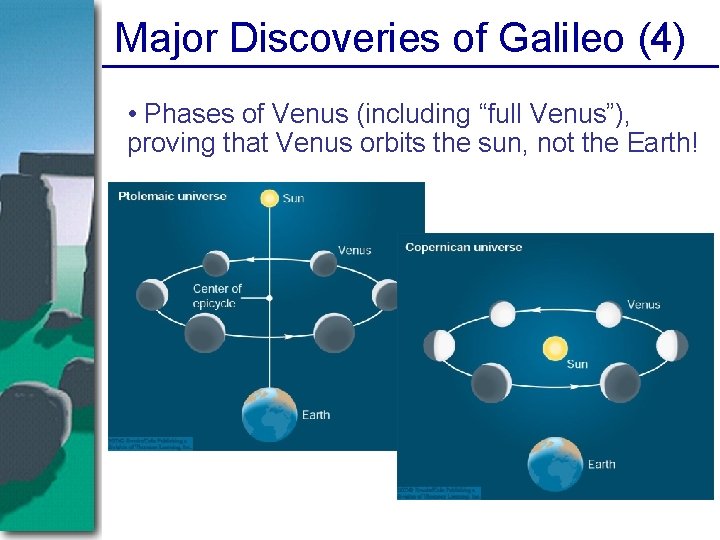
Major Discoveries of Galileo (4) • Phases of Venus (including “full Venus”), proving that Venus orbits the sun, not the Earth!
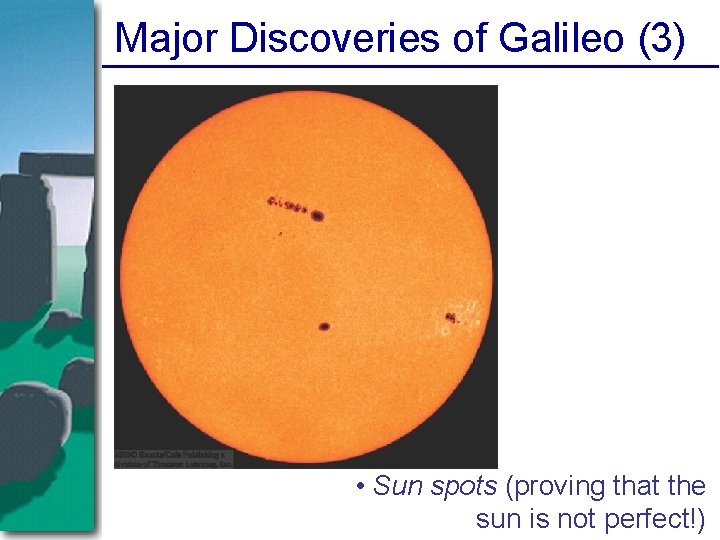
Major Discoveries of Galileo (3) • Sun spots (proving that the sun is not perfect!)
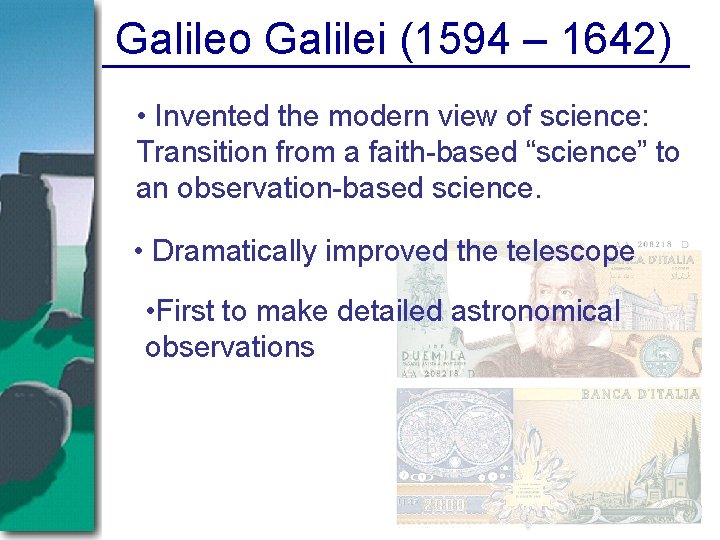
Galileo Galilei (1594 – 1642) • Invented the modern view of science: Transition from a faith-based “science” to an observation-based science. • Dramatically improved the telescope • First to make detailed astronomical observations
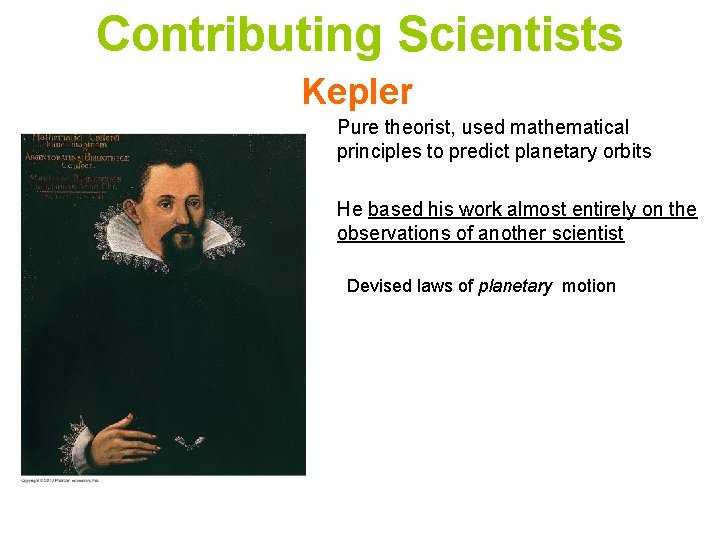
Contributing Scientists Kepler Pure theorist, used mathematical principles to predict planetary orbits He based his work almost entirely on the observations of another scientist Devised laws of planetary motion
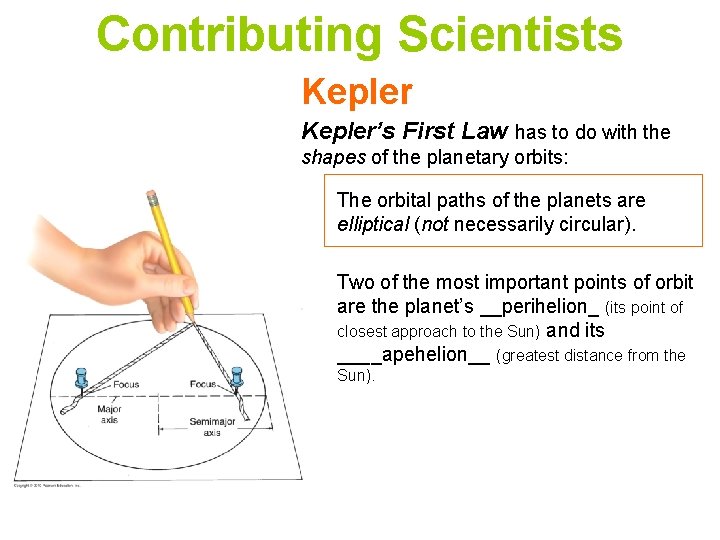
Contributing Scientists Kepler’s First Law has to do with the shapes of the planetary orbits: The orbital paths of the planets are elliptical (not necessarily circular). Two of the most important points of orbit are the planet’s __perihelion_ (its point of closest approach to the Sun) and its ____apehelion__ (greatest distance from the Sun).
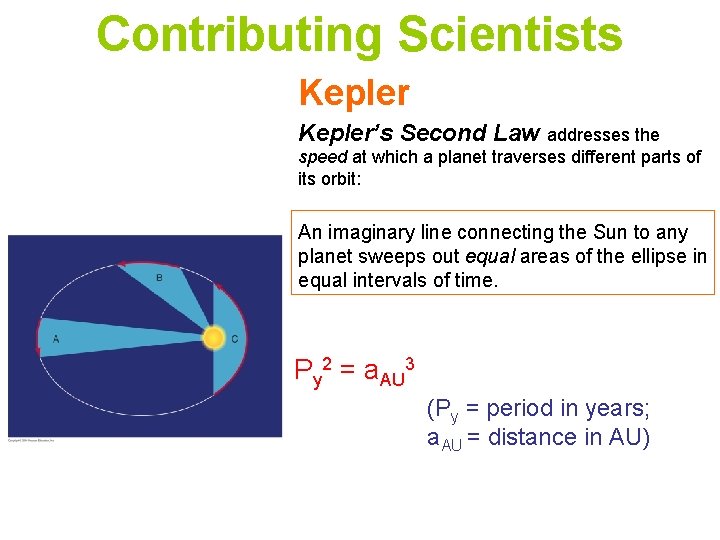
Contributing Scientists Kepler’s Second Law addresses the speed at which a planet traverses different parts of its orbit: An imaginary line connecting the Sun to any planet sweeps out equal areas of the ellipse in equal intervals of time. Py 2 = a. AU 3 Orbit time A=B=C (Py = period in years; a. AU = distance in AU)
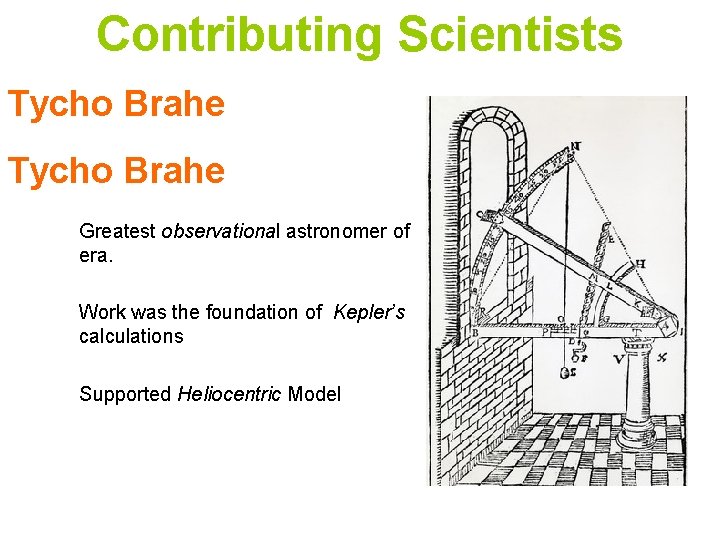
Contributing Scientists Tycho Brahe Greatest observational astronomer of era. Work was the foundation of Kepler’s calculations Supported Heliocentric Model
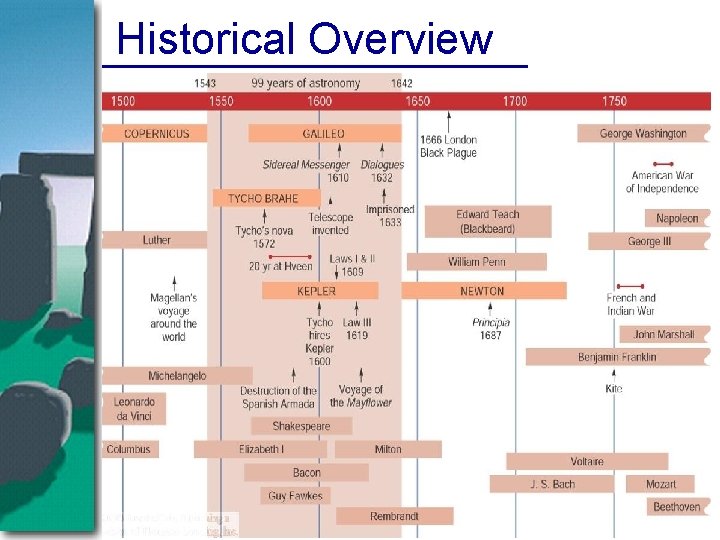
Historical Overview
New Terms archaeoastronomy eccentric uniform circular motion geocentric universe parallax retrograde motion epicycle heliocentric universe paradigm eccentricity, e
Discussion Questions 1. Historian of science Thomas Kuhn has said that De Revolutionibus was a revolution-making book but not a revolutionary book. How was it an old-fashioned, classical book? 2. Why might Tycho Brahe have hesitated to hire Kepler? Why do you suppose he appointed Kepler his scientific heir? 3. How does the modern controversy over creationism and evolution reflect two ways of knowing about the physical world?
Quiz Questions 1. Why are Stonehenge and The Big Horn Medicine Wheel thought to be ancient astronomical observatories? a. Petroglyphs at each site describe how they were used to make observations. b. Ancient Greek writings list the important discoveries made at each of these two sites. c. Stones at each site aligned with significant rising and setting positions. d. Both a and c above. e. All of the above.
Quiz Questions 2. Plato proposed that all heavenly motion is a. constantly changing b. circular c. uniform d. Answers a and b above. e. Answers b and c above.
Quiz Questions 3. How did Claudius Ptolemaeus account for the retrograde motion of the planets? a. Planets slow down, stop, and then reverse their orbital direction around the Sun. b. Inner planets orbit the Sun faster and pass outer planets as they orbit around the Sun. c. Each planet moves on an epicycle, that in turn moves on a deferent that circles around Earth. d. The Sun and Moon orbit Earth, whereas all the other planets orbit the Sun. e. None of the above.
Quiz Questions 4. Who accurately determined the size of Earth by considering Sun angles at Syene and Alexandria? a. Thales of Miletus (c. 624 -547 BC) b. Pythagoras (c. 570 -500 BC) c. Eudoxus (409 -356 BC) d. Aristotle (384 -322 BC) e. Eratosthenes (c. 200 BC)
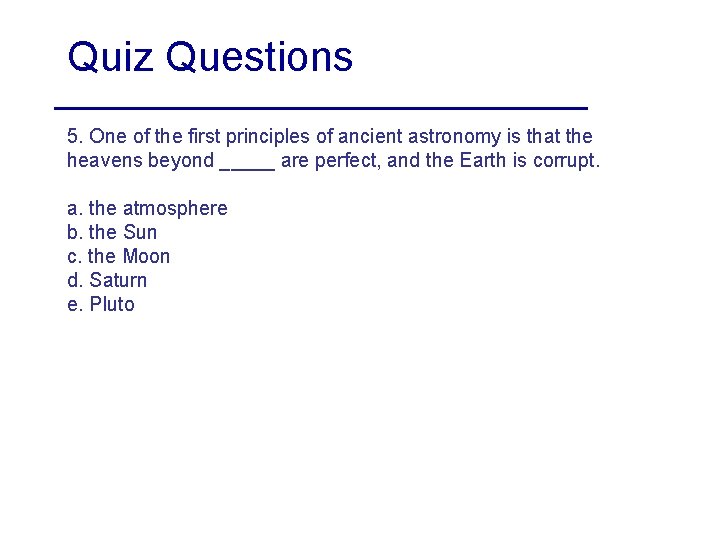
Quiz Questions 5. One of the first principles of ancient astronomy is that the heavens beyond _____ are perfect, and the Earth is corrupt. a. the atmosphere b. the Sun c. the Moon d. Saturn e. Pluto
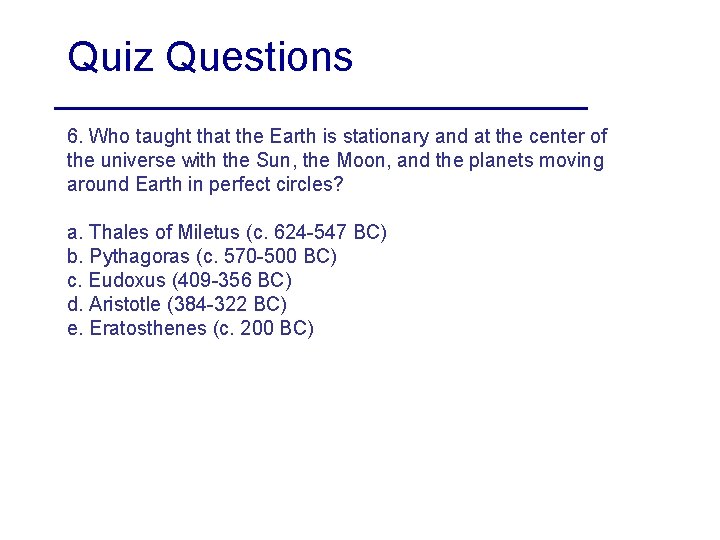
Quiz Questions 6. Who taught that the Earth is stationary and at the center of the universe with the Sun, the Moon, and the planets moving around Earth in perfect circles? a. Thales of Miletus (c. 624 -547 BC) b. Pythagoras (c. 570 -500 BC) c. Eudoxus (409 -356 BC) d. Aristotle (384 -322 BC) e. Eratosthenes (c. 200 BC)
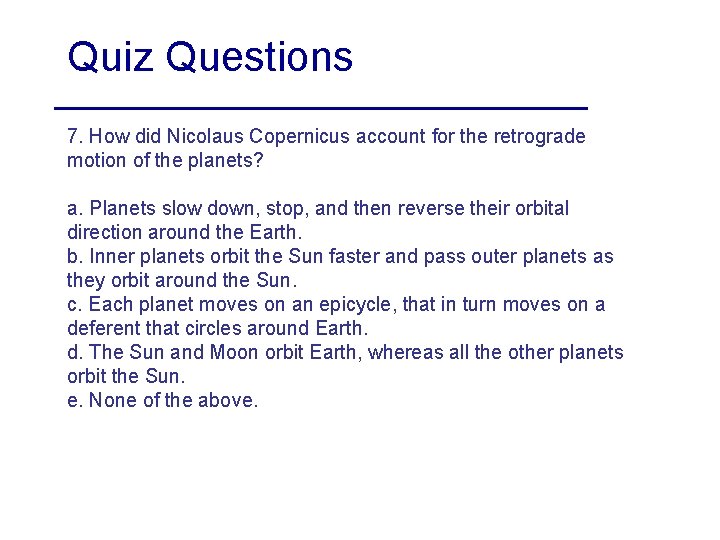
Quiz Questions 7. How did Nicolaus Copernicus account for the retrograde motion of the planets? a. Planets slow down, stop, and then reverse their orbital direction around the Earth. b. Inner planets orbit the Sun faster and pass outer planets as they orbit around the Sun. c. Each planet moves on an epicycle, that in turn moves on a deferent that circles around Earth. d. The Sun and Moon orbit Earth, whereas all the other planets orbit the Sun. e. None of the above.
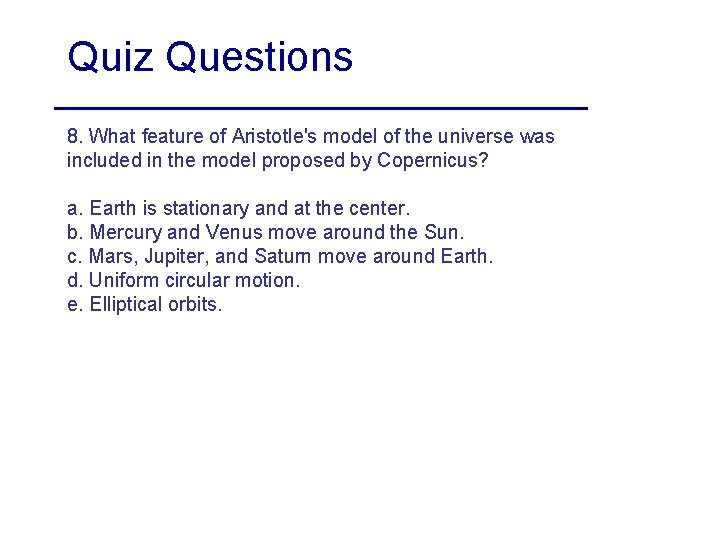
Quiz Questions 8. What feature of Aristotle's model of the universe was included in the model proposed by Copernicus? a. Earth is stationary and at the center. b. Mercury and Venus move around the Sun. c. Mars, Jupiter, and Saturn move around Earth. d. Uniform circular motion. e. Elliptical orbits.
Quiz Questions 9. Why did the model of the universe proposed by Copernicus gain support soon after its publication? a. It more accurately predicted the position of planets. b. It gave a better explanation for the phases of the Moon. c. It was a more elegant explanation of retrograde motion. d. The old system of Ptolemy was never very popular. e. It displaced Earth from the center of the universe.
Quiz Questions 10. When Tycho observed the new star of 1572, he could detect no parallax. Why did that result undermine belief in the Ptolemaic system? a. This star is closer than the Moon, and thus stars are not all at the same distance. b. This star is closer than the Moon, and thus smaller than other stars. c. This star is farther away than the Moon, and thus the heavens are perfect and unchanging. d. This star is farther away than the Moon, and thus the heavens are not perfect and unchanging. e. This star is planet-like.
Quiz Questions 11. What was the most important contribution of Tycho Brahe to modern astronomy? a. The invention of the optical telescope. b. The discovery of four moons orbiting Jupiter. c. A model of the universe that was part Aristotelian and part Copernican. d. The study of the Supernova of 1572. e. Twenty years of accurate measurements of planetary positions.
Quiz Questions 12. How was Tycho Brahe able to make more accurate astronomical measurements than had been made before his time? a. He used a telescope to magnify the image and spacing of celestial objects. b. He designed and used large devices to measure small angles. c. His island observatory was hundreds of miles offshore, under very dark skies. d. His observatory was at high elevation and thus above much of Earth's atmosphere. e. All of the above.
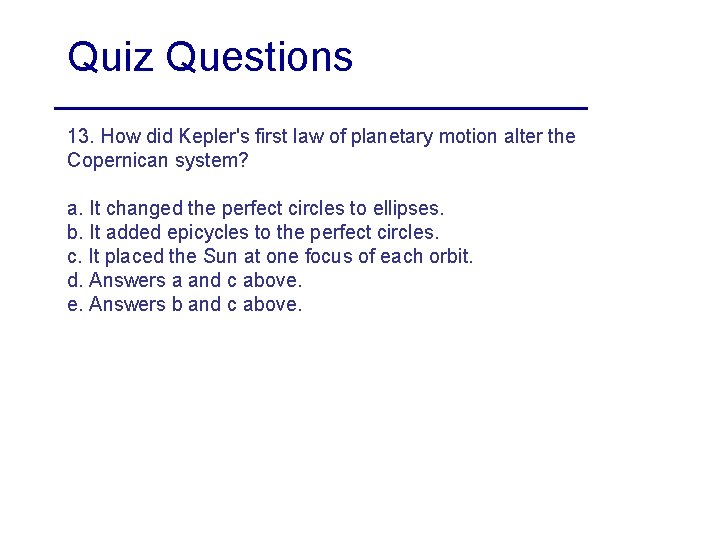
Quiz Questions 13. How did Kepler's first law of planetary motion alter the Copernican system? a. It changed the perfect circles to ellipses. b. It added epicycles to the perfect circles. c. It placed the Sun at one focus of each orbit. d. Answers a and c above. e. Answers b and c above.
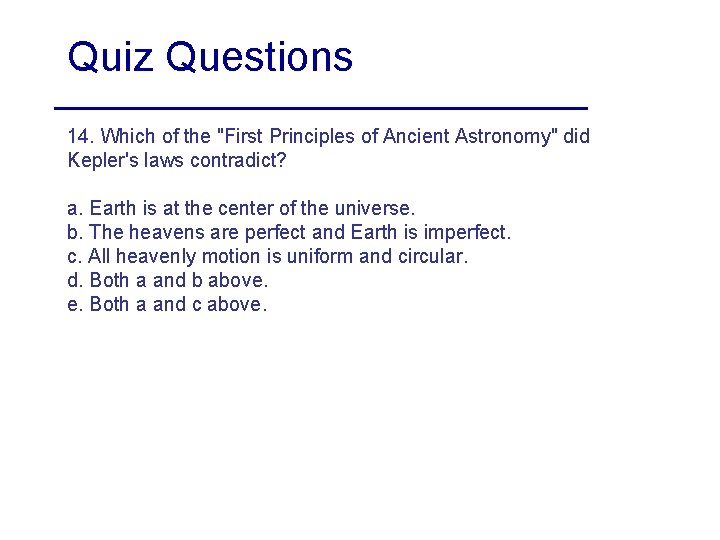
Quiz Questions 14. Which of the "First Principles of Ancient Astronomy" did Kepler's laws contradict? a. Earth is at the center of the universe. b. The heavens are perfect and Earth is imperfect. c. All heavenly motion is uniform and circular. d. Both a and b above. e. Both a and c above.
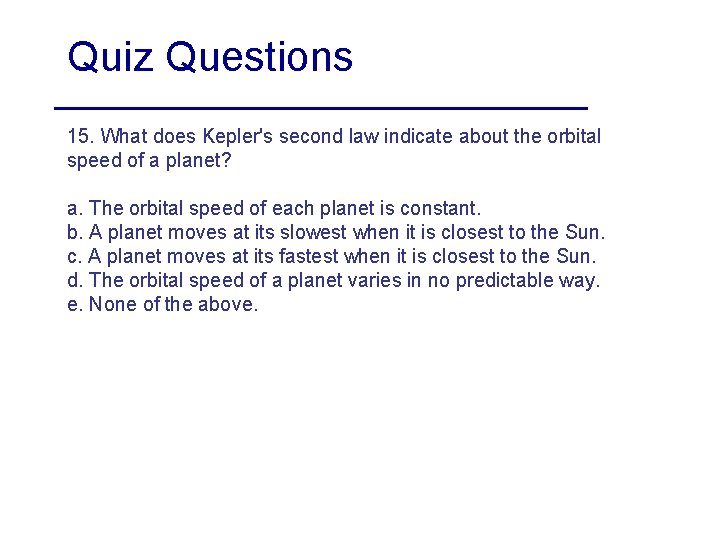
Quiz Questions 15. What does Kepler's second law indicate about the orbital speed of a planet? a. The orbital speed of each planet is constant. b. A planet moves at its slowest when it is closest to the Sun. c. A planet moves at its fastest when it is closest to the Sun. d. The orbital speed of a planet varies in no predictable way. e. None of the above.
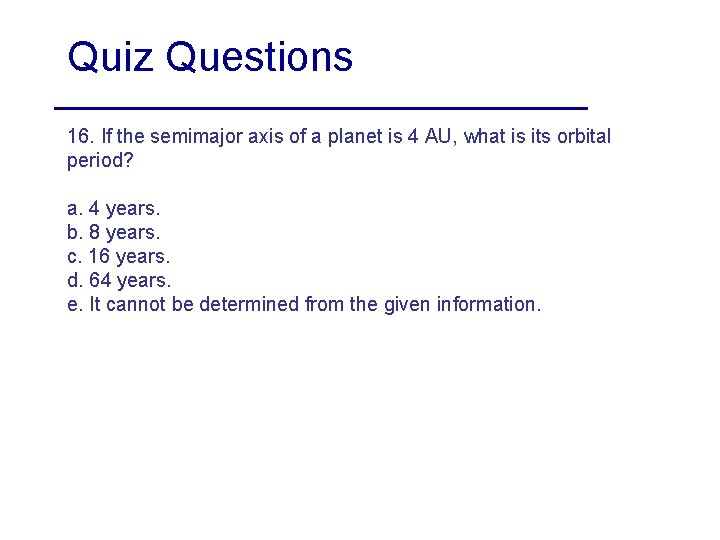
Quiz Questions 16. If the semimajor axis of a planet is 4 AU, what is its orbital period? a. 4 years. b. 8 years. c. 16 years. d. 64 years. e. It cannot be determined from the given information.
Quiz Questions 17. Galileo's discovery of four moons orbiting Jupiter showed that planetary bodies could move and carry moons. This supports the model of the universe presented by a. Aristotle b. Claudius Ptolemaeus c. Nicolaus Copernicus d. Both a and b above. e. All of the above.
Quiz Questions 18. What phases of Venus are predicted by the Ptolemaic system? a. New and Crescent phases only. b. Quarter and Gibbous phases only. c. Gibbous and Full phases only. d. Crescent and Gibbous phases only. e. New, Crescent, Quarter, Gibbous, and Full phases.
Quiz Questions 19. What phases of Venus were observed by Galileo? a. New and Crescent phases only. b. Quarter and Gibbous phases only. c. Gibbous and Full phases only. d. Crescent and Gibbous phases only. e. New, Crescent, Quarter, Gibbous, and Full phases.
Quiz Questions 20. The phases of Venus observed by Galileo support the model of the universe presented by a. Aristotle b. Claudius Ptolemaeus c. Nicolaus Copernicus d. Both a and b above. e. All of the above.
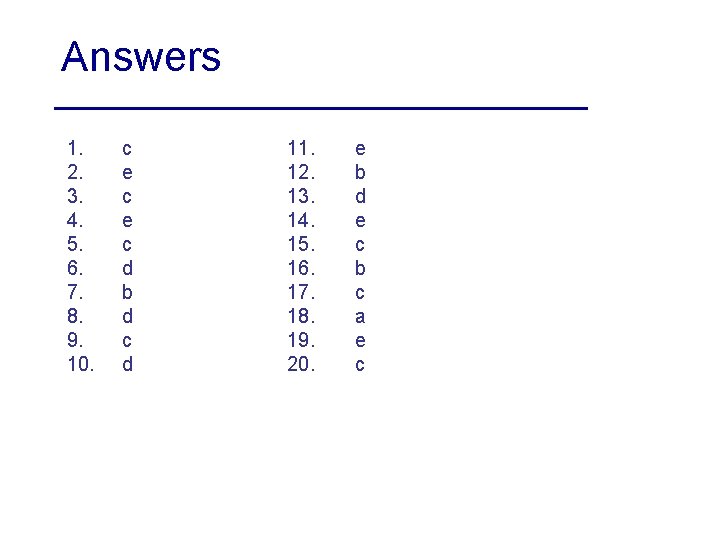
Answers 1. 2. 3. 4. 5. 6. 7. 8. 9. 10. c e c d b d c d 11. 12. 13. 14. 15. 16. 17. 18. 19. 20. e b d e c b c a e c