
Chapter 4 The Hypothalamus and Pituitary Part II

- Slides: 51
Chapter 4. The Hypothalamus and Pituitary Part II The Anterior Pituitary
Reference - Textbook
Reference – Course Website 3
The Anterior Pituitary • Introduction • Growth Hormone • Prolactin
INTRODUCTION
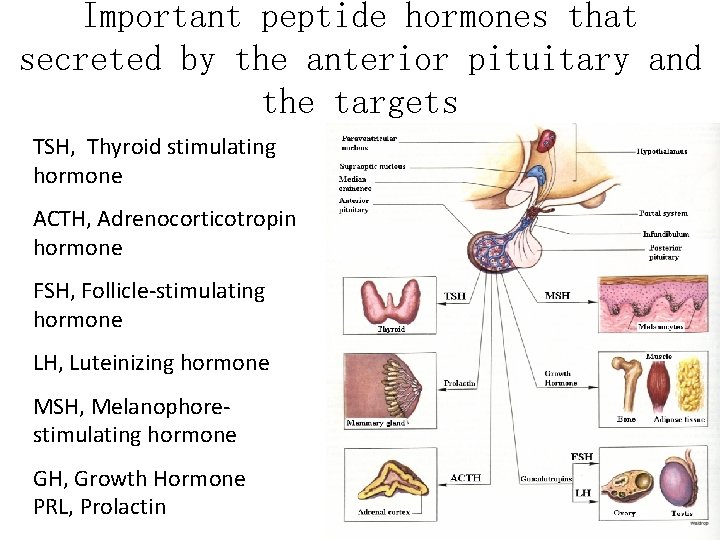
Important peptide hormones that secreted by the anterior pituitary and the targets TSH, Thyroid stimulating hormone ACTH, Adrenocorticotropin hormone FSH, Follicle-stimulating hormone LH, Luteinizing hormone MSH, Melanophorestimulating hormone GH, Growth Hormone PRL, Prolactin 6
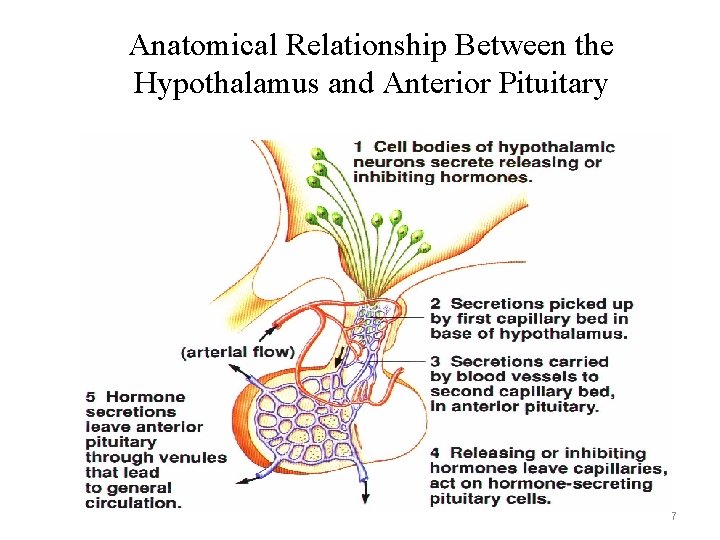
Anatomical Relationship Between the Hypothalamus and Anterior Pituitary 7
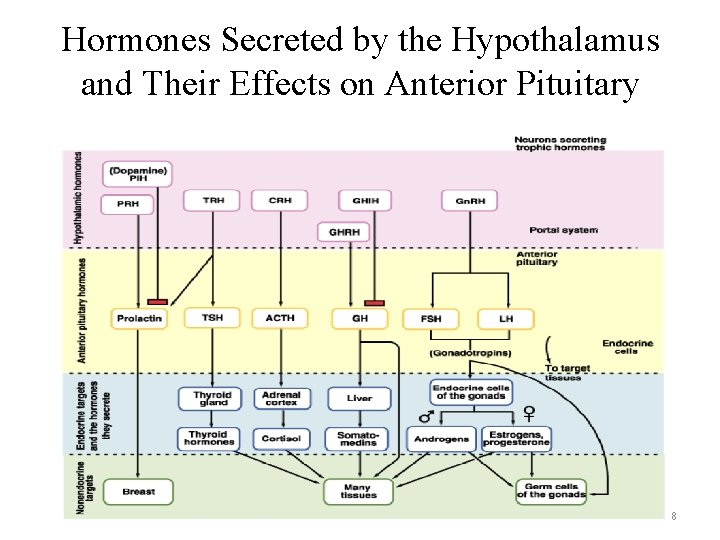
Hormones Secreted by the Hypothalamus and Their Effects on Anterior Pituitary 8
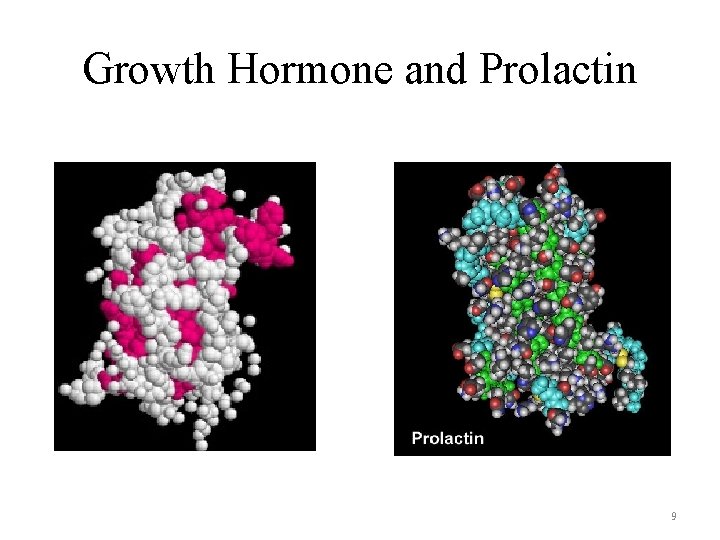
Growth Hormone and Prolactin 9
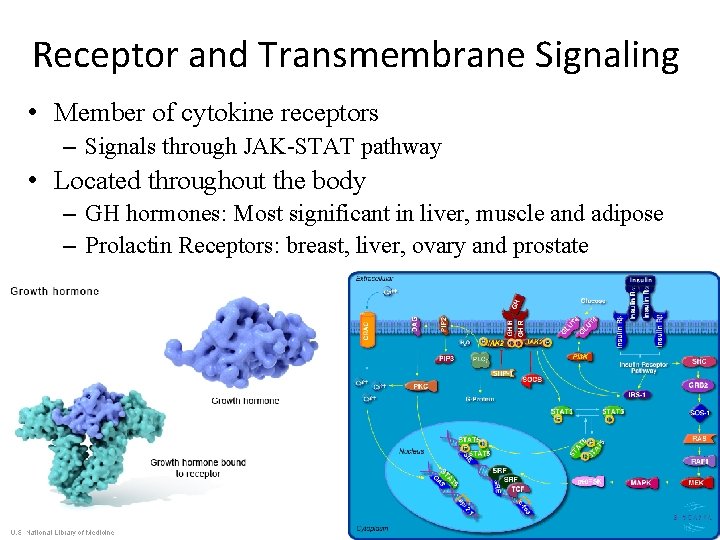
Receptor and Transmembrane Signaling • Member of cytokine receptors – Signals through JAK-STAT pathway • Located throughout the body – GH hormones: Most significant in liver, muscle and adipose – Prolactin Receptors: breast, liver, ovary and prostate
GROWTH HORMONE
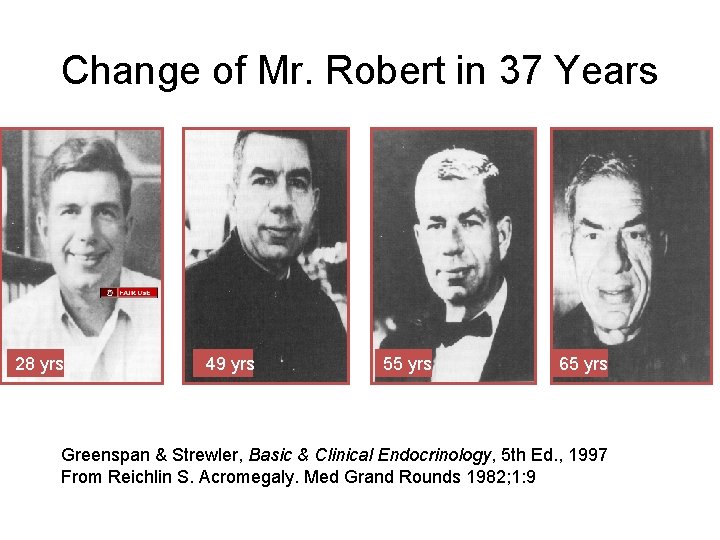
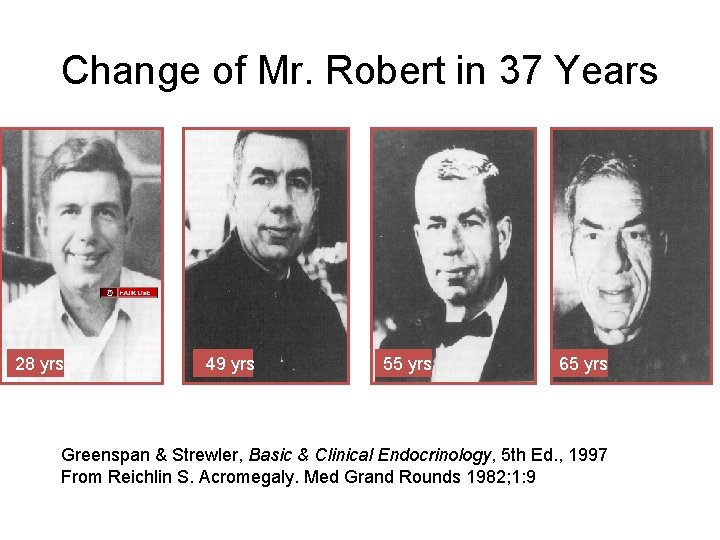
Change of Mr. Robert in 37 Years 28 yrs 49 yrs 55 yrs 65 yrs Greenspan & Strewler, Basic & Clinical Endocrinology, 5 th Ed. , 1997 From Reichlin S. Acromegaly. Med Grand Rounds 1982; 1: 9
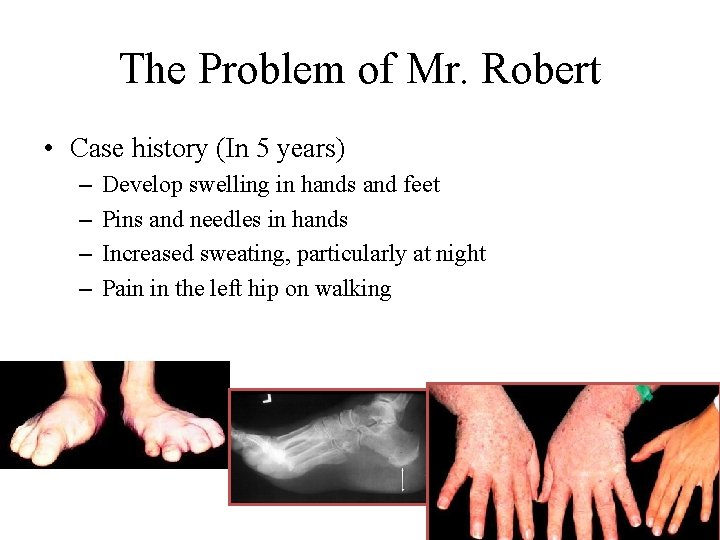
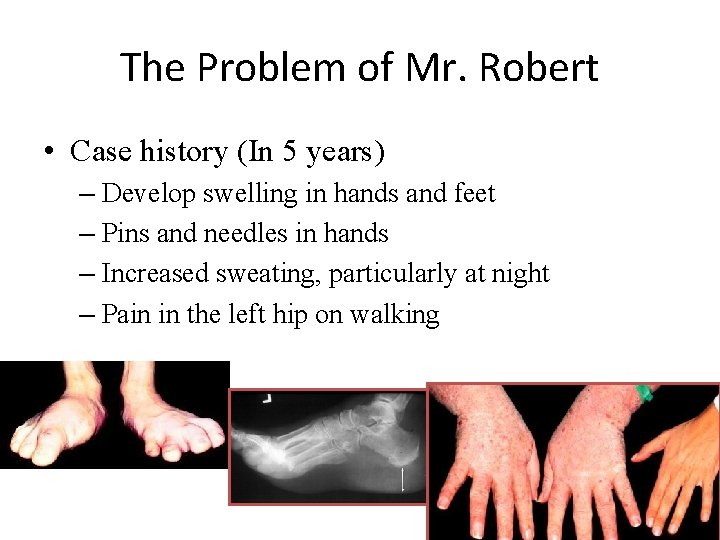
The Problem of Mr. Robert • Case history (In 5 years) – – Develop swelling in hands and feet Pins and needles in hands Increased sweating, particularly at night Pain in the left hip on walking
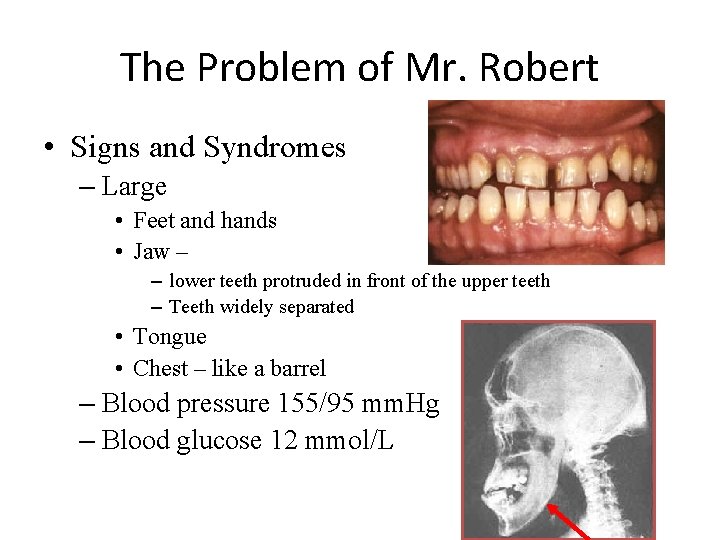
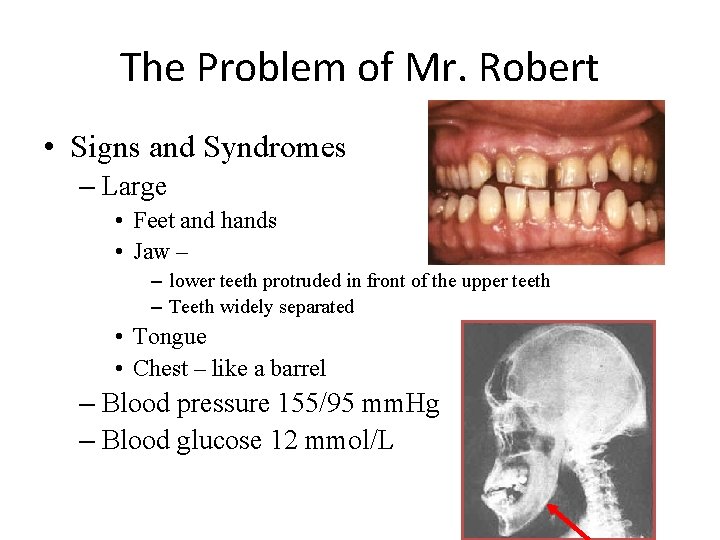
The Problem of Mr. Robert • Signs and Syndromes – Large • Feet and hands • Jaw – – lower teeth protruded in front of the upper teeth – Teeth widely separated • Tongue • Chest – like a barrel – Blood pressure 155/95 mm. Hg – Blood glucose 12 mmol/L
Question • • What cause the problem? Diagnosis? Mechanism? Treatment?
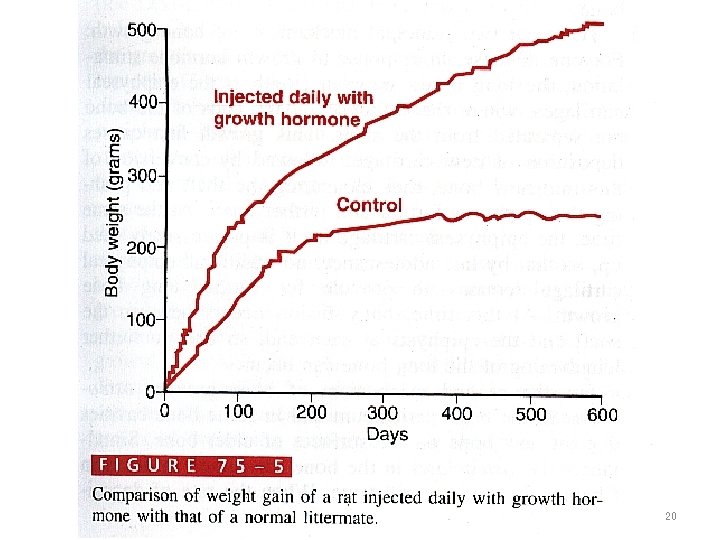
Physiological Functions • Growth • Regulation of Metabolism 16
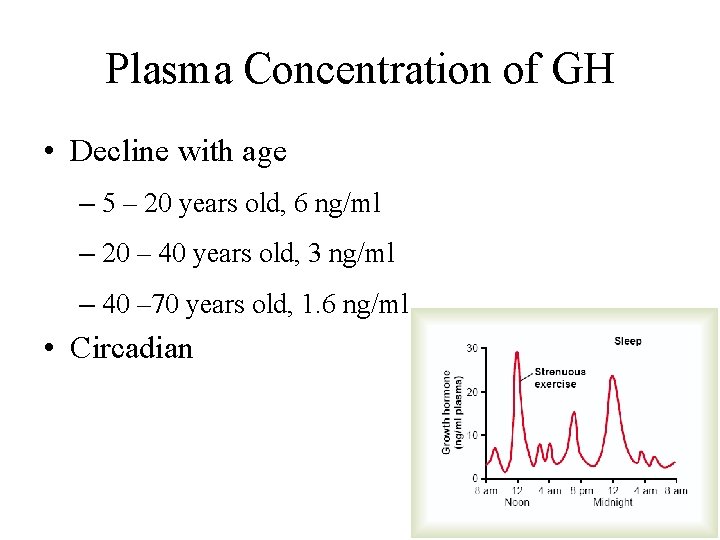
Plasma Concentration of GH • Decline with age – 5 – 20 years old, 6 ng/ml – 20 – 40 years old, 3 ng/ml – 40 – 70 years old, 1. 6 ng/ml • Circadian 17
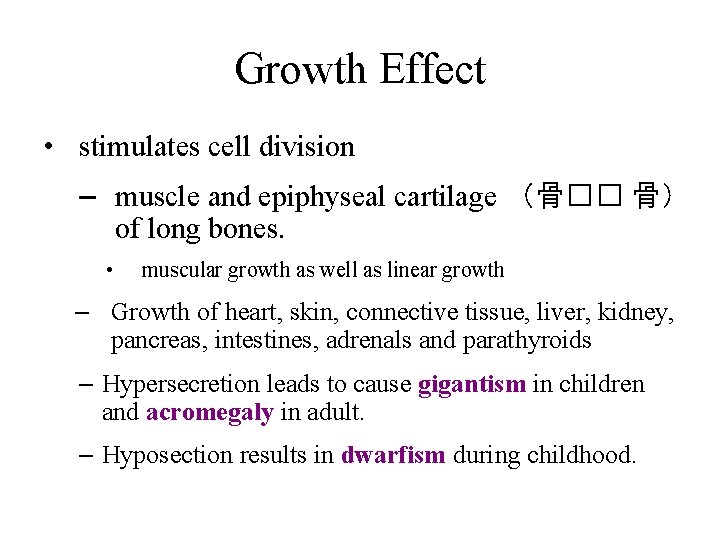
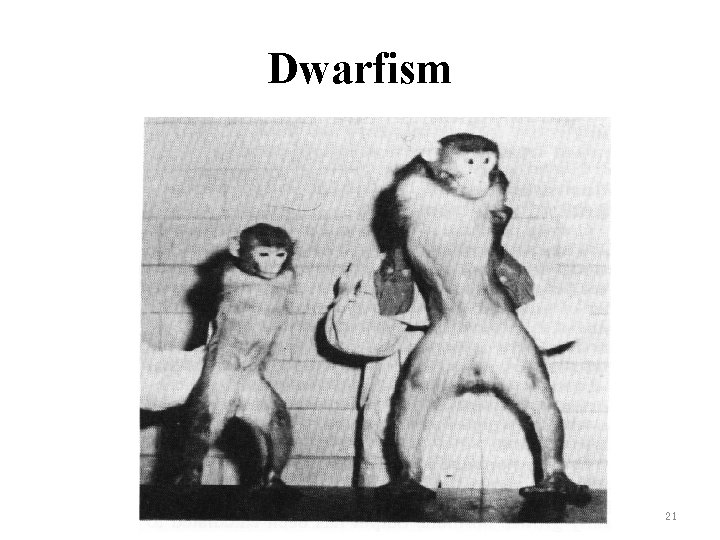
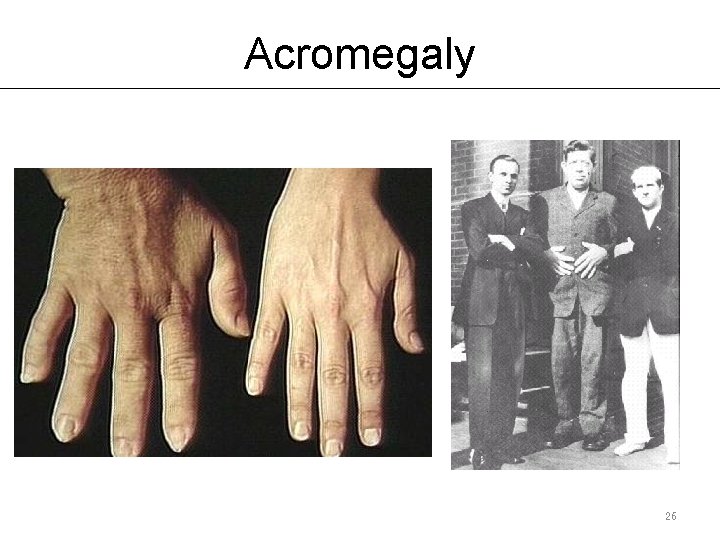
Growth Effect • stimulates cell division – muscle and epiphyseal cartilage (骨�� 骨) of long bones. • muscular growth as well as linear growth – Growth of heart, skin, connective tissue, liver, kidney, pancreas, intestines, adrenals and parathyroids – Hypersecretion leads to cause gigantism in children and acromegaly in adult. – Hyposection results in dwarfism during childhood.
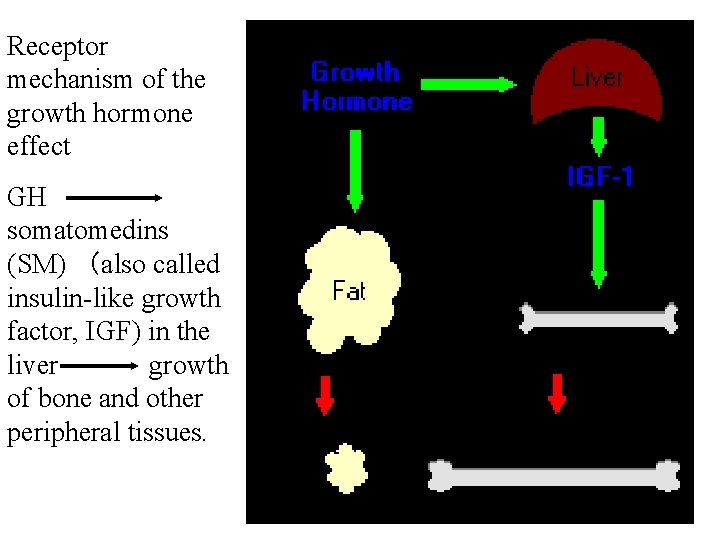
Receptor mechanism of the growth hormone effect GH somatomedins (SM) (also called insulin-like growth factor, IGF) in the liver growth of bone and other peripheral tissues. 19
20
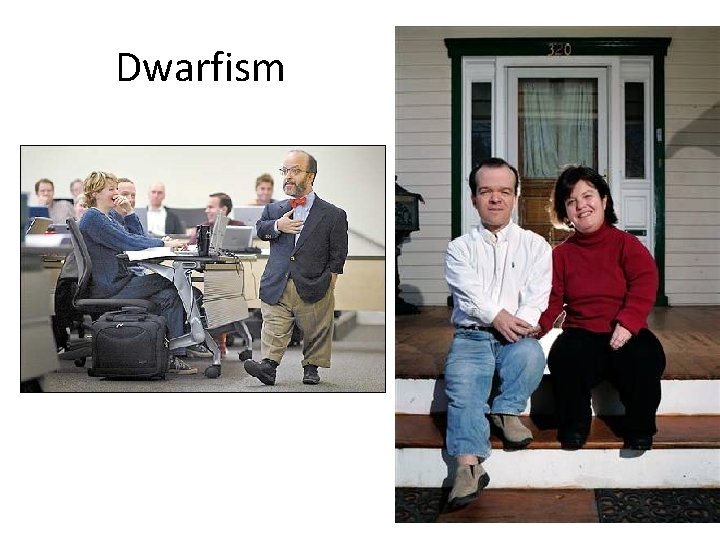
Dwarfism 21
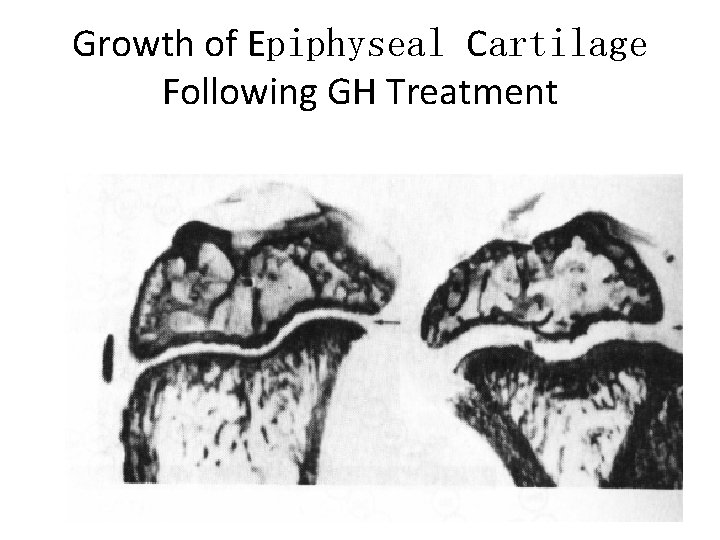
Growth of Epiphyseal Cartilage Following GH Treatment 22
Dwarfism
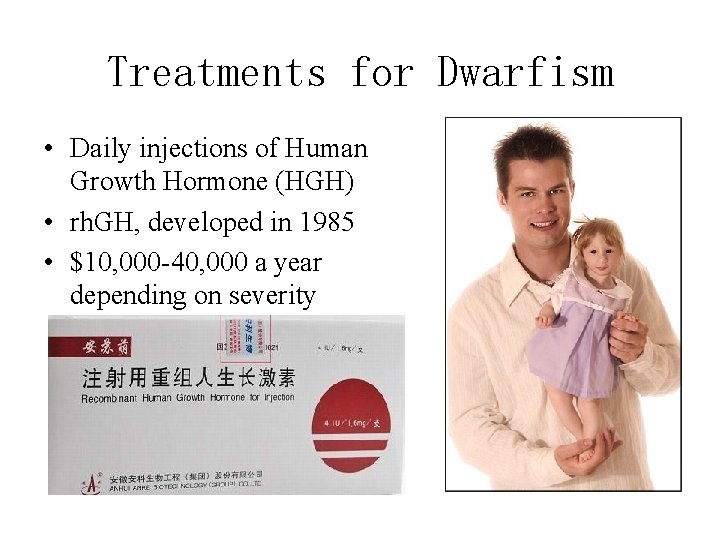
Treatments for Dwarfism • Daily injections of Human Growth Hormone (HGH) • rh. GH, developed in 1985 • $10, 000 -40, 000 a year depending on severity
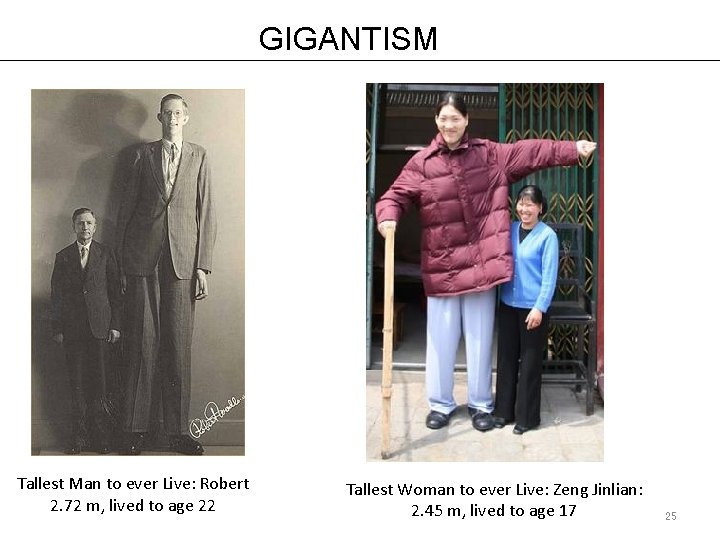
GIGANTISM Tallest Man to ever Live: Robert 2. 72 m, lived to age 22 Tallest Woman to ever Live: Zeng Jinlian: 2. 45 m, lived to age 17 25
Acromegaly 26
Regulation of Metabolism • Protein Metabolism • Fat metabolism • Glucose metabolism 27
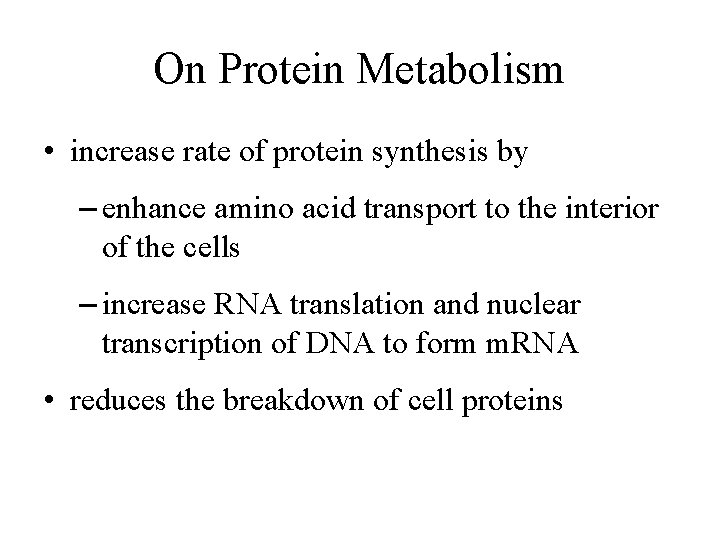
On Protein Metabolism • increase rate of protein synthesis by – enhance amino acid transport to the interior of the cells – increase RNA translation and nuclear transcription of DNA to form m. RNA • reduces the breakdown of cell proteins
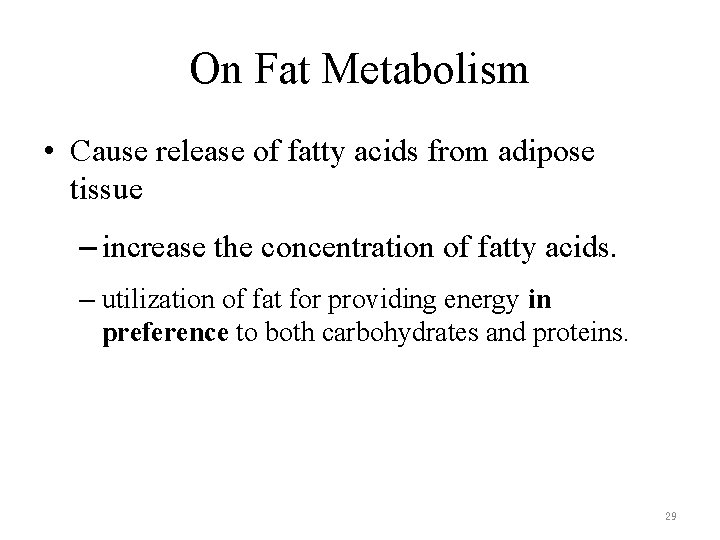
On Fat Metabolism • Cause release of fatty acids from adipose tissue – increase the concentration of fatty acids. – utilization of fat for providing energy in preference to both carbohydrates and proteins. 29
On Glucose Metabolism • Decreases cellular uptake of glucose and glucose utilization – leads to increase of the blood glucose concentration. 30
Regulation of GH Secretion • Role of hypothalamus and feedback mechanism • Other factors
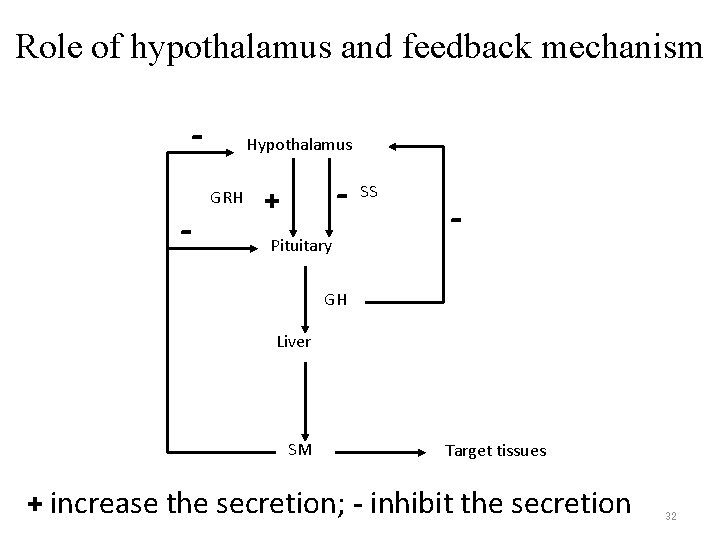
Role of hypothalamus and feedback mechanism - Hypothalamus GRH - SS + Pituitary - GH Liver SM Target tissues + increase the secretion; - inhibit the secretion 32
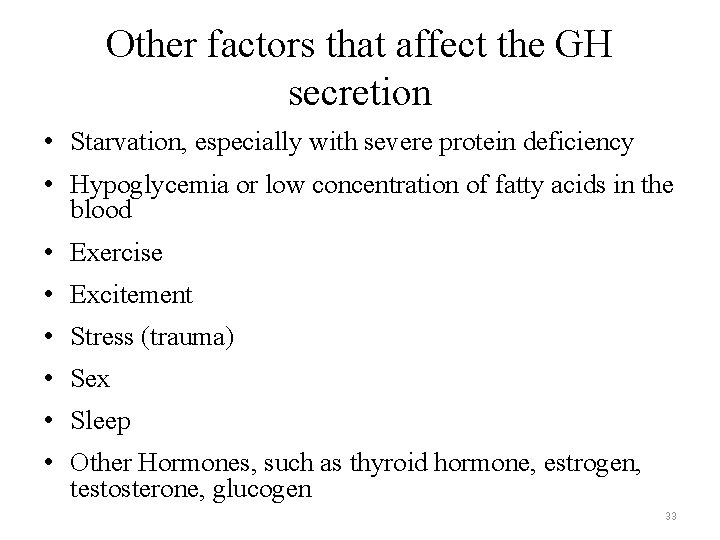
Other factors that affect the GH secretion • Starvation, especially with severe protein deficiency • Hypoglycemia or low concentration of fatty acids in the blood • Exercise • Excitement • Stress (trauma) • Sex • Sleep • Other Hormones, such as thyroid hormone, estrogen, testosterone, glucogen 33
Change of Mr. Robert in 37 Years 28 yrs 49 yrs 55 yrs 65 yrs Greenspan & Strewler, Basic & Clinical Endocrinology, 5 th Ed. , 1997 From Reichlin S. Acromegaly. Med Grand Rounds 1982; 1: 9
The Problem of Mr. Robert • Case history (In 5 years) – Develop swelling in hands and feet – Pins and needles in hands – Increased sweating, particularly at night – Pain in the left hip on walking
The Problem of Mr. Robert • Signs and Syndromes – Large • Feet and hands • Jaw – – lower teeth protruded in front of the upper teeth – Teeth widely separated • Tongue • Chest – like a barrel – Blood pressure 155/95 mm. Hg – Blood glucose 12 mmol/L
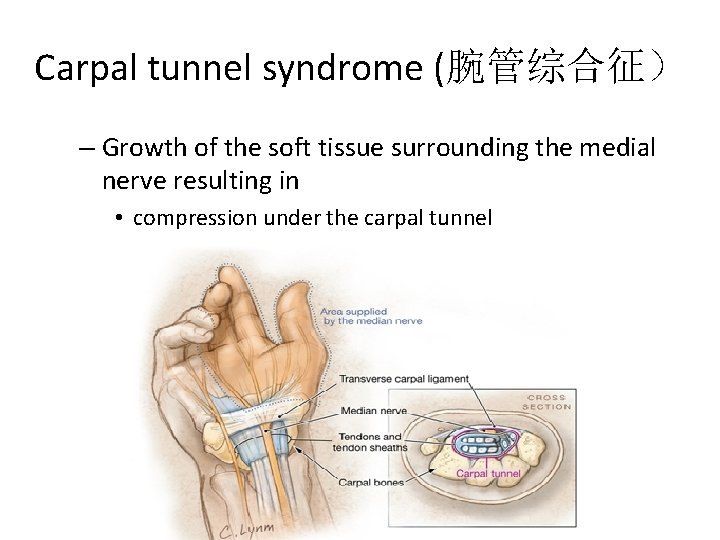
Pathophysiology of Acromegaly • Arthritis – Overstimulation of cartilage and peri-articular bone • High Blood Pressure – The internal organ grow and the resulting cardiac hypertrophy • Sweating – Growth of skin and sweat gland • Carpal tunnel syndrome – Growth of the soft tissue surrounding the medial nerve resulting in compression under the carpal tunnel
Carpal tunnel syndrome (腕管综合征) – Growth of the soft tissue surrounding the medial nerve resulting in • compression under the carpal tunnel
PROLACTIN
Physiological Function • • On breast development and prolactation On Sexual organs On Stress On immunological function
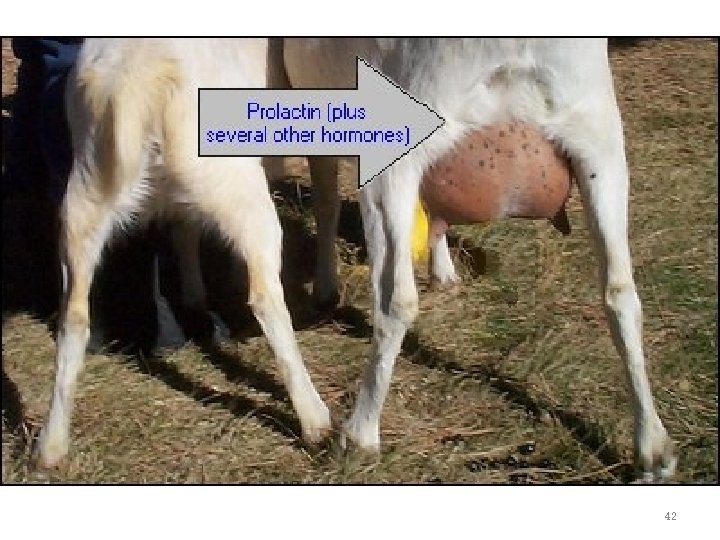
Breast Development • In women – breasts development at puberty – stimulated by estrogen, progesterone, growth hormone, cortisol, insulin, thyroid hormones and prolactin. • During pregnancy – great growth of breast tissues • • by stimulation of estrogen, progesterone and prolactin estrogen and progesterone inhibit the secretion of milk. 41
42
Lactation • Immediately after the baby is born, – sudden loss of estrogen and progesterone secreted by the placenta allows • lactogenic effect of PRL initiating milk secretion • Widely used in dairy farming (乳品� )
Lactation (cont. ) • After birth of the baby – the basal level of PRL returns to normal – Lactation is maintained by surge in Prolactin secretion • nursing baby causes a 10 to 20 fold secretion of PRL and lasts for 1 h • Unconditioned and conditioned reflex – Prolactin surge inhibit gonadotropin releasing hormone (Gn. RH) • Inhibits ovulation • Natural contraception
Effect on sexual organs • In women – combined with PRL receptors in granulosa cells in ovary – stimulates production of LH receptors (permissive effect) • LH promotes ovulation and then formation of corpus luteum. (permissive effect) • In male, – Promotes growth of prostate glands and seminal vesicle – Enhances the effect of LH on the interstitial cells to produce testosterone. 45
Regulation of Prolactin Secretion • Hypothalamic hormones and feedback mechanism • Milk ejection reflex
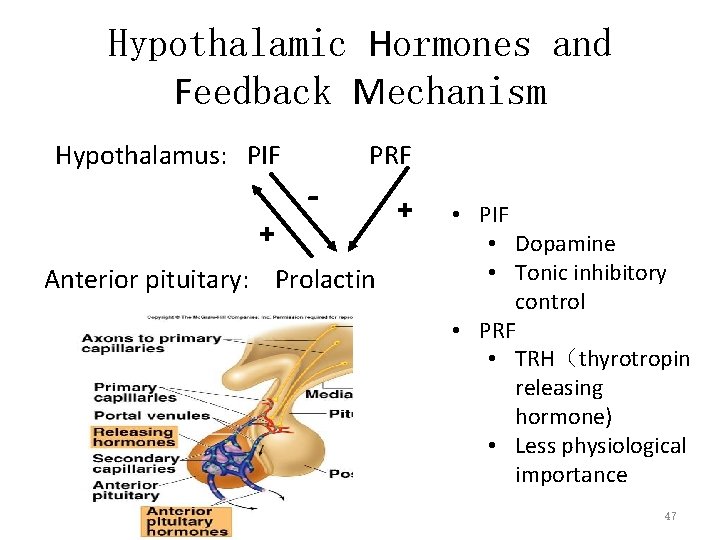
Hypothalamic Hormones and Feedback Mechanism Hypothalamus: PIF + - PRF Anterior pituitary: Prolactin + • PIF • Dopamine • Tonic inhibitory control • PRF • TRH(thyrotropin releasing hormone) • Less physiological importance 47
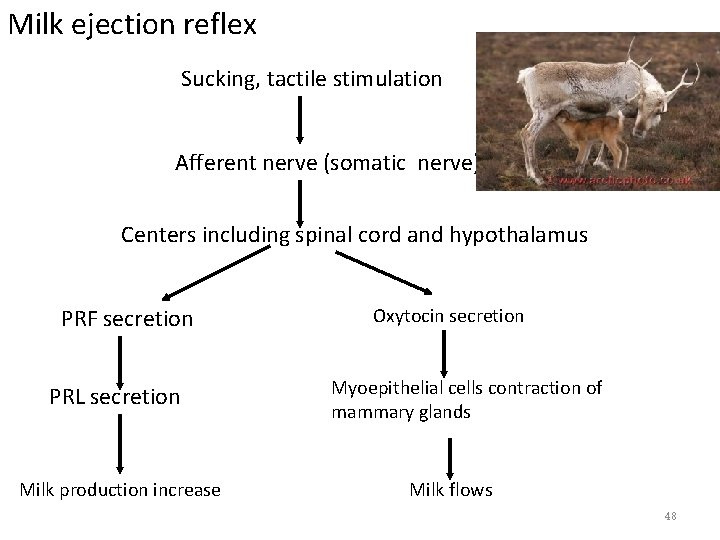
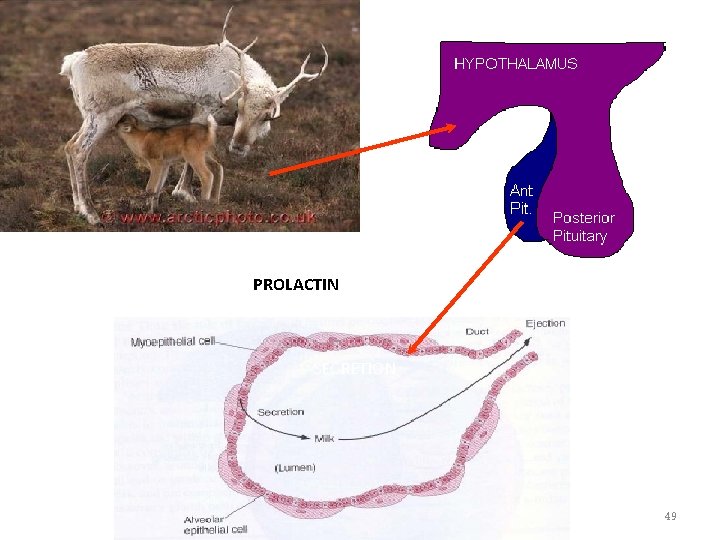
Milk ejection reflex Sucking, tactile stimulation Afferent nerve (somatic nerve) Centers including spinal cord and hypothalamus PRF secretion PRL secretion Milk production increase Oxytocin secretion Myoepithelial cells contraction of mammary glands Milk flows 48
PROLACTIN SECRETION 49
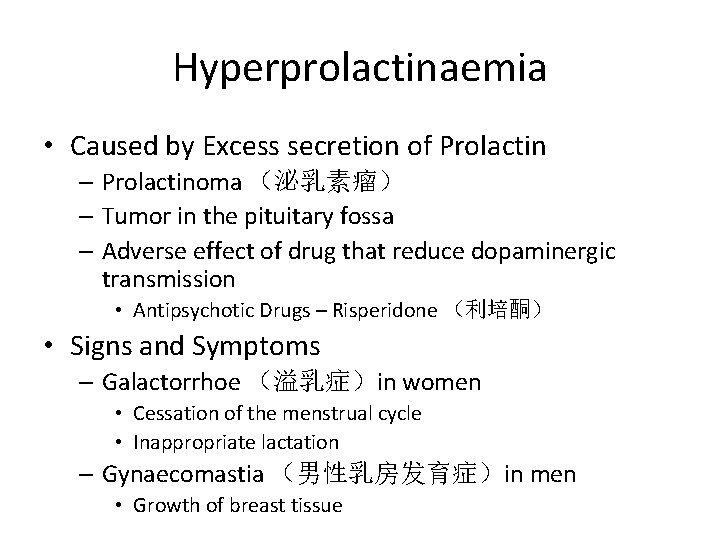
Hyperprolactinaemia • Caused by Excess secretion of Prolactin – Prolactinoma (泌乳素瘤) – Tumor in the pituitary fossa – Adverse effect of drug that reduce dopaminergic transmission • Antipsychotic Drugs – Risperidone (利培酮) • Signs and Symptoms – Galactorrhoe (溢乳症)in women • Cessation of the menstrual cycle • Inappropriate lactation – Gynaecomastia (男性乳房发育症)in men • Growth of breast tissue
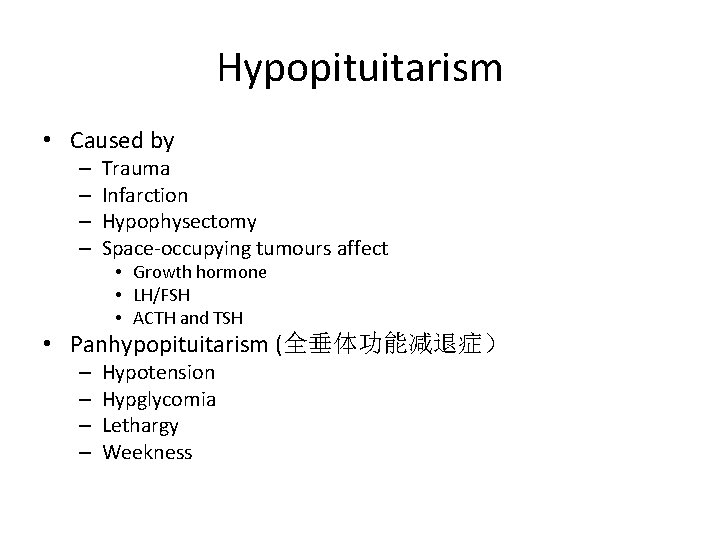
Hypopituitarism • Caused by – – Trauma Infarction Hypophysectomy Space-occupying tumours affect • Growth hormone • LH/FSH • ACTH and TSH • Panhypopituitarism (全垂体功能减退症) – – Hypotension Hypglycomia Lethargy Weekness