
CHAPTER 4 SECTION 4 GOVERNMENT RELIGION AND CULTURE
- Slides: 17
CHAPTER 4: SECTION 4 GOVERNMENT, RELIGION AND CULTURE • Magna Carta • https: //www. youtube. com/watch? v =TDad. Mlp. R 9 ys • Protestant Reformation • https: //www. youtube. com/watch? v =gi 5 q. R 7 tfl. G 0
GLORIOUS REVOLUTION • William and Mary signed English Bill of Rights in 1689 • English Bill of Rights: Right to trial by jury a. b. Rights of the accused c. More Representation in Parliament d. Foundation of Bill of Rights
FREEDOM OF THE PRESS • Right of the press to publish the truth without restriction or penalty • John Peter Zenger
ENGLISH COLONIAL RULE • Mercantilism: Making Money • Export: Sell aboard • Import: Buying goods from other countries • Navigation Acts: Must trade with England only • Smuggling: Trading Illegally
COLONIAL SELF-GOVERNMENT • Voting Rights: White, men, owned property. • Make laws to govern over their colonies • King could rule over them because he appointed the royal governors • Giving Englishmen legal rights led the colonists to expect a voice in their government.
EMERGING CULTURES • Women • Men • Children
--EDUCATION • Massachusetts passes first public education law • Literacy: The ability to read and write • Why was the literacy rate higher in New Colonies than the others? • Taught religion too
THE ENLIGHTENMENT • Europe • Knowledge, reason and science could improve society • Spread Ideas
BEN FRANKLIN’S CONTRIBUTION • Enlightenment Thinker • Interested in Science • Founded a hospital, fire department, first library and a university • Statesman • Published the Pennsylvania Gazette
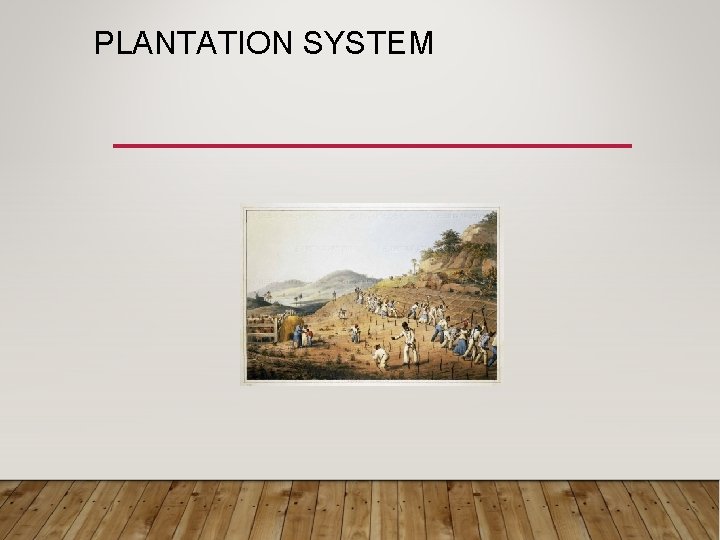
PLANTATION SYSTEM
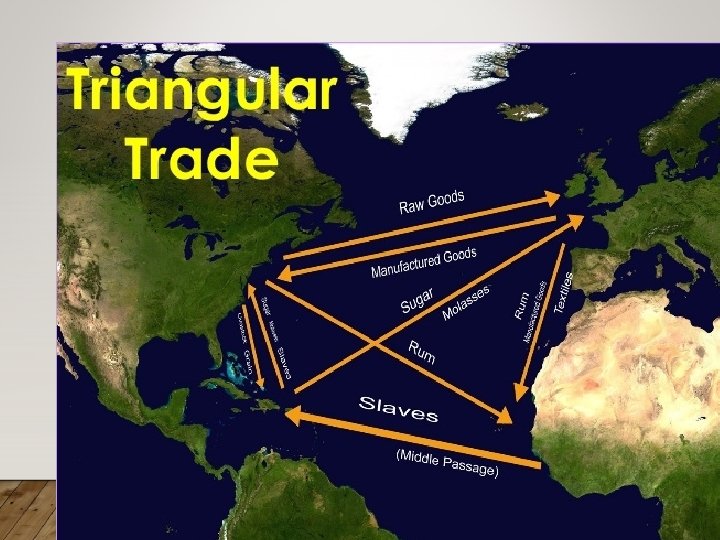
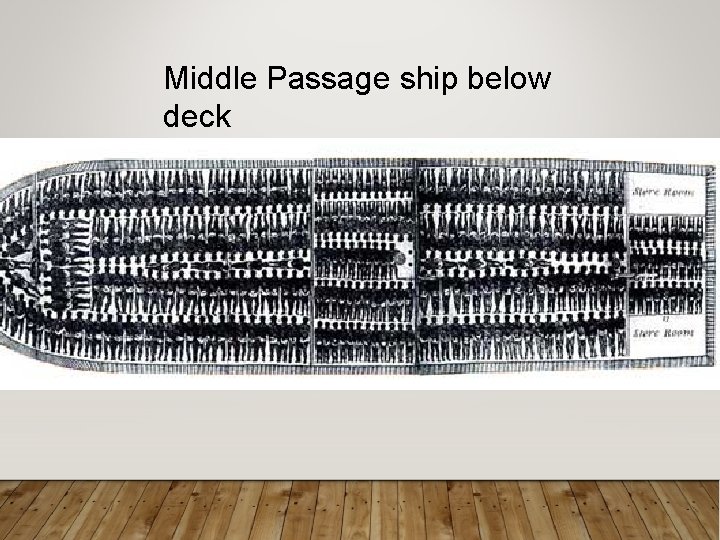
GROWTH OF SLAVERY • Growth of the planation system led to the need for labors. • Middle Passage is part of “triangular trade”
Middle Passage ship below deck
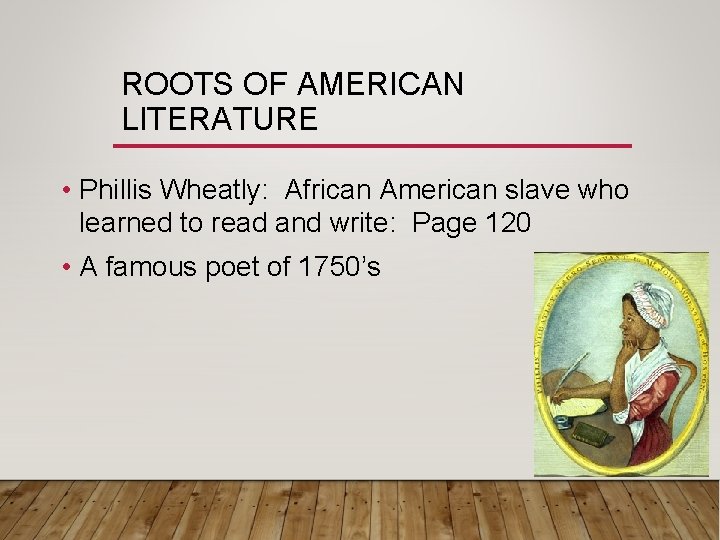
ROOTS OF AMERICAN LITERATURE • Phillis Wheatly: African American slave who learned to read and write: Page 120 • A famous poet of 1750’s
RELIGION IN THE COLONIES • The Great Awakening: Religious revival which spread religion and formed many new churches, especially in the backcountry. • Led to more tolerance of religion in the colonies • Spread information
JOHN LOCKE • 1690 he published Two Treatises on Government. In this book he stated that people have certain natural rights, : inalienable rights, meaning that they cannot be taken away. These rights belong to every human being from birth. These rights include life, liberty, and property
MONTESQUIEU • Baron de Montesquieu 1748 • Published a book arguing that the powers of government should be clearly defined and limited • He favored Separation of Powers or division of power of government into separate branches