
CHAPTER 4 SECTION 4 4 THE FUNDAMENTAL THEOREM






- Slides: 90
CHAPTER 4 SECTION 4. 4 THE FUNDAMENTAL THEOREM OF CALCULUS
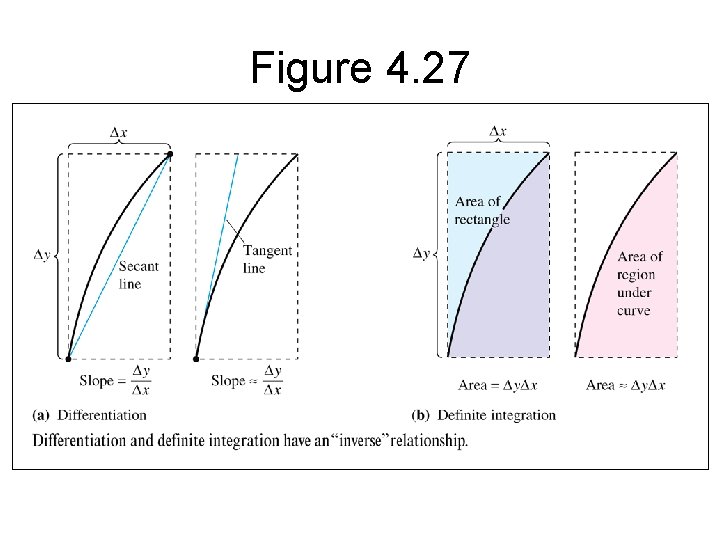
Figure 4. 27
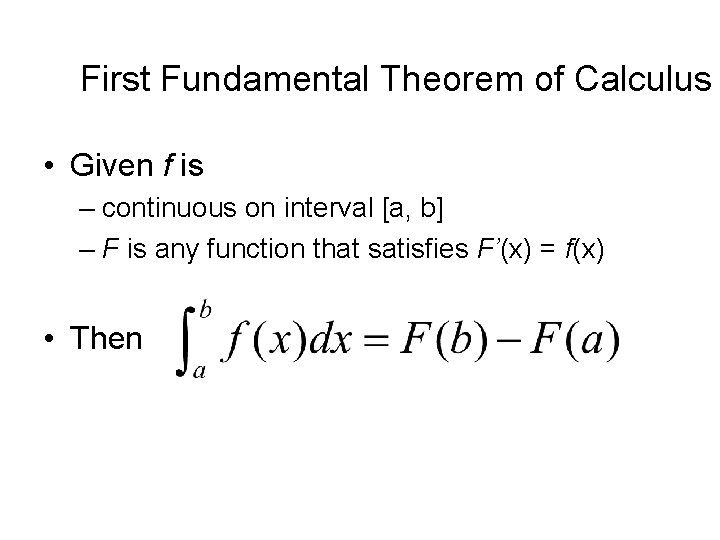
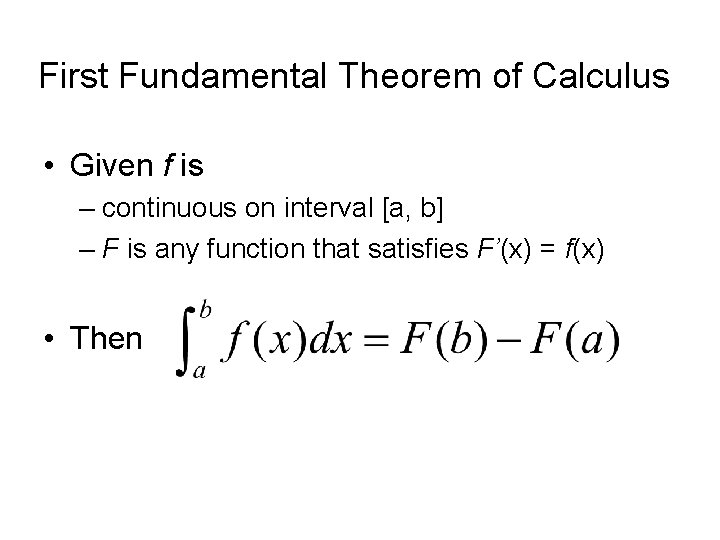
First Fundamental Theorem of Calculus • Given f is – continuous on interval [a, b] – F is any function that satisfies F’(x) = f(x) • Then
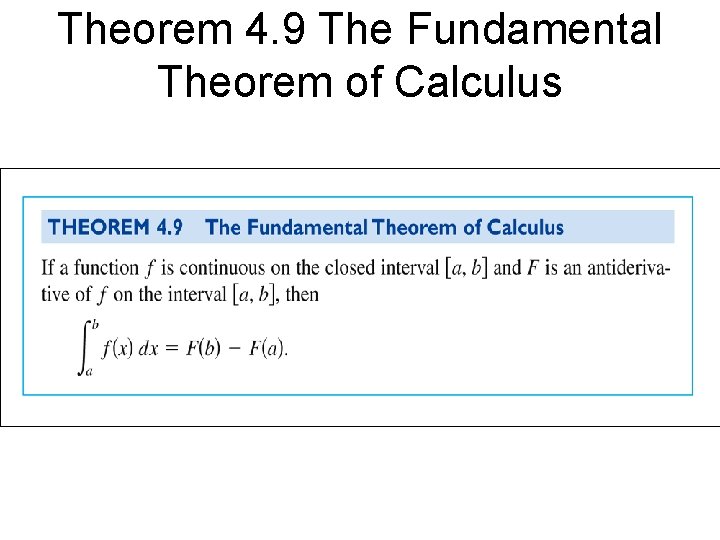
Theorem 4. 9 The Fundamental Theorem of Calculus
First Fundamental Theorem of Calculus • Given f is – continuous on interval [a, b] – F is any function that satisfies F’(x) = f(x) • Then
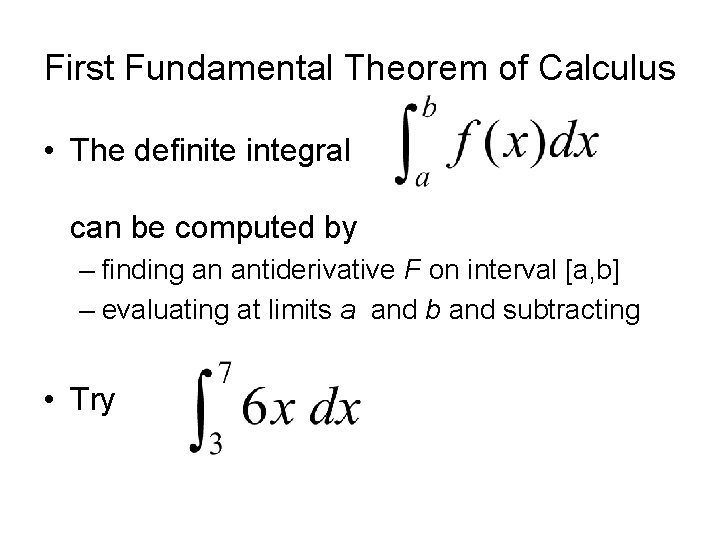
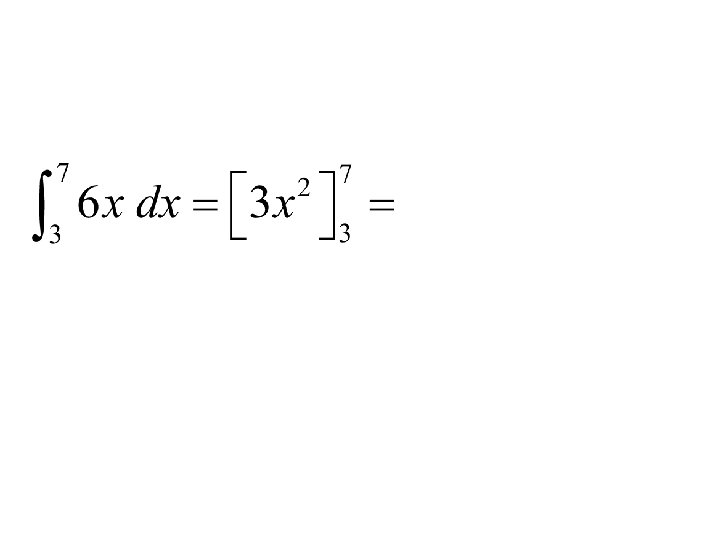
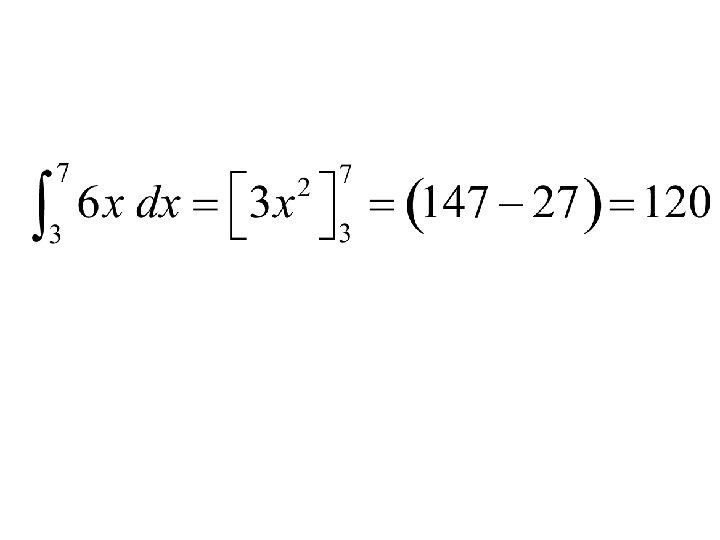
First Fundamental Theorem of Calculus • The definite integral can be computed by – finding an antiderivative F on interval [a, b] – evaluating at limits a and b and subtracting • Try
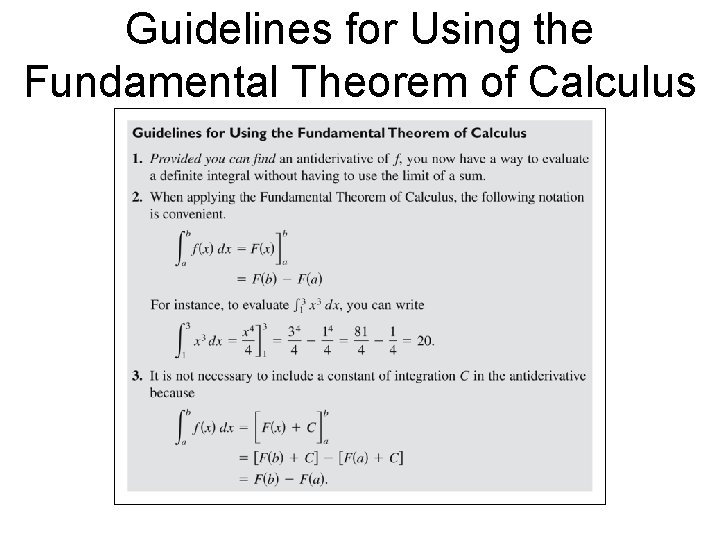
Guidelines for Using the Fundamental Theorem of Calculus
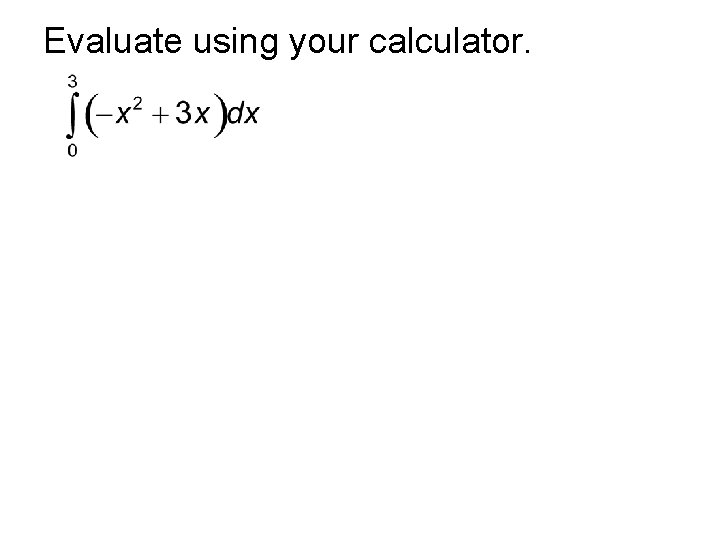
Evaluate using your calculator.
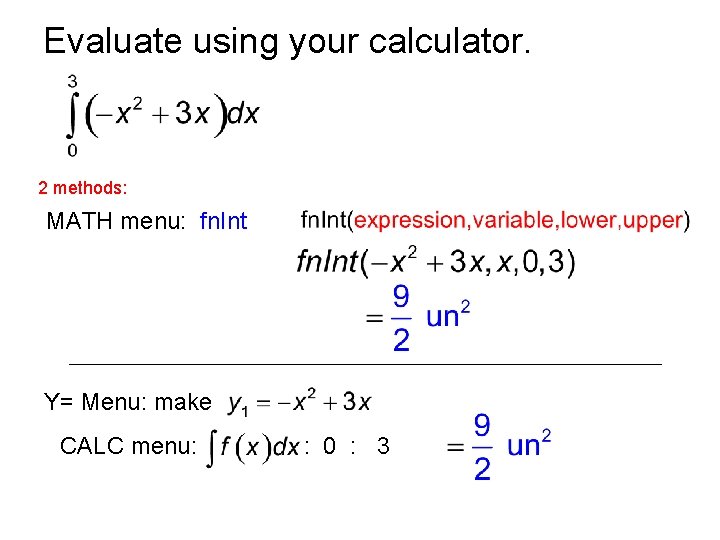
Evaluate using your calculator. 2 methods: MATH menu: fn. Int Y= Menu: make CALC menu: : 0 : 3
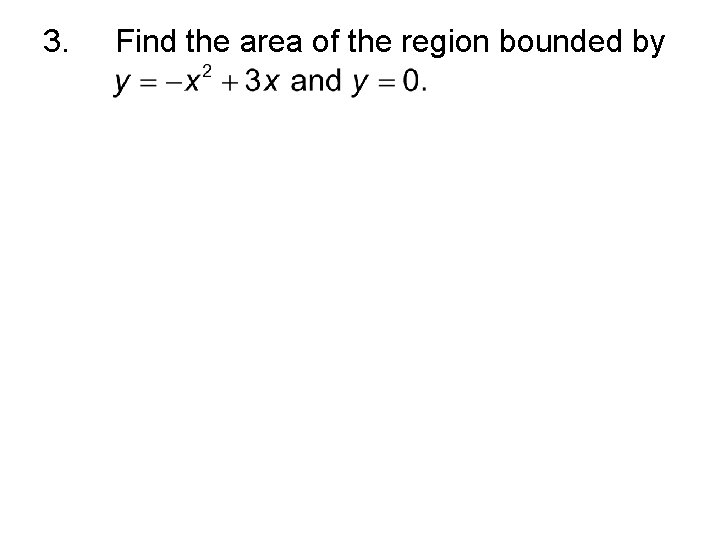
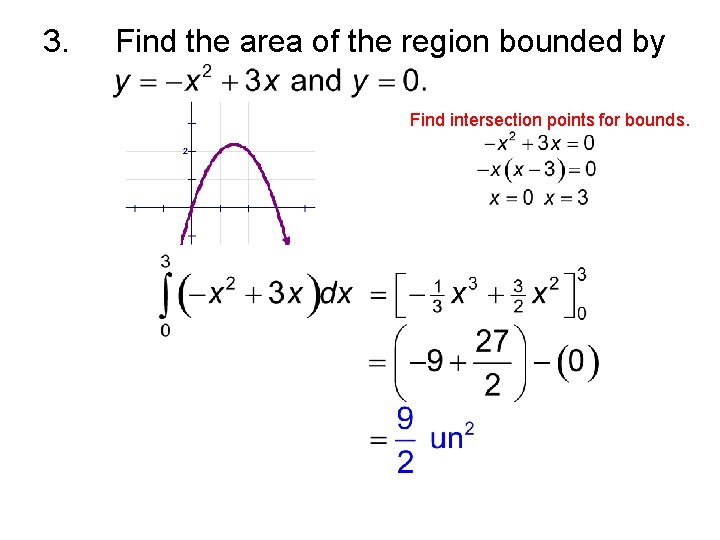
3. Find the area of the region bounded by
3. Find the area of the region bounded by Find intersection points for bounds.
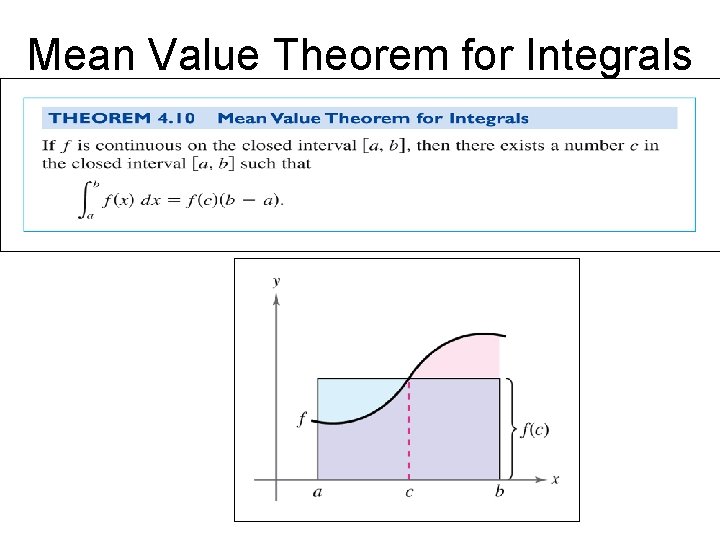
Mean Value Theorem for Integrals
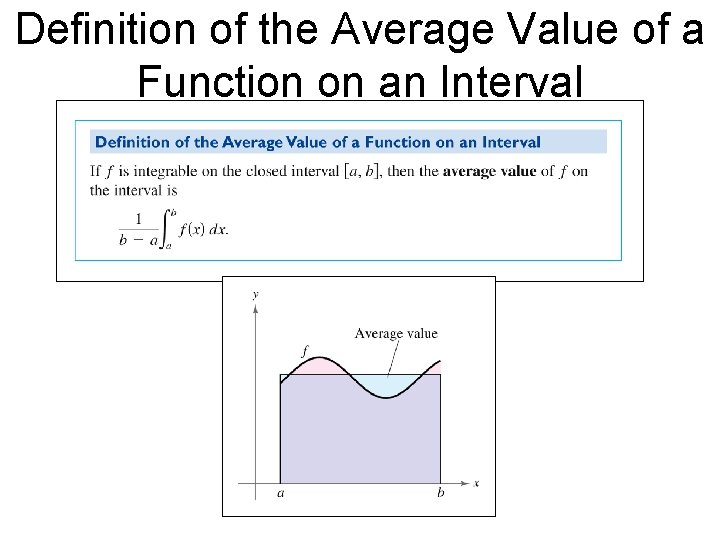
Definition of the Average Value of a Function on an Interval
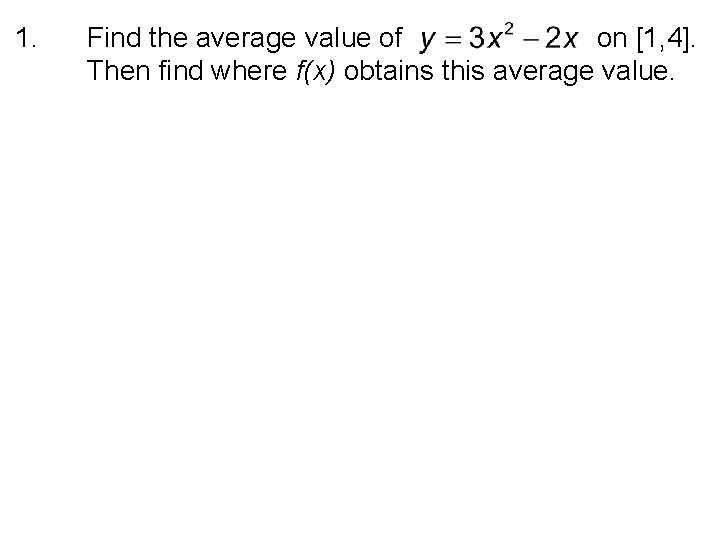
1. Find the average value of on [1, 4]. Then find where f(x) obtains this average value.
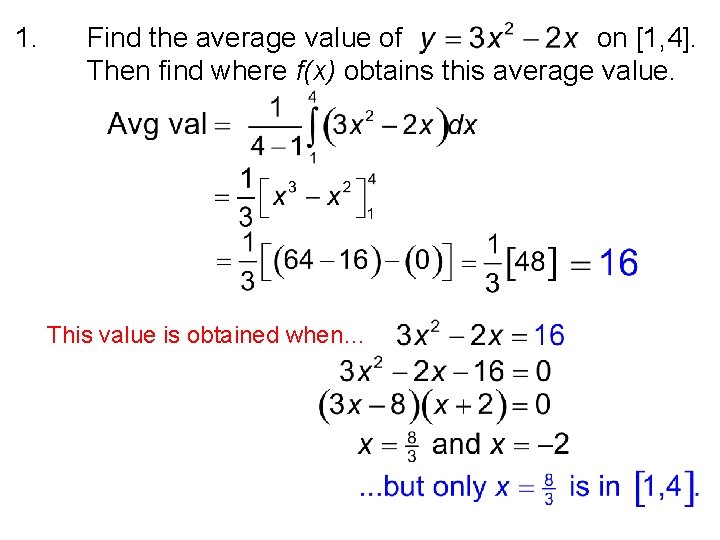
1. Find the average value of on [1, 4]. Then find where f(x) obtains this average value. This value is obtained when…
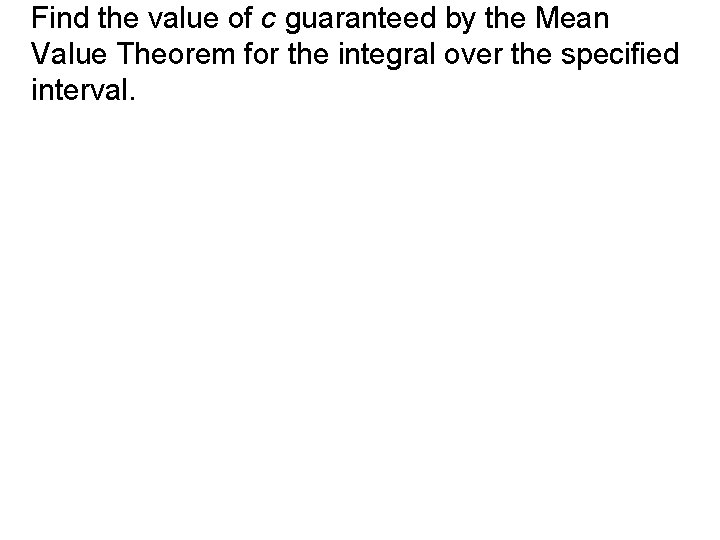
Find the value of c guaranteed by the Mean Value Theorem for the integral over the specified interval.
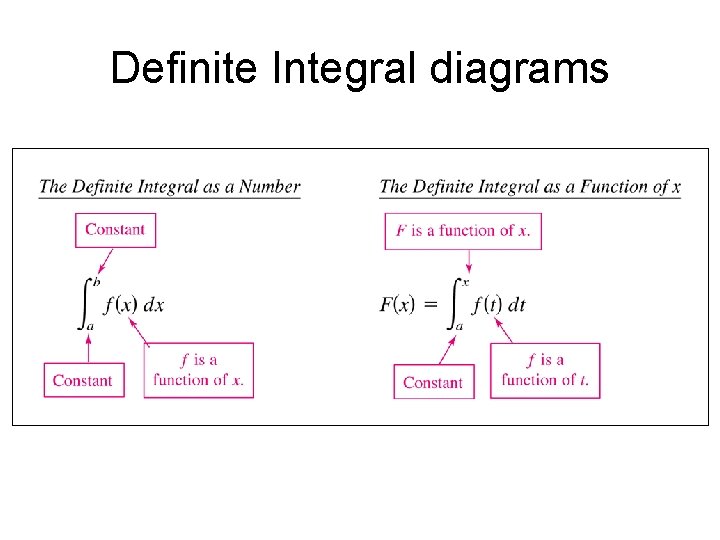
Definite Integral diagrams
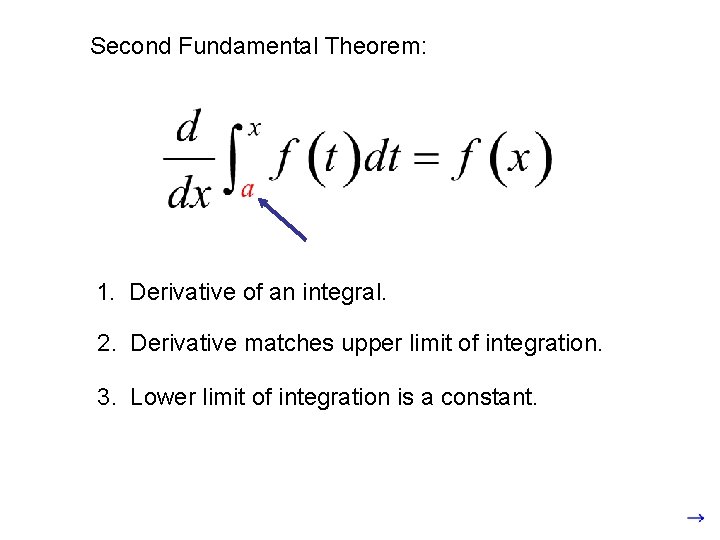
Second Fundamental Theorem: 1. Derivative of an integral. 2. Derivative matches upper limit of integration. 3. Lower limit of integration is a constant.
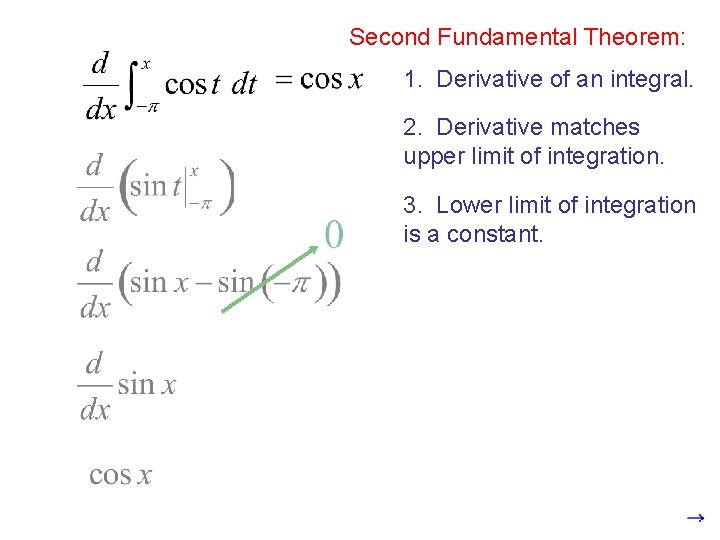
The long way: Second Fundamental Theorem: 1. Derivative of an integral. 2. Derivative matches upper limit of integration. 3. Lower limit of integration is a constant.
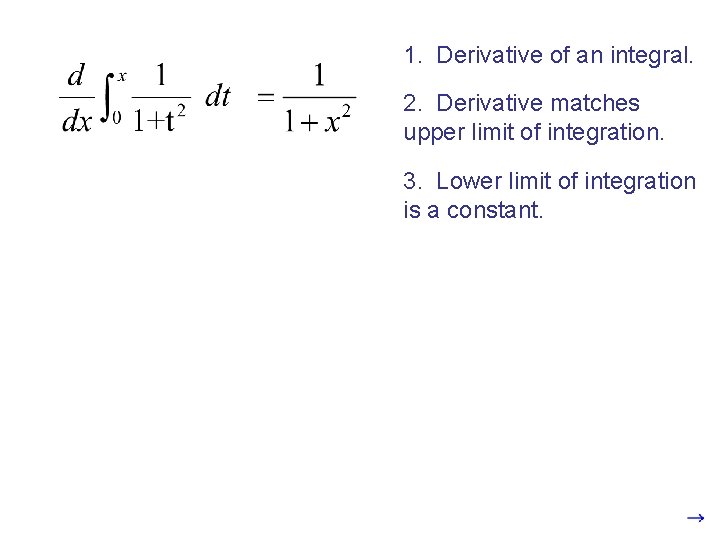
1. Derivative of an integral. 2. Derivative matches upper limit of integration. 3. Lower limit of integration is a constant.
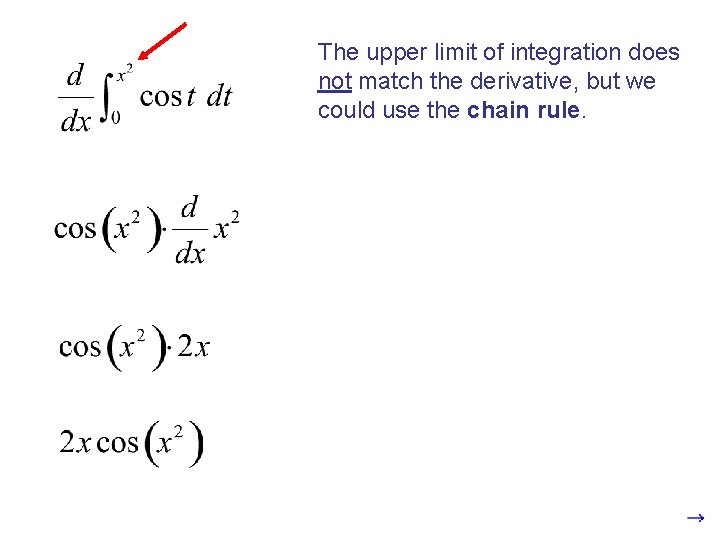
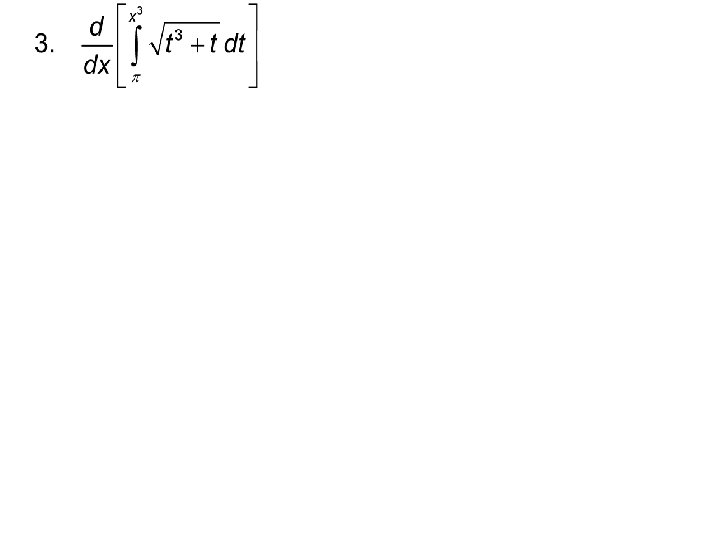
The upper limit of integration does not match the derivative, but we could use the chain rule.
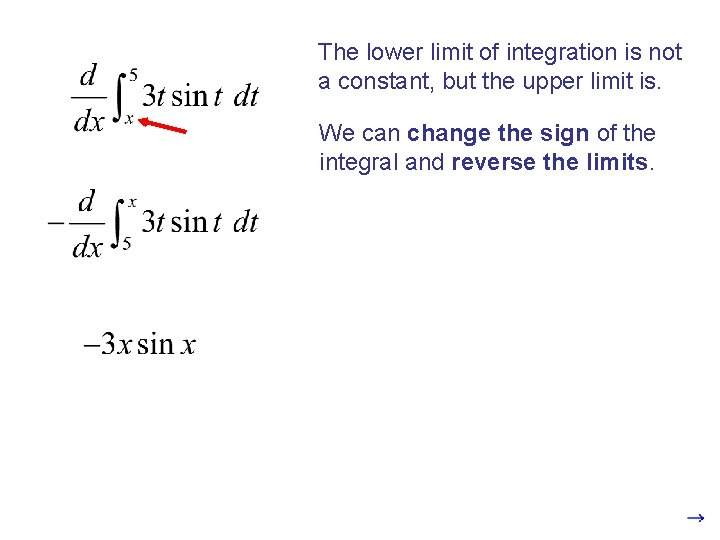
The lower limit of integration is not a constant, but the upper limit is. We can change the sign of the integral and reverse the limits.
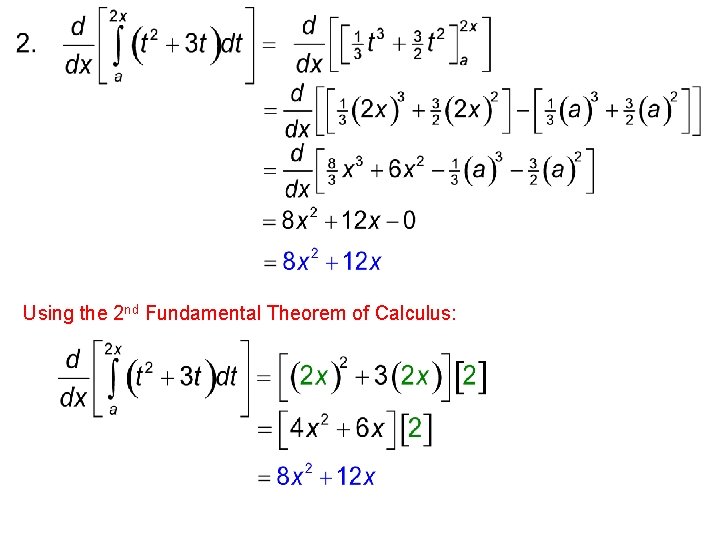
Using the 2 nd Fundamental Theorem of Calculus:
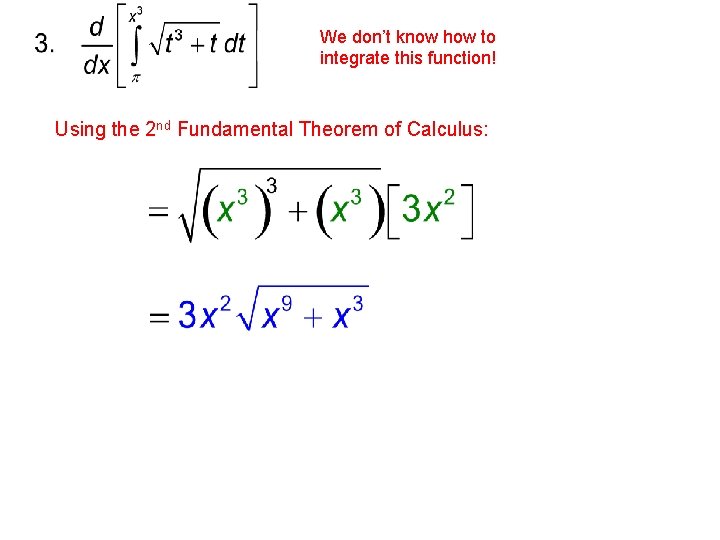
We don’t know how to integrate this function! Using the 2 nd Fundamental Theorem of Calculus:
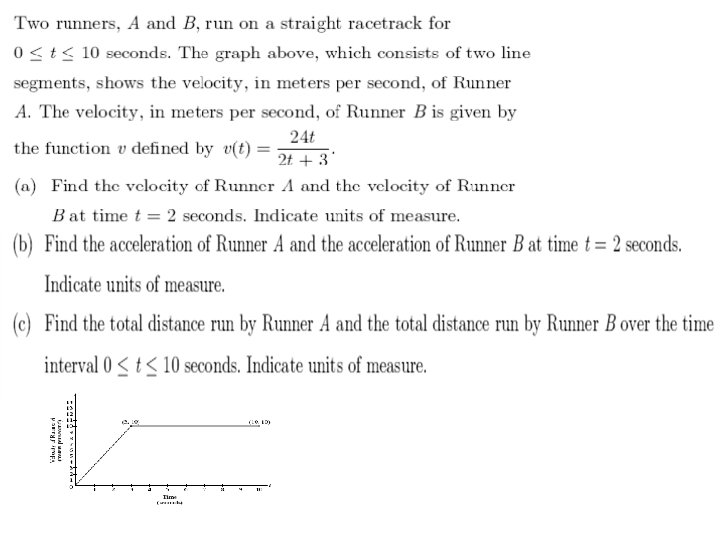
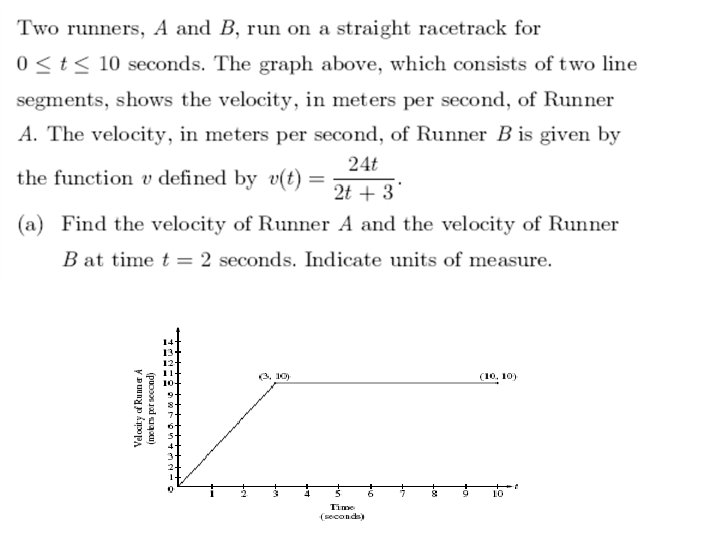
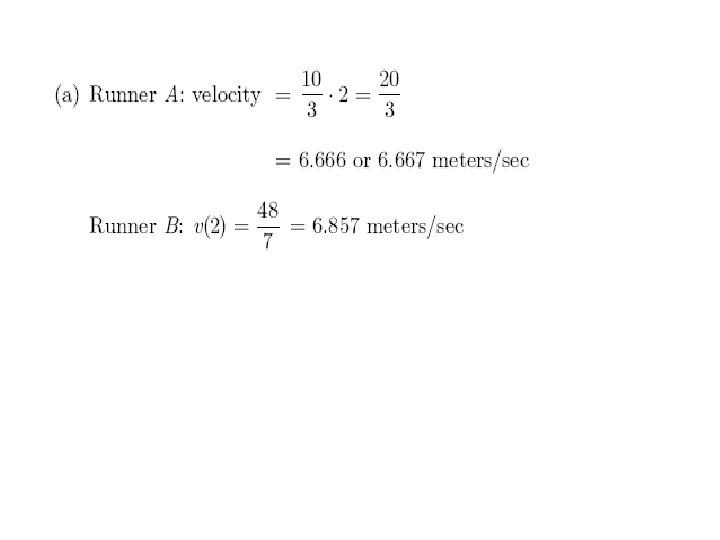
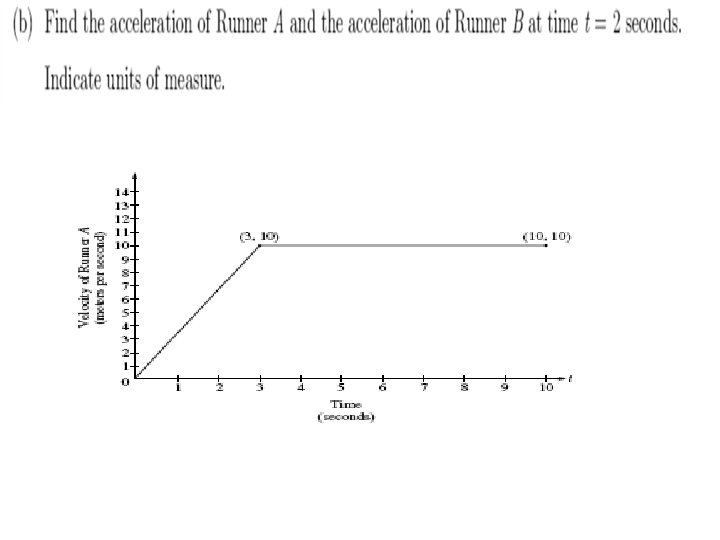
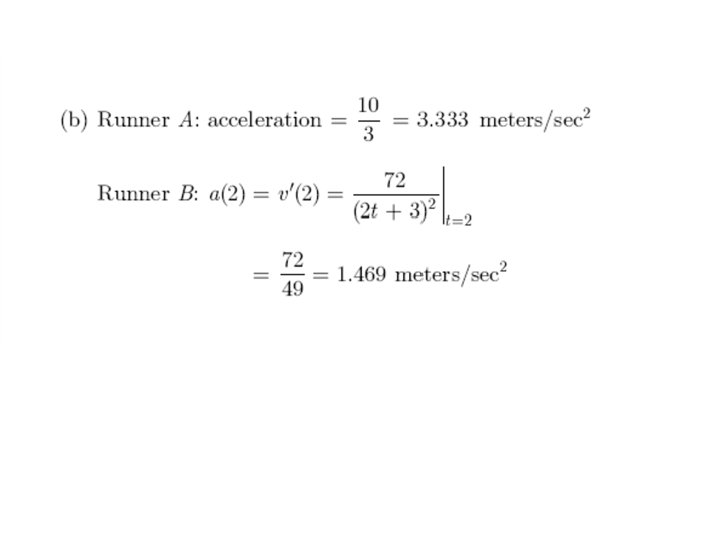
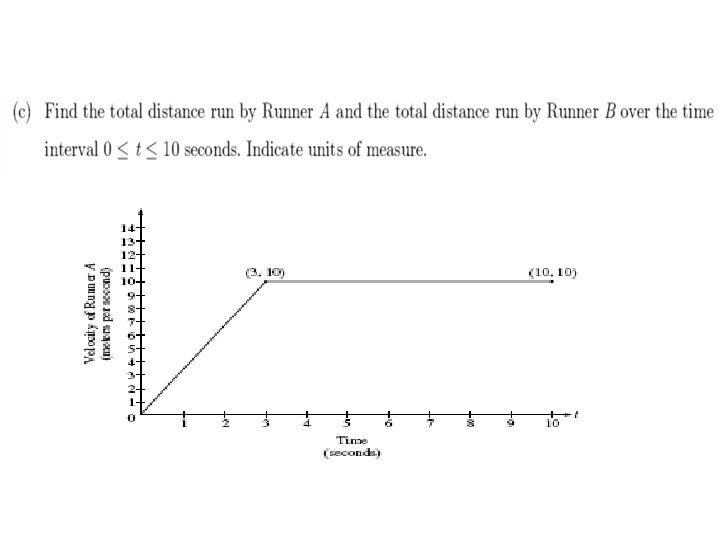
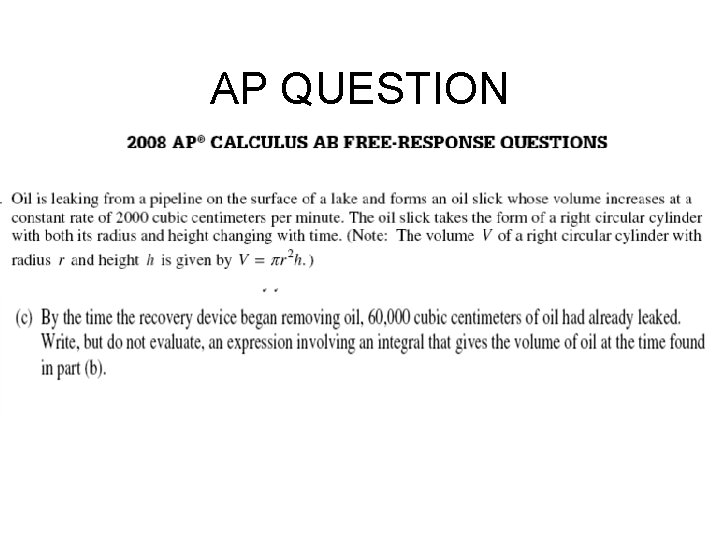
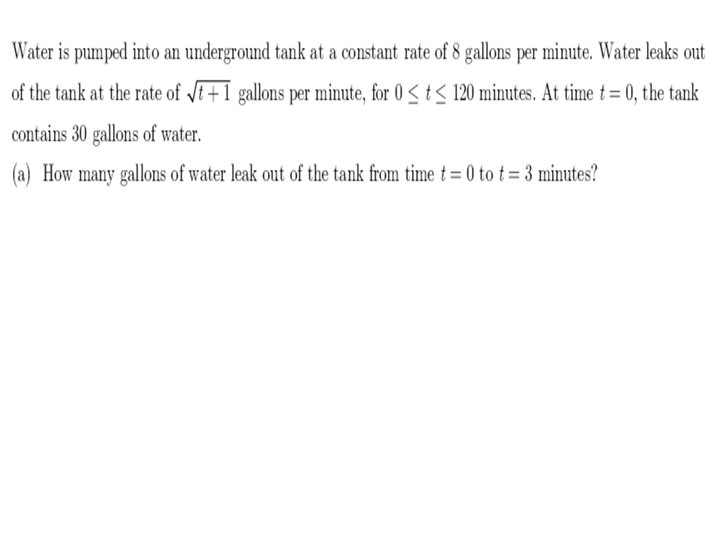
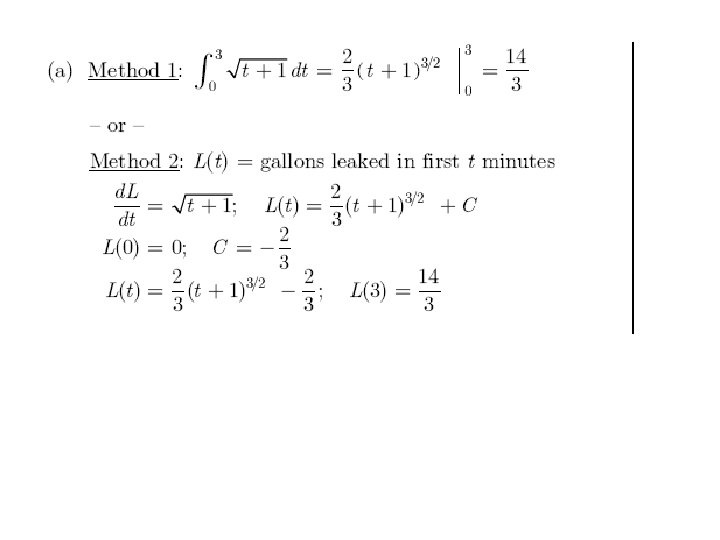
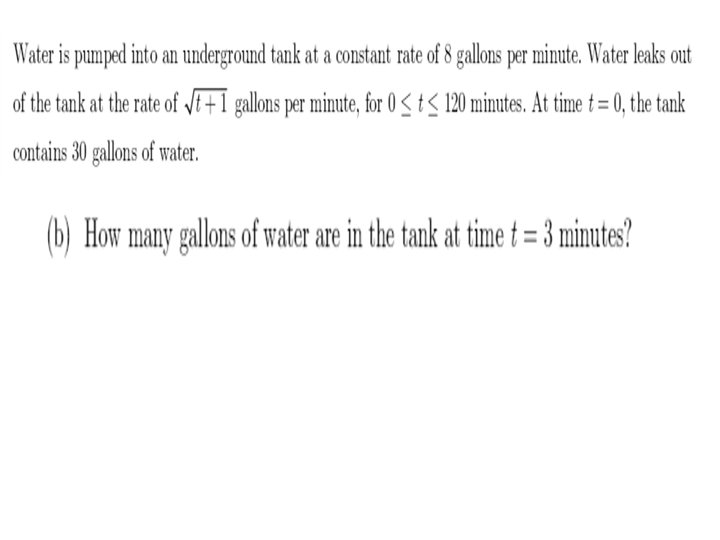
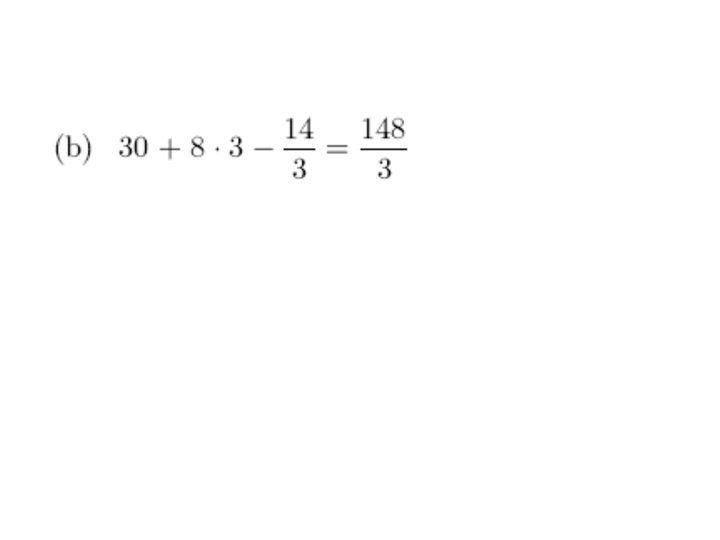
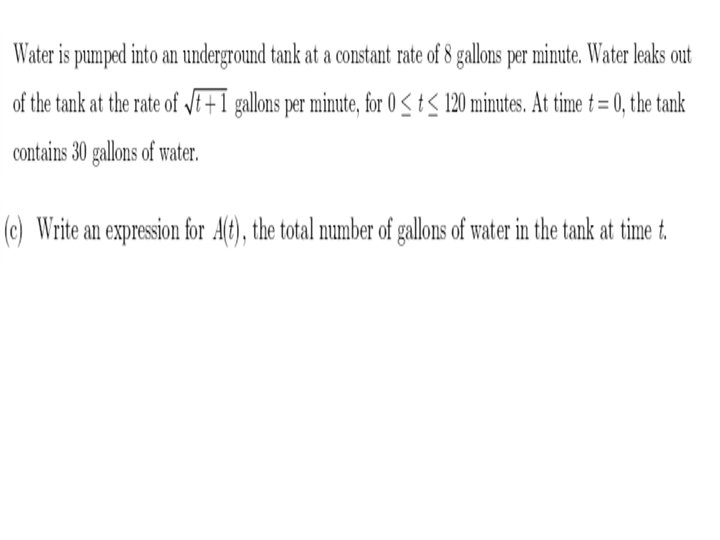
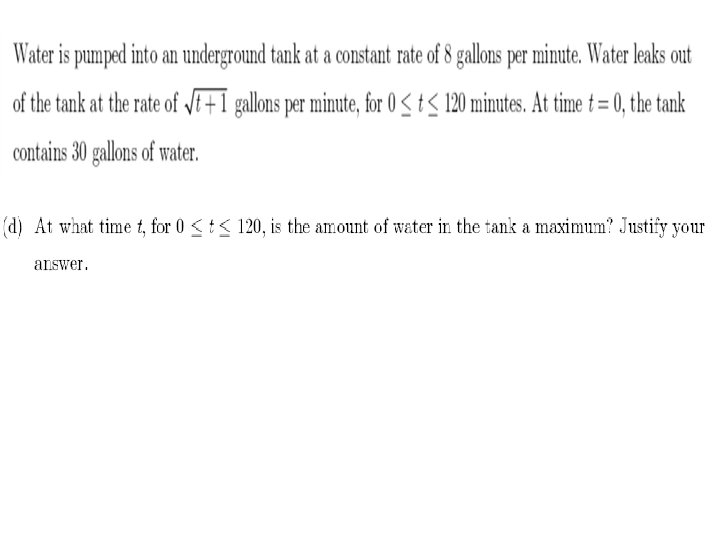
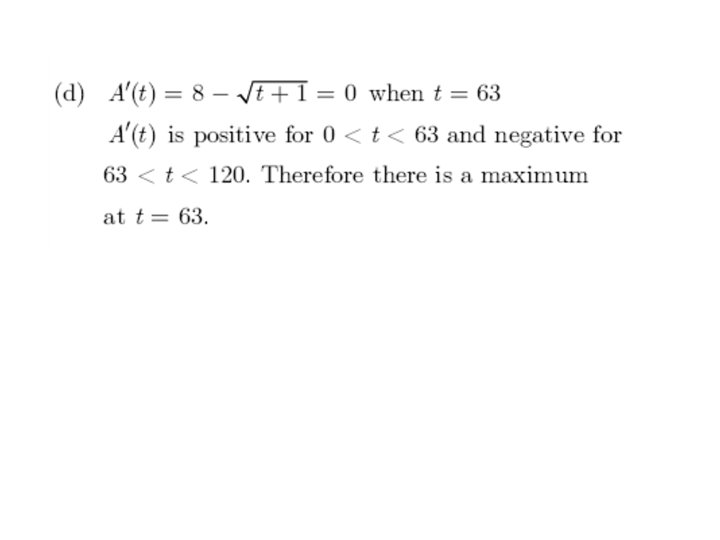
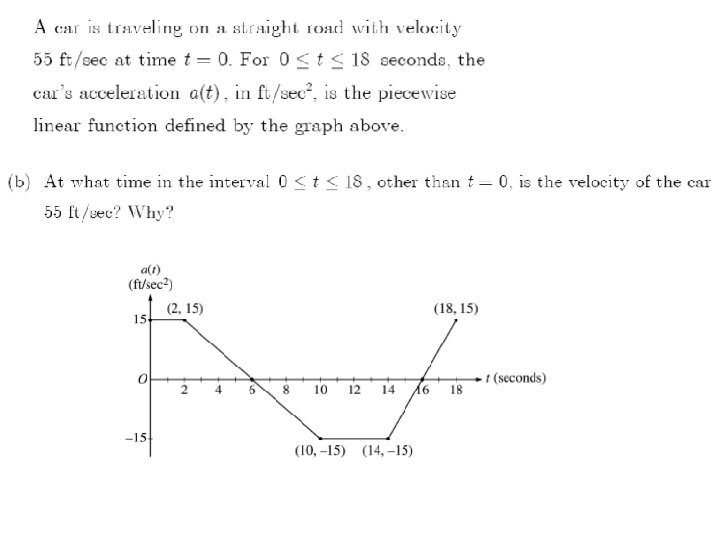
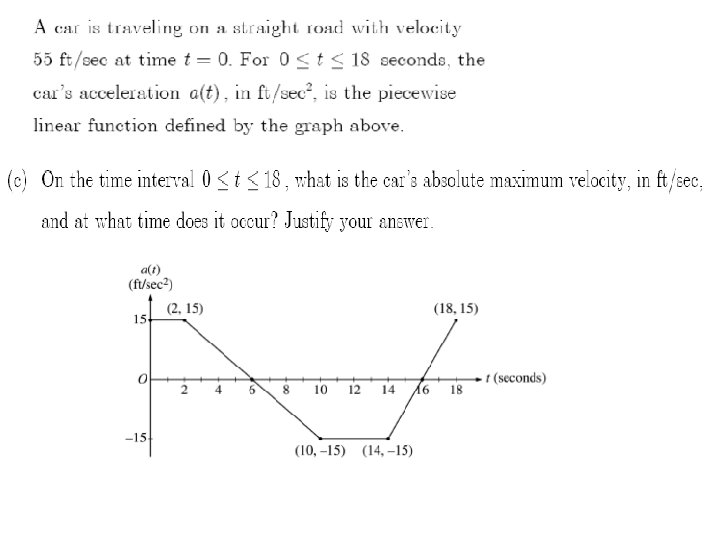
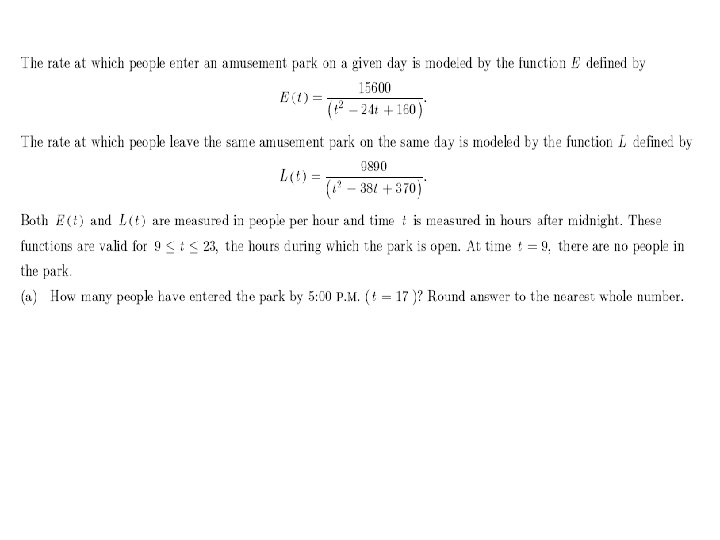
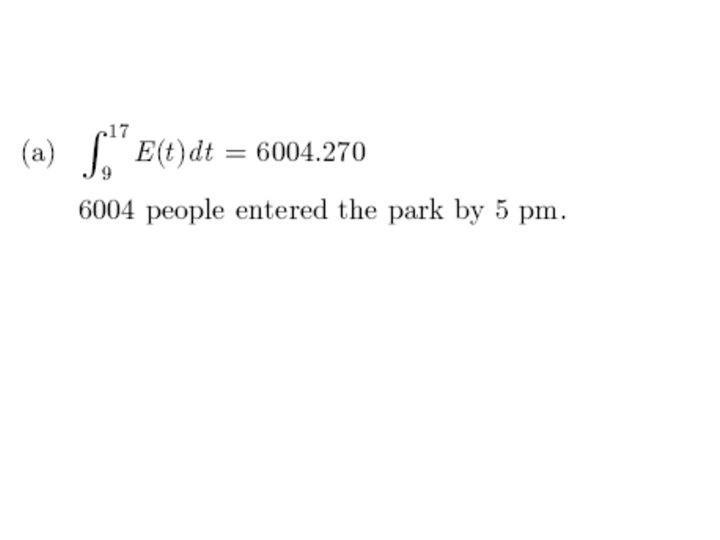
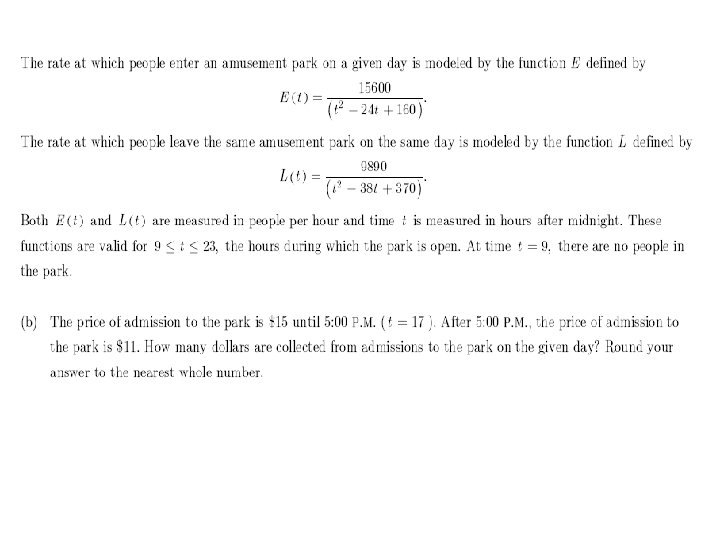
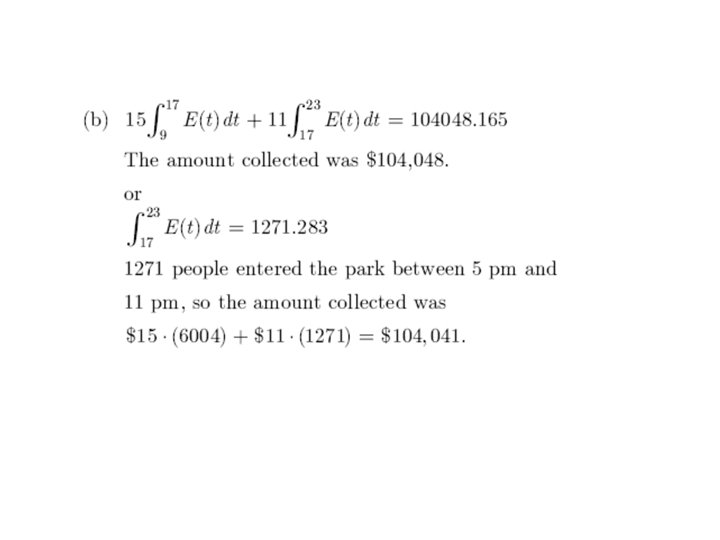
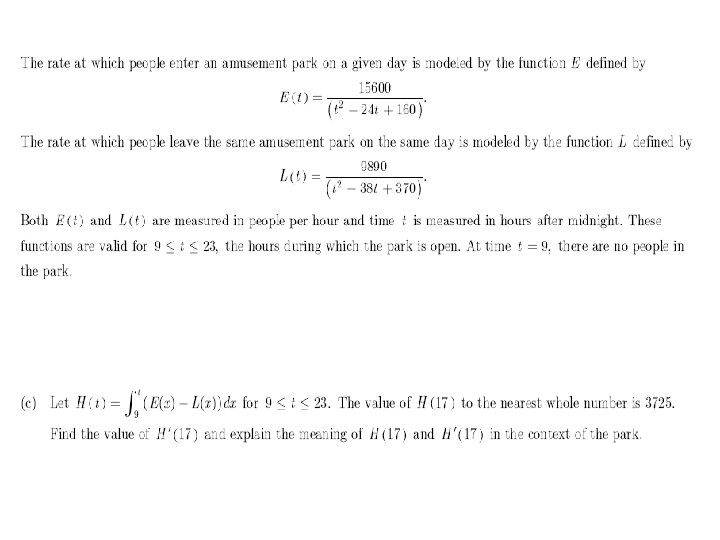
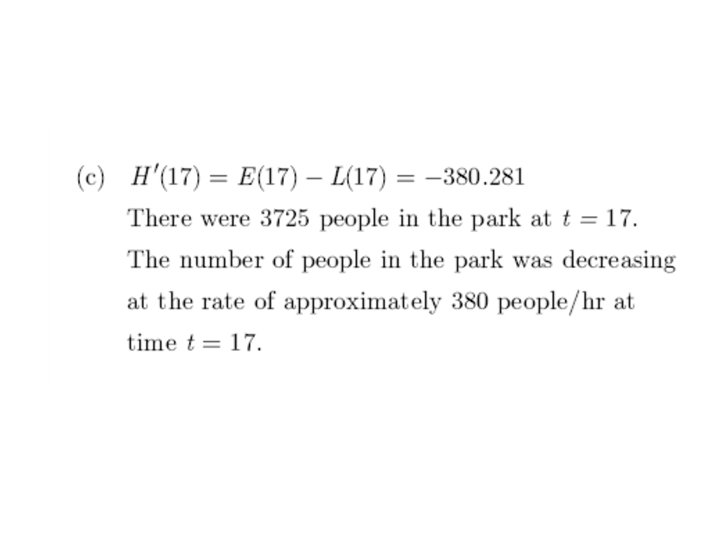
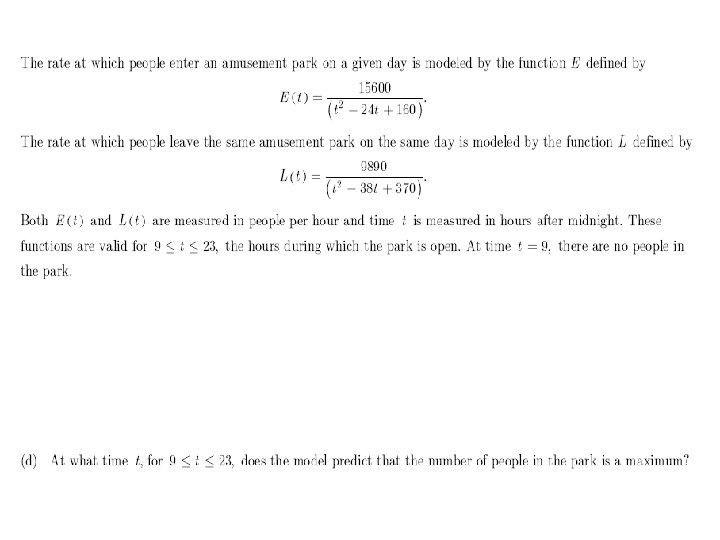
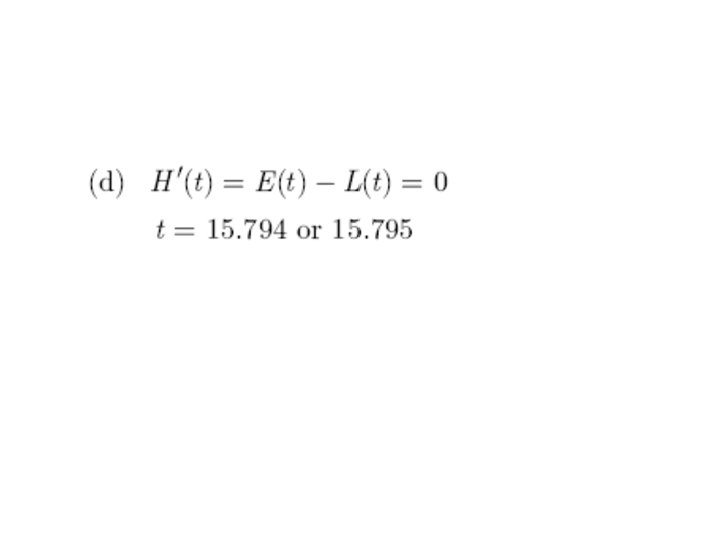
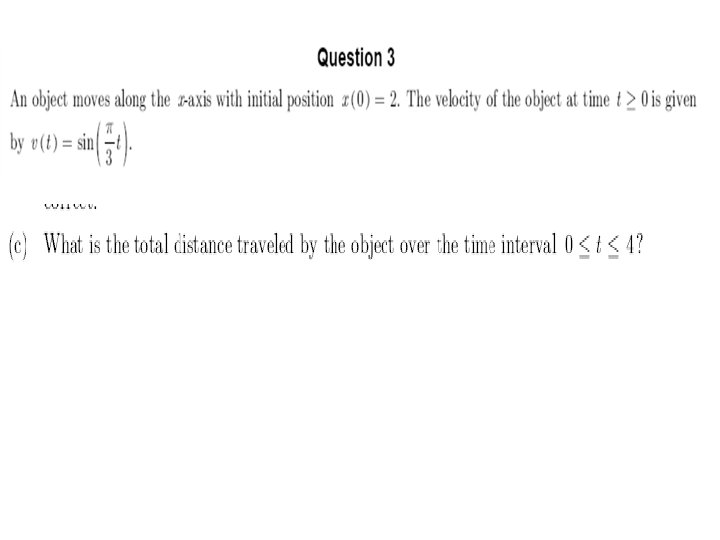
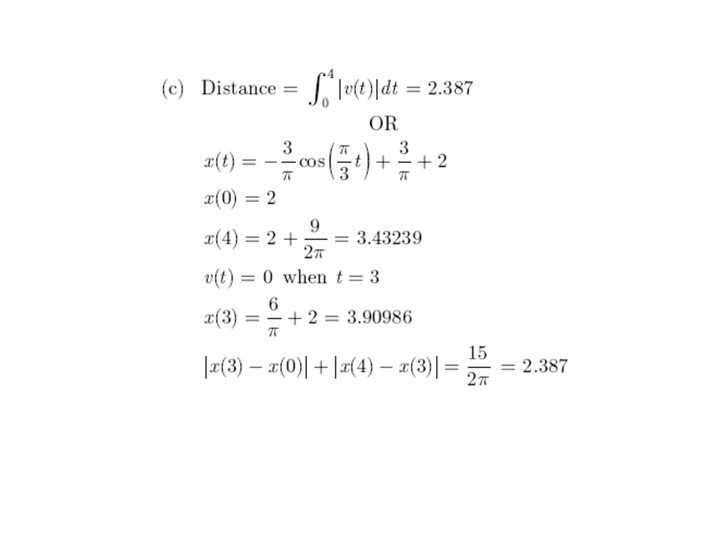
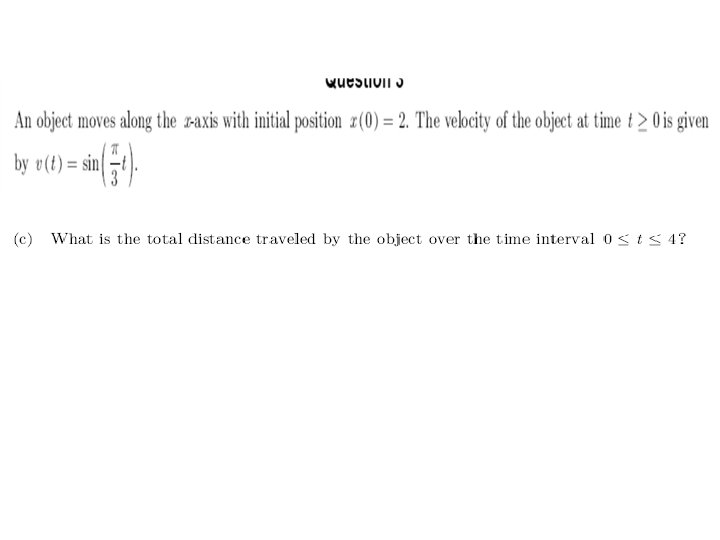
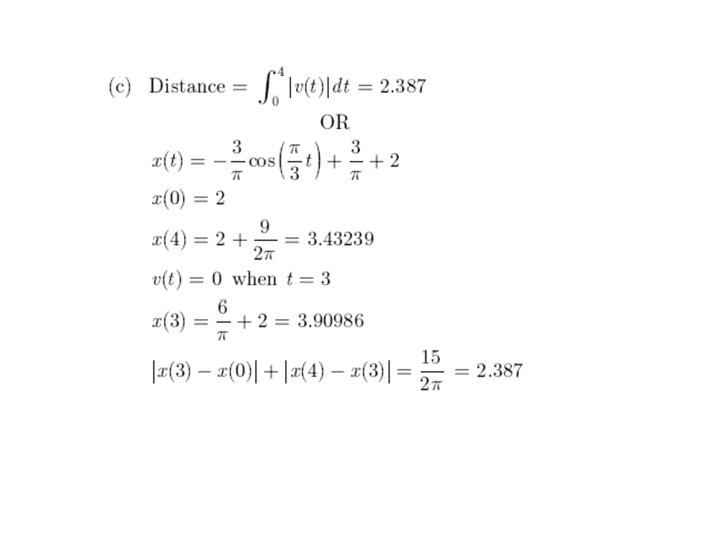
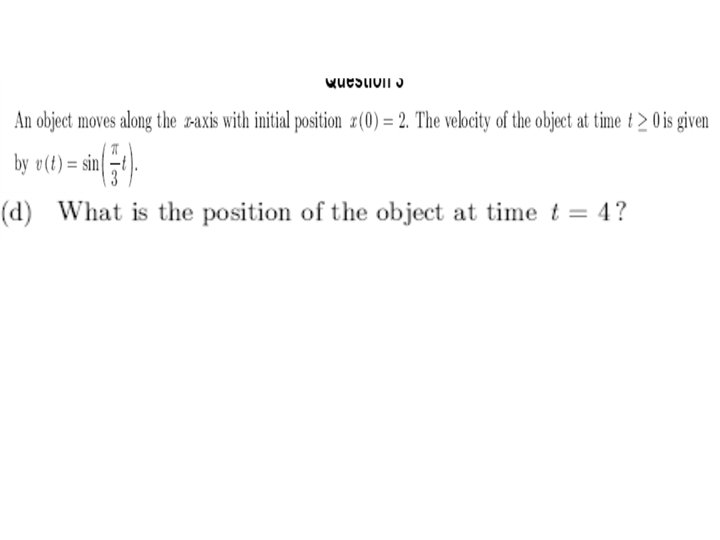
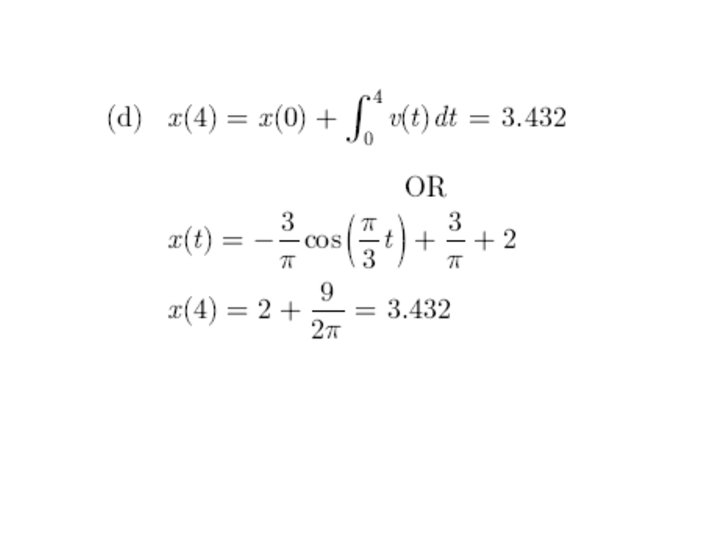
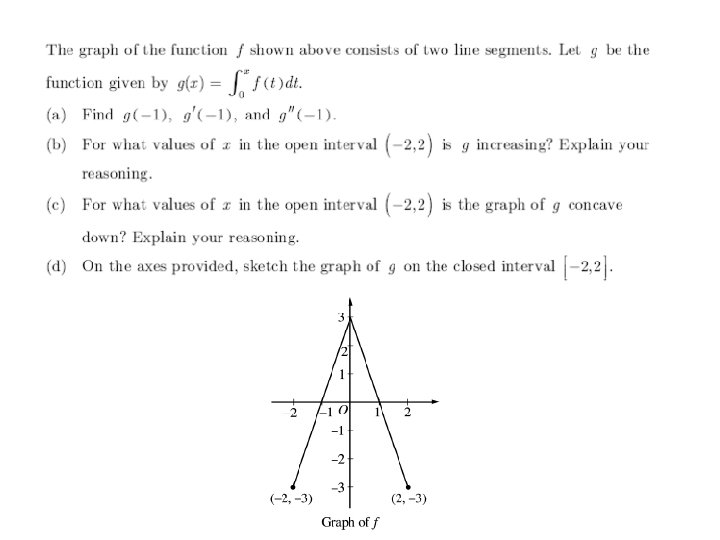
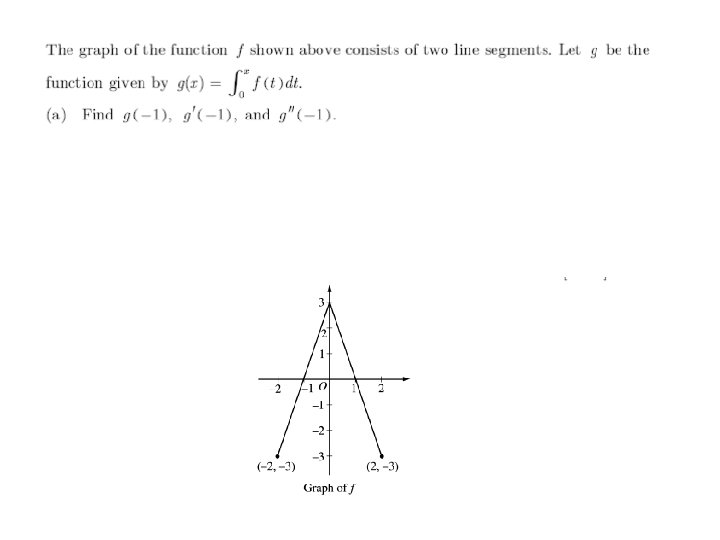
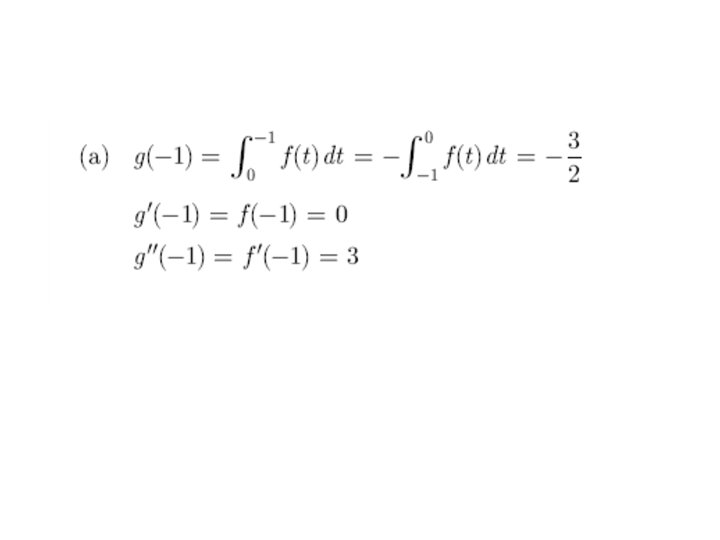
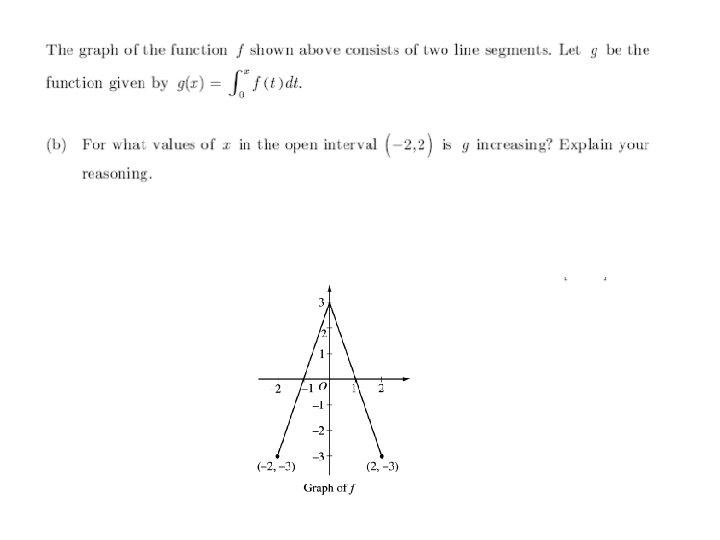
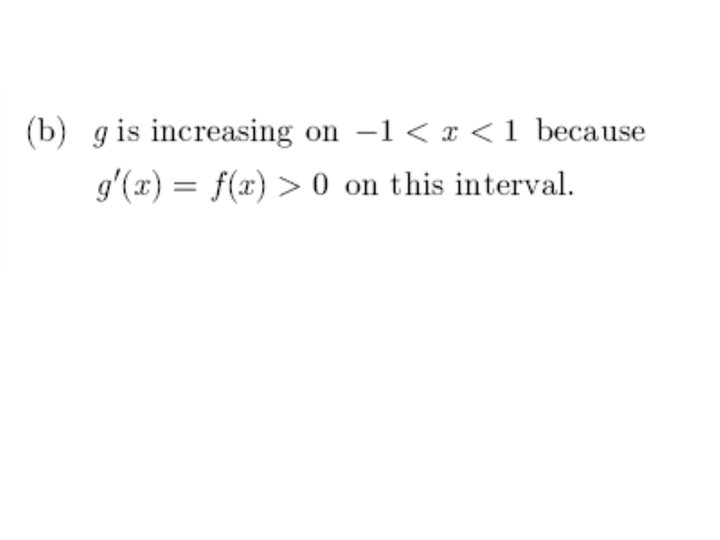
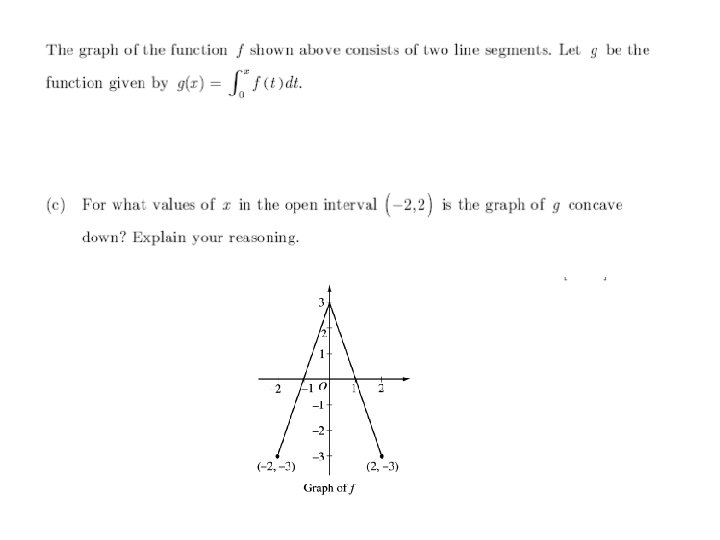
AP QUESTION
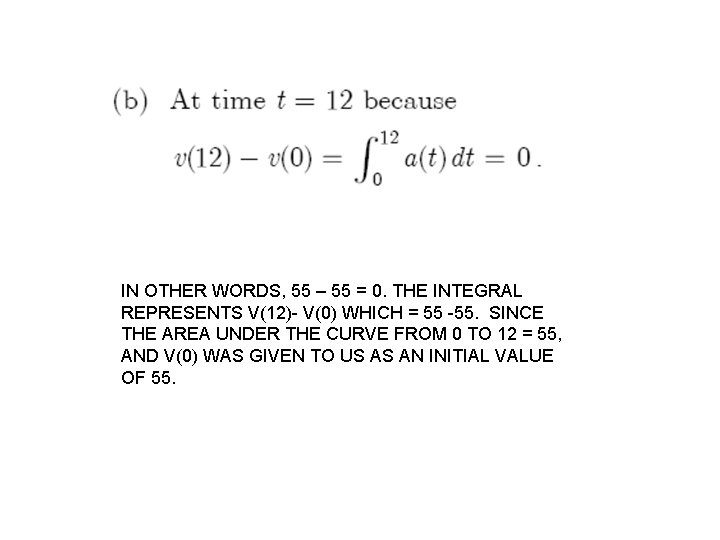
IN OTHER WORDS, 55 – 55 = 0. THE INTEGRAL REPRESENTS V(12)- V(0) WHICH = 55 -55. SINCE THE AREA UNDER THE CURVE FROM 0 TO 12 = 55, AND V(0) WAS GIVEN TO US AS AN INITIAL VALUE OF 55.
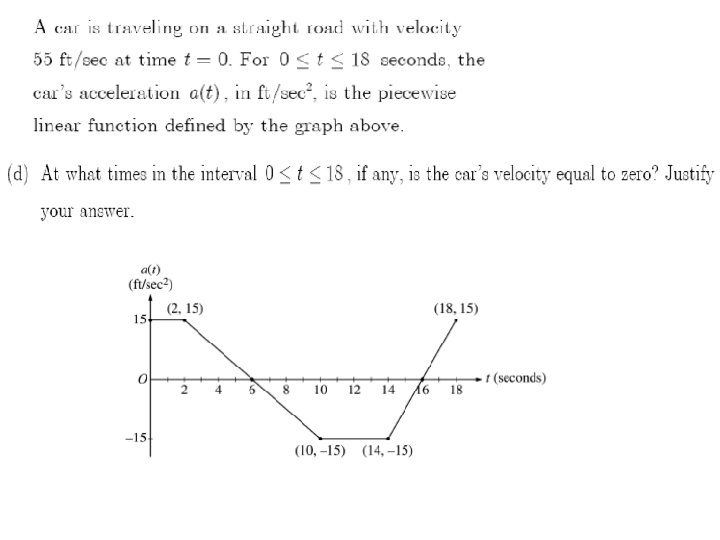
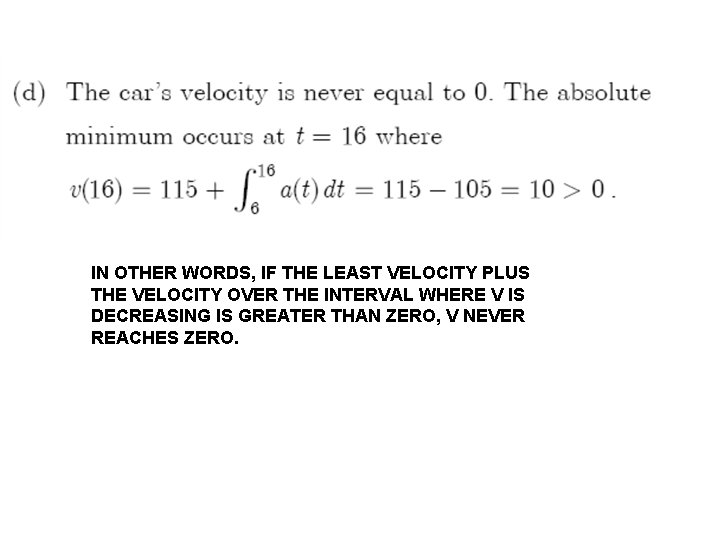
IN OTHER WORDS, IF THE LEAST VELOCITY PLUS THE VELOCITY OVER THE INTERVAL WHERE V IS DECREASING IS GREATER THAN ZERO, V NEVER REACHES ZERO.
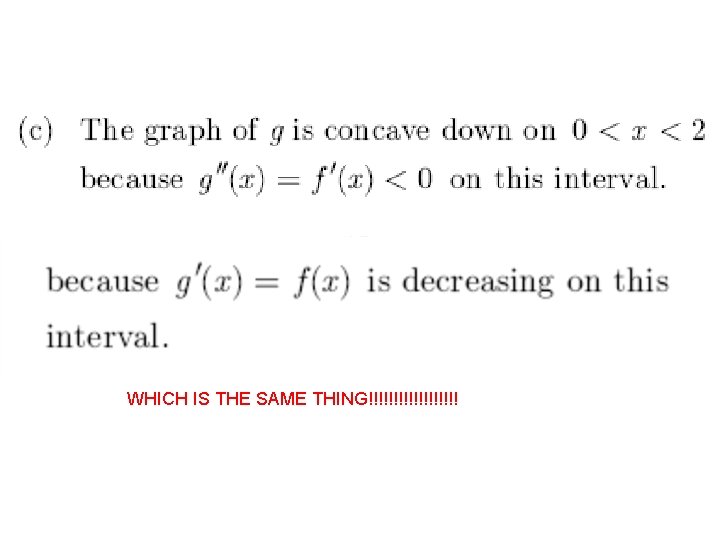
WHICH IS THE SAME THING!!!!!!!!!