
Chapter 4 Section 3 Ms Halbohm Marine Biology
Chapter 4 Section 3 Ms. Halbohm Marine Biology
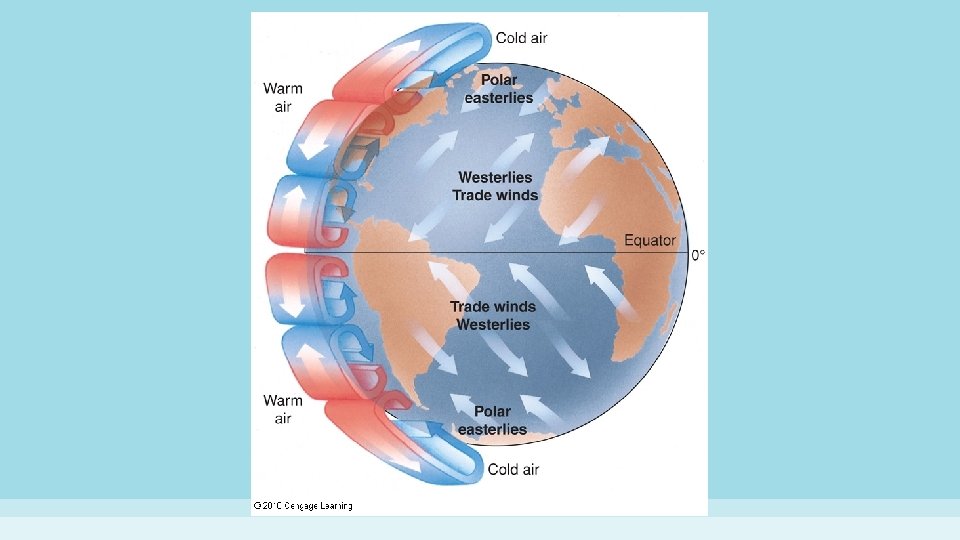
Winds and Currents • Winds – result from ____________________caused by temperature, density, etc. – as air heats, its density ________ and it rises; as it cools, density __________ and it falls toward earth – wind patterns: upper air flow from the equator towards the north and south
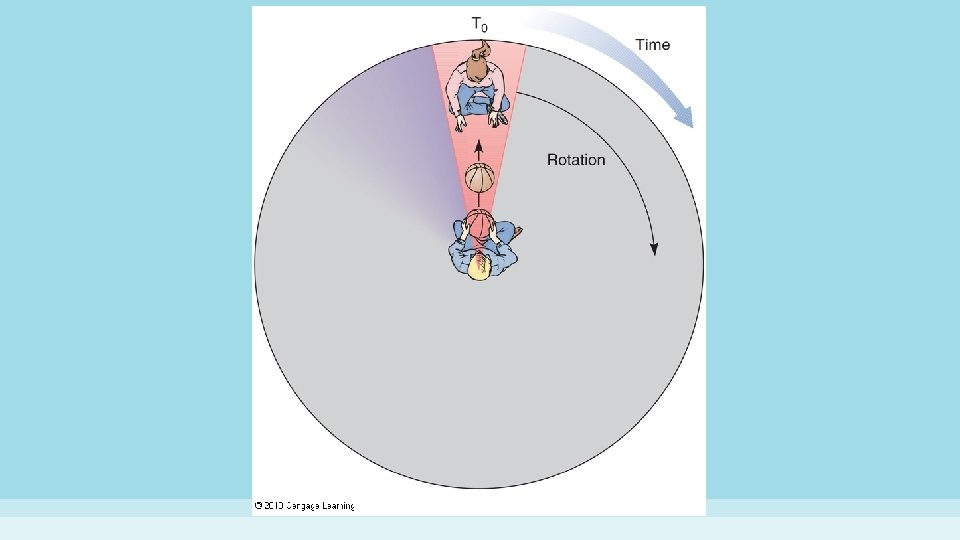
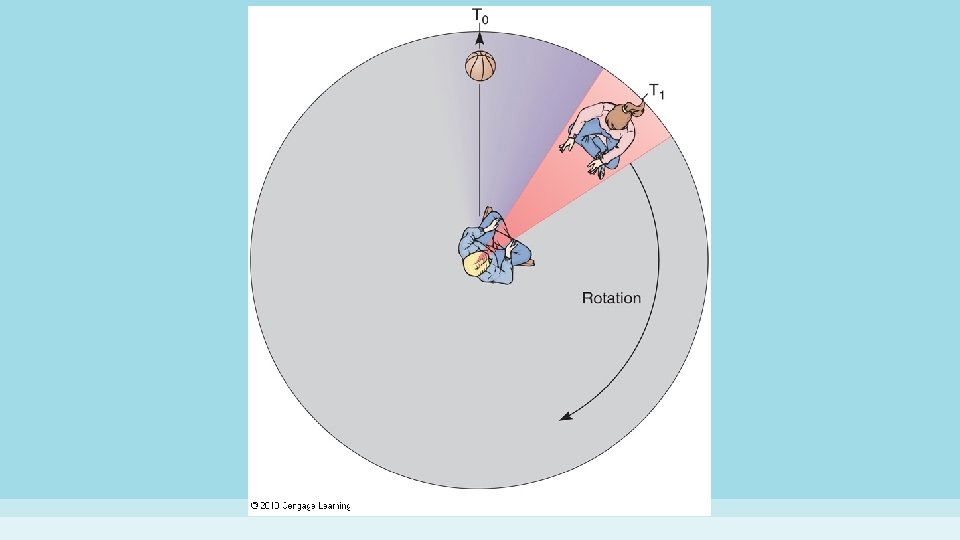
Winds and Currents • Winds – __________ effect • a point rotating at the equator moves faster than a point at a higher latitude • path of air mass appears to_________relative to the earth’s surface —to the right in the Northern Hemisphere, left in the Southern
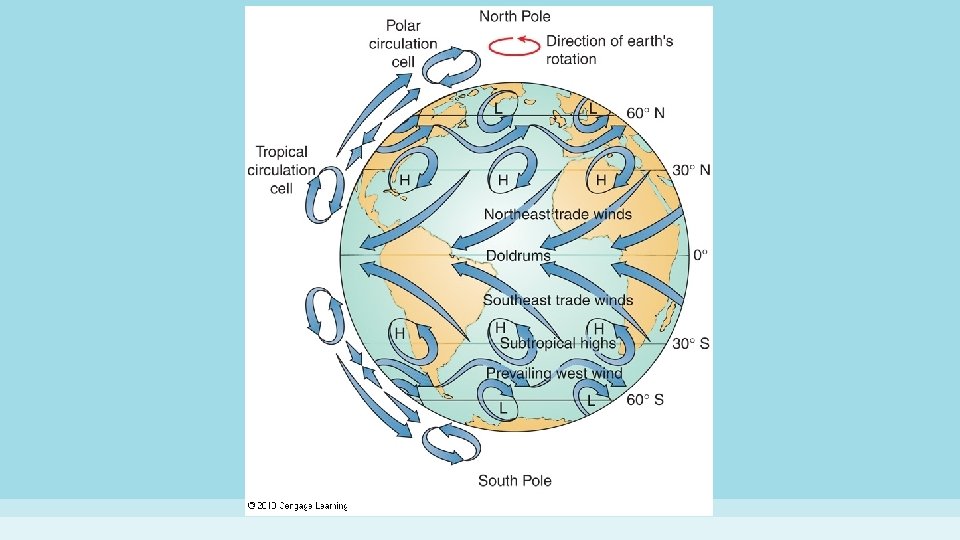
Winds and Currents • Surface wind patterns – 3 ____________in each hemisphere: • northeast & southeast trade winds • westerlies • polar easterlies – areas of _________________between wind belts • Doldrums (at equator) • horse latitudes (at 30 o N & S)

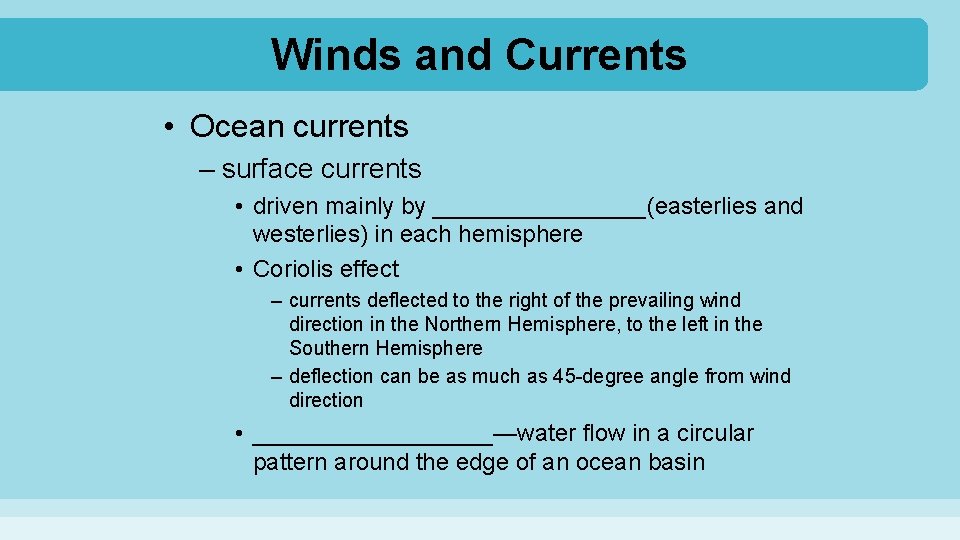
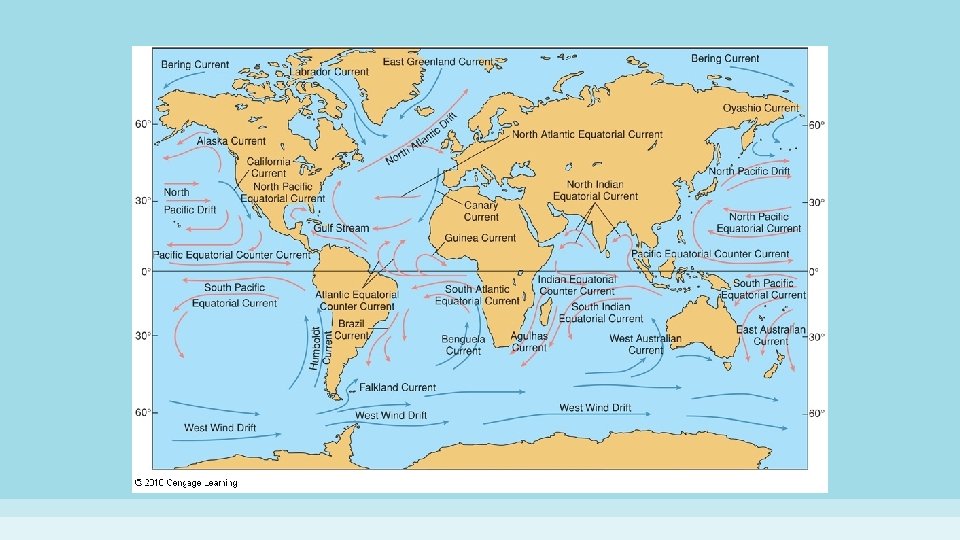
Winds and Currents • Ocean currents – surface currents • driven mainly by ________(easterlies and westerlies) in each hemisphere • Coriolis effect – currents deflected to the right of the prevailing wind direction in the Northern Hemisphere, to the left in the Southern Hemisphere – deflection can be as much as 45 -degree angle from wind direction • _________—water flow in a circular pattern around the edge of an ocean basin
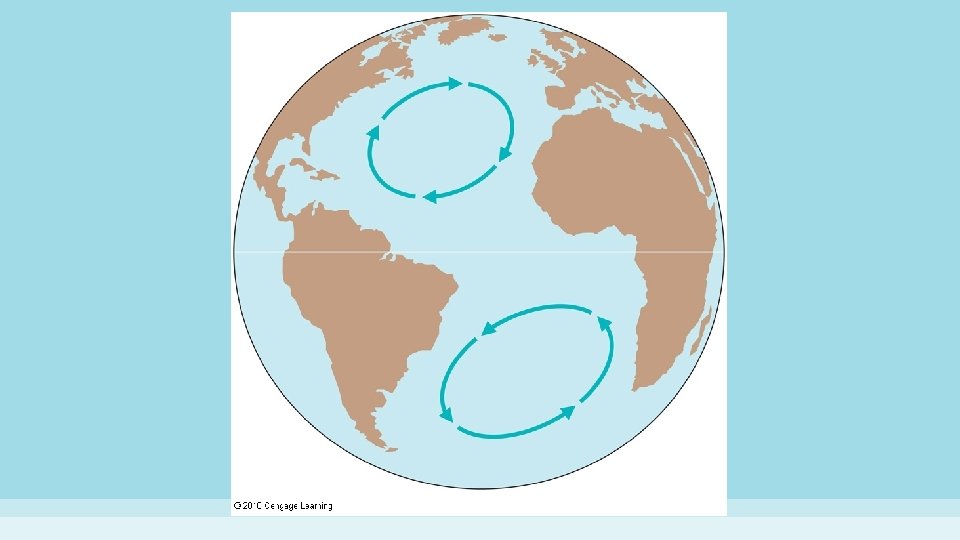
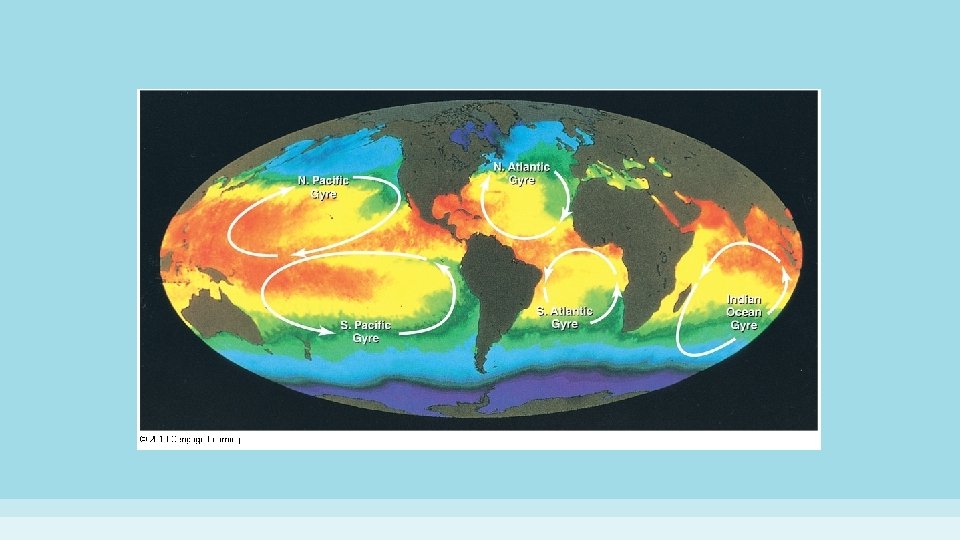
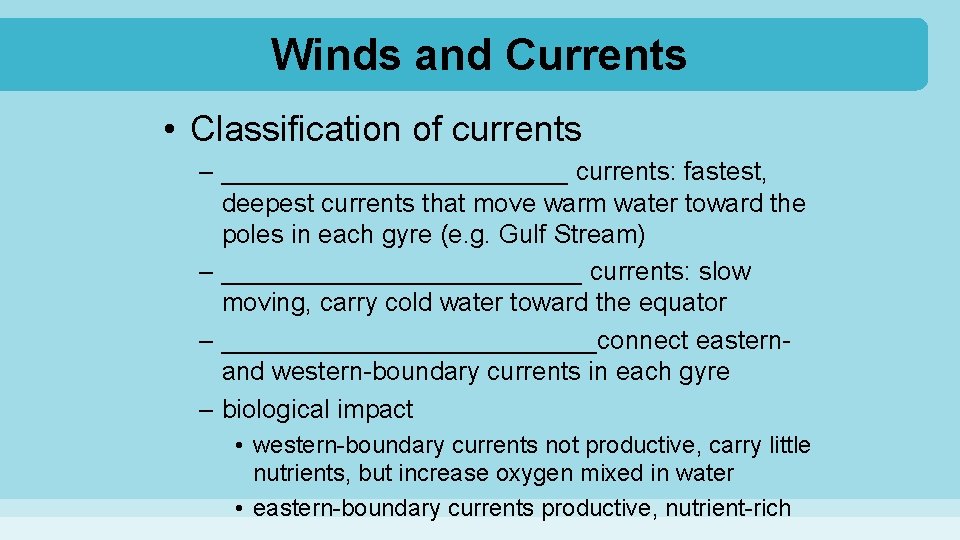
Winds and Currents • Classification of currents – ____________ currents: fastest, deepest currents that move warm water toward the poles in each gyre (e. g. Gulf Stream) – _____________ currents: slow moving, carry cold water toward the equator – _____________connect easternand western-boundary currents in each gyre – biological impact • western-boundary currents not productive, carry little nutrients, but increase oxygen mixed in water • eastern-boundary currents productive, nutrient-rich
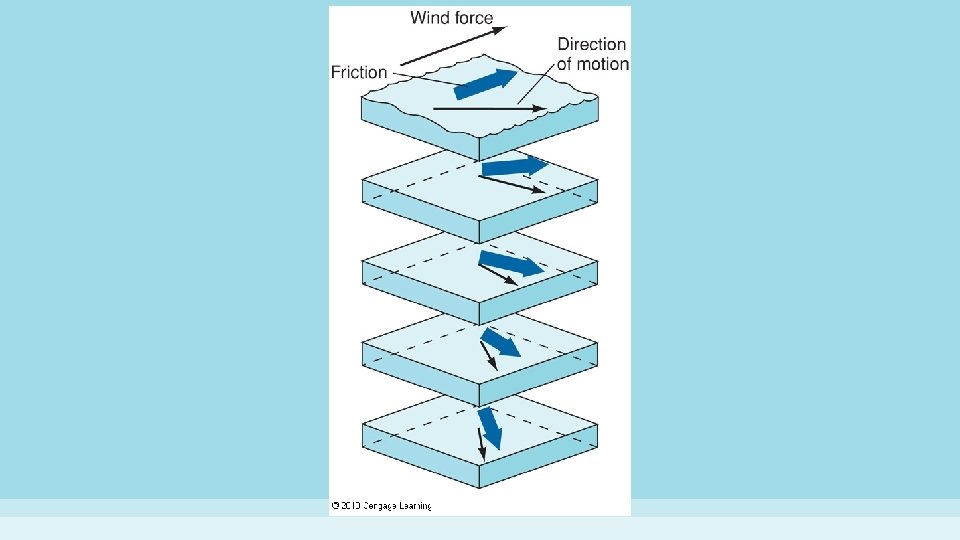
Winds and Currents • Currents below the surface – energy transferred from winds to surface water is transferred to deeper water – deeper-water currents are deflected by the Coriolis effect, down to about 100 m – __________ causes loss of energy, so each layer moves at an angle to and more slowly than the layer above, creating an Ekman spiral – ______________— net movement of water to the 100 -m depth
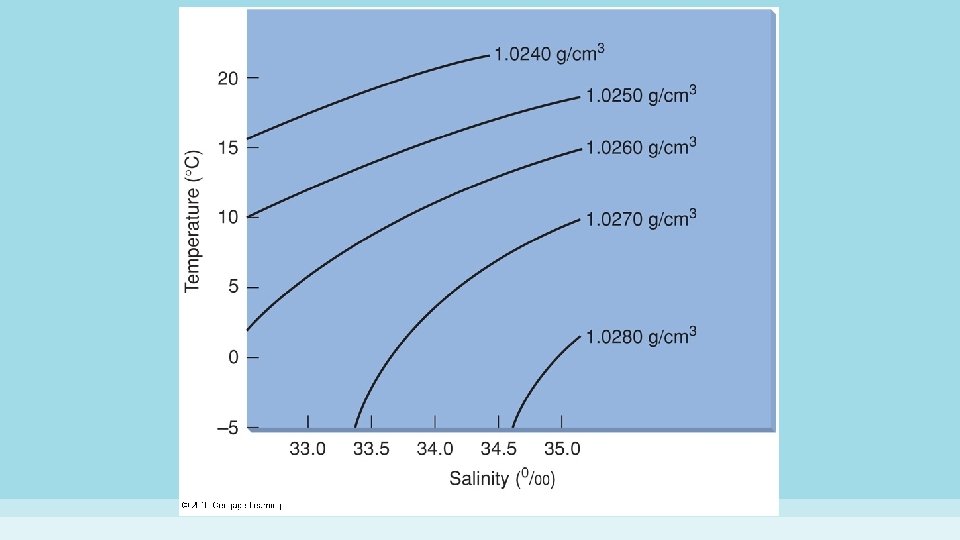
Ocean Layers and Ocean Mixing • _____________—the mass of a substance in a given volume, usually measured in g/cm 3 – density of pure water = 1 g/cm 3 – density of salt water = 1. 0270 g/cm 3 • Density increases when salinity increases • Density increases when temperature decreases
- Slides: 18