
CHAPTER 4 PRINCIPLES AND PROCESSES OF BIOTECHNOLOGY INTRODUCTIO
CHAPTER – 4 PRINCIPLES AND PROCESSES OF BIOTECHNOLOGY
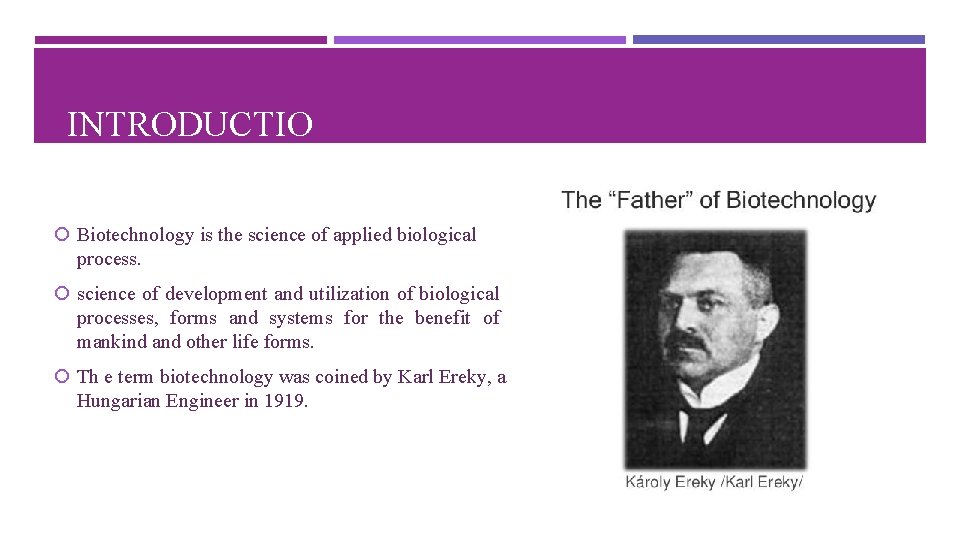
INTRODUCTIO N Biotechnology is the science of applied biological process. science of development and utilization of biological processes, forms and systems for the benefit of mankind and other life forms. Th e term biotechnology was coined by Karl Ereky, a Hungarian Engineer in 1919.
TRADITIONAL VS MODERN BIOTECHNOLOGY TRADITIONAL BIOTECHNOLOGY This kitchen technology uses bacteria MODERN BIOTECHNOLOGY This relies on two aspects : and other microbes in the daily usage ability to change the genetic material for preparation of dairy products like for getting new products with specific curd, ghee, cheese and in preparation requirement through recombinant DNA of foods like idli, dosa, nan, bread and technology pizza. And preparation of alcoholic beverages like beer, wine, etc. ownership of the newly developed technology and its social impact.
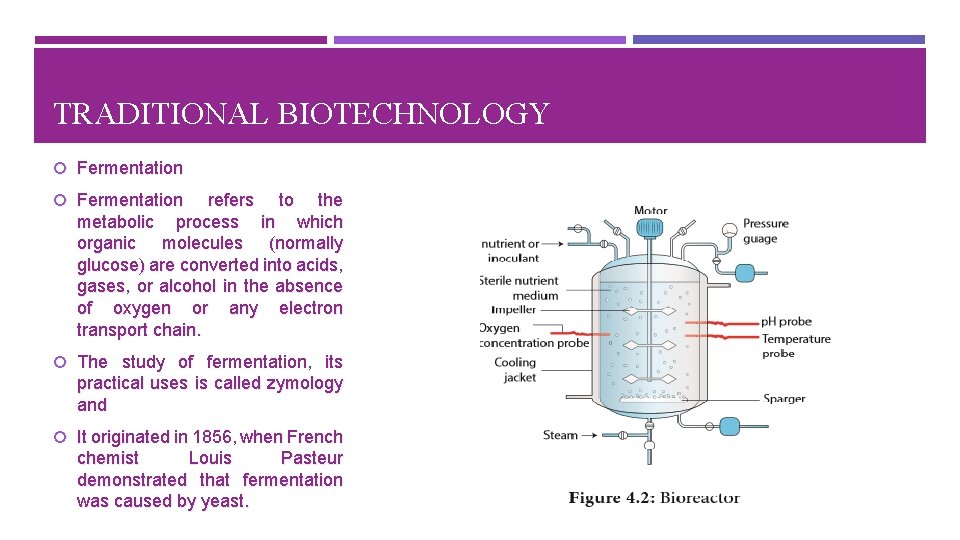
TRADITIONAL BIOTECHNOLOGY Fermentation refers to the metabolic process in which organic molecules (normally glucose) are converted into acids, gases, or alcohol in the absence of oxygen or any electron transport chain. The study of fermentation, its practical uses is called zymology and It originated in 1856, when French chemist Louis Pasteur demonstrated that fermentation was caused by yeast.

FERMENTATION UPSTREAM PROCESS DOWN STREAM PROCESS All the process before starting of the fermenter All the process after the fermentation process is such as sterilization of the fermenter, preparation and sterilization of culture medium and growth of the suitable inoculum are called upstream process. known as the downstream process. This process includes distillation, centrifuging, filtration and solvent extraction.
APPLICATIONS OF FERMENTATION PROCESS Microbial biomass : Microbial cells (biomass) like algae, bacteria, yeast, fungi are grown, dried and used as source of a complete protein Microbial metabolites : Primary and secondary Enzymology : When microbes are cultured, they secrete some enzymes into the growth media. These enzymes are industrially used in detergents, food processing, brewing and pharmaceuticals. Eg. protease, amylase, isomerase, and lipase. Bioconversion or Biotransformation : The fermenting microbes has the capacity to produce valuable products, eg. conversion of ethanol to acetic acid (vinegar), Single Cell Protein (SCP) : protein supplement
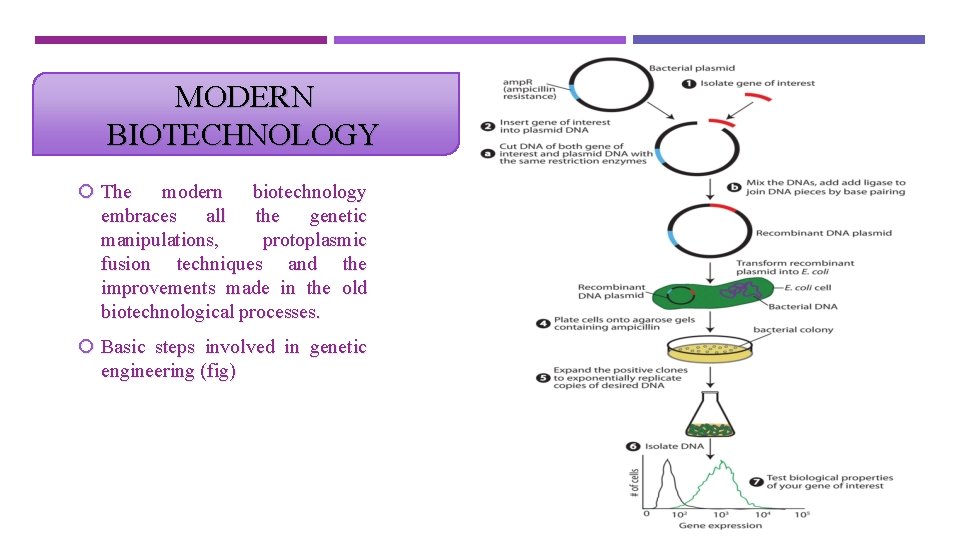
MODERN BIOTECHNOLOGY The modern biotechnology embraces all the genetic manipulations, protoplasmic fusion techniques and the improvements made in the old biotechnological processes. Basic steps involved in genetic engineering (fig)
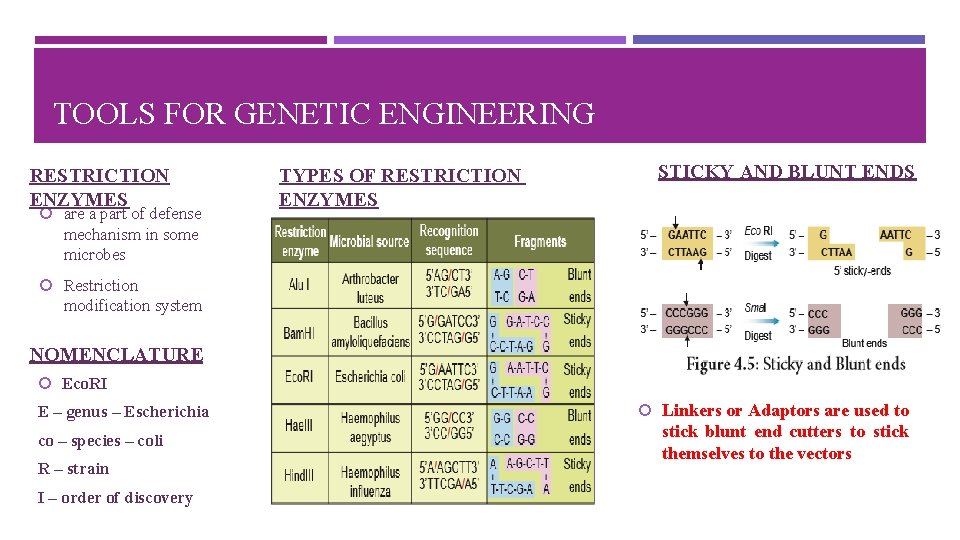
TOOLS FOR GENETIC ENGINEERING RESTRICTION ENZYMES are a part of defense TYPES OF RESTRICTION ENZYMES STICKY AND BLUNT ENDS mechanism in some microbes Restriction modification system NOMENCLATURE Eco. RI E – genus – Escherichia co – species – coli R – strain I – order of discovery Linkers or Adaptors are used to stick blunt end cutters to stick themselves to the vectors
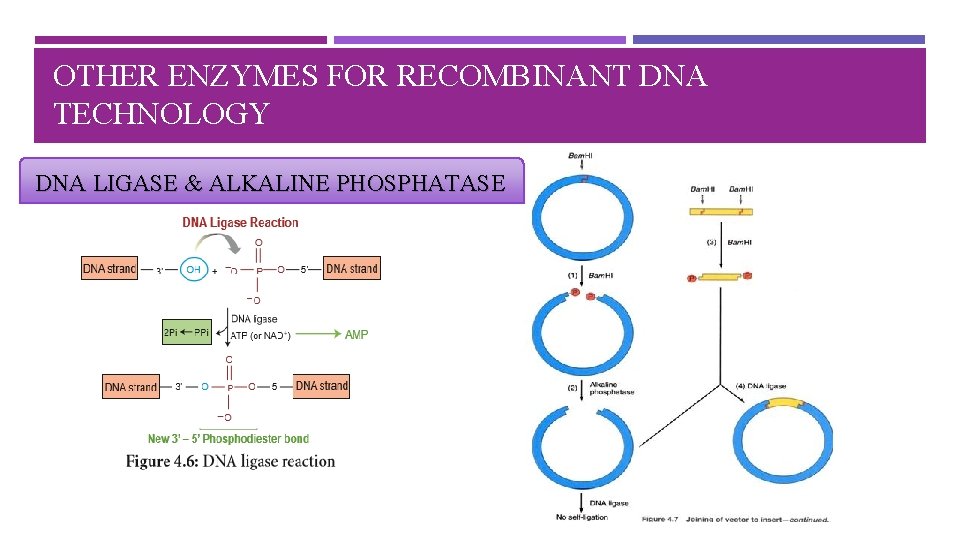
OTHER ENZYMES FOR RECOMBINANT DNA TECHNOLOGY DNA LIGASE & ALKALINE PHOSPHATASE
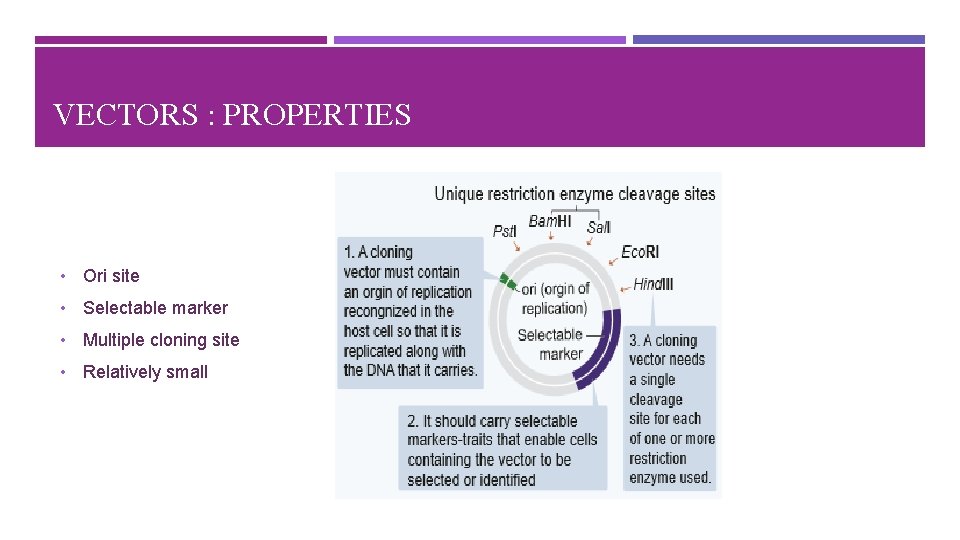
VECTORS : PROPERTIES • Ori site • Selectable marker • Multiple cloning site • Relatively small
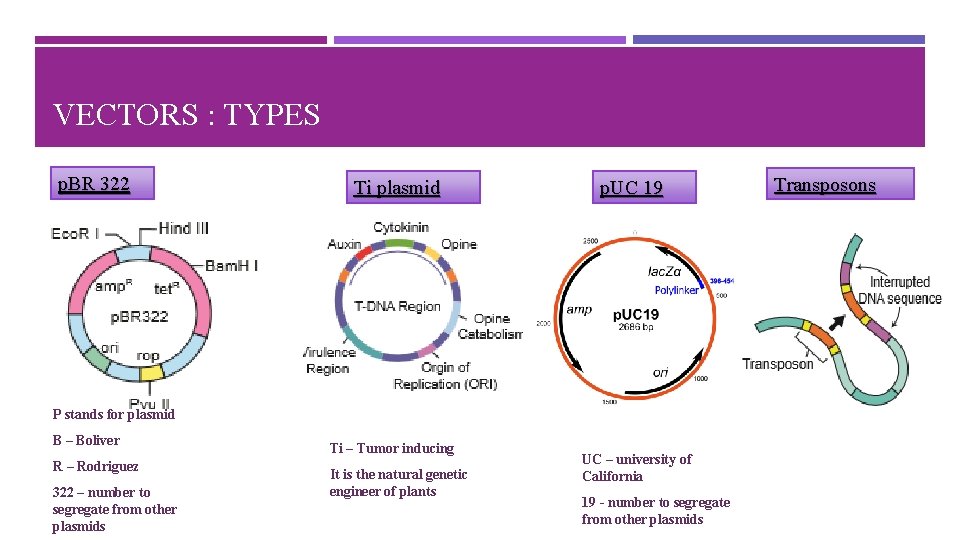
VECTORS : TYPES p. BR 322 Ti plasmid p. UC 19 P stands for plasmid B – Boliver R – Rodriguez 322 – number to segregate from other plasmids Ti – Tumor inducing It is the natural genetic engineer of plants UC – university of California 19 - number to segregate from other plasmids Transposons
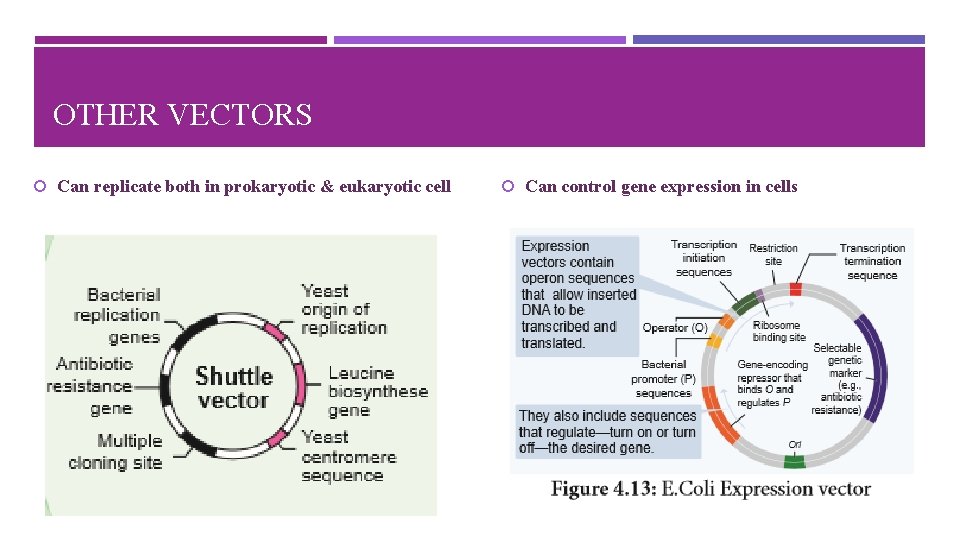
OTHER VECTORS Can replicate both in prokaryotic & eukaryotic cell Can control gene expression in cells
COMPETENT HOST E. coli : optimal growing conditions the cells divide every 20 minutes. For the expression of eukaryotic proteins, eukaryotic cells are preferred because to produce a functionally active protein it should fold properly and post translational modifications should also occur, which is not possible by prokaryotic cell (E. coli).
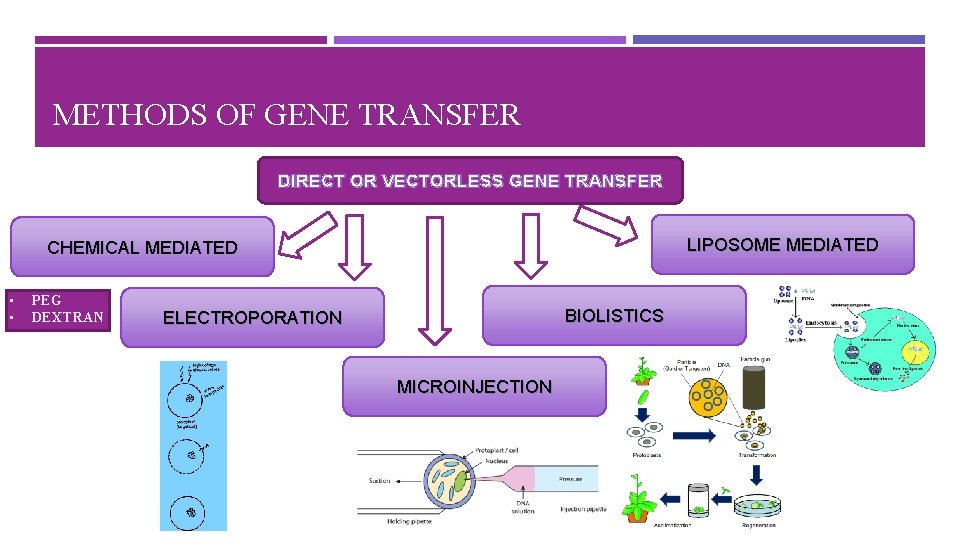
METHODS OF GENE TRANSFER DIRECT OR VECTORLESS GENE TRANSFER LIPOSOME MEDIATED CHEMICAL MEDIATED • • PEG DEXTRAN BIOLISTICS ELECTROPORATION MICROINJECTION
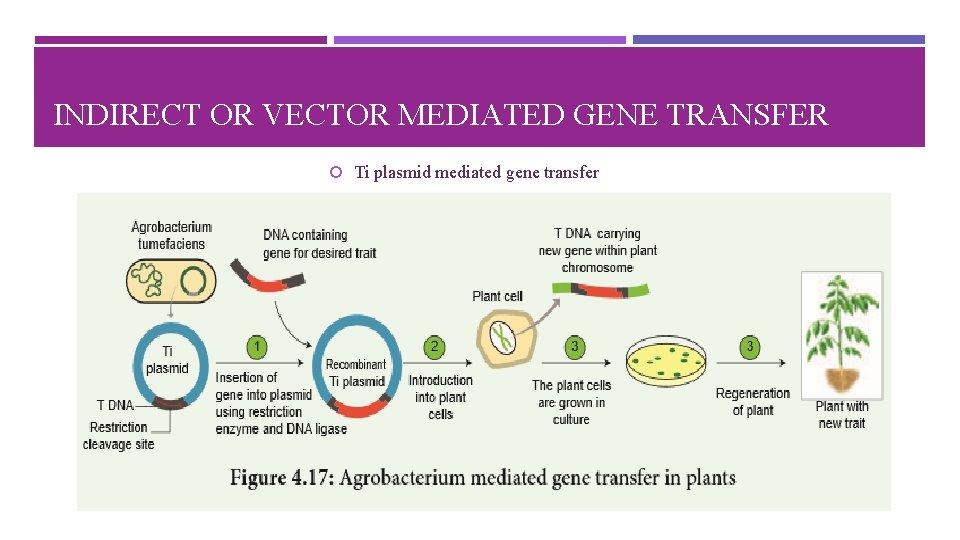
INDIRECT OR VECTOR MEDIATED GENE TRANSFER Ti plasmid mediated gene transfer
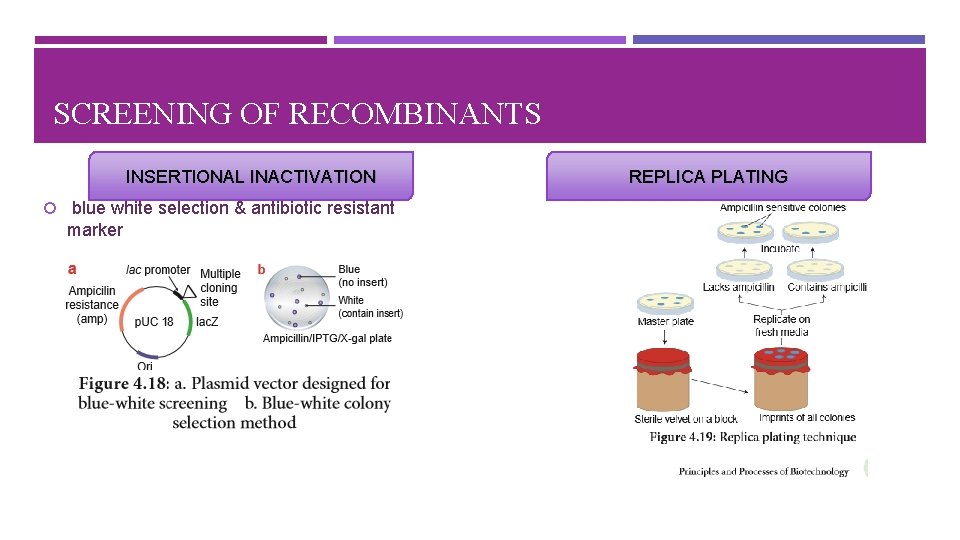
SCREENING OF RECOMBINANTS INSERTIONAL INACTIVATION blue white selection & antibiotic resistant marker REPLICA PLATING
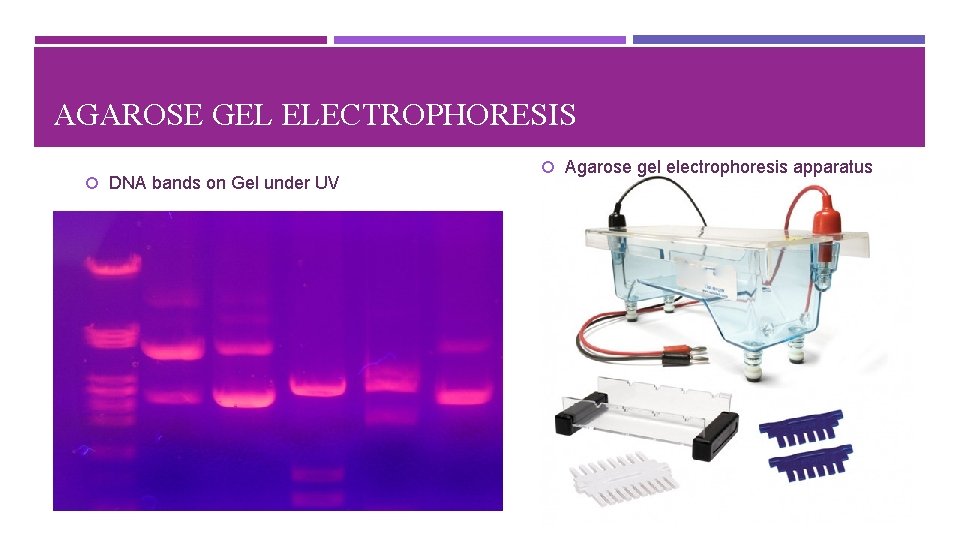
AGAROSE GEL ELECTROPHORESIS DNA bands on Gel under UV Agarose gel electrophoresis apparatus
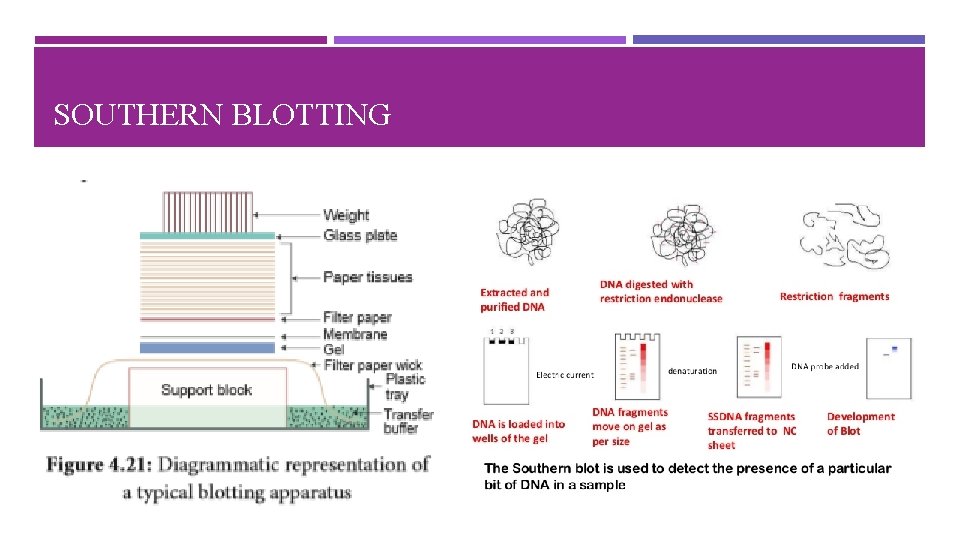
SOUTHERN BLOTTING
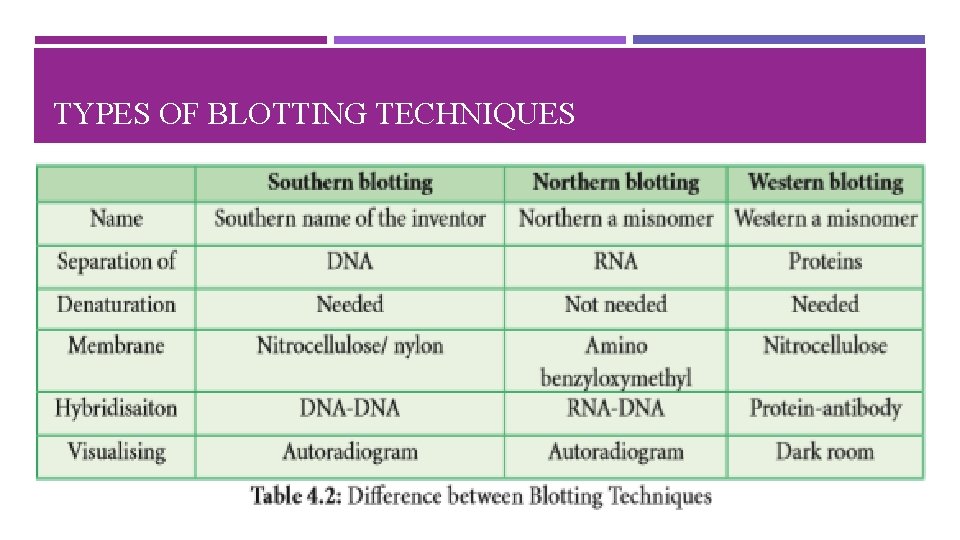
TYPES OF BLOTTING TECHNIQUES
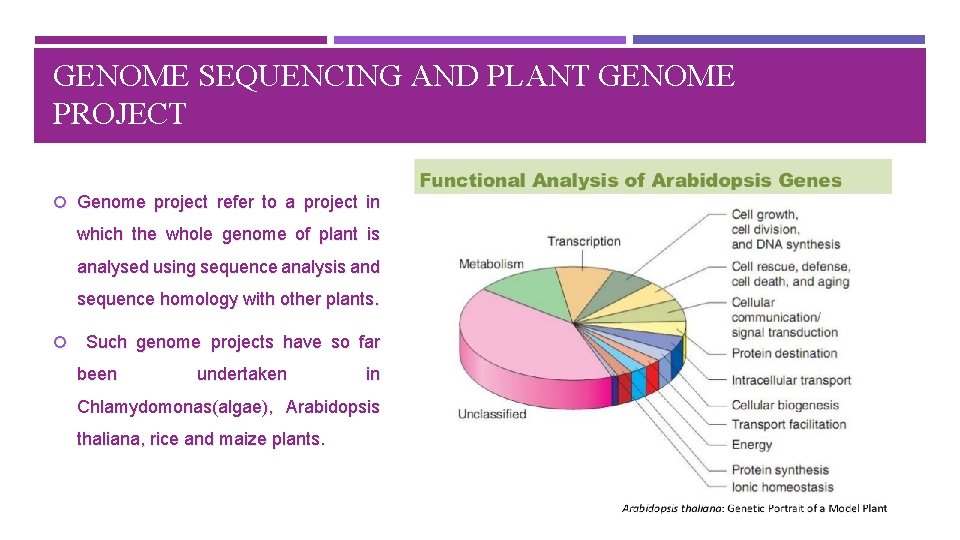
GENOME SEQUENCING AND PLANT GENOME PROJECT Genome project refer to a project in which the whole genome of plant is analysed using sequence analysis and sequence homology with other plants. Such genome projects have so far been undertaken in Chlamydomonas(algae), Arabidopsis thaliana, rice and maize plants.
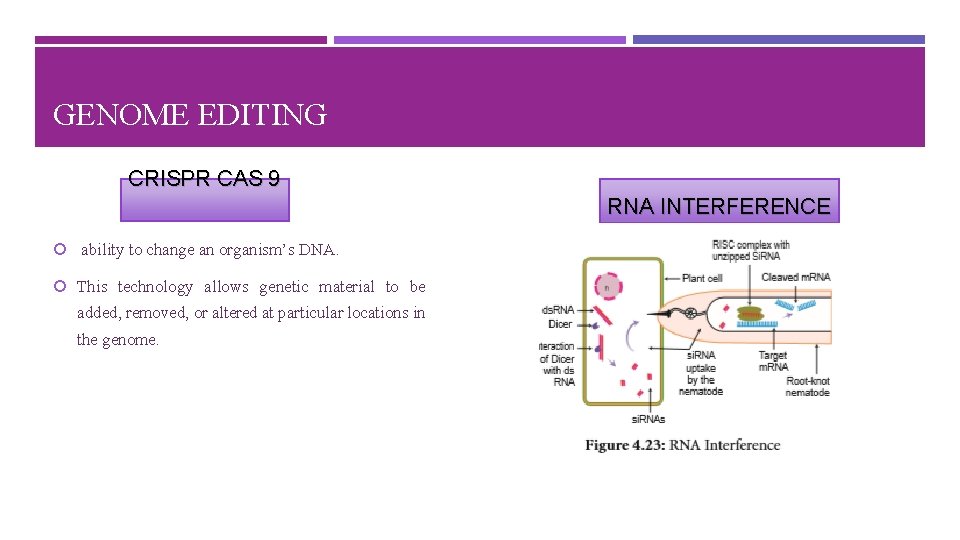
GENOME EDITING CRISPR CAS 9 RNA INTERFERENCE ability to change an organism’s DNA. This technology allows genetic material to be added, removed, or altered at particular locations in the genome.
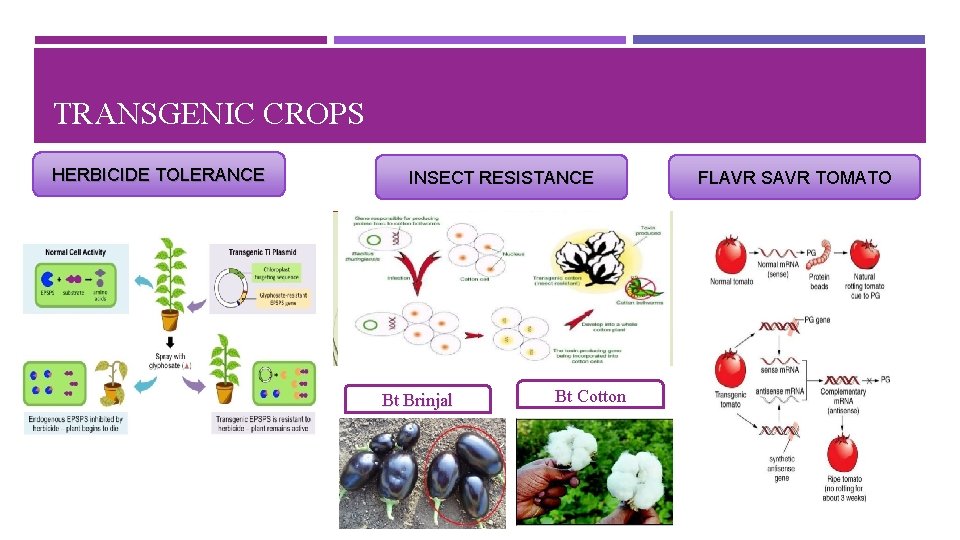
TRANSGENIC CROPS HERBICIDE TOLERANCE INSECT RESISTANCE Bt Brinjal Bt Cotton FLAVR SAVR TOMATO
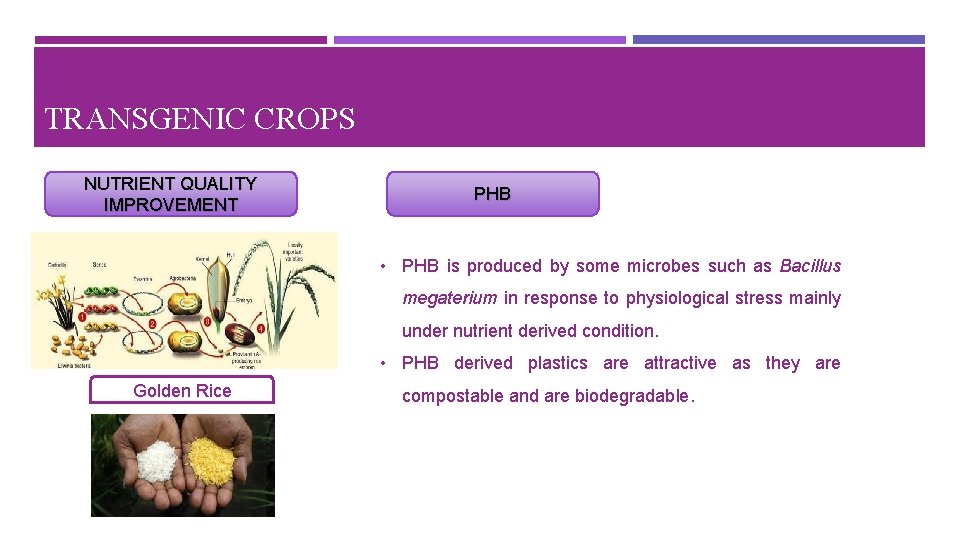
TRANSGENIC CROPS NUTRIENT QUALITY IMPROVEMENT PHB • PHB is produced by some microbes such as Bacillus megaterium in response to physiological stress mainly under nutrient derived condition. • PHB derived plastics are attractive as they are Golden Rice compostable and are biodegradable.
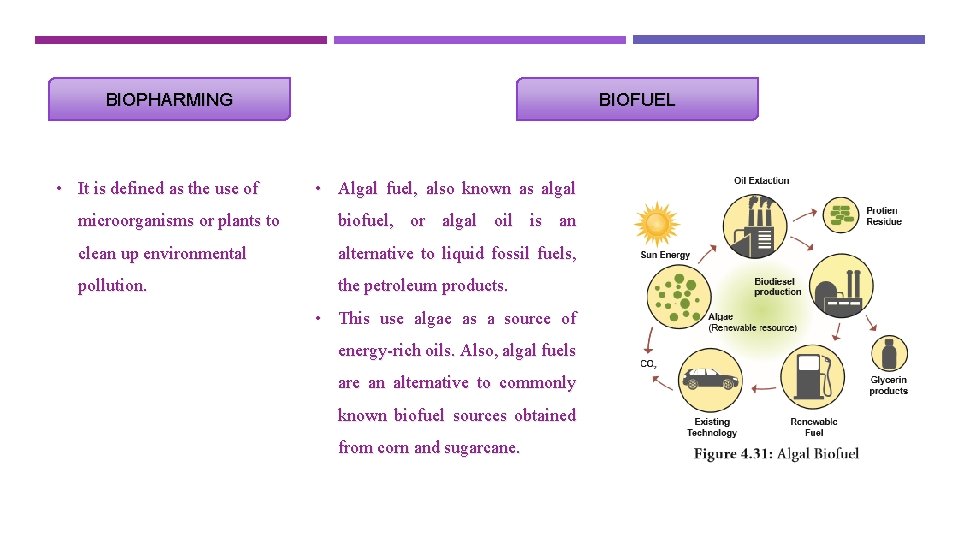
BIOPHARMING • It is defined as the use of BIOFUEL • Algal fuel, also known as algal microorganisms or plants to biofuel, or algal oil is an clean up environmental alternative to liquid fossil fuels, pollution. the petroleum products. • This use algae as a source of energy-rich oils. Also, algal fuels are an alternative to commonly known biofuel sources obtained from corn and sugarcane.
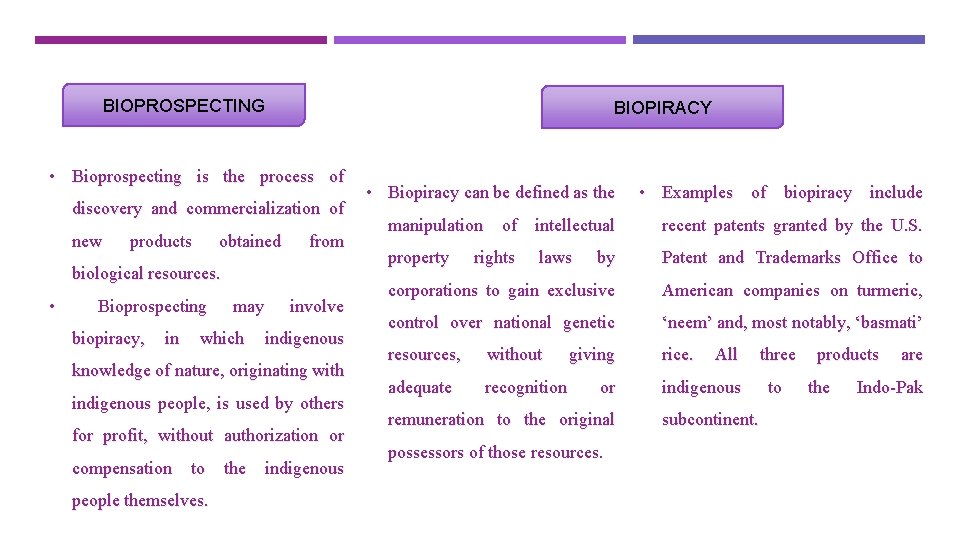
BIOPROSPECTING BIOPIRACY • Bioprospecting is the process of discovery and commercialization of new products obtained from biological resources. • Bioprospecting biopiracy, in may which involve indigenous knowledge of nature, originating with indigenous people, is used by others for profit, without authorization or compensation to people themselves. the indigenous • Biopiracy can be defined as the • Examples of biopiracy include manipulation of intellectual recent patents granted by the U. S. property by Patent and Trademarks Office to corporations to gain exclusive American companies on turmeric, control over national genetic ‘neem’ and, most notably, ‘basmati’ resources, without rice. adequate recognition rights laws giving or remuneration to the original possessors of those resources. All indigenous subcontinent. three to products the are Indo-Pak

Thank you
- Slides: 27