
Chapter 4 Physiology of Milk Synthesis Milk Fat


- Slides: 73
Chapter 4 Physiology of Milk Synthesis
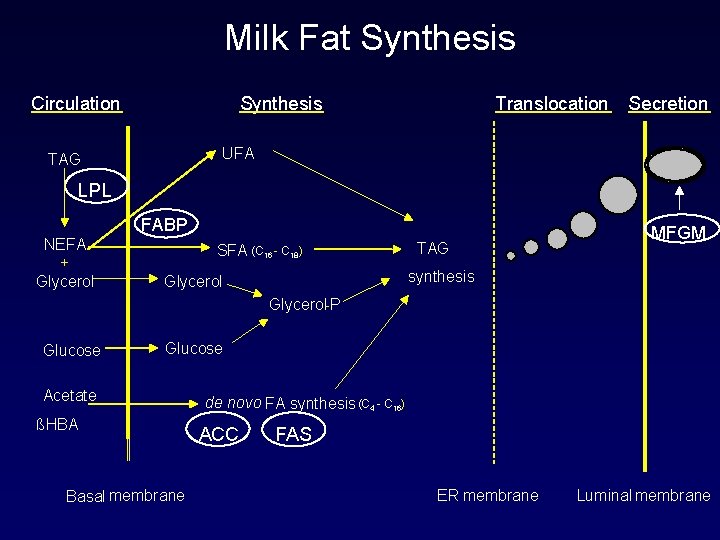
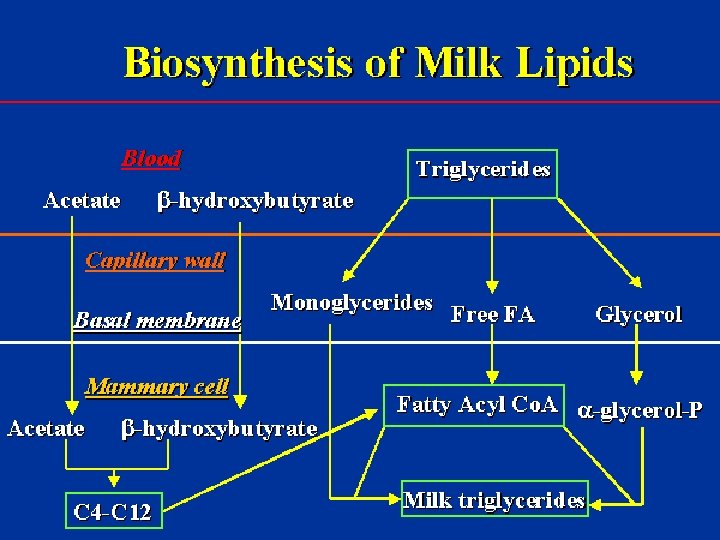
Milk Fat Synthesis Circulation Synthesis Translocation Secretion UFA TAG LPL FABP NEFA + Glycerol SFA (C 16 - C 18) TAG MFGM synthesis Glycerol-P Glucose Acetate ßHBA Basal membrane de novo FA synthesis (C 4 - C 16) ACC FAS ER membrane Luminal membrane
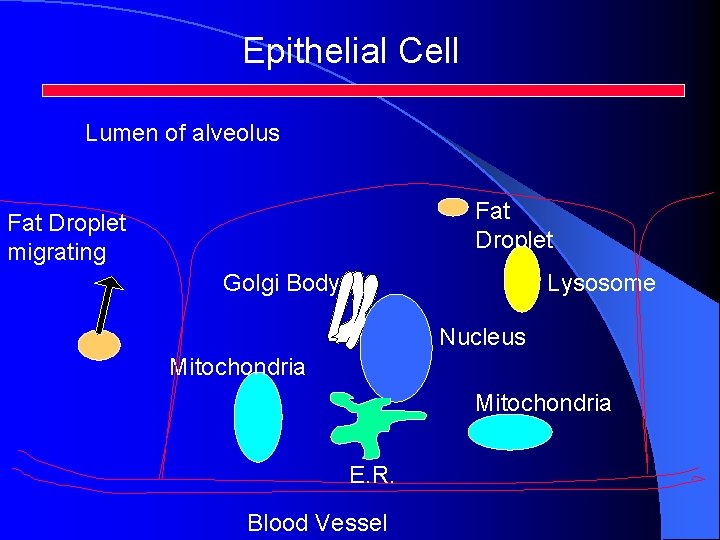
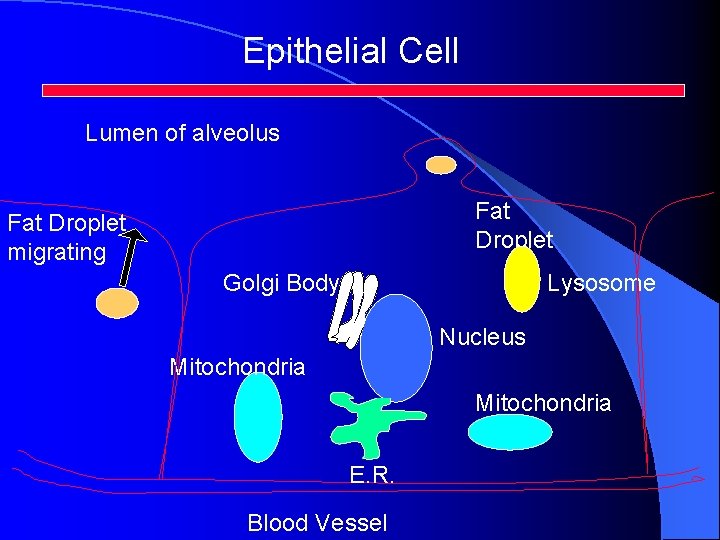
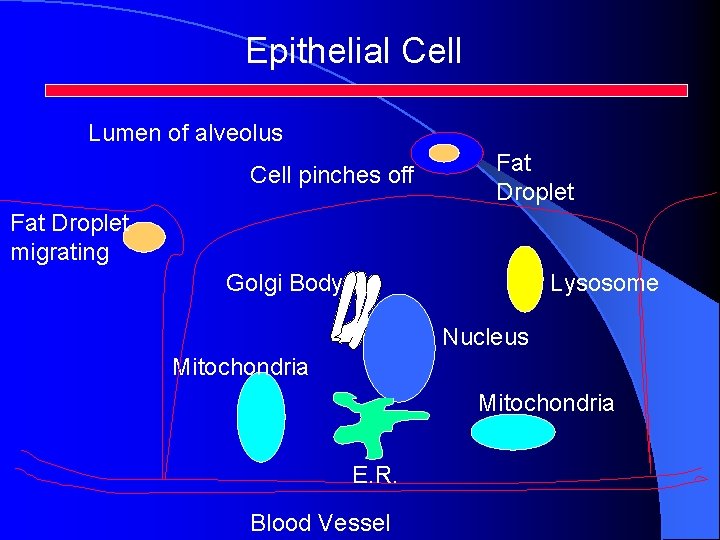
Epithelial Cell Lumen of alveolus Fat Droplet migrating Golgi Body Lysosome Nucleus Mitochondria E. R. Blood Vessel
Epithelial Cell Lumen of alveolus Fat Droplet migrating Golgi Body Lysosome Nucleus Mitochondria E. R. Blood Vessel
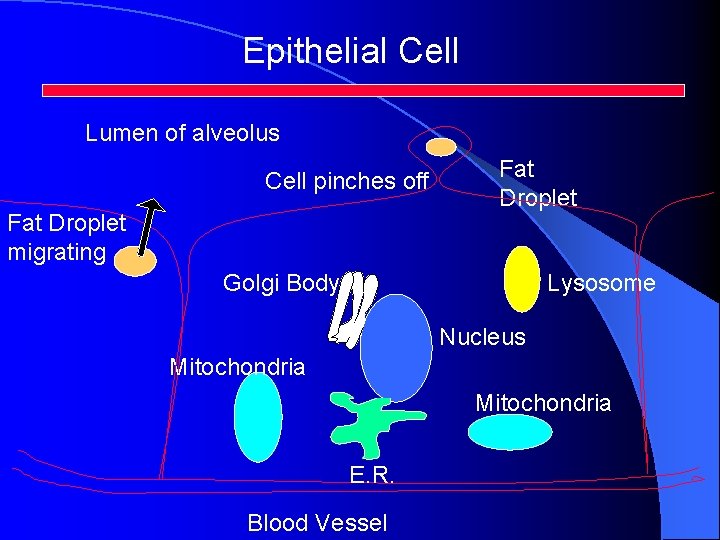
Epithelial Cell Lumen of alveolus Cell pinches off Fat Droplet migrating Fat Droplet Golgi Body Lysosome Nucleus Mitochondria E. R. Blood Vessel
Epithelial Cell Lumen of alveolus Cell pinches off Fat Droplet migrating Golgi Body Lysosome Nucleus Mitochondria E. R. Blood Vessel
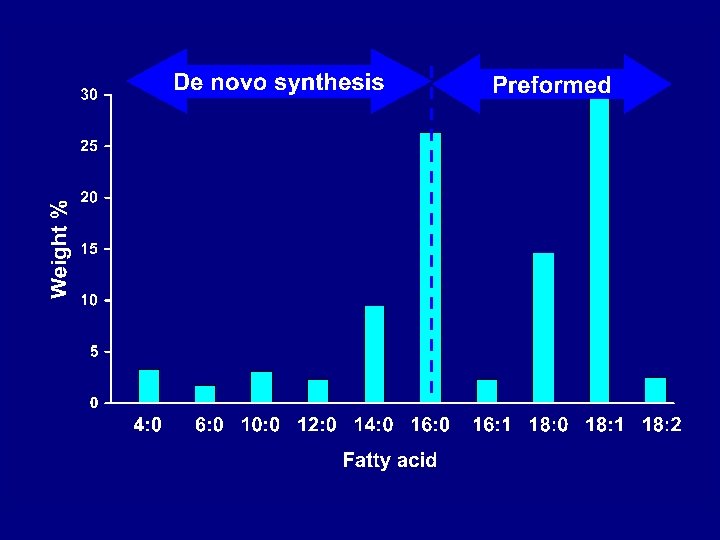
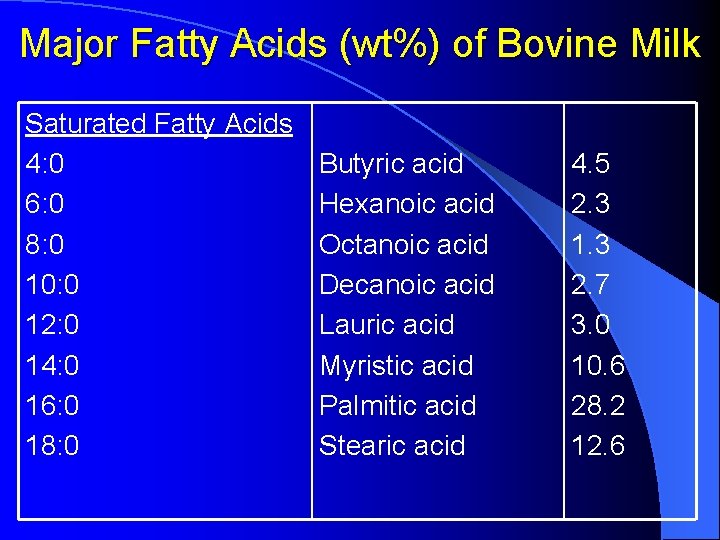
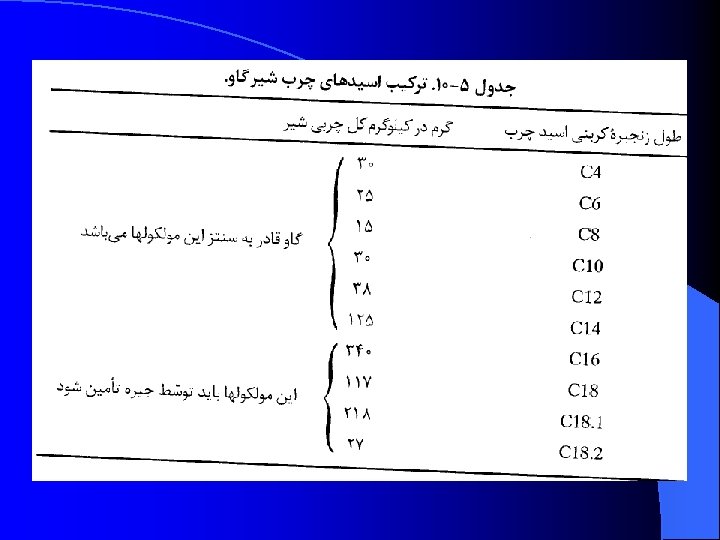
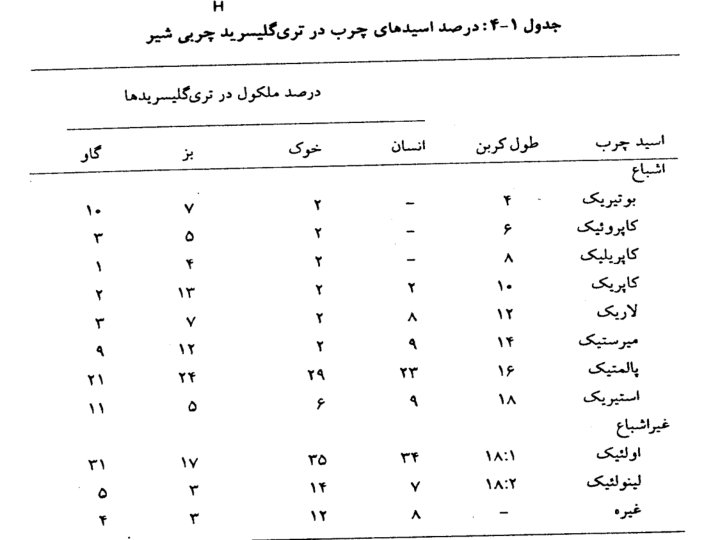
Major Fatty Acids (wt%) of Bovine Milk Saturated Fatty Acids 4: 0 6: 0 8: 0 10: 0 12: 0 14: 0 16: 0 18: 0 Butyric acid Hexanoic acid Octanoic acid Decanoic acid Lauric acid Myristic acid Palmitic acid Stearic acid 4. 5 2. 3 1. 3 2. 7 3. 0 10. 6 28. 2 12. 6
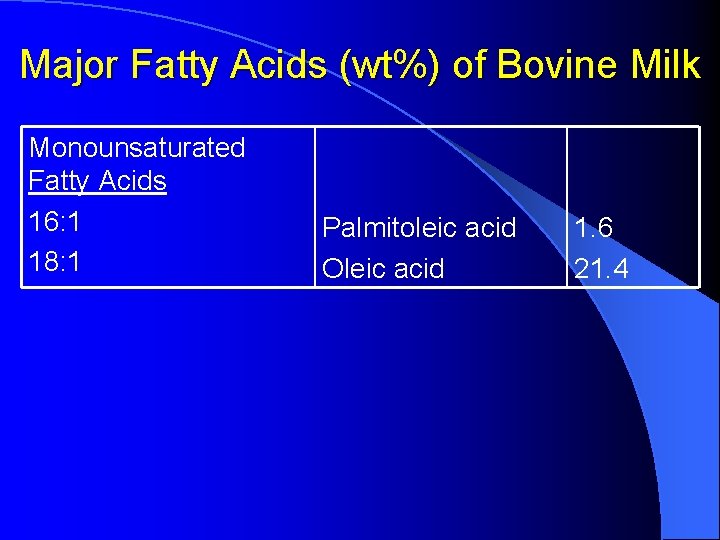
Major Fatty Acids (wt%) of Bovine Milk Monounsaturated Fatty Acids 16: 1 18: 1 Palmitoleic acid Oleic acid 1. 6 21. 4
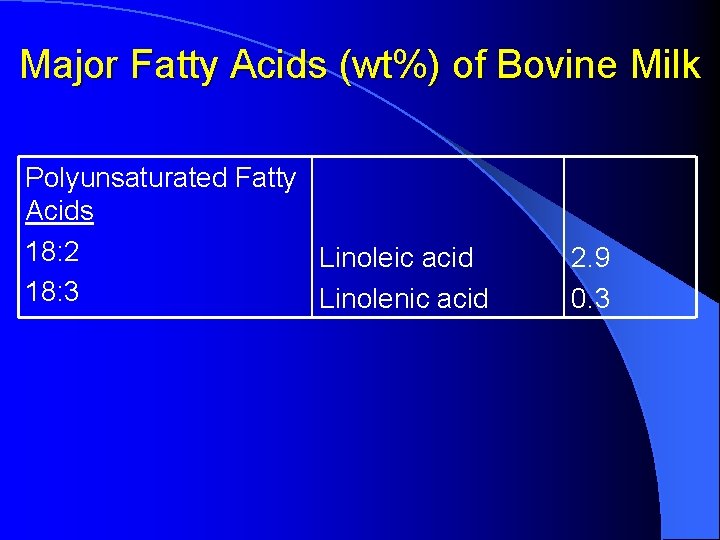
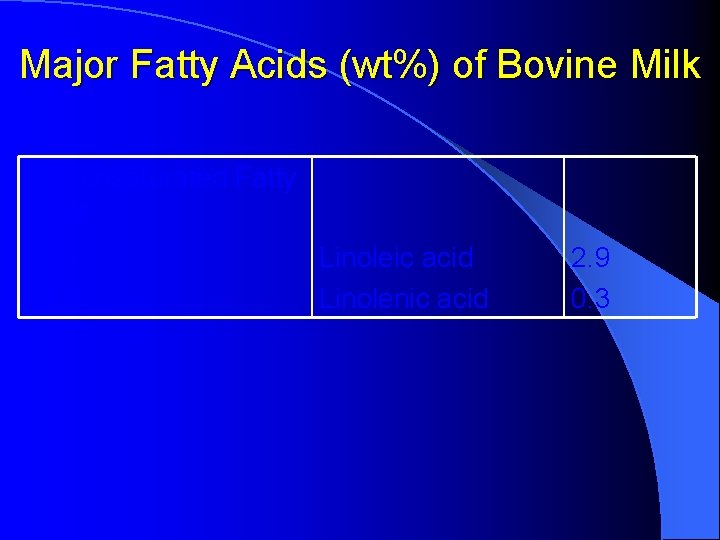
Major Fatty Acids (wt%) of Bovine Milk Polyunsaturated Fatty Acids 18: 2 Linoleic acid 18: 3 Linolenic acid 2. 9 0. 3
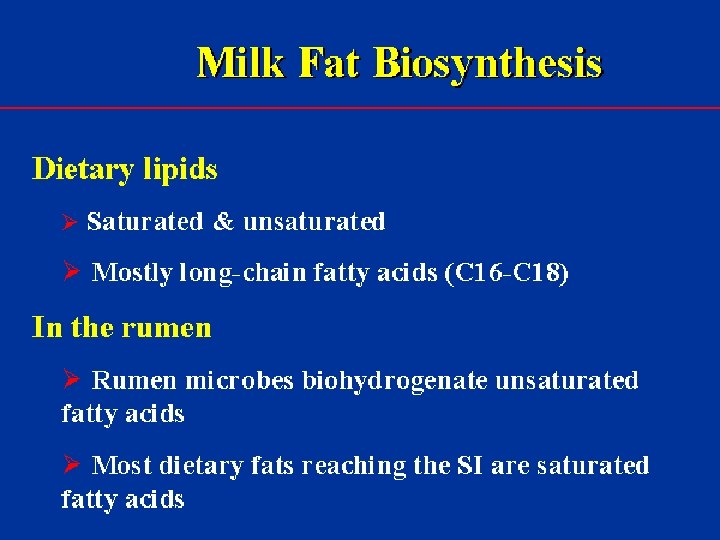
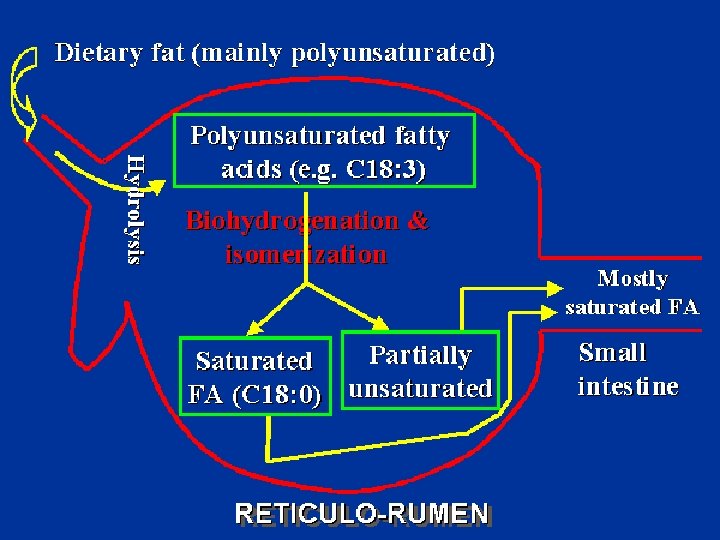
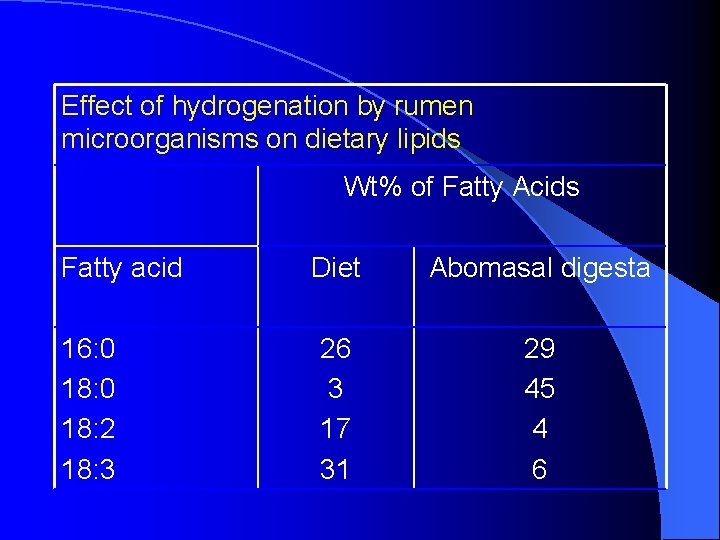
Effect of hydrogenation by rumen microorganisms on dietary lipids Wt% of Fatty Acids Fatty acid 16: 0 18: 2 18: 3 Diet Abomasal digesta 26 3 17 31 29 45 4 6
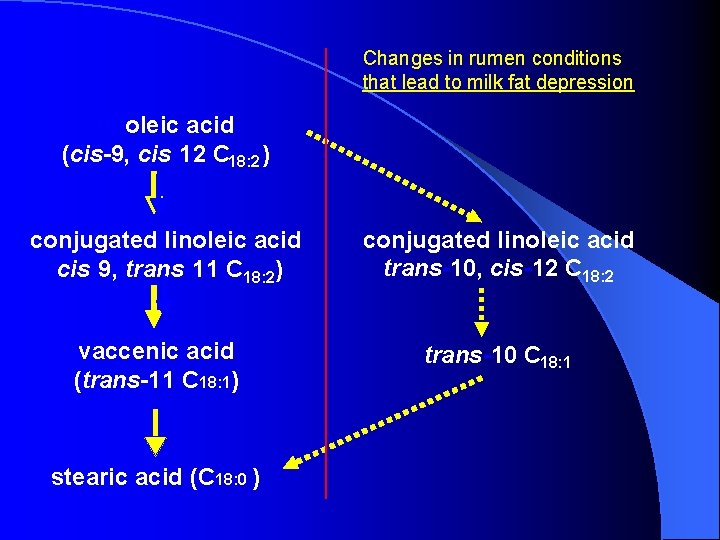
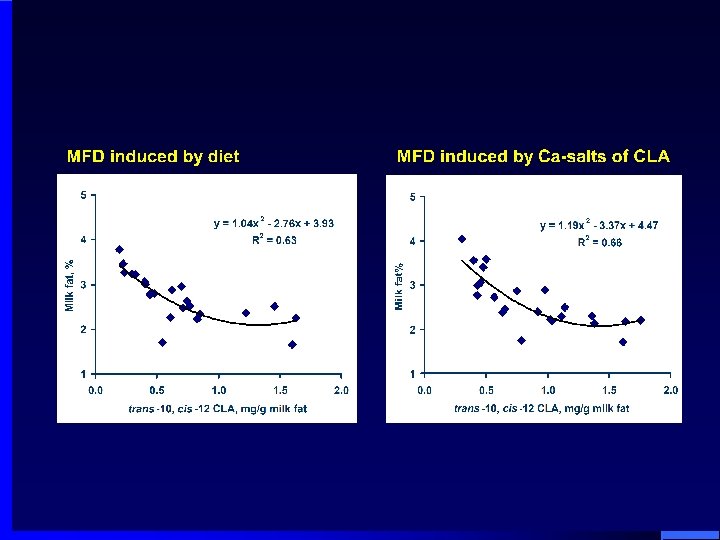
Changes in rumen conditions that lead to milk fat depression linoleic acid (cis-9, cis-12 C 18: 2 ) conjugated linoleic acid (cis-9, trans-11 C 18: 2) vaccenic acid (trans-11 C 18: 1) stearic acid (C 18: 0 ) conjugated linoleic acid trans-10, ciscis-12 C 18: 2 trans-10 C 18: 1
Milk Fat Concentration Most variable component of milk l Increased during periods of energy deficit l Decreased when fed diets containing unsaturated fatty acids (most grains) and low effective fiber (change rumen conditions) l – Milk fat depression (<2. 8% fat) l Fatty acid changes also occur
Milk Protein Concentration l Not too variable l Changes related to dietary energy intake, not dietary protein – little effect of dietary fat on milk protein concentration unless perturb normal rumen function – fermentable carbohydrate intake is the key! l Maximize VFA and microbial protein production
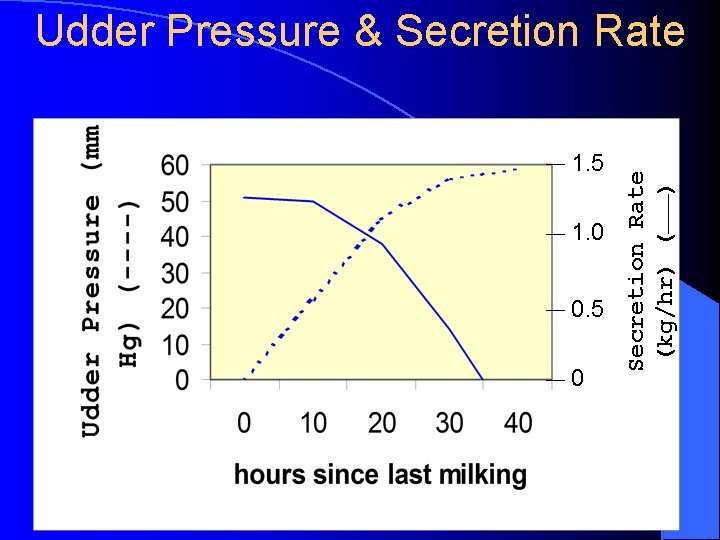
1. 5 1. 0 0. 5 0 Secretion Rate (kg/hr) (____) Udder Pressure & Secretion Rate
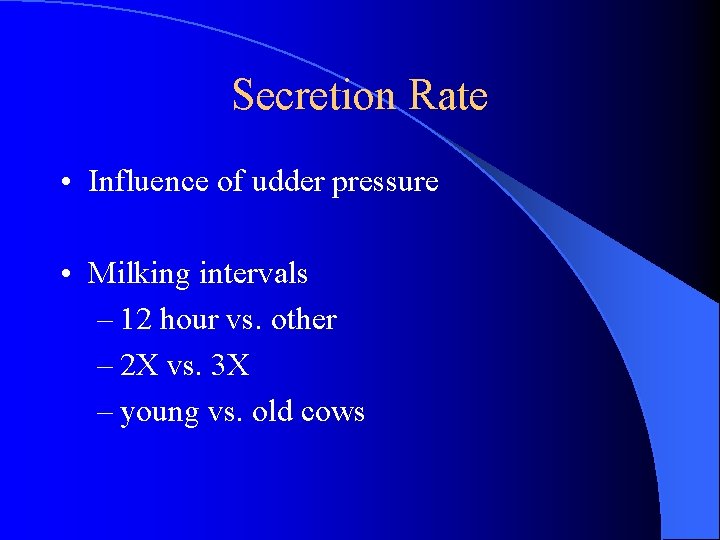
Secretion Rate • Influence of udder pressure • Milking intervals – 12 hour vs. other – 2 X vs. 3 X – young vs. old cows
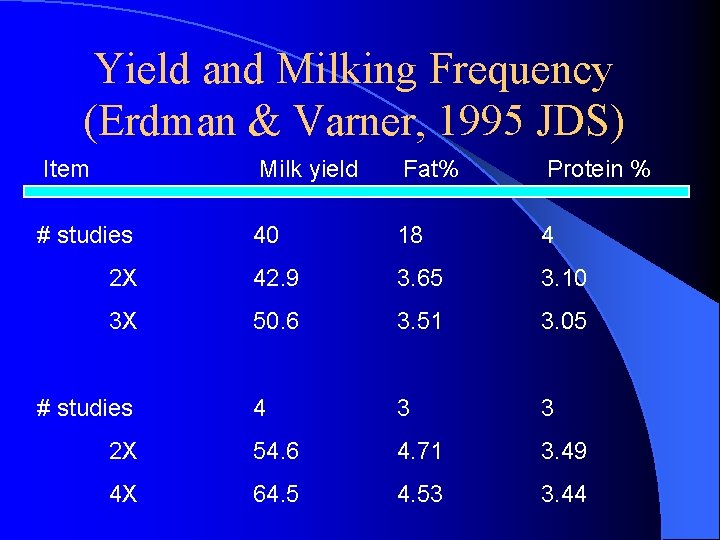
Yield and Milking Frequency (Erdman & Varner, 1995 JDS) Item Milk yield Fat% Protein % # studies 40 18 4 2 X 42. 9 3. 65 3. 10 3 X 50. 6 3. 51 3. 05 4 3 3 2 X 54. 6 4. 71 3. 49 4 X 64. 53 3. 44 # studies
Milk Let Down • Refractory period to oxytocin? • Adrenaline interferes
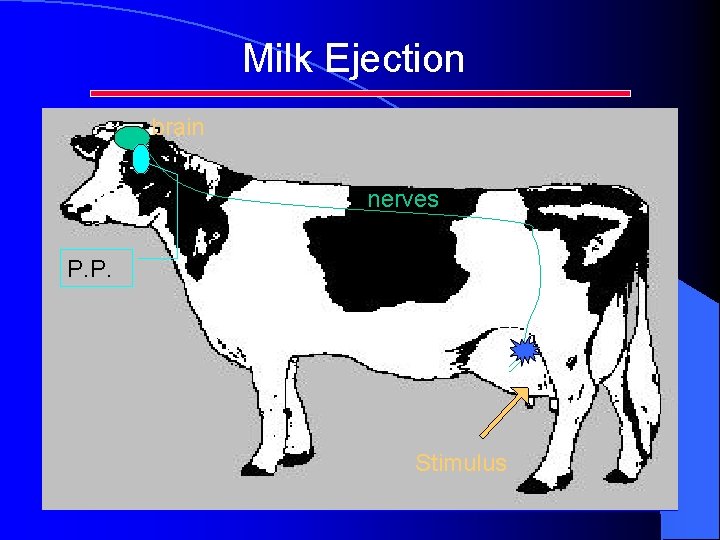
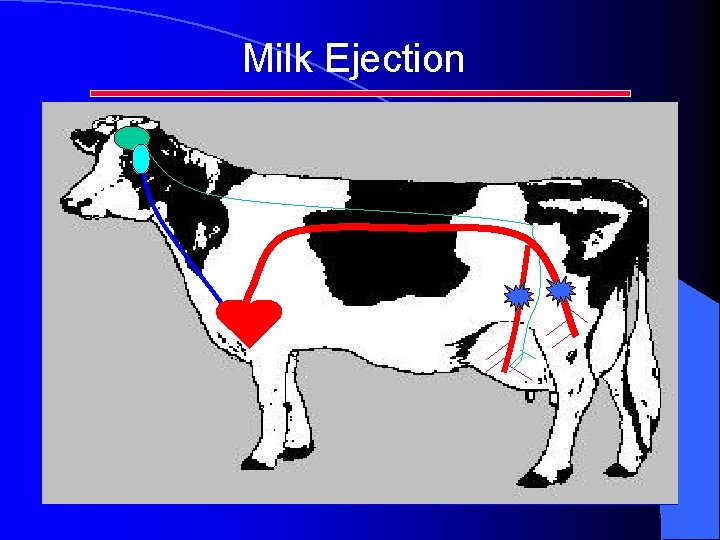
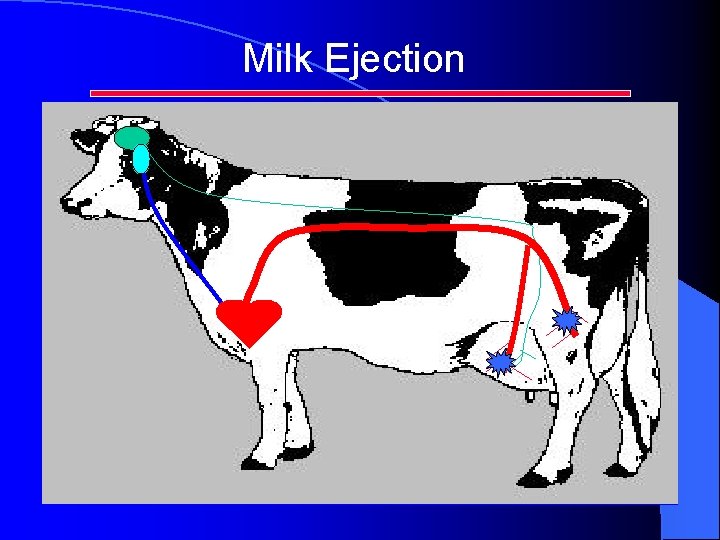
Milk Ejection brain nerves P. P. Stimulus
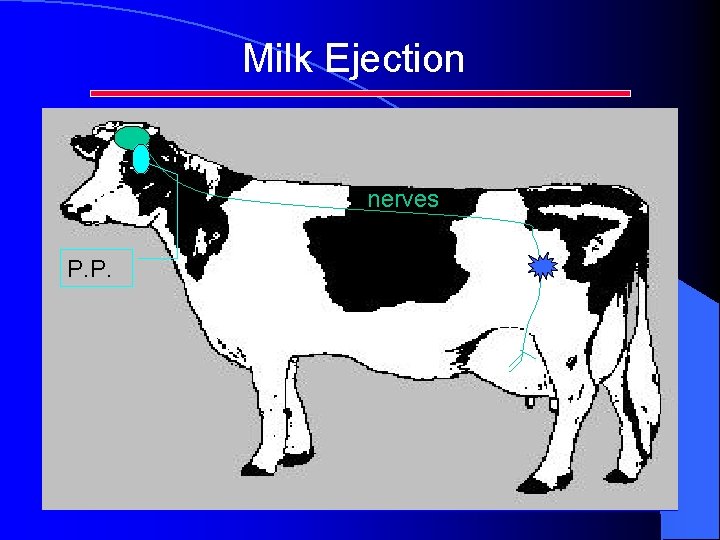
Milk Ejection nerves P. P.
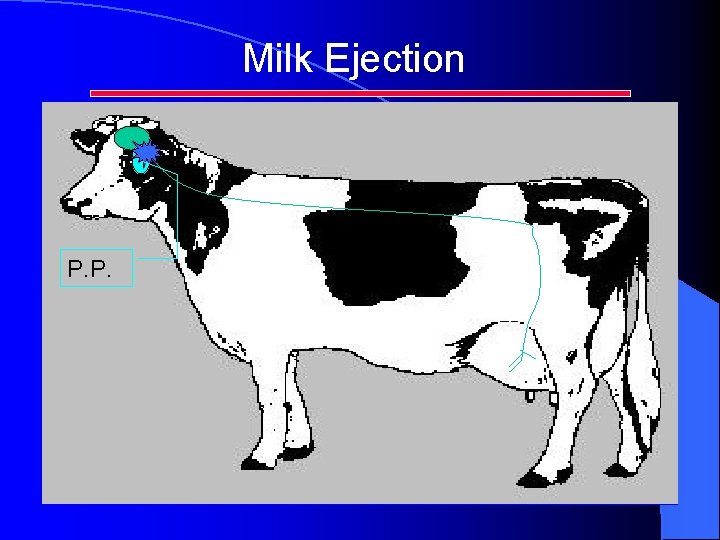
Milk Ejection P. P.
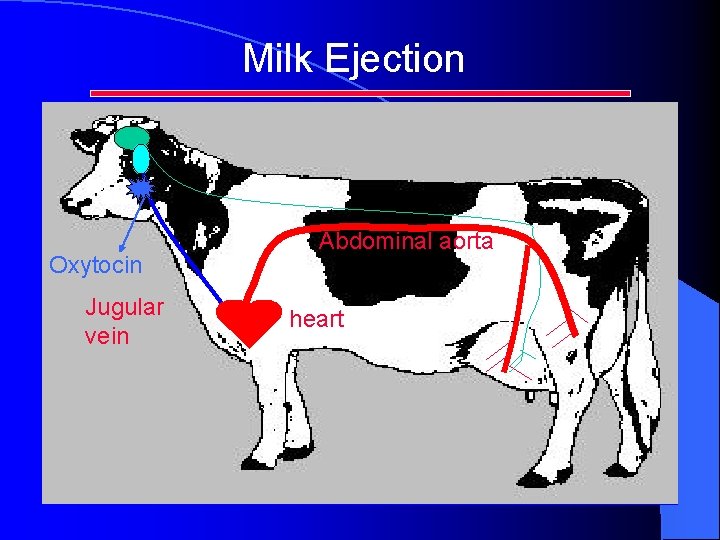
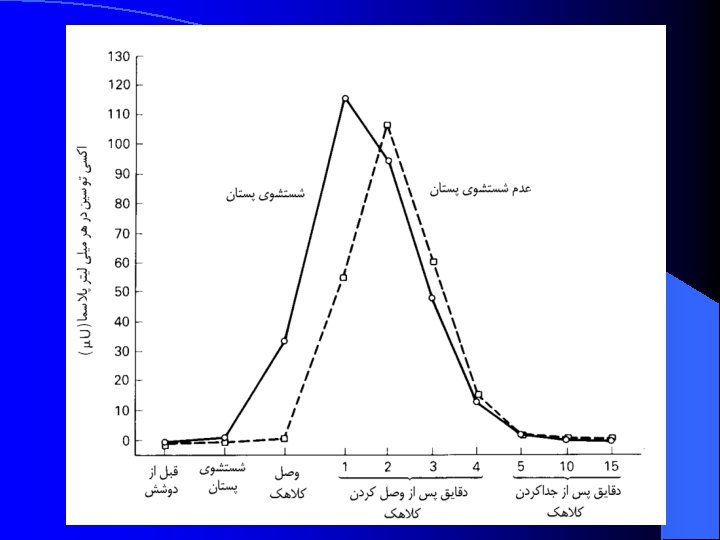
Milk Ejection Oxytocin Jugular vein Abdominal aorta heart
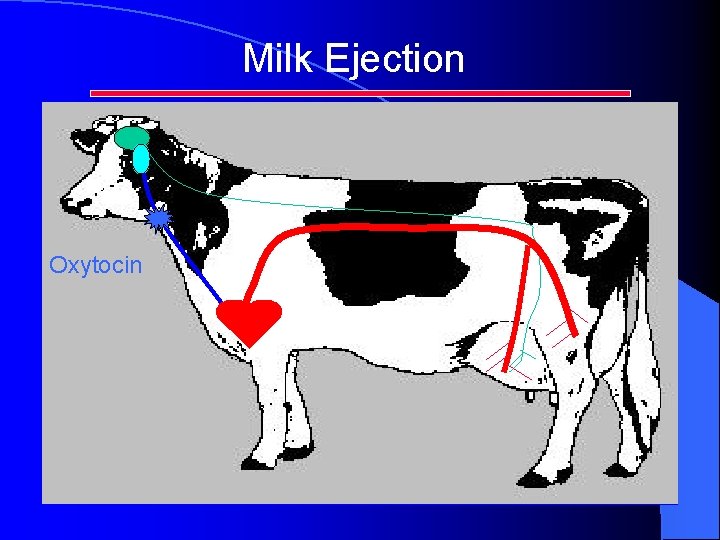
Milk Ejection Oxytocin
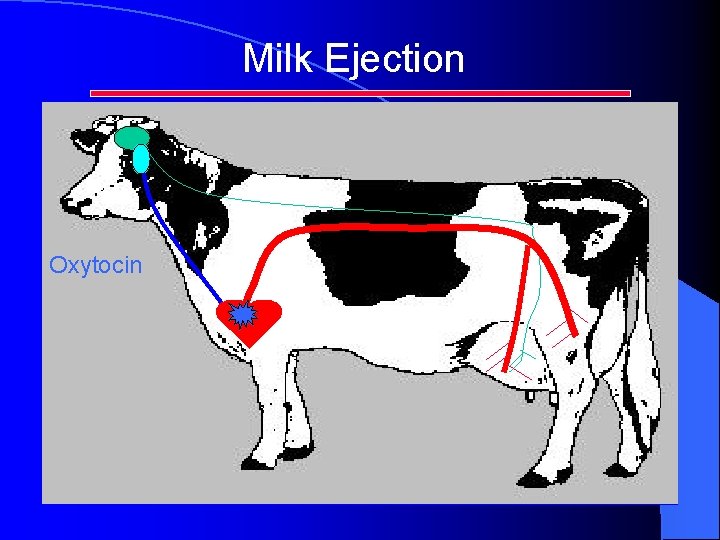
Milk Ejection Oxytocin
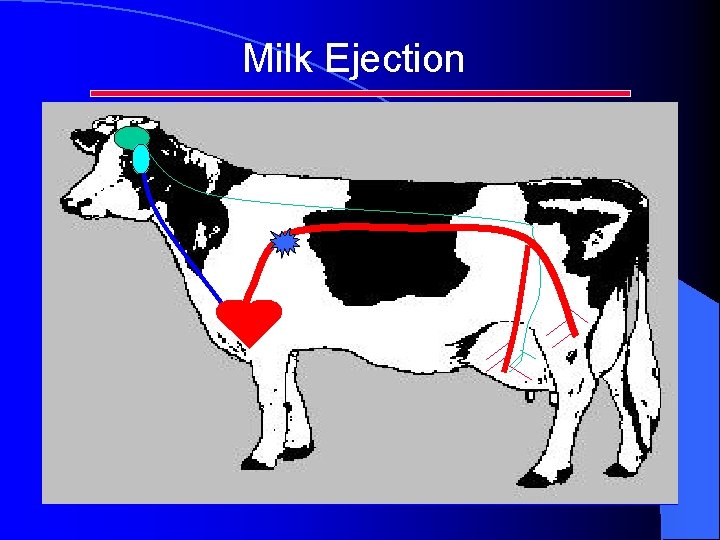
Milk Ejection
Milk Ejection
Milk Ejection
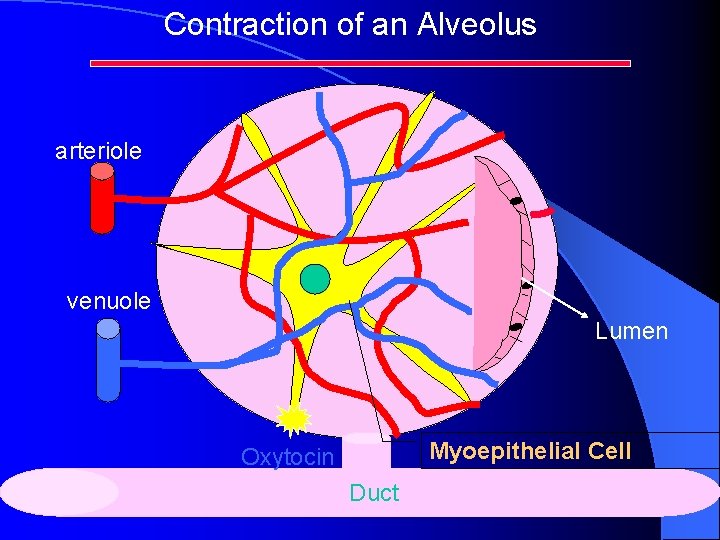
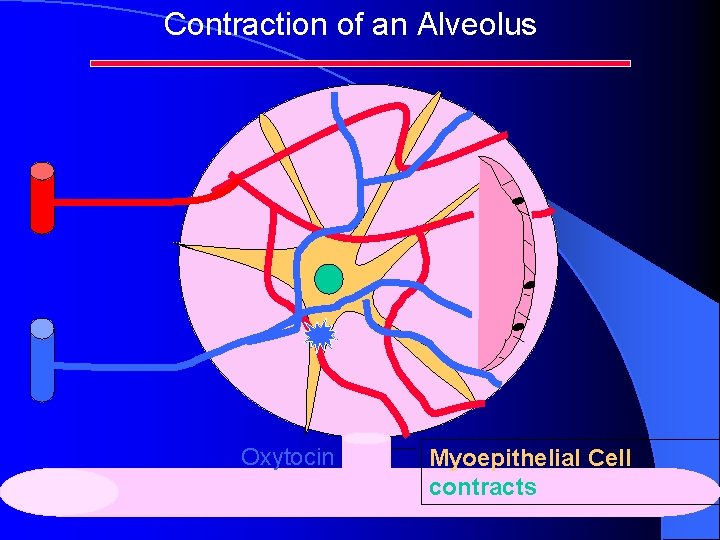
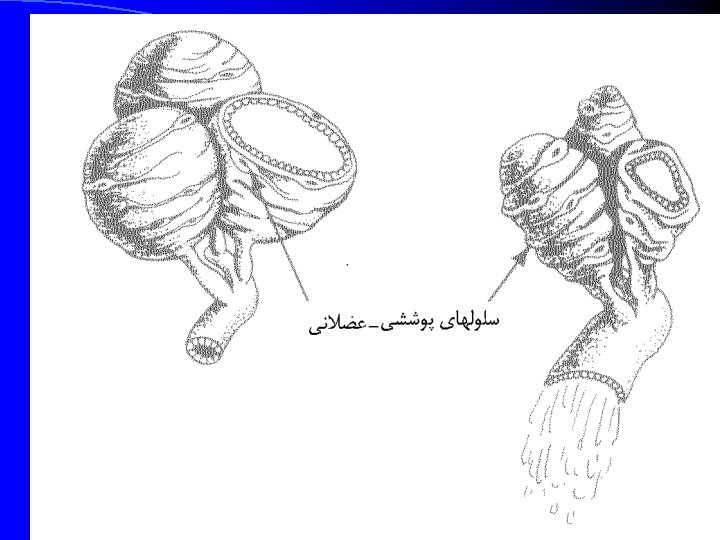
Contraction of an Alveolus arteriole venuole Lumen Myoepithelial Cell Oxytocin Duct
Contraction of an Alveolus Oxytocin Myoepithelial Cell contracts
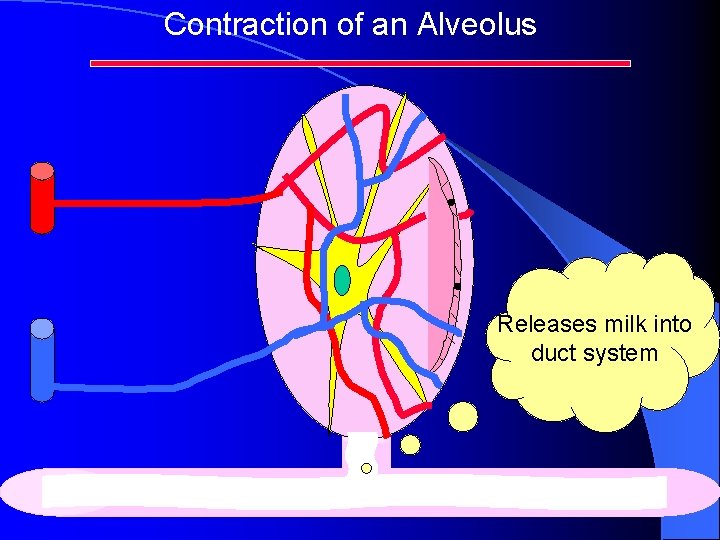
Contraction of an Alveolus Releases milk into duct system
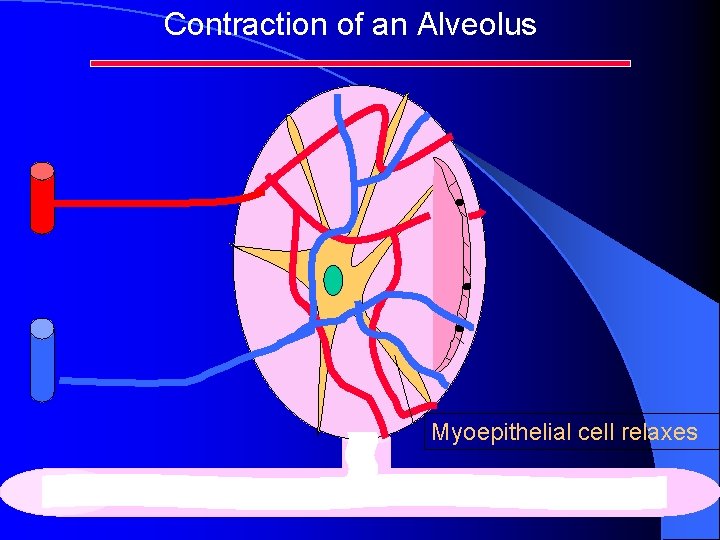
Contraction of an Alveolus Myoepithelial cell relaxes
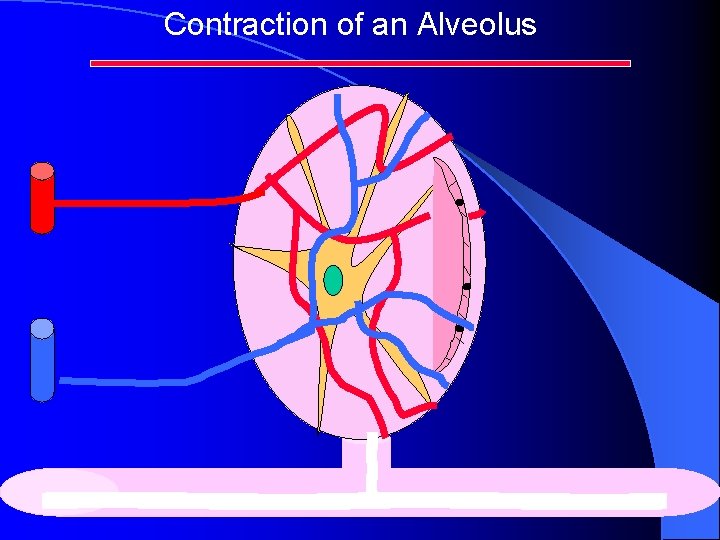
Contraction of an Alveolus
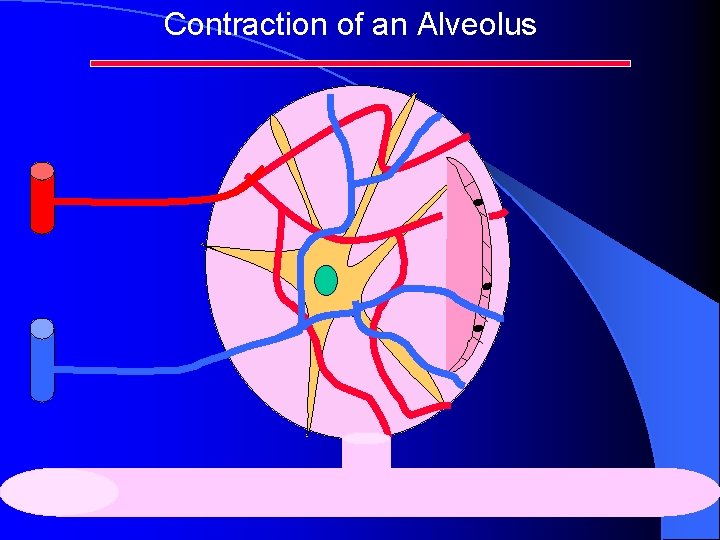
Contraction of an Alveolus
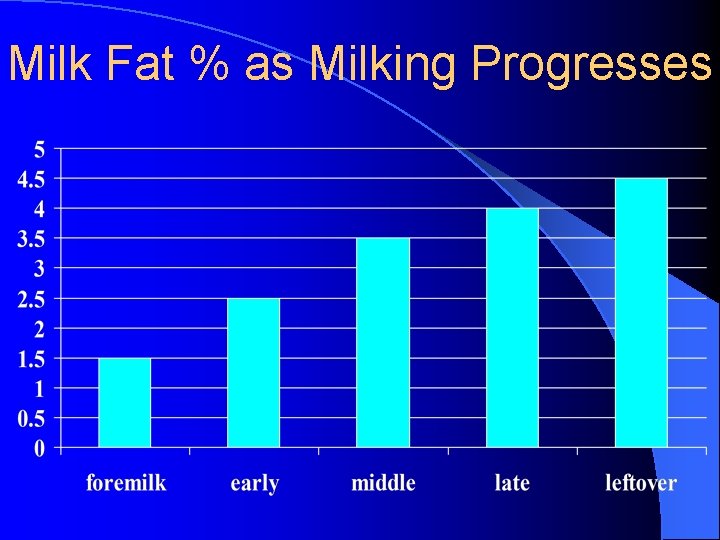
Milk Fat % as Milking Progresses
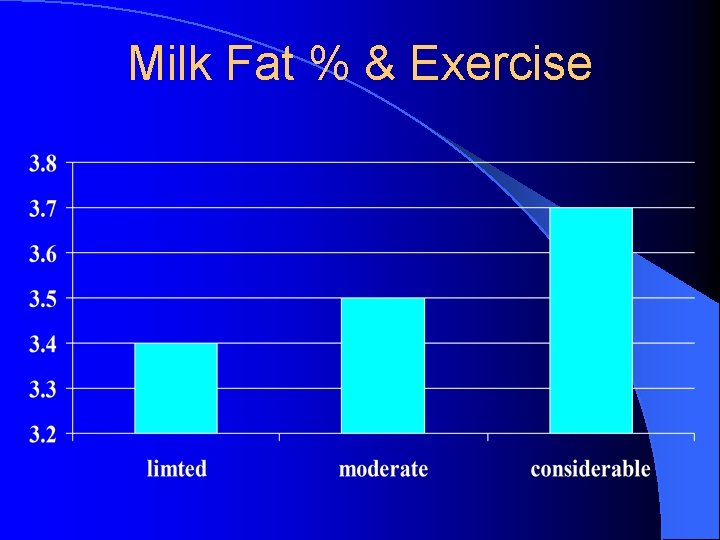
Milk Fat % & Exercise
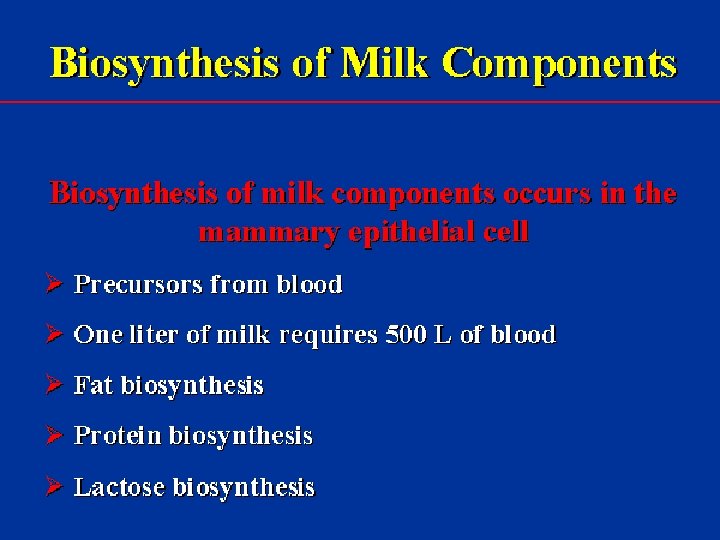
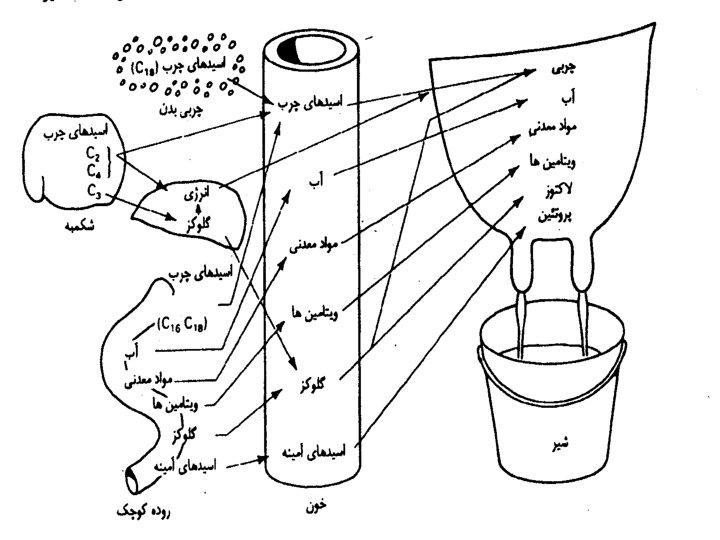
Biosynthesis of Milk components l Precursors from blood l One liter of milk requires 500 L of blood l Fat biosynthesis l Protein biosynthesis l Lactose biosynthesis
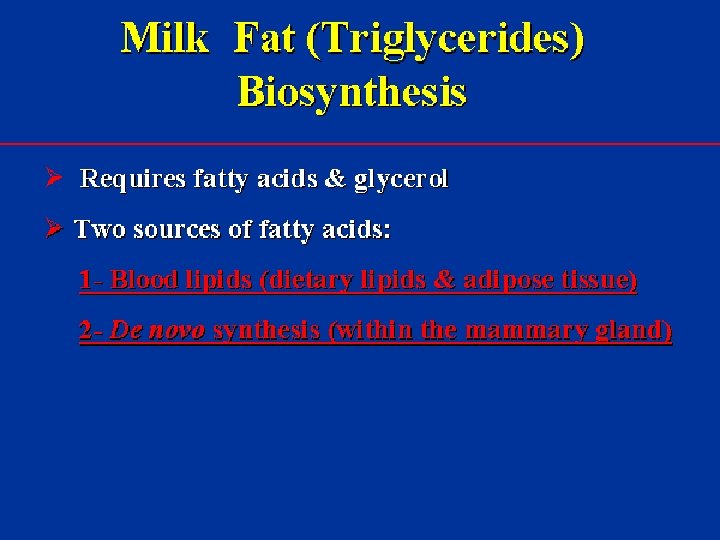
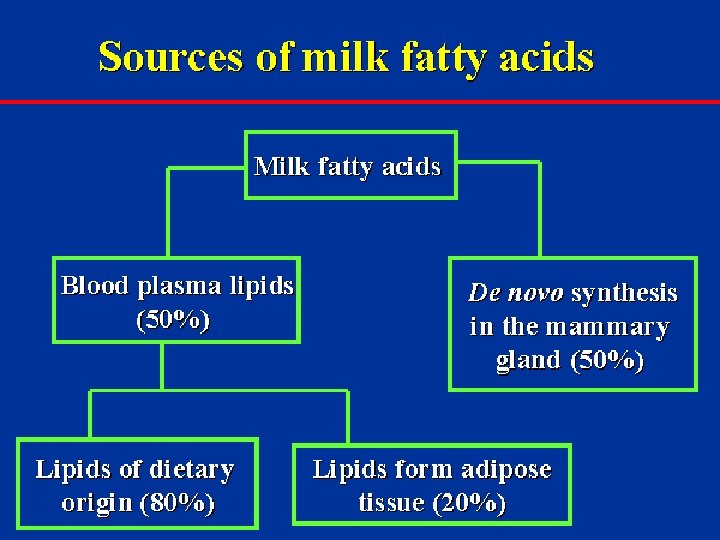
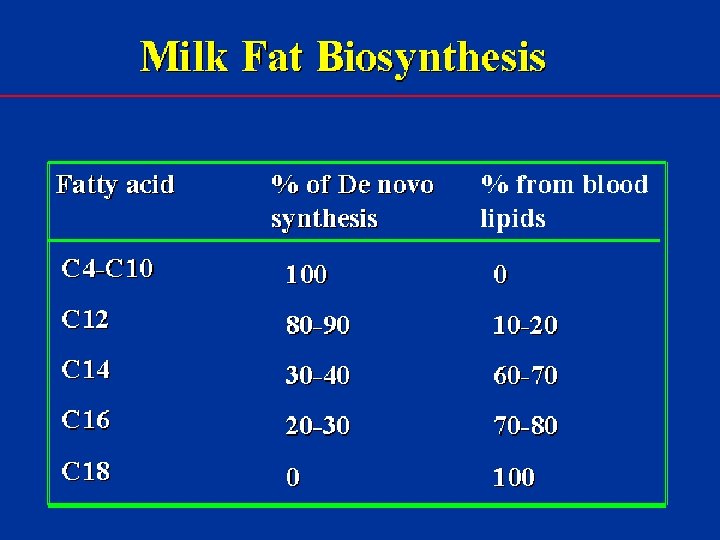
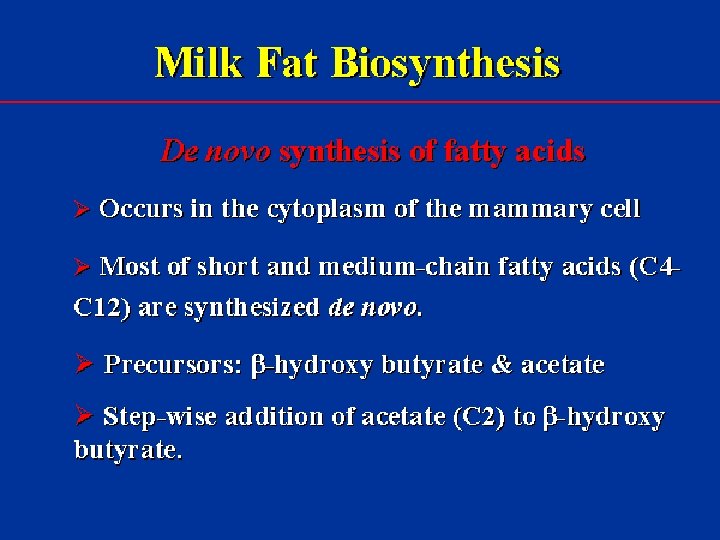
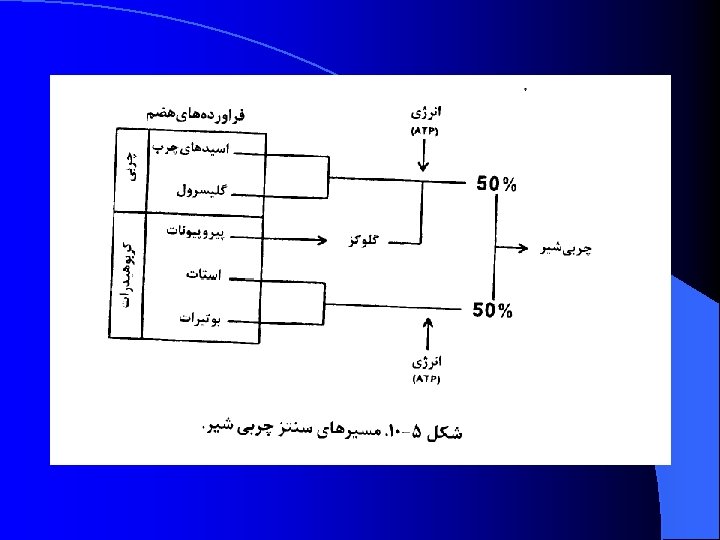
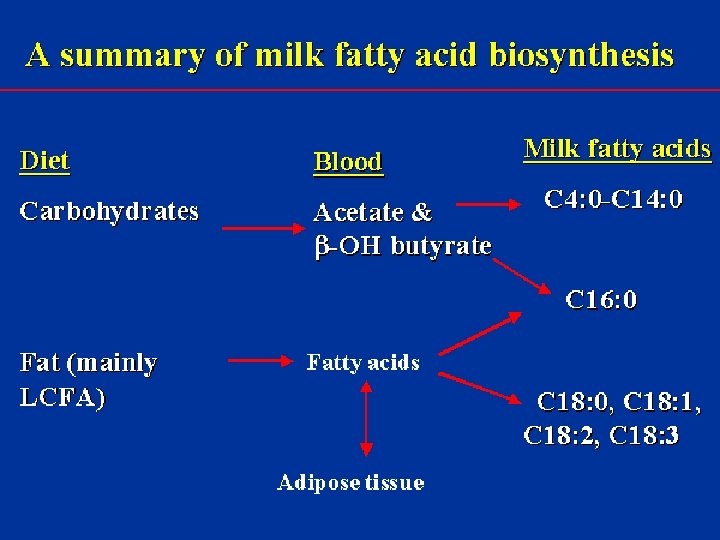
Milk Fat biosynthesis l Requires fatty acids and glycerol l Two sources of fatty acids: 1 - blood lipids (dietary lipids & adipose tissue) 2 - De novo synthesis (within the MG)
Major Fatty Acids (wt%) of Bovine Milk Polyunsaturated Fatty Acids 18: 2 Linoleic acid 18: 3 Linolenic acid 2. 9 0. 3