
Chapter 4 Life In The Colonies New England

- Slides: 19
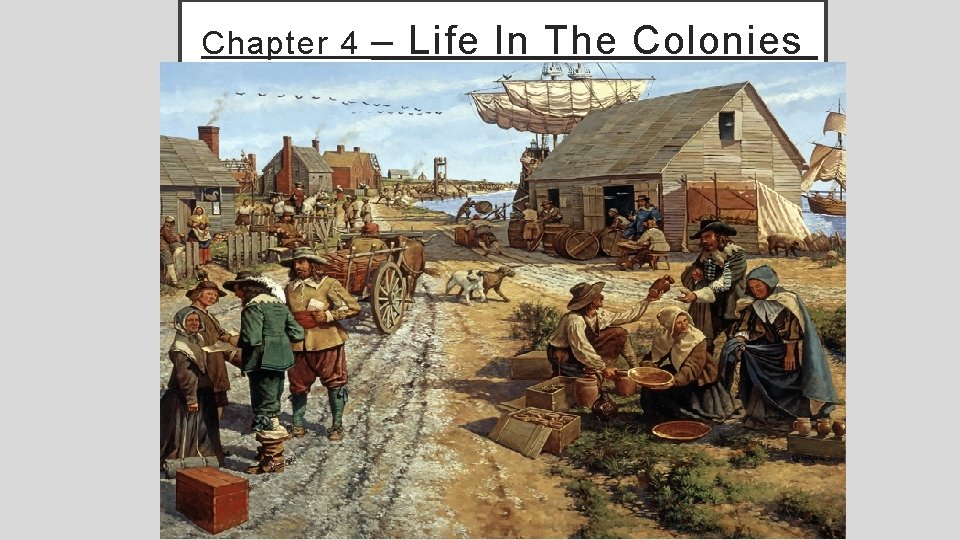
Chapter 4 – Life In The Colonies
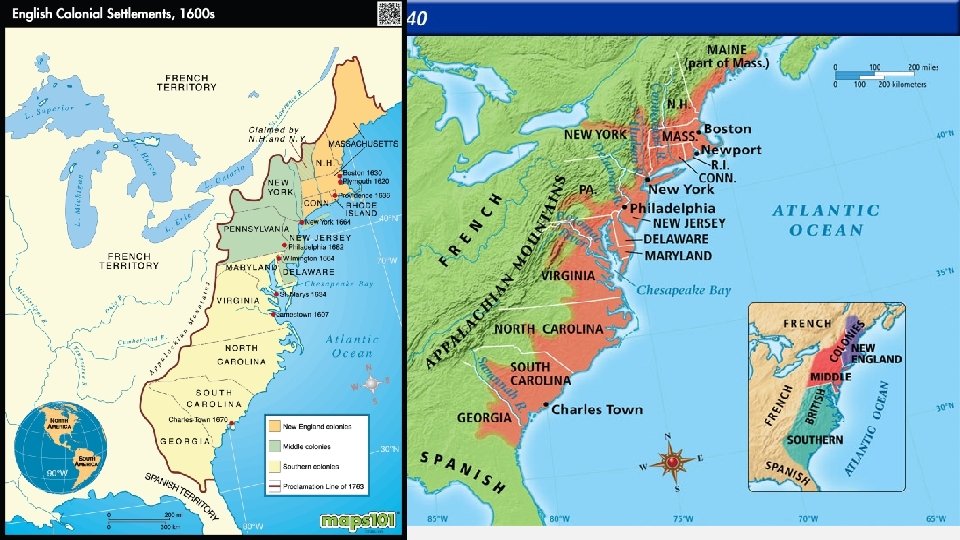
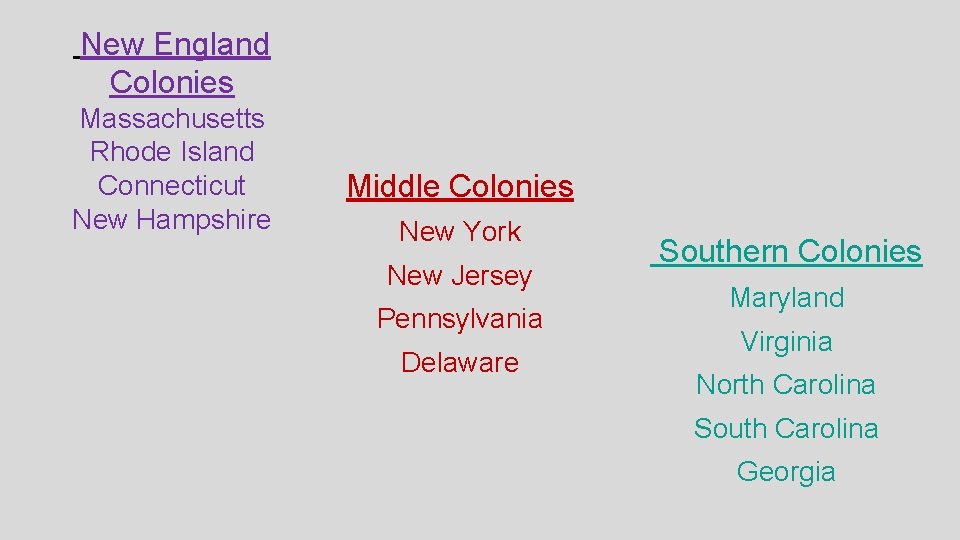
New England Colonies Massachusetts Rhode Island Connecticut New Hampshire Middle Colonies New York New Jersey Pennsylvania Delaware Southern Colonies Maryland Virginia North Carolina South Carolina Georgia
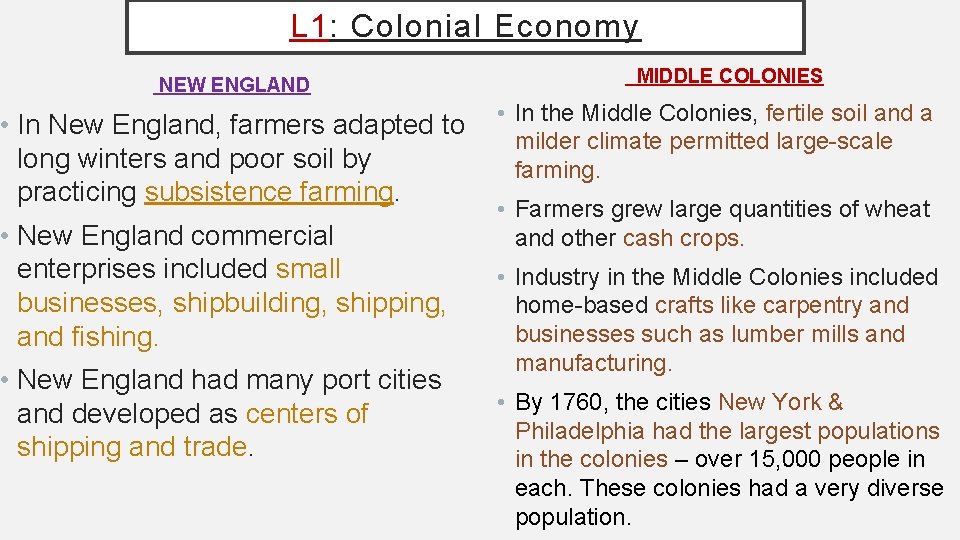
L 1: Colonial Economy NEW ENGLAND • In New England, farmers adapted to long winters and poor soil by practicing subsistence farming. • New England commercial enterprises included small businesses, shipbuilding, shipping, and fishing. • New England had many port cities and developed as centers of shipping and trade. MIDDLE COLONIES • In the Middle Colonies, fertile soil and a milder climate permitted large-scale farming. • Farmers grew large quantities of wheat and other cash crops. • Industry in the Middle Colonies included home-based crafts like carpentry and businesses such as lumber mills and manufacturing. • By 1760, the cities New York & Philadelphia had the largest populations in the colonies – over 15, 000 people in each. These colonies had a very diverse population.
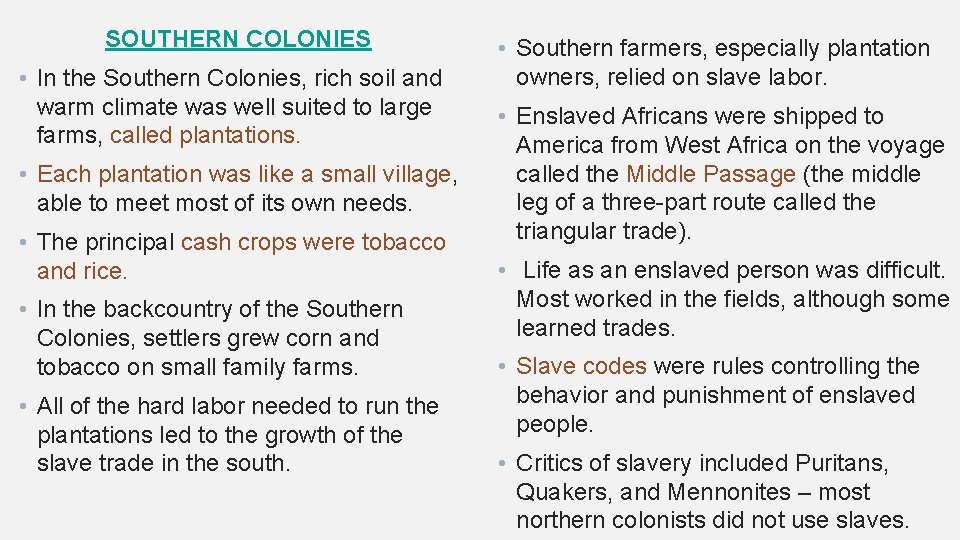
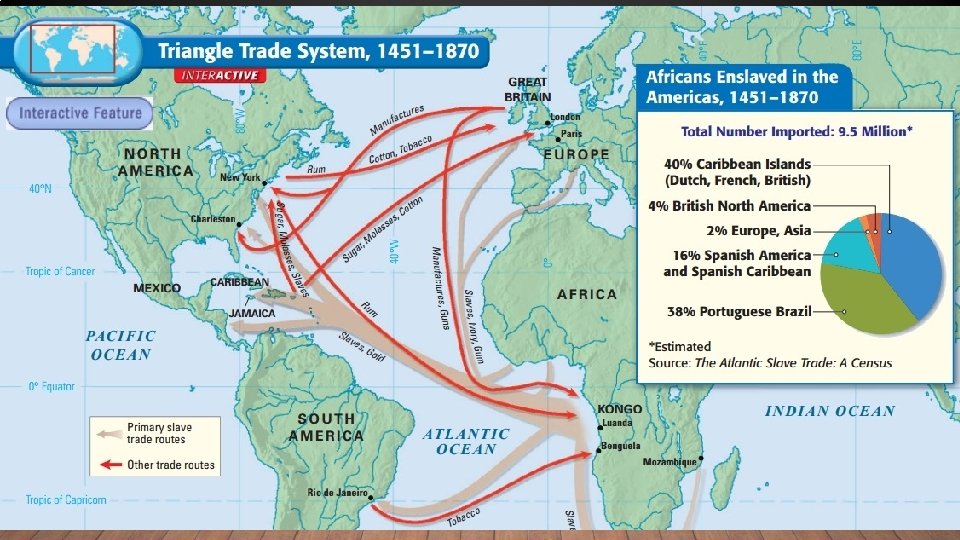
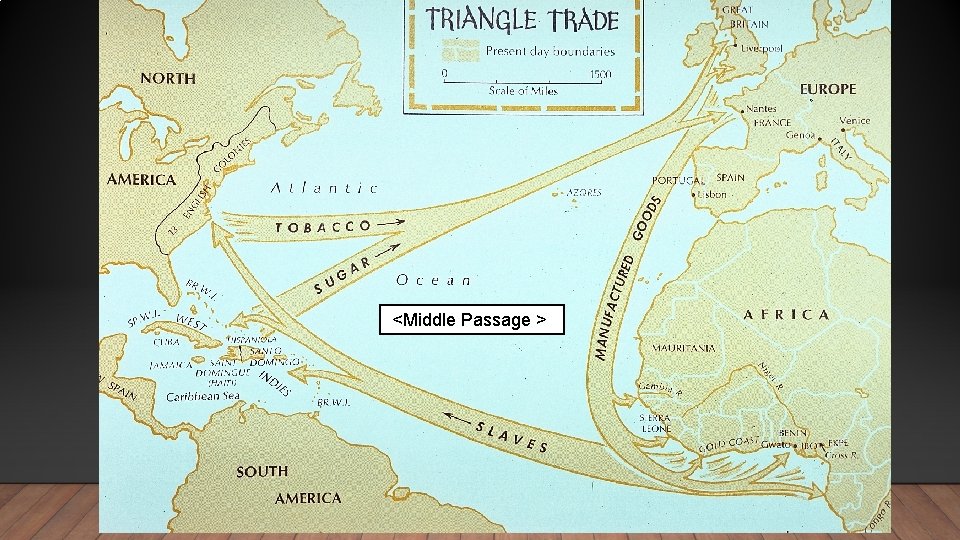
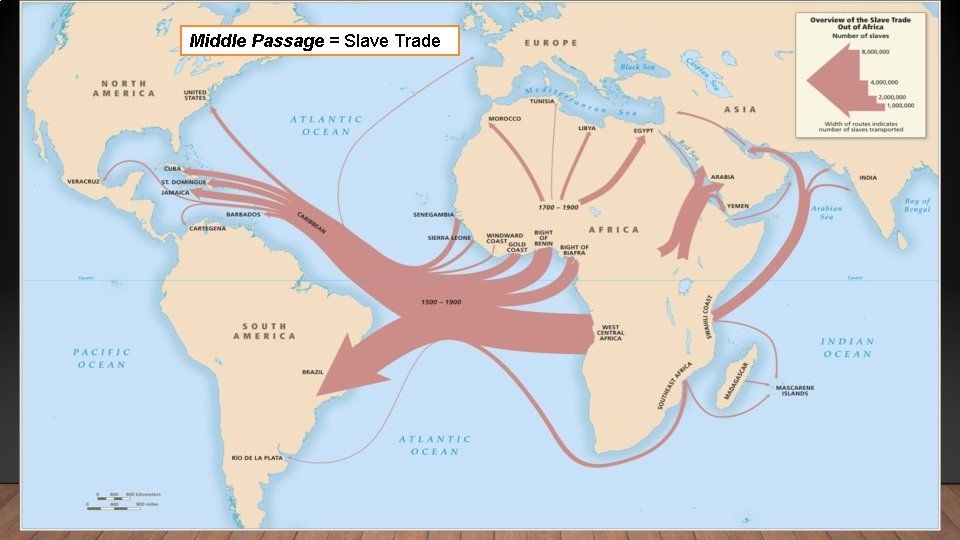
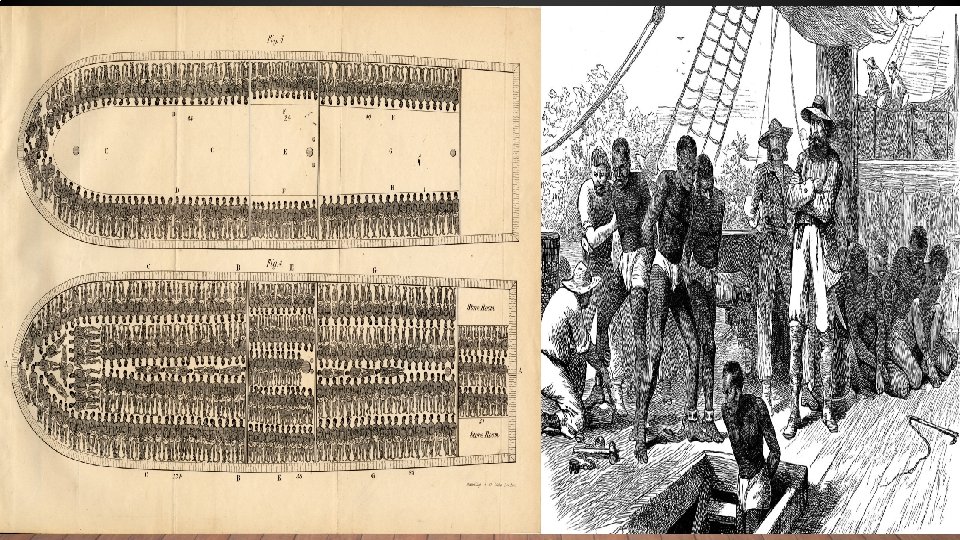
SOUTHERN COLONIES • In the Southern Colonies, rich soil and warm climate was well suited to large farms, called plantations. • Each plantation was like a small village, able to meet most of its own needs. • The principal cash crops were tobacco and rice. • In the backcountry of the Southern Colonies, settlers grew corn and tobacco on small family farms. • All of the hard labor needed to run the plantations led to the growth of the slave trade in the south. • Southern farmers, especially plantation owners, relied on slave labor. • Enslaved Africans were shipped to America from West Africa on the voyage called the Middle Passage (the middle leg of a three-part route called the triangular trade). • Life as an enslaved person was difficult. Most worked in the fields, although some learned trades. • Slave codes were rules controlling the behavior and punishment of enslaved people. • Critics of slavery included Puritans, Quakers, and Mennonites – most northern colonists did not use slaves.
<Middle Passage >
Middle Passage = Slave Trade
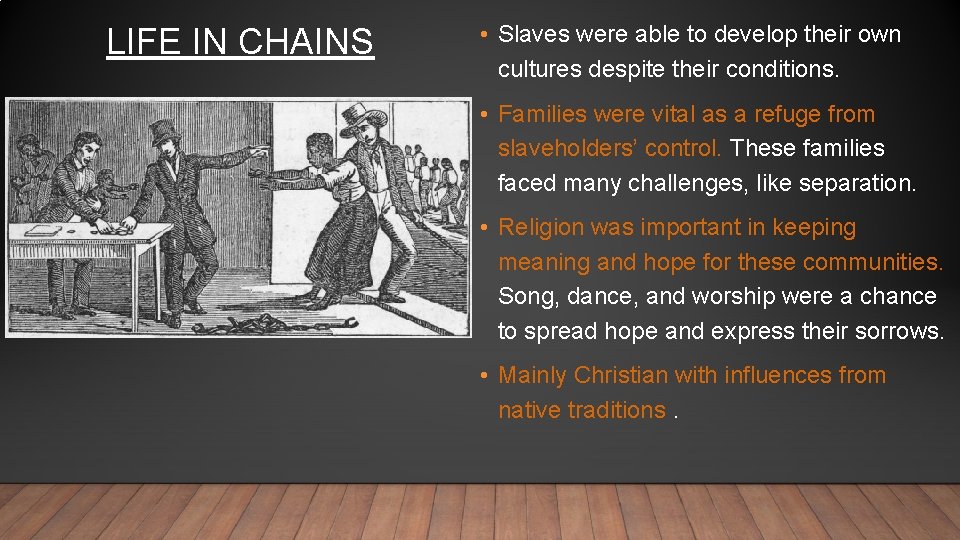
LIFE IN CHAINS • Slaves were able to develop their own cultures despite their conditions. • Families were vital as a refuge from slaveholders’ control. These families faced many challenges, like separation. • Religion was important in keeping meaning and hope for these communities. Song, dance, and worship were a chance to spread hope and express their sorrows. • Mainly Christian with influences from native traditions.
L 2: Colonial Government The English colonists brought with them ideas about government - including protected rights and representative government • The idea of protected rights first appeared in the Magna Carta, signed by the King of England in 1215. • English Parliament = a representative assembly, was a model for American legislatures. • English Bill of Rights signed in 1689 set clear limits on a government’s powers = Limited the power of parliament, gave trail by jury, and banned cruel punishments for crimes. 3 types of Colonies • Charter colonies: controlled by a company that had been granted a charter by England. • Proprietary colonies: controlled by an individual owner or a group of owners. • Royal colonies: controlled by the English king and Parliament. ØIn royal colonies, Parliament appointed a Governor and council (upper house) ØColonists selected an assembly (lower house) ØThese two houses were often in conflict. ØTown meetings in the colonies developed into local governments. It gave colonists a tradition of being involved in local government. ØTown meetings gave colonists a strong belief in the right to govern themselves. Only White men who owned property could
• Mercantilism – an economic theory whose goal is growing a state’s wealth and power by increasing exports and accumulating its supplies of gold and silver. • ^ England practiced this policy and used the Colonies to make it possible. • Colonies supplied raw materials to export • Colonies provided a market to import English manufactured • Navigation Acts, passed in 1650 to control trade in the colonies. The Acts forced colonists to sell their raw materials ONLY to England. Goods being sent to the colonies from Europe had to go through England first and be taken by an English ship – to ensure that it was being taxed. • Many colonial merchants rebelled and began smuggling goods. • Trade restrictions would cause conflict between the American colonies and England.
L 3: CULTURE & SOCIETY Immigration and large families contributed to the growing population in the colonies. • Children were expected to work in the • By the mid-1700 s, the population in the home in any capacity needed. colonies grew to 2. 5 million. Included in that increase were about 500, 000 African Americans • Young men could work as indentured servants or apprentices. • Threats to life in the colonies included large outbreaks of serious diseases, called • Unmarried women and widows could work epidemics. for a family or in a trade, run businesses, • Colonists had to adapt their traditions to the new and own property. conditions in America. • Americans valued education. They taught their children at home, built schools, and • Family was the foundation of colonial society. passed public education laws. • Men were the head of the family and • In 1647, Massachusetts passed a law represented the family in the community. requiring large communities to have a • Married women ran their households and cared public school. for the children. • Craftspeople set up schools for apprentices. Colleges were founded to train ministers.
1730 the Great Awakening inspired greater religious freedom in the colonies. Many new church's were started as a result. • The Great Awakening united colonists from north to south in a common experience. This promoted the idea of civic virtue and democratic government. • Freedom of the press and civic virtue were important to colonists. • They believed a free press was essential to liberty. Americans were open to new ideas, such as those of the Enlightenment = a cultural/scientific movement in Europe. However, in many colonies the government censored newspapers. This angered many who believed in free press. • The Enlightenment spread the idea that knowledge, reason, and science could improve society. • The trial of John Peter Zenger in New York proved that the colonies would protect freedom of the press. • This inspired many Americans, including future founding fathers like Benjamin Franklin.
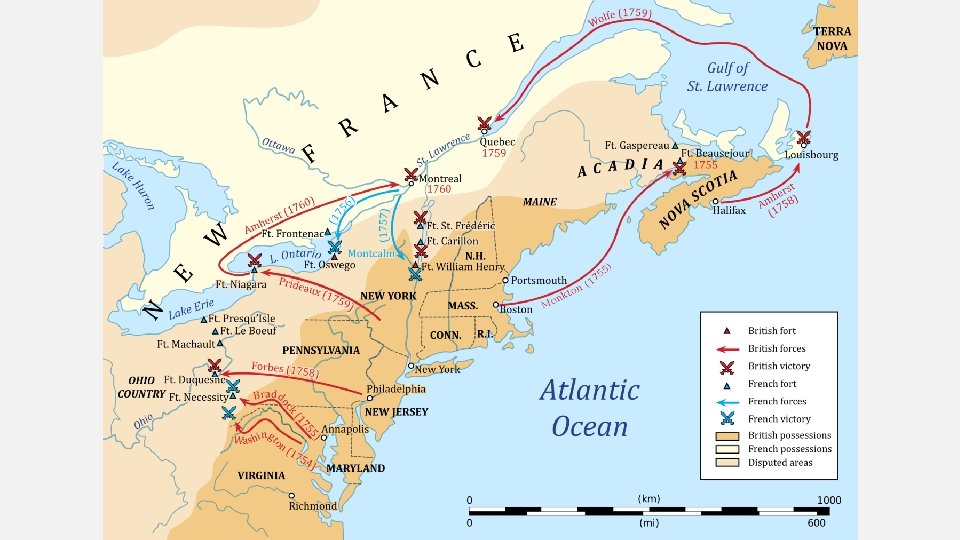
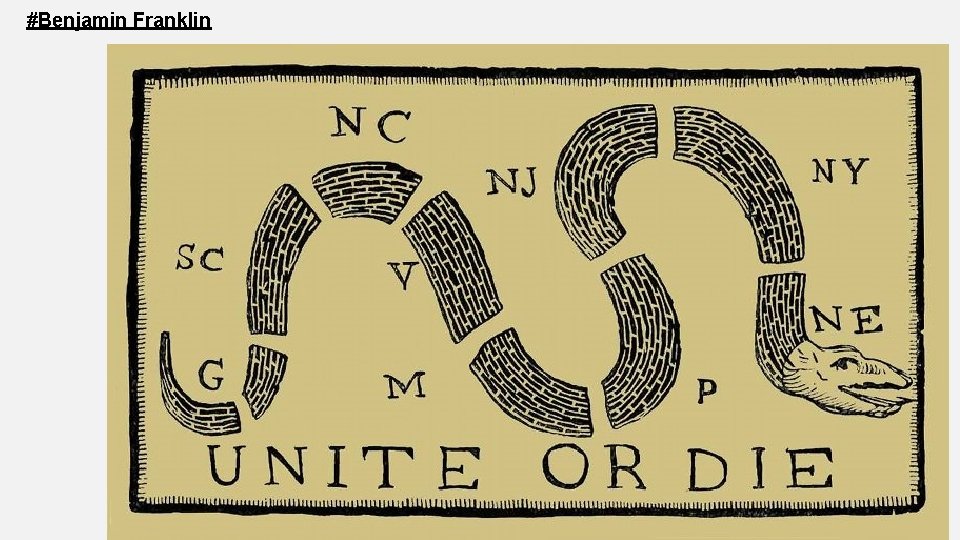
L 4: RIVALRY IN THE AMERICAS Britain and France were the leading world powers during the 1700’s • Britain and France both claimed rights to the Ohio River valley. • The French built a chain of forts to protect their claims, they took over a British site in Pennsylvania and built Fort Duquesne there. • As the conflict grew, the French and British both sought Native American help. • The British met with leaders of the Iroquois Confederacy seeking an alliance, but the Iroquois refused only promising to remain neutral. • Benjamin Franklin proposed a united colonial government in the Albany Plan of Union. • The Albany Plan was basically a plan to unite ALL the colonies under one government. • Franklin even drew the 1 st political cartoon in the American colonies to stress the importance of this alliance to all the colonies. • Delegates from the colonies decided to adopt this plan, but it failed because no colony would agree to give up any of its powers.
#Benjamin Franklin
• The French enjoyed early success in the war. • Then William Pitt became prime minister of Great Britain. A skilled military planner, he sent more British troops to fight against the French in North America. • The British decided to pay for the cost of the war, but expected to make the colonies pay their share once the war was won. • Pitt’s goals were to gain access to the Ohio River valley and to conquer French Canada. • The fall of Quebec and capture of Montreal marked the defeat of France in North America. • The Treaty of Paris in 1763 = end of war • Gave Canada and French land claims east of the Mississippi to Britain. • Colonists began moving west into Native American lands, conflict = Pontiac’s War. • The British Proclamation of 1763 stopped colonists from settling west of the Appalachian Mountains. • This calmed the conflict but angered the colonists.