
Chapter 4 Creativity and the Business Idea Hisrich
Chapter 4 Creativity and the Business Idea Hisrich Peters Mc. Graw-Hill/Irwin Copyright © 2010 by The Mc. Graw-Hill Companies, Inc. All rights reserved. Shepherd
Learning Objectives • To identify various sources of ideas for new venture • To know the methods available for generating new venture ideas • To discuss creativity and the techniques for creative problem solving • To discuss the aspects of the product planning and development process
Definitions Entrepreneur: • Person whose goal is to create or capitalize on new economic opportunities through innovation • People who own, operate, and take the risk of a business venture Entrepreneurship: Process through which entrepreneurs create and grow enterprises Source: Based on Dabson and Wilcox (2012)
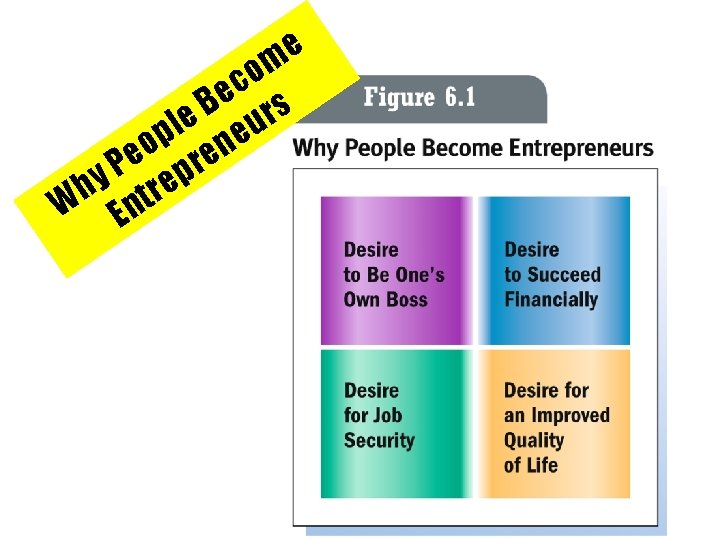
e m o c e B rs e l eu p o en e r P p y re h W Ent
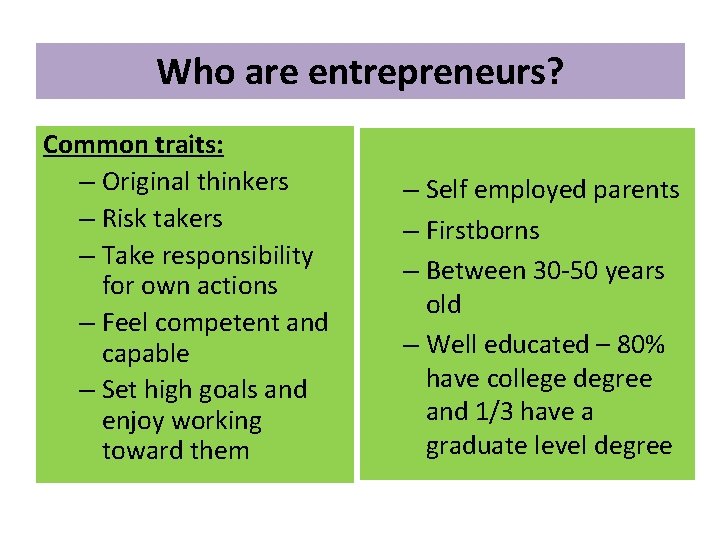
Who are entrepreneurs? Common traits: – Original thinkers – Risk takers – Take responsibility for own actions – Feel competent and capable – Set high goals and enjoy working toward them – Self employed parents – Firstborns – Between 30 -50 years old – Well educated – 80% have college degree and 1/3 have a graduate level degree
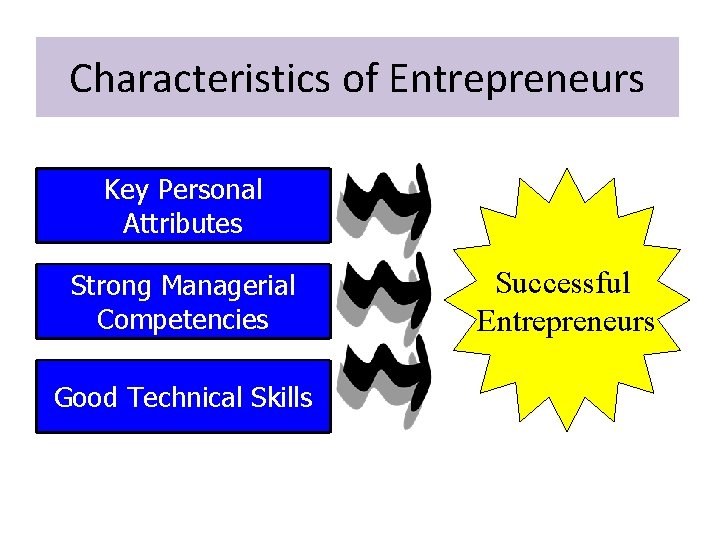
Characteristics of Entrepreneurs Key Personal Attributes Strong Managerial Competencies Good Technical Skills Successful Entrepreneurs
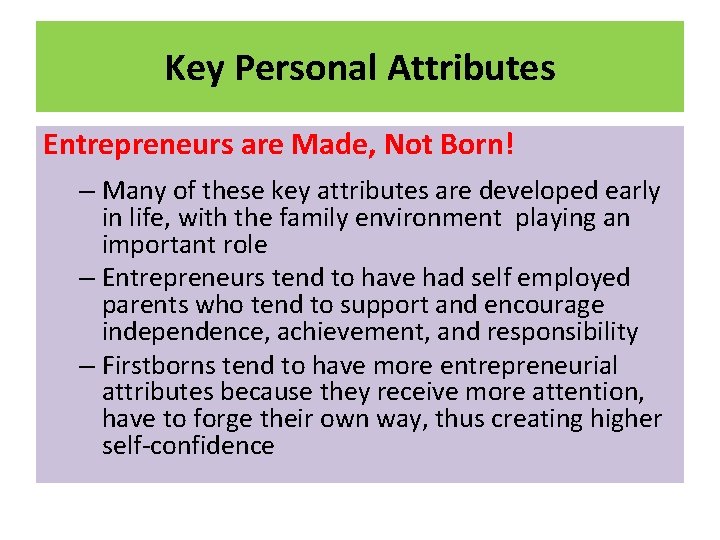
Key Personal Attributes Entrepreneurs are Made, Not Born! – Many of these key attributes are developed early in life, with the family environment playing an important role – Entrepreneurs tend to have had self employed parents who tend to support and encourage independence, achievement, and responsibility – Firstborns tend to have more entrepreneurial attributes because they receive more attention, have to forge their own way, thus creating higher self-confidence
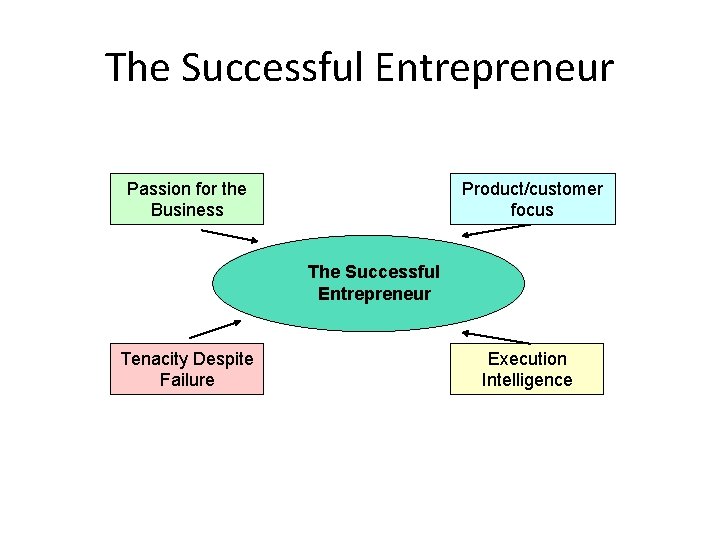
The Successful Entrepreneur Passion for the Business Product/customer focus The Successful Entrepreneur Tenacity Despite Failure Execution Intelligence
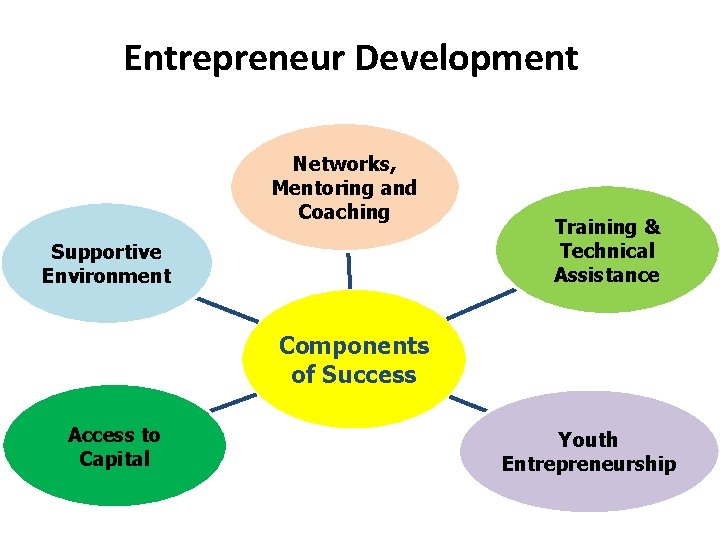
Entrepreneur Development Networks, Mentoring and Coaching Supportive Environment Training & Technical Assistance Components of Success Access to Capital Youth Entrepreneurship
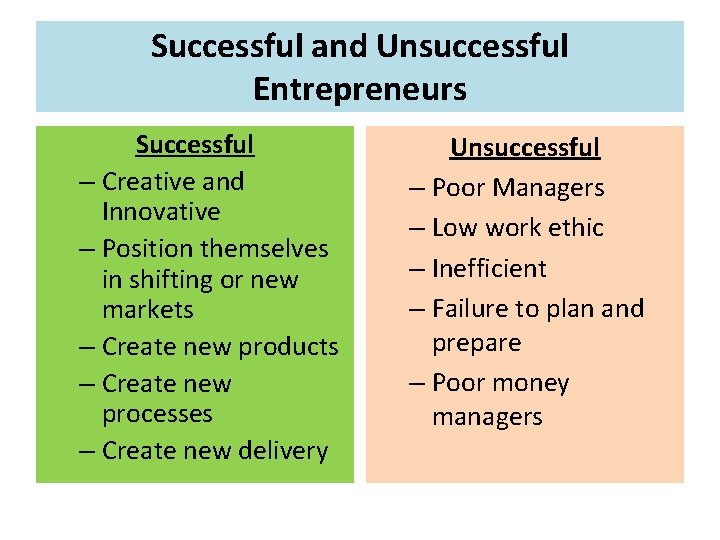
Successful and Unsuccessful Entrepreneurs Successful – Creative and Innovative – Position themselves in shifting or new markets – Create new products – Create new processes – Create new delivery Unsuccessful – Poor Managers – Low work ethic – Inefficient – Failure to plan and prepare – Poor money managers
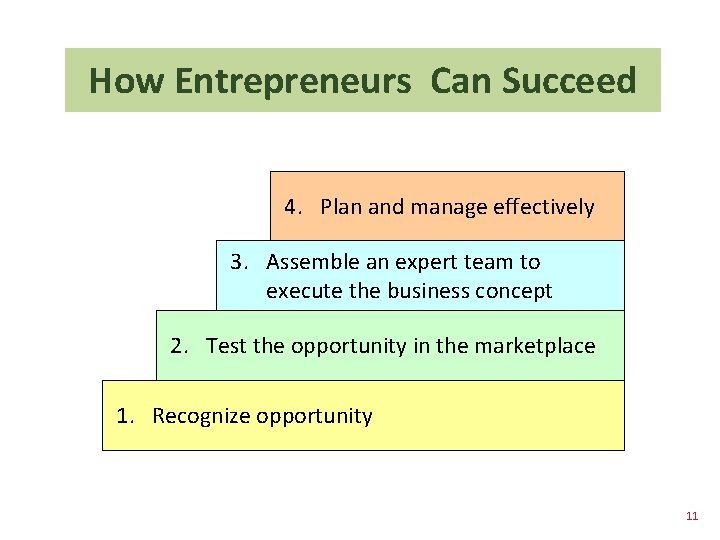
How Entrepreneurs Can Succeed 4. Plan and manage effectively 3. Assemble an expert team to execute the business concept 2. Test the opportunity in the marketplace 1. Recognize opportunity 11
Business Ideas Are a ‘dime a dozen’ Don’t fall in love with your own idea Don’t hide it under a tarp in the back yard Look before you leap (critically evaluate the potential for the business before starting) • You have to screen from 100 to 1, 000 different ideas before you find a true opportunity that fits you in this place and at this time. – Avoid the service industry in a declining economy – Avoid the retail industry in a declining economy – Seek value-added, export-oriented businesses selling into growing markets • •
Generating New Business Ideas • Techniques include: • Group brainstorming/lateral thinking exercises • Research – observation, enquiry, play, prototype, experiment • Focus groups • Surveys • Analysis of and reflection on trends: – Economy – Society – social trends – Technology – Science – Political and regulatory changes There is opportunity in change, chaos, complacency and even boredom.
Mental Locks/Barriers to Creativity 1. Focus on the right answer 2. That’s not logical 3. Follow the rules 4. Be practical 5. Avoid ambiguity 6. To err is wrong 7. Play is frivolous 8. That’s not my area 9. Don’t be foolish 10. I’m not creative
Idea versus Opportunity • Ideas are “a dime a dozen” • Opportunities are business ideas that offer the potential for a return on invested capital that more than offsets the costs of that capital on a risk-adjusted basis.
The Ideal Opportunity (Heaven) • A motivated and large market of customers prepared to pay any price for the product or service you offer • Repeated purchases are necessary for customers to satisfy their demand • Significant barriers of entry for any potential competitors preserving your market dominance for a long period of time • Little or no capital investment required • High profit margin (Selling price less cost to produce) • Few employees and little demand on your time
Little Opportunity (Business Hell) • Few customers, no repeat purchases, sporadic and unpredictable demand • Few barriers of entry for any potential competitors making it easy for anyone to enter the market to compete with you if you manage to develop the market • Large initial and on-going capital investment required • Low profit margin per unit (Selling price less cost to produce)
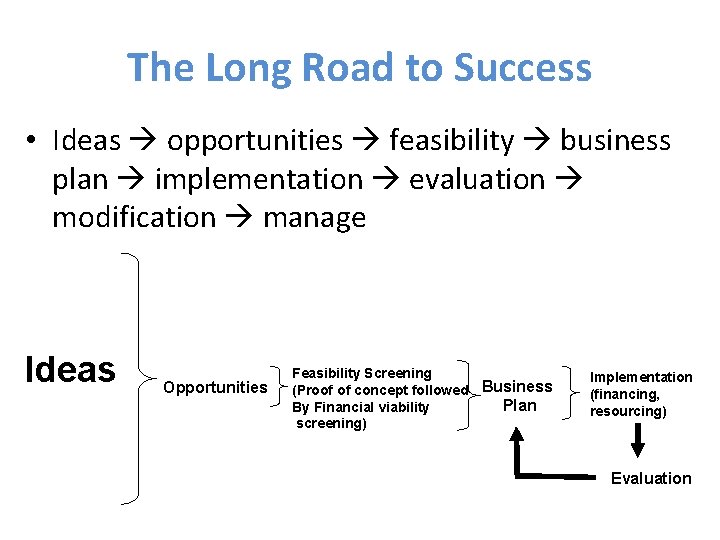
The Long Road to Success • Ideas opportunities feasibility business plan implementation evaluation modification manage Ideas Opportunities Feasibility Screening (Proof of concept followed Business Plan By Financial viability screening) Implementation (financing, resourcing) Evaluation
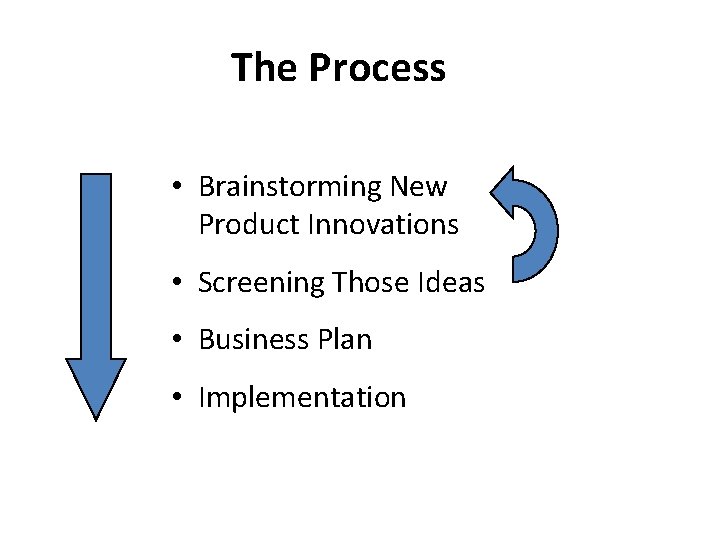
The Process • Brainstorming New Product Innovations • Screening Those Ideas • Business Plan • Implementation
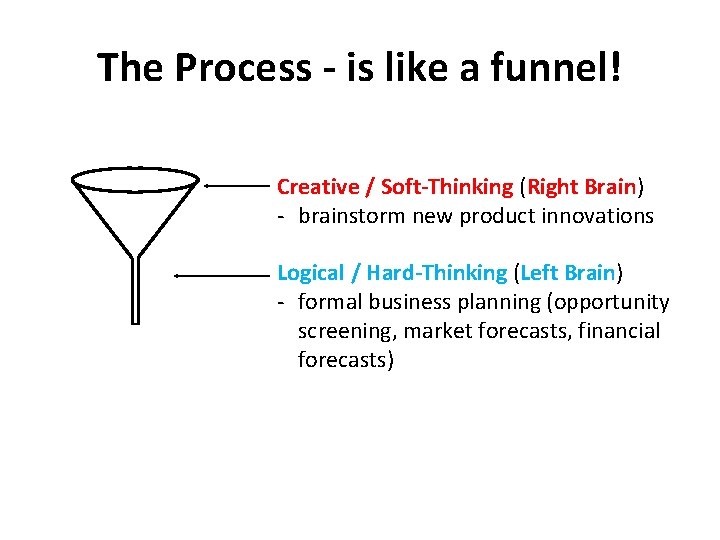
The Process - is like a funnel! Creative / Soft-Thinking (Right Brain) - brainstorm new product innovations Logical / Hard-Thinking (Left Brain) - formal business planning (opportunity screening, market forecasts, financial forecasts)
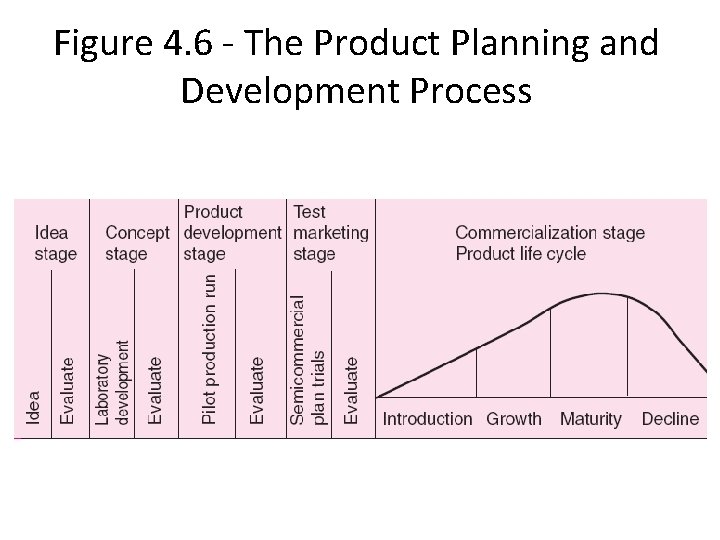
Figure 4. 6 - The Product Planning and Development Process
A Good Business Plan is. . . • • • Complete Short Integrated Prepared for the audience Organized …. . will be discussed in the next session…. .
Generate Your Business Idea and Build Your Business Team • Business idea must be feasible and marketable • Business can be liquidated at the end of this semester • Legal product only • Avoid food and beverage • No just resale/packaging
Organization • CEO (1 student) • Manager (1 student for each): – – Product (ion) Marketing Human Resource Finance • Staff : - 5 -7 for production and marketing dept. - 1 -2 for human resource and finance dept.
Let’s Do: • Make your (tentative) organization! • Generate your business idea! • Determine your company’s name, vision, mission (s), logo, tag line! • Presented next session!

Drafting Your Action Plan “Good plans shape good decisions. That's why good planning helps to make elusive dreams come true. ” Lester Robert Bittel
- Slides: 26