
Chapter 4 ChildCentered Assessment A process not a

- Slides: 17
Chapter 4: Child-Centered Assessment
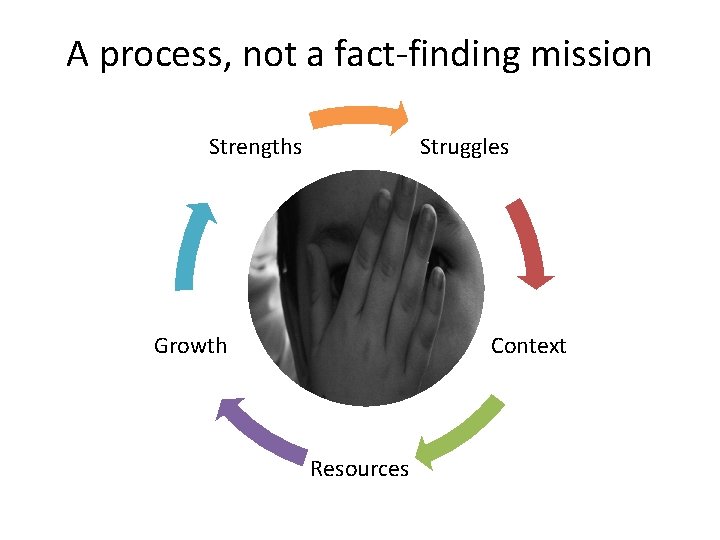
A process, not a fact-finding mission Strengths Struggles Growth Context Resources
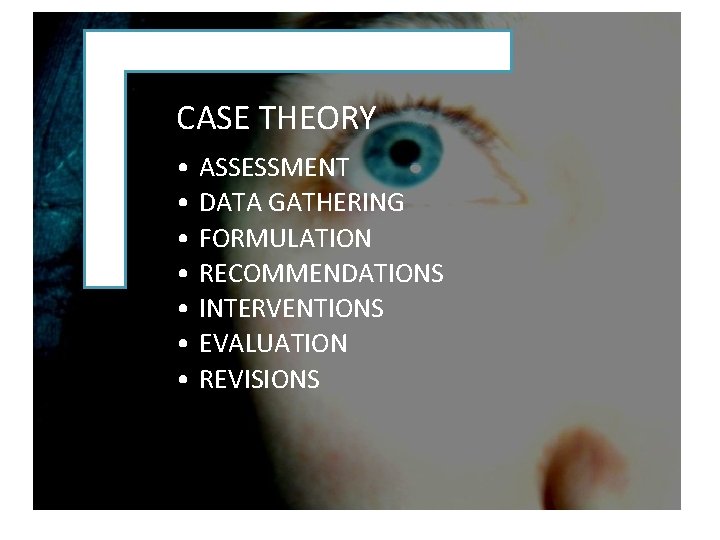
CASE THEORY • ASSESSMENT • DATA GATHERING • FORMULATION • RECOMMENDATIONS • INTERVENTIONS • EVALUATION • REVISIONS
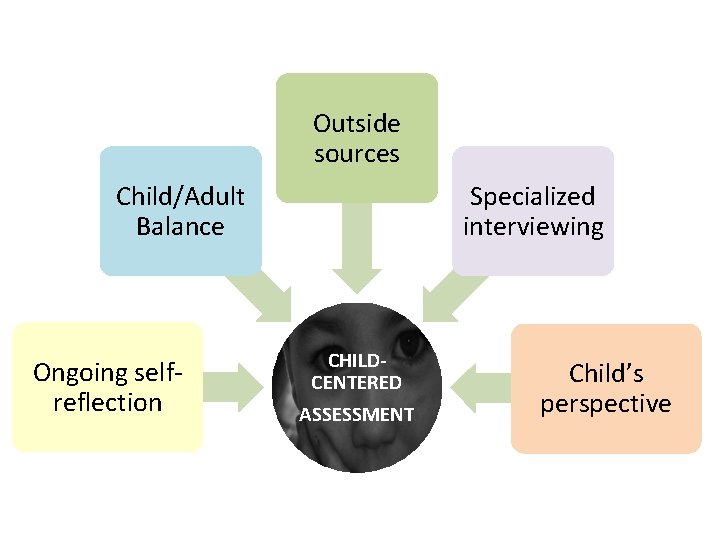
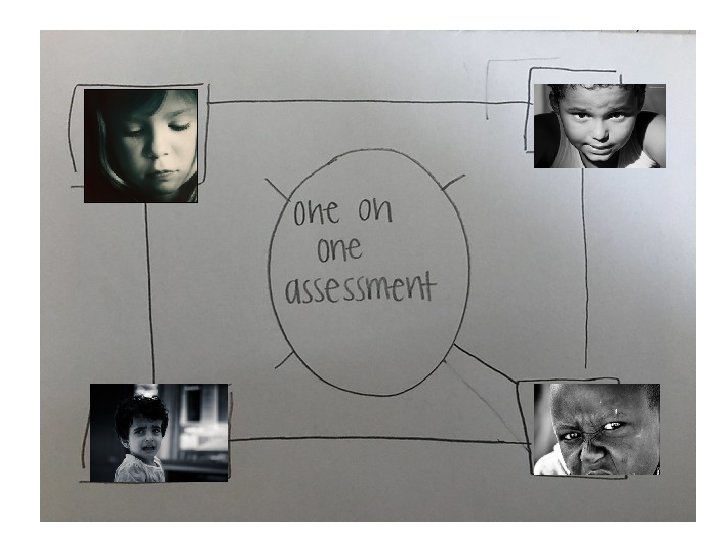
Outside sources Child/Adult Balance Ongoing selfreflection Specialized interviewing CHILDCENTERED ASSESSMENT Child’s perspective
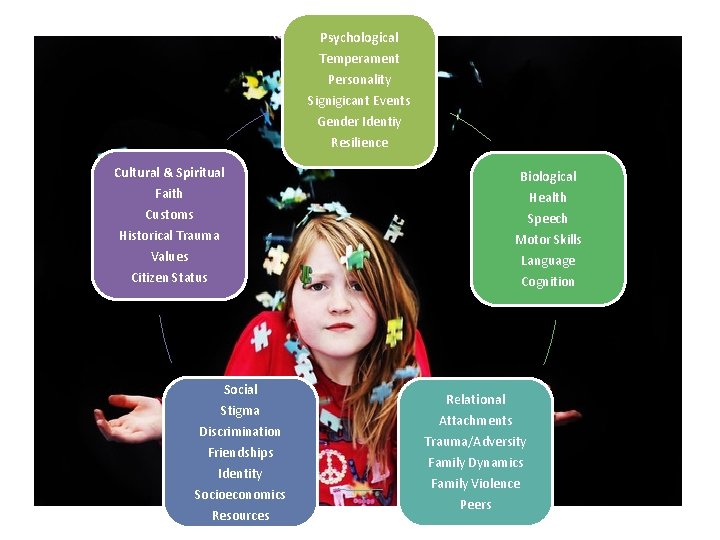
Psychological Temperament Personality Signigicant Events Gender Identiy Resilience Cultural & Spiritual Faith Biological Health Customs Historical Trauma Values Citizen Status Speech Motor Skills Language Cognition Social Stigma Discrimination Friendships Identity Socioeconomics Resources Relational Attachments Trauma/Adversity Family Dynamics Family Violence Peers
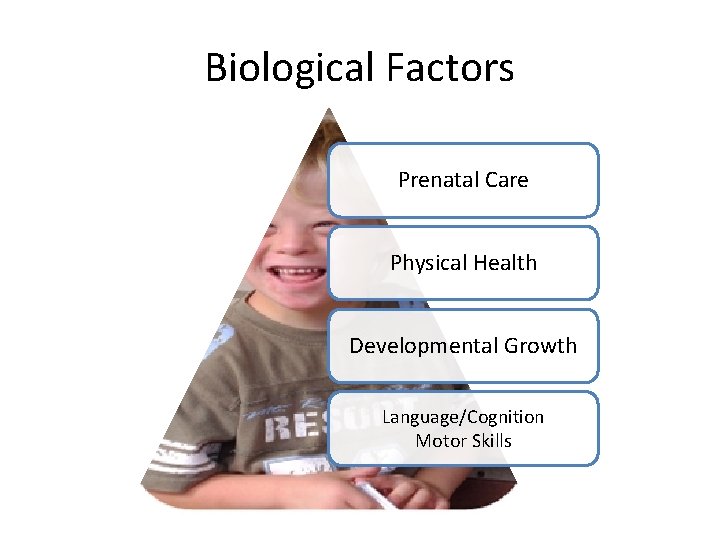
Biological Factors Prenatal Care Physical Health Developmental Growth Language/Cognition Motor Skills
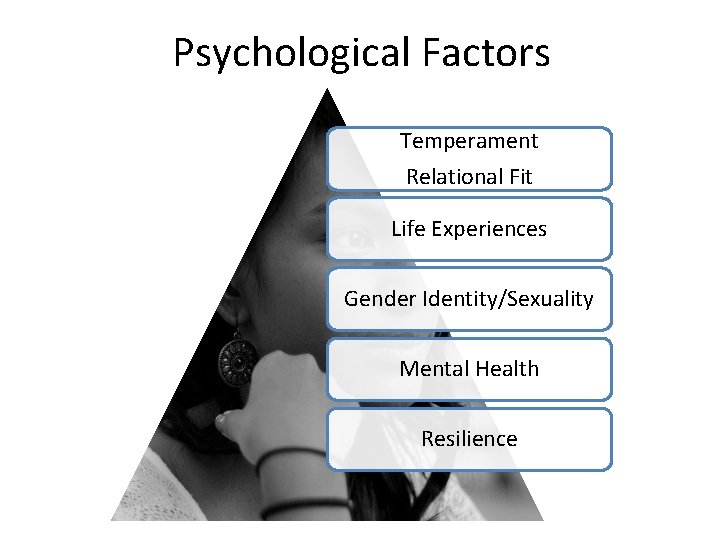
Psychological Factors Temperament Relational Fit Life Experiences Gender Identity/Sexuality Mental Health Resilience
Edward’s Story
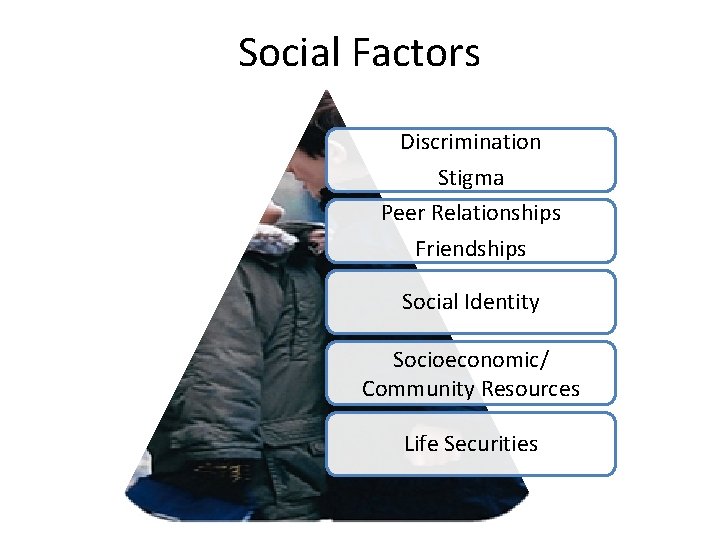
Social Factors Discrimination Stigma Peer Relationships Friendships Social Identity Socioeconomic/ Community Resources Life Securities
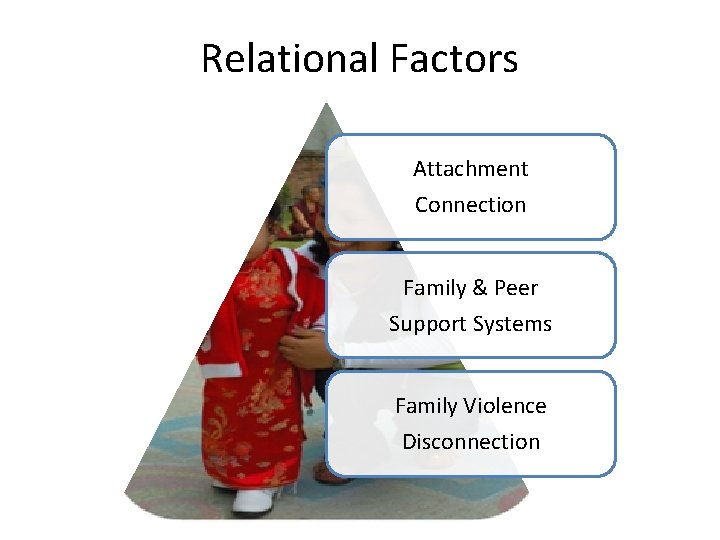
Relational Factors Attachment Connection Family & Peer Support Systems Family Violence Disconnection
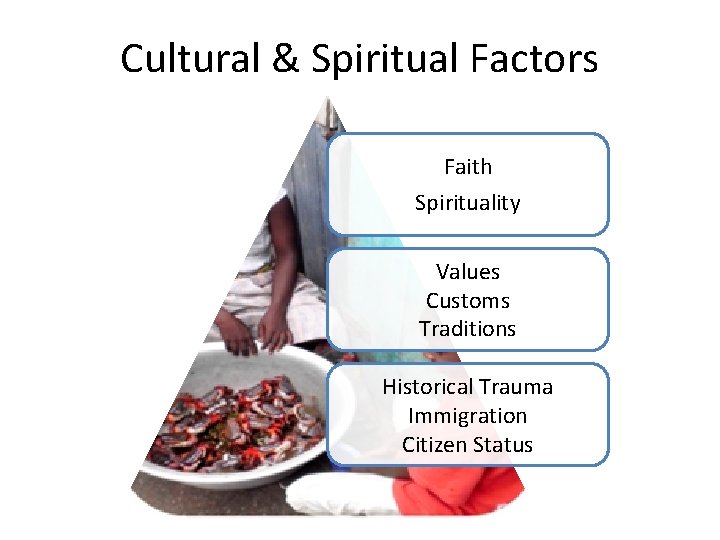
Cultural & Spiritual Factors Faith Spirituality Values Customs Traditions Historical Trauma Immigration Citizen Status
O S E C PIE E L Z Z U P E H T F
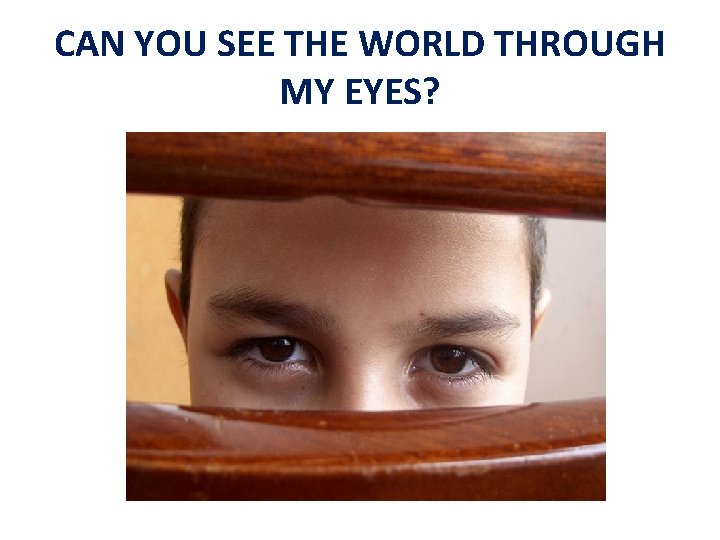
CAN YOU SEE THE WORLD THROUGH MY EYES?
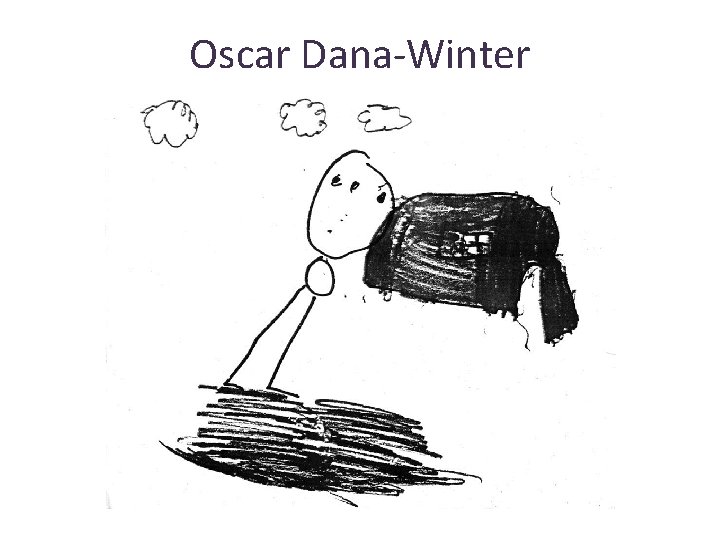
Oscar Dana-Winter
1. 2. Conversation Starters 3. Write down your initial impressions of Oscar’s strengths, challenges, and needs. Identify factors used to formulate a relational assessment. Discuss how factors such as language, cultural sensitivity, trauma-informed knowledge, resilience and attachment theories influence your understanding of child clients. Is Oscar’s perspective represented in either case report? Discuss approaches you might use to gain understanding through his eyes.