
Chapter 4 Biochemistry aka Organic Chemistry Carbohydrates Molecular
Chapter 4 Biochemistry aka Organic Chemistry
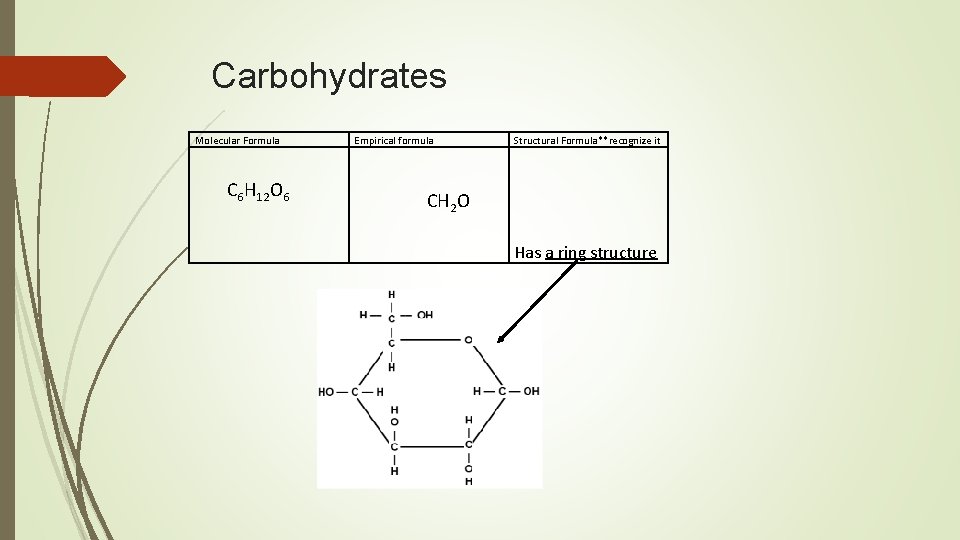
Carbohydrates Molecular Formula C 6 H 12 O 6 Empirical formula Structural Formula**recognize it CH 2 O Has a ring structure
Carbohydrates (composition and uses) Elements Present Carbon Hydrogen Oxygen H: O = 2: 1 Always !! Used by organisms for Energy Structure See starch and See Chitin and glycogen below cellulose below
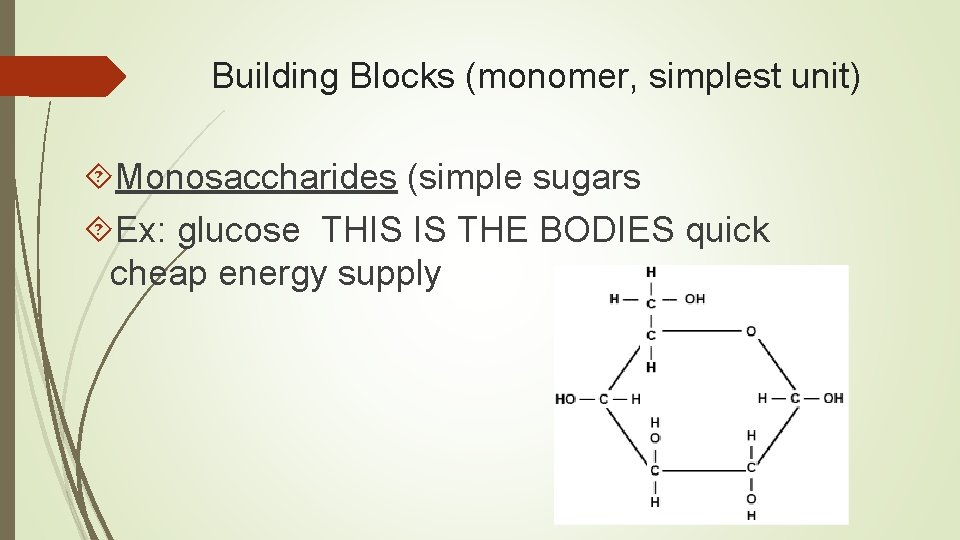
Building Blocks (monomer, simplest unit) Monosaccharides (simple sugars Ex: glucose THIS IS THE BODIES quick cheap energy supply
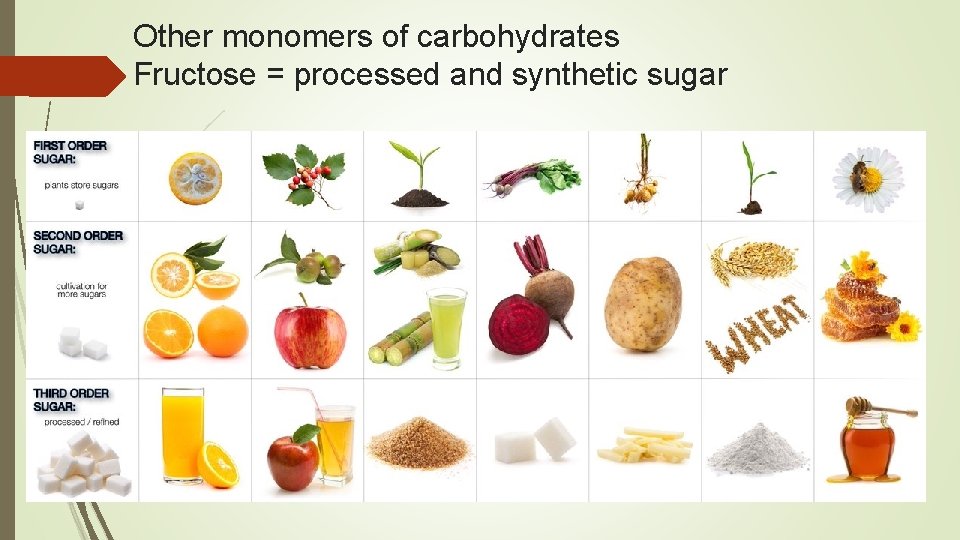
Other monomers of carbohydrates Fructose = processed and synthetic sugar
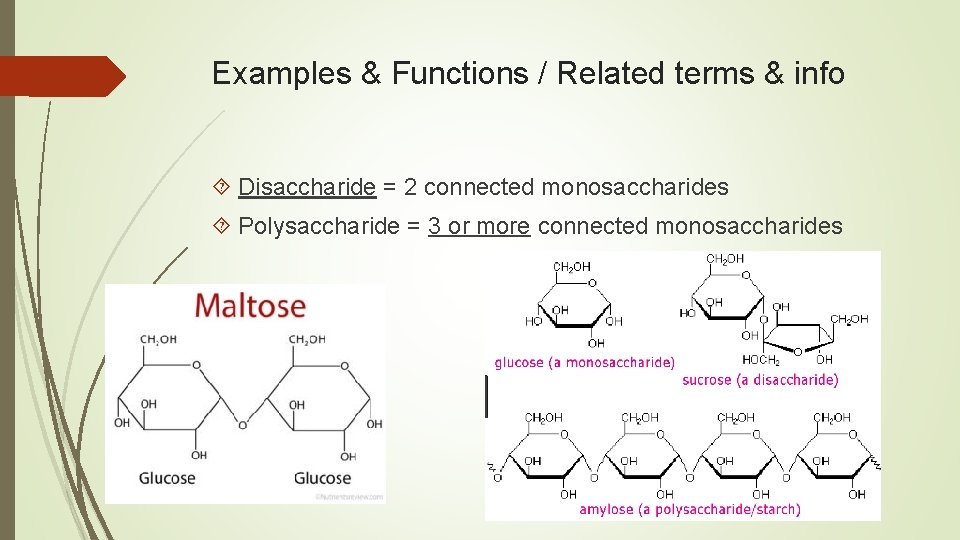
Examples & Functions / Related terms & info Disaccharide = 2 connected monosaccharides Polysaccharide = 3 or more connected monosaccharides
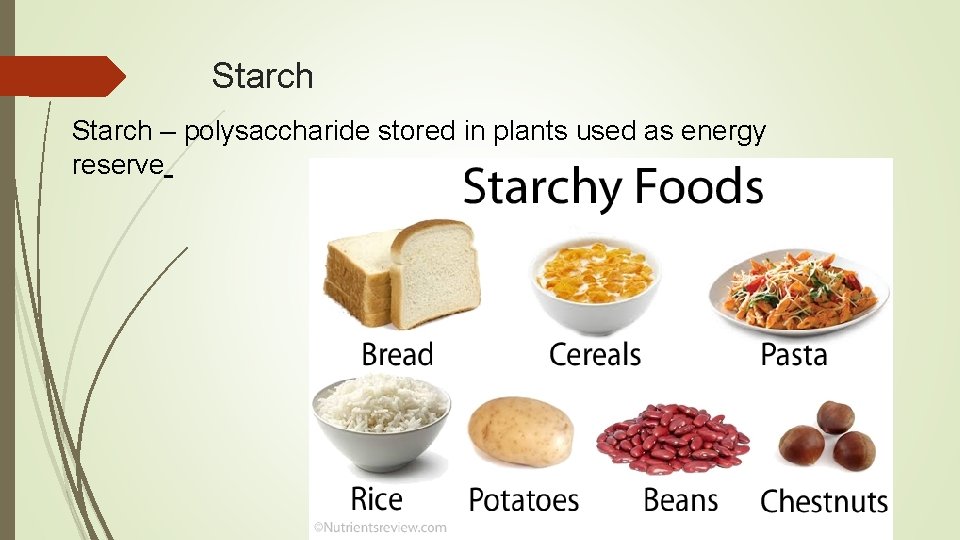
Starch – polysaccharide stored in plants used as energy reserve
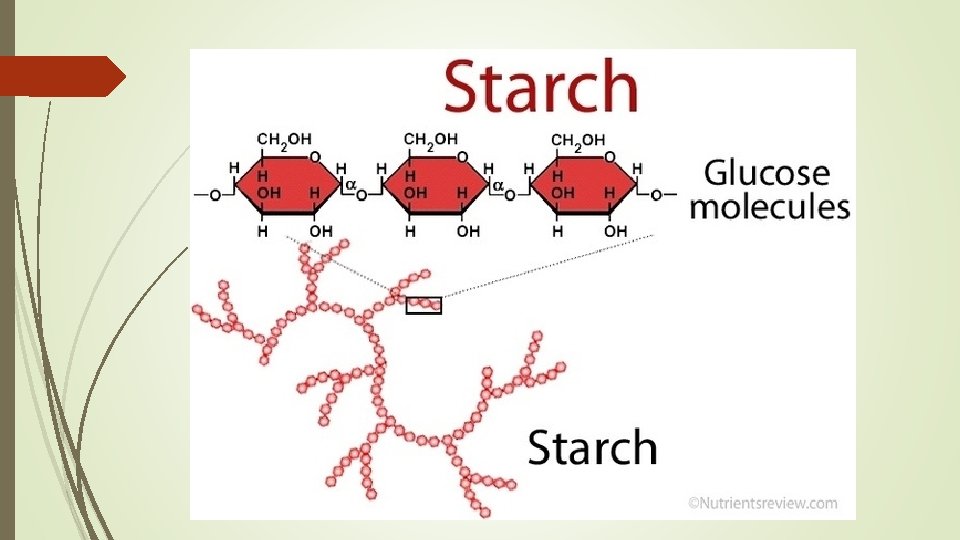
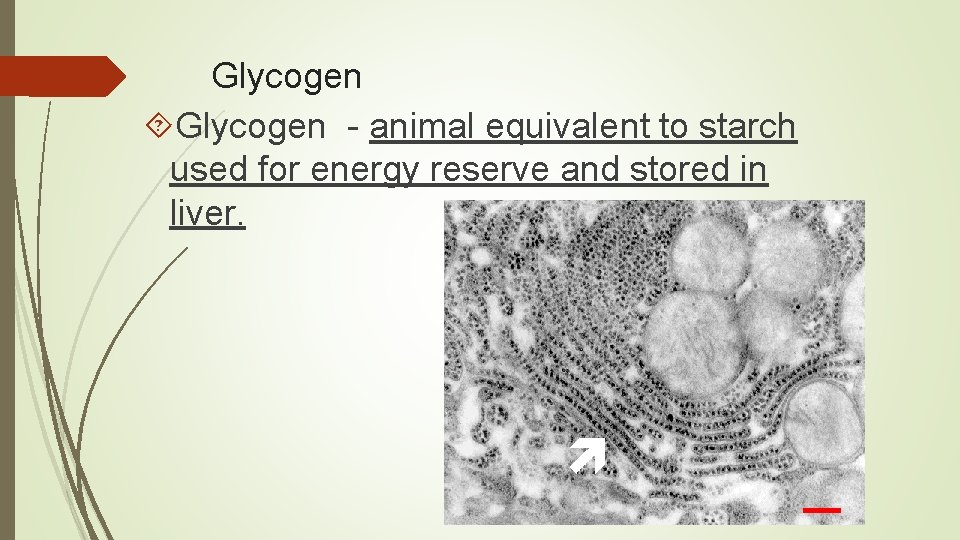
Glycogen - animal equivalent to starch used for energy reserve and stored in liver.
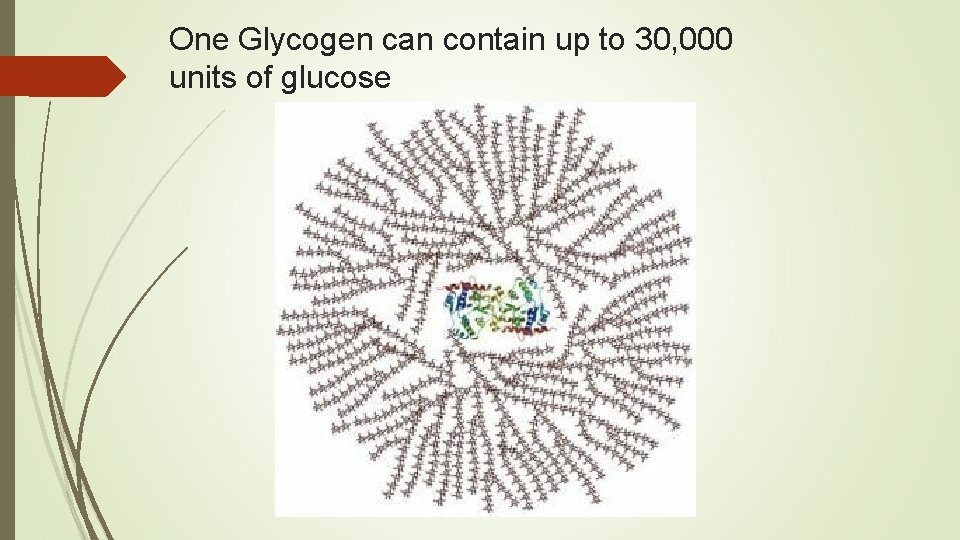
One Glycogen can contain up to 30, 000 units of glucose
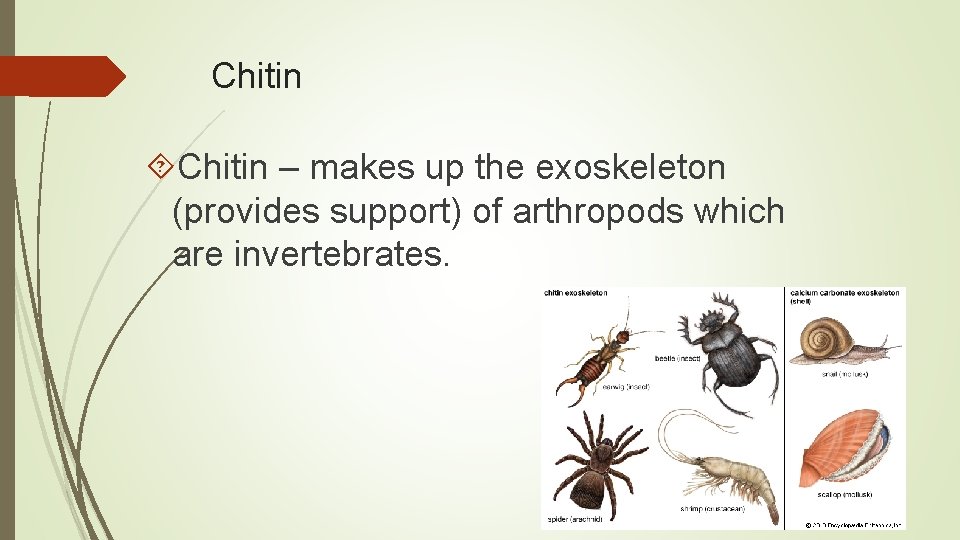
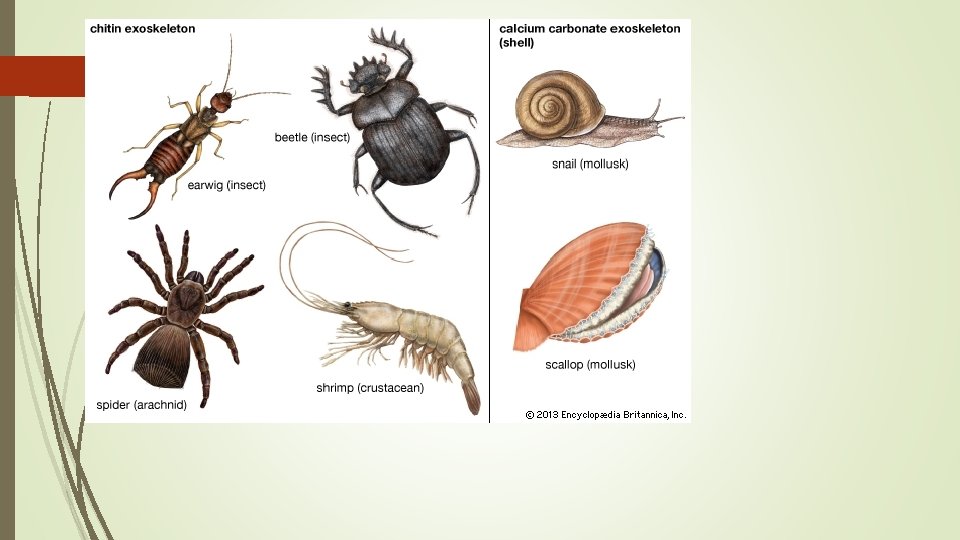
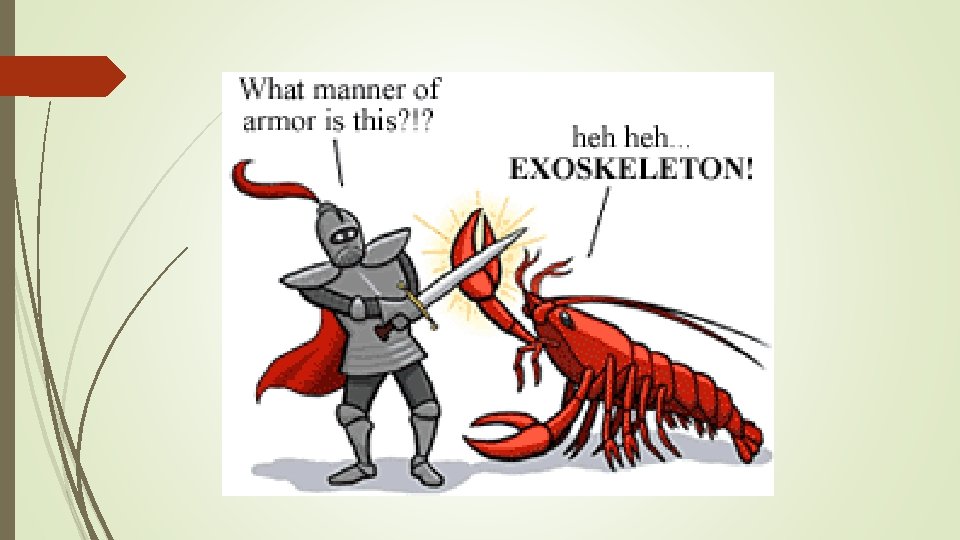
Chitin – makes up the exoskeleton (provides support) of arthropods which are invertebrates.
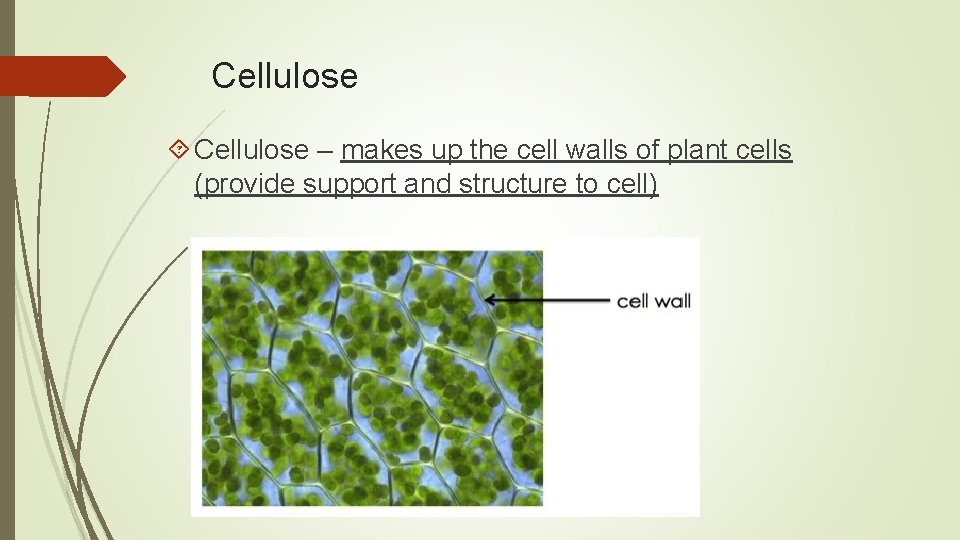
Cellulose – makes up the cell walls of plant cells (provide support and structure to cell)
Naming of carbohydrates Names of carbohydrates usually end in -ose ex: glucose, fructose, sucrose, galactose, lactose
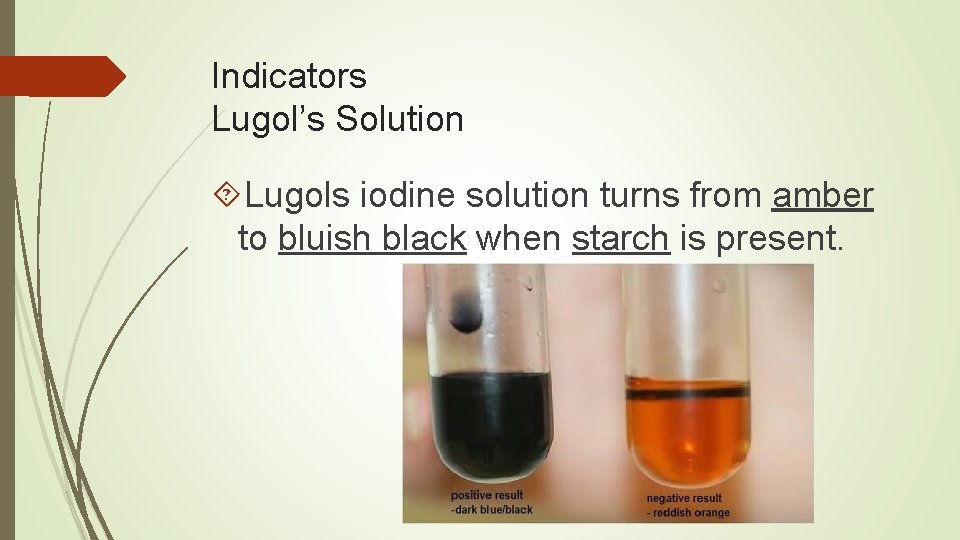
Indicators Lugol’s Solution Lugols iodine solution turns from amber to bluish black when starch is present.
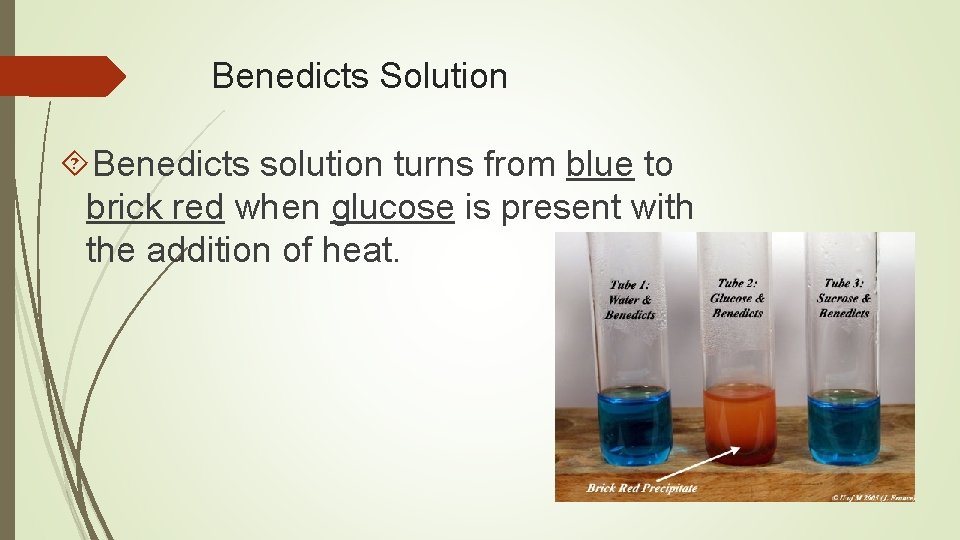
Benedicts Solution Benedicts solution turns from blue to brick red when glucose is present with the addition of heat.
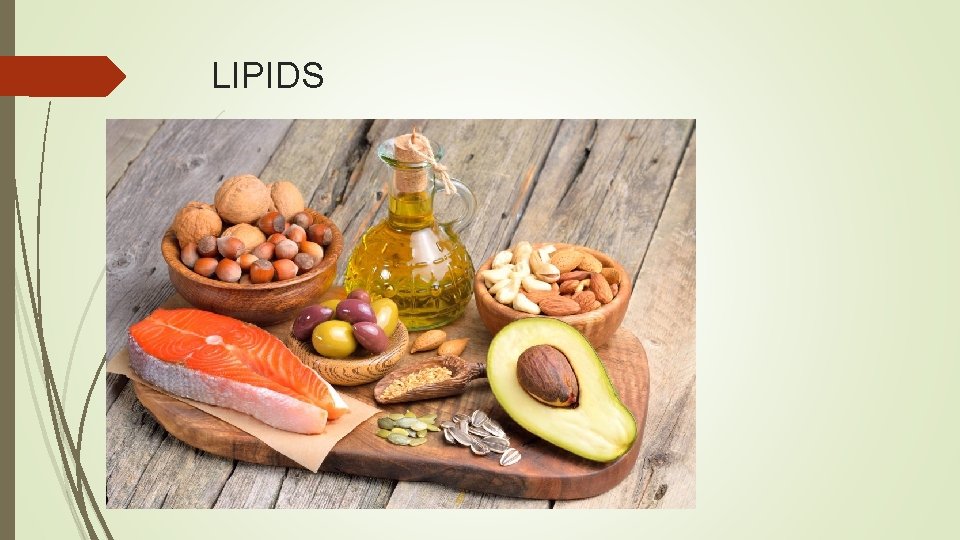
LIPIDS
Elements Present Carbon Hydrogen Oxygen NO SPECIFIC RATIO OF H: O Used by organisms for Stored energy See types of fats Structure Importance of cell membrane
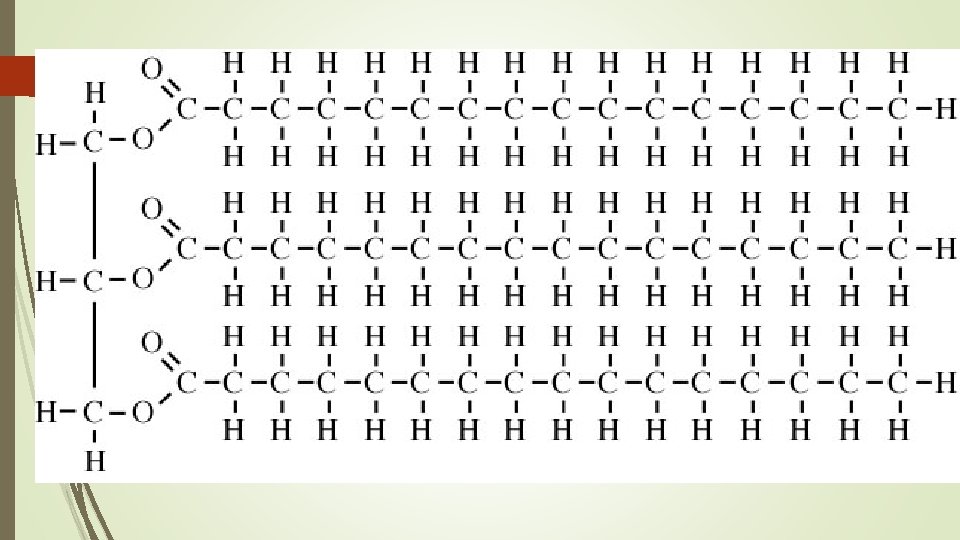
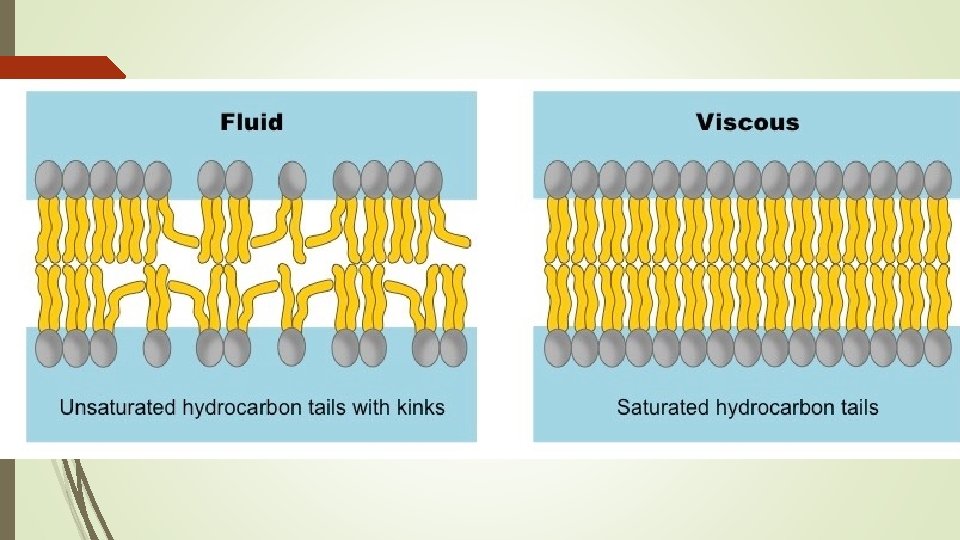
Types of Fats Saturated fats All single bonds C-C Straight chain Solid at room temperature FATS Mostly animals
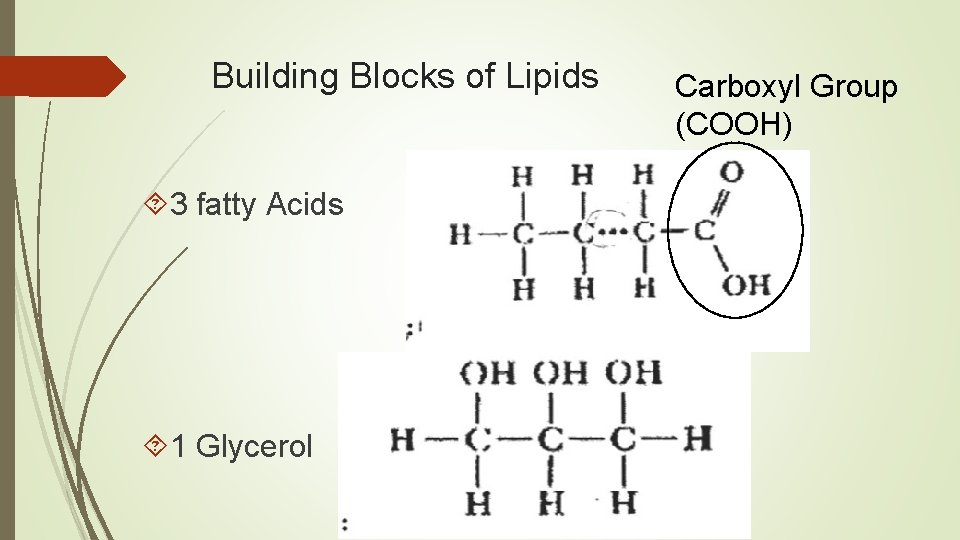
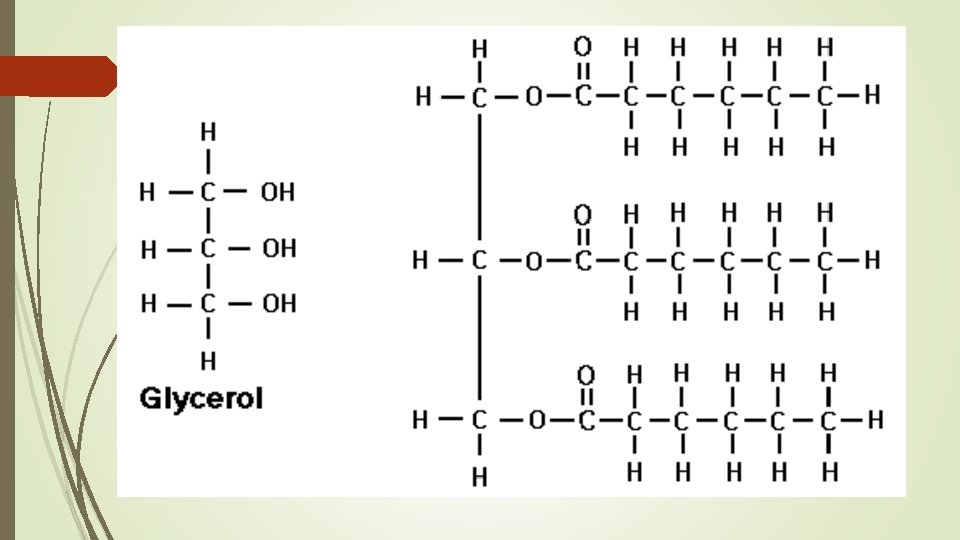
Building Blocks of Lipids 3 fatty Acids 1 Glycerol Carboxyl Group (COOH)
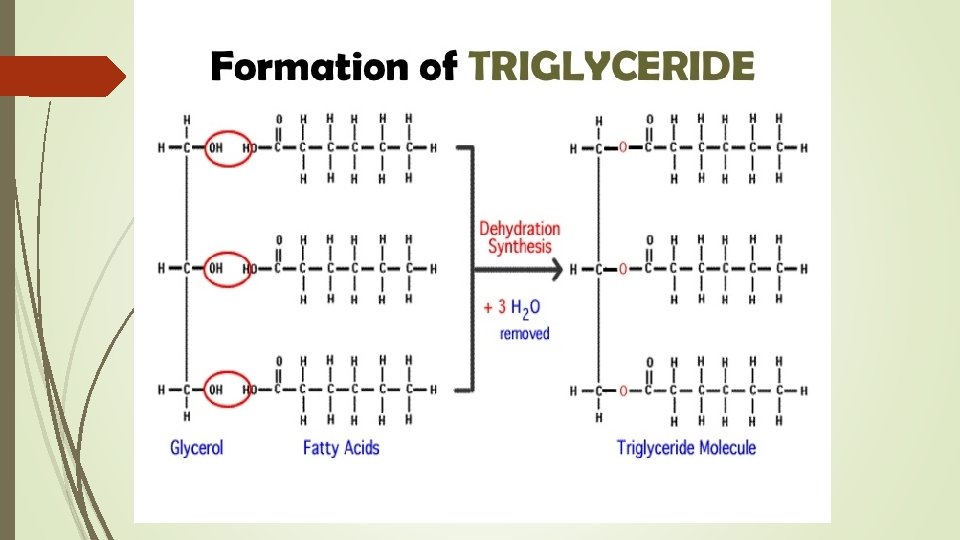
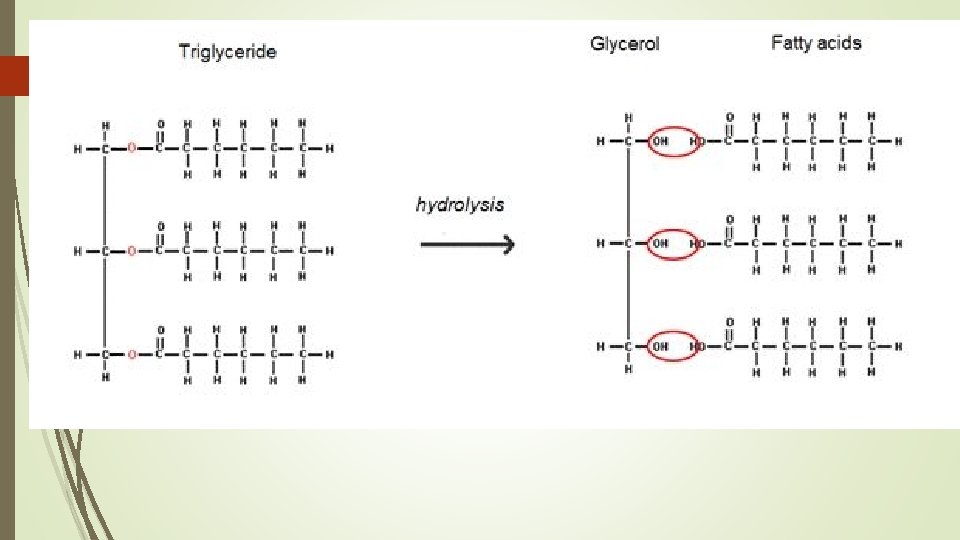
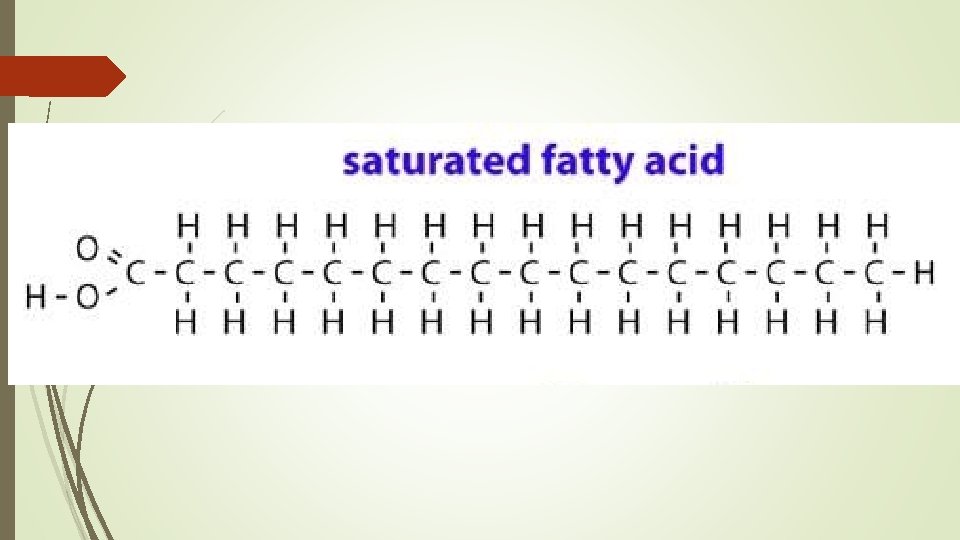
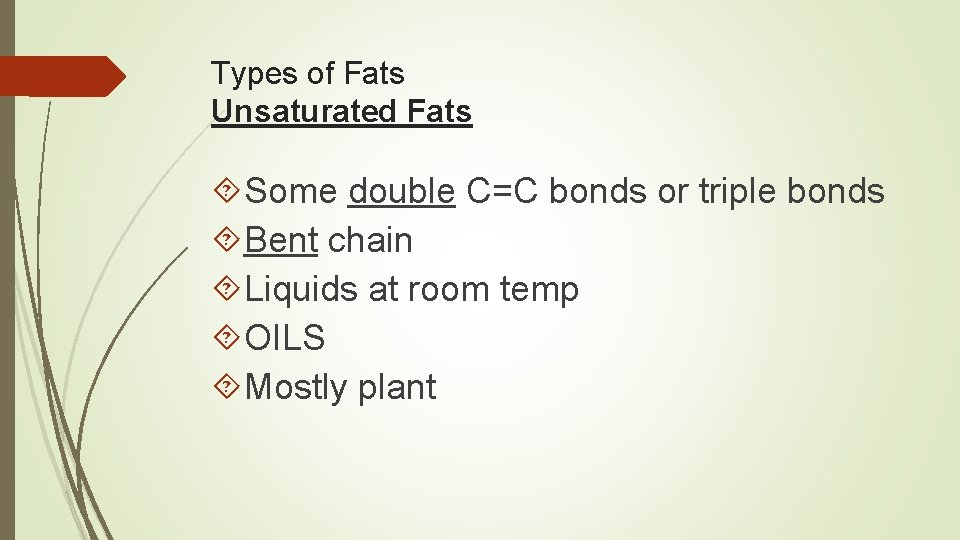
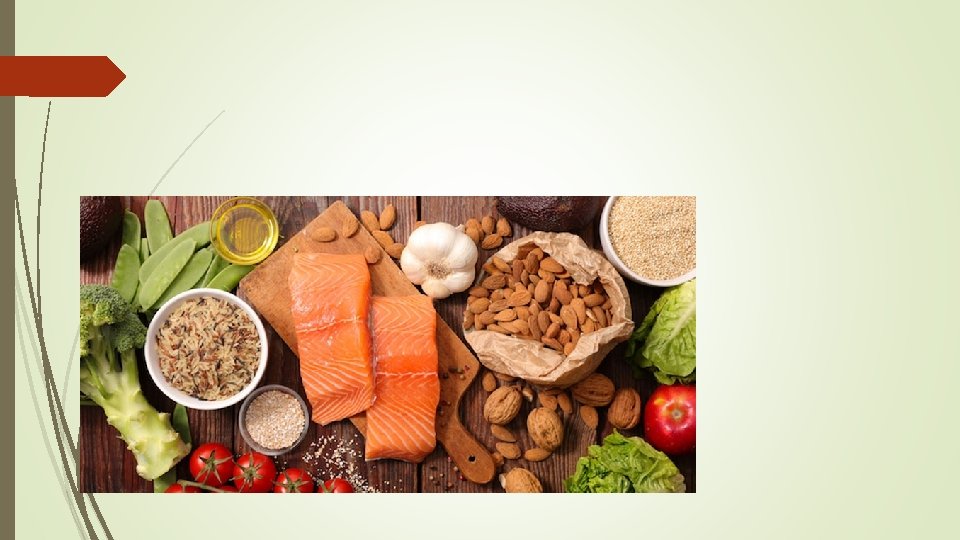
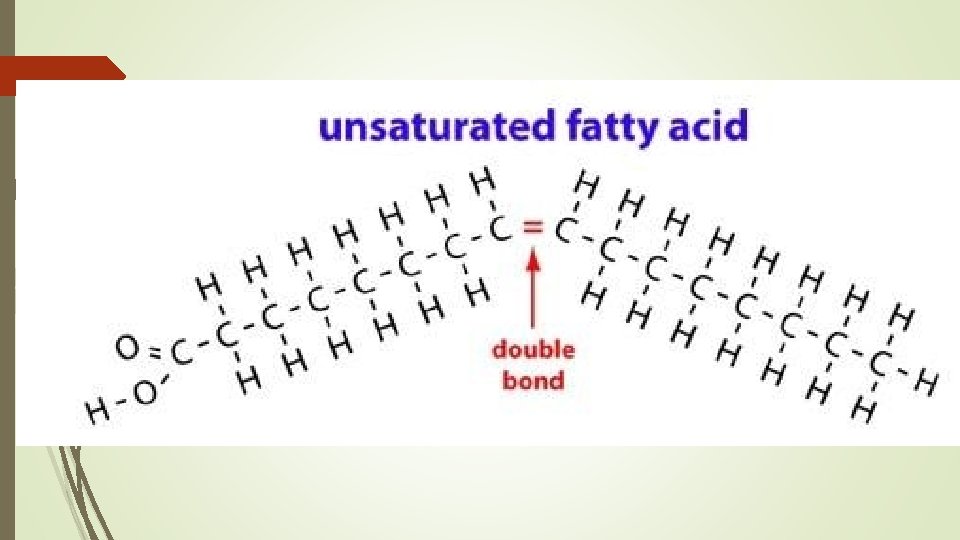
Types of Fats Unsaturated Fats Some double C=C bonds or triple bonds Bent chain Liquids at room temp OILS Mostly plant
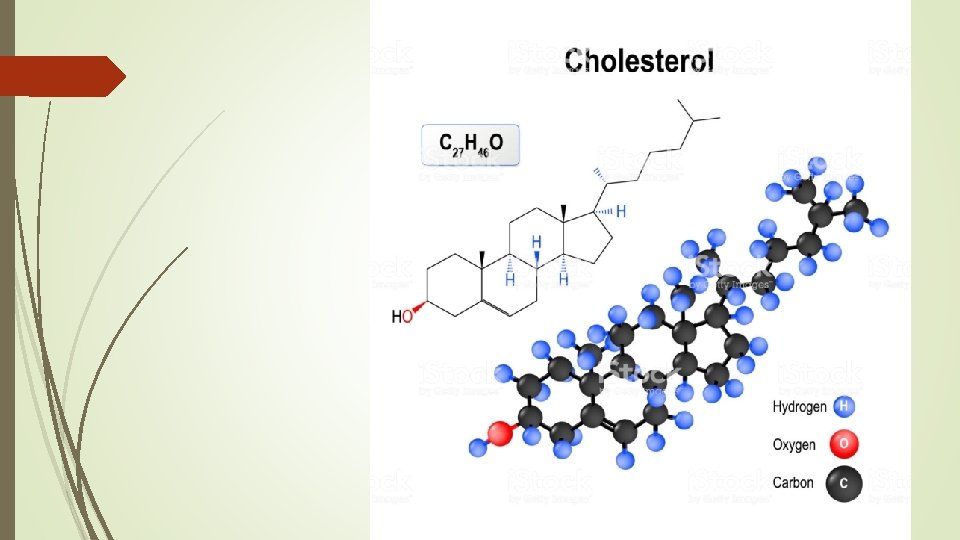
Types of Fats Cholesterol C 27 H 46 O Component of cell membrane and hormones
Types of Fats Triglycerides – calories not used right away converted to this for storage in fat cells
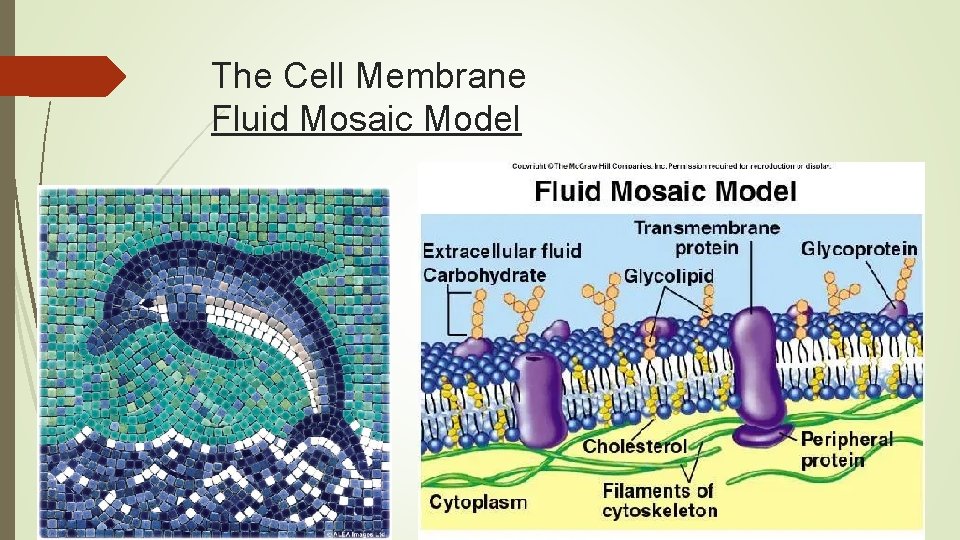
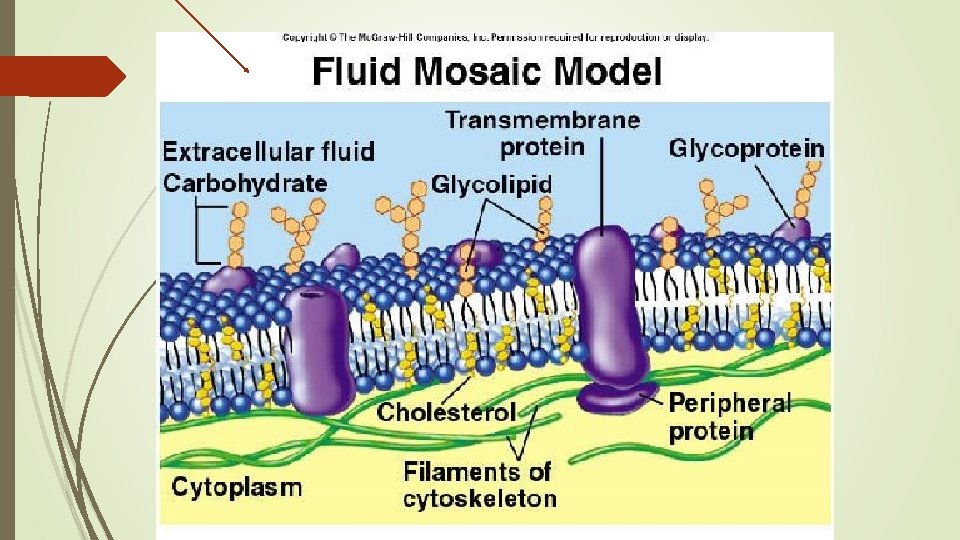
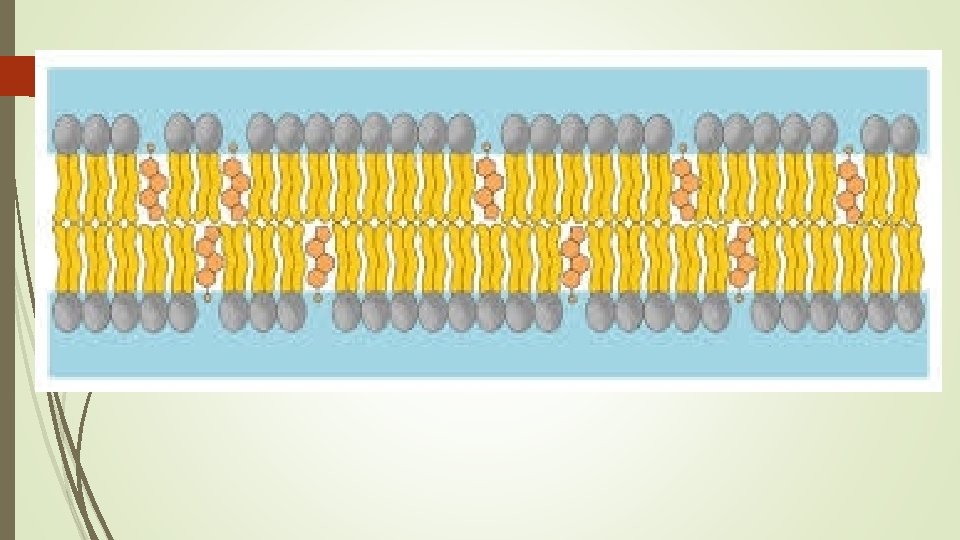
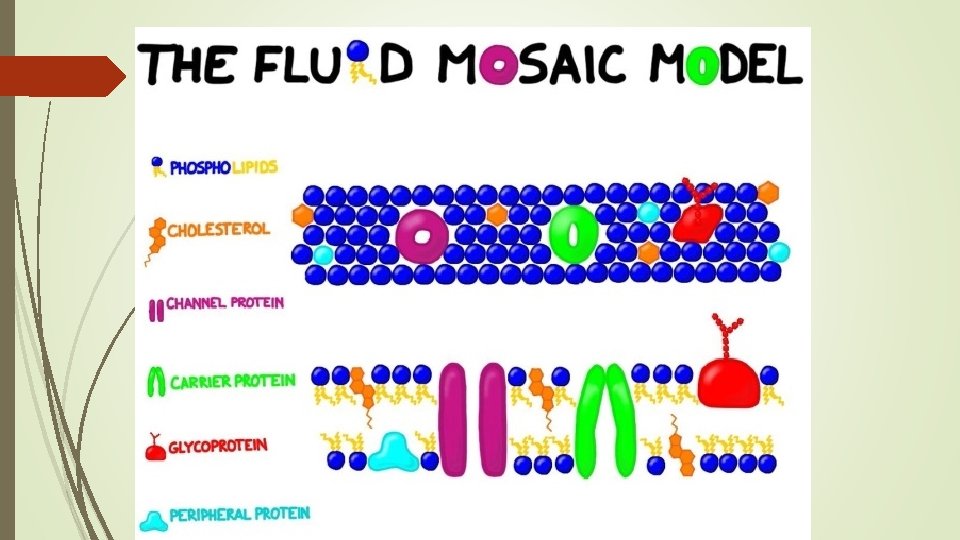
The Cell Membrane Fluid Mosaic Model
Why is it important to have the right amount of nutrients? Homeostasis and regulation around a stable point
Three Types of Fat Molecules Having the right amount of lipids aka “The Fats goldilocks theory” Combination of multiple types of fats each has role in how fluid/open the gaps in the cell membrane are.
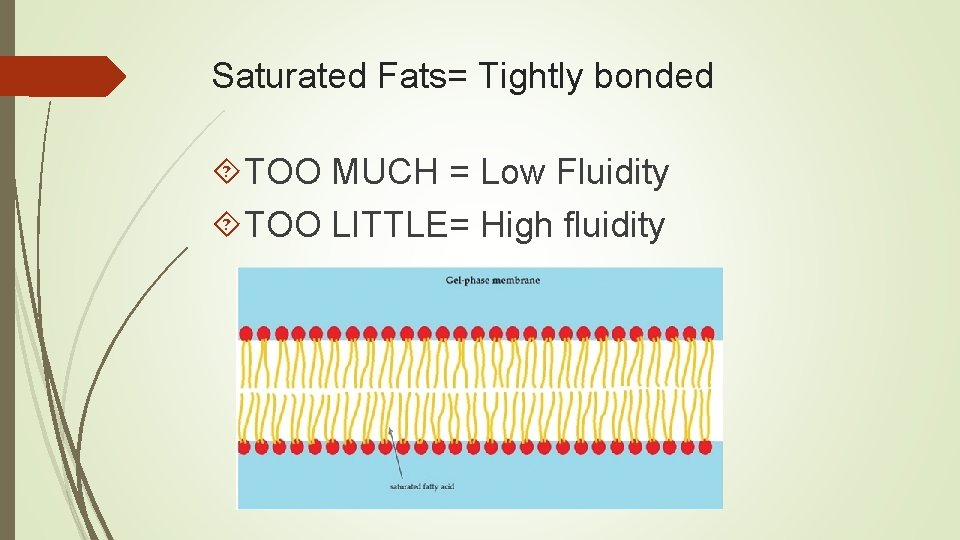
Saturated Fats= Tightly bonded TOO MUCH = Low Fluidity TOO LITTLE= High fluidity
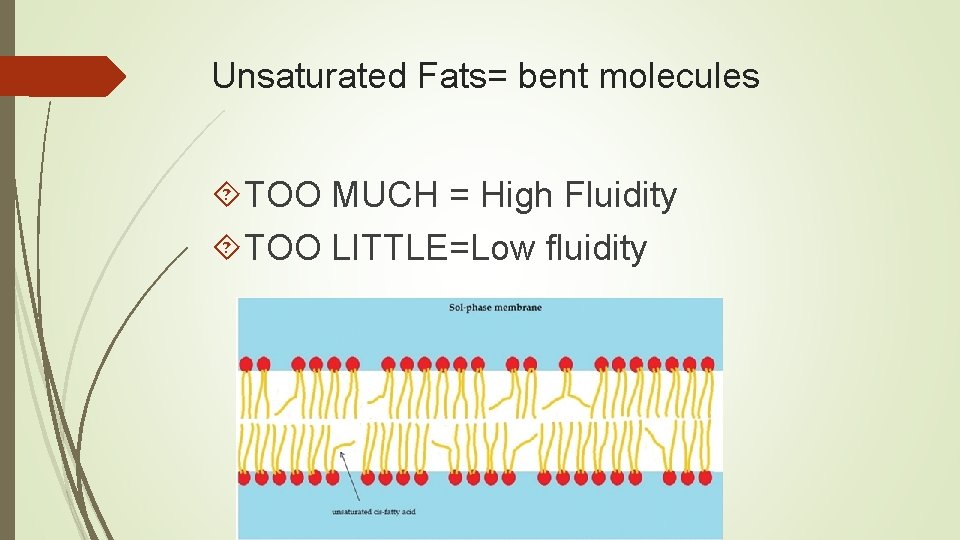
Unsaturated Fats= bent molecules TOO MUCH = High Fluidity TOO LITTLE=Low fluidity
Cholesterol = very large and takes up space TOO Much= “Clogging” Too Little: High fluidity Keeps the cell membrane together
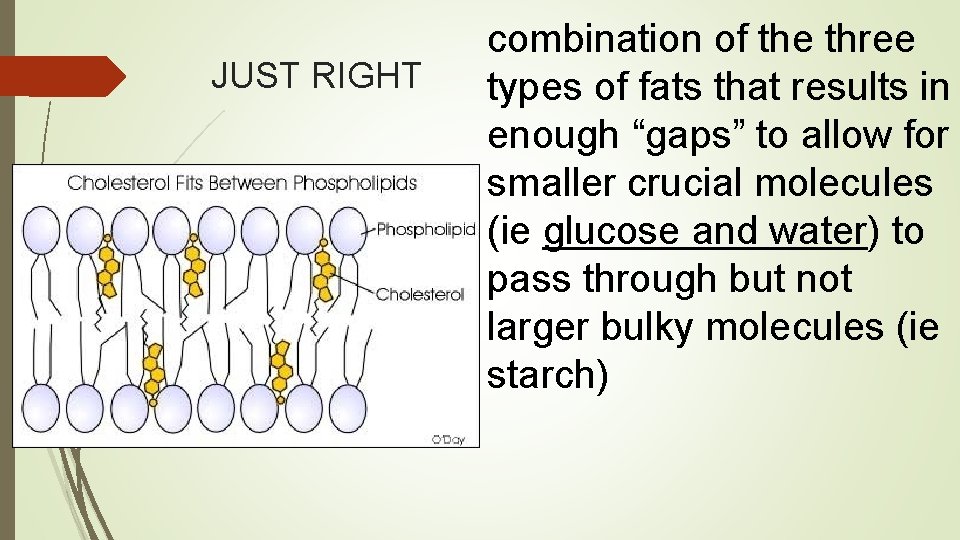
JUST RIGHT combination of the three types of fats that results in enough “gaps” to allow for smaller crucial molecules (ie glucose and water) to pass through but not larger bulky molecules (ie starch)
Now Let’s practice with these two bio molecules in the Big ‘ol Molecules Lab
Protei. Ns Elements Present Carbon Hydrogen Oxygen NITROGEN
Used by organisms for Structure and movement (muscles) Enzymes Antibodies Hormones Pigments
Related Terms & Info Peptide bond- bond between 2 Amino Acids Dipeptide – 2 amino acids bonded Polypeptide = long chain of AA bonded
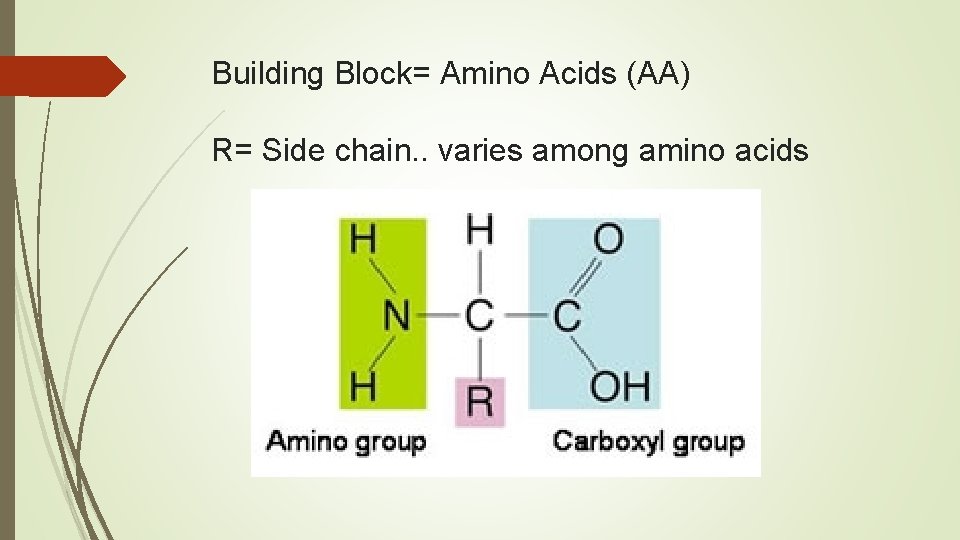
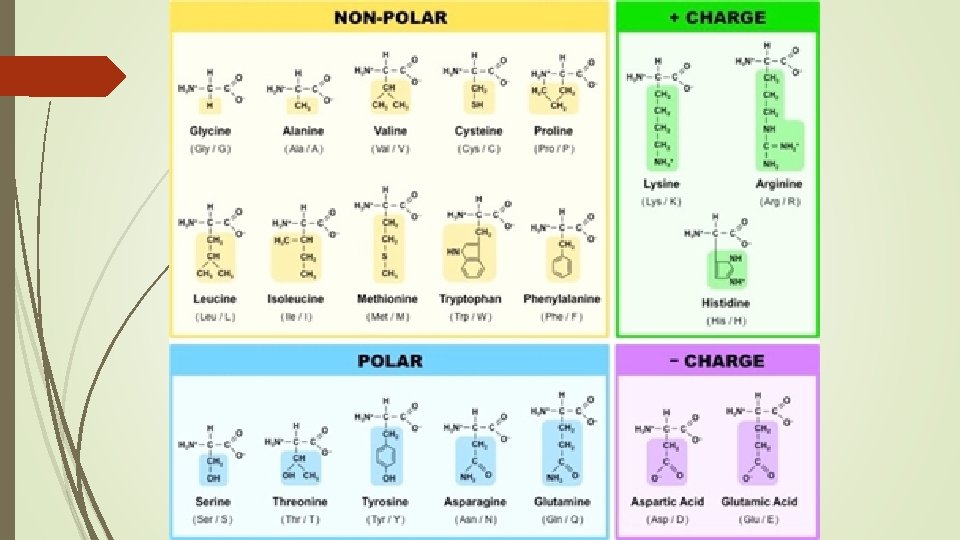
Building Block= Amino Acids (AA) R= Side chain. . varies among amino acids
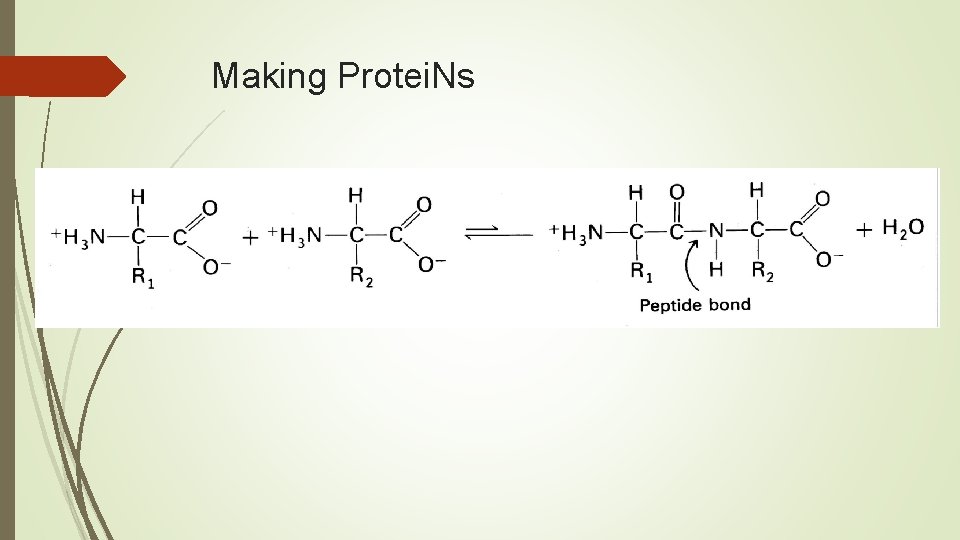
Making Protei. Ns
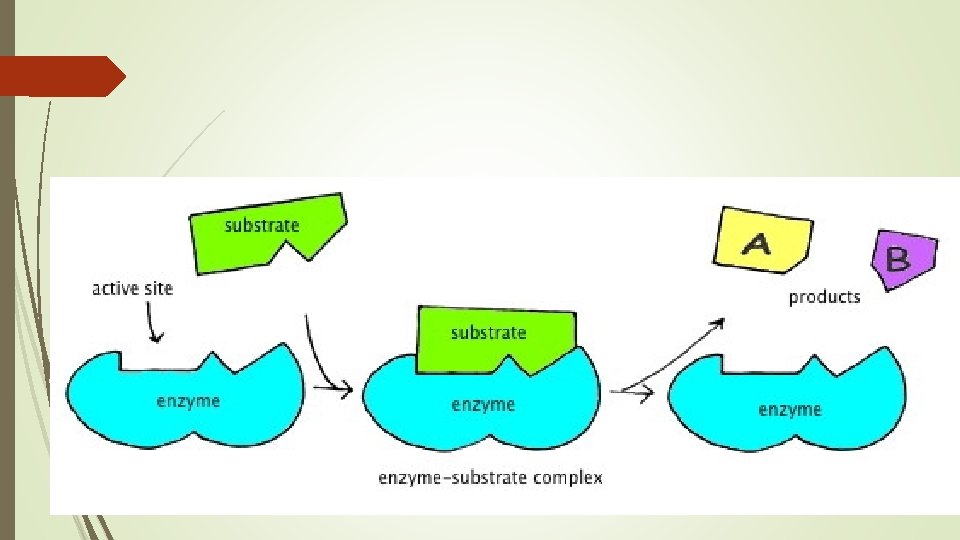
Important Proteins and Functions Enzymes- speed up chemical reactions (more later)
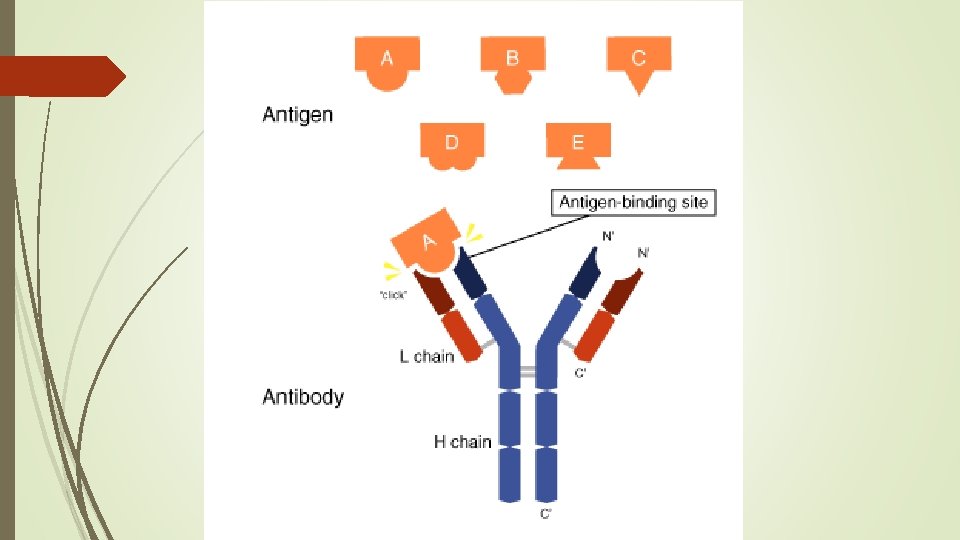
Antibodies – natural immune system in body
Hormones – chemical signals that affect activity in separate area of body
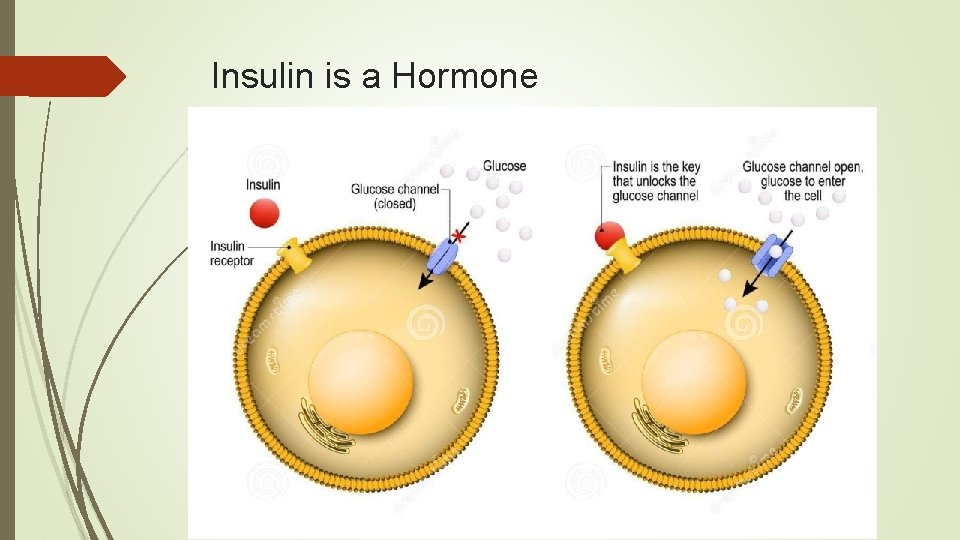
Insulin is a Hormone
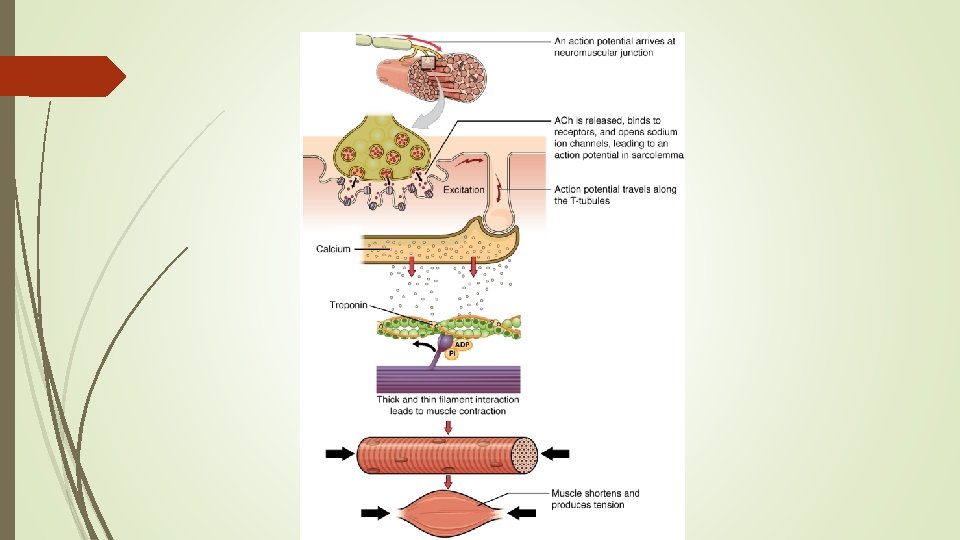
Muscle and Movement – component of all tissues and organs, provides higher and more sustained energy
**** Shape of the protein Determines Function See next page Many of you were asking during molecular models lab “well this way works why is this not the correct structure. The reason is that while the composition may be the same (molecular formula) the arrangement of the bonding patterns aka shape leads to different functions/uses in an organism. Even just one change or flip in bonding pattern can result in a different compound and therefore a different way the body reacts to/uses the compound.
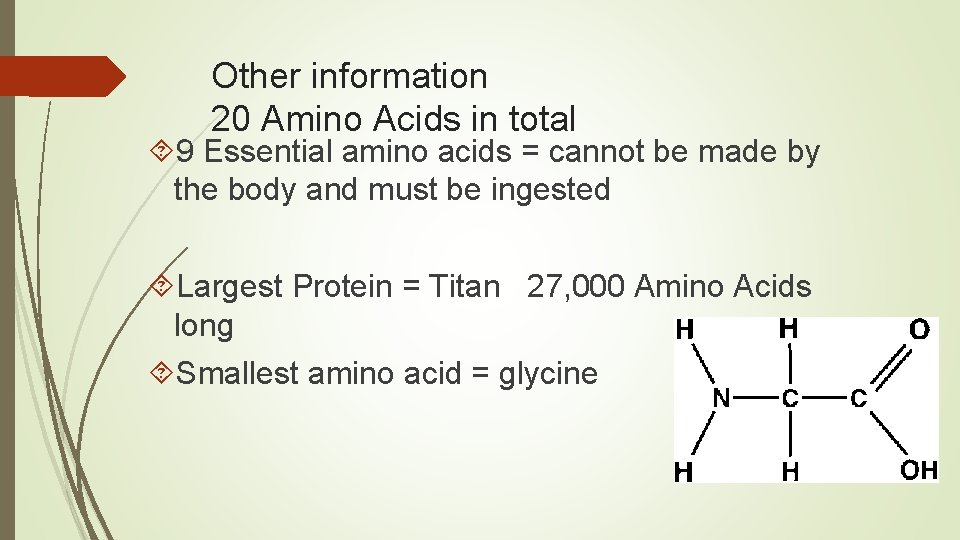
Other information 20 Amino Acids in total 9 Essential amino acids = cannot be made by the body and must be ingested Largest Protein = Titan 27, 000 Amino Acids long Smallest amino acid = glycine
Flip the page and follow along the graphic organizer of Shape and function for proteins
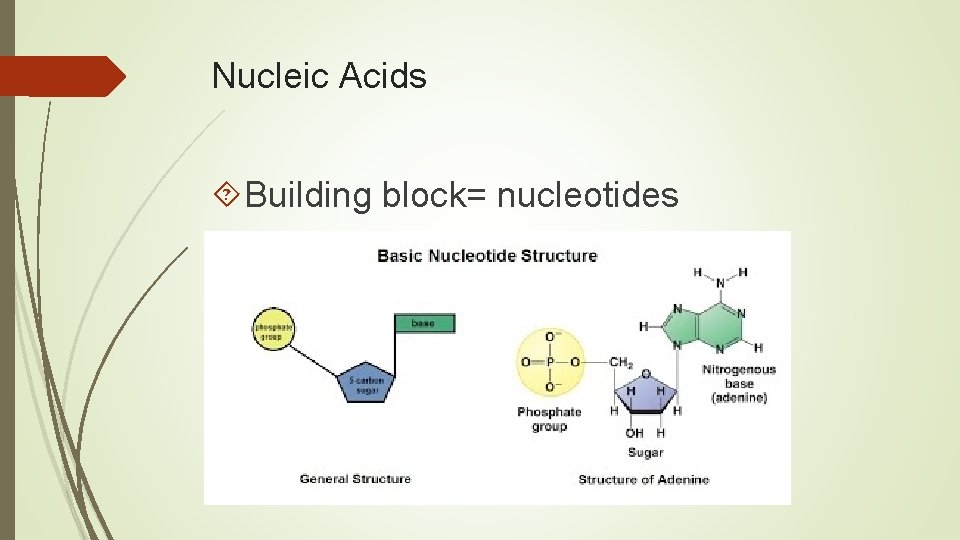
Nucleic Acids Building block= nucleotides
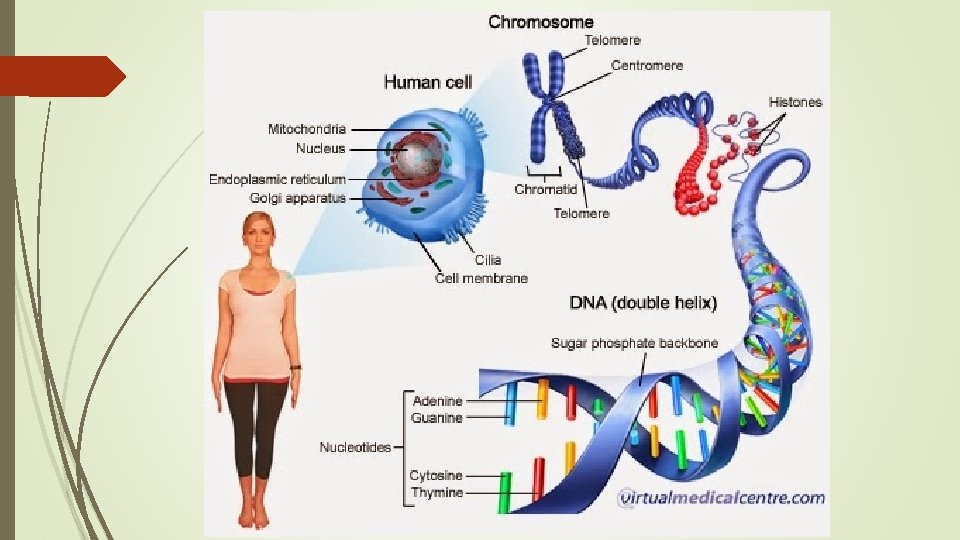
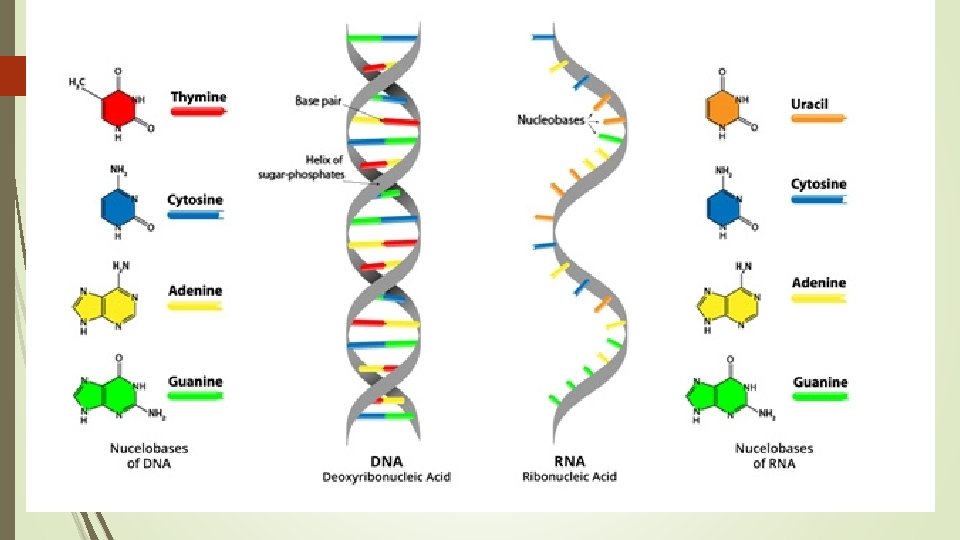
DNA Full Name: Deoxyribonucleic acid Basic Structure 2 long twisting strands of nucleotides in the form of a “double helix” Nucleotide sugar deoxyribose Nitrogenous bases Guanine (G) Cytosine (C) Adenine (A) Thymine (T)
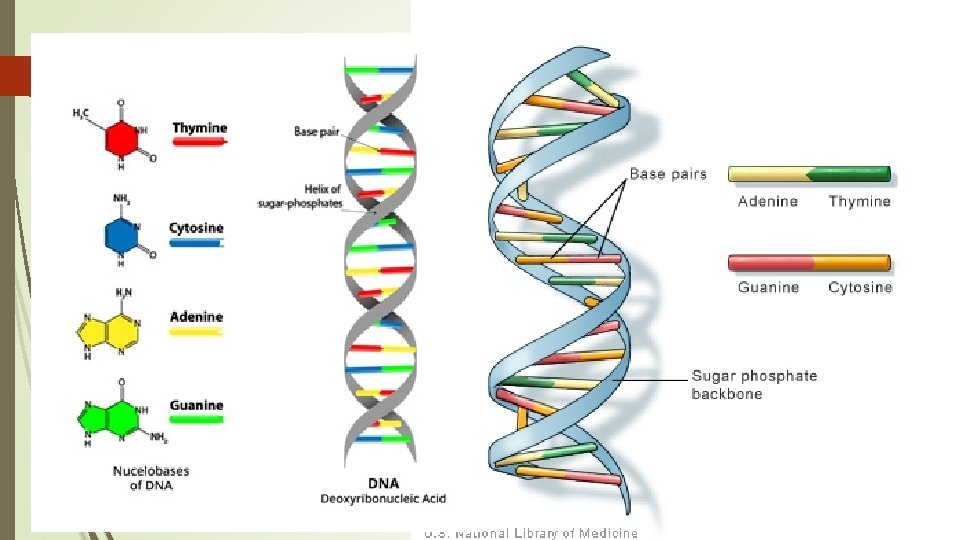
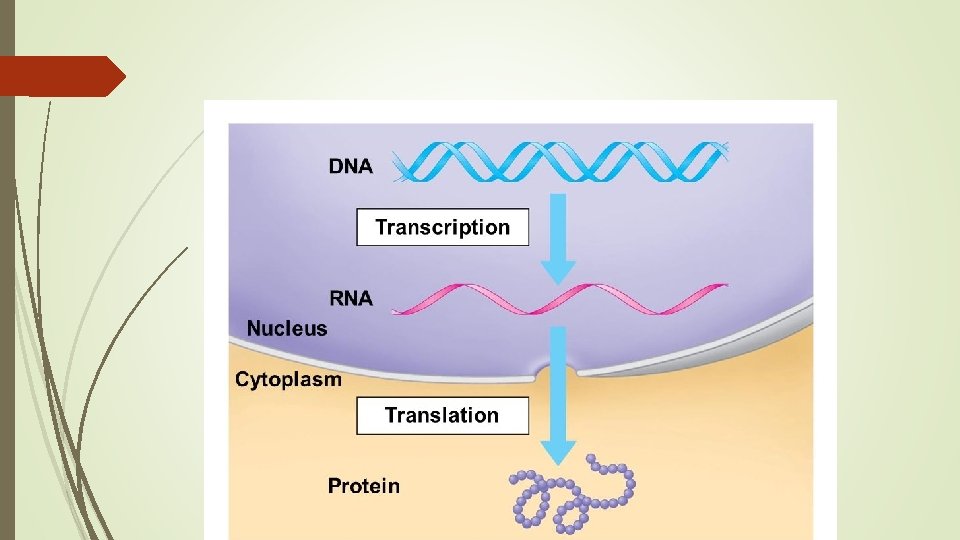
DNA Location in cell: Nucleus (the chromosomes) Function: Hereditary material, directs and controls activities
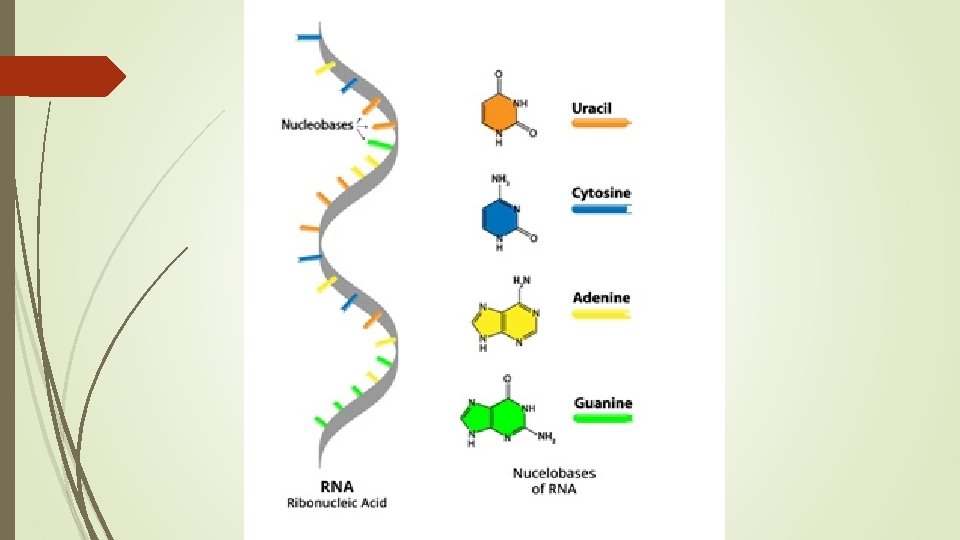
RNA Full Name Ribonucleic acid Basic Structure 1 Single strand of nucleotides Nucleotide sugar Ribose Nitrogenous bases Guanine (G) Cytosine (C) Adenine (A) Uracil (U)
RNA Location in cell: Cytoplasm and ribosomes Function Protein synthesis
- Slides: 72