
Chapter 4 Airway and Ventilation Objectives Describe pathophysiologic
Chapter 4 Airway and Ventilation
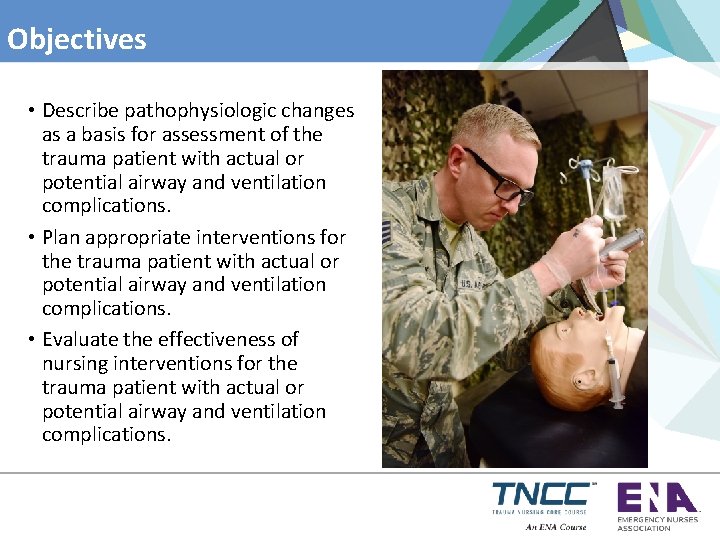
Objectives • Describe pathophysiologic changes as a basis for assessment of the trauma patient with actual or potential airway and ventilation complications. • Plan appropriate interventions for the trauma patient with actual or potential airway and ventilation complications. • Evaluate the effectiveness of nursing interventions for the trauma patient with actual or potential airway and ventilation complications.
Airway Activity • Students will be given ‘instructor notes’ for a variety of airway and ventilation devices • Spend a few minutes reviewing the information • Discuss and demonstrate your device with the class • No one is expected to know all of the information or be an expert • The instructor will provide any clarification if needed

Jaw Thrust
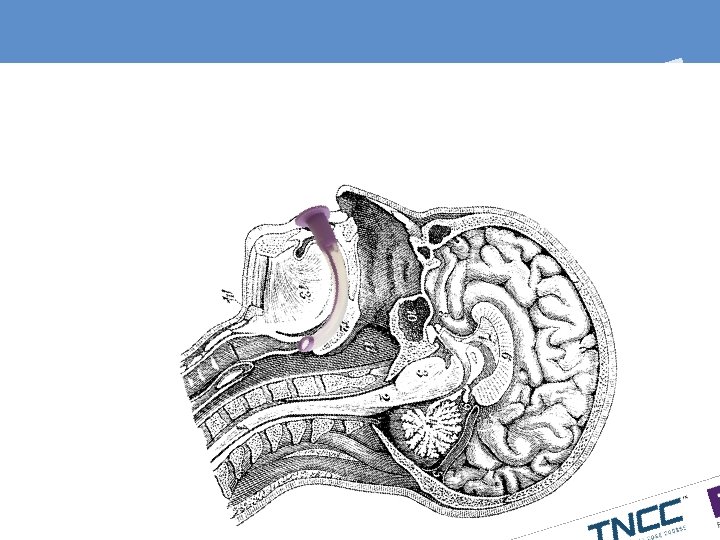
p o r O e g n hary a w r i al A ) A P y (O
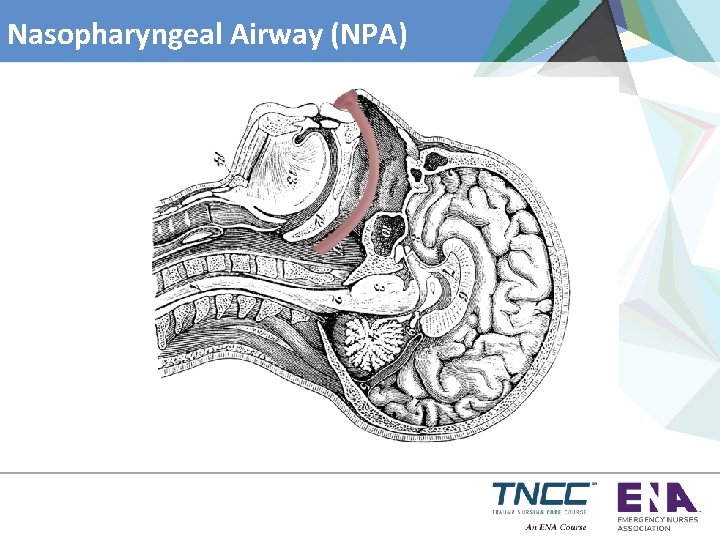
Nasopharyngeal Airway (NPA)
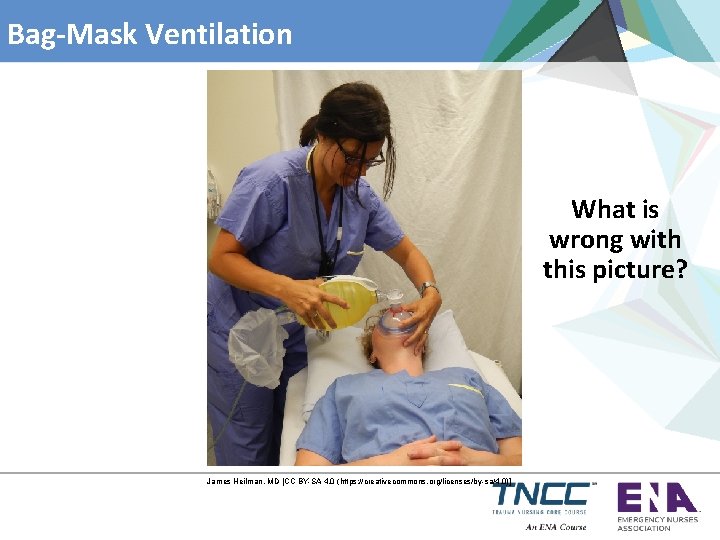
Bag-Mask Ventilation What is wrong with this picture? James Heilman, MD [CC BY-SA 4. 0 (https: //creativecommons. org/licenses/by-sa/4. 0)]
![Endotracheal Tube (ETT) Bruce. Blaus [CC BY-SA 4. 0 (https: //creativecommons. org/licenses/by-sa/4. 0)]](http://slidetodoc.com/presentation_image_h2/00ed6a2c027e4e45aef8bb38ac5efddd/image-8.jpg "Endotracheal Tube (ETT) Bruce. Blaus [CC BY-SA 4. 0 (https: //creativecommons. org/licenses/by-sa/4. 0)]")
Endotracheal Tube (ETT) Bruce. Blaus [CC BY-SA 4. 0 (https: //creativecommons. org/licenses/by-sa/4. 0)]
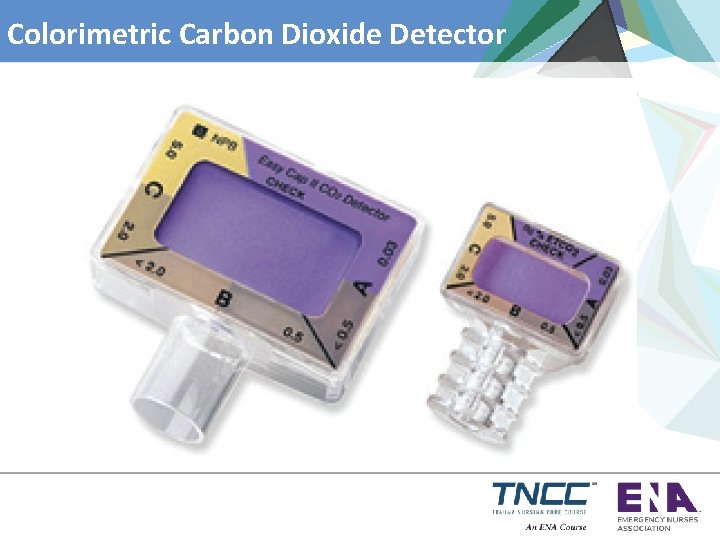
Colorimetric Carbon Dioxide Detector
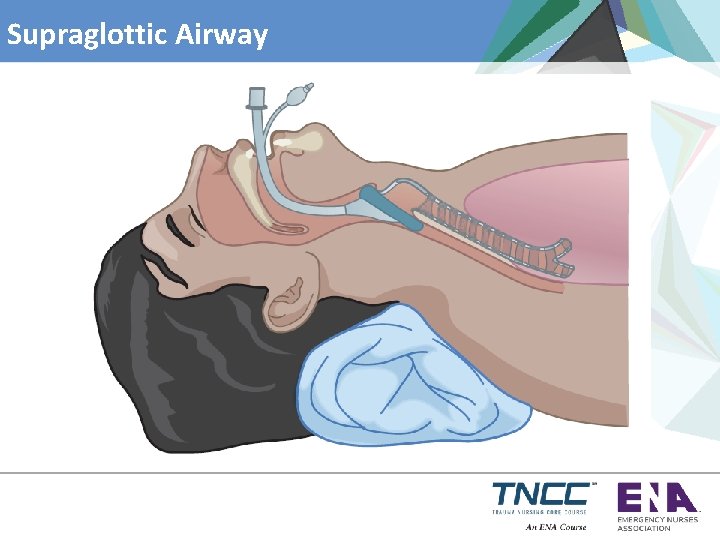
Supraglottic Airway
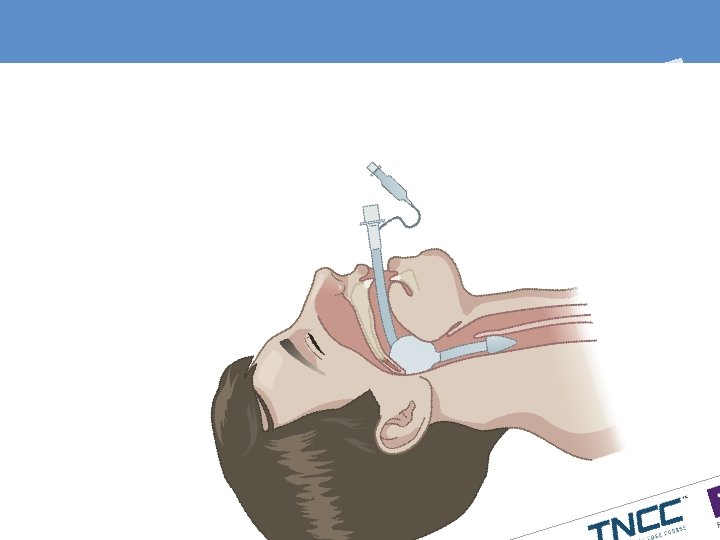
Ret c i t t o l g o r y a w Air
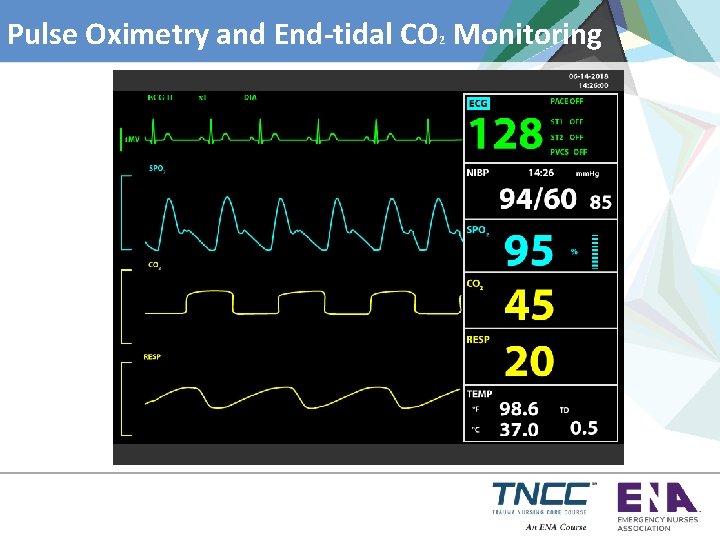
Pulse Oximetry and End-tidal CO Monitoring 2
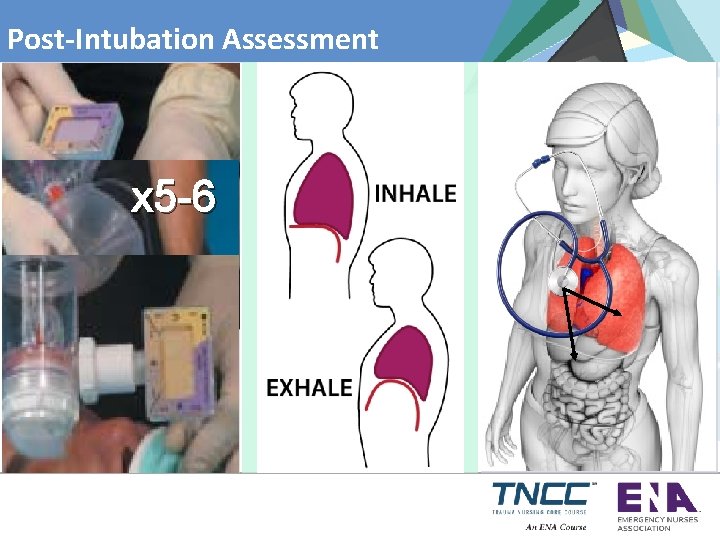
Post-Intubation Assessment 1 2 3 x 5 -6
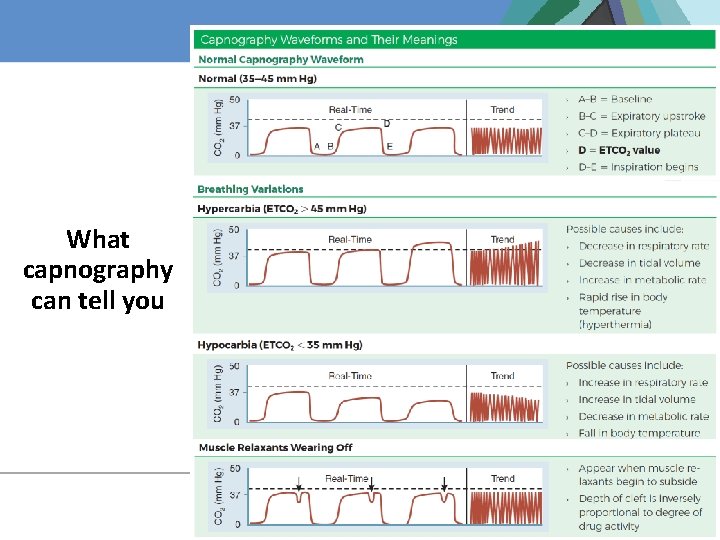
What capnography can tell you
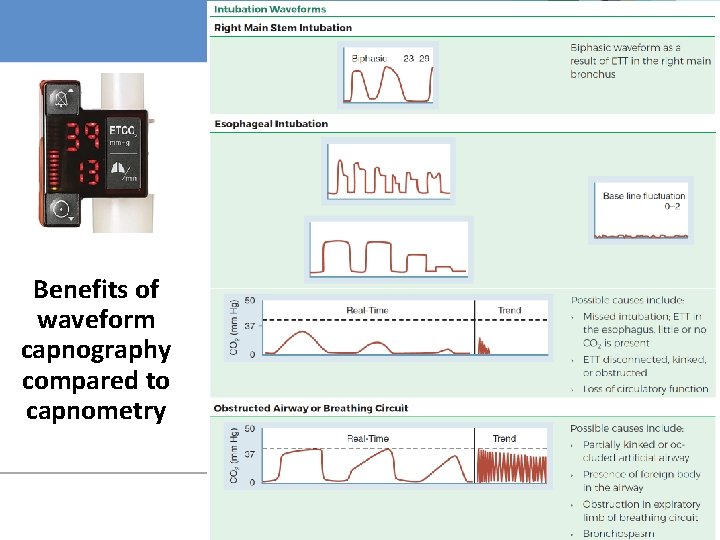
Benefits of waveform capnography compared to capnometry
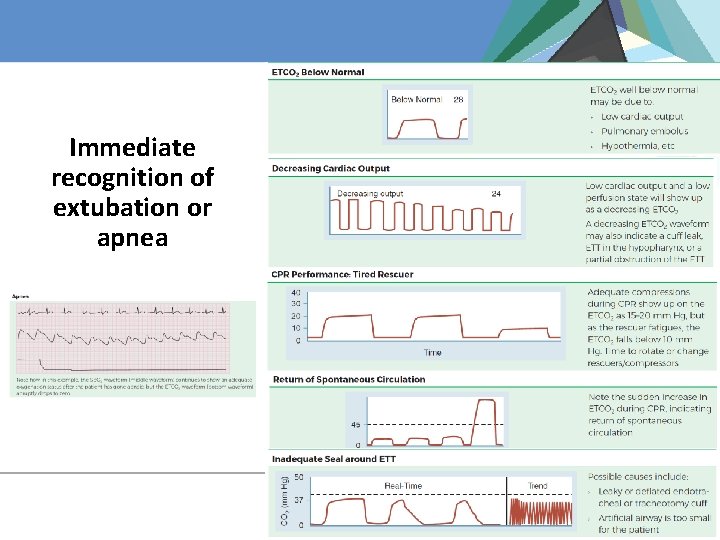
Immediate recognition of extubation or apnea
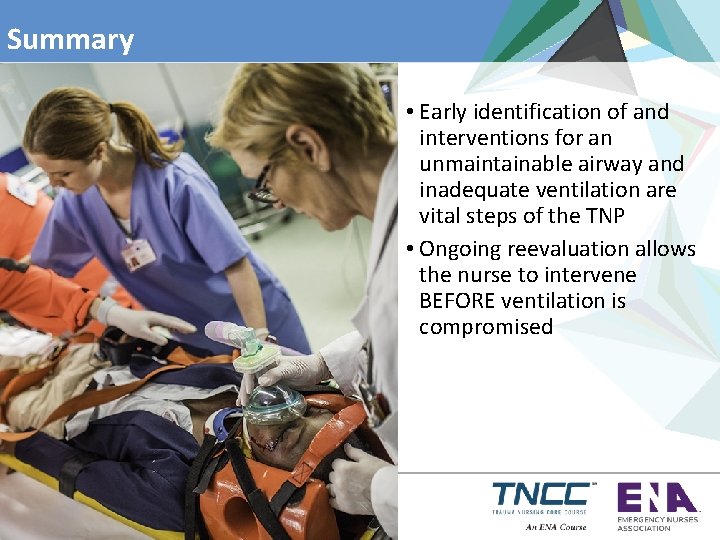
Summary • Early identification of and interventions for an unmaintainable airway and inadequate ventilation are vital steps of the TNP • Ongoing reevaluation allows the nurse to intervene BEFORE ventilation is compromised
- Slides: 17