
Chapter 4 Aggregates Aggregate Sources Recycled concrete and
- Slides: 10
Chapter 4: Aggregates
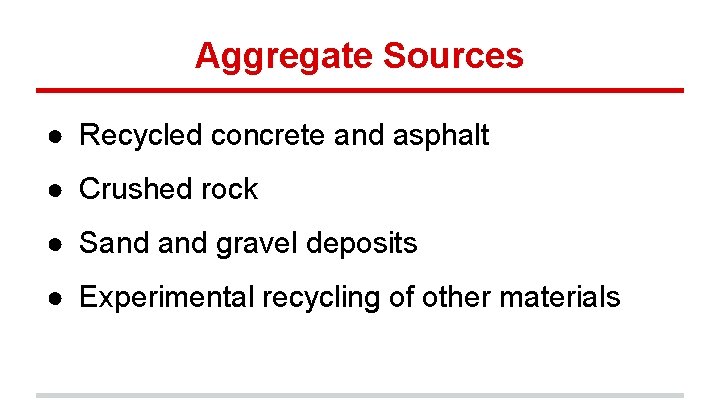
Aggregate Sources ● Recycled concrete and asphalt ● Crushed rock ● Sand gravel deposits ● Experimental recycling of other materials
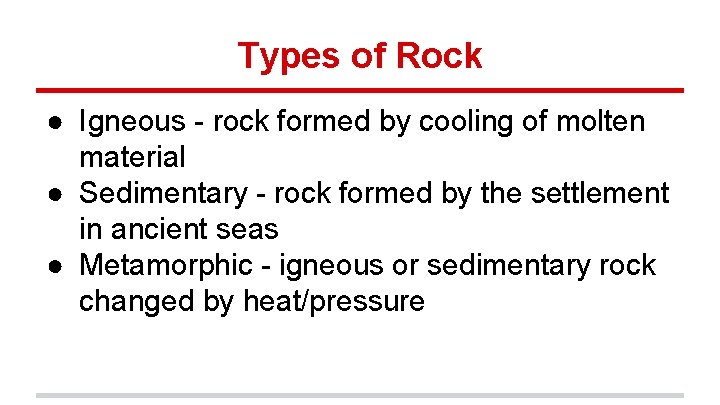
Types of Rock ● Igneous - rock formed by cooling of molten material ● Sedimentary - rock formed by the settlement in ancient seas ● Metamorphic - igneous or sedimentary rock changed by heat/pressure
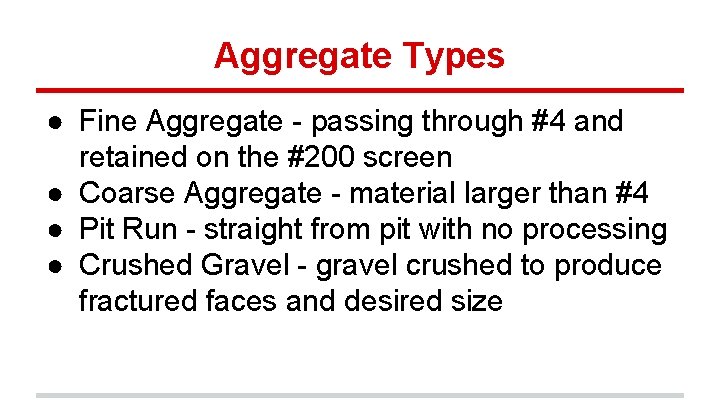
Aggregate Types ● Fine Aggregate - passing through #4 and retained on the #200 screen ● Coarse Aggregate - material larger than #4 ● Pit Run - straight from pit with no processing ● Crushed Gravel - gravel crushed to produce fractured faces and desired size
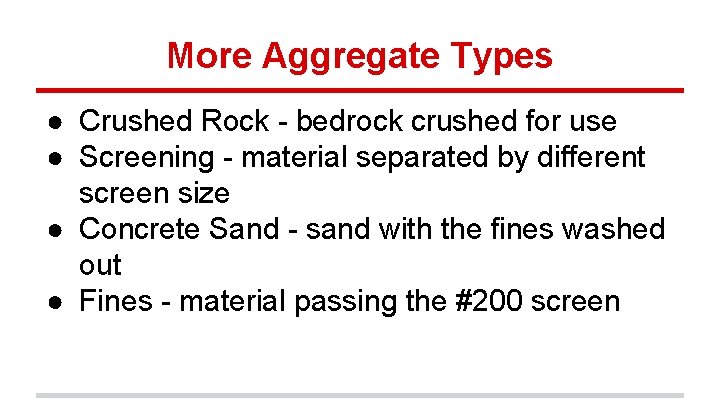
More Aggregate Types ● Crushed Rock - bedrock crushed for use ● Screening - material separated by different screen size ● Concrete Sand - sand with the fines washed out ● Fines - material passing the #200 screen
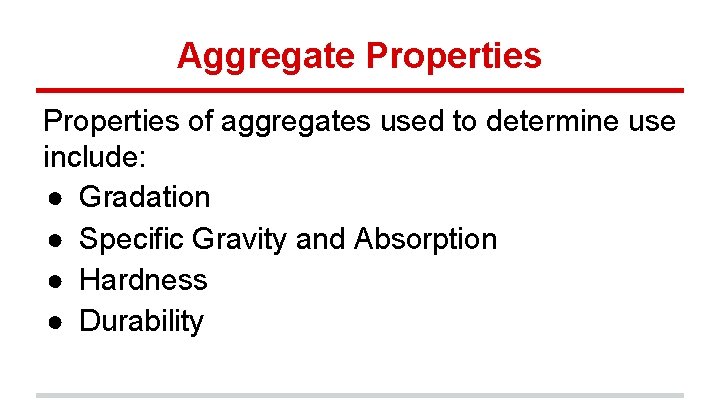
Aggregate Properties of aggregates used to determine use include: ● Gradation ● Specific Gravity and Absorption ● Hardness ● Durability
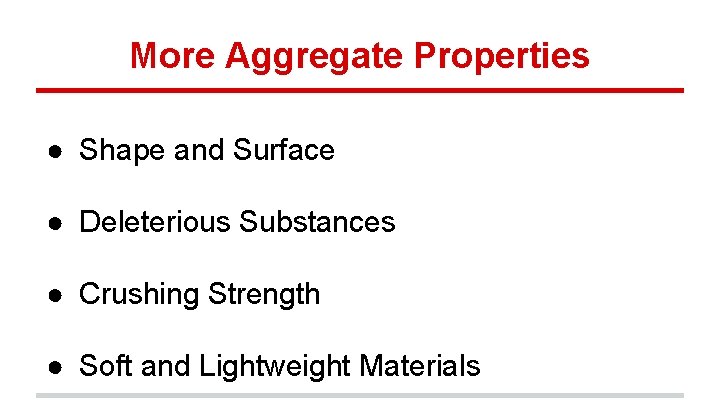
More Aggregate Properties ● Shape and Surface ● Deleterious Substances ● Crushing Strength ● Soft and Lightweight Materials
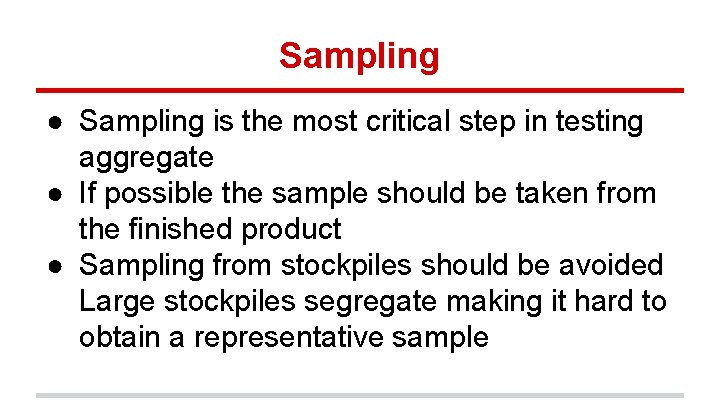
Sampling ● Sampling is the most critical step in testing aggregate ● If possible the sample should be taken from the finished product ● Sampling from stockpiles should be avoided Large stockpiles segregate making it hard to obtain a representative sample
Sampling, cont. ● Stopping the conveyor belt and taking a cross section of the material ● Take three or more samples and combine ● ASTM C 136 provides minimum sample size ● Sample is reduced in size for testing using a splitter box
Brought to you by: This work for “Mapping New Careers in Geospatial Technologies” is a derivative of "AEC 212 -Soils Mechanics" by Aims Community College used under CC BY 4. 0 and is licensed by Mapping New Careers in Geospatial Technology under a Creative Commons Attribution 4. 0 International License. This workforce solution was funded by a grant awarded by the U. S. Department of Labor’s Employment and Training Administration. The solution was created by the grantee and does not necessarily reflect the official position of the U. S. Department of Labor. The Department of Labor makes no guarantees, warranties, or assurances of any kind, express or implied, with respect to such information, including any information on linked sites and including, but not limited to, accuracy of the information or its completeness, timeliness, usefulness, adequacy, continued availability, or ownership.