
Chapter 38 Thyroid antithyroid drugs Thyroid gland The
- Slides: 70
Chapter 38 Thyroid & antithyroid drugs
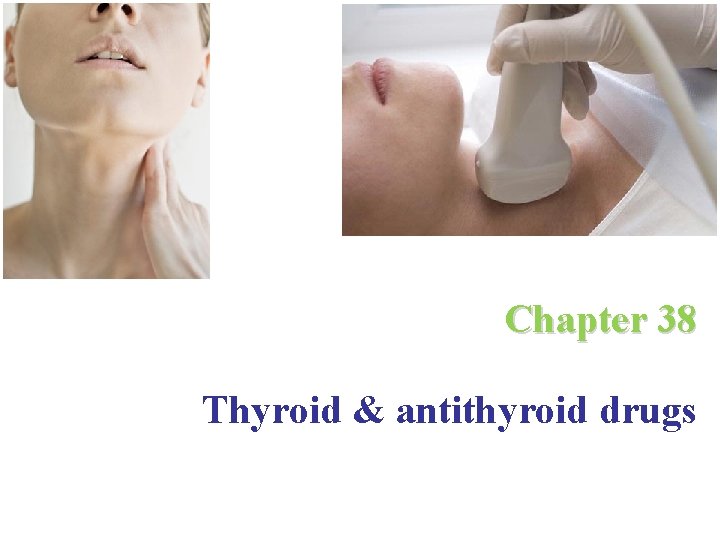
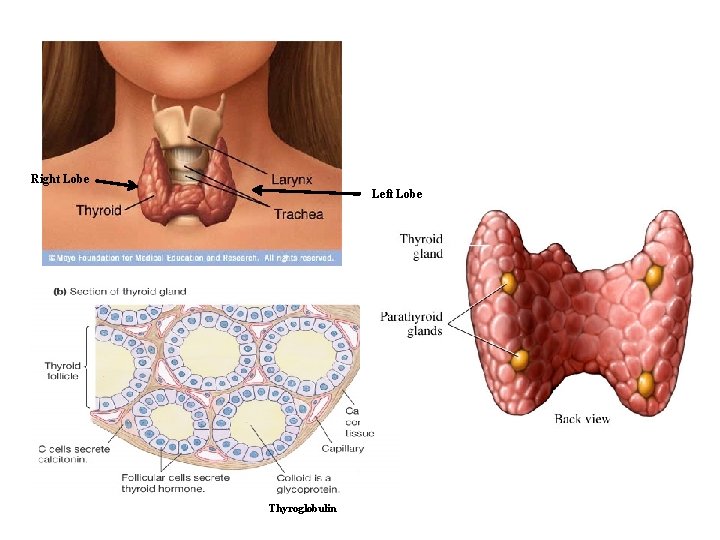
Thyroid gland • The thyroid gland consist of two lobes & is situated in the lower neck • The thyroid gland secretes three main hormones: thyroxine (T 4), triiodothyronine (T 3) and calcitonin • T 4 and T 3 are critically important for normal growth and development and for energy metabolism • Calcitonin is involved in the control of plasma Ca 2+
Right Lobe Left Lobe Thyroglobulin
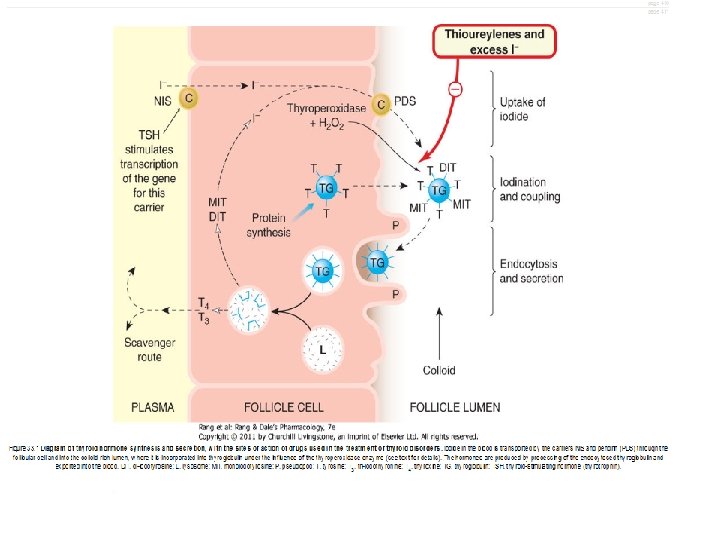
Thyroid gland • The functional unit of the thyroid is the follicle • Each follicle consists of a single layer of epithelial cells around a cavity, the follicle lumen, which is filled with a thick colloid containing thyroglobulin • Thyroglobulin is a protein synthesized in the thyroid gland; its tyrosine residues are used to synthesize thyroid hormones
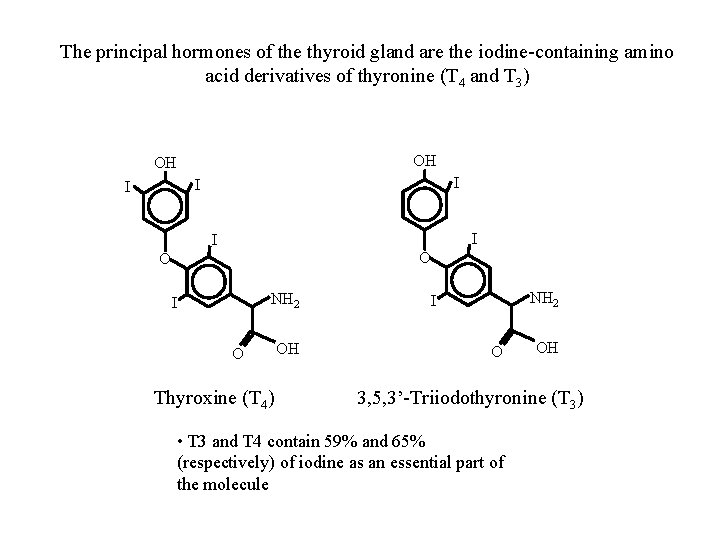
The principal hormones of the thyroid gland are the iodine-containing amino acid derivatives of thyronine (T 4 and T 3) OH OH I I I O O NH 2 I O Thyroxine (T 4) OH NH 2 I O OH 3, 5, 3’-Triiodothyronine (T 3) • T 3 and T 4 contain 59% and 65% (respectively) of iodine as an essential part of the molecule
Iodide Metabolism • Iodide is ingested by food, water, medication • It is rapidly absorbed (best absorbed in the duodenum and ileum) • The daily intake is: 150 mcg (200 mcg during pregnancy and lactation) • The thyroid gland removes 75 mcg daily
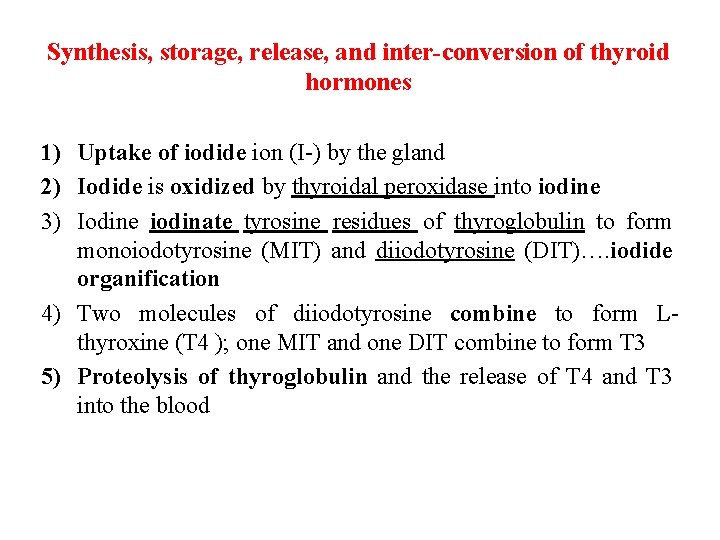
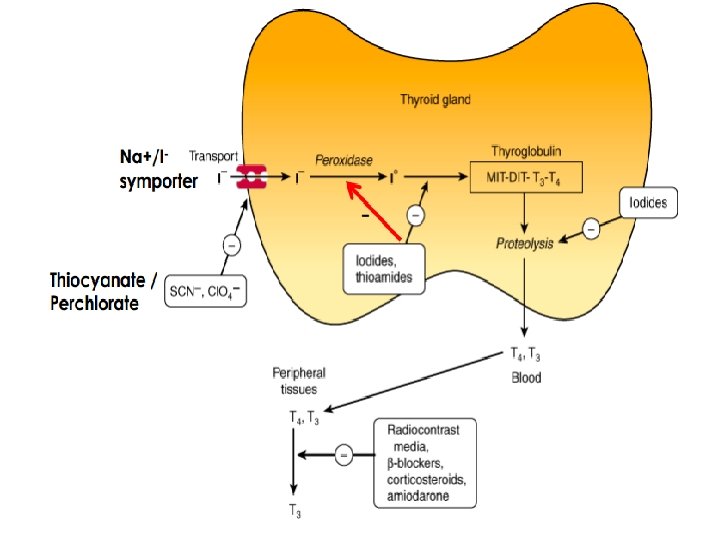
Synthesis, storage, release, and inter-conversion of thyroid hormones 1) Uptake of iodide ion (I-) by the gland 2) Iodide is oxidized by thyroidal peroxidase into iodine 3) Iodine iodinate tyrosine residues of thyroglobulin to form monoiodotyrosine (MIT) and diiodotyrosine (DIT)…. iodide organification 4) Two molecules of diiodotyrosine combine to form Lthyroxine (T 4 ); one MIT and one DIT combine to form T 3 5) Proteolysis of thyroglobulin and the release of T 4 and T 3 into the blood
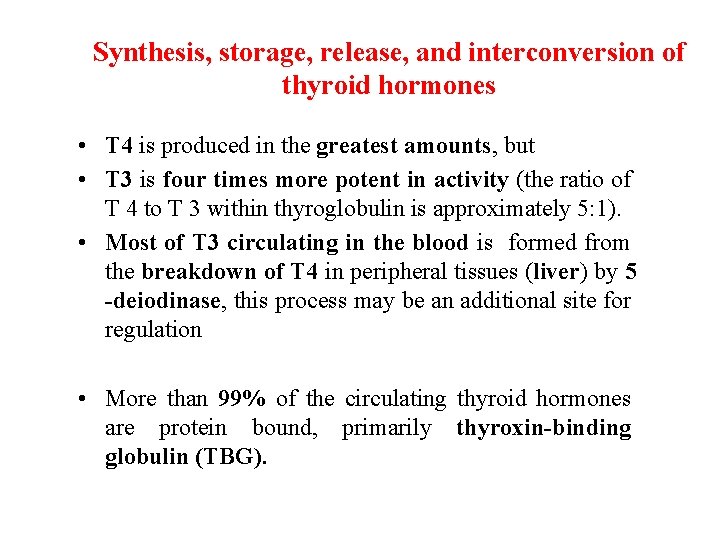
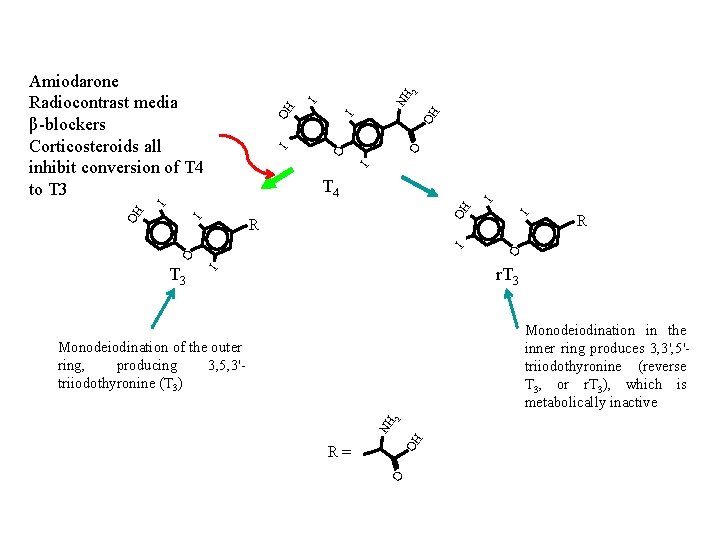
Synthesis, storage, release, and interconversion of thyroid hormones • T 4 is produced in the greatest amounts, but • T 3 is four times more potent in activity (the ratio of T 4 to T 3 within thyroglobulin is approximately 5: 1). • Most of T 3 circulating in the blood is formed from the breakdown of T 4 in peripheral tissues (liver) by 5 -deiodinase, this process may be an additional site for regulation • More than 99% of the circulating thyroid hormones are protein bound, primarily thyroxin-binding globulin (TBG).
OH I O O I I OH I NH 2 Amiodarone Radiocontrast media β-blockers Corticosteroids all inhibit conversion of T 4 to T 3 R O O I I OH R I OH I I T 4 r. T 3 I T 3 Monodeiodination in the inner ring produces 3, 3', 5'triiodothyronine (reverse T 3, or r. T 3), which is metabolically inactive OH NH 2 Monodeiodination of the outer ring, producing 3, 5, 3'triiodothyronine (T 3) O R=
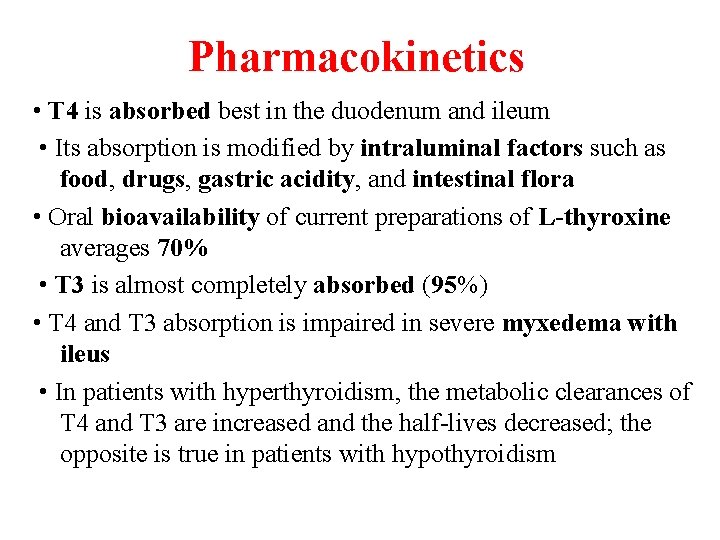
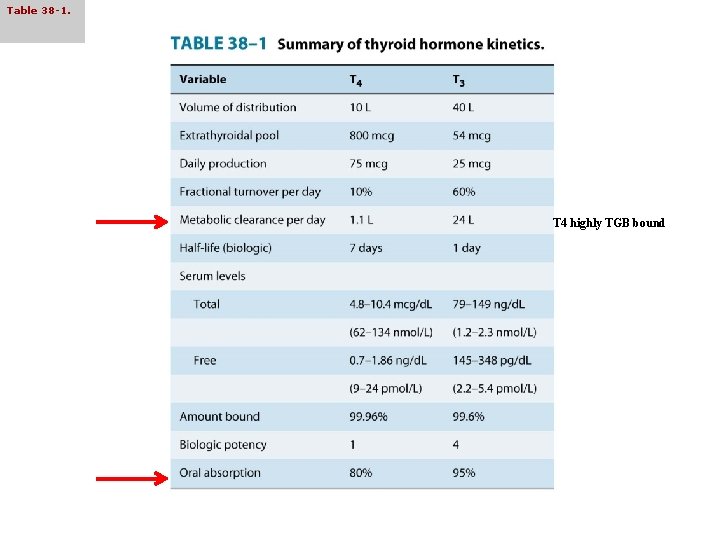
Pharmacokinetics • T 4 is absorbed best in the duodenum and ileum • Its absorption is modified by intraluminal factors such as food, drugs, gastric acidity, and intestinal flora • Oral bioavailability of current preparations of L-thyroxine averages 70% • T 3 is almost completely absorbed (95%) • T 4 and T 3 absorption is impaired in severe myxedema with ileus • In patients with hyperthyroidism, the metabolic clearances of T 4 and T 3 are increased and the half-lives decreased; the opposite is true in patients with hypothyroidism
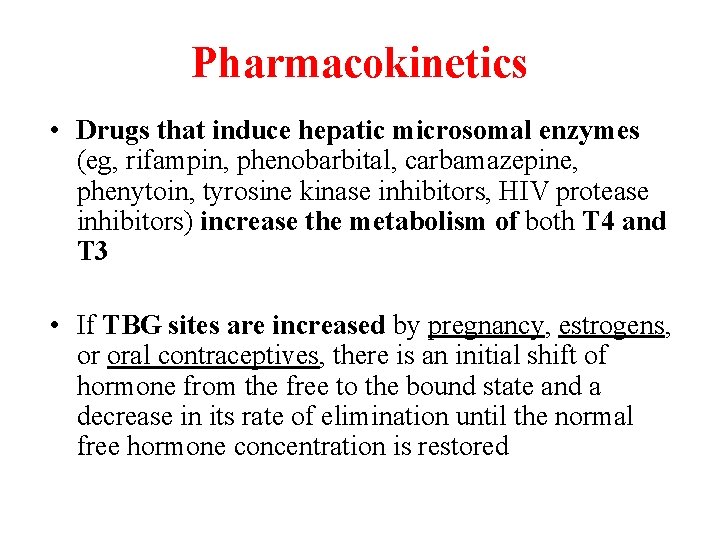
Pharmacokinetics • Drugs that induce hepatic microsomal enzymes (eg, rifampin, phenobarbital, carbamazepine, phenytoin, tyrosine kinase inhibitors, HIV protease inhibitors) increase the metabolism of both T 4 and T 3 • If TBG sites are increased by pregnancy, estrogens, or oral contraceptives, there is an initial shift of hormone from the free to the bound state and a decrease in its rate of elimination until the normal free hormone concentration is restored
Table 38 -1. T 4 highly TGB bound
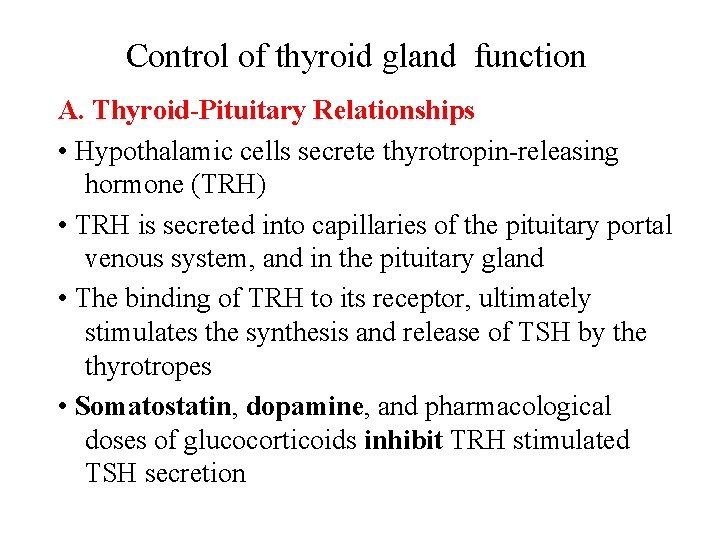
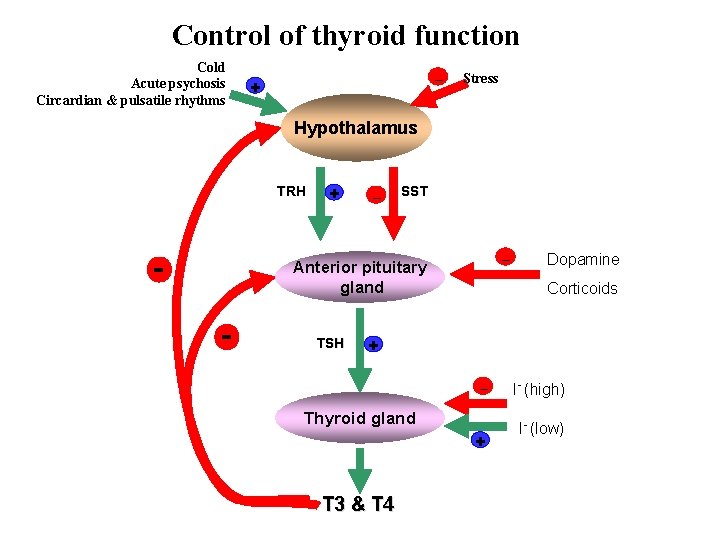
Control of thyroid gland function A. Thyroid-Pituitary Relationships • Hypothalamic cells secrete thyrotropin-releasing hormone (TRH) • TRH is secreted into capillaries of the pituitary portal venous system, and in the pituitary gland • The binding of TRH to its receptor, ultimately stimulates the synthesis and release of TSH by the thyrotropes • Somatostatin, dopamine, and pharmacological doses of glucocorticoids inhibit TRH stimulated TSH secretion
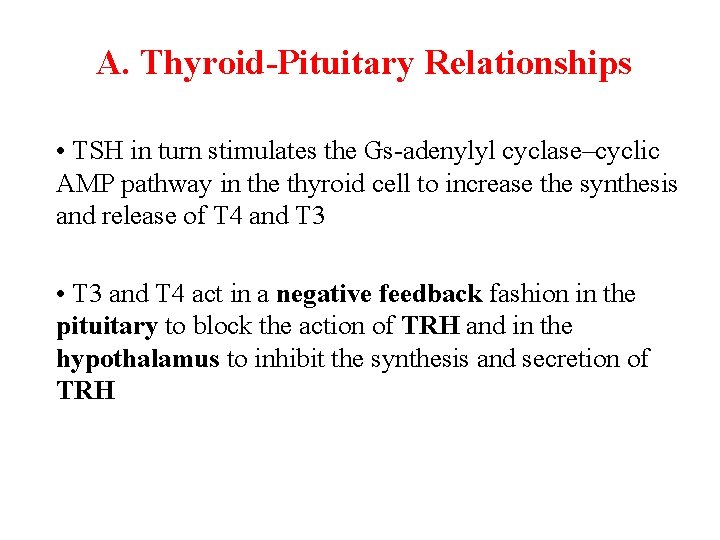
A. Thyroid-Pituitary Relationships • TSH in turn stimulates the Gs-adenylyl cyclase–cyclic AMP pathway in the thyroid cell to increase the synthesis and release of T 4 and T 3 • T 3 and T 4 act in a negative feedback fashion in the pituitary to block the action of TRH and in the hypothalamus to inhibit the synthesis and secretion of TRH
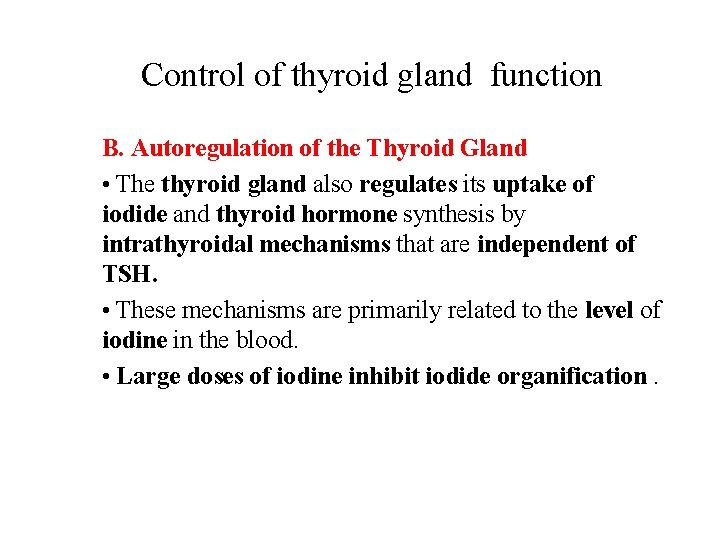
Control of thyroid gland function B. Autoregulation of the Thyroid Gland • The thyroid gland also regulates its uptake of iodide and thyroid hormone synthesis by intrathyroidal mechanisms that are independent of TSH. • These mechanisms are primarily related to the level of iodine in the blood. • Large doses of iodine inhibit iodide organification.
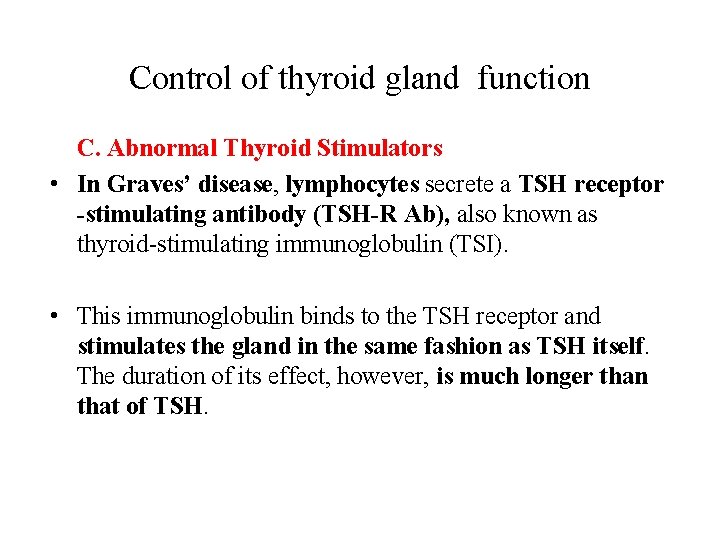
Control of thyroid gland function C. Abnormal Thyroid Stimulators • In Graves’ disease, lymphocytes secrete a TSH receptor -stimulating antibody (TSH-R Ab), also known as thyroid-stimulating immunoglobulin (TSI). • This immunoglobulin binds to the TSH receptor and stimulates the gland in the same fashion as TSH itself. The duration of its effect, however, is much longer than that of TSH.
Control of thyroid function Cold Acute psychosis Circardian & pulsatile rhythms _ + Stress Hypothalamus TRH - + _ SST _ Anterior pituitary gland - TSH Dopamine Corticoids + _ Thyroid gland + T 3 & T 4 I- (high) I- (low)
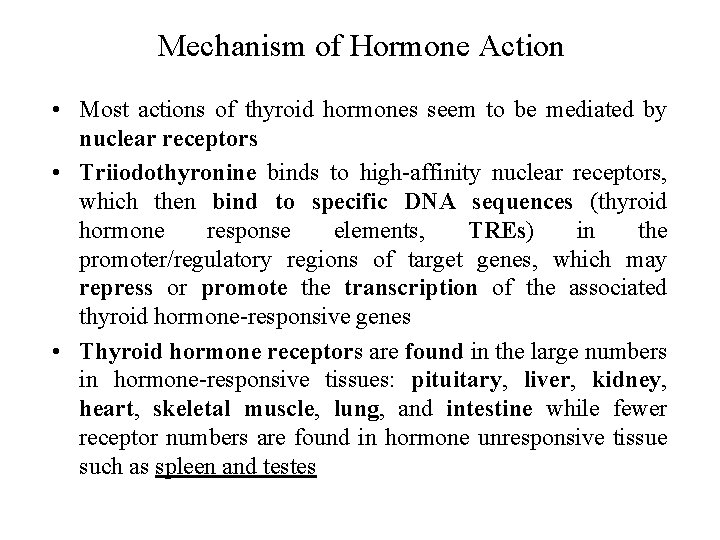
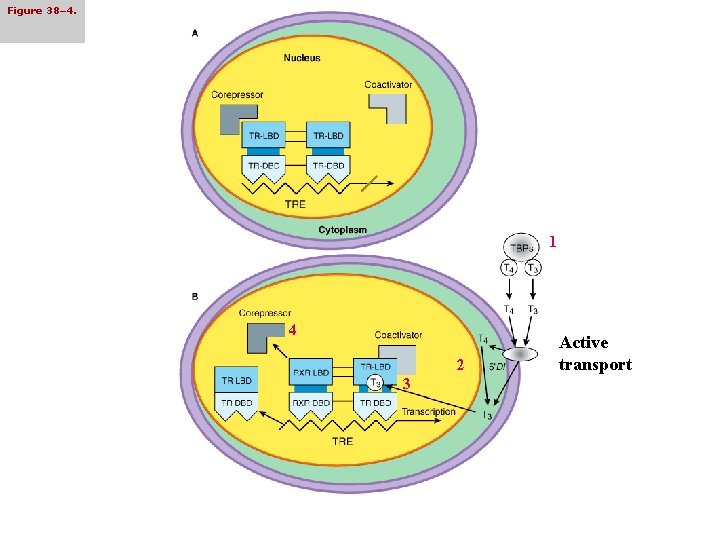
Mechanism of Hormone Action • Most actions of thyroid hormones seem to be mediated by nuclear receptors • Triiodothyronine binds to high-affinity nuclear receptors, which then bind to specific DNA sequences (thyroid hormone response elements, TREs) in the promoter/regulatory regions of target genes, which may repress or promote the transcription of the associated thyroid hormone-responsive genes • Thyroid hormone receptors are found in the large numbers in hormone-responsive tissues: pituitary, liver, kidney, heart, skeletal muscle, lung, and intestine while fewer receptor numbers are found in hormone unresponsive tissue such as spleen and testes
Figure 38– 4. 1 4 2 3 Active transport
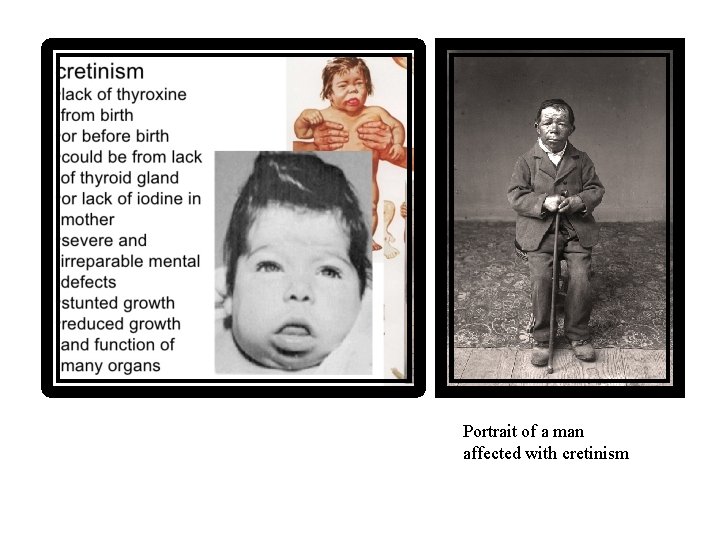
Effects of Thyroid Hormones 1. Growth & development • Thyroid hormone is critical for the development and functioning of nervous, skeletal, and reproductive tissues • Thyroid hormone plays a critical role in brain development • The absence of thyroid hormone during the period of active neurogenesis (up to 6 months postpartum) leads to irreversible mental retardation (cretinism) and is accompanied by multiple morphological alterations in the brain. • Thyroid hormone supplementation during the first 2 weeks of life prevents the development of these abnormalities
Portrait of a man affected with cretinism
Effects of Thyroid Hormones 2. Cardiovascular effects • Thyroid hormone influences cardiac function by direct and indirect actions and cardiovascular manifestations are prominent clinical consequences of thyroid disease. • In hyperthyroidism: there is tachycardia, increased stroke volume and cardiac hypertrophy. In hyperthyroidism, serum levels of catecholamines remain low or normal. Several components of the cardiac myocyte β-adrenergic system are regulated by thyroid hormone, such as the β 1 -adrenergic receptor, guanine nucleotide regulatory proteins, and adenylate cyclase • In hypothyroidism: there is bradycardia, decreased cardiac contractility and decreased pulse pressure.
Effects of Thyroid Hormones 4. Metabolic effects • The thyroid hormones produce a general increase in the metabolism of carbohydrates, fats and proteins, and regulate these processes in most tissues
Effects of Thyroid Hormones 5. Calorigenic effect • Most peripheral tissues (heart, skeletal muscle, liver, and kidney) are stimulated markedly by thyroid hormone to increase O 2 consumption & heat production • Several organs, including brain, gonads, and spleen, are unresponsive to the calorigenic effects of thyroid hormone • Generally: hyperthyroidism cause tremor, excessive sweating, anxiety & nervousness
Abnormalities of thyroid function
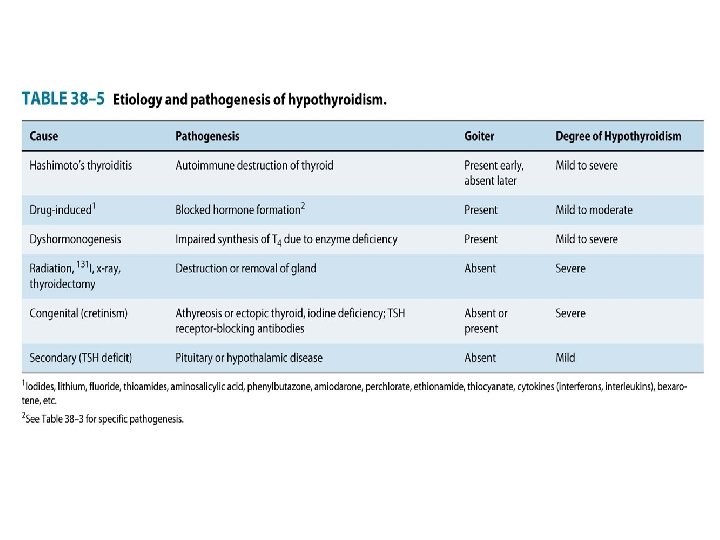
I. Hypothyroidism • Hypothyroidism is manifested largely by a reversible slowing down of all body functions. Hypothyroidism can occur with or without thyroid enlargement (goiter). • Worldwide, primary hypothyroidism is caused most often by iodine deficiency. • Chronic autoimmune thyroiditis (Hashimoto's thyroiditis) accounts for the majority of cases In areas where iodine is sufficient such as USA. • The most severe expression of severe, long-standing hypothyroidism is myxedema coma • In infants and children, there is striking retardation of growth and development that results in dwarfism and irreversible mental retardation
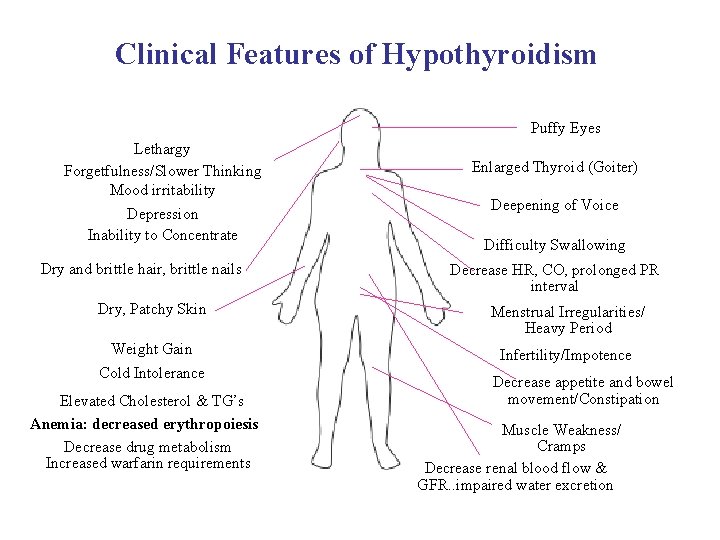
Clinical Features of Hypothyroidism Puffy Eyes Lethargy Forgetfulness/Slower Thinking Mood irritability Depression Inability to Concentrate Dry and brittle hair, brittle nails Enlarged Thyroid (Goiter) Deepening of Voice Difficulty Swallowing Decrease HR, CO, prolonged PR interval Dry, Patchy Skin Menstrual Irregularities/ Heavy Period Weight Gain Cold Intolerance Infertility/Impotence Elevated Cholesterol & TG’s Anemia: decreased erythropoiesis Decrease drug metabolism Increased warfarin requirements Decrease appetite and bowel movement/Constipation Muscle Weakness/ Cramps Decrease renal blood flow & GFR. . impaired water excretion
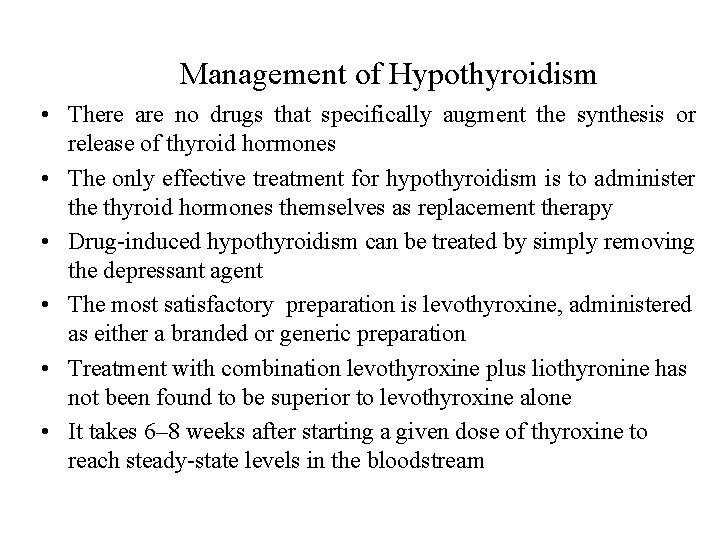
Management of Hypothyroidism • There are no drugs that specifically augment the synthesis or release of thyroid hormones • The only effective treatment for hypothyroidism is to administer the thyroid hormones themselves as replacement therapy • Drug-induced hypothyroidism can be treated by simply removing the depressant agent • The most satisfactory preparation is levothyroxine, administered as either a branded or generic preparation • Treatment with combination levothyroxine plus liothyronine has not been found to be superior to levothyroxine alone • It takes 6– 8 weeks after starting a given dose of thyroxine to reach steady-state levels in the bloodstream
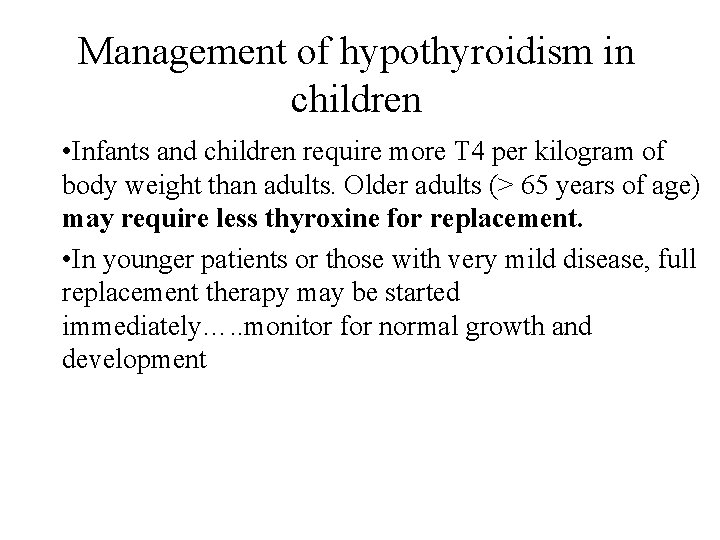
Management of hypothyroidism in children • Infants and children require more T 4 per kilogram of body weight than adults. Older adults (> 65 years of age) may require less thyroxine for replacement. • In younger patients or those with very mild disease, full replacement therapy may be started immediately…. . monitor for normal growth and development
Management of hypothyroidism in elderly • In long-standing hypothyroidism, in older patients, and in patients with underlying cardiac disease, it is imperative to start treatment with reduced dosages • In older patients, the heart is very sensitive to the level of circulating thyroxine, and if angina pectoris or cardiac arrhythmia develops, it is essential to stop or reduce the dose of thyroxine immediately.
Thyroid preparations may be synthetic (levothyroxine, liothyronine, liotrix) or of animal origin (desiccated thyroid). Major indications 1) Hormone replacement therapy in patients with hypothyroidism or cretinism 2) TSH suppression therapy in patients with thyroid cancer and occasionally those with nontoxic goiter * Thyroid hormones abosorption is impaired in severe myxedema with ileus (IV T 4 or sometimes T 3
Levothyroxine (T 4) (oral & parenteral) • It is the preparation of choice for maintenance of plasma T 4 and T 3 concentrations for thyroid hormone replacement therapy in hypothyroid patients • Its long half-life (7 days) allows for convenient once daily administration • Since much of the T 4 is deiodinated to T 3; thus, administration of T 4 produces both hormones
Liothyronine (T 3) (oral & parenteral) It is not used for maintenance thyroid hormone replacement therapy because of: 1) Shorter half-life and duration of action 2) Cost 3) Difficulty in monitoring by conventional lab methods 4) Hormone activity and consequent greater risk of cardiotoxicity (avoided in patients with cardiac disease). Most appropriate use: a. short-term suppression of TSH in patients undergoing surgery for thyroid cancer b. Initial therapy of myxedema and myxedema coma
Liotrix (oral) • 4: 1 mixture of levothyroxine sodium and liothyronine sodium • Based on the idea of combining T 4 and T 3 in replacement therapy so as to mimic the normal ratio secreted by the thyroid gland • It does not appear that liotrix offers any therapeutic advantage over levothyroxine alone • Too expensive
Interactions with food • Since interactions with certain foods (e. g. bran, soy, coffee, ferrous sulfate, calcium carbonate) and drugs can impair its absorption, thyroxine should be administered on an empty stomach (eg, 30 minutes before meals or 1 hour after meals or at bedtime)
Adverse effects • The toxicity of thyroxine is directly related to the hormone level (i. e. , symptoms of hyperthyroidism) • In children: restlessness, insomnia, and accelerated bone maturation and growth • In adults: increased nervousness, heat intolerance, episodes of palpitation and tachycardia, or unexplained weight loss may be the presenting symptoms. • Chronic overtreatment with T 4 particularly in elderly patients, can increase the risk of atrial fibrillation and accelerated osteoporosis.
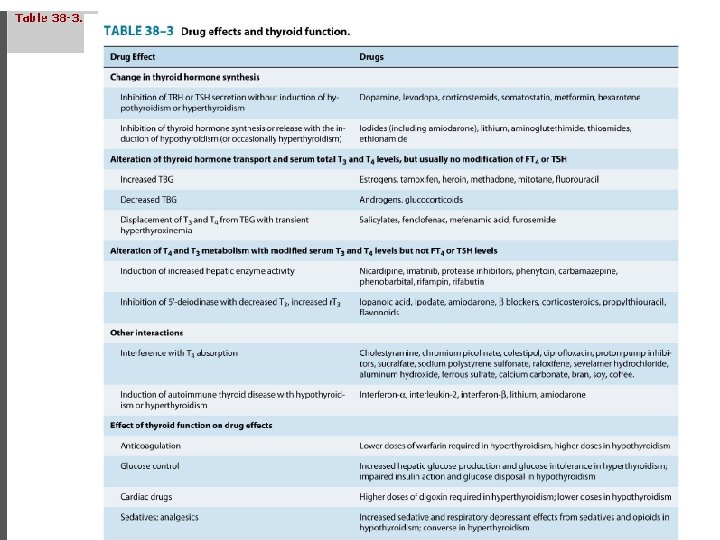
Drug interactions • A. Drugs may interfere with thyroid hormones absorption (e. g. cholestyramine, iron and calcium supplements, aluminum hydroxide) • b. CYP 450 enzyme inducer (eg, rifampin, phenobarbital, carbamazepine, phenytoin, protease inhibitors) increase thyroid hormone degradation • c. Inhibition of 5'-deiodinase (e. g. Beta-blockers) d. Displacement of T 3 and. T 4 from TBG with transit hyperthyroxinemia e. g. Heparin, salicylates and furosamides
Drug interactions • Administration of sympathomimetic agents and thyroid hormone to patients may increase the risk of coronary artery disease and coronary insufficiency • Since thyroid hormones increase the catabolism of vitamin K – dependent clotting factors, the effects of coumarin anticoagulants may be enhanced (lower doses required) • Initiation of thyroid hormone therapy in patients with DM may increase the requirement for insulin or oral hypoglycemic agents • A larger dose of cardiac glycosides (e. g. , digitoxin, digoxin) may be required in digitalized patients on thyroid replacement therapy
Special cases in management of hypothyroidism • A. Myxedema coma: • Is an end state of untreated hypothyroidism associated with progressive weakness, stupor, hypothermia, hypoventilation, hypoglycemia, hyponatremia, water intoxication, shock, and death…mortality rate 60 -70% • Myxedema coma is a medical emergency • The patient should be treated in the intensive care unit, since tracheal intubation and mechanical ventilation may be required • Associated illnesses such as infection or heart failure must be treated by appropriate therapy.
Special cases in management of hypothyroidism • It is important to give all preparations intravenously, because patients with myxedema coma absorb drugs poorly from other routes. Intravenous fluids should be administered with caution to avoid excessive water intake • These patients have large pools of empty T 3 and T 4 binding sites that must be filled before there is adequate free thyroxine to affect tissue metabolism • Accordingly, the treatment of choice in myxedema coma is to give a loading dose of levothyroxine intravenously— usually 300– 400 mcg initially, followed by 50– 100 mcg daily.
Special cases in management of hypothyroidism • Intravenous T 3 can also be used but may be more cardiotoxic and more difficult to monitor • Intravenous hydrocortisone is indicated if the patient has associated adrenal or pituitary insufficiency but is probably not necessary in most patients with primary myxedema • Opioids and sedatives must be used with extreme caution.
Special cases in management of hypothyroidism • B. Myxedema and Coronary Artery Disease • Myxedema frequently occurs in older persons, often associated with underlying coronary artery disease • The low levels of circulating thyroid hormone protect the heart against increasing demands (that may result in angina pectoris or MI) • So correction of myxedema must be done cautiously to avoid provoking arrhythmia, angina, or acute MI • If coronary artery surgery is indicated, it should be done first, prior to correction of the myxedema by thyroxine administration.
Special cases in management of hypothyroidism • C. Hypothyroidism and pregnancy • Hypothyroid women frequently have anovulatory cycles and are therefore relatively infertile until restoration of the euthyroid state • Widespread use of thyroid hormone for infertility, although there is no evidence for its usefulness in infertile euthyroid patients • In a pregnant hypothyroid patient receiving thyroxine, it is extremely important that the daily dose of thyroxine be adequate because early development of the fetal brain depends on maternal thyroxine. • Thyroxine should be seperated from prenatal vitamins at least by four hours
II. Hyperthyroidism • Hyperthyroidism refers to excess synthesis and secretion of thyroid hormones by the thyroid gland. • Thyrotoxicosis is the term applied to any condition caused by tissue exposure to elevated levels of circulating free thyroid hormones. • The most common form of hyperthyroidism is Graves’ disease, or diffuse toxic goiter.
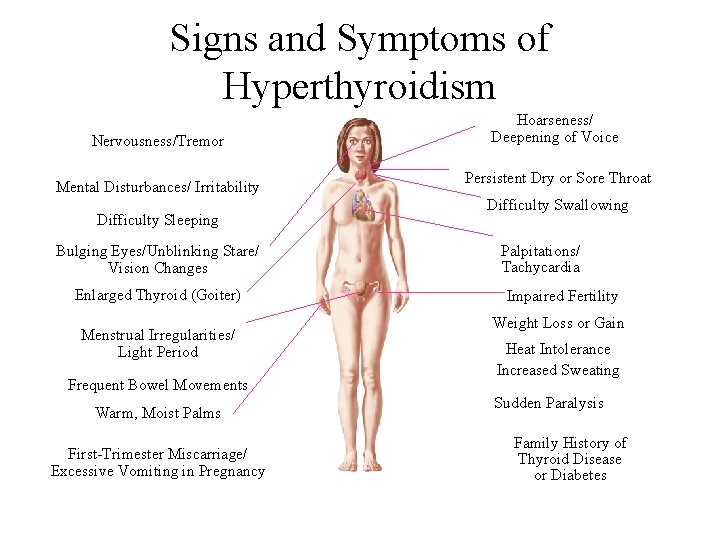
Signs and Symptoms of Hyperthyroidism Nervousness/Tremor Mental Disturbances/ Irritability Difficulty Sleeping Bulging Eyes/Unblinking Stare/ Vision Changes Enlarged Thyroid (Goiter) Menstrual Irregularities/ Light Period Frequent Bowel Movements Warm, Moist Palms First-Trimester Miscarriage/ Excessive Vomiting in Pregnancy Hoarseness/ Deepening of Voice Persistent Dry or Sore Throat Difficulty Swallowing Palpitations/ Tachycardia Impaired Fertility Weight Loss or Gain Heat Intolerance Increased Sweating Sudden Paralysis Family History of Thyroid Disease or Diabetes
Hyperthyroidism • Goal of pharmacotherapy: 1) Inhibit synthesis of the hormone 2) Block the release of the hormone from the follicle • Anti-thyroid drugs are classification 1) Anion inhibitors 2) Thioamides 3) Iodides 4) Radioactive iodine
Anion inhibitors • Monovalent anions: perchlorate (Cl. O 4−), pertechnetate (Tc. O 4−), and thiocyanate (SCN − ) • Act by blocking the uptake of iodide by the gland through competitive inhibition of the iodide transport mechanism • Their effectiveness is somewhat unpredictable • Potassium perchlorate is used to block thyroidal reuptake of I− in patients with iodide-induced hyperthyroidism (eg, amiodarone) • Potassium perchlorate is rarely used clinically because it is associated with aplastic anemia
Inhibition of thyroid hormone synthesis Thioamides • Agents: propythiouracil and methimazole • Thioamides are the primary drugs used to decrease thyroid hormone production • They have a slow onset of pharmacological effect • Since the synthesis rather than the release of hormones is affected, the onset of these agents is slow (3 -4 weeks) before stores of T 4 are depleted • Used in the management of hyperthyroidism and thyrotoxic crisis and in the preparation of patients for surgical subtotal thyroidectomy
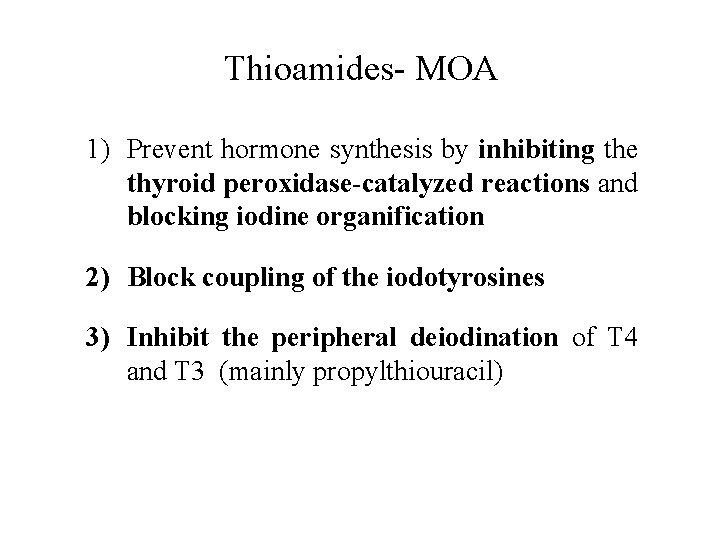
Thioamides- MOA 1) Prevent hormone synthesis by inhibiting the thyroid peroxidase-catalyzed reactions and blocking iodine organification 2) Block coupling of the iodotyrosines 3) Inhibit the peripheral deiodination of T 4 and T 3 (mainly propylthiouracil)
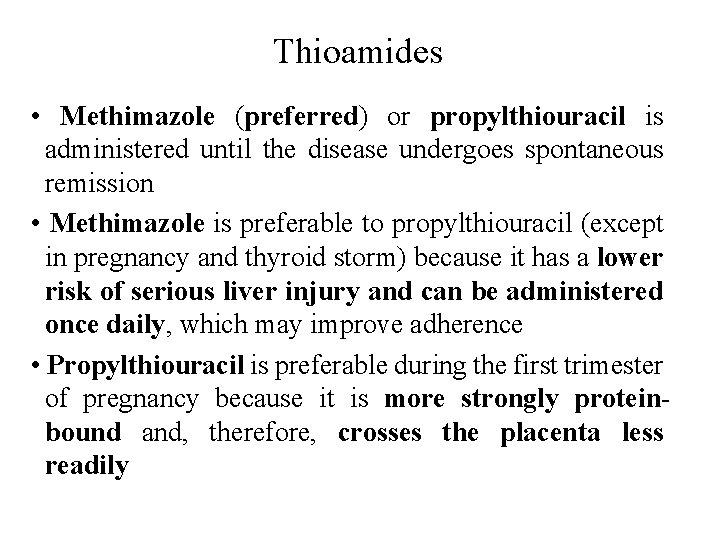
Thioamides • Methimazole (preferred) or propylthiouracil is administered until the disease undergoes spontaneous remission • Methimazole is preferable to propylthiouracil (except in pregnancy and thyroid storm) because it has a lower risk of serious liver injury and can be administered once daily, which may improve adherence • Propylthiouracil is preferable during the first trimester of pregnancy because it is more strongly proteinbound and, therefore, crosses the placenta less readily
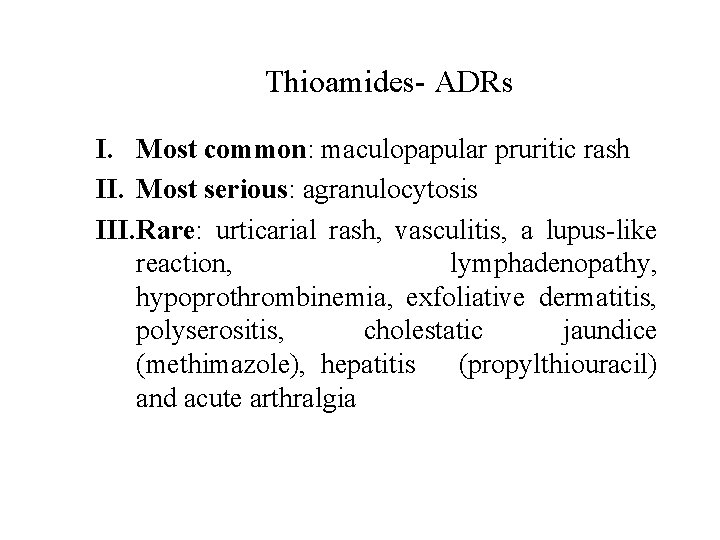
Thioamides- ADRs I. Most common: maculopapular pruritic rash II. Most serious: agranulocytosis III. Rare: urticarial rash, vasculitis, a lupus-like reaction, lymphadenopathy, hypoprothrombinemia, exfoliative dermatitis, polyserositis, cholestatic jaundice (methimazole), hepatitis (propylthiouracil) and acute arthralgia
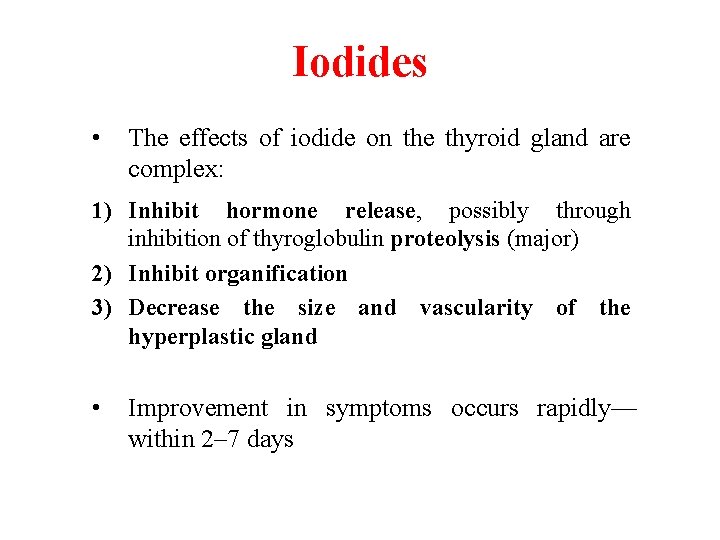
Iodides • The effects of iodide on the thyroid gland are complex: 1) Inhibit hormone release, possibly through inhibition of thyroglobulin proteolysis (major) 2) Inhibit organification 3) Decrease the size and vascularity of the hyperplastic gland • Improvement in symptoms occurs rapidly— within 2– 7 days
Iodides • Clinical Uses 1) Treatment of severe thyrotoxicosis or thyroid crisis when a rapid decrease in plasma T 4 and T 3 is desirable 2) Preoperative preparation of patients about to undergo total or subtotal surgical thyroidectomy
Iodides • Iodide should not be used alone • Over time, the beneficial effects disappear, even with ongoing therapy • Hypersecretion of thyroid hormone and thyrotoxicosis may return at the previous or a more severe intensity • Iodide use should be initiated only after onset of thioamide treatment & not used if radioactive iodine therapy is planned • Chronic use of iodides in pregnancy should be avoided
Iodides- ADRs • Iodism: are uncommon and include: a. Acneiform rash b. Swollen salivary glands c. Mucous membrane ulcerations d. Conjunctivitis e. Rhinorrhea f. Drug fever g. Metallic taste h. Bleeding disorders i. Anaphylactoid reactions (rare)
Radioactive Iodine (131 I) • Used for treatment of thyrotoxicosis • 131 I is taken up and trapped in the same manner as I-. The ablative effect is exerted primarily through β- particle emissions, which destroy thyroid tissue • Advantages: easy administration, expense, and absence of pain effectiveness, low • Major disadvantage is the development of hypothyroidism • Should not be administered to pregnant women or nursing mothers
Adrenergic receptor blocking drugs • Rationale: reduction of sympathetic manifestations of thyrotoxicosis (thyroid storm) • Applicable drugs: v Beta adrenoceptor blockers without sympathomimetic activity (propranolol) intrinsic v Patients suffering from severe heart failure or asthma: CCB (diltiazem)
Adrenergic receptor blocking drugs • Beta-blockers improve symptoms of hyperthyroidism, including anxiety, tachycardia and tremor. They inhibit the conversion of T 4 to T 3 in the tissues. They are useful: • while awaiting laboratory confirmation, if the diagnosis is in doubt; • during initiation of therapy with antithyroid drugs; • before treatment with radio-iodine, because they do not interfere with the uptake of iodine by the gland; • in thyroid crisis; • with iodine, as a rapid preparation for surgery on a hyperactive thyroid goiter
Special cases of hyperthyroidism A. Thyroid storm (Thyrotoxic crises) • It is a sudden acute exacerbation of all of the symptoms of thyrotoxicosis, presenting as a life-threatening syndrome • Vigorous management is mandatory • Propranolol, or esmolol, are helpful to control the severe cardiovascular manifestations. • Release of thyroid hormones from the gland is retarded by the administration of saturated solution of potassium iodide, 5 drops orally every 6 hours starting 1 hour after giving thioamides • Propylthiouracil is preferred over methimazole because it also impairs peripheral conversion of T 4 to. T 3
Special cases of hyperthyroidism A. Thyroid storm (Thyrotoxic crises) • Treatment includes supportive measures such as intravenous fluids, antipyretics, cooling blankets, and sedation • Anti-thyroid drugs are given in large doses. Hydrocortisone can be used as an inhibitor of conversion of thyroxine to triiodothyronine • In rare situations, where the above methods are not adequate to control the problem, oral bile acid sequestrants (eg, cholestyramine), peritoneal dialysis has been used to lower the levels of circulating thyroxine. • Aspirin must be avoided, because salicylate displaces bound T 4 and T 3
Special cases of hyperthyroidism B. Thyrotoxicosis during Pregnancy • If thyrotoxicosis does develop during pregnancy, RAI is contraindicated because it crosses the placenta and may injure the fetal thyroid • Propylthiouracil (fewer teratogenic risks than methimazole) can be given in the first trimester, and then methimazole can be given for the remainder of the pregnancy in order to avoid potential liver damage.
Special cases of hyperthyroidism B. Thyrotoxicosis during Pregnancy • The dosage of propylthiouracil must be kept to the minimum necessary for control of the disease (ie, < 300 mg/d) because it may affect the function of the fetal thyroid gland. • Alternatively, a subtotal thyroidectomy can be safely performed during the mid trimester. It is essential to give the patient a thyroid supplement during the balance of the pregnancy.
Question 1 In Graves’ disease, the cause of the hyperthyroidism is the production of an antibody that does which of the following? (A) Activates the pituitary thyrotropin-releasing hormone (TRH) receptor and stimulates TSH release (B) Activates the thyroid gland TSH receptor and stimulates thyroid hormone synthesis and release (C) Activates thyroid hormone receptors in peripheral tissues (D) Binds to thyroid gland thyroglobulin and accelerates its proteolysis and the release of its supply of T 4 and T 3 (E) Binds to thyroid-binding globulin (TBG) and displaces bound T 4 and T 3
Questions-2 When initiating T 4 therapy for an elderly patient with longstanding hypothyroidism, it is important to begin with small doses to avoid which of the following? (A) A flare-up of exophthalmos (B) Acute renal failure (C) Hemolysis (D) Overstimulation of the heart (E) Seizures
Question-3 Though rare, a serious toxicity associated with the thioamides is which of the following? (A) Agranulocytosis (B) Lupus erythematosus-like syndrome (C) Myopathy (D) Torsades de pointes arrhythmia (E) Thrombotic thrombocytic purpura (TTP)
Q 4) A hormone produced in the peripheral tissues when T 4 is administered is_____ Q 5) An antiarrhythmic drug that inhibits peripheral conversion of T 4 to T 3 is_______