
Chapter 34 The Biosphere An introduction to Earths
Chapter 34 The Biosphere: An introduction to Earth’s Diverse Environments Power. Point Lectures for Campbell Biology: Concepts & Connections, Seventh Edition Reece, Taylor, Simon, and Dickey © 2012 Pearson Education, Inc. Lecture by Edward J. Zalisko
Introduction § For most of life on Earth, the sun is the main source of energy. § But around hydrothermal vents, life depends on chemoautotrophic sulfur bacteria. § From the roof of the world to the deepest oceans, Earth’s diverse environments are bursting with life. © 2012 Pearson Education, Inc.
Figure 34. 0_1
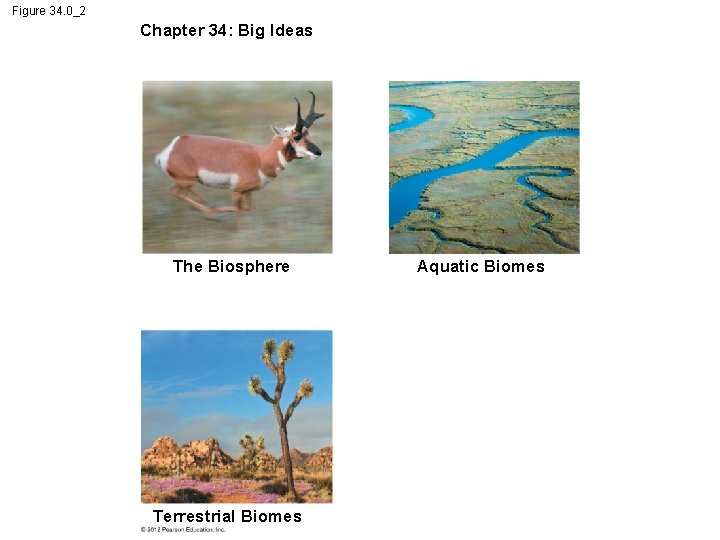
Figure 34. 0_2 Chapter 34: Big Ideas The Biosphere Terrestrial Biomes Aquatic Biomes
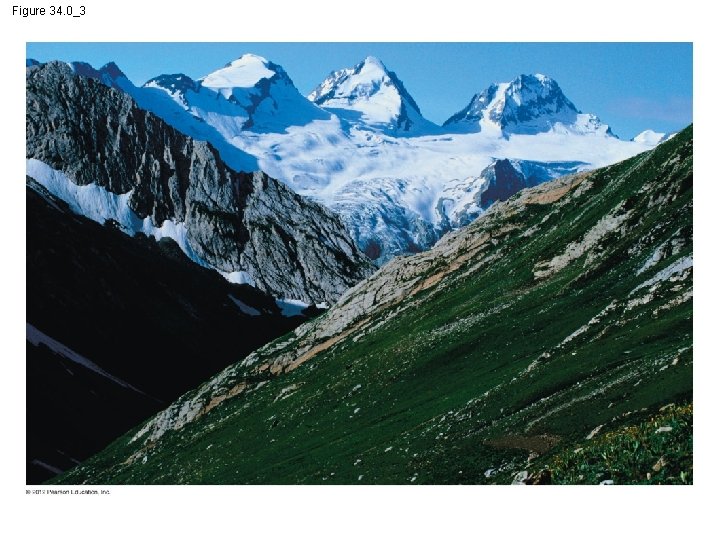
Figure 34. 0_3
THE BIOSPHERE © 2012 Pearson Education, Inc.
34. 1 Ecologists study how organisms interact with their environment at several levels § Ecology is the scientific study of the interactions of organisms with their environments. § Organisms can potentially be affected by many different variables, grouped into two major types. 1. Biotic factors include all of the organisms in an area, the living component of the environment. 2. Abiotic factors are the environment’s nonliving component, the physical and chemical factors. § An organism’s habitat includes the biotic and abiotic factors present in its surroundings. © 2012 Pearson Education, Inc.
34. 1 Ecologists study how organisms interact with their environment at several levels § Ecologists study environmental interactions at the levels of the – organism, – population, a group of individuals of the same species living in a particular geographic area, – community, an assemblage of all the populations of organisms living close enough together for potential interaction, and – ecosystem, both the abiotic and biotic components of the environment. © 2012 Pearson Education, Inc.
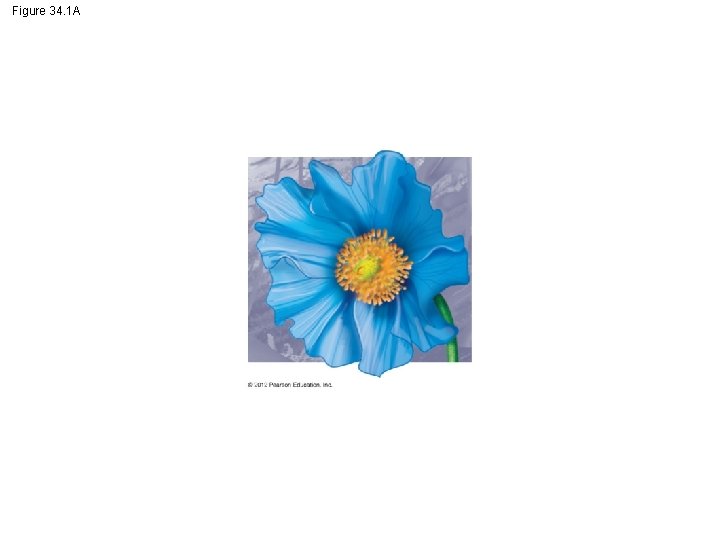
Figure 34. 1 A
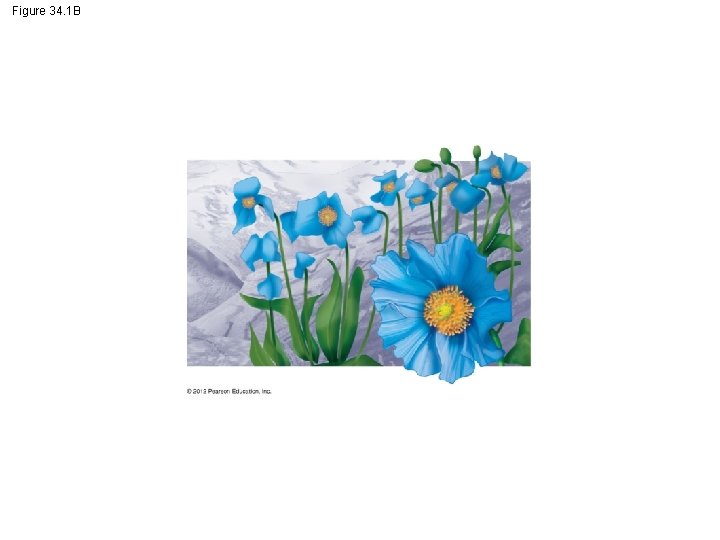
Figure 34. 1 B
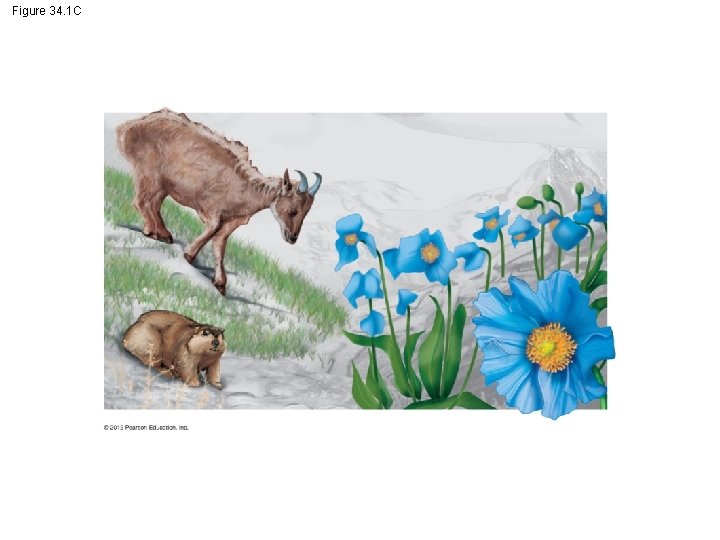
Figure 34. 1 C
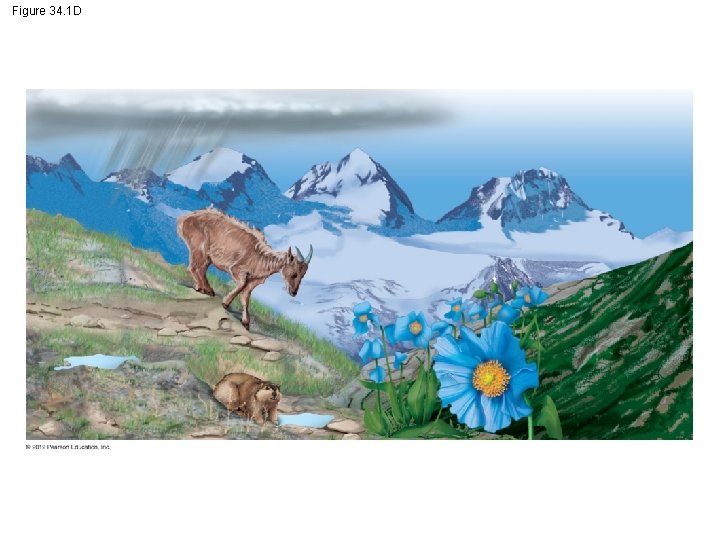
Figure 34. 1 D

34. 1 Ecologists study how organisms interact with their environment at several levels § Some ecologists take a wider perspective by studying landscapes, arrays of ecosystems usually visible from the air as distinctive patches. § The biosphere – extends from the atmosphere several kilometers above Earth to the depths of the oceans and – is all of the Earth that is inhabited by life. © 2012 Pearson Education, Inc.
34. 2 CONNECTION: The science of ecology provides insight into environmental problems § Human activities affect all parts of the biosphere. – Cities, farms, and highways change the landscape. – The widespread use of chemicals such as fertilizers and pesticides poses problems to people and other organisms. © 2012 Pearson Education, Inc.
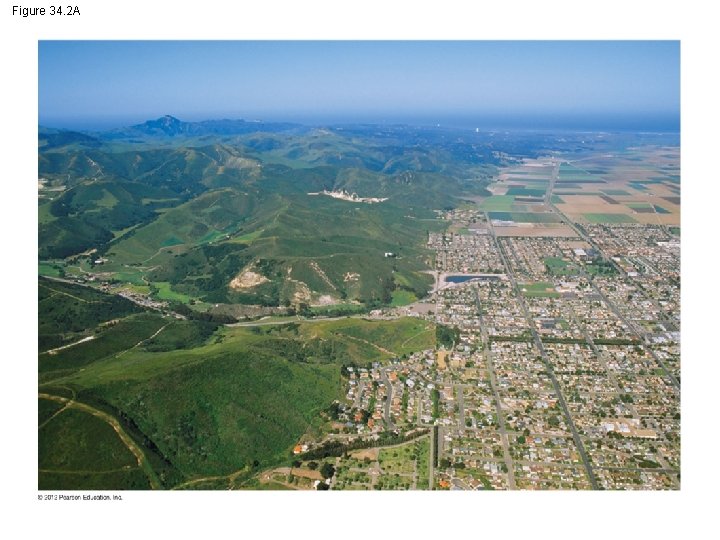
Figure 34. 2 A
34. 2 CONNECTION: The science of ecology provides insight into environmental problems § Two events raised questions about the long-term effects of widespread DDT use. 1. The evolution of pesticide resistance in insects and 2. Rachel Carson’s 1962 book Silent Spring, which played a key role in the awakening of environmental awareness. © 2012 Pearson Education, Inc.
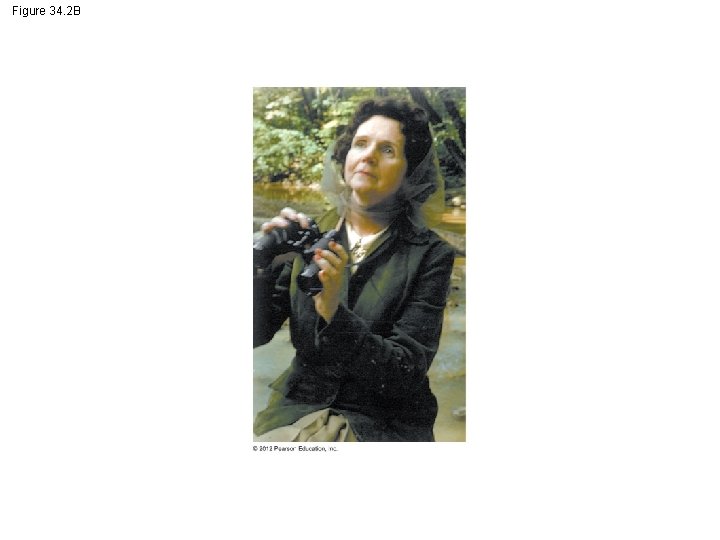
Figure 34. 2 B
34. 3 Physical and chemical factors influence life in the biosphere § The most important abiotic factors that determine the biosphere’s structure and dynamics include – the energy source, usually solar energy, – temperature, – abundance and type of water, – nutrients, – other aquatic factors such as availability of oxygen, and – other terrestrial factors including wind and fire. © 2012 Pearson Education, Inc.
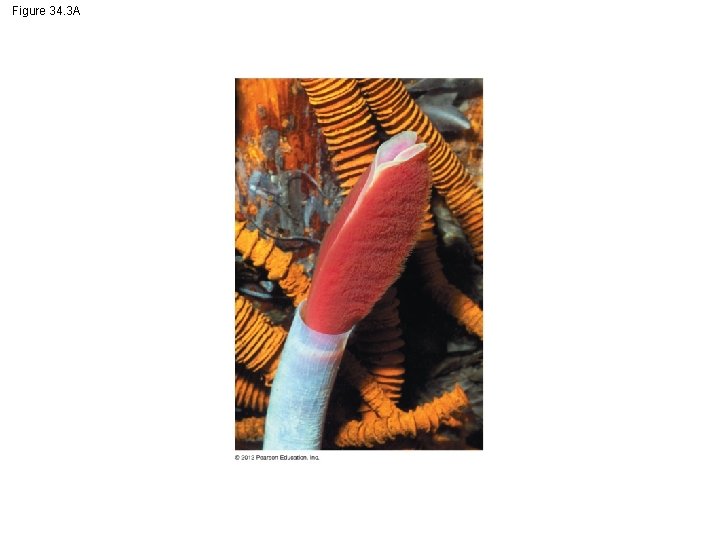
Figure 34. 3 A
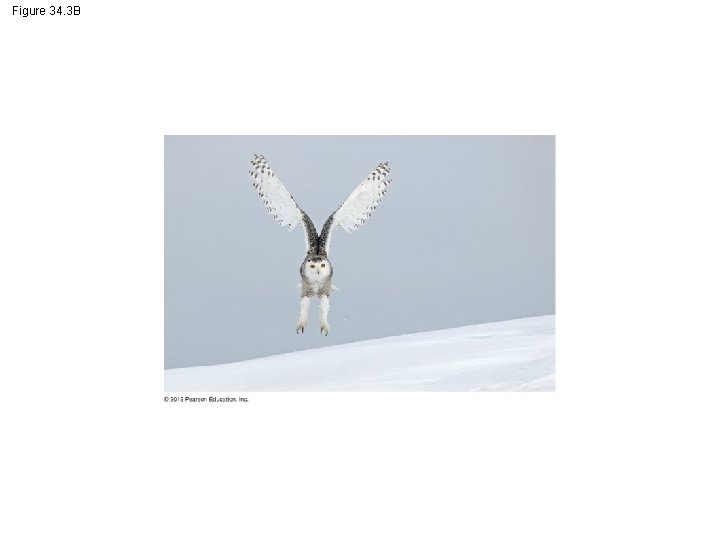
Figure 34. 3 B
34. 4 EVOLUTION CONNECTION: Organisms are adapted to abiotic and biotic factors by natural selection § One of the fundamental goals of ecology is to explain the distribution of organisms. § The presence of a species in a particular place has two possible explanations. 1. The species may have evolved from ancestors living in that location, or 2. it may have dispersed to that location and been able to survive once it arrived. © 2012 Pearson Education, Inc.
34. 4 EVOLUTION CONNECTION: Organisms are adapted to abiotic and biotic factors by natural selection § The pronghorn is a highly successful herbivorous running mammal of open country. – It is a descendent of ancestors that roamed the open plains and shrub deserts of North America more than a million years ago. – It is found nowhere else and is only distantly related to the many antelope species in Africa. © 2012 Pearson Education, Inc.
34. 4 EVOLUTION CONNECTION: Organisms are adapted to abiotic and biotic factors by natural selection § A pronghorn’s habitat is arid, windswept, and subject to extreme temperature fluctuations. § Their ability to survive and reproduce under these conditions left offspring that carried their alleles into subsequent generations. § Until around 12, 000 years ago, one of their major predators was probably the now extinct American cheetah, similar to African cheetahs alive today. © 2012 Pearson Education, Inc.
34. 4 EVOLUTION CONNECTION: Organisms are adapted to abiotic and biotic factors by natural selection § Ecologists hypothesize that the selection pressure of the cheetah’s pursuit led to the pronghorn’s blazing speed, which far exceeds that of its main present-day predator, the wolf. § Like many large herbivores that live in open grasslands, the pronghorn also derives protection from living in herds. § Populations of organisms are adapted to local environmental conditions, which may limit the distribution of organisms. © 2012 Pearson Education, Inc.
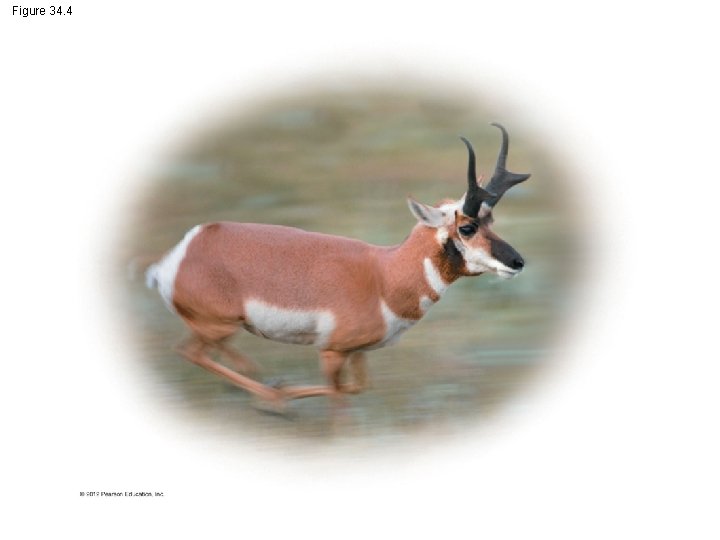
Figure 34. 4
34. 5 Regional climate influences the distribution of terrestrial communities § Climate often determines the distribution of communities. § The Earth’s global climate patterns are largely determined by – the input of solar energy and – the planet’s movement in space. © 2012 Pearson Education, Inc.
34. 5 Regional climate influences the distribution of terrestrial communities § Solar radiation varies with latitude. – Equatorial regions receive sunlight more directly. – Higher latitudes receive sunlight at more of a slant. § Most climatic variations are due to the uneven heating of Earth’s surface. © 2012 Pearson Education, Inc.
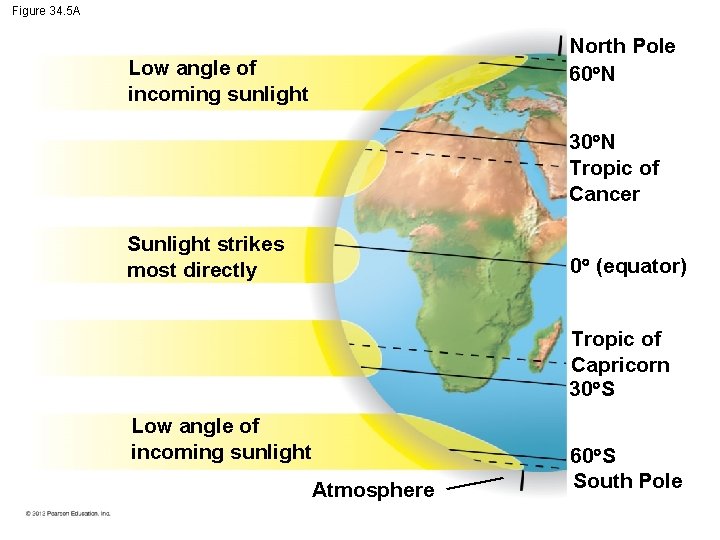
Figure 34. 5 A North Pole 60 N Low angle of incoming sunlight 30 N Tropic of Cancer Sunlight strikes most directly 0 (equator) Tropic of Capricorn 30 S Low angle of incoming sunlight Atmosphere 60 S South Pole
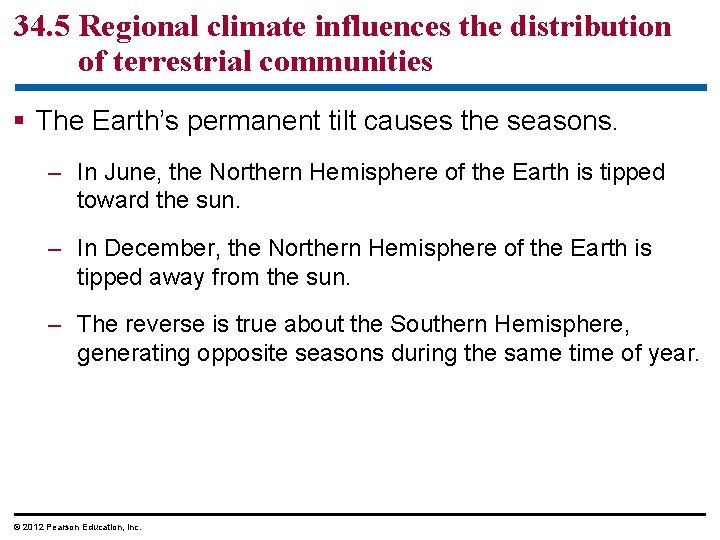
34. 5 Regional climate influences the distribution of terrestrial communities § The Earth’s permanent tilt causes the seasons. – In June, the Northern Hemisphere of the Earth is tipped toward the sun. – In December, the Northern Hemisphere of the Earth is tipped away from the sun. – The reverse is true about the Southern Hemisphere, generating opposite seasons during the same time of year. © 2012 Pearson Education, Inc.
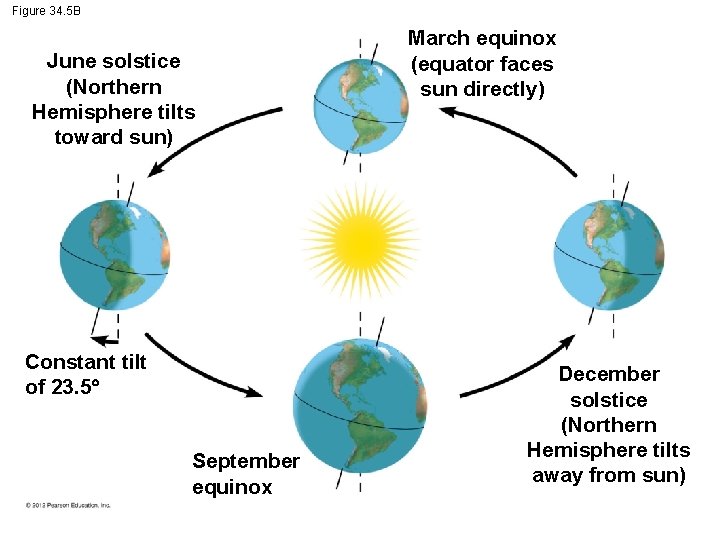
Figure 34. 5 B June solstice (Northern Hemisphere tilts toward sun) Constant tilt of 23. 5 September equinox March equinox (equator faces sun directly) December solstice (Northern Hemisphere tilts away from sun)
34. 5 Regional climate influences the distribution of terrestrial communities § The tropics are the region surrounding the equator between latitudes 23. 5° north and 23. 5° south. § Uneven heating of the Earth causes rain and winds. – The direct intense solar radiation in the tropics near the equator has an impact on the global patterns of rainfall and winds. – The tropics experience the greatest annual input and least seasonal variation in solar radiation. © 2012 Pearson Education, Inc.
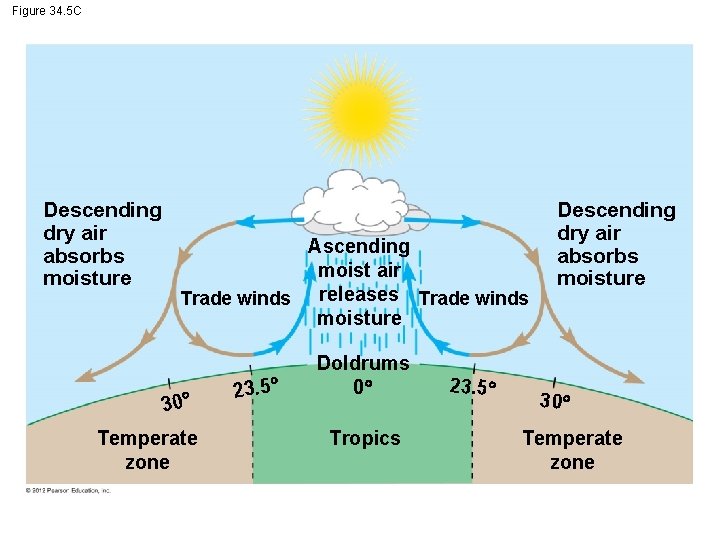
Figure 34. 5 C Descending dry air absorbs moisture Ascending moist air releases Trade winds moisture 30 Temperate zone 23. 5 Doldrums 0 Tropics 23. 5 Descending dry air absorbs moisture 30 Temperate zone
34. 5 Regional climate influences the distribution of terrestrial communities § As the air rises in the tropics, it – cools and releases much of its water content, – produces the abundant precipitation typical of most tropical regions, and – creates an area of calm or very light winds known as the doldrums. § High altitude air masses – lose their moisture over equatorial zones and then – spread away from the equator. © 2012 Pearson Education, Inc.
34. 5 Regional climate influences the distribution of terrestrial communities § The air then – cools and descends again at latitudes of about 30° north and south and – spreads back toward the equator creating the cooling trade winds that dominate the tropics. § As the air moves back toward the equator, it – warms and – picks up moisture. © 2012 Pearson Education, Inc.
34. 5 Regional climate influences the distribution of terrestrial communities § The temperate zones are between the tropics and – the Arctic Circle in the north and – the Antarctic Circle in the south. – The temperate zones have seasonal variations and more moderate temperatures than the tropics or the polar zones. © 2012 Pearson Education, Inc.
34. 5 Regional climate influences the distribution of terrestrial communities § Prevailing wind patterns result from the combined effects of – rising and falling air masses and – Earth’s rotation. – In the tropics, Earth’s rapidly moving surface deflects vertically circulating air, making the trade winds blow from east to west. – In temperate zones, the slower-moving surface produces the westerlies, winds that blow from west to east. © 2012 Pearson Education, Inc.
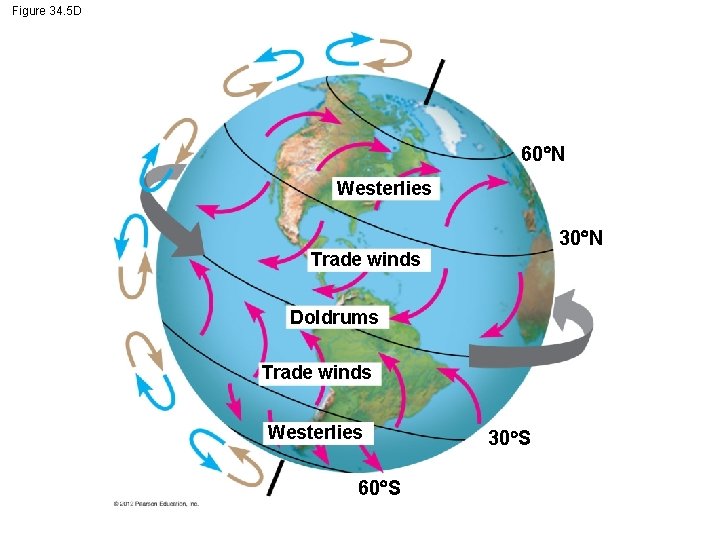
Figure 34. 5 D 60 N Westerlies 30 N Trade winds Doldrums Trade winds Westerlies 60 S 30 S
34. 5 Regional climate influences the distribution of terrestrial communities § Ocean currents, river-like flow patterns in the oceans, result from a combination of – prevailing winds, – the planet’s rotation, – unequal heating of surface waters, and – the location and shapes of the continents. – Ocean currents have a profound effect on regional climates. © 2012 Pearson Education, Inc.
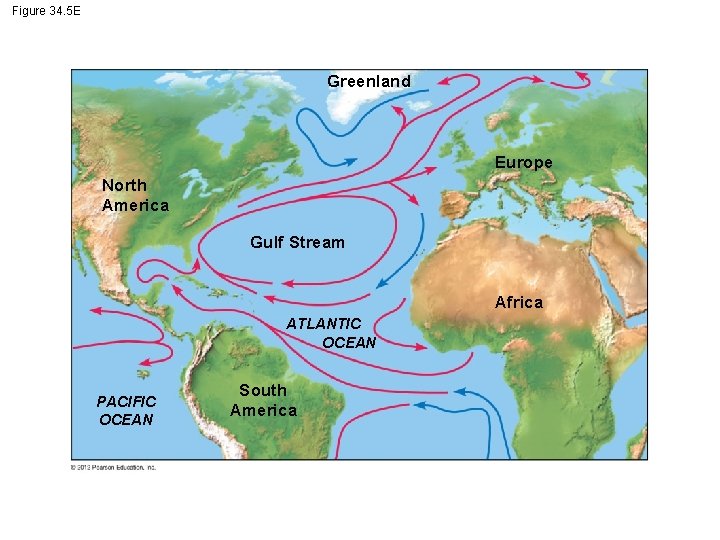
Figure 34. 5 E Greenland Europe North America Gulf Stream Africa ATLANTIC OCEAN PACIFIC OCEAN South America
34. 5 Regional climate influences the distribution of terrestrial communities § Landforms can also affect local climate. For example, air temperature declines about 6°C with every 1, 000 -m increase in elevation. § Near mountains, rainfall is affected by – location of mountains, – prevailing winds, and – ocean current patterns. © 2012 Pearson Education, Inc.
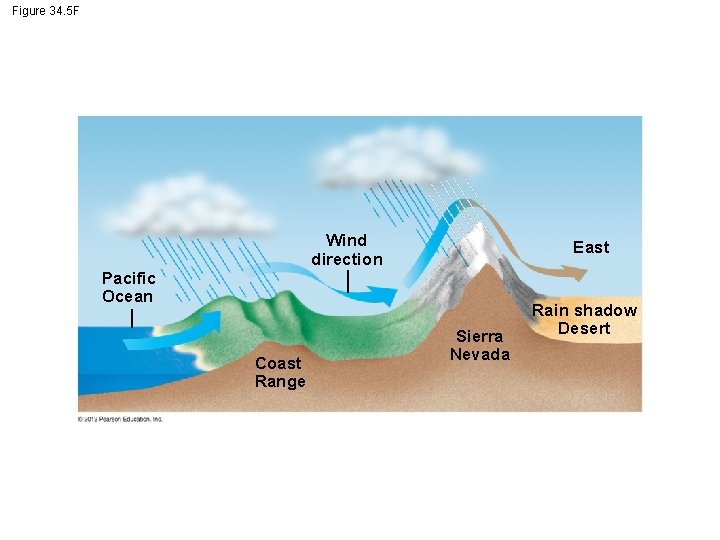
Figure 34. 5 F Wind direction East Pacific Ocean Coast Range Sierra Nevada Rain shadow Desert
34. 5 Regional climate influences the distribution of terrestrial communities § Climate and other abiotic factors of the environment control the global distribution of organisms. § The influence of these abiotic factors results in biomes, the major types of ecological associations that occupy broad geographic regions of land or water. © 2012 Pearson Education, Inc.
AQUATIC BIOMES © 2012 Pearson Education, Inc.
34. 6 Sunlight and substrate are key factors in the distribution of marine organisms § Aquatic biomes are shaped by the availability of – light and – nutrients. © 2012 Pearson Education, Inc.
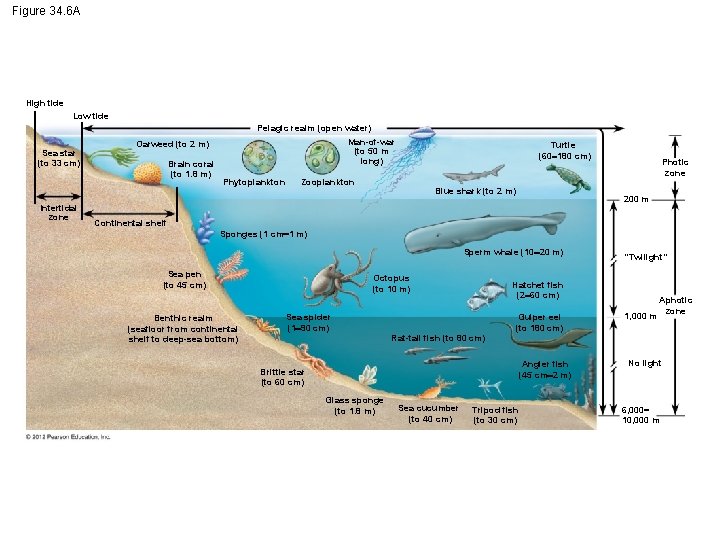
Figure 34. 6 A High tide Low tide Pelagic realm (open water) Sea star (to 33 cm) Intertidal zone Man-of-war (to 50 m long) Oarweed (to 2 m) Brain coral (to 1. 8 m) Phytoplankton Turtle (60 180 cm) Zooplankton Blue shark (to 2 m) Photic zone 200 m Continental shelf Sponges (1 cm 1 m) Sperm whale (10 20 m) Sea pen (to 45 cm) Benthic realm (seafloor from continental shelf to deep-sea bottom) Octopus (to 10 m) Sea spider (1 90 cm) Hatchet fish (2 60 cm) Rat-tail fish (to 80 cm) Gulper eel (to 180 cm) Angler fish (45 cm 2 m) Brittle star (to 60 cm) Glass sponge (to 1. 8 m) Sea cucumber (to 40 cm) “Twilight” Tripod fish (to 30 cm) 1, 000 m Aphotic zone No light 6, 000 10, 000 m
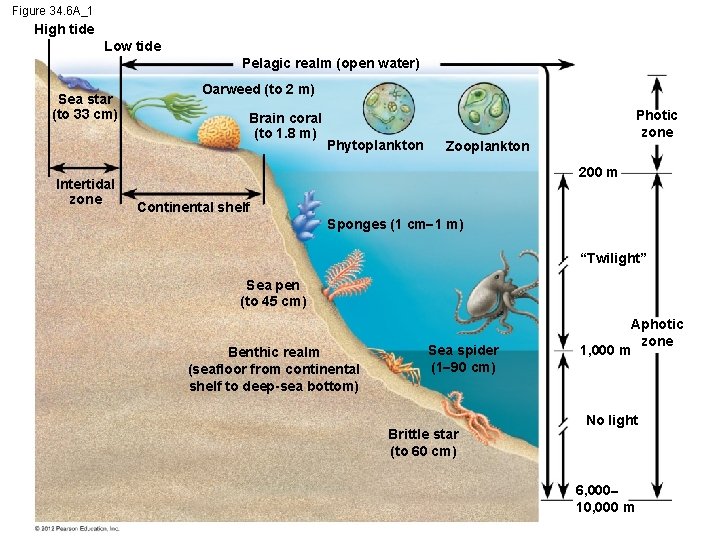
Figure 34. 6 A_1 High tide Low tide Pelagic realm (open water) Sea star (to 33 cm) Intertidal zone Oarweed (to 2 m) Brain coral (to 1. 8 m) Phytoplankton Photic zone Zooplankton 200 m Continental shelf Sponges (1 cm 1 m) “Twilight” Sea pen (to 45 cm) Benthic realm (seafloor from continental shelf to deep-sea bottom) Sea spider (1 90 cm) Brittle star (to 60 cm) 1, 000 m Aphotic zone No light 6, 000 10, 000 m
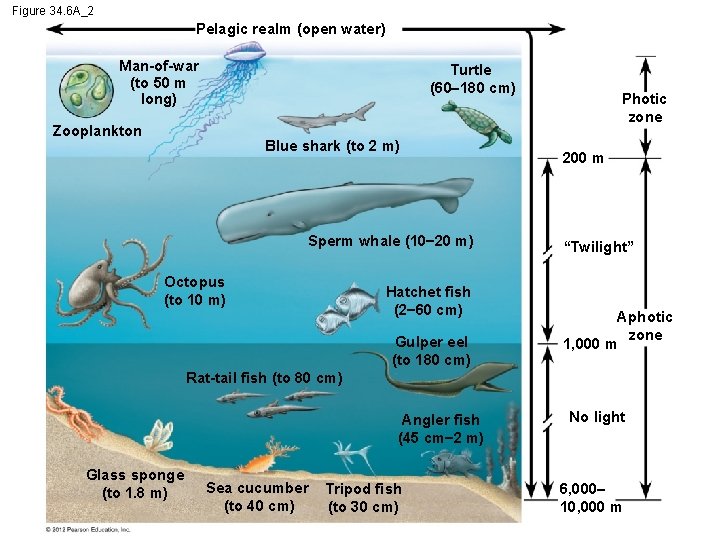
Figure 34. 6 A_2 Pelagic realm (open water) Man-of-war (to 50 m long) Turtle (60 180 cm) Zooplankton Blue shark (to 2 m) Sperm whale (10 20 m) Octopus (to 10 m) Hatchet fish (2 60 cm) Gulper eel (to 180 cm) Photic zone 200 m “Twilight” Aphotic zone 1, 000 m Rat-tail fish (to 80 cm) Angler fish (45 cm 2 m) Glass sponge (to 1. 8 m) Sea cucumber (to 40 cm) Tripod fish (to 30 cm) No light 6, 000 10, 000 m
34. 6 Sunlight and substrate are key factors in the distribution of marine organisms § Within the oceans are the – pelagic realm, which includes all open water, – benthic realm, which consists of the seafloor, – aphotic zone, where there is insufficient light for photosynthesis, and – photic zone, where light penetration is sufficient for photosynthesis and phytoplankton can occur. – Zooplankton are abundant in the pelagic photic zone. – Coral reefs also occur in the photic zone. © 2012 Pearson Education, Inc.
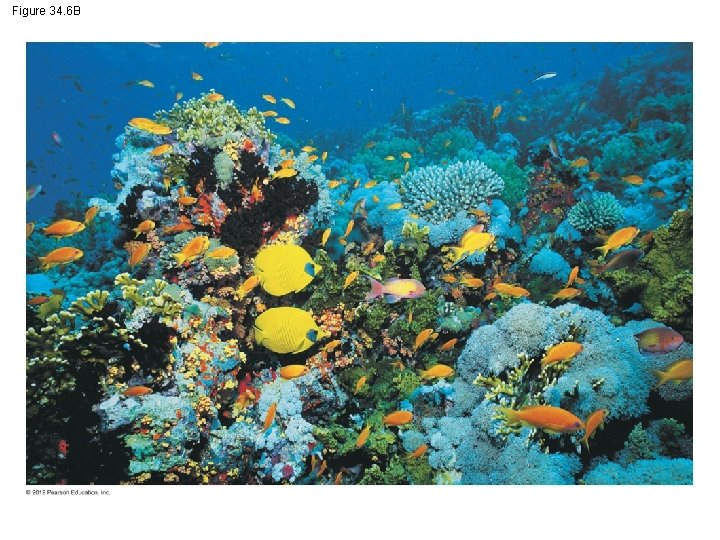
Figure 34. 6 B
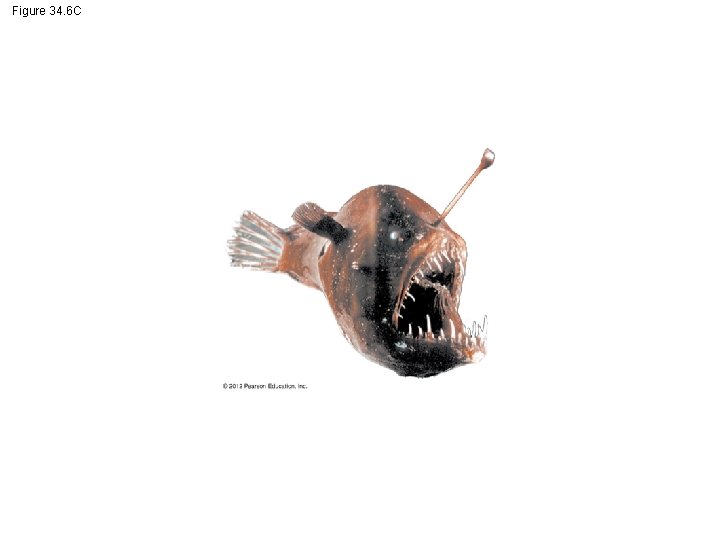
Figure 34. 6 C
34. 6 Sunlight and substrate are key factors in the distribution of marine organisms § The marine environment includes distinctive biomes where the ocean meets the land or fresh water. – Intertidal zones are where the ocean meets the land the shore is – pounded by waves during high tide and – exposed to the sun and drying winds during low tide. – Estuaries are productive areas where rivers meet the ocean. – Wetlands are transitional between aquatic and terrestrial ecosystems. © 2012 Pearson Education, Inc.
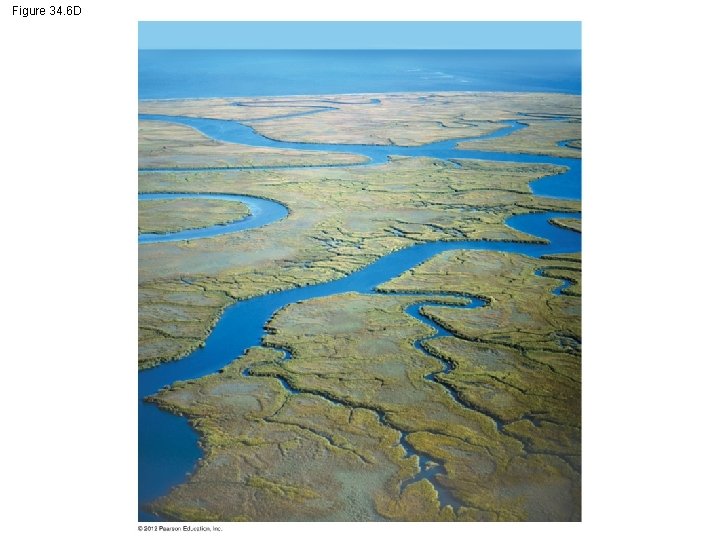
Figure 34. 6 D
- Slides: 52