
Chapter 32 Security in the Internet IPSec SSLTLS
- Slides: 44
Chapter 32 Security in the Internet: IPSec, SSL/TLS, PGP, VPN, and Firewalls 1 Copyright © The Mc. Graw-Hill Companies, Inc. Permission required for reproduction or display.
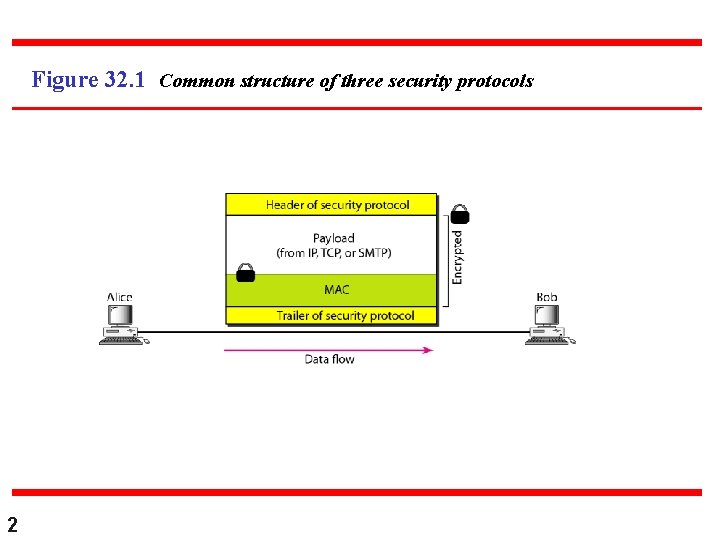
Figure 32. 1 Common structure of three security protocols 2
32 -1 IPSecurity (IPSec) is a collection of protocols designed by the Internet Engineering Task Force (IETF) to provide security for a packet at the network level. Topics discussed in this section: Two Modes Two Security Protocols Security Association Internet Key Exchange (IKE) Virtual Private Network 3
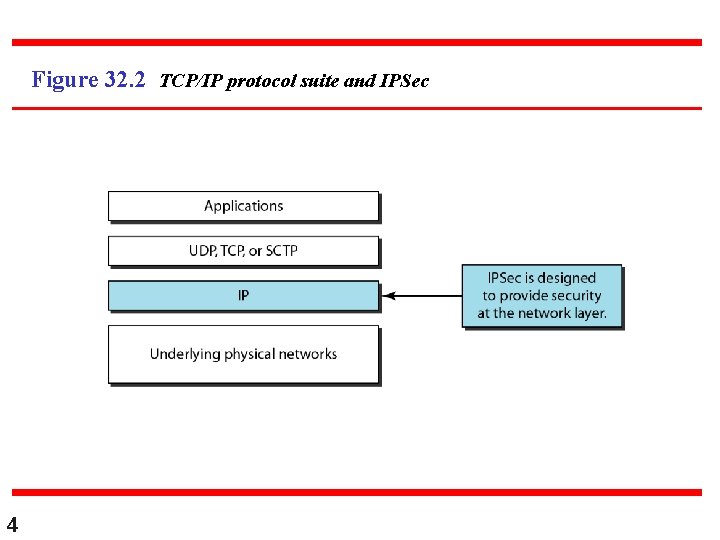
Figure 32. 2 TCP/IP protocol suite and IPSec 4
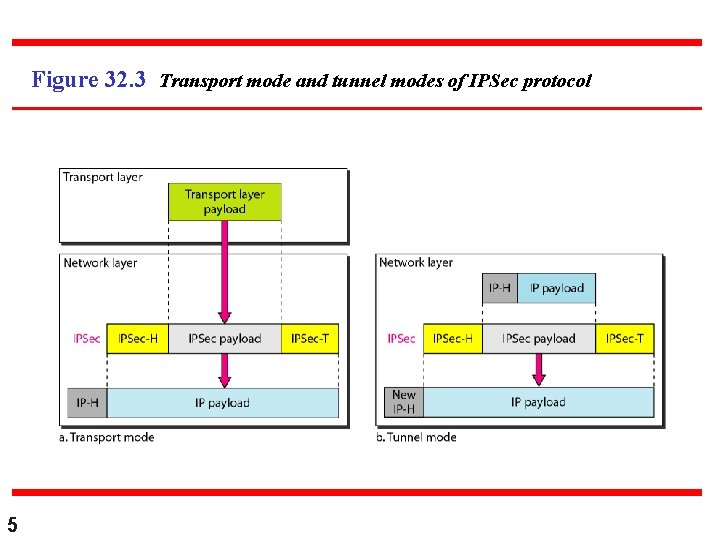
Figure 32. 3 Transport mode and tunnel modes of IPSec protocol 5
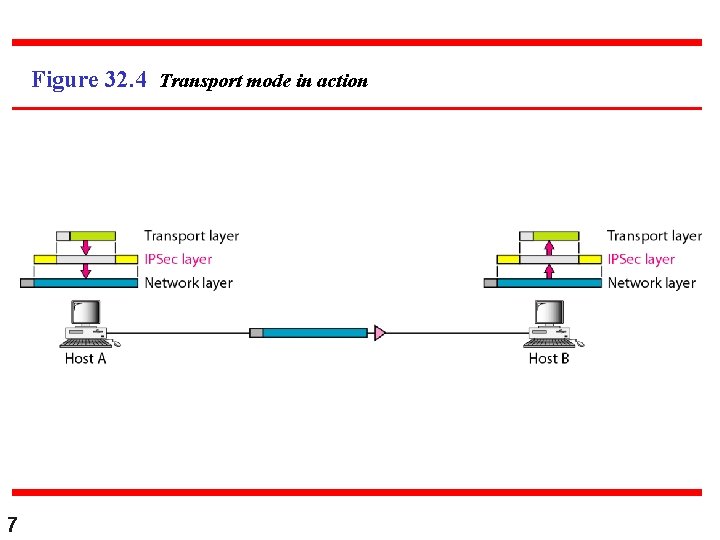
Note IPSec in the transport mode does not protect the IP header; it only protects the information coming from the transport layer. 6
Figure 32. 4 Transport mode in action 7
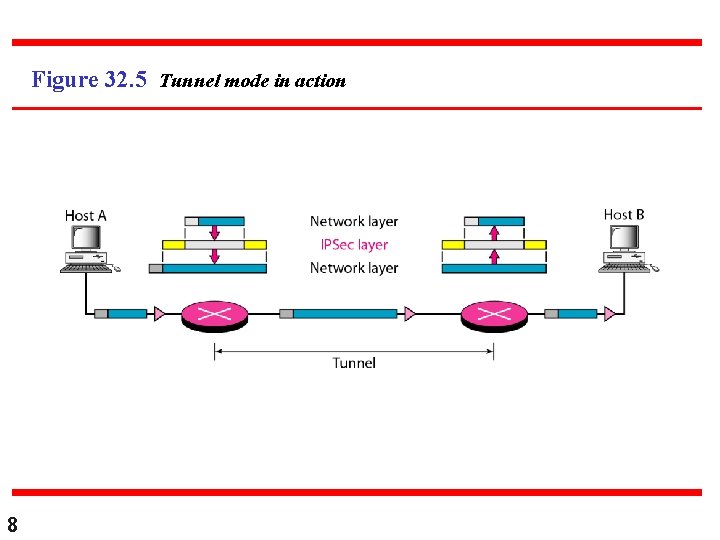
Figure 32. 5 Tunnel mode in action 8
Note IPSec in tunnel mode protects the original IP header. 9
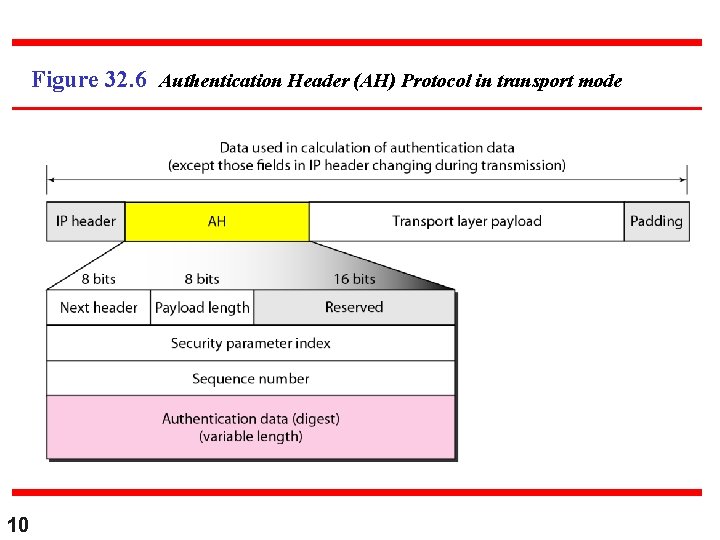
Figure 32. 6 Authentication Header (AH) Protocol in transport mode 10
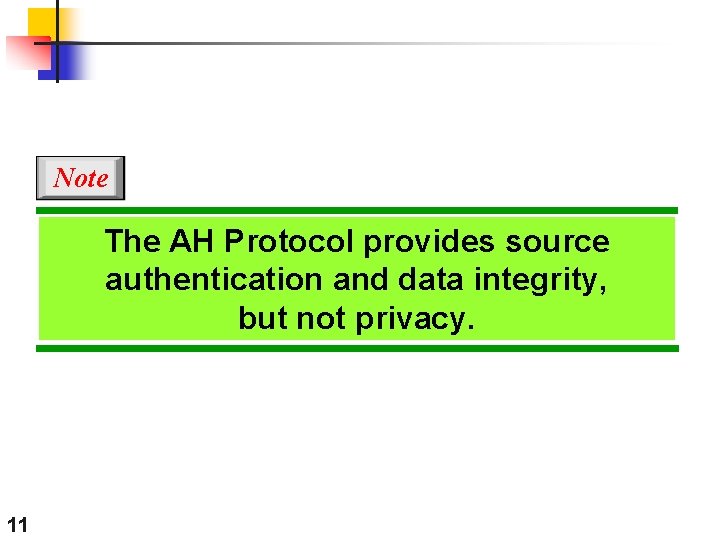
Note The AH Protocol provides source authentication and data integrity, but not privacy. 11
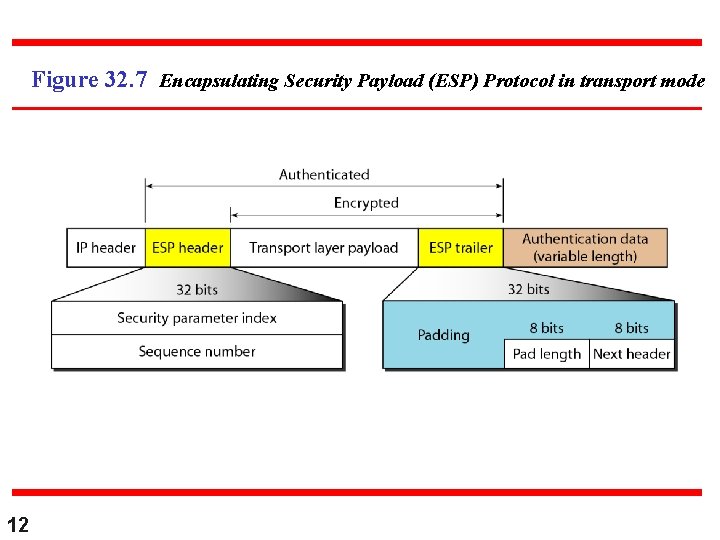
Figure 32. 7 Encapsulating Security Payload (ESP) Protocol in transport mode 12
Note ESP provides source authentication, data integrity, and privacy. 13
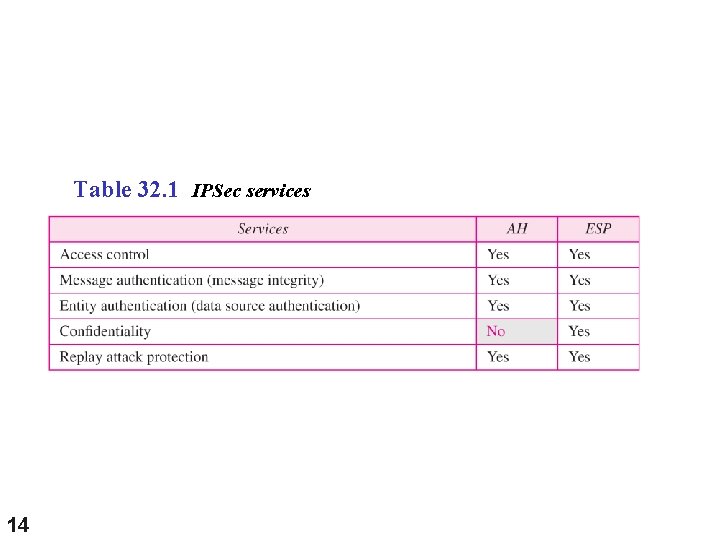
Table 32. 1 IPSec services 14
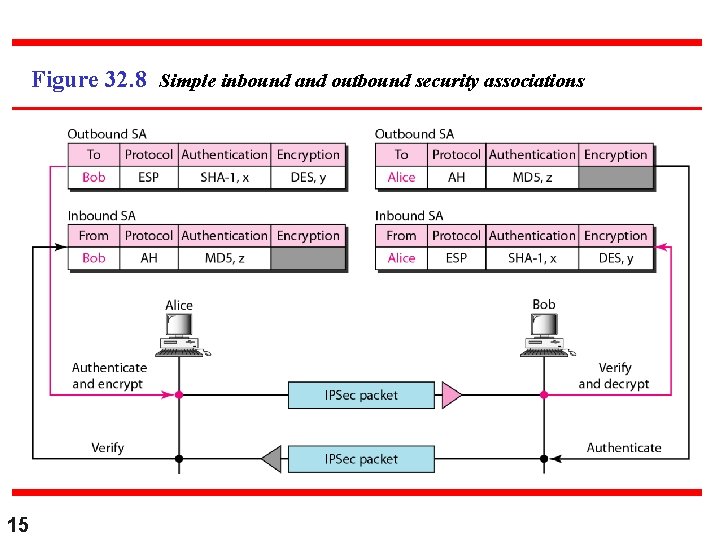
Figure 32. 8 Simple inbound and outbound security associations 15
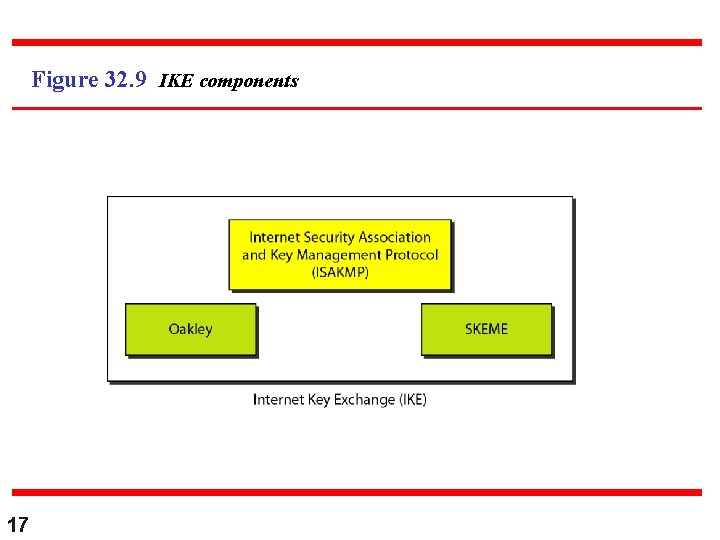
Note IKE creates SAs for IPSec. 16
Figure 32. 9 IKE components 17
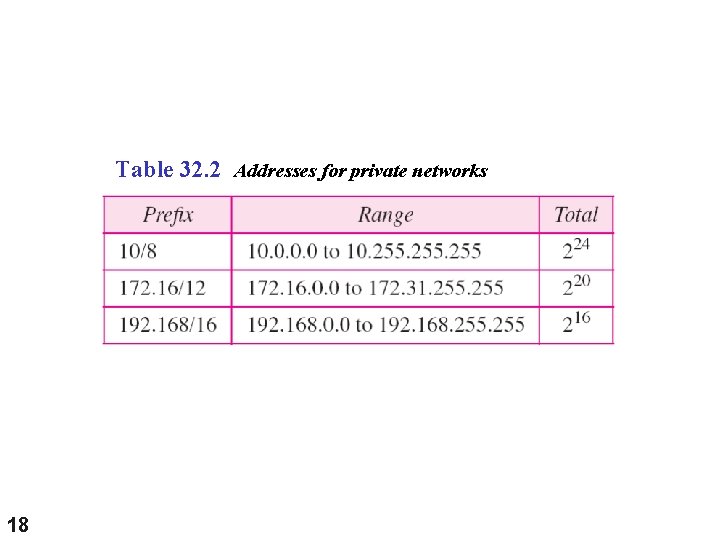
Table 32. 2 Addresses for private networks 18
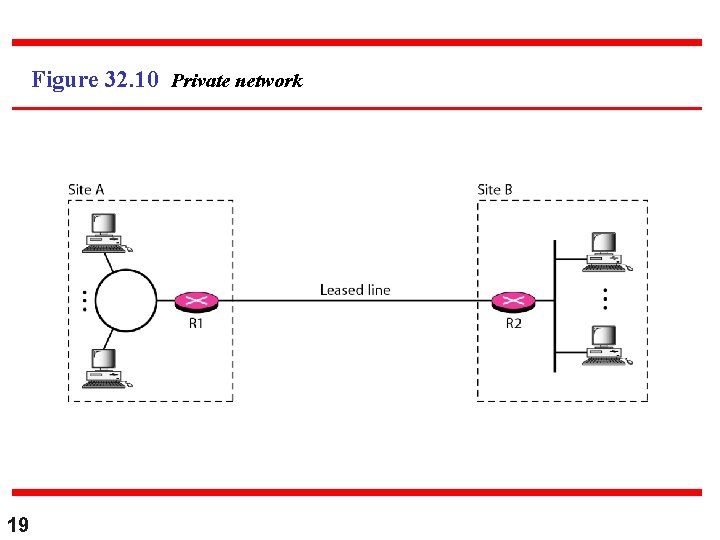
Figure 32. 10 Private network 19
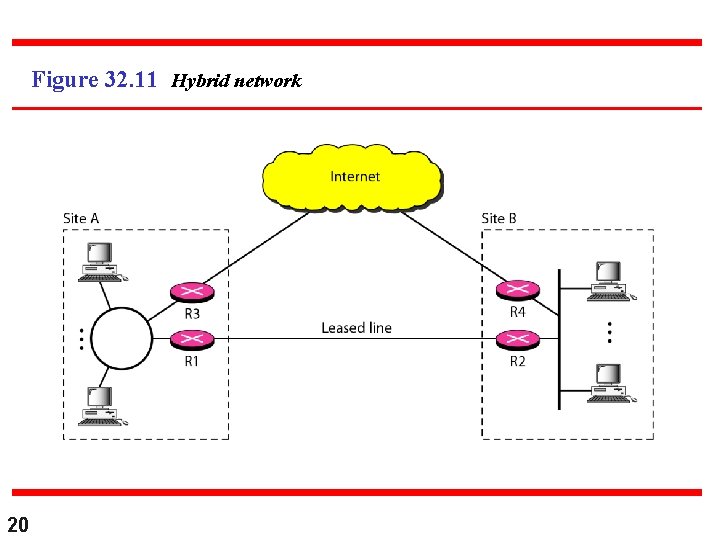
Figure 32. 11 Hybrid network 20
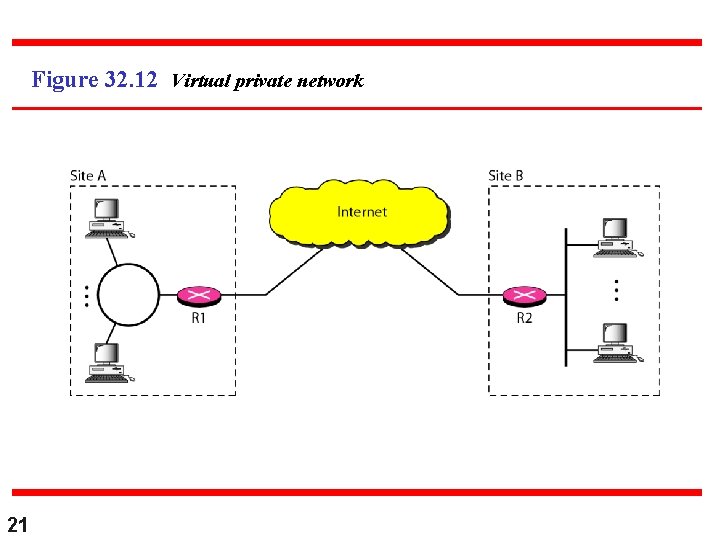
Figure 32. 12 Virtual private network 21
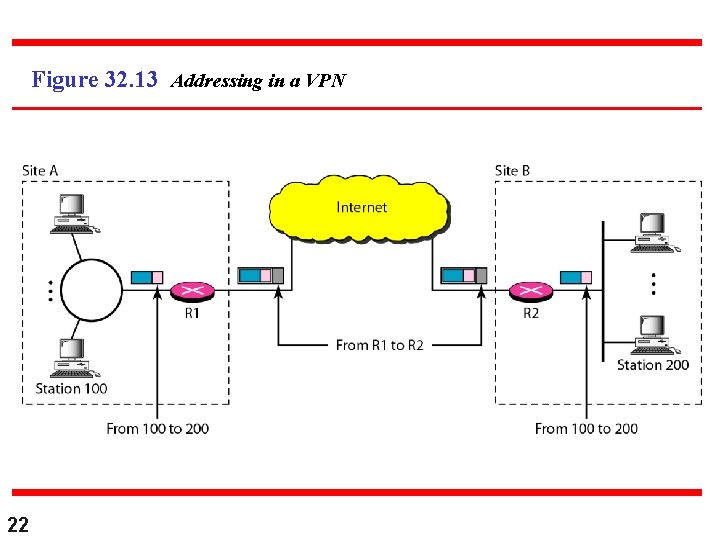
Figure 32. 13 Addressing in a VPN 22
32 -2 SSL/TLS Two protocols are dominant today for providing security at the transport layer: the Secure Sockets Layer (SSL) Protocol and the Transport Layer Security (TLS) Protocol. The latter is actually an IETF version of the former. Topics discussed in this section: SSL Services Security Parameters Sessions and Connections Four Protocols Transport Layer Security 23
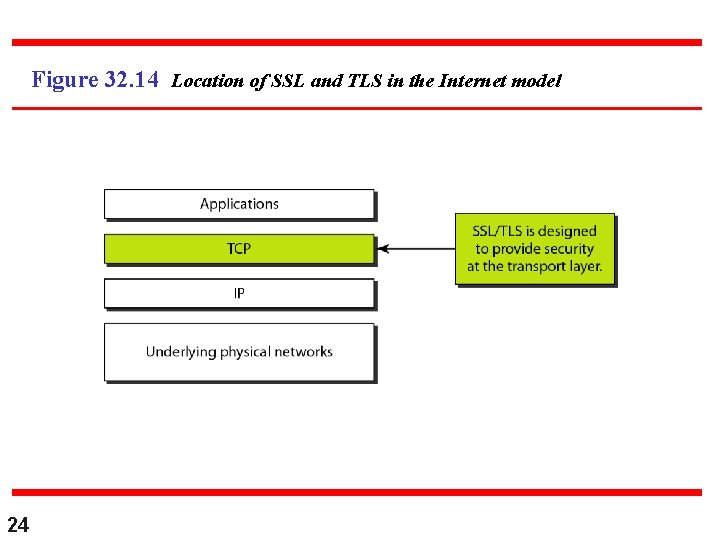
Figure 32. 14 Location of SSL and TLS in the Internet model 24
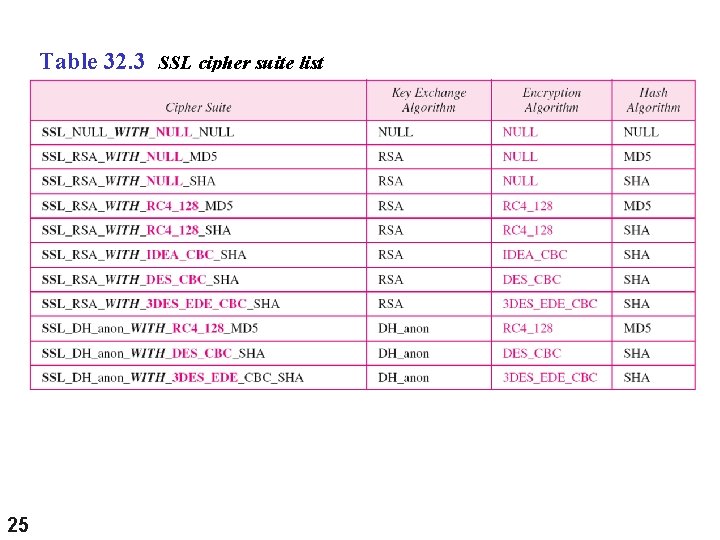
Table 32. 3 SSL cipher suite list 25
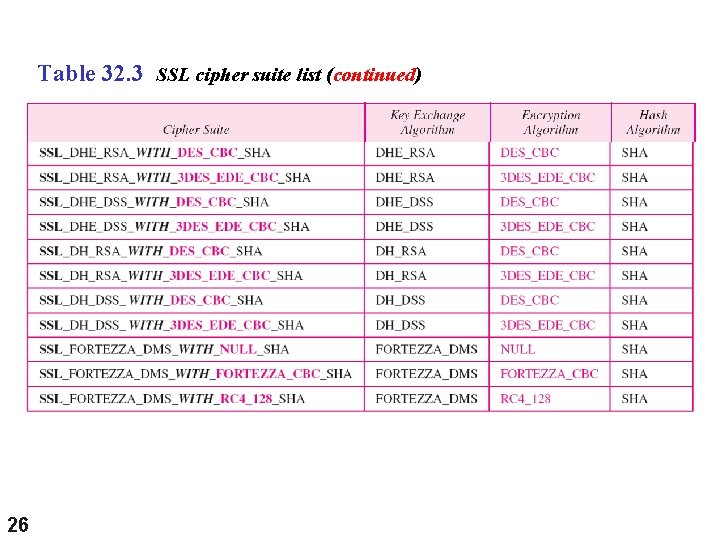
Table 32. 3 SSL cipher suite list (continued) 26
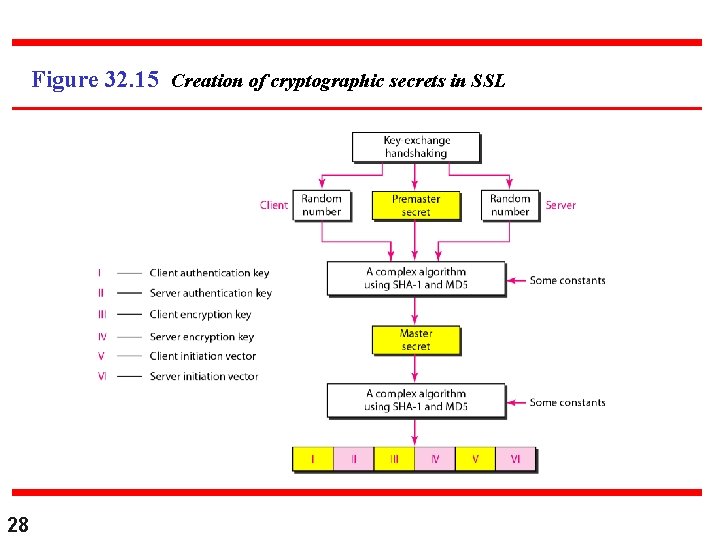
Note The client and the server have six different cryptography secrets. 27
Figure 32. 15 Creation of cryptographic secrets in SSL 28
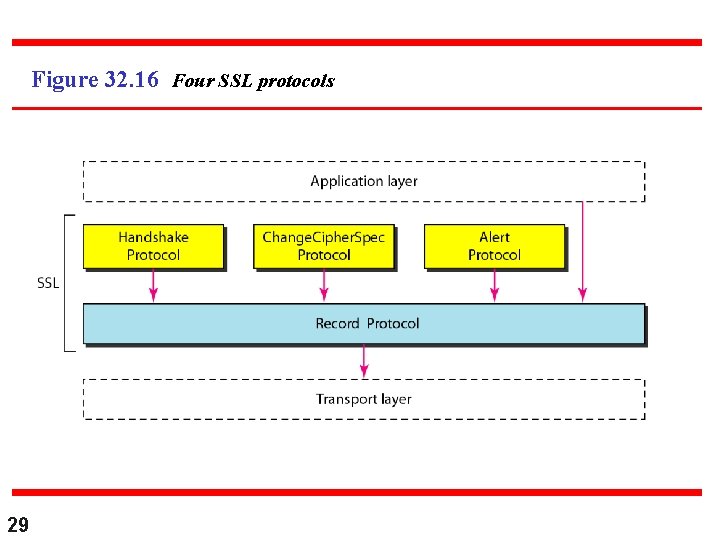
Figure 32. 16 Four SSL protocols 29
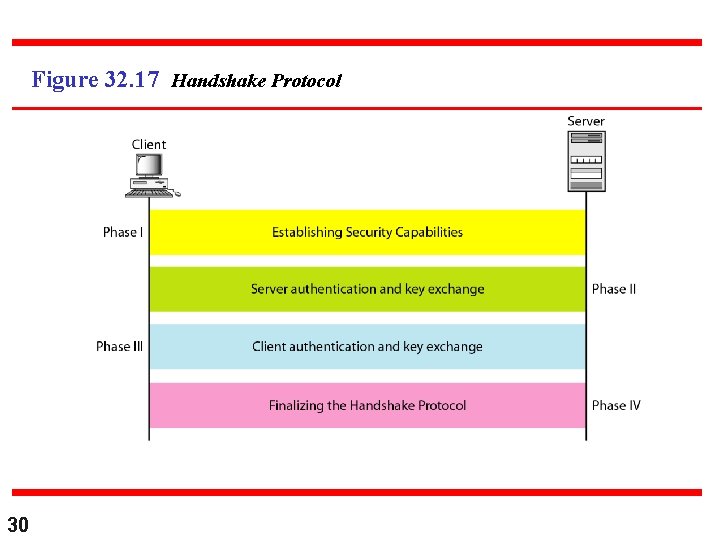
Figure 32. 17 Handshake Protocol 30
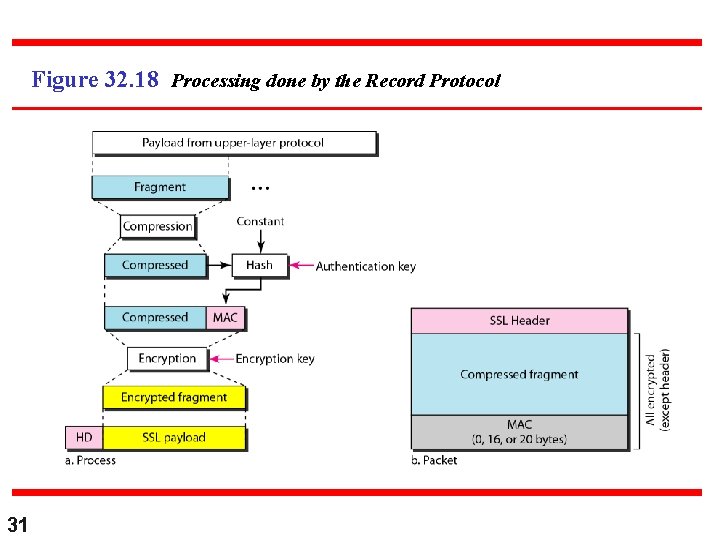
Figure 32. 18 Processing done by the Record Protocol 31
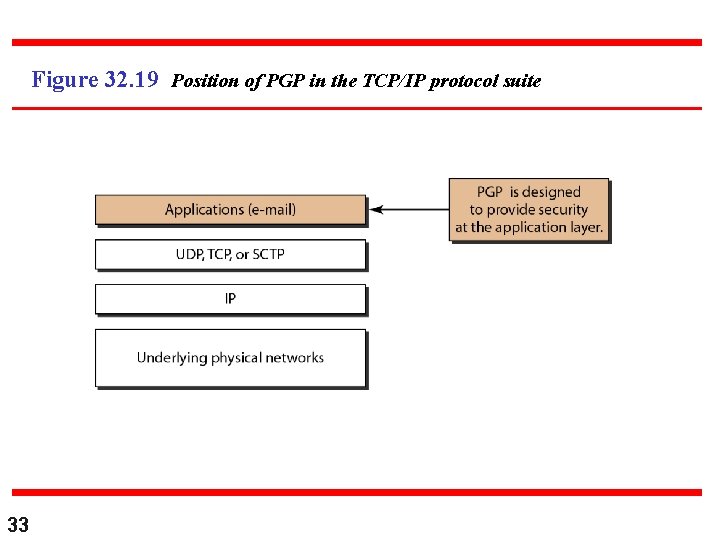
32 -3 PGP One of the protocols to provide security at the application layer is Pretty Good Privacy (PGP). PGP is designed to create authenticated and confidential e-mails. Topics discussed in this section: Security Parameters Services A Scenario PGP Algorithms Key Rings PGP Certificates 32
Figure 32. 19 Position of PGP in the TCP/IP protocol suite 33
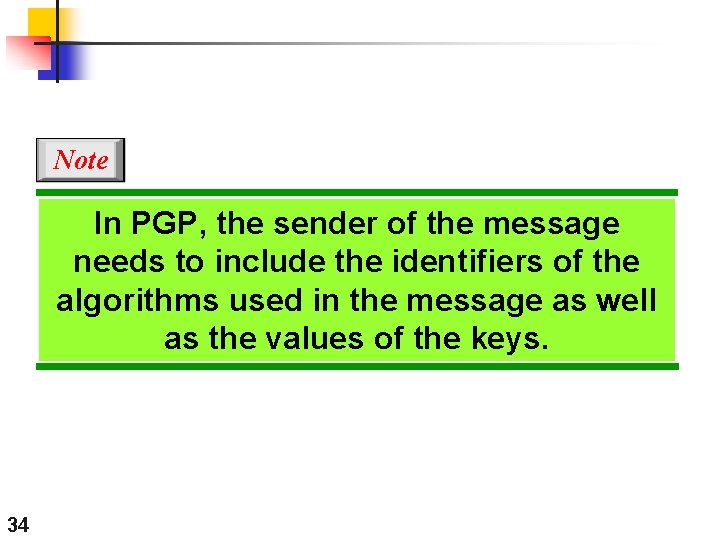
Note In PGP, the sender of the message needs to include the identifiers of the algorithms used in the message as well as the values of the keys. 34
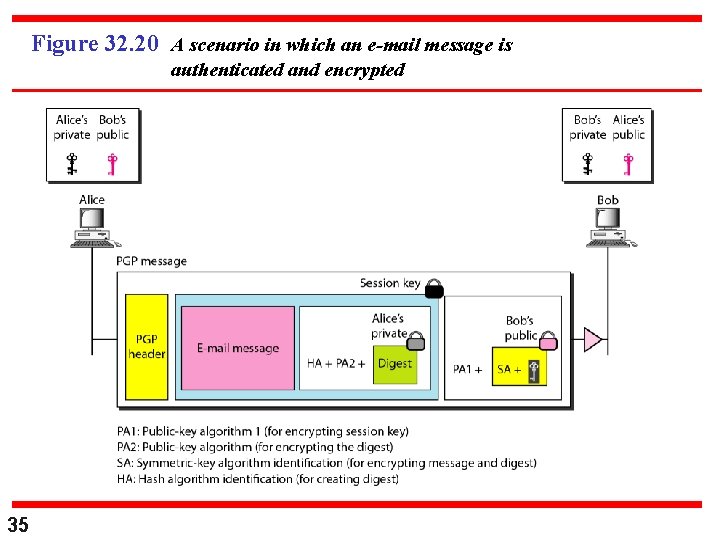
Figure 32. 20 A scenario in which an e-mail message is authenticated and encrypted 35
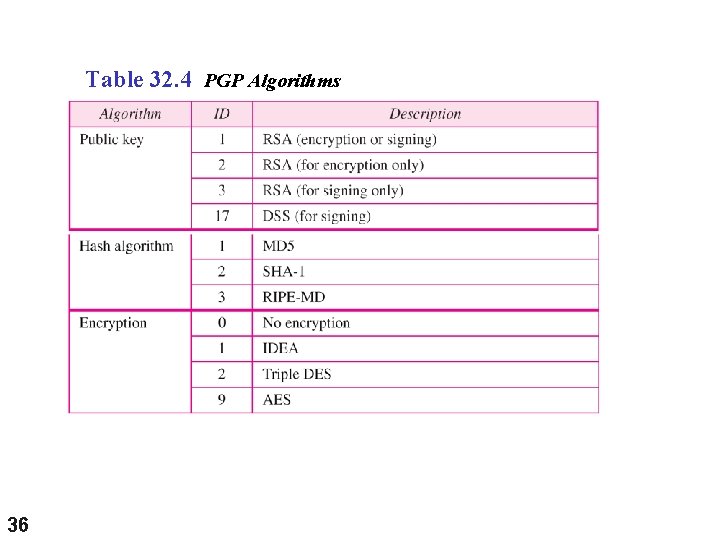
Table 32. 4 PGP Algorithms 36
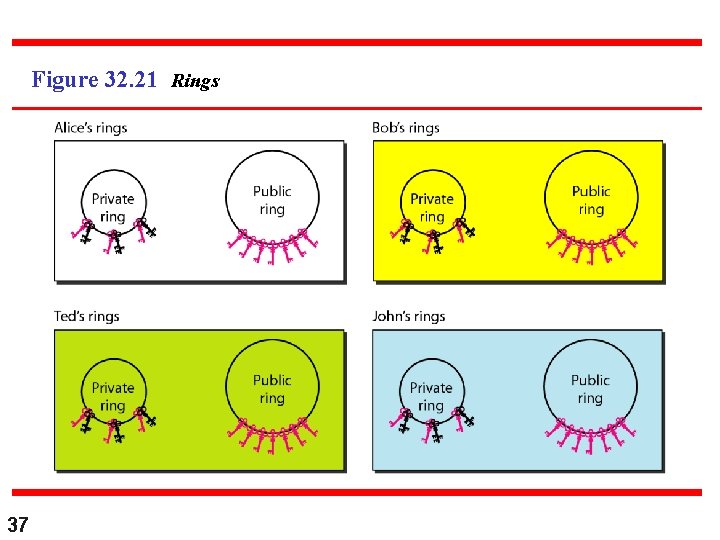
Figure 32. 21 Rings 37
Note In PGP, there can be multiple paths from fully or partially trusted authorities to any subject. 38
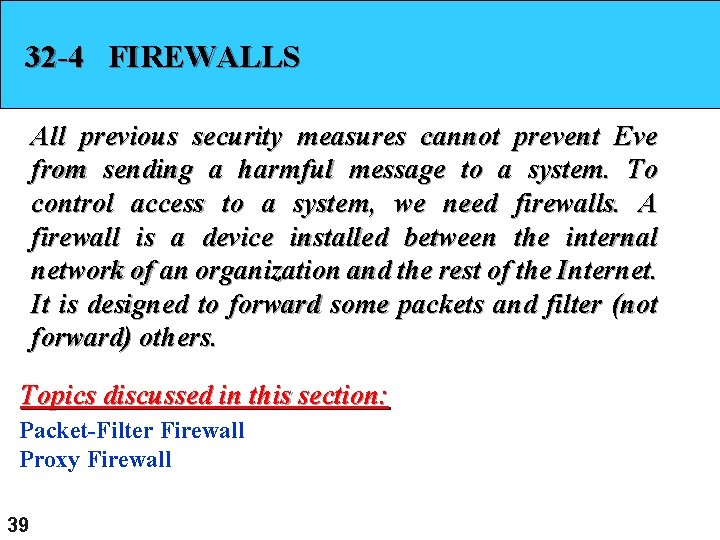
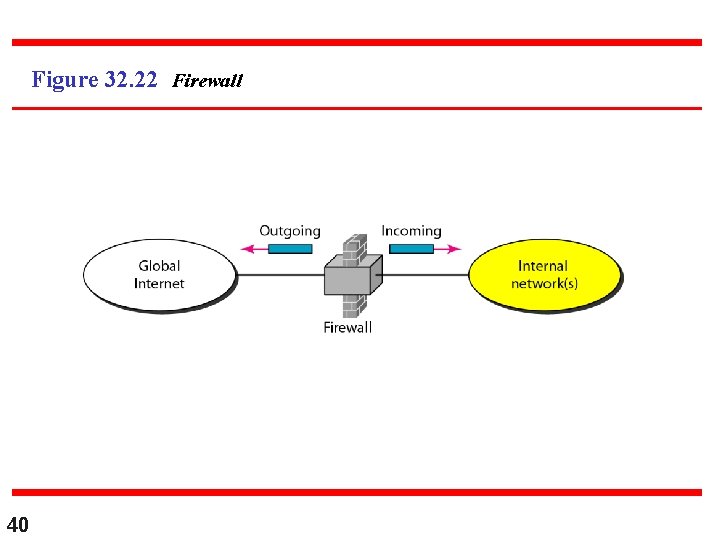
32 -4 FIREWALLS All previous security measures cannot prevent Eve from sending a harmful message to a system. To control access to a system, we need firewalls. A firewall is a device installed between the internal network of an organization and the rest of the Internet. It is designed to forward some packets and filter (not forward) others. Topics discussed in this section: Packet-Filter Firewall Proxy Firewall 39
Figure 32. 22 Firewall 40
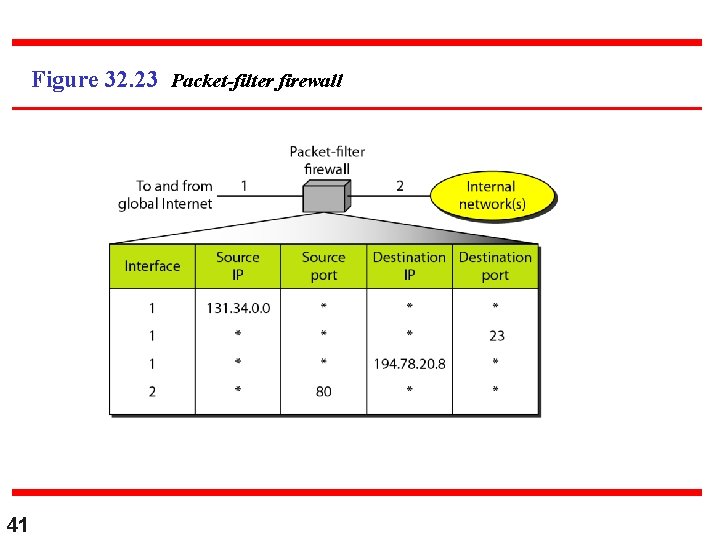
Figure 32. 23 Packet-filter firewall 41
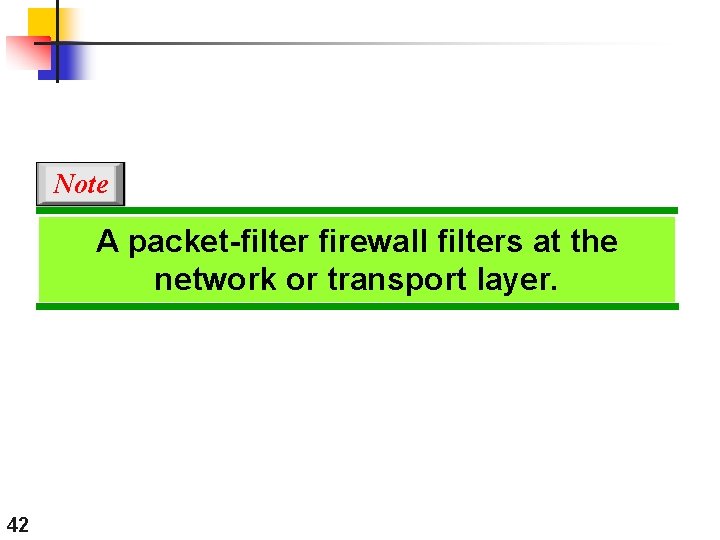
Note A packet-filter firewall filters at the network or transport layer. 42
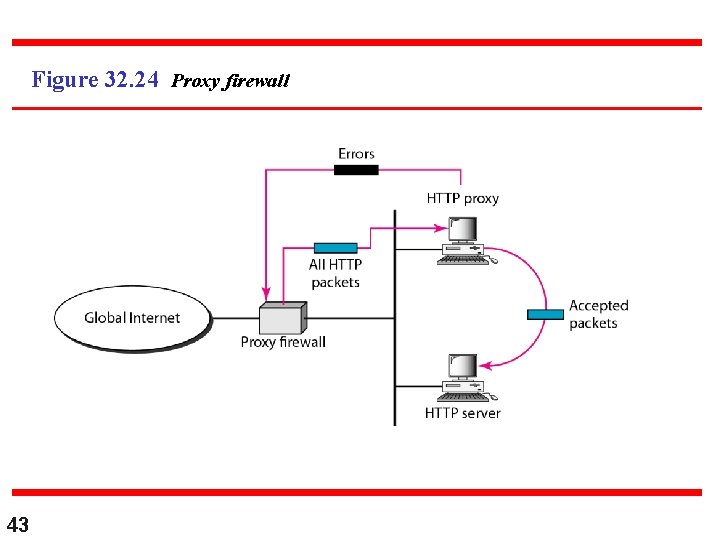
Figure 32. 24 Proxy firewall 43
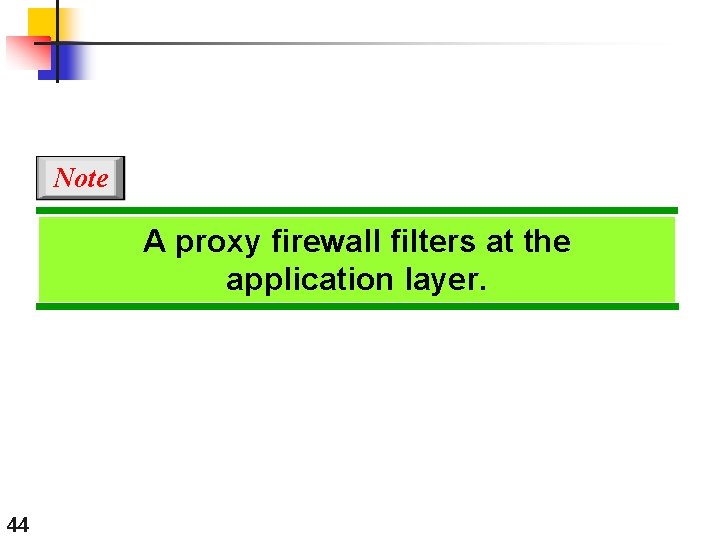
Note A proxy firewall filters at the application layer. 44