
Chapter 30 Plant Diversity The Evolution of Seed

- Slides: 24
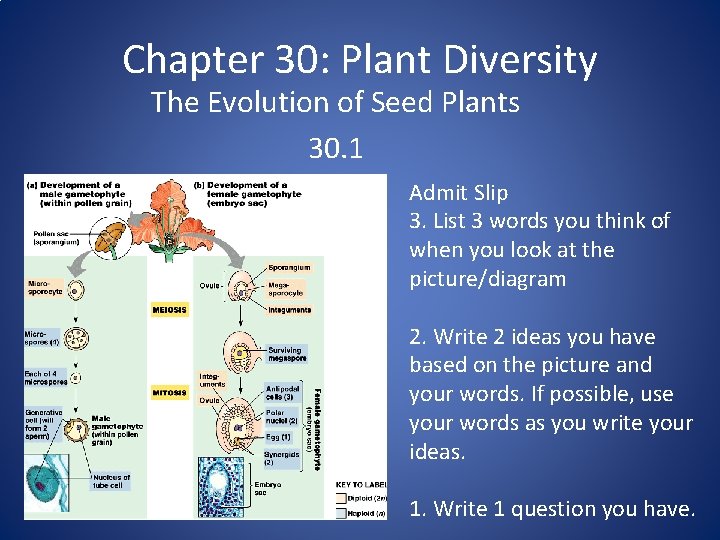
Chapter 30: Plant Diversity The Evolution of Seed Plants 30. 1 Admit Slip 3. List 3 words you think of when you look at the picture/diagram 2. Write 2 ideas you have based on the picture and your words. If possible, use your words as you write your ideas. 1. Write 1 question you have.
Seeds and Pollen Grains are Key Adaptations for Life on Land Seeds are plant embryos that have a food supply and are surrounded by a protective coat
5 Crucial Seed Plant Adaptations 1. Reduced gamteophytes: microscopic, dependent on sporophyte for food and protection 2. Heterospory: production of 2 types of spores – Megaspores: female gametophytes-produce eggs – Microspores: male gametophytes-contain sperm 3. Ovules and the production of eggs: Increases protection of the egg and developing zygote
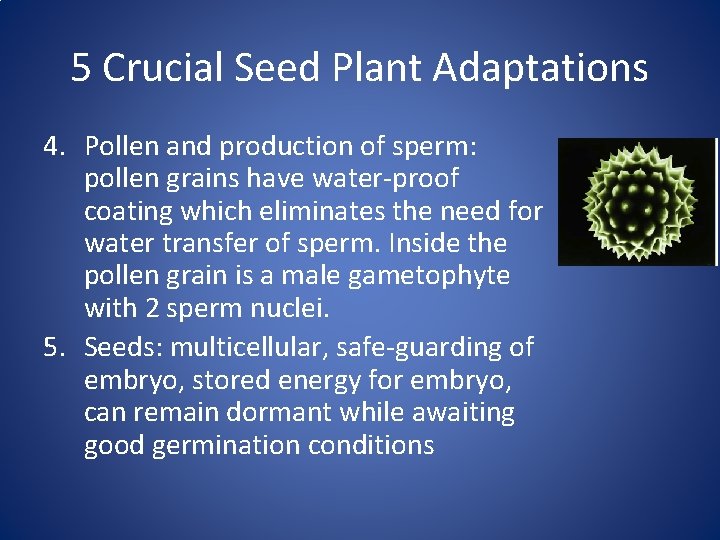
5 Crucial Seed Plant Adaptations 4. Pollen and production of sperm: pollen grains have water-proof coating which eliminates the need for water transfer of sperm. Inside the pollen grain is a male gametophyte with 2 sperm nuclei. 5. Seeds: multicellular, safe-guarding of embryo, stored energy for embryo, can remain dormant while awaiting good germination conditions
Chapter 30: Plant Diversity The Evolution of Seed Plants 30. 2
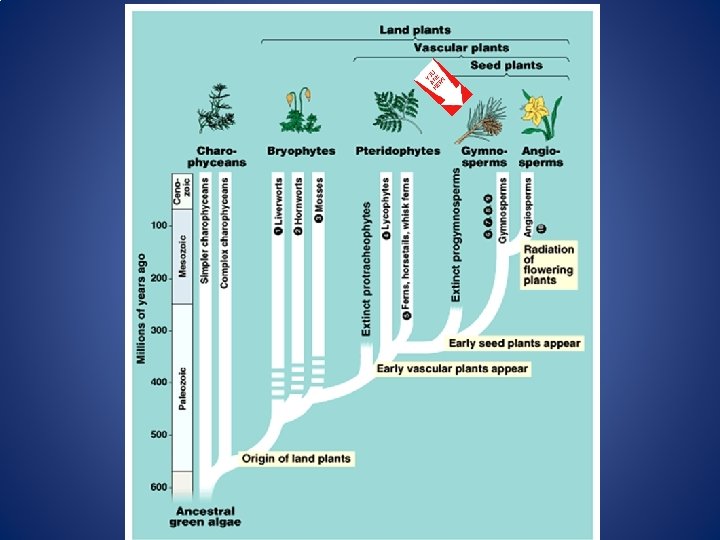
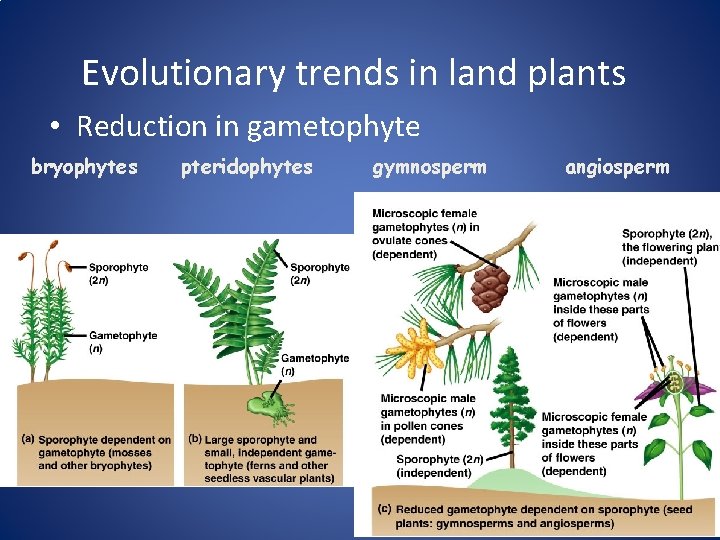
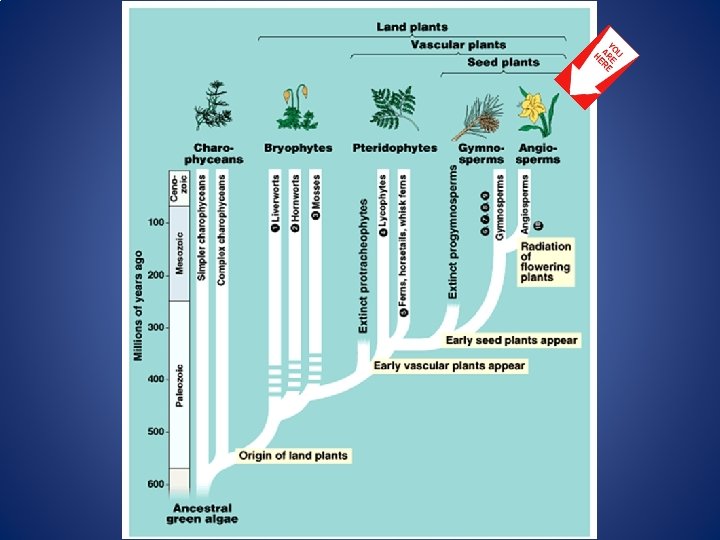
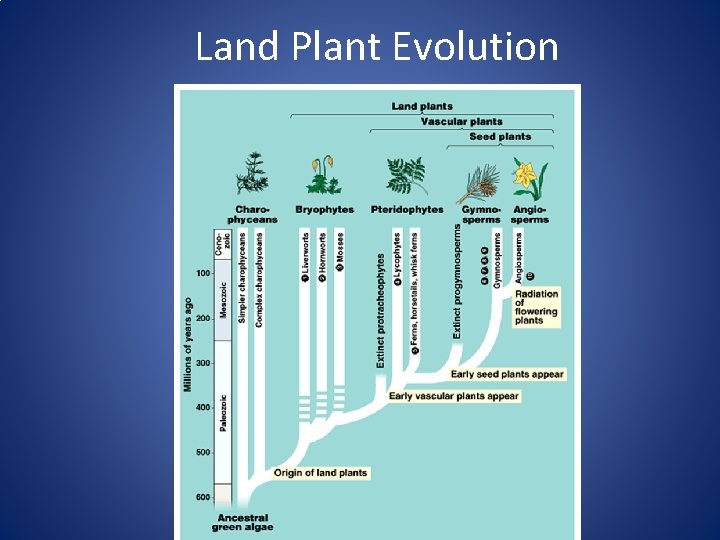
Evolutionary trends in land plants • Reduction in gametophyte bryophytes pteridophytes gymnosperm angiosperm
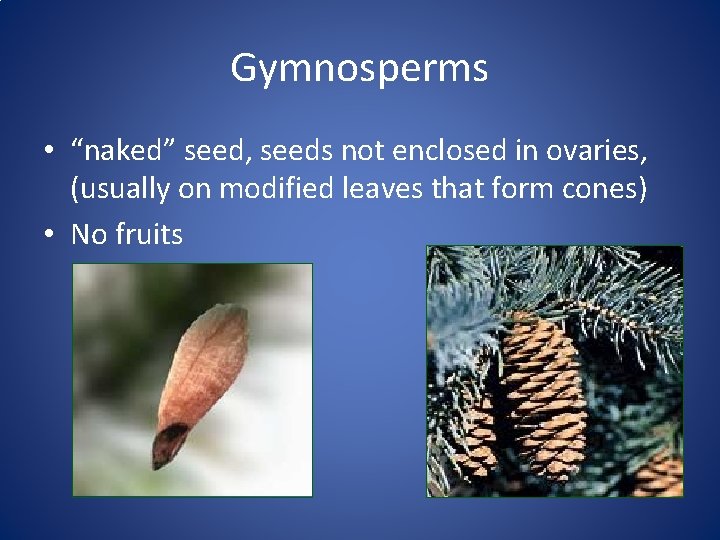
Gymnosperms • “naked” seed, seeds not enclosed in ovaries, (usually on modified leaves that form cones) • No fruits
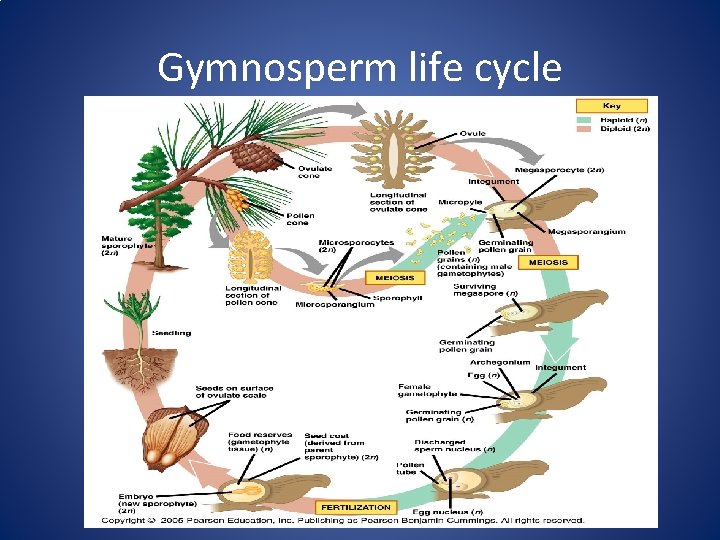
Gymnosperm life cycle
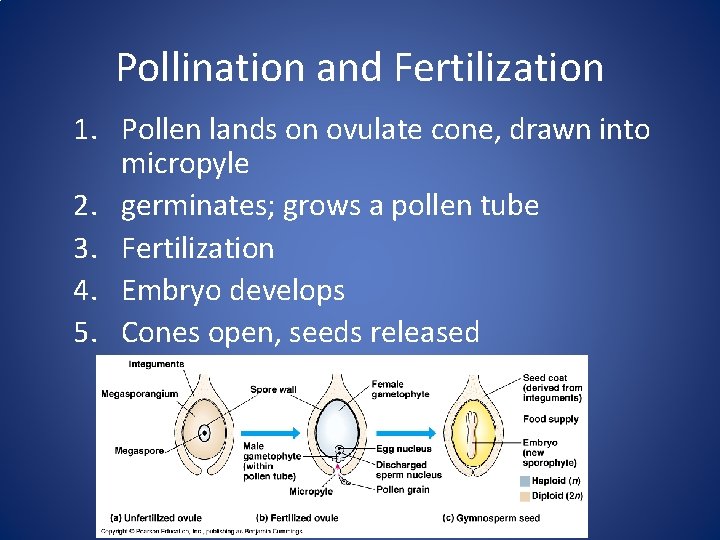
Pollination and Fertilization 1. Pollen lands on ovulate cone, drawn into micropyle 2. germinates; grows a pollen tube 3. Fertilization 4. Embryo develops 5. Cones open, seeds released 2009
Chapter 30: Plant Diversity The Evolution of Seed Plants 30. 3
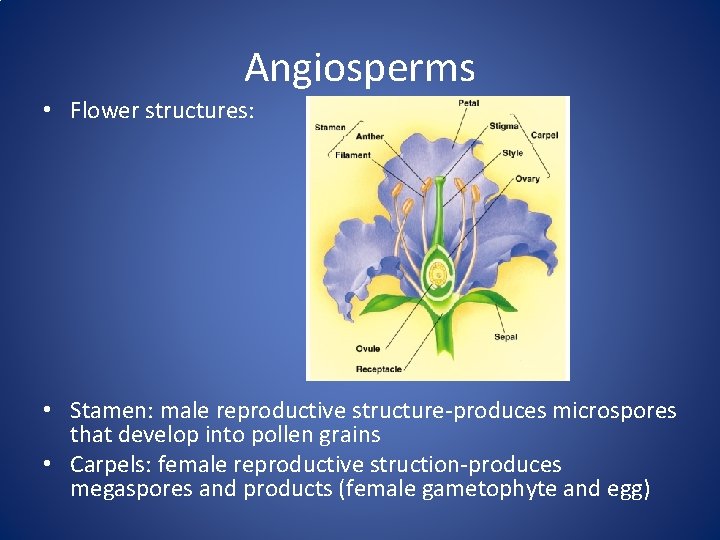
Angiosperms • Seed plants that produce flowers and fruit • 90% of all plants are angiosperms
Angiosperms • Flower structures: • Stamen: male reproductive structure-produces microspores that develop into pollen grains • Carpels: female reproductive struction-produces megaspores and products (female gametophyte and egg)
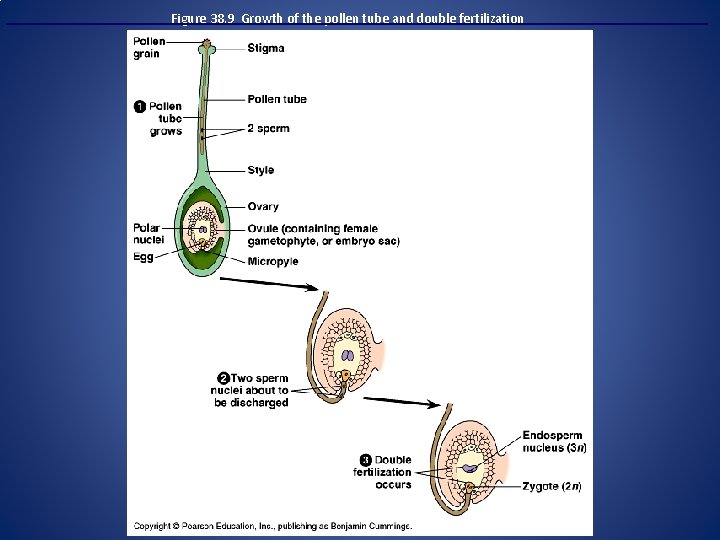
Figure 38. 9 Growth of the pollen tube and double fertilization 2009
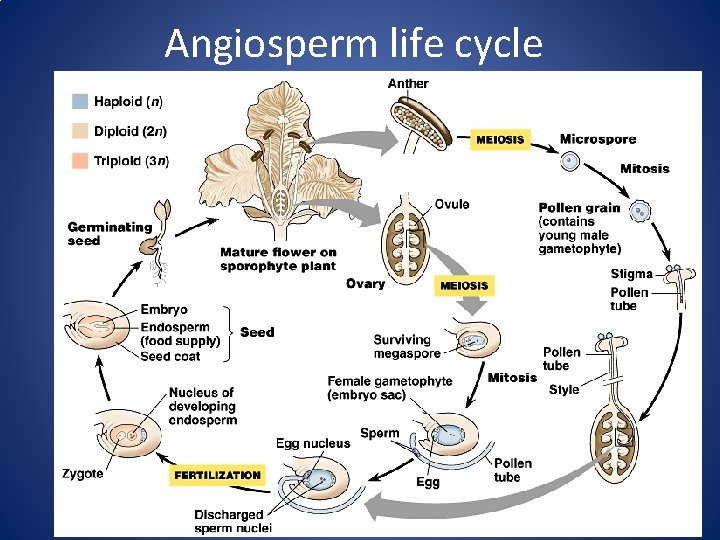
Angiosperm life cycle 2009
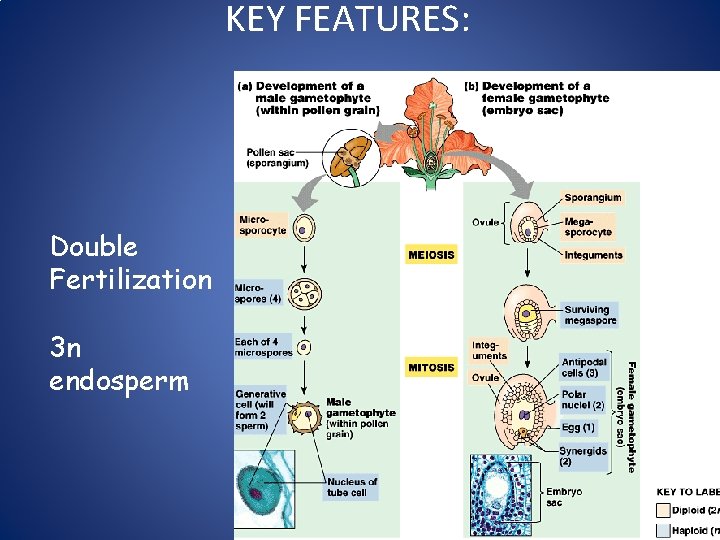
KEY FEATURES: Double Fertilization 3 n endosperm 2009
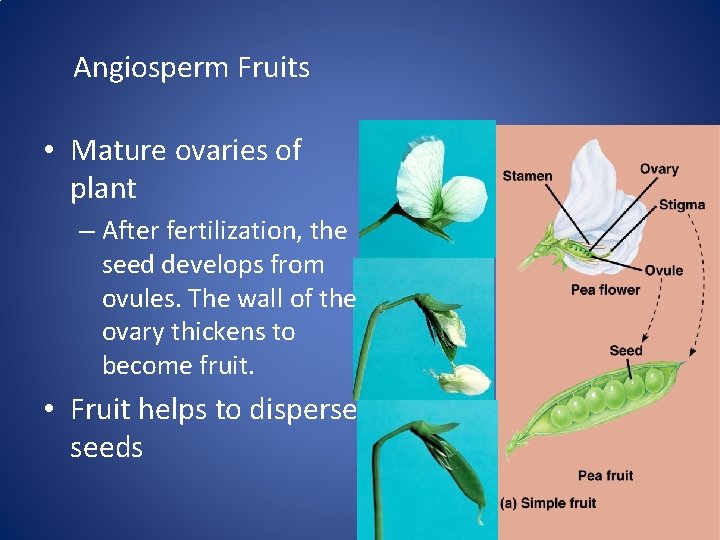
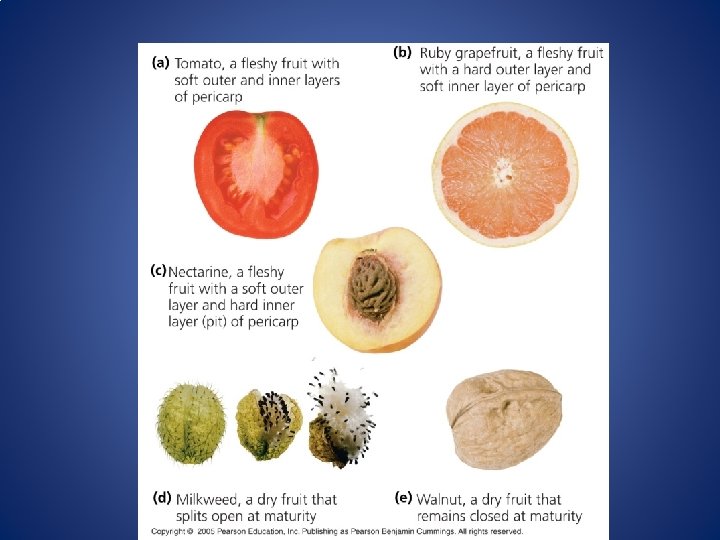
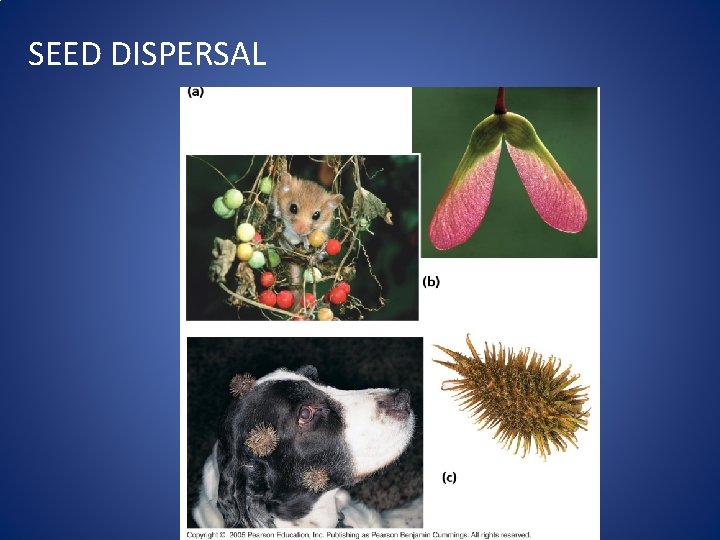
Angiosperm Fruits • Mature ovaries of plant – After fertilization, the seed develops from ovules. The wall of the ovary thickens to become fruit. • Fruit helps to disperse seeds
2009
SEED DISPERSAL
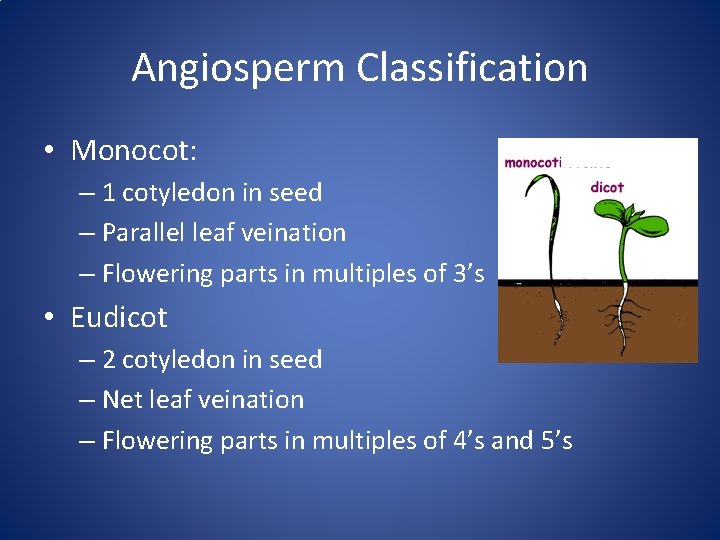
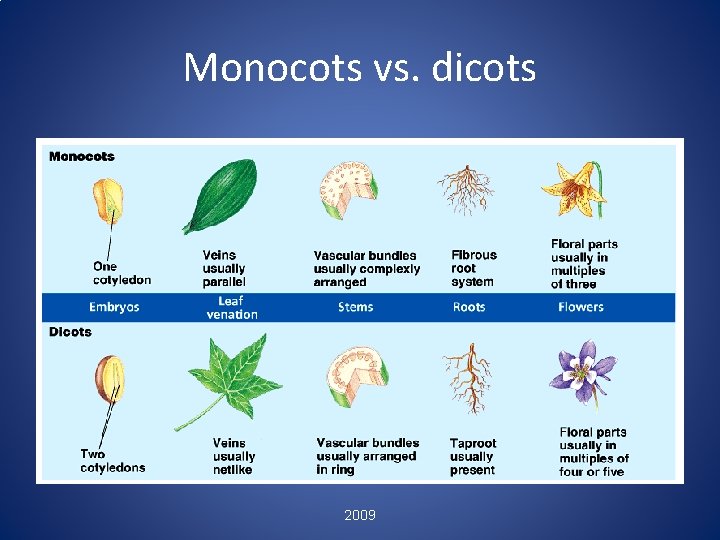
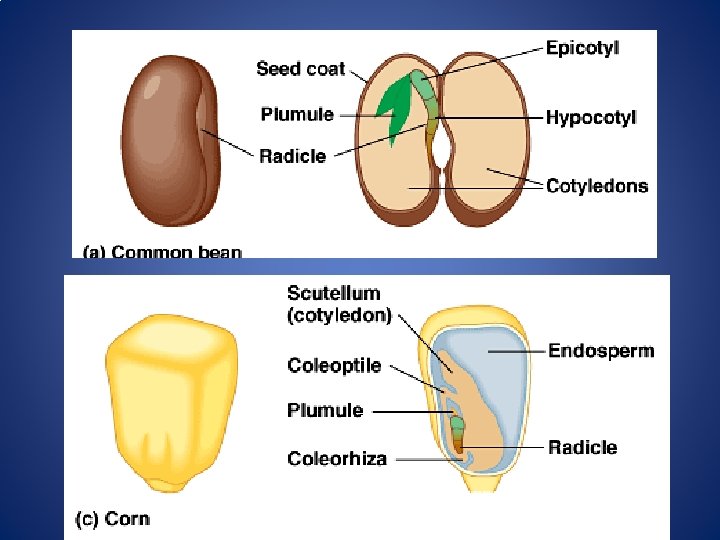
Angiosperm Classification • Monocot: – 1 cotyledon in seed – Parallel leaf veination – Flowering parts in multiples of 3’s • Eudicot – 2 cotyledon in seed – Net leaf veination – Flowering parts in multiples of 4’s and 5’s
Monocots vs. dicots 2009
2009
Land Plant Evolution