
Chapter 3 Tissue repair Regeneration Healing Fibrosis Critical
Chapter 3: Tissue repair: Regeneration, Healing, & Fibrosis.
Critical to the survival of an organism, is the ability to repair the damage caused by toxic insults & inflammation. In the following lectures, we will discuss the: - Control of Cell Proliferation: The Cell-Cycle Proliferative Capacities of Tissues & Stem Cells; - Nature & Signaling mechanisms of Growth factors receptors - ECM roles & components; - Cell & tissue regeneration; - Repair by connective tissue; - Cutaneous wound healing by 1 st & 2 nd intention; - Pathologic aspects of repair & finally, an overview of repair processes

Injury to cells and tissues sets in motion a series of events that contain the damage and initiate the healing process, which can be broadly separated into regeneration and repair. Healing after acute injury can occur by regeneration that restores normal tissue structure or by repair with scar formation. Healing in chronic injury involves scar formation and fibrosis.
Regeneration results in the complete restitution of lost or damaged tissue; repair may restore some original structures but can cause structural derangements. Regeneration refers to the proliferation of cells and tissues to replace lost structures. Tissues with high proliferative capacity, such as the hematopoietic system and the epithelia of the skin and GIT, renew themselves continuously and can regenerate after injury, as long as the stem cells of these tissues are not destroyed.

Repair most often consists of a combination of regeneration and scar formation by the deposition of collagen. The relative contribution of regeneration and scarring in tissue repair depends on the ability of the tissue to regenerate and the extent of the injury. scar formation is the predominant healing process that occurs when the extracellular matrix (ECM) framework is damaged by severe injury. In this example, injury to the liver is repaired by: regeneration if only the hepatocytes are damaged, or by - laying down of fibrous tissue (scarring) if the matrix is also injured.
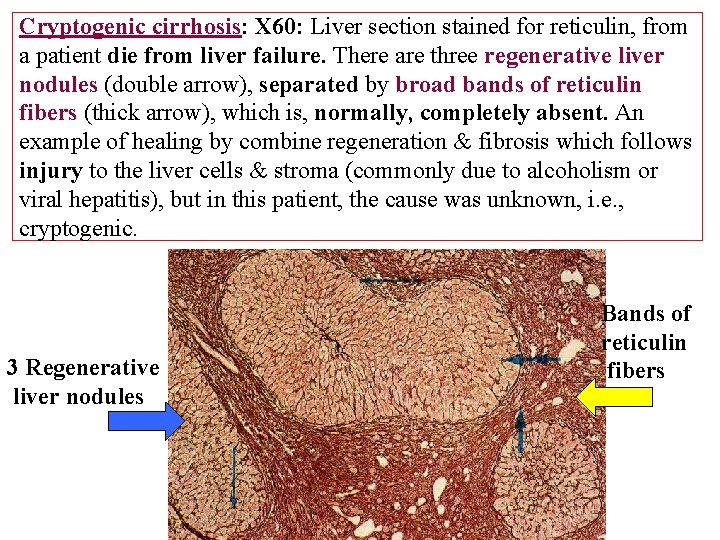
Cryptogenic cirrhosis: X 60: Liver section stained for reticulin, from a patient die from liver failure. There are three regenerative liver nodules (double arrow), separated by broad bands of reticulin fibers (thick arrow), which is, normally, completely absent. An example of healing by combine regeneration & fibrosis which follows injury to the liver cells & stroma (commonly due to alcoholism or viral hepatitis), but in this patient, the cause was unknown, i. e. , cryptogenic. 3 Regenerative liver nodules Bands of reticulin fibers
Chronic inflammation that accompanies persistent injury also stimulates scar formation because of local production of growth factors and cytokines that promote fibroblast proliferation and collagen synthesis. The term Fibrosis is used to describe the extensive deposition of collagen that occurs under these situations.

ECM components are essential for wound healing, because they provide the framework for cell migration, maintain the correct cell polarity for the re-assembly of multilayer structures, and participate in the angiogenesis. Furthermore, cells in the ECM (fibroblasts, macrophages, and other cell types) produce growth factors, cytokines, and chemokines that are critical for regeneration and repair.

If fibrosis develops in a tissue space occupied by an inflammatory exudate it is called organization (e. g. , organizing pneumonia, organizing pleurisy ). To understand repair, we have to know the (1) control of cell proliferation, (2) functions of the ECM & how it is involved in repair, (3) the roles of stem cells in tissue homeostasis, and (4) the roles of GFs in the proliferation of different

Control of Normal Cell Proliferation and Tissue Growth In adult tissues the size of cell populations is determined by the rates of cell proliferation, differentiation, and death by apoptosis Cell numbers can be altered by increased or decreased rates of stem cell input, cell death due to apoptosis, or changes in the rates of proliferation or differentiation.
Several cell types proliferate during repair: (1) The remnants of the injured tissue (which attempt to restore normal structure e. g. , liver cells) (2) Vascular endothelial cells (ECs), to create new vessels (angiogenesis) to provide nutrients needed for the repair. (3) fibroblasts (the source of the fibrous tissue that forms the scar), to fill defects that cannot be corrected by regeneration.
The impact of differentiation depends on the tissue under which it occurs: in some tissues differentiated cells are not replaced, while in others they die but are continuously replaced by new cells generated from stem cells. Cell proliferation can be stimulated by physiologic and pathologic conditions. Cell proliferation is largely controlled by signals (soluble or contact-dependent) from the microenvironment that either stimulate or inhibit proliferation. An excess of stimulators or a deficiency of inhibitors leads to net growth and, in the case of cancer, uncontrolled growth.
Tissue Proliferative Activity The tissues of the body are divided into three groups on the basis of the proliferative activity of their cells: 1 - Continuously dividing (labile tissues), 2 - Quiescent (stable tissues), and 3 - Nondividing (permanent tissues).
1 - In continuously dividing tissues cells proliferate throughout life, replacing those that are destroyed. In most of these tissues mature cells are derived from adult stem cells, which have a tremendous capacity to proliferate and whose progeny may differentiate into several kinds of cells. 2 - Quiescent tissues normally have a low level of replication; however, cells from these tissues can undergo rapid division in response to stimuli and are thus capable of reconstituting the tissue of origin. Fibroblasts, endothelial cells, smooth muscle cells, chondrocytes, and osteocytes are quiescent in adult mammals but proliferate in response to injury. Fibroblasts in particular can proliferate extensively, as in healing processes and fibrosis.

3 - Nondividing tissues contain cells that have left the cell cycle and cannot undergo mitotic division in postnatal life. To this group belong neurons and skeletal and cardiac muscle cells. If neurons in the central nervous system are destroyed, the tissue is generally replaced by the proliferation of the central nervous system–supportive elements, the glial cells. However, recent results demonstrate that limited neurogenesis from stem cells may occur in adult brains. skeletal muscle does have regenerative capacity, through the differentiation of the satellite cells that are attached to the endomysial sheaths. Cardiac muscle has very limited, if any, regenerative capacity, and a large injury to the heart muscle, as may occur in myocardial infarction, is followed by scar formation.
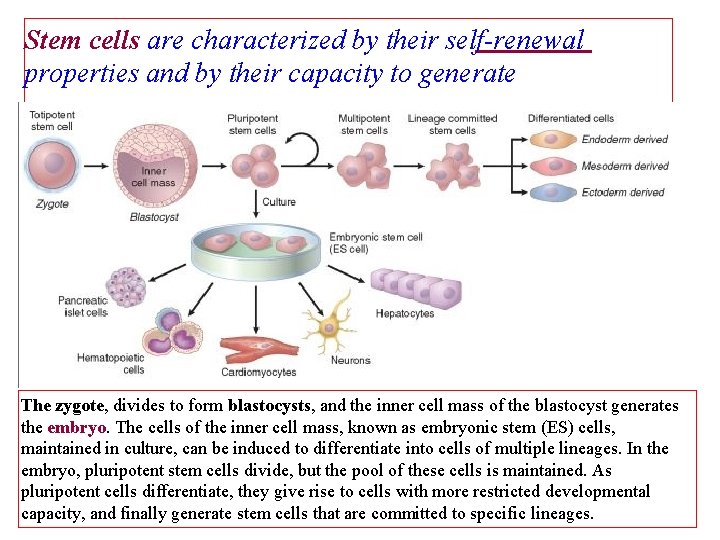
Stem cells are characterized by their self-renewal properties and by their capacity to generate differentiated cell lineages. The zygote, divides to form blastocysts, and the inner cell mass of the blastocyst generates the embryo. The cells of the inner cell mass, known as embryonic stem (ES) cells, maintained in culture, can be induced to differentiate into cells of multiple lineages. In the embryo, pluripotent stem cells divide, but the pool of these cells is maintained. As pluripotent cells differentiate, they give rise to cells with more restricted developmental capacity, and finally generate stem cells that are committed to specific lineages.
To give rise to these lineages, stem cells need to be maintained during the life of the organism. Such maintenance is achieved by two mechanisms: (a) Obligatory asymmetric replication, in which with each stem cell division, one of the daughter cells retains its selfrenewing capacity while the other enters a differentiation pathway, and (b) Stochastic differentiation, in which a stem cell population is maintained by the balance between stem cell divisions that generate either two self-renewing stem cells or two cells that will differentiate.
In early stages of embryonic development, stem cells, known as embryonic stem cells or ES cells, are pluripotent, that is, they can generate all tissues of the body. Pluripotent stem cells give rise to multipotent stem cells, which have more restricted developmental potential, and eventually produce differentiated cells from the three embryonic layers.
In adults, stem cells (often referred to as adult stem cells or somatic stem cells ) with a more restricted capacity to generate different cell types have been identified in many tissues. Somatic stem cells for the most part reside in special microenvironments called niches, composed of mesenchymal, endothelial, and other cell types. It is believed that niche cells generate or transmit stimuli that regulate stem cell self-renewal and the generation of progeny cells.
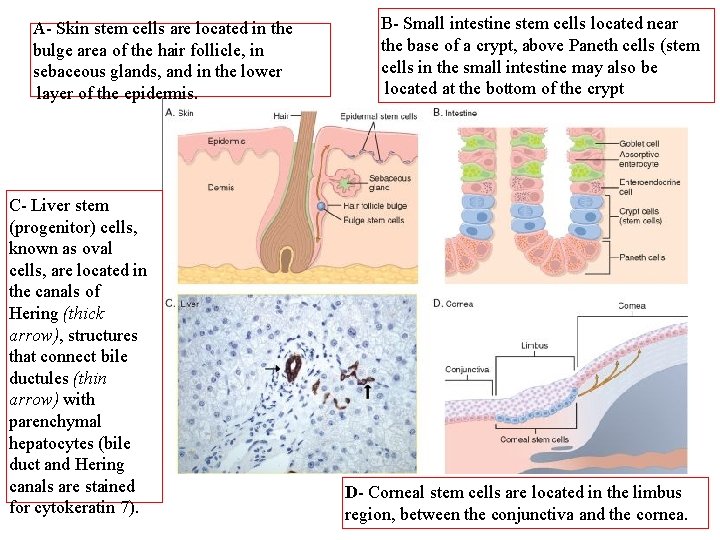
A- Skin stem cells are located in the bulge area of the hair follicle, in sebaceous glands, and in the lower layer of the epidermis. C- Liver stem (progenitor) cells, known as oval cells, are located in the canals of Hering (thick arrow), structures that connect bile ductules (thin arrow) with parenchymal hepatocytes (bile duct and Hering canals are stained for cytokeratin 7). B- Small intestine stem cells located near the base of a crypt, above Paneth cells (stem cells in the small intestine may also be located at the bottom of the crypt D- Corneal stem cells are located in the limbus region, between the conjunctiva and the cornea.
Embryonic Stem Cells The inner cell mass of blastocysts in early embryonic development contains pluripotent stem cells known as ES cells. Cells isolated from blastocysts can be maintained in culture as undifferentiated cell lines or be induced to differentiate into specific lineages such as heart and liver cells.
The study of ES cells had an enormous impact on biology and medicine: 1 - ES cells have been used to study the specific signals and differentiation steps required for the development of many tissues. 2 - ES cells made possible the production of knockout mice, an essential tool to study the biology of particular genes and to develop models of human disease, and more than 500 models of human diseases have been created using these animals. 3 - ES cells may in the future be used to repopulate damaged organs.
Reprogramming of Differentiated Cells: Induced Pluripotent Stem Cells Differentiated cells of adult tissues can be reprogrammed to become pluripotent by transferring their nucleus to an enucleated oocyte. The oocytes implanted into a surrogate mother can generate cloned embryos that develop into complete animals. This procedure, known as reproductive cloning, was successfully demonstrated in 1997 by the cloning of Dolly the sheep. There has been great hope that the technique of nuclear transfer to oocytes may be used for therapeutic cloning in the treatment of human diseases.
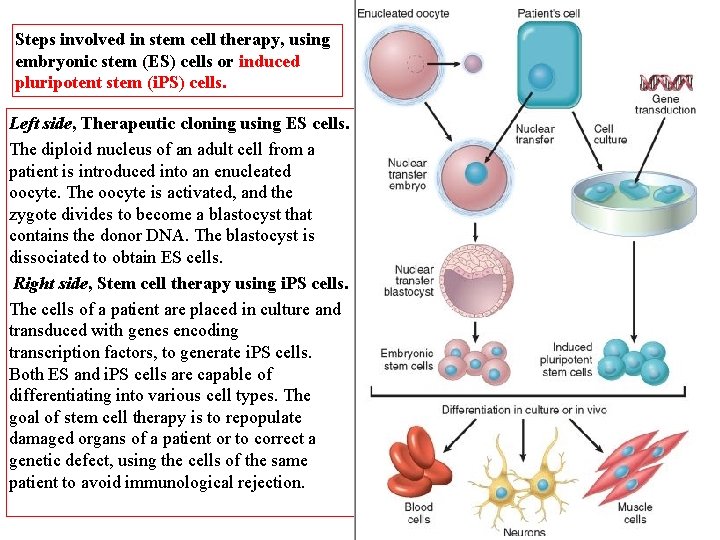
Steps involved in stem cell therapy, using embryonic stem (ES) cells or induced pluripotent stem (i. PS) cells. Left side, Therapeutic cloning using ES cells. The diploid nucleus of an adult cell from a patient is introduced into an enucleated oocyte. The oocyte is activated, and the zygote divides to become a blastocyst that contains the donor DNA. The blastocyst is dissociated to obtain ES cells. Right side, Stem cell therapy using i. PS cells. The cells of a patient are placed in culture and transduced with genes encoding transcription factors, to generate i. PS cells. Both ES and i. PS cells are capable of differentiating into various cell types. The goal of stem cell therapy is to repopulate damaged organs of a patient or to correct a genetic defect, using the cells of the same patient to avoid immunological rejection.
Adult (Somatic) Stem Cells In the adult organism, stem cells are present in tissues that continuously divide such as the bone marrow, the skin, and the lining of the GI tract. Stem cells may also be present in organs such as liver, pancreas, and adipose tissue, in which, under normal conditions, they do not actively produce differentiated cell lineages. Regardless of their proliferative activity, somatic stem cells generate rapidly dividing cells known as transit amplifying cells. These cells lose the capacity of selfperpetuation, and give rise to cells with restricted developmental potential known as progenitor cells.
A change in the differentiation of a cell from one type to another is known as transdifferentiation, and the capacity of a cell to transdifferentiate into diverse lineages is referred to as developmental plasticity. Hemopoietic stem cells (HSCs) maintained in culture have been shown to transdifferentiate into other cell types, such as hepatocytes and neurons.
Stem Cells in Tissue Homeostasis Bone marrow. The bone marrow contains HSCs and stromal cells (also known as multipotent stromal cells, mesenchymal stem cells or MSCs). Hematopoietic Stem Cells (HSCs) generate all of the blood cell lineages, can reconstitute the bone marrow after depletion caused by disease or irradiation, and are widely used for the treatment of hematologic diseases. They can be collected directly from the bone marrow, from umbilical cord blood, and from the peripheral blood of individuals receiving cytokines such as granulocyte-macrophage colonystimulating factor, which mobilize HSCs.
Marrow Stromal Cells. MSCs are multipotent. They have potentially important therapeutic applications, because they can generate chondrocytes, osteoblasts, adipocytes, myoblasts, and endothelial cell precursors depending on the tissue to which they migrate. MSCs migrate to injured tissues and generate stromal cells or other cell lineages, but do not seem to participate in normal tissue homeostasis.
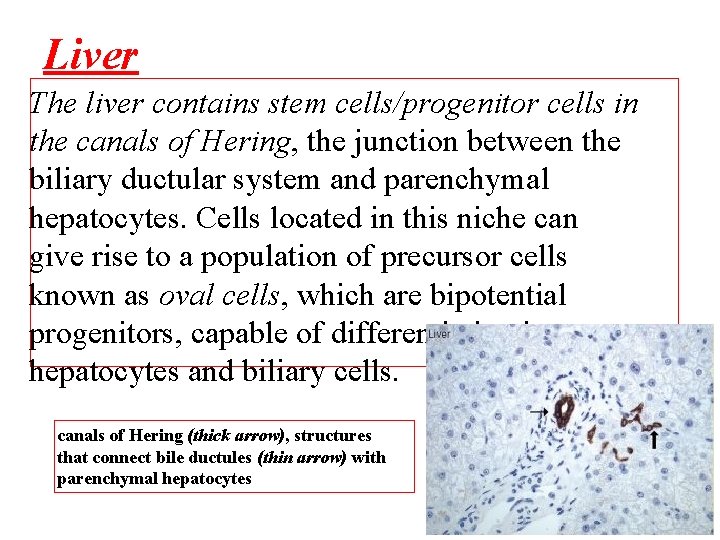
Liver The liver contains stem cells/progenitor cells in the canals of Hering, the junction between the biliary ductular system and parenchymal hepatocytes. Cells located in this niche can give rise to a population of precursor cells known as oval cells, which are bipotential progenitors, capable of differentiating into hepatocytes and biliary cells. canals of Hering (thick arrow), structures that connect bile ductules (thin arrow) with parenchymal hepatocytes
Brain. Neurogenesis from neural stem cells (NSCs) occurs in the brain of adult rodents and humans. Thus, the long-established dogma that no new neurons are generated in the brain of normal adult mammals is now known to be incorrect. NSCs (also known as neural precursor cells), capable of generating neurons, astrocytes, and oligodendrocytes, have been identified in two areas of adult brains, the subventricular zone (SVZ) and the dentate gyrus of the hippocampus
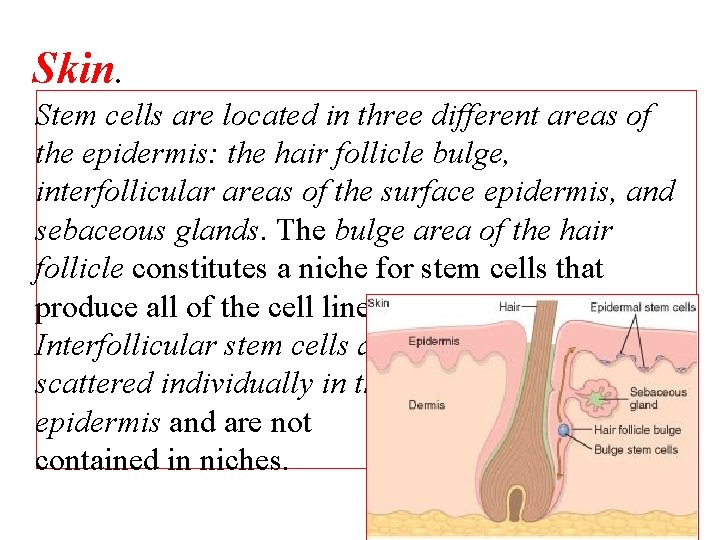
Skin. Stem cells are located in three different areas of the epidermis: the hair follicle bulge, interfollicular areas of the surface epidermis, and sebaceous glands. The bulge area of the hair follicle constitutes a niche for stem cells that produce all of the cell lineages of the hair follicle. Interfollicular stem cells are scattered individually in the epidermis and are not contained in niches.
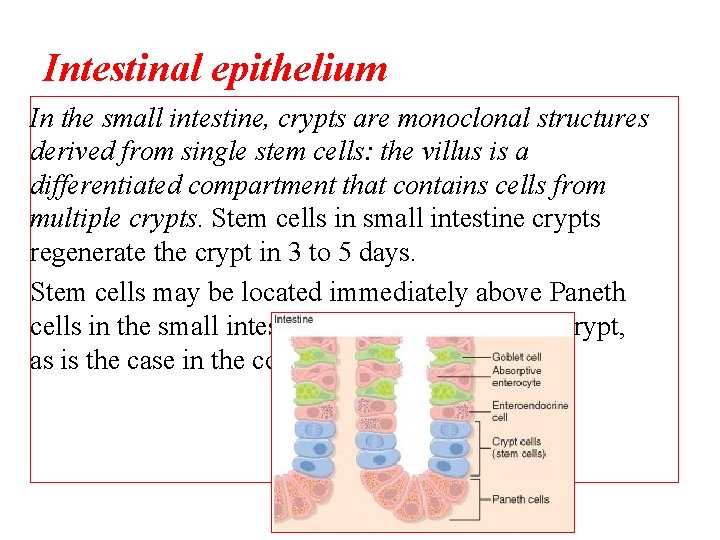
Intestinal epithelium In the small intestine, crypts are monoclonal structures derived from single stem cells: the villus is a differentiated compartment that contains cells from multiple crypts. Stem cells in small intestine crypts regenerate the crypt in 3 to 5 days. Stem cells may be located immediately above Paneth cells in the small intestine, or at the base of the crypt, as is the case in the colon.
Skeletal and cardiac muscle Skeletal muscle myocytes do not divide, even after injury; growth and regeneration of injured skeletal muscle occur by replication of satellite cells. These cells, located beneath the myocyte basal lamina, constitute a reserve pool of stem cells that can generate differentiated myocytes after injury. Active Notch signaling, triggered by up-regulation of delta-like (Dll) ligands, stimulates the proliferation of satellite cells (Notch signaling is discussed later in “Mechanisms of Angiogenesis”).
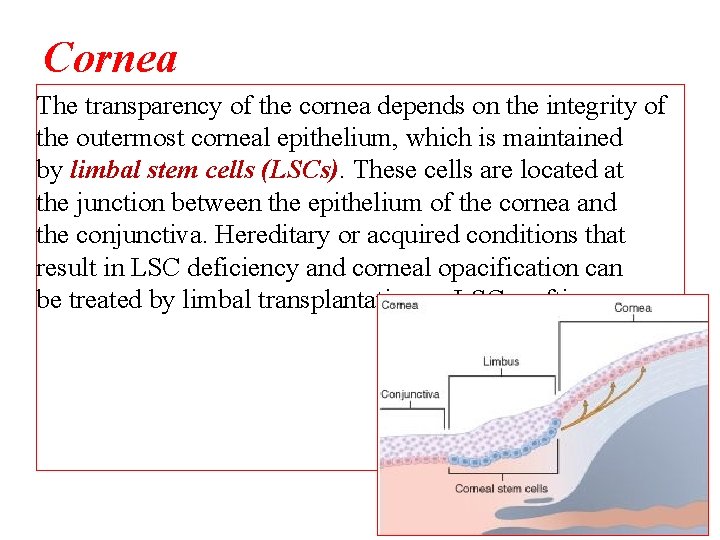
Cornea The transparency of the cornea depends on the integrity of the outermost corneal epithelium, which is maintained by limbal stem cells (LSCs). These cells are located at the junction between the epithelium of the cornea and the conjunctiva. Hereditary or acquired conditions that result in LSC deficiency and corneal opacification can be treated by limbal transplantation or LSC grafting.
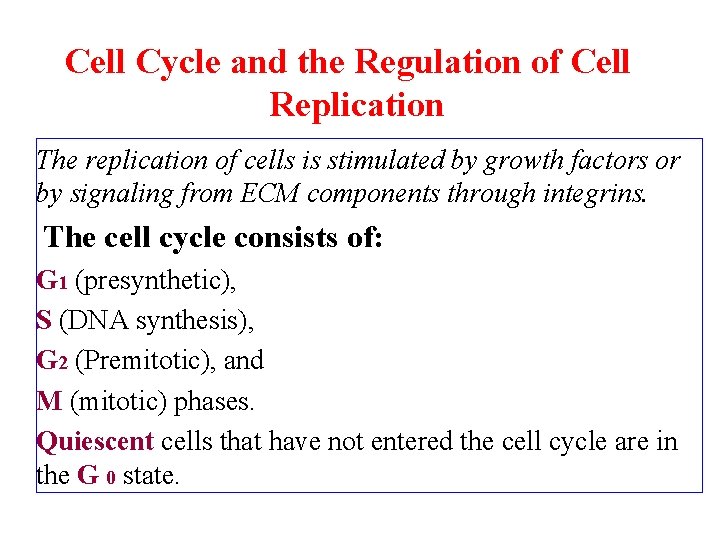
Cell Cycle and the Regulation of Cell Replication The replication of cells is stimulated by growth factors or by signaling from ECM components through integrins. The cell cycle consists of: G 1 (presynthetic), S (DNA synthesis), G 2 (Premitotic), and M (mitotic) phases. Quiescent cells that have not entered the cell cycle are in the G 0 state.
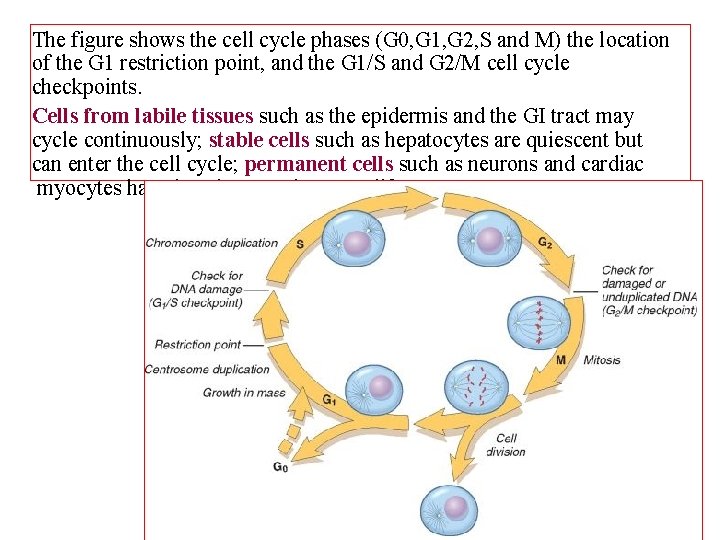
The figure shows the cell cycle phases (G 0, G 1, G 2, S and M) the location of the G 1 restriction point, and the G 1/S and G 2/M cell cycle checkpoints. Cells from labile tissues such as the epidermis and the GI tract may cycle continuously; stable cells such as hepatocytes are quiescent but can enter the cell cycle; permanent cells such as neurons and cardiac myocytes have lost the capacity to proliferate.
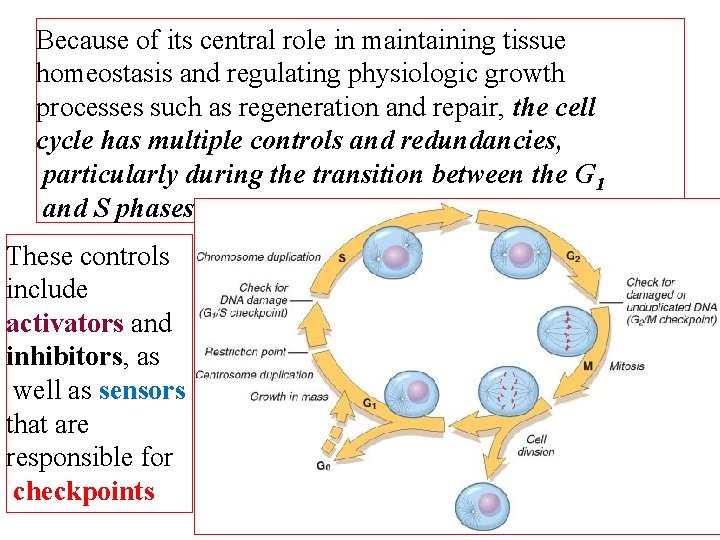
Because of its central role in maintaining tissue homeostasis and regulating physiologic growth processes such as regeneration and repair, the cell cycle has multiple controls and redundancies, particularly during the transition between the G 1 and S phases. These controls include activators and inhibitors, as well as sensors that are responsible for checkpoints
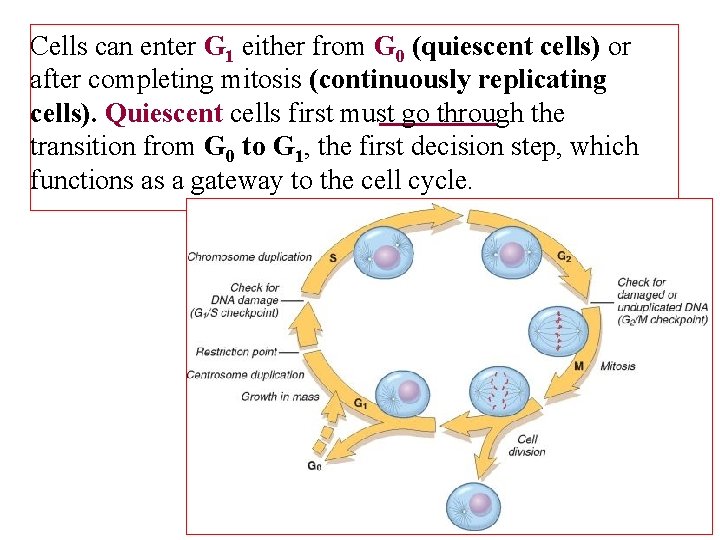
Cells can enter G 1 either from G 0 (quiescent cells) or after completing mitosis (continuously replicating cells). Quiescent cells first must go through the transition from G 0 to G 1, the first decision step, which functions as a gateway to the cell cycle.
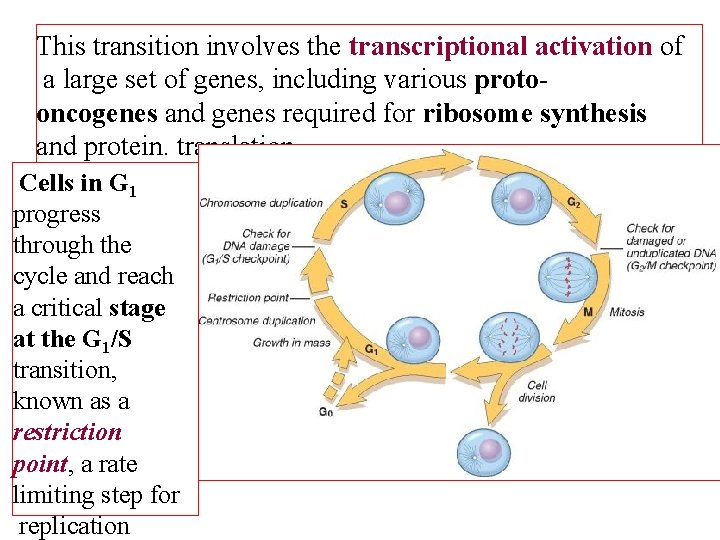
This transition involves the transcriptional activation of a large set of genes, including various protooncogenes and genes required for ribosome synthesis and protein. translation. Cells in G 1 progress through the cycle and reach a critical stage at the G 1/S transition, known as a restriction point, a rate limiting step for replication
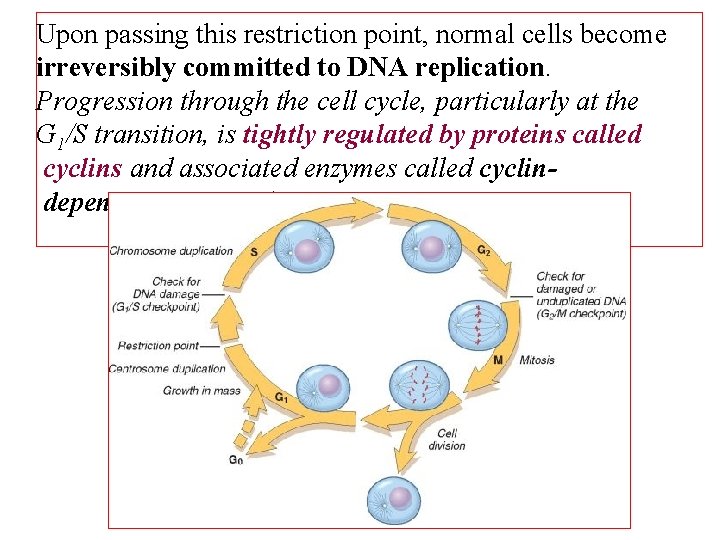
Upon passing this restriction point, normal cells become irreversibly committed to DNA replication. Progression through the cell cycle, particularly at the G 1/S transition, is tightly regulated by proteins called cyclins and associated enzymes called cyclindependent kinases (CDKs).
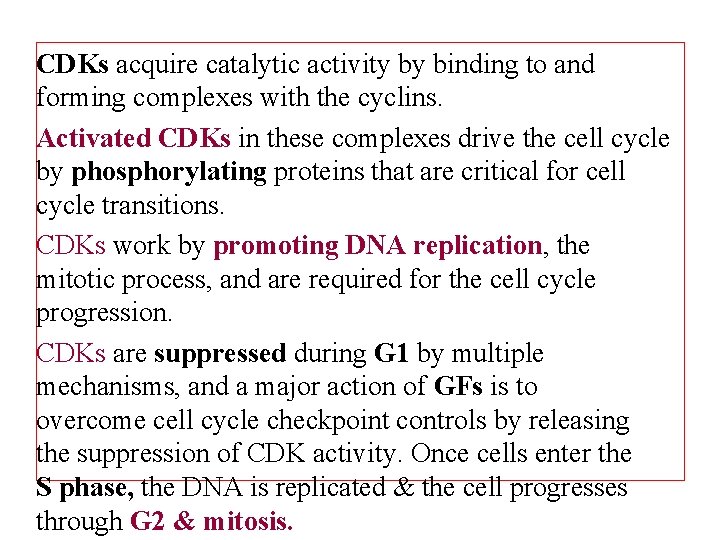
CDKs acquire catalytic activity by binding to and forming complexes with the cyclins. Activated CDKs in these complexes drive the cell cycle by phosphorylating proteins that are critical for cell cycle transitions. CDKs work by promoting DNA replication, the mitotic process, and are required for the cell cycle progression. CDKs are suppressed during G 1 by multiple mechanisms, and a major action of GFs is to overcome cell cycle checkpoint controls by releasing the suppression of CDK activity. Once cells enter the S phase, the DNA is replicated & the cell progresses through G 2 & mitosis.
Example: One such protein is the retinoblastoma susceptibility (RB) protein, which normally prevents cells from replicating by forming a tight, inactive complex with the transcription factor E 2 F. Phosphorylation of RB causes its release, which activates E 2 F and allows it to stimulate transcription of genes whose products drive cells through the cycle. E 2 F is a group of genes that codifies a family of transcription factor (TF). Three of them are activators: E 2 F 1, 2 and E 2 F 3 a. Six others act as suppressors: E 2 F 3 b, E 2 F 4 -8. All of them are involved in the cell cycle regulation and synthesis of DNA in mammalian cells.
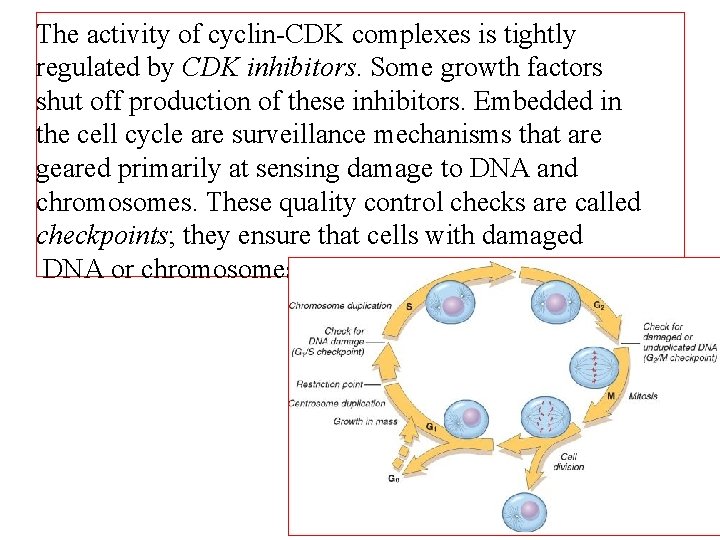
The activity of cyclin-CDK complexes is tightly regulated by CDK inhibitors. Some growth factors shut off production of these inhibitors. Embedded in the cell cycle are surveillance mechanisms that are geared primarily at sensing damage to DNA and chromosomes. These quality control checks are called checkpoints; they ensure that cells with damaged DNA or chromosomes do not complete replication.
The G 1/S checkpoint monitors the integrity of DNA before replication, whereas the G 2/M checkpoint checks DNA after replication and monitors whether the cell can safely enter mitosis. When cells sense DNA damage, checkpoint activation delays the cell cycle and triggers DNA repair mechanisms. If DNA damage is too severe to be repaired, the cells are eliminated by apoptosis, or enter a nonreplicative state called senescence, primarily through p 53 dependent mechanisms.
Growth Factors The proliferation of many cell types is driven by polypeptides known as growth factors. These factors, may also promote cell survival, locomotion, contractility, differentiation, and angiogenesis, activities that may be as important as their growthpromoting effects. All growth factors function as ligands that bind to specific receptors, which deliver signals to the target cells. These signals stimulate the transcription of genes that may be silent in resting cells, including genes that control cell cycle entry and progression.
Epidermal Growth Factor (EGF) and Transforming Growth Factor α (TGF-α). EGF & TGF- α : share a common R (epidermal growth factor receptor, or EGFR) with intrinsic tyrosine kinase activity. The EGFR is actually a family of receptors that respond to EGF, TGF-α, & other ligands of the EGF family. Both EGF/TGF-α are mitogenic for hepatocytes and most epithelial cells, including keratinocytes. In cutaneous wound healing, EGF is produced by keratinocytes, macrophages, & other inflammatory cells.
The main EGFR called EGFR 1 or ERB B 1, which frequently over expressed in lung & brain tumors, and is an important therapeutic target for the treatment of these tumors. ERB B 2 (also known as HER-2/NEU) has received great attention, because of its overexpression in breast cancers, in which, it is a target for effective cancer control.
Hepatocyte Growth Factor (HGF). The factor is often referred to as HGF/SF (scatter factor), but in this chapter we will use the simpler notation, HGF has mitogenic effects on hepatocytes and most epithelial cells, including cells of the biliary epithelium, and epithelial cells of the lungs, kidney, mammary gland, and skin. It is produced by fibroblasts and most mesenchymal cells, endothelial cells, and liver non-parenchymal cells. It is produced as an inactive single-chain form (pro-
The receptor for HGF, c-MET, is often highly expressed or mutated in human tumors, especially in renal and thyroid papillary carcinomas. Several HGF and c-MET inhibitors are presently being evaluated in cancer therapy clinical trials.
Platelet-Derived Growth Factor (PDGF). is a family of several closely related proteins, each consisting of two chains. Three isoforms of PDGF (AA, AB, and BB) are secreted as biologically active molecules. The more recently identified isoforms PDGF-CC and PDGF-DD require extracellular proteolytic cleavage to release the active growth factor. All PDGF isoforms exert their effects by binding to two cell surface receptors, designated PDGFR α and β, which have different ligand specificities.
PDGF is stored in platelet granules and is released on platelet activation. It is produced by a variety of cells, including activated macrophages, endothelial cells, smooth muscle cells, and many tumor cells.
Vascular Endothelial Growth Factor (VEGF). VEGFs are a family of homodimeric proteins that include VEGF-A (referred throughout as VEGF), VEGF-B, VEGF-C, VEGF-D, and PIGF (placental growth factor). VEGF is a potent inducer of blood vessel formation in early development (vasculogenesis) and has a central role in the growth of new blood vessels (angiogenesis) in adults. It promotes angiogenesis in chronic inflammation, healing of wounds, and in tumors.
VEGF family members signal through three tyrosine kinase receptors: VEGFR-1, VEGFR-2, and VEGFR 3. VEGFR-2, located in endothelial cells and many other cell types, is the main receptor for the vasculogenic and angiogenic effects of VEGF. The role of VEGFR-1 is less well understood, but it may facilitate the mobilization of endothelial stem cells and has a role in inflammation. VEGF-C and VEGF-D bind to VEGFR-3 and act on lymphatic endothelial cells to induce the production of lymphatic vessels (lymphangiogenesis).
Fibroblast Growth Factor (FGF). This is a family of growth factors containing more than 20 members, of which acidic FGF (a. FGF, or FGF-1) and basic FGF (b. FGF, or FGF-2) are the best characterized. FGFs transduce signals through four tyrosine kinase receptors (FGFRs 1– 4). FGF-1 binds to all receptors; FGF-7 is referred to as keratinocyte growth factor or KGF.
FGFs contribute to wound healing responses, hematopoiesis, angiogenesis, development, and other processes through several functions: 1 - Wound repair: FGF-2 and KGF (FGF-7). 2 - New blood vessel formation (angiogenesis): FGF-2, in particular. 3 - Hematopoiesis: FGFs have been implicated in the differentiation of specific lineages of blood cells and development of bone marrow stroma. 4 - Development: FGFs play a role in skeletal and cardiac muscle development, lung maturation, and the specification of the liver from endodermal cells.
Transforming Growth Factor β (TGF-β) and Related Growth Factors. TGF-β belongs to a superfamily of about 30 members that includes three TGF-β isoforms (TGF-β 1, TGFβ 2, TGF-β 3) and factors with wide-ranging functions, such as BMPs, activins, inhibins, and müllerian inhibiting substance. TGF-β 1 has the most widespread distribution in mammals and will be referred to as TGF-β. It is a homodimeric protein produced by a variety of different cell types, including platelets, endothelial cells, lymphocytes, and macrophages.
1 - TGF-β is a growth inhibitor for most epithelial cells. It blocks the cell cycle by increasing the expression of cell cycle inhibitors 2 - TGF-β is a potent fibrogenic agent that stimulates fibroblast chemotaxis and enhances the production of collagen, fibronectin, and proteoglycans. It inhibits collagen degradation by decreasing matrix proteases and increasing protease inhibitor activities. 3 - TGF-β has a strong anti-inflammatory effect but may enhance some immune functions. Knockout mice lacking the TGF-β 1 gene in T cells have defects in regulatory T cells leading to widespread inflammation with abundant T-cell proliferation and CD 4+ differentiation into TH 1 and TH 2 helper cells.
Cytokines Some of these proteins can also be considered as growth factors, because they have growthpromoting activities for a variety of cells. Tumor necrosis factor (TNF) and IL-1 participate in wound healing reactions, and TNF and IL-6 are involved in the initiation of liver regeneration.
SIGNALING MECHANISMS IN CELL GROWTH According to the source of the ligand the location of its receptors (i. e. , in the same, adjacent, or distant cells), three general modes of signaling, named autocrine, paracrine, and endocrine, can be distinguished. The binding of a ligand to its Receptor triggers a series of events, by which extracellular signals are transduced into the cell, leading to the stimulation or repression. Signaling may occur (1) directly, in the same cell, (2) between adjacent cells, or (3) over greater distances
Autocrine signaling, in which a soluble mediator acts predominantly on the cell that secretes it. This pathway is important in the immune response (e. g lymphocyte proliferation induced by some cytokines), and in compensatory epithelial hyperplasia (e. g liver regeneration). Paracrine signaling, in which, a substance affect cells in the immediate vicinity of the cell that released the agent. This pathway is important for (1) recruiting inflammatory cells to the site of infection, & for (2) wound healing. Endocrine signaling, in which a regulatory substance, such as a hormone, is released into the blood stream & acts on target cells at a distance.
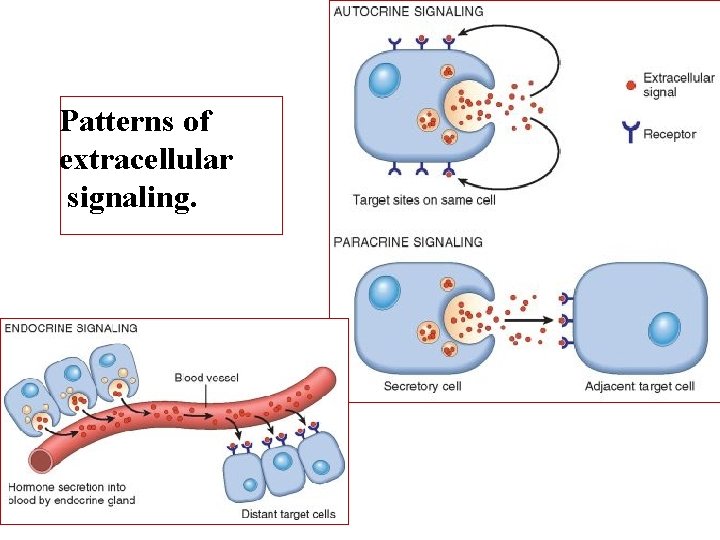
Patterns of extracellular signaling.
Receptors and Signal Transduction Pathways The binding of a ligand to its receptor triggers a series of events by which extracellular signals are transduced into the cell resulting in changes in gene expression. Receptors are generally located on the surface of the target cell but can also be found in the cytoplasm or nucleus.
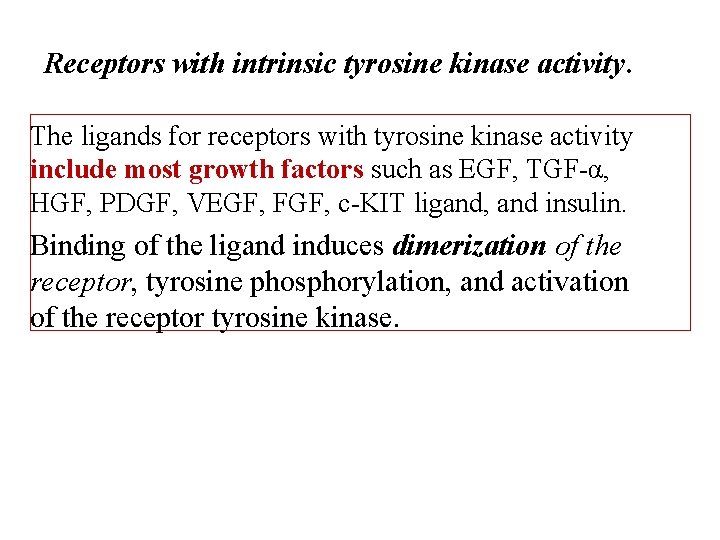
Receptors with intrinsic tyrosine kinase activity. The ligands for receptors with tyrosine kinase activity include most growth factors such as EGF, TGF-α, HGF, PDGF, VEGF, FGF, c-KIT ligand, and insulin. Binding of the ligand induces dimerization of the receptor, tyrosine phosphorylation, and activation of the receptor tyrosine kinase.
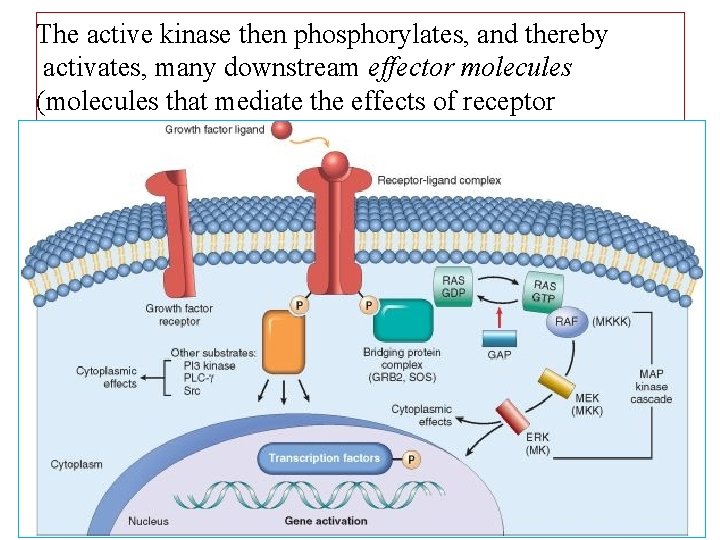
The active kinase then phosphorylates, and thereby activates, many downstream effector molecules (molecules that mediate the effects of receptor engagement with a ligand).
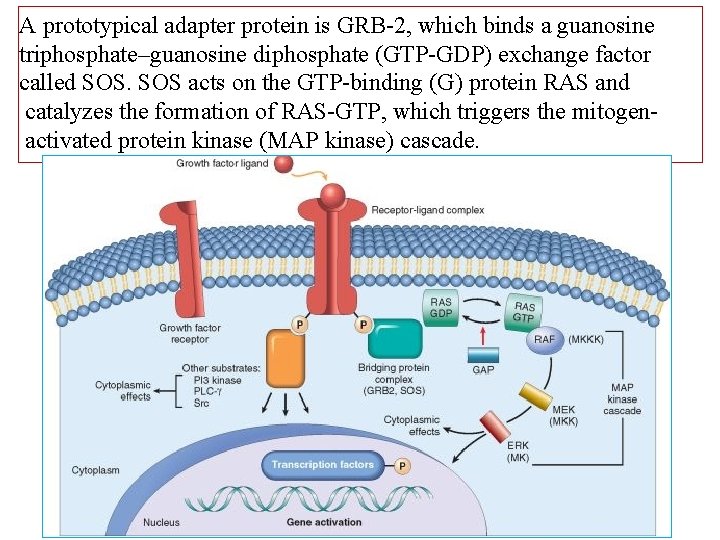
A prototypical adapter protein is GRB-2, which binds a guanosine triphosphate–guanosine diphosphate (GTP-GDP) exchange factor called SOS acts on the GTP-binding (G) protein RAS and catalyzes the formation of RAS-GTP, which triggers the mitogenactivated protein kinase (MAP kinase) cascade.
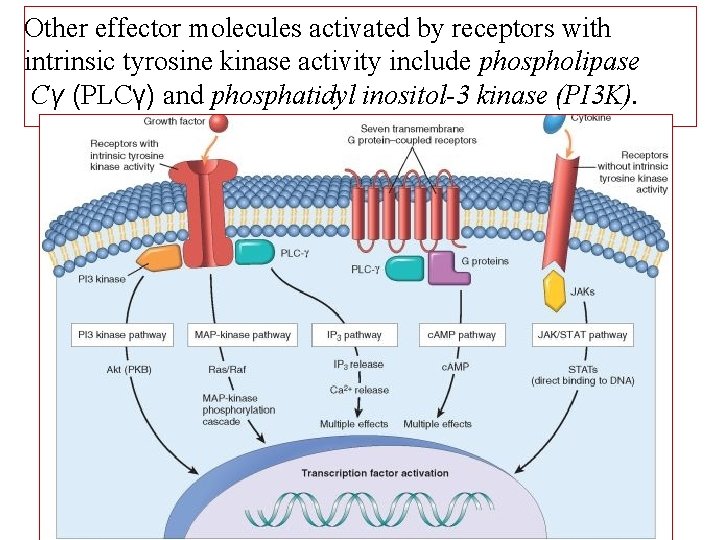
Other effector molecules activated by receptors with intrinsic tyrosine kinase activity include phospholipase Cγ (PLCγ) and phosphatidyl inositol-3 kinase (PI 3 K).
phospholipase Cγ (PLCγ) catalyzes the breakdown of membrane inositol phospholipids into inositol 1, 4, 5 -triphosphate (IP 3), which functions to increase concentrations of calcium, an important effector molecule, and diacylglycerol, which activates the serine-threonine kinase protein kinase C that in turn activates various transcription factors. PI 3 K phosphorylates a membrane phospholipid, generating products that activate the kinase Akt (also referred to as protein kinase B), which is involved in cell proliferation and cell survival through inhibition of apoptosis.
Receptors lacking intrinsic tyrosine kinase activity that recruit kinases. Ligands for these receptors include many cytokines, such as IL-2, IL-3, and other interleukins; interferons α, β, and γ; erythropoietin; granulocyte colonystimulating factor; growth hormone; and prolactin. These receptors transmit extracellular signals to the nucleus by activating members of the JAK (Janus kinase) family of proteins. The JAKs link the receptors with and activate cytoplasmic transcription factors called STATs (signal transducers and activation of transcription), which directly shuttle into the nucleus and activate gene transcription.
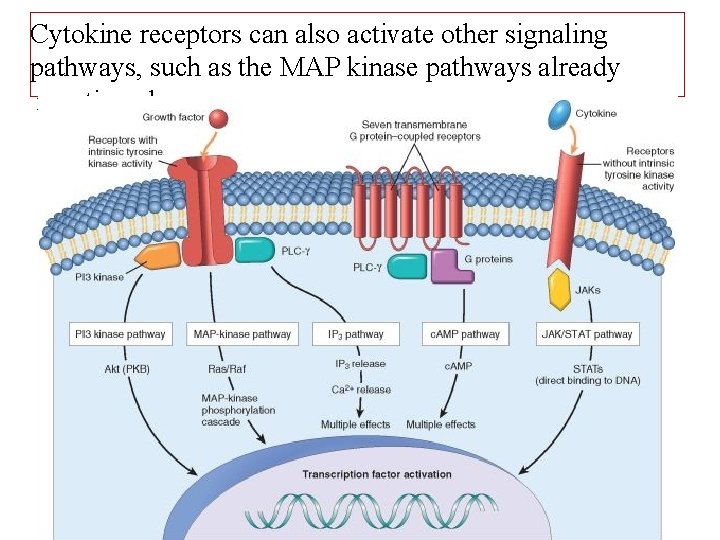
Cytokine receptors can also activate other signaling pathways, such as the MAP kinase pathways already mentioned.
G protein–coupled receptors Also called {seven transmembrane G-protein-coupled R}. After ligand binding, the R associate with intracellular guanosine triphosphate (GTP)-binding proteins (Gproteins), that contain guanosine diphosphate (GDP). Binding of the G proteins causes the exchange of GDP with GTP, resulting in activation of the proteins.
Transduction pathways activated through G-proteincoupled receptors are those involving: (1) cyclic AMP (c. AMP) as second messengers, (2) the generation of inositol -1, 4, 5, -triphosphate (IP 3), which releases calcium from the ER. These R constitute the largest family of plasma membrane R (more than 1500 members have been identified) and include those for: epinephrine, vasopressin, serotonin, histamine, glucagon, and chemokines
Steroid hormone receptors. These receptors are generally located in the nucleus and function as ligand-dependent transcription factors. The ligands diffuse through the cell membrane and bind the inactive receptors, causing their activation. The activated receptor then binds to specific DNA sequences known as hormone response elements within target genes, or they can bind to other transcription factors. In addition to steroid hormones, other ligands that bind to members of this receptor family include thyroid hormone, vitamin D, and retinoids.
Transcription Factors Many of the signal transduction systems used by growth factors transfer information to the nucleus and modulate gene transcription through the activity of transcription factors. Among the transcription factors that regulate cell proliferation are products of several growthpromoting genes, such as c-MYC and c-JUN, and of cell cycle–inhibiting genes, such as p 53.
Post-translational modifications that lead to GF activation include: (a) heterodimerization, as for instance, the dimerization of the products of the proto-oncogenes c-FOS and c. JUN to form the transcription factor activator protein-1 (AP-1), which is activated by MAP kinase signaling pathways, (b) phosphorylation, as for STATs in the JAK/STAT pathway, (c) release of inhibition to permit migration into the nucleus, as for NF-κB, and (d) release from membranes by proteolytic cleavage, as for Notch receptors.
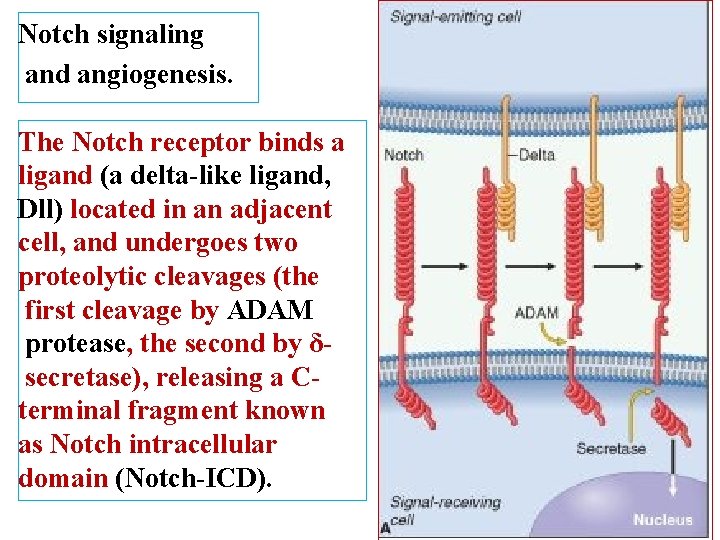
Notch signaling and angiogenesis. The Notch receptor binds a ligand (a delta-like ligand, Dll) located in an adjacent cell, and undergoes two proteolytic cleavages (the first cleavage by ADAM protease, the second by δsecretase), releasing a Cterminal fragment known as Notch intracellular domain (Notch-ICD).
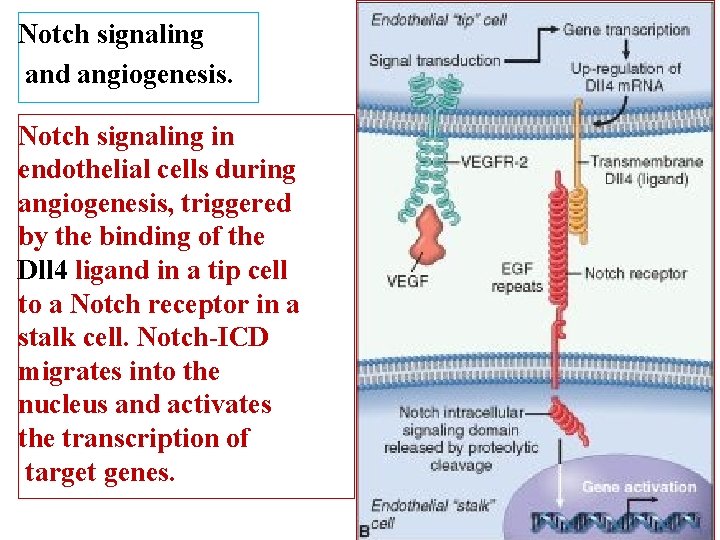
Notch signaling and angiogenesis. Notch signaling in endothelial cells during angiogenesis, triggered by the binding of the Dll 4 ligand in a tip cell to a Notch receptor in a stalk cell. Notch-ICD migrates into the nucleus and activates the transcription of target genes.
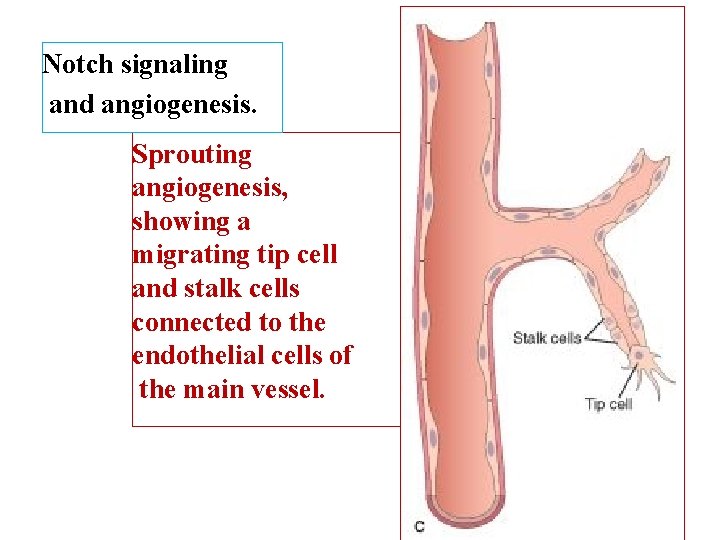
Notch signaling and angiogenesis. Sprouting angiogenesis, showing a migrating tip cell and stalk cells connected to the endothelial cells of the main vessel.
Mechanisms of Tissue and Organ Regeneration LIVER REGENERATION In humans, resection of approximately 60% of the liver in living donors results in the doubling of the liver remnant in about one month. The portions of the liver that remain after partial hepatectomy constitute an intact “mini-liver” that rapidly expands and reaches the mass of the original liver.
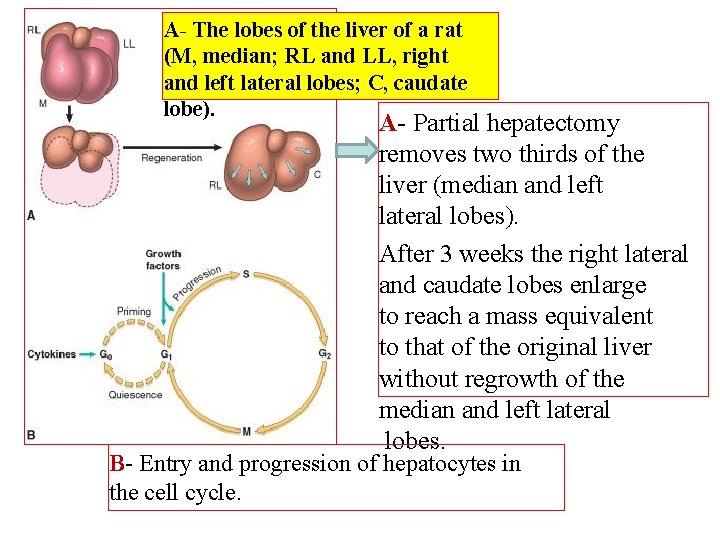
A- The lobes of the liver of a rat (M, median; RL and LL, right and left lateral lobes; C, caudate lobe). A- Partial hepatectomy removes two thirds of the liver (median and left lateral lobes). After 3 weeks the right lateral and caudate lobes enlarge to reach a mass equivalent to that of the original liver without regrowth of the median and left lateral lobes. B- Entry and progression of hepatocytes in the cell cycle.
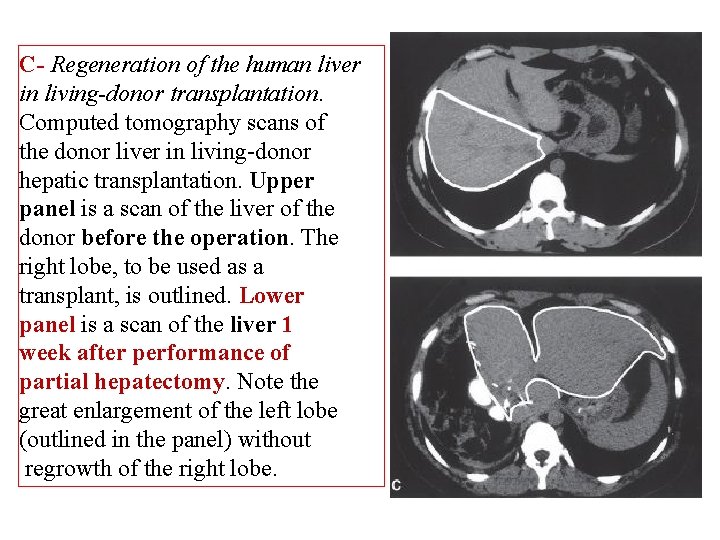
C- Regeneration of the human liver in living-donor transplantation. Computed tomography scans of the donor liver in living-donor hepatic transplantation. Upper panel is a scan of the liver of the donor before the operation. The right lobe, to be used as a transplant, is outlined. Lower panel is a scan of the liver 1 week after performance of partial hepatectomy. Note the great enlargement of the left lobe (outlined in the panel) without regrowth of the right lobe.
Restoration of liver mass is achieved without the regrowth of the lobes that were resected at the operation. Instead, growth occurs by enlargement of the lobes that remain after the operation, a process known as compensatory growth or compensatory hyperplasia. Almost all hepatocytes replicate during liver regeneration after partial hepatectomy. Because hepatocytes are quiescent cells, it takes them several hours to enter the cell cycle, progress through G 1, and reach the S phase of DNA replication. The wave of hepatocyte replication is synchronized and is followed by synchronous replication of nonparenchymal cells (Kupffer cells, endothelial cells, and stellate cells).
There is substantial evidence that hepatocyte proliferation in the regenerating liver is triggered by the combined actions of cytokines and polypeptide growth factors. With the exception of the autocrine activity of TGF-α, hepatocyte replication is strictly dependent on paracrine effects of growth factors and cytokines such as HGF and IL-6 produced by hepatic nonparenchymal cells. There are two major restriction points for hepatocyte replication: the G 0/G 1 transition that bring quiescent hepatocytes into the cell cycle, and the G 1/S transition needed for passage through the late G 1 restriction point.
Gene expression in the regenerating liver proceeds in phases, starting with the immediate early gene response, which is a transient response that corresponds to the G 0/G 1 transition. More than 70 genes are activated during this response, including the proto-oncogenes c. FOS and c-JUN, whose products dimerize to form the transcription factor AP-1; c-MYC, which encodes a transcription factor that activates many different genes; and other transcription factors, such as NF-κB (nuclear factor kappa-light-chain-enhancer of activated B cells- protein complex that controls transcription of DNA cytokine production and cell survival. ), STAT-3, and C/EBP (CCAAT-enhancer-binding proteins is a family of transcription factors).
Quiescent hepatocytes become competent to enter the cell cycle through a priming phase that is mostly mediated by the cytokines TNF and IL-6, and components of the complement system. Norepinephrine, serotonin, insulin, thyroid and growth hormone, act as adjuvants for liver regeneration, facilitating the entry of hepatocytes into the cell cycle. Individual hepatocytes replicate once or twice during regeneration and then return to quiescence in a strictly regulated sequence of events, but the mechanisms of growth cessation have not been established.
Growth inhibitors, such as TGF-β and activins, may be involved in terminating hepatocyte replication, but there is no clear understanding of their mode of action. Intrahepatic stem or progenitor cells do not play a role in the compensatory growth that occurs after partial hepatectomy, and there is no evidence for hepatocyte generation from bone marrow– derived cells during this process. However, endothelial cells and other nonparenchymal cells in the regenerating liver may originate from bone marrow precursors.
Extracellular Matrix and Cell-Matrix Interactions Tissue repair and regeneration depend not only on the activity of soluble factors, but also on interactions between cells and the components of the extracellular matrix (ECM). The ECM regulates the growth, proliferation, movement, and differentiation of the cells living within it. It is constantly remodeling, and its synthesis and degradation accompanies morphogenesis, regeneration, wound healing, chronic fibrotic processes, tumor invasion, and metastasis.
Its various functions include: 1 - Mechanical support for cell anchorage and cell migration, and maintenance of cell polarity. 2 - Control of cell growth. 3 - Maintenance of cell differentiation. 4 - Scaffolding for tissue renewal. 5 - Establishment of tissue microenvironments. 6 - Storage and presentation of regulatory molecules.
The ECM is composed of three groups of macromolecules: fibrous structural proteins, such as collagens and elastins that provide tensile strength and recoil; adhesive glycoproteins that connect the matrix elements to one another and to cells; and proteoglycans and hyaluronan that provide resilience and lubrication.
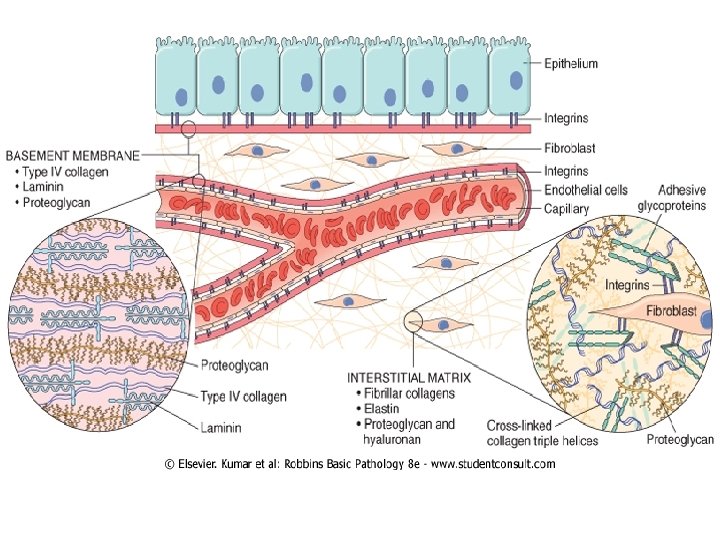
These molecules assemble to form two basic forms of ECM: interstitial matrix and basement membranes. The interstitial matrix is found in spaces between epithelial, endothelial, and smooth muscle cells, as well as in connective tissue. It consists mostly of fibrillar and nonfibrillar collagen, elastin, fibronectin, proteoglycans, and hyaluronan. Basement membranes are closely associated with cell surfaces, and consist of nonfibrillar collagen (mostly type IV), laminin, heparin sulfate, and proteoglycans.
COLLAGEN Collagen is the most common protein in the animal world, providing the extracellular framework for all multicellular organisms. Currently, 27 different types of collagens encoded by 41 genes dispersed on at least 14 chromosomes are known. Each collagen is composed of three chains that form a trimer in the shape of a triple helix. The polypeptide is characterized by a repeating sequence in which glycine is in every third position (Gly-X-Y, in which X and Y can be any amino acid other than cysteine or tryptophan), and it contains the specialized amino acids 4 -hydroxyproline and
Types I, III and V, and XI are the fibrillar collagens, in which the triple-helical domain is uninterrupted for more than 1000 residues; these proteins are found in extracellular fibrillar structures. Type IV collagens have long but interrupted triplehelical domains and form sheets instead of fibrils; (the main components of the basement membrane, together with laminin). Another collagen with a long interrupted triple-helical domain (type VII) forms the anchoring fibrils between some epithelial and mesenchymal structures, such as epidermis and dermis.
The messenger RNAs transcribed from fibrillar collagen genes are translated into pre-pro-α chains that assemble in a type-specific manner into trimers. Hydroxylation of proline and lysine residues and lysine glycosylation occur during translation. Three chains of a particular collagen type assemble to form the triple helix
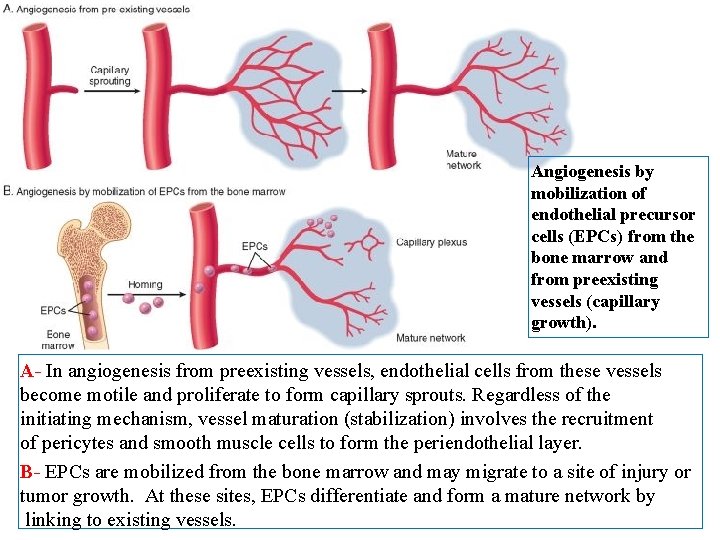
Angiogenesis by mobilization of endothelial precursor cells (EPCs) from the bone marrow and from preexisting vessels (capillary growth). A- In angiogenesis from preexisting vessels, endothelial cells from these vessels become motile and proliferate to form capillary sprouts. Regardless of the initiating mechanism, vessel maturation (stabilization) involves the recruitment of pericytes and smooth muscle cells to form the periendothelial layer. B- EPCs are mobilized from the bone marrow and may migrate to a site of injury or tumor growth. At these sites, EPCs differentiate and form a mature network by linking to existing vessels.
Procollagen is secreted from the cell and cleaved by proteases to form the basic unit of the fibrils. Collagen fibril formation is associated with the oxidation of lysine and hydroxylysine residues by the extracellular enzyme lysyl oxidase. This results in cross-linking between the chains of adjacent molecules, which stabilizes the array, and is a major contributor to the tensile strength of collagen. Vitamin C is required for the hydroxylation of procollagen, a requirement that explains the inadequate wound healing in scurvy. Genetic defects in collagen production cause many inherited syndromes (e. g. osteogenesis imperfecta)
ELASTIN, FIBRILLIN, AND ELASTIC FIBERS After physical stress, the ability of tissue to recoil (compliance) & return to a baseline structure is conferred by elastic tissue, especially in the walls of large BV (e. g aorta, which must accommodate recurrent pulsatile blood flow), uterus, skin, & ligaments. Microscopically elastic fibers consist of (a) a central core of elastin protein, surrounded by (b) a mesh like network of fibrillin glycoprotein, scaffold, for the deposition of elastin & assembly of elastic fibers; defect in the fibrillin synthesis lead to weakened aortic walls & skeletal abnormalities (Marfan syndrome).
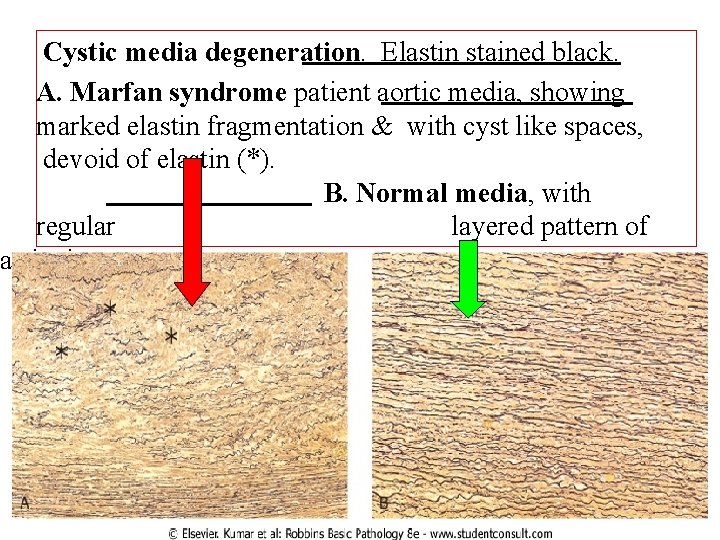
Cystic media degeneration. Elastin stained black. A. Marfan syndrome patient aortic media, showing marked elastin fragmentation & with cyst like spaces, devoid of elastin (*). B. Normal media, with regular layered pattern of lastic tissue.
CELL ADHESION PROTEINS Most adhesion proteins, also called CAMs (cell adhesion molecules), can be classified into four main families: immunoglobulin family CAMs, cadherins, integrins, and selectins. These proteins function as transmembrane receptors but are sometimes stored in the cytoplasm. Integrins bind to ECM proteins such as fibronectin, laminin, and osteopontin providing a connection between cells and ECM, and also to adhesive proteins in other cells, establishing cell-to-cell contact.
Fibronectin is a large protein that binds to many molecules, such as collagen, fibrin, proteoglycans, and cell surface receptors. It consists of two glycoprotein chains, held together by disulfide bonds. Fibronectin messenger RNA has two splice forms, giving rise to tissue fibronectin and plasma fibronectin. Laminin is the most abundant glycoprotein in the basement membrane and has binding domains for both ECM and cell surface receptors. In the basement membrane, polymers of laminin and collagen type IV form tightly bound networks. Laminin can also mediate the attachment of cells to connective tissue substrates.
Cadherins and integrins link the cell surface with the cytoskeleton through binding to actin and intermediate filaments, providing a mechanism for the transmission of mechanical force and the activation of intracellular signal transduction pathways that respond to these forces. The cytoskeletal proteins that co-localize with integrins at the cell focal adhesion complex include talin, vinculin, and paxillin. The integrin-cytoskeleton complexes function as activated receptors and trigger a number of signal transduction pathways, including the MAP (Mitogen-activated protein) kinase, PKC (Protein kinase C), and PI 3 K (phosphatidylinositol-3 -kinases) pathways, which are also activated by growth factors.
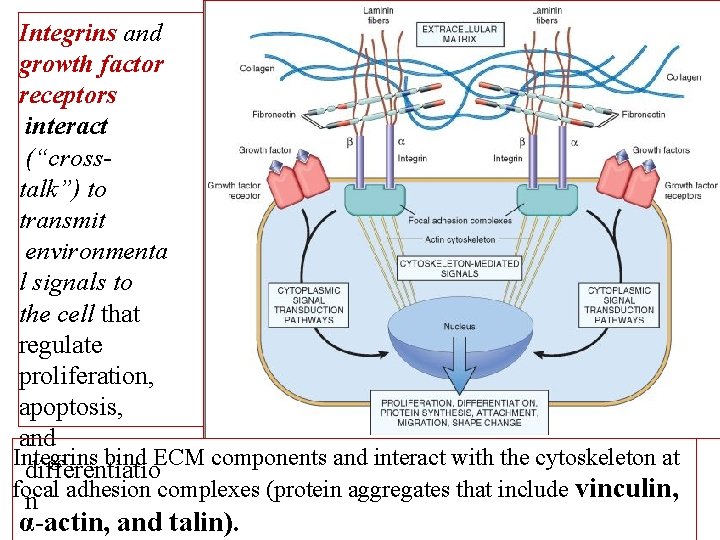
Integrins and growth factor receptors interact (“crosstalk”) to transmit environmenta l signals to the cell that regulate proliferation, apoptosis, and Integrins bind ECM components and interact with the cytoskeleton at differentiatio focal adhesion complexes (protein aggregates that include vinculin, n α-actin, and talin).
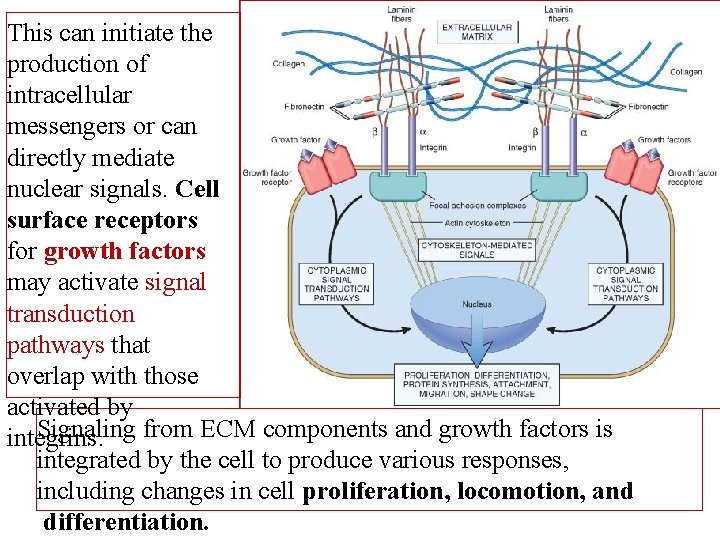
This can initiate the production of intracellular messengers or can directly mediate nuclear signals. Cell surface receptors for growth factors may activate signal transduction pathways that overlap with those activated by Signaling from ECM components and growth factors is integrins. integrated by the cell to produce various responses, including changes in cell proliferation, locomotion, and differentiation.
cadherin (“calcium-dependent adherence protein): ” This family contains almost 90 members, which participate in interactions between cells of the same type, forming two types of cell junctions called (1) zonula adherens, small, spot-like junctions located near the apical surface of epithelial cells, and (2) desmosomes, stronger and more extensive junctions, present in epithelial and muscle cells.
Cell-to-cell interactions mediated by cadherins and catenins play a major role in regulating cell motility, proliferation, and differentiation and account for the inhibition of cell proliferation that occurs when cultured normal cells contact each other (“contact inhibition”). Diminished function of E-cadherin contributes to certain forms of breast and gastric cancer.
(1) SPARC (secreted protein acidic and rich in cysteine), also known as osteonectin, contributes to tissue remodeling in response to injury and functions as an angiogenesis inhibitor; (2) the thrombospondins, a family of large multifunctional proteins, some of which, similar to SPARC, also inhibit angiogenesis; (3) osteopontin (OPN) is a glycoprotein that regulates calcification, is a mediator of leukocyte migration involved in inflammation, vascular remodeling, and fibrosis in various organs; and (4) the tenascin family, which consist of large multimeric proteins involved in morphogenesis and cell adhesion.
Glycosaminoglycans (GAGS) and Proteoglycans GAGs consist of long repeating polymers of specific disaccharides. With the exception of hyaluronan, GAGs are linked to a core protein, forming molecules called proteoglycans. At most sites, ECM may contain several different core proteins, each containing different GAGs. Proteoglycans were originally described as ground substances or mucopolysaccharides, whose main function was to organize the ECM, but it is now recognized that these molecules have diverse roles in regulating connective tissue structure and permeability.
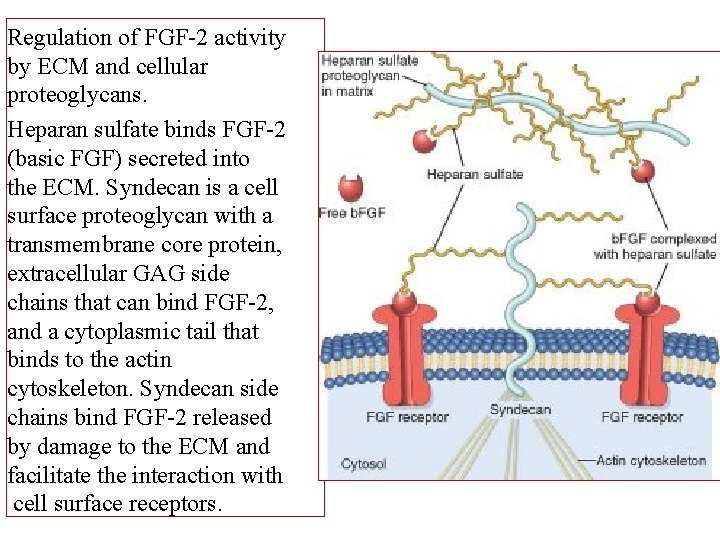
Regulation of FGF-2 activity by ECM and cellular proteoglycans. Heparan sulfate binds FGF-2 (basic FGF) secreted into the ECM. Syndecan is a cell surface proteoglycan with a transmembrane core protein, extracellular GAG side chains that can bind FGF-2, and a cytoplasmic tail that binds to the actin cytoskeleton. Syndecan side chains bind FGF-2 released by damage to the ECM and facilitate the interaction with cell surface receptors.
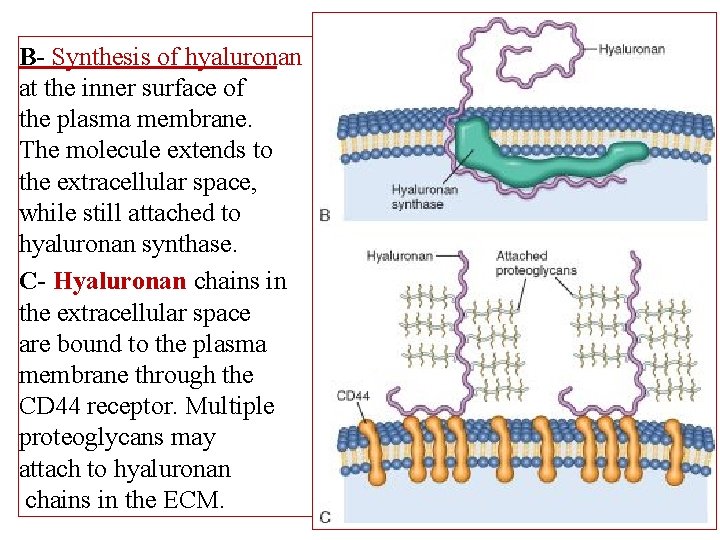
B- Synthesis of hyaluronan at the inner surface of the plasma membrane. The molecule extends to the extracellular space, while still attached to hyaluronan synthase. C- Hyaluronan chains in the extracellular space are bound to the plasma membrane through the CD 44 receptor. Multiple proteoglycans may attach to hyaluronan chains in the ECM.
Proteoglycans can be integral membrane proteins and, through their binding to other proteins and the activation of growth factors and chemokines, act as modulators of inflammation, immune responses, and cell growth and differentiation. There are four structurally distinct families of GAGs: heparan sulfate, chondroitin/dermatan sulfate, keratan sulfate (are synthesized and assembled in the Golgi apparatus and rough endoplasmic reticulum), and hyaluronan (HA) (is produced at the plasma membrane by enzymes called hyaluronan synthases and is not linked to a protein backbone).
HA is a polysaccharide of the GAG family found in the ECM of many tissues and is abundant in heart valves, skin and skeletal tissues, synovial fluid, the vitreous of the eye, and the umbilical cord. It is a huge molecule that consists of many repeats of a simple disaccharide stretched end-to-end. It binds a large amount of water (about 1000 -fold its own weight), forming a viscous hydrated gel that gives connective tissue the ability to resist compression forces, and helps provide lubrication to many types of connective tissue (cartilage in joints). Its concentration increases in inflammatory diseases such as rheumatoid arthritis, scleroderma, psoriasis, and osteoarthritis.
Enzymes called hyaluronidases fragment HA into lower molecular weight molecules (LMW HA) that have different functions than the parent molecule. 1 - LMW HA produced by endothelial cells binds to the CD 44 receptor on leukocytes, promoting the recruitment of leukocytes to the sites of inflammation. 2 - LMW HA molecules stimulate the production of inflammatory cytokines and chemokines by white cells recruited to the sites of injury.
Healing by Repair, Scar Formation and Fibrosis If tissue injury is severe or chronic, and results in damage of both parenchymal cells and the stromal framework of the tissue, healing can not be accomplished by regeneration. Under these conditions, the main healing process is repair by deposition of collagen and other ECM components, causing the formation of a scar. Repair is a fibroproliferative response that “patches” rather than restores the tissue. The term scar is most often used in connection to wound healing in the skin, but is also used to describe the replacement of parenchymal cells in any tissue by collagen, as in the heart after myocardial infarction.
Repair by connective tissue deposition includes the following basic features: 1 - Inflammation. 2 - Angiogenesis. 3 - Migration and proliferation of fibroblasts. 4 - Scar formation. 5 - Connective tissue remodeling.
In most healing processes, a combination of repair and regeneration occurs. The relative contributions of repair and regeneration are influenced by: (1) The proliferative capacity of the cells of the tissue; (2) The integrity of the extracellular matrix; and he resolution or chronicity of the injury and inflammation.
Mechanisms of Angiogenesis is a fundamental process that affects physiologic reactions (e. g. wound healing, regeneration, the vascularization of ischemic tissues, and menstruation), and pathologic processes, such as tumor development and metastasis, diabetic retinopathy, and chronic inflammation.
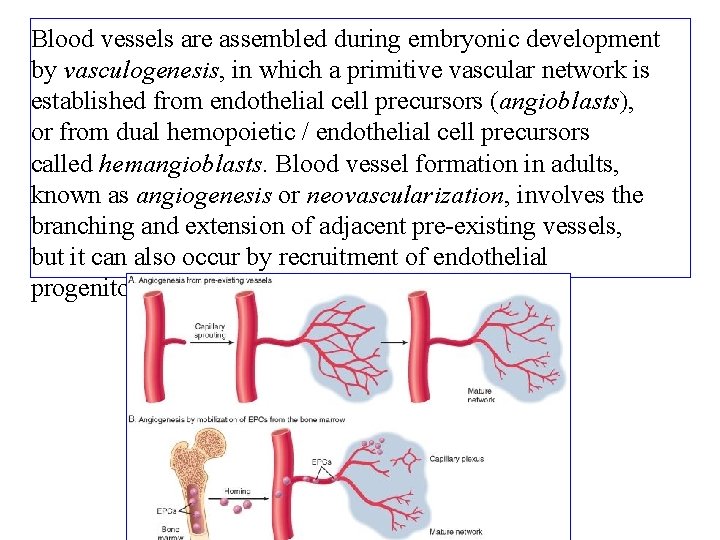
Blood vessels are assembled during embryonic development by vasculogenesis, in which a primitive vascular network is established from endothelial cell precursors (angioblasts), or from dual hemopoietic / endothelial cell precursors called hemangioblasts. Blood vessel formation in adults, known as angiogenesis or neovascularization, involves the branching and extension of adjacent pre-existing vessels, but it can also occur by recruitment of endothelial progenitor cells (EPCs) from the bone marrow
Angiogenesis from Preexisting Vessels. 1 -Vasodilation in response to nitric oxide, and VEGF-induced increased permeability of the preexisting vessel. 2 - Proteolytic degradation of the basement membrane of the parent vessel by matrix metalloproteinases (MMPs) and disruption of cell-to-cell contact between endothelial cells by plasminogen activator. 3 - Migration of endothelial cells toward the angiogenic stimulus. 4 - Proliferation of endothelial cells, just behind the leading front of migrating cells. 5 - Maturation of endothelial cells, which includes inhibition of growth and remodeling into capillary tubes. 6 - Recruitment of periendothelial cells (pericytes and vascular smooth muscle cells) to form the mature vessel.
Angiogenesis from Endothelial Precursor Cells (EPCs). The nature of the homing mechanism is uncertain. These cells express some markers of hematopoietic stem cells as well as VEGFR-2, and vascular endothelial– cadherin (VE cadherin). EPCs may contribute to the re-endothelization of vascular implants and the neovascularization of ischemic organs, cutaneous wounds, and tumors.
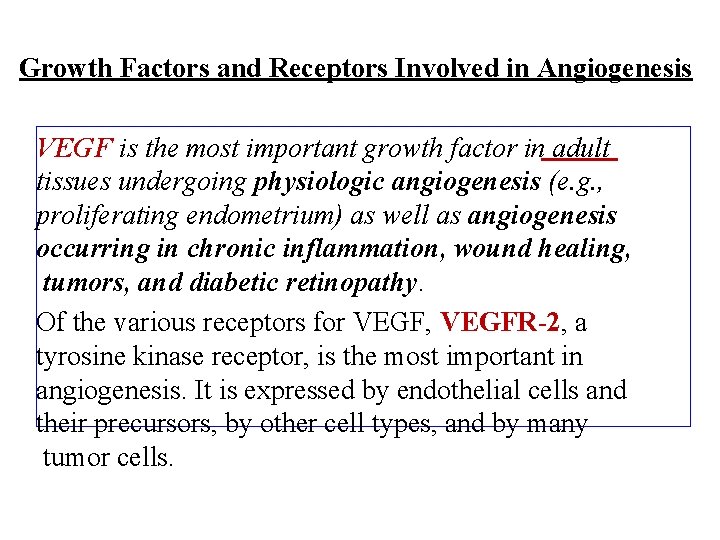
Growth Factors and Receptors Involved in Angiogenesis VEGF is the most important growth factor in adult tissues undergoing physiologic angiogenesis (e. g. , proliferating endometrium) as well as angiogenesis occurring in chronic inflammation, wound healing, tumors, and diabetic retinopathy. Of the various receptors for VEGF, VEGFR-2, a tyrosine kinase receptor, is the most important in angiogenesis. It is expressed by endothelial cells and their precursors, by other cell types, and by many tumor cells.
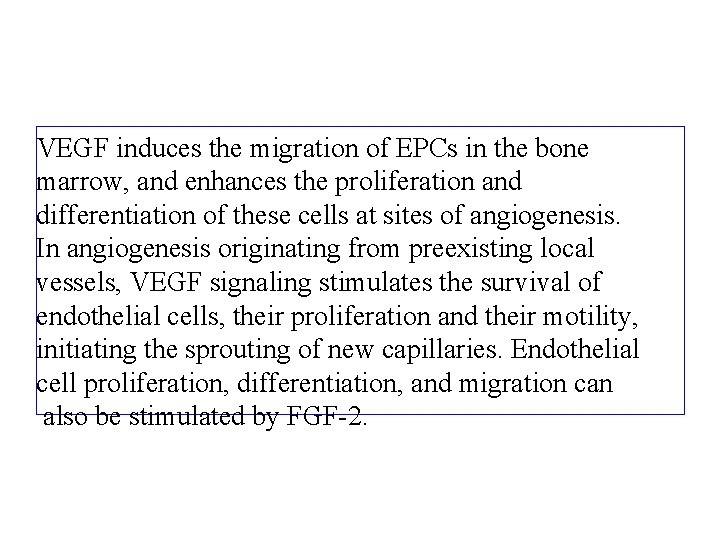
VEGF induces the migration of EPCs in the bone marrow, and enhances the proliferation and differentiation of these cells at sites of angiogenesis. In angiogenesis originating from preexisting local vessels, VEGF signaling stimulates the survival of endothelial cells, their proliferation and their motility, initiating the sprouting of new capillaries. Endothelial cell proliferation, differentiation, and migration can also be stimulated by FGF-2.
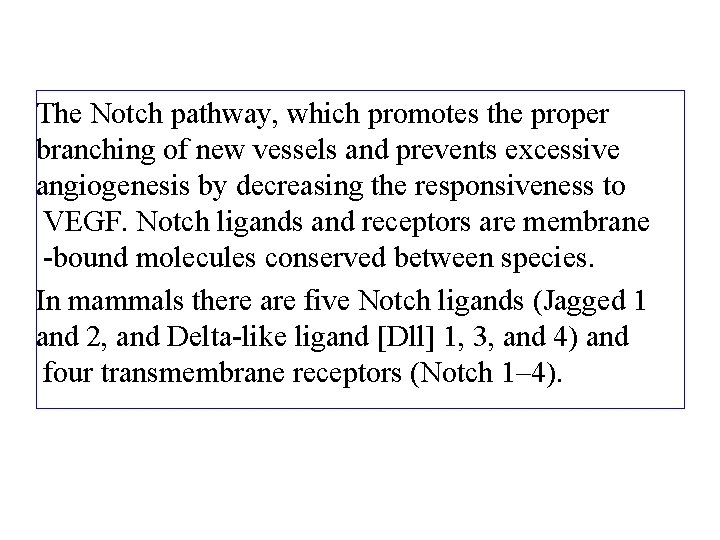
The Notch pathway, which promotes the proper branching of new vessels and prevents excessive angiogenesis by decreasing the responsiveness to VEGF. Notch ligands and receptors are membrane -bound molecules conserved between species. In mammals there are five Notch ligands (Jagged 1 and 2, and Delta-like ligand [Dll] 1, 3, and 4) and four transmembrane receptors (Notch 1– 4).
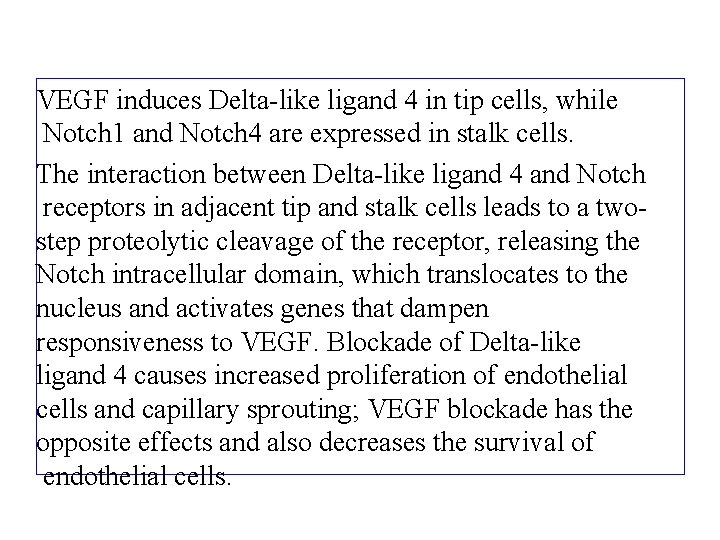
VEGF induces Delta-like ligand 4 in tip cells, while Notch 1 and Notch 4 are expressed in stalk cells. The interaction between Delta-like ligand 4 and Notch receptors in adjacent tip and stalk cells leads to a twostep proteolytic cleavage of the receptor, releasing the Notch intracellular domain, which translocates to the nucleus and activates genes that dampen responsiveness to VEGF. Blockade of Delta-like ligand 4 causes increased proliferation of endothelial cells and capillary sprouting; VEGF blockade has the opposite effects and also decreases the survival of endothelial cells.
Newly formed vessels are fragile and need to become “stabilized. ” Stabilization requires the recruitment of pericytes and smooth muscle cells (periendothelial cells) and the deposition of ECM proteins. Angiopoietins 1 and 2 (Ang 1 and Ang 2), PDGF, and TGF-β participate in the stabilization process. Ang 1 interacts with a receptor on endothelial cells called Tie 2 to recruit periendothelial cells. PDGF participates in the recruitment of smooth muscle cells, while TGF-β stabilizes newly formed vessels by enhancing the production of ECM proteins.
Agents or conditions that stimulate VEGF expression, such as certain cytokines and growth factors (e. g. , TGF-β, PDGF, TGF-α), and notably, tissue hypoxia, can influence physiologic and pathologic angiogenesis. VEGF transcription is regulated by the transcription factor HIF, which is induced by hypoxia.
ECM Proteins as Regulators of Angiogenesis A key component of angiogenesis is the motility and directed migration of endothelial cells, which are controlled by several classes of proteins, including: (1) integrins, especially αvβ 3, which is critical for the formation and maintenance of newly formed blood vessels, (2) matri-cellular proteins, including thrombospondin 1, SPARC, and tenascin C, which destabilize cell-matrix interactions and therefore promote angiogenesis, and (3) proteinases, such as the plasminogen activators and MMPs, which are important in tissue remodeling during endothelial invasion.
Proteinases can also release inhibitors such as endostatin, a small fragment of collagen that inhibits endothelial proliferation and angiogenesis. αVβ 3 Integrin expression in endothelial cells is stimulated by hypoxia and has multiple effects on angiogenesis: it interacts with a metalloproteinase (MMP-2), it binds to and regulates the activity of VEGFR-2, and it mediates adhesion to ECM components such as fibronectin, thrombospondin, and OPN.
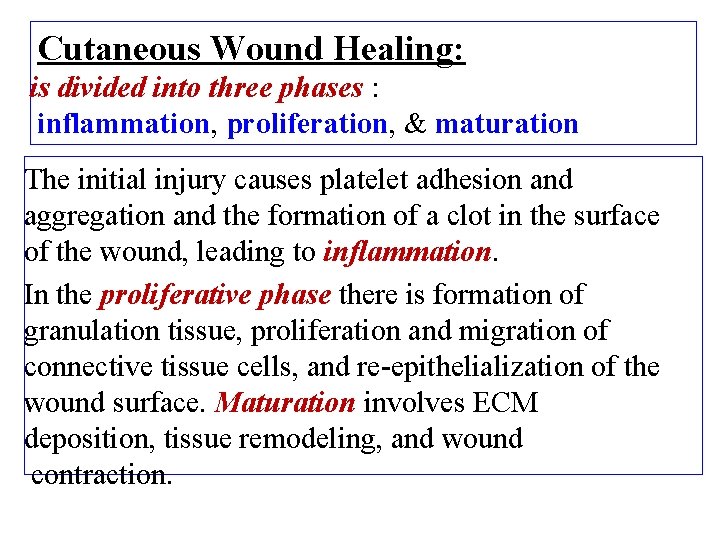
Cutaneous Wound Healing: is divided into three phases : inflammation, proliferation, & maturation The initial injury causes platelet adhesion and aggregation and the formation of a clot in the surface of the wound, leading to inflammation. In the proliferative phase there is formation of granulation tissue, proliferation and migration of connective tissue cells, and re-epithelialization of the wound surface. Maturation involves ECM deposition, tissue remodeling, and wound contraction.
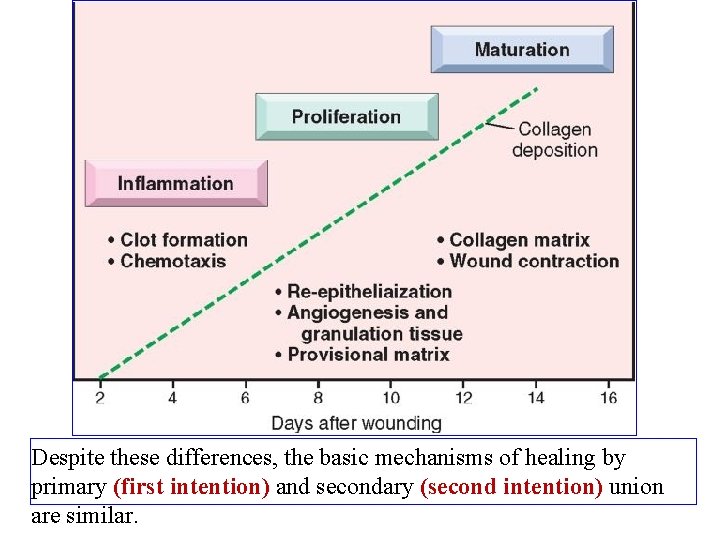
Despite these differences, the basic mechanisms of healing by primary (first intention) and secondary (second intention) union are similar.
Healing by First Intention One of the simplest examples of wound repair is the healing of a clean, uninfected surgical incision approximated by surgical sutures. This is referred to as primary union or healing by first intention. The incision causes only focal disruption (loss of continuity) of epithelial BM & death of relatively few epithelial & connective tissue cells. As a result, epithelial regeneration predominates over fibrosis. A small scar is formed , but there is minimal wound contraction. The narrow incisional space first fills with fibrin-clotted blood, which is rapidly invaded by granulation tissue & covered by new epithelium.
Within 24 hours: neutrophils are seen at the incision margin, migrating toward the fibrin clot. Basal cells at the cut edge of the epidermis begin to exhibit mitotic activity. Within 24 to 48 hours: epithelial cells from both edges have begun to migrate & proliferate along the dermis, depositing BM components as they progress. The cells meet in the midline beneath the surface scab, yielding a thin but continuous epithelial layer.
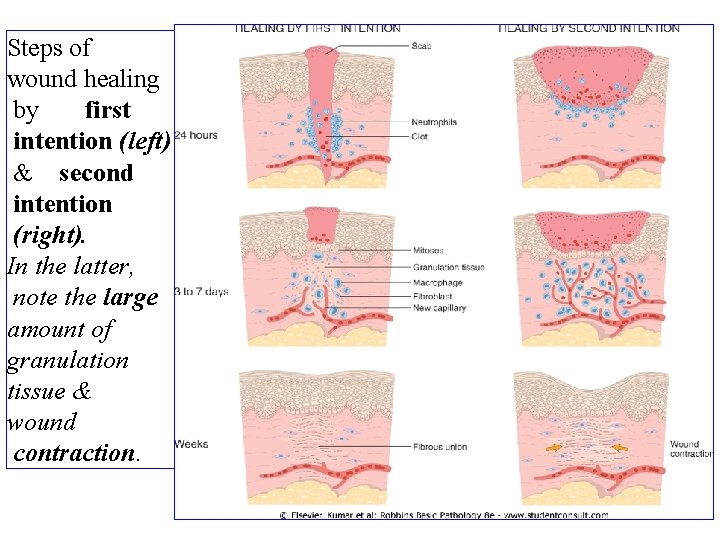
Steps of wound healing by first intention (left) & second intention (right). In the latter, note the large amount of granulation tissue & wound contraction.
By day 3: neutrophils have been largely replaced by macrophages, & granulation tissue progressively the incision space. Collagen fibers are now evident at the incision margins, but these are vertically oriented & do not bridge the incision. Epithelial cell proliferation continues, kened epidermal covering layer. By day 5: angiogenesis reaches its peak as granulation tissue fills the incisional space & Collagen fibrils become more abundant & begin to bridge the incision. The epidermis recovers its normal thickness as differentiation of surface cells yields a mature
During the second week: There is continued collagen accumulation & fibroblasts proliferation. The WBC infiltrate, edema, & the increased vascularity are substantially diminished. The long process of "blanching“ (pallor) begins, accomplished by: increased collagen deposition within the incisional scar & the regression of vascular channels. By the end of the first month, the scar comprises acellular connective tissue, devoid of inflammatory cells and covered by an essentially normal epidermis. However, the dermal appendages (hair follicles, sweat & sebaceous glands) which are destroyed in the line of
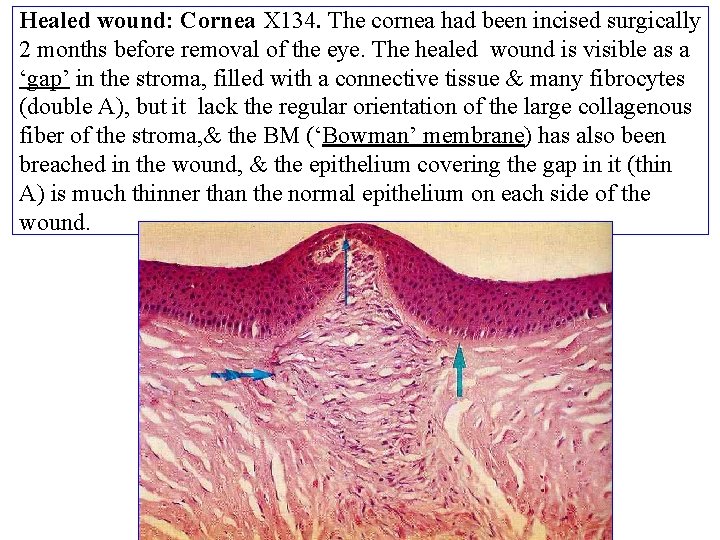
Healed wound: Cornea X 134. The cornea had been incised surgically 2 months before removal of the eye. The healed wound is visible as a ‘gap’ in the stroma, filled with a connective tissue & many fibrocytes (double A), but it lack the regular orientation of the large collagenous fiber of the stroma, & the BM (‘Bowman’ membrane) has also been breached in the wound, & the epithelium covering the gap in it (thin A) is much thinner than the normal epithelium on each side of the wound.
Healing by Secondary Intention When cell or tissue loss is more extensive, as in Infarction, Abscess, Ulcer, or Large wound, the reparative process is more complex. The regeneration of parenchymal cells alone cannot restore the original architecture, therefore, there is an extensive ingrowth of granulation tissue from the wound margins, followed by ECM accumulation & scarring. This is called secondary union or healing by second intention.
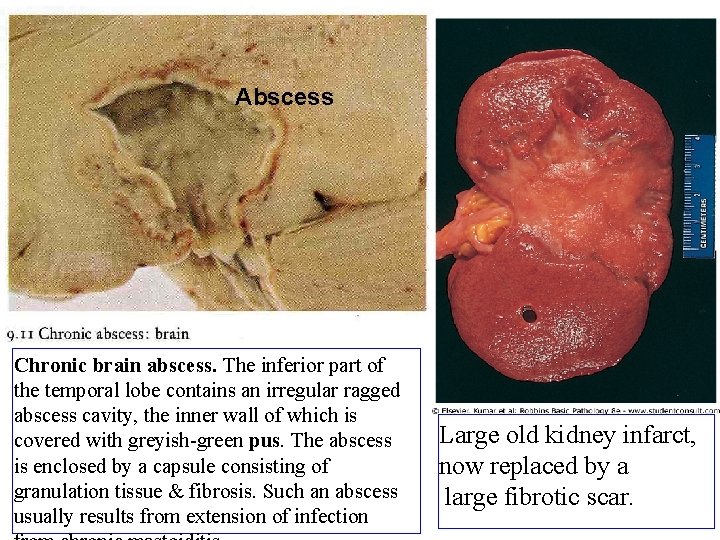
Abscess Chronic brain abscess. The inferior part of the temporal lobe contains an irregular ragged abscess cavity, the inner wall of which is covered with greyish-green pus. The abscess is enclosed by a capsule consisting of granulation tissue & fibrosis. Such an abscess usually results from extension of infection Large old kidney infarct, now replaced by a large fibrotic scar.
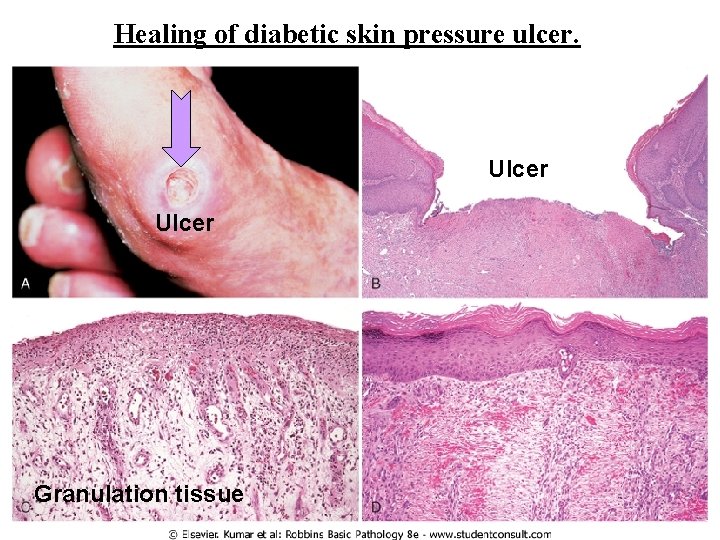
Healing of diabetic skin pressure ulcer. Ulcer Granulation tissue
Secondary union Differs from the primary in several aspects: (I) Large tissue defects, means a greater volume of necrotic debris + exudate + fibrin that must be removed & more intense inflammatory reaction needed, with greater potential for secondary inflammation-mediated (a) release of lysosomal enzymes into ECM causing cell ion, or (b) activated WBC release of ROS & AA metabolic products, both of which are capable of causing tissue damage.
(II) Much larger amounts of granulation tissue are formed. Larger defects require greater volume of granulation tissue to: he gaps in the stromal architecture & (2) Provide the underlying framework for the regrowth of tissue epithelium. A greater volume of granulation tissue results in a greater mass of scar tissue. (III) Wound contraction. Secondary healing exhibits the phenomenon of wound contraction, e. g within 6 weeks, large skin defects may be reduced to 5%-10% of their original size by contraction. This process is due to the presence of myofibroblasts, a modified fibroblasts exhibiting many of the ultrastructural & functional features of contractile SMCs.
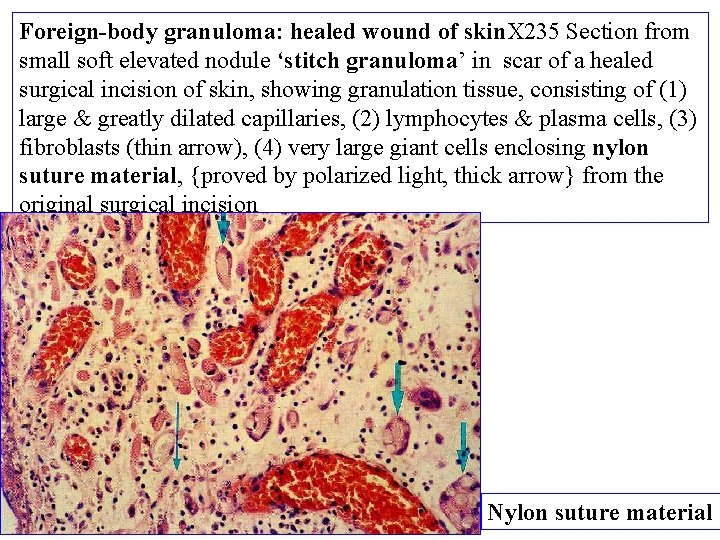
Foreign-body granuloma: healed wound of skin. X 235 Section from small soft elevated nodule ‘stitch granuloma’ in scar of a healed surgical incision of skin, showing granulation tissue, consisting of (1) large & greatly dilated capillaries, (2) lymphocytes & plasma cells, (3) fibroblasts (thin arrow), (4) very large giant cells enclosing nylon suture material, {proved by polarized light, thick arrow} from the original surgical incision Nylon suture material
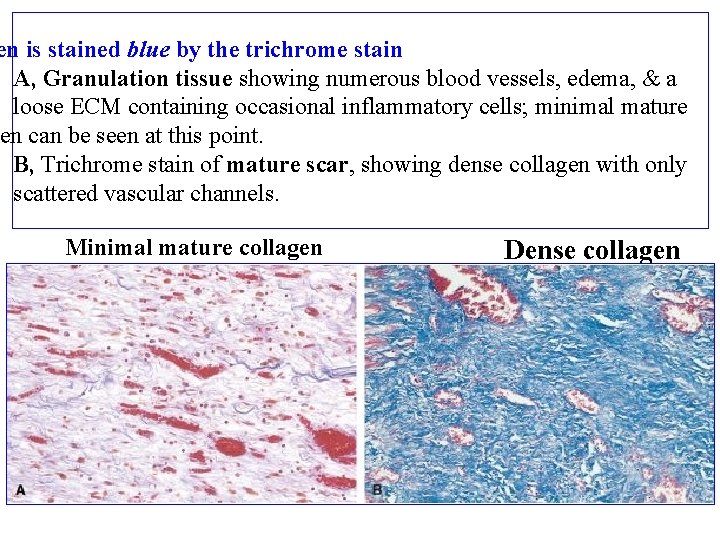
en is stained blue by the trichrome stain A, Granulation tissue showing numerous blood vessels, edema, & a loose ECM containing occasional inflammatory cells; minimal mature en can be seen at this point. B, Trichrome stain of mature scar, showing dense collagen with only scattered vascular channels. Minimal mature collagen Dense collagen
Wound Strength Carefully sutured wounds have approximately 70% of the strength of unwounded skin, largely because of the placement of the sutures. When sutures removed after one week, wound strength is approximately 10% of that of unwounded skin, but this increases rapidly during the next 4 weeks. y of tensile strength results from: (1) Collagen synthesis exceeding degradation during the first 2 months, (2) structural modifications of collagen (e. g. crosslinking & fiber size) when synthesis declines later. Wound strength reaches 70% to 80% of normal by 3 months, but usually does not improve beyond that point.
Pathologic Aspects of Repair In wound healing, normal cell growth & fibrosis may be altered by a variety of factors, frequently reducing the quality or adequacy of the reparative process: Delay in wound healing may be caused by the following: 1. Infection: is the single most important cause of delay in healing, by prolonging the inflammation phase of the process, & potentially ↑ the local tissue injury. 2. Nutrition: has profound effects on wound healing, for example: protein deficiency & especially, vitamin C deficiency, inhibit collagen synthesis & retard healing.
3. Glucocorticoids (steroids): have well-documented anti -inflammatory effects, & their administration may result in poor wound strength owing to diminished fibrosis. In some instances, however, the antiinflammatory effects of glucocorticoids are desirable, e. g in corneal infections, glucocorticoids are some times prescribed (along with antibiotics) to reduce the likelihood of opacity that may result from collagen deposition.
4. Mechanical factors such as increased local pressure or torsion, may cause wounds to pull apart (separate), or dehisce (e. g abdominal wound dehiscence after lapratomy). 5. Poor blood perfusion, due either to (a) atherosclerosis (which reduce arterial blood supply), or (b) to obstructed venous drainage, e. g varicose veins, both impairs healing. 6. Foreign bodies such as fragments of steel (eg gunshot), glass, wood, or even bone, impede (delay) ng.
The type & the volume of tissue injured are a critical factors in healing: Complete regeneration can occur only in tissues composed of labile & stable cells; even then, extensive injury will likely result in incomplete tissue regeneration & at least partial loss of function. Injury to tissue composed of permanent cells must inevitably result in scarring with at most, attempts at functional compensation by the remaining viable elements. (e. g. healing of a MI).
The location is also important, e. g in extensive fibrinous inflammation of tissue spaces (pleural, pericardial, peritoneal, subarachnoid & synovial cavities), the repair may occur by: Digestion of the exudate, initiated by the proteolytic enzymes of the WBC & resorption of the liquefied exudate, resulting in resolution, & in the absence of cellular necrosis, the normal tissue architecture is However, in larger accumulations, which cannot be digested rally restored. completely, the exudate undergoes organization, with granulation tissue growing into the exudate, & followed ultimately by fibrous scar & adhesions
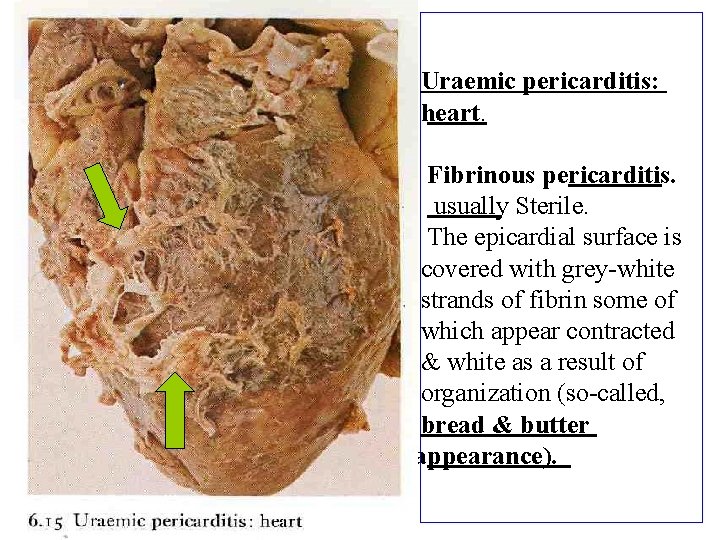
Uraemic pericarditis: heart. Fibrinous pericarditis. usually Sterile. The epicardial surface is covered with grey-white strands of fibrin some of which appear contracted & white as a result of organization (so-called, bread & butter appearance).
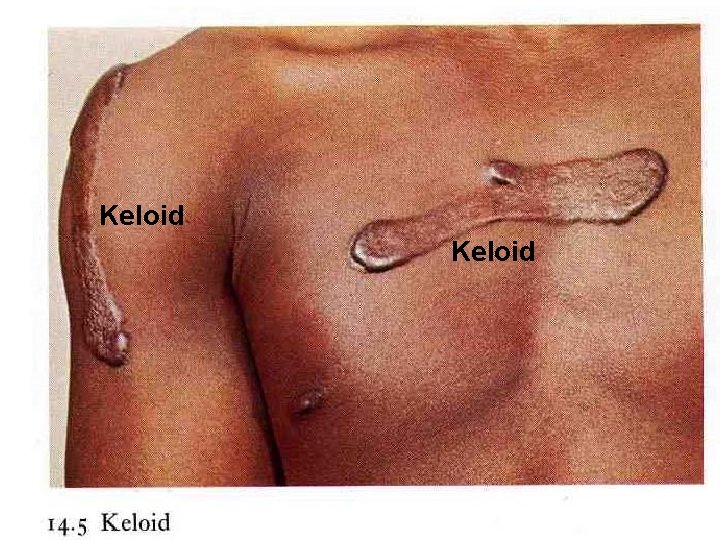
Aberrations (abnormalities) of cell growth & ECM production may occur even in what begins as normal wound healing, e. g. , the accumulation of excessive amounts of collagen can give rise to prominent, raised scars known as Keloids, more commonly seen in blacks. Healing wounds may also generate excessive granulation tissue that protrudes above the level of the surrounding skin & in fact, hinders (prevent) re-epithelialization. This is called exuberant granulation, or proud flesh. Thus, restoration of epithelial continuity requires cautery (burning) electrical, or chemical, or surgical resection of the granulation tissue.
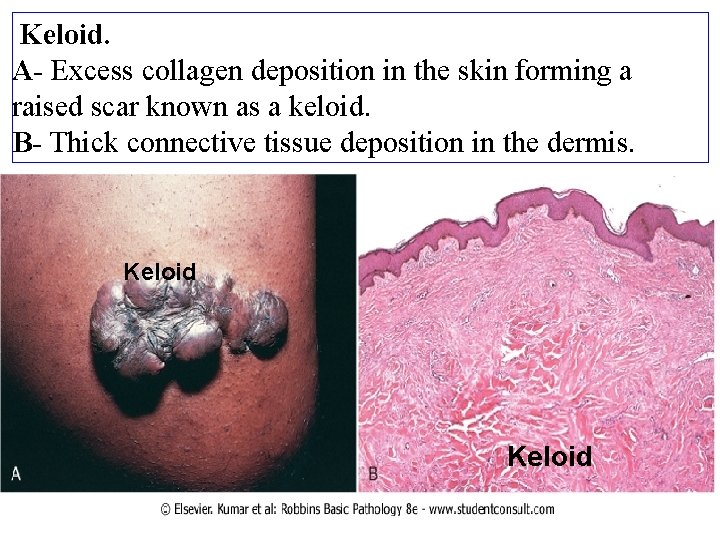
Keloid. A- Excess collagen deposition in the skin forming a raised scar known as a keloid. B- Thick connective tissue deposition in the dermis. Keloid
Keloid
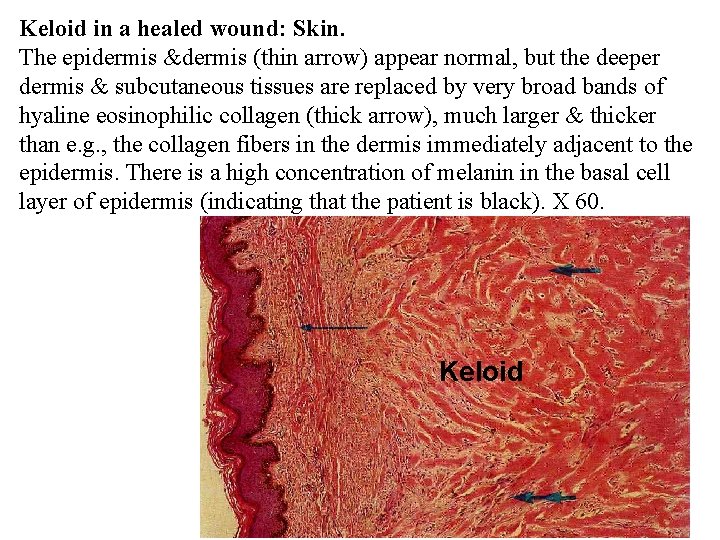
Keloid in a healed wound: Skin. The epidermis &dermis (thin arrow) appear normal, but the deeper dermis & subcutaneous tissues are replaced by very broad bands of hyaline eosinophilic collagen (thick arrow), much larger & thicker than e. g. , the collagen fibers in the dermis immediately adjacent to the epidermis. There is a high concentration of melanin in the basal cell layer of epidermis (indicating that the patient is black). X 60. Keloid
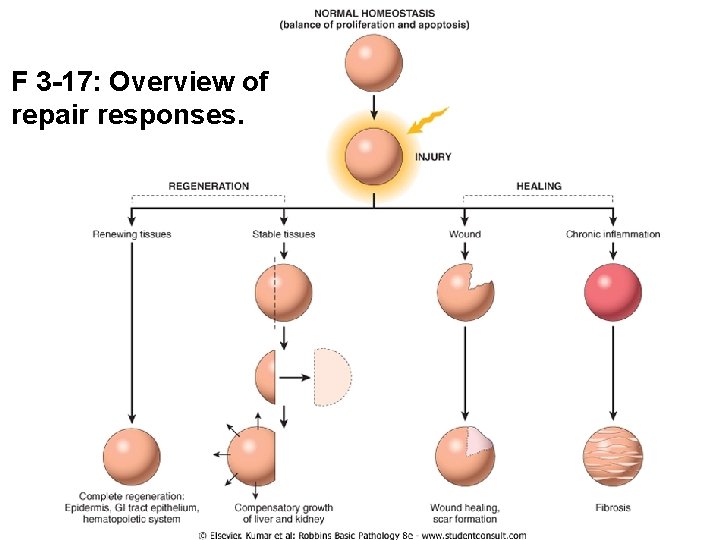
F 3 -17: Overview of repair responses.
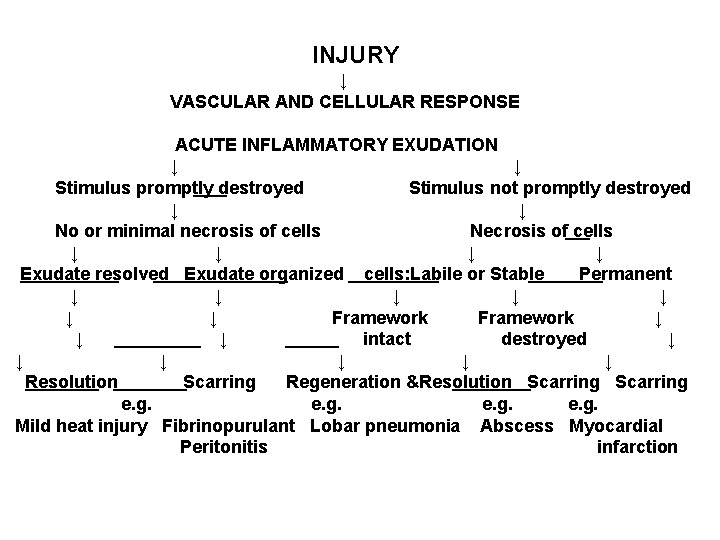
INJURY ↓ VASCULAR AND CELLULAR RESPONSE ACUTE INFLAMMATORY EXUDATION ↓ ↓ Stimulus promptly destroyed Stimulus not promptly destroyed ↓ ↓ No or minimal necrosis of cells Necrosis of cells ↓ ↓ Exudate resolved Exudate organized cells: Labile or Stable Permanent ↓ ↓ ↓ ↓ Framework ↓ ↓ ↓ intact destroyed ↓ ↓ ↓ Resolution Scarring Regeneration &Resolution Scarring. e. g. Mild heat injury Fibrinopurulant Lobar pneumonia Abscess Myocardial Peritonitis infarction
The mechanisms underlying the disabling fibrosis associated with chronic inflammatory diseases such as: rheumatoid arthritis (RA), pulmonary fibrosis, & liver cirrhosis are essentially identical to those that are involved in normal wound healing However, in these diseases, persistent stimulation of Fibrogenesis results from chronic immune/autoimmune reactions that sustain (maintain) the synthesis & secretion of 3 GFs (PDGF, TGF-β, FGF-2 basic), fibrogenic cytokines (IL-1&TNF), and ases. For example, collagen degradation by collagenases, normally important in wound remodeling, is responsible for much of the joint destruction seen in RA.
Remember: Extensive regeneration, or compensatory hyperplasia can occur only if the residual tissue is structurally & functionally intact, as after partial surgical resection. By contrast, if the tissue is damaged by infection or inflammation, regeneration is incomplete & is accompanied by scarring.
- Slides: 156