
Chapter 3 The Remarkable Body Power Point Lectures
Chapter 3: The Remarkable Body Power. Point Lectures for Nutrition: Concepts and Controversies, eleventh edition Frances Sizer and Ellie Whitney Lectures by Judy Kaufman, Ph. D. Copyright © 2008 Thomson Wadsworth Publishing
Introduction Many human genes are ancient Not suited for a modern processed foods diet
The Body’s Cells need: – Energy – Oxygen – Nutrients (essential) – Water
The Workings of the Genes Gene – Structural proteins – Enzymes
The Workings of the Genes Gene variation (mutation) – E. g. Phenylketonuria Genes and nutrients interact
Cells, Tissues, Organs, Systems Cells tissues Tissues organs Organs body systems
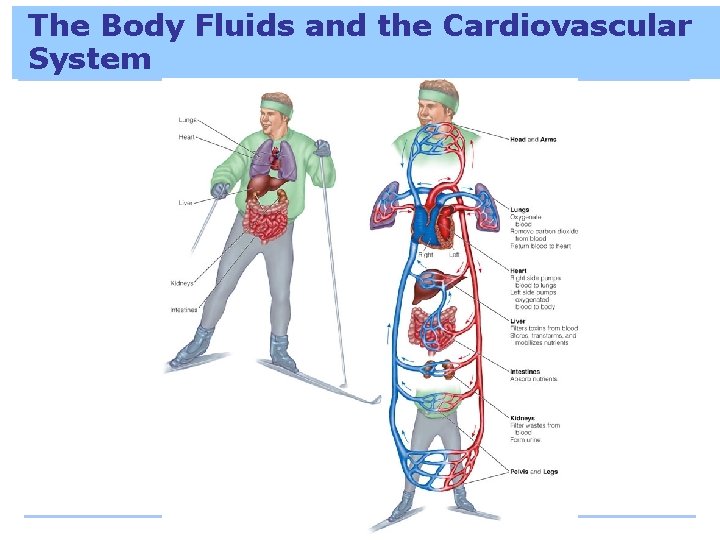
The Body Fluids and the Cardiovascular System
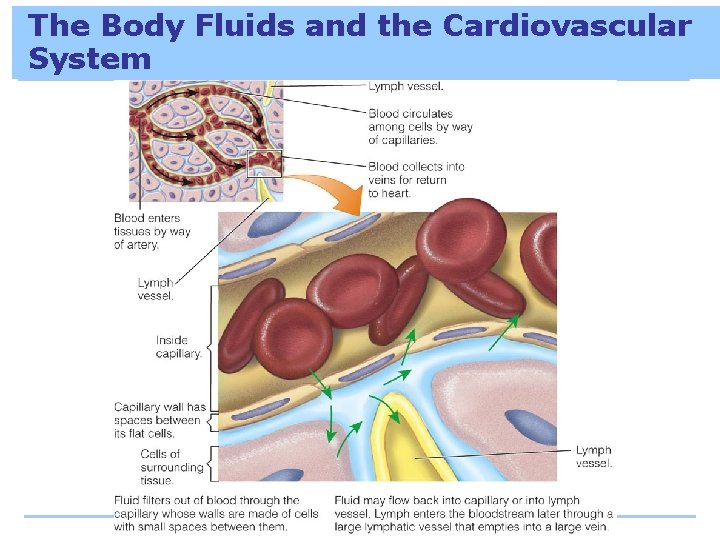
The Body Fluids and the Cardiovascular System
The Body Fluids and the Cardiovascular System Blood and lymph – Deliver nutrients, remove wastes Blood – Delivers oxygen
The Hormonal And Nervous Systems Hormones = chemical messengers Communicate changing conditions that demand responses
What Do Hormones Have To Do With Nutrition? Glands Hormones affect nutrition by: – Regulating hunger and affecting appetite – Carrying messages to digestive system – Regulating blood glucose levels
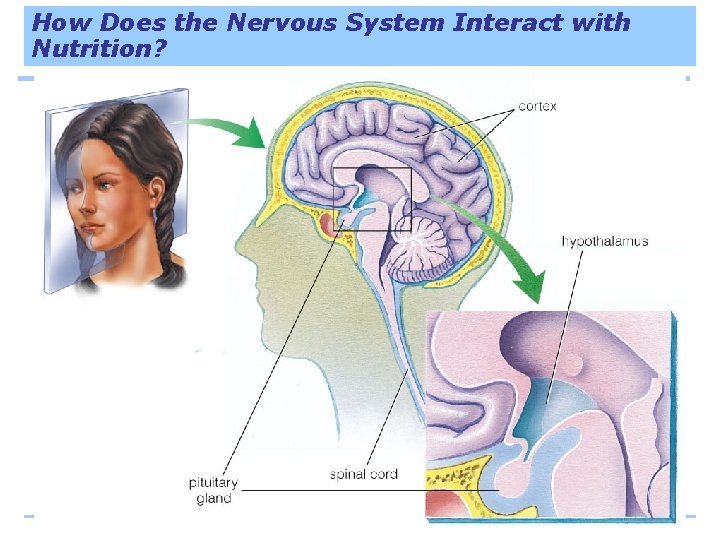
How Does the Nervous System Interact with Nutrition?
How Does the Nervous System Interact with Nutrition? Nervous system’s role is coordinated by the brain – Cortex – Hypothalamus Fight-or-flight reaction (stress response)
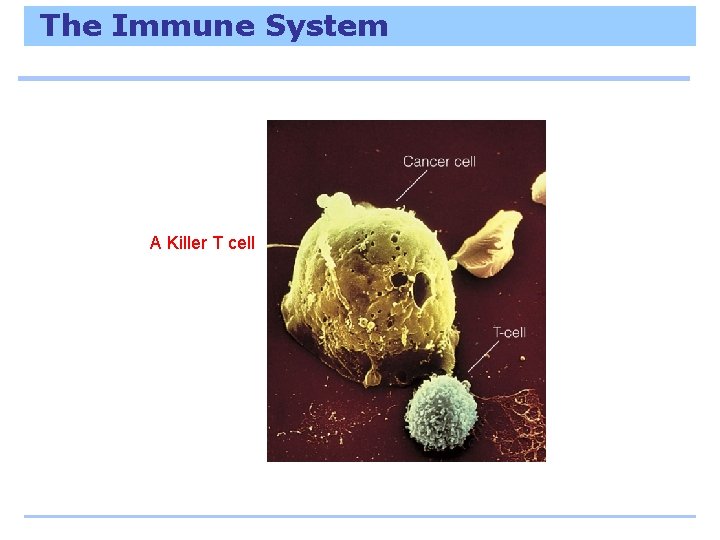
The Immune System A Killer T cell
The Immune System Defense against infection – White blood cells • Phagocytes • Lymphocytes – B cell – T cells
The Digestive System Taste buds guide you in judging whether foods are acceptable – Sweet – Sour – Bitter – Salty – Savory or umami
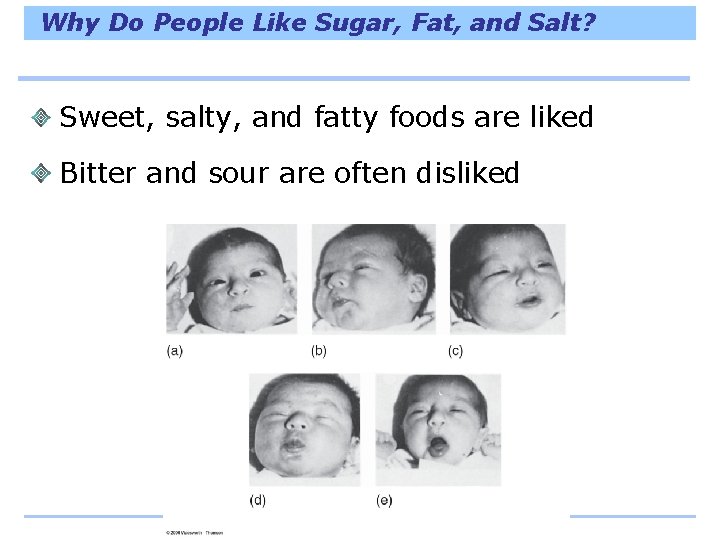
Why Do People Like Sugar, Fat, and Salt? Sweet, salty, and fatty foods are liked Bitter and sour are often disliked
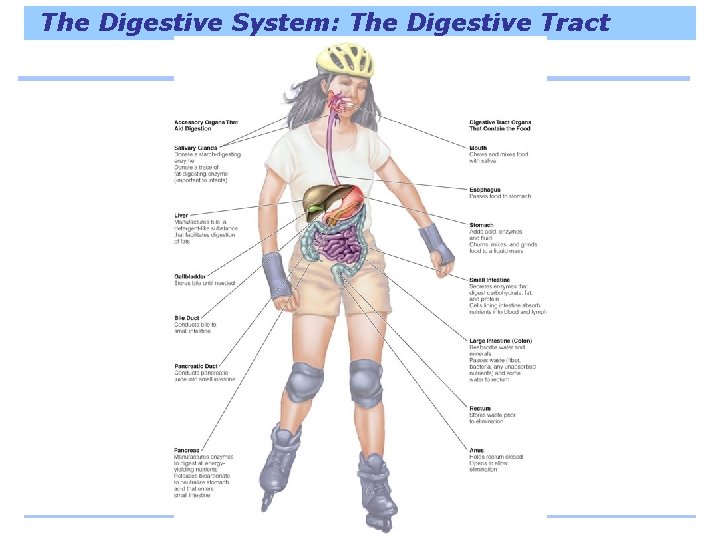
The Digestive System: The Digestive Tract
The Mechanical Aspect of Digestion Mouth - chewing – Saliva moistens food Stomach and intestines liquefy foods – Peristalsis
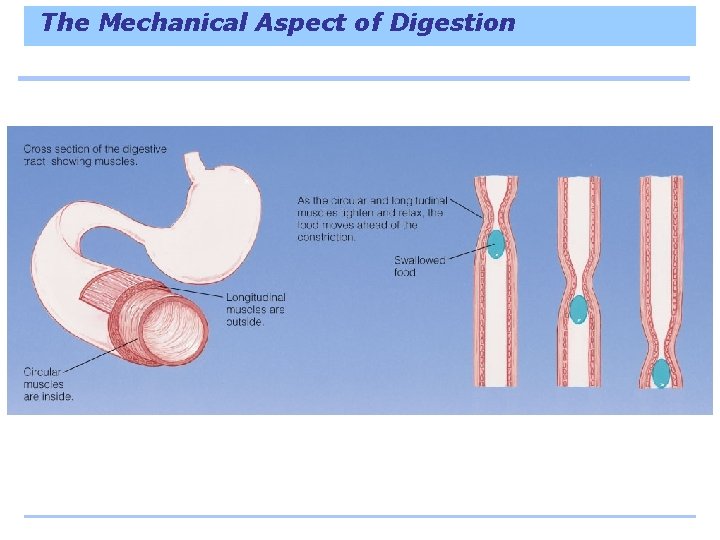
The Mechanical Aspect of Digestion

The Mechanical Aspect of Digestion
The Mechanical Aspect of Digestion Pyloric valve controls the exit of the chyme from stomach to small intestine Small intestine contracts to move contents to large intestine (colon).

The Mechanical Aspect of Digestion Colon’s main roles: – Reabsorb water – Absorb minerals Rectum – stores feces until excretion
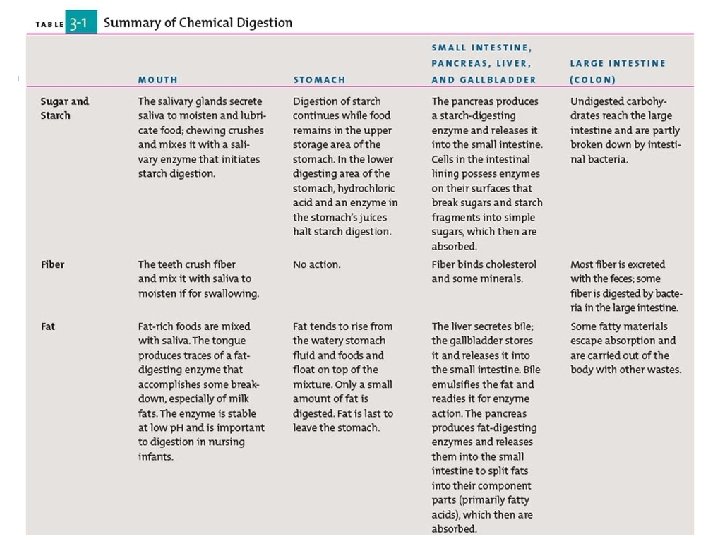
The Chemical Aspect of Digestion Produce enzymes: – Salivary glands – Stomach – Pancreas – Liver – Small intestine

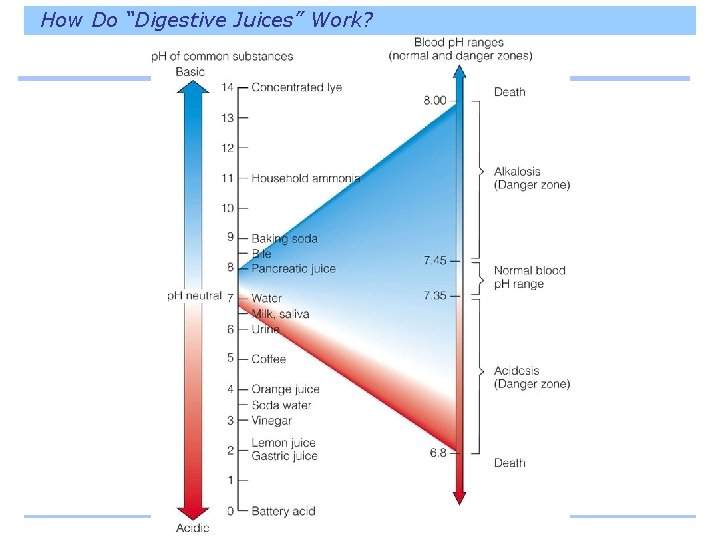
How Do “Digestive Juices” Work? Mouth – Saliva - enzymes - starch & a little fat Stomach – Gastric juice - enzymes & HCl - protein
How Do “Digestive Juices” Work?
Question? ? Why aren’t the stomach lining cells digested along with food?
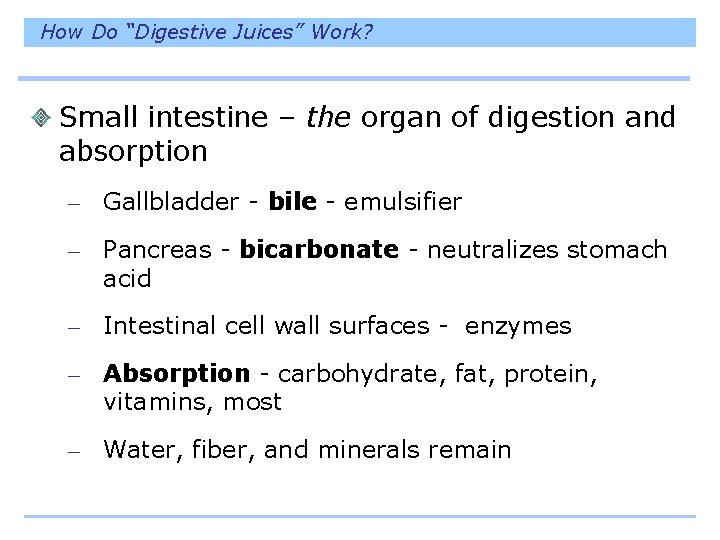
How Do “Digestive Juices” Work? Small intestine – the organ of digestion and absorption – Gallbladder - bile - emulsifier – Pancreas - bicarbonate - neutralizes stomach acid – Intestinal cell wall surfaces - enzymes – Absorption - carbohydrate, fat, protein, vitamins, most – Water, fiber, and minerals remain
How Do “Digestive Juices” Work? In large intestine (colon) – some fiber is broken down - bacteria – small fat fragments released
How Do “Digestive Juices” Work?
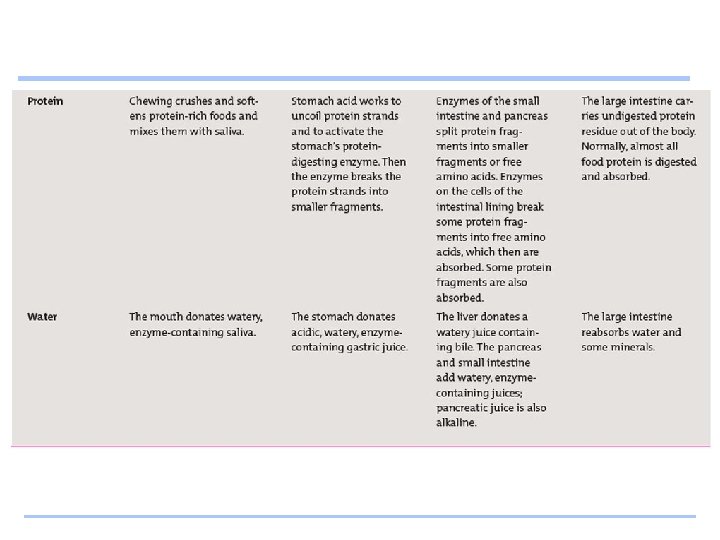
Are Some Food Combinations More Easily Digested Than Others? The digestive system adjusts All foods broken down by enzymes into basic molecules
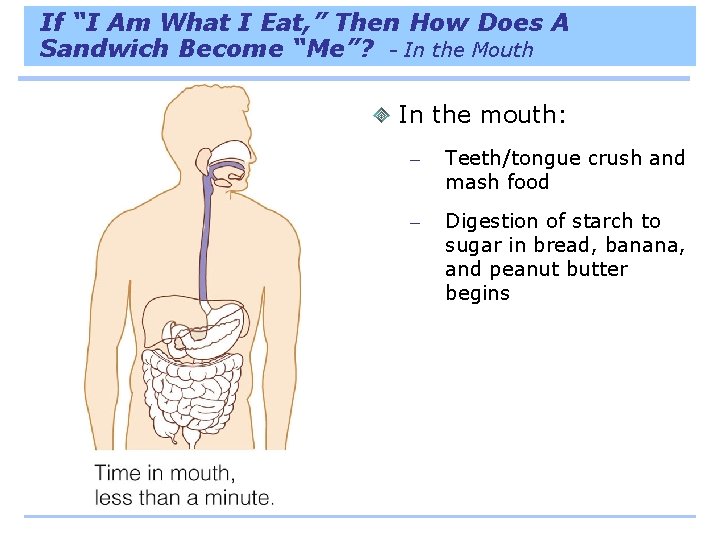
If “I Am What I Eat, ” Then How Does A Sandwich Become “Me”? - In the Mouth In the mouth: – Teeth/tongue crush and mash food – Digestion of starch to sugar in bread, banana, and peanut butter begins

In the Stomach In the stomach – Food is collected in upper storage area – Starch digestion stops in presence of gastric juices – Food enters digesting area of stomach – Proteins in bread, PB, and seeds are unwound – Enzymes clip proteins – Chyme
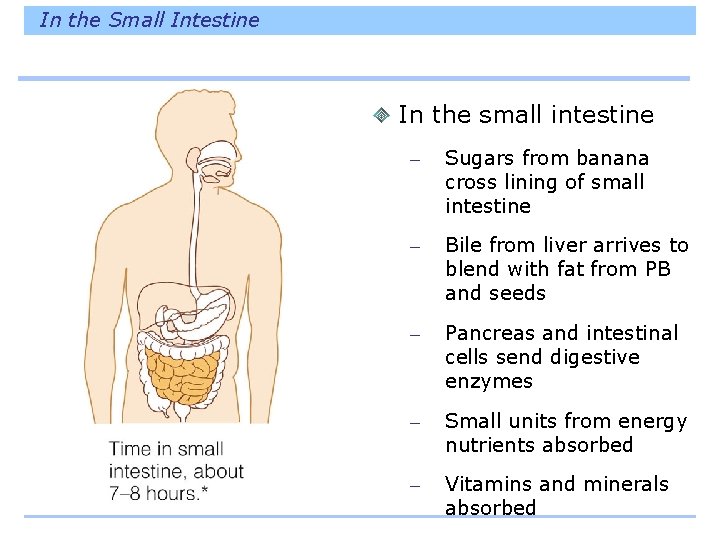
In the Small Intestine In the small intestine – Sugars from banana cross lining of small intestine – Bile from liver arrives to blend with fat from PB and seeds – Pancreas and intestinal cells send digestive enzymes – Small units from energy nutrients absorbed – Vitamins and minerals absorbed
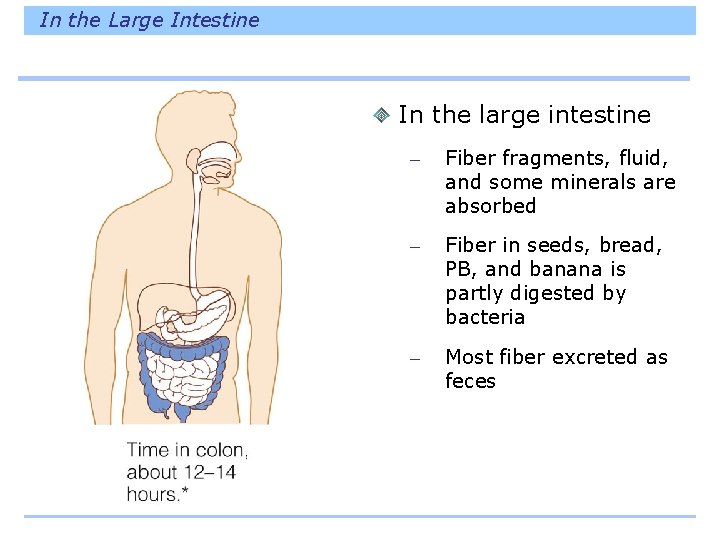
In the Large Intestine In the large intestine – Fiber fragments, fluid, and some minerals are absorbed – Fiber in seeds, bread, PB, and banana is partly digested by bacteria – Most fiber excreted as feces

Absorption and Transportation of Nutrients Villi and microvilli
Absorption and Transportation of Nutrients Lymphatic vessels - fats and a few vitamins - to blood Blood vessels - carbohydrate and protein, most vitamins and the minerals - to liver
The Excretory System Elimination of cells’ wastes – Carbon dioxide leaves via the lungs – Other wastes processed by the liver leave with feces OR – Other wastes processed by kidneys leave with urine
The Excretory System Kidneys – remove waste and water – adjust blood’s composition

Storage Systems Body’s major storage sites for nutrients are: – Liver – Muscles – Fat cells
When I Eat More Than My Body Needs, What Happens to the Extra Nutrients? Nutrients from the digestive system arrive at the liver Liver processes nutrients Excess nutrients are converted to: – Glycogen (a carbohydrate) – Fat
When I Eat More Than My Body Needs, What Happens to the Extra Nutrients? Liver glycogen Muscle glycogen Fat - stored in adipose tissue
Variations in Nutrient Stores Quantities vary – Some vitamins stored in the liver and fat – Calcium and other minerals in bones – Fat tissue
Conclusion Other body systems: – Bones – Muscles – Reproductive – Etc.
- Slides: 45