
Chapter 3 Routes of Entry and Environmental Effects
- Slides: 15
Chapter 3 Routes of Entry and Environmental Effects © 2012 Delmar, Cengage Learning
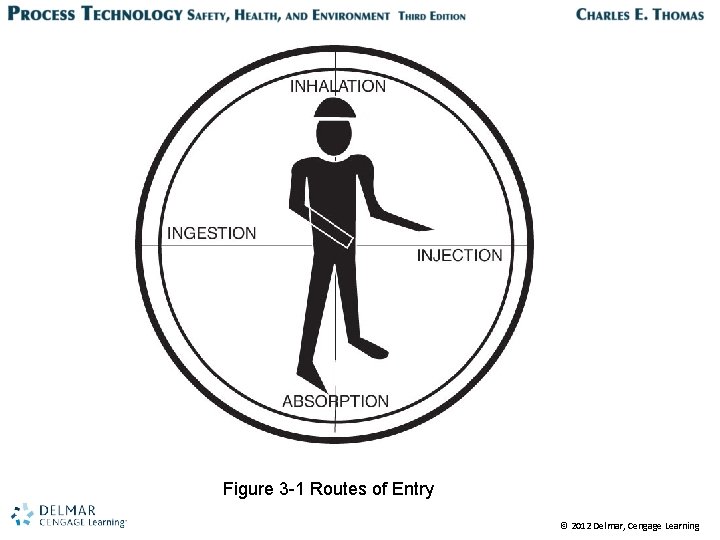
Figure 3 -1 Routes of Entry © 2012 Delmar, Cengage Learning
1. Inhalation – Airborne chemicals enter the body through the mouth or nose. It is the most common route of entry in the workplace. 2. Absorption – Can cause primary irritation, sensitization, and enter the blood. 3. Ingestion – A hazardous chemical is transmitted to food, liquid, or cigarettes and then swallowed. © 2012 Delmar, Cengage Learning
4. Injection – A toxic or hazardous material is injected into the body by a needle or sharp object, or through cuts in the skin. © 2012 Delmar, Cengage Learning
Dose-Response Relationship • Dose is defined as the amount of chemical entering or being administered to a subject. • Response is defined as the toxic effect the dose has upon the subject. © 2012 Delmar, Cengage Learning
Exxon Valdez • March 124, 1989 • The largest tanker oil release in U. S. history. • Five years after the spill oil could still be found. © 2012 Delmar, Cengage Learning
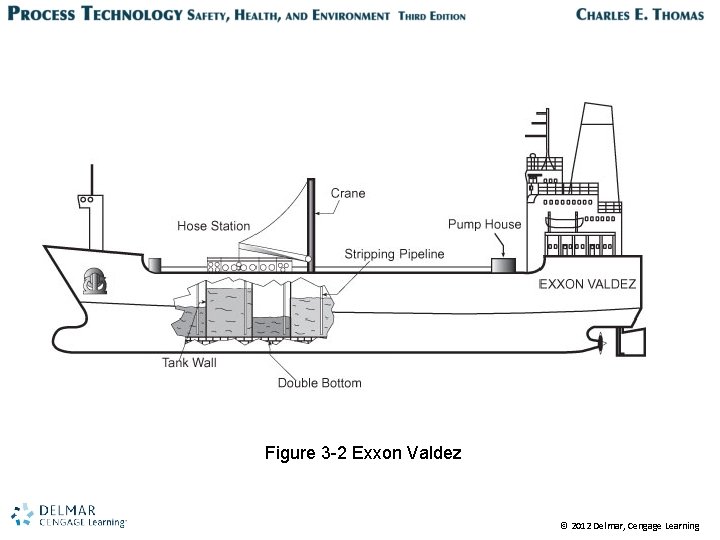
Figure 3 -2 Exxon Valdez © 2012 Delmar, Cengage Learning
Air Pollution • • • Acid rain Smog Unburned hydrocarbons Carbon monoxide Nitrogen dioxide Mercury and small particles © 2012 Delmar, Cengage Learning
Air Permitting • Permits must be obtained for any projects that have the possibility of producing air pollutants. • Permits can take 3 -8 months to complete. • Penalties range from $25, 000 a day to $250, 000 and 2 to 15 years in jail. © 2012 Delmar, Cengage Learning
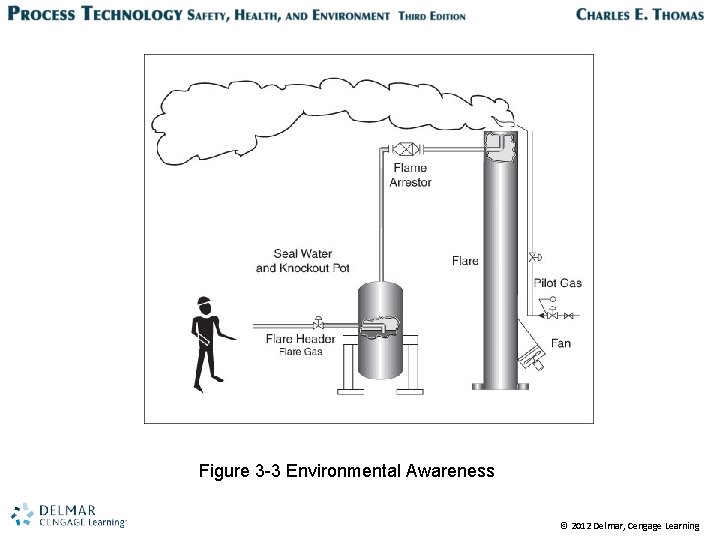
Figure 3 -3 Environmental Awareness © 2012 Delmar, Cengage Learning
Water Pollution Control The Clean Water Act regulates wastewater. Wastewater standards are applied to the following: • Process wastewater • Rainwater • Cooling water. © 2012 Delmar, Cengage Learning
Community Right –to-Know • Increases community awareness of the chemicals manufactured or used by local chemical plants and businesses, involves communities in emergency response plans, improves local emergency response planning, and identifies potential hazards. © 2012 Delmar, Cengage Learning
• CERCLA holds generators and disposers of hazardous waste liable for past practices, and established the Superfund of $1. 6 billon to pay for cleanup operations of abandoned hazardous waste sites. © 2012 Delmar, Cengage Learning
Nuclear Regulatory Commission (NRC) The NRC oversees: • Reactor security • Reactor safety • Reactor license renewal • Radioactive material safety • Spent fuel management, recycling, disposal and storage © 2012 Delmar, Cengage Learning
Pipelines • Pipelines in the U. S. are regulated by U. S. Department of Transportation. • Lines of pipe that convey liquids, gases, or finely divided solids. • Oil pipelines are made from plastic or steel with inner diameters ranging from 4 to 48 inches. • Typically buried under the ground, 3’ to 6’ deep. © 2012 Delmar, Cengage Learning