
Chapter 3 Re 1 ions p 21 Regions
- Slides: 10
Chapter 3 Re 1 ions p. 21…
Regions Defined: • it refers to an area that has its own similar characteristics… • but is different from another or neighbouring area. • Ex. Climate, vegetation, landforms, human activity etc. . • See the Island of Adanac, p. 22 (text)
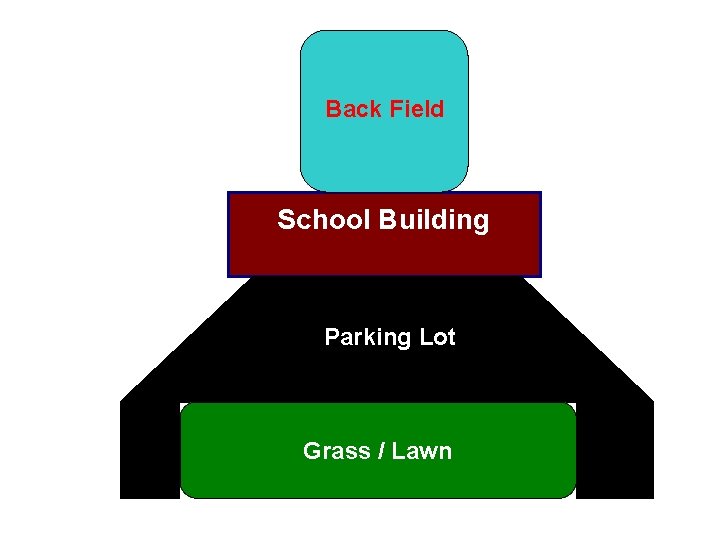
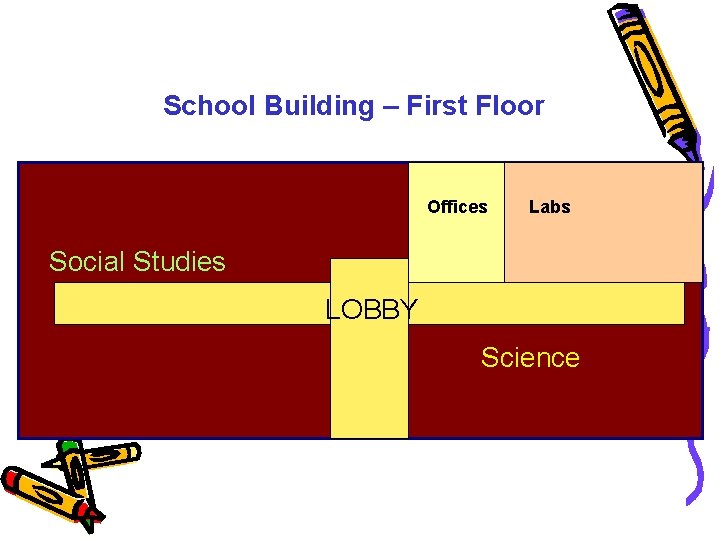
Regions • Let’s use the school and surroundings to illustrate… • Sketch a rough drawing of the school and its surroundings and label different regions as they occur. • This can also be done for inside the school.
Back Field School Building Parking Lot Grass / Lawn
School Building – First Floor Offices Labs Social Studies LOBBY Science
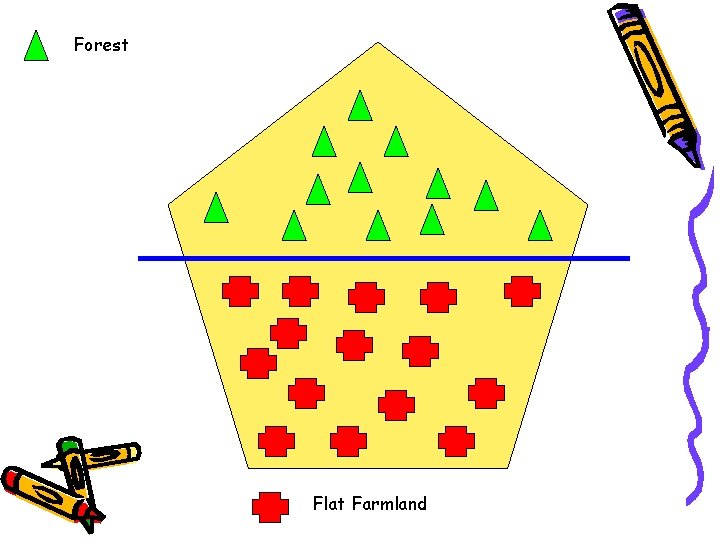
Single Factor Regions • Adanac’s regions are “single factor” regions. • Meaning that only one characteristic differentiates the regions. • In Adanac’s case, it was occupation.
Forest Flat Farmland
Multi-factor Regions • Not all regions can be classified by a single factor. • Some are determined by several factors. • Ex. The Prairies (Alberta, Saskatchewan and Manitoba) is a region whereby the provinces have a similar climate, vegetation, soil conditions and flat plains • See Figure 3 -4, page 23.
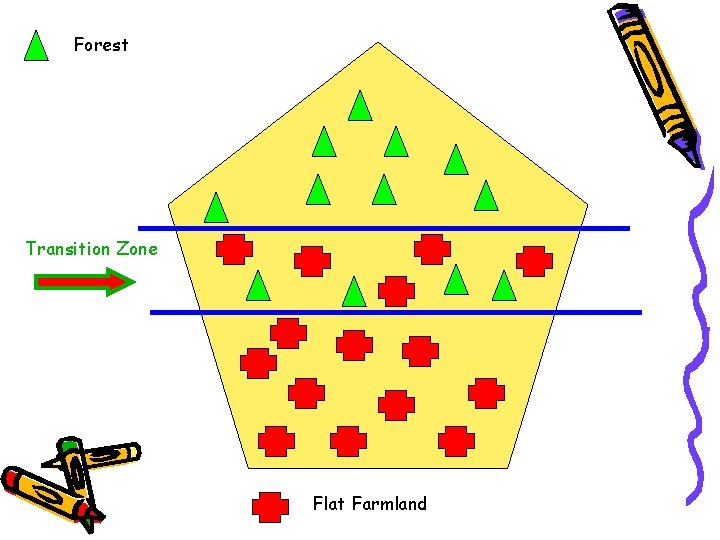
Transition Zones • Region found between two other regions… • It contains factors that can be found in both other areas. • See Figure 3 -3, page 23.
Forest Transition Zone Flat Farmland