
Chapter 3 MIGRATION Key Issues 2 3 and




- Slides: 45
Chapter 3 MIGRATION Key Issues 2, 3, and 4 CLICK TO WATCH!
Key Issue 2 Where Do People Migrate Within a Country?
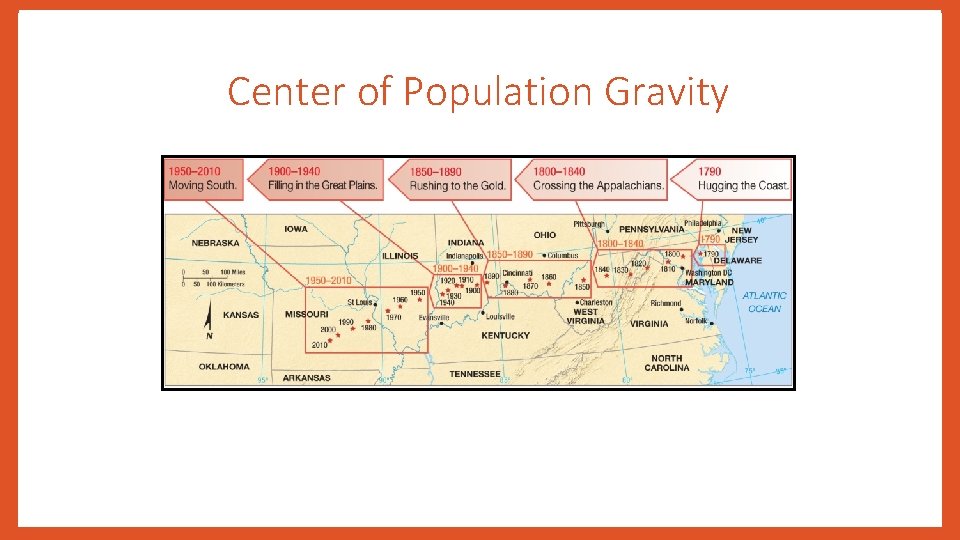
Center of Population Gravity
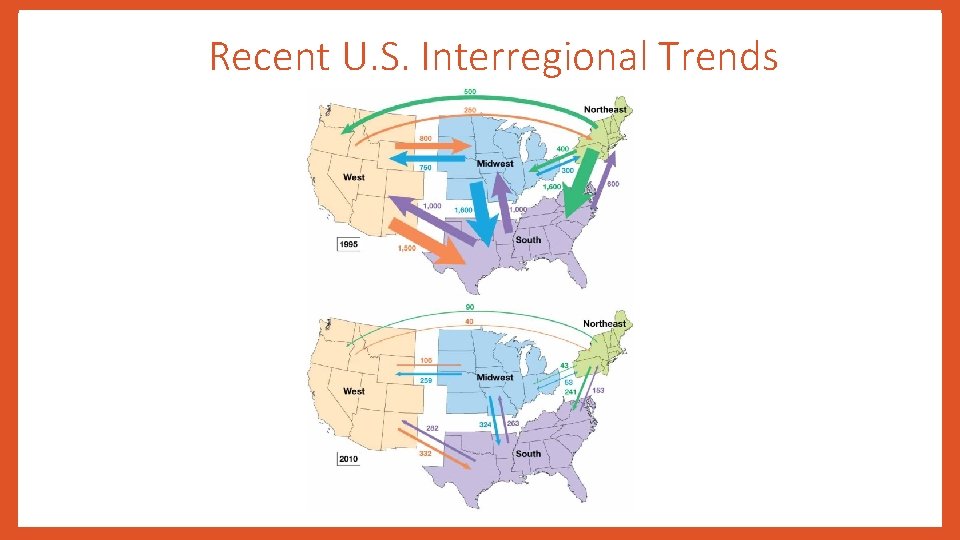
Recent U. S. Interregional Trends
Thinking Like A Geographer Use ESPN to identify the main push and pull factors in this next group of RLEs.
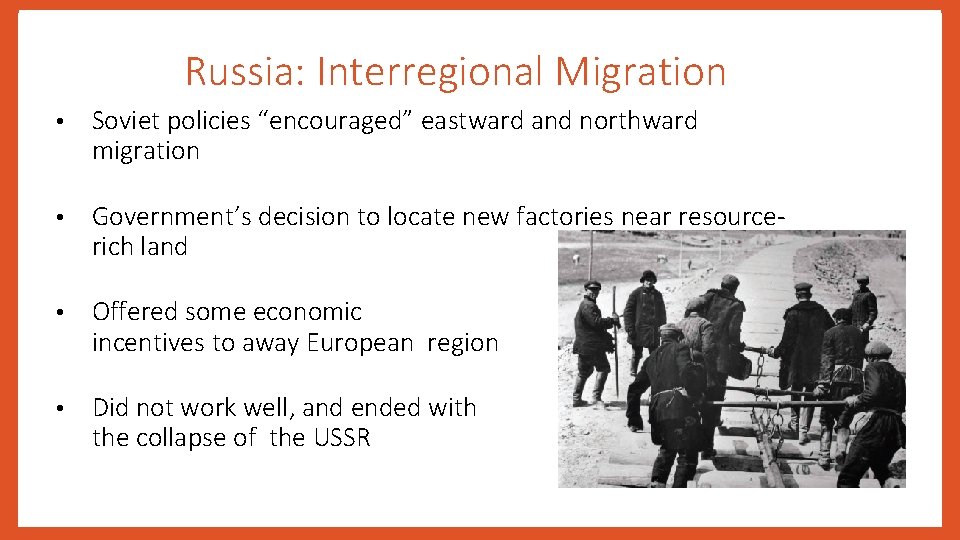
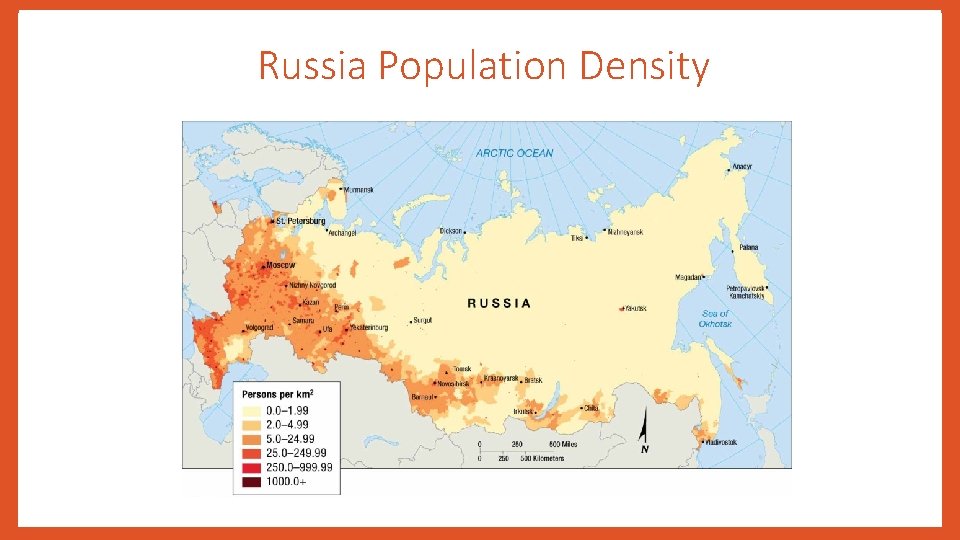
Russia: Interregional Migration in • Soviet policies “encouraged” eastward and northward migration • Government’s decision to locate new factories near resourcerich land • Offered some economic incentives to away European region • Did not work well, and ended with the collapse of the USSR
Russia Population Density
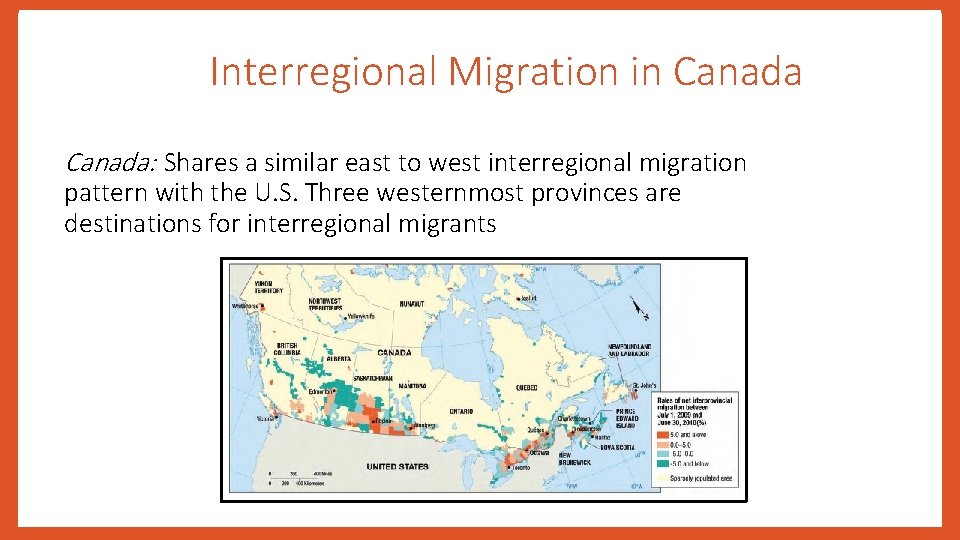
Interregional Migration in Canada: Shares a similar east to west interregional migration pattern with the U. S. Three westernmost provinces are destinations for interregional migrants
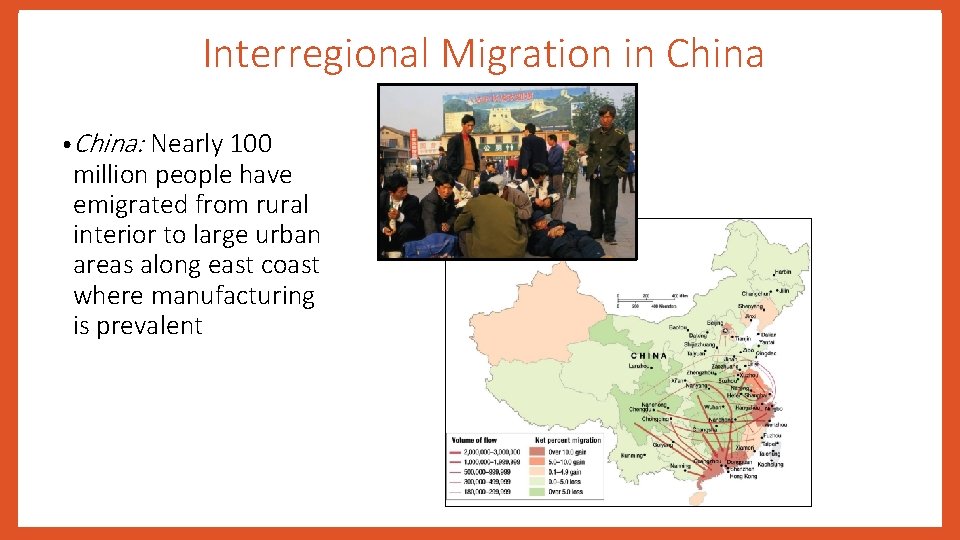
Interregional Migration in China • China: Nearly 100 million people have emigrated from rural interior to large urban areas along east coast where manufacturing is prevalent
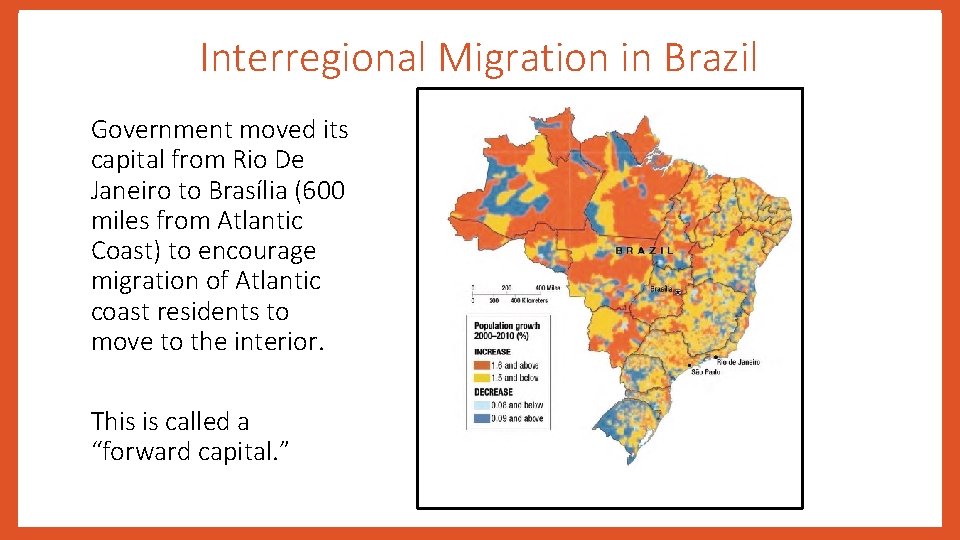
Interregional Migration in Brazil Government moved its capital from Rio De Janeiro to Brasília (600 miles from Atlantic Coast) to encourage migration of Atlantic coast residents to move to the interior. This is called a “forward capital. ”
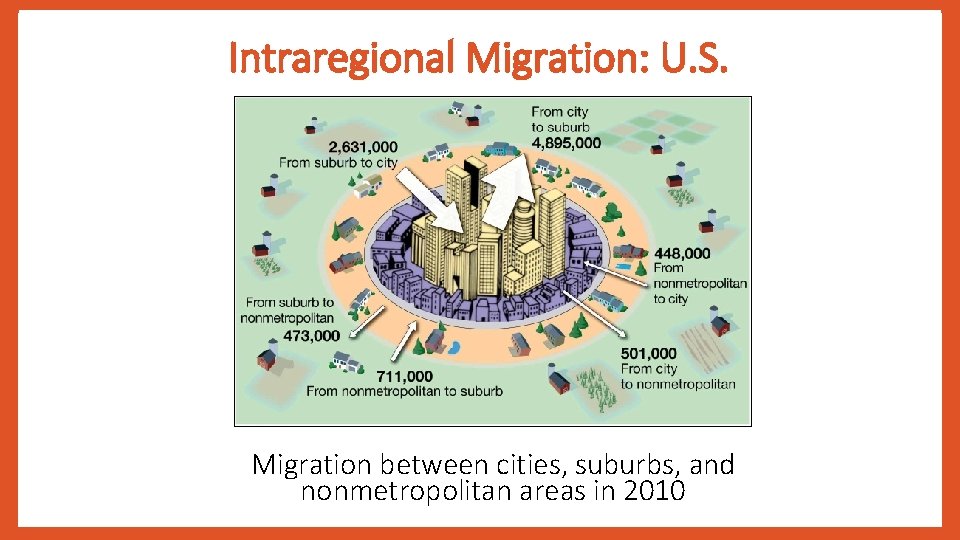
Intraregional Migration: U. S. Migration between cities, suburbs, and nonmetropolitan areas in 2010
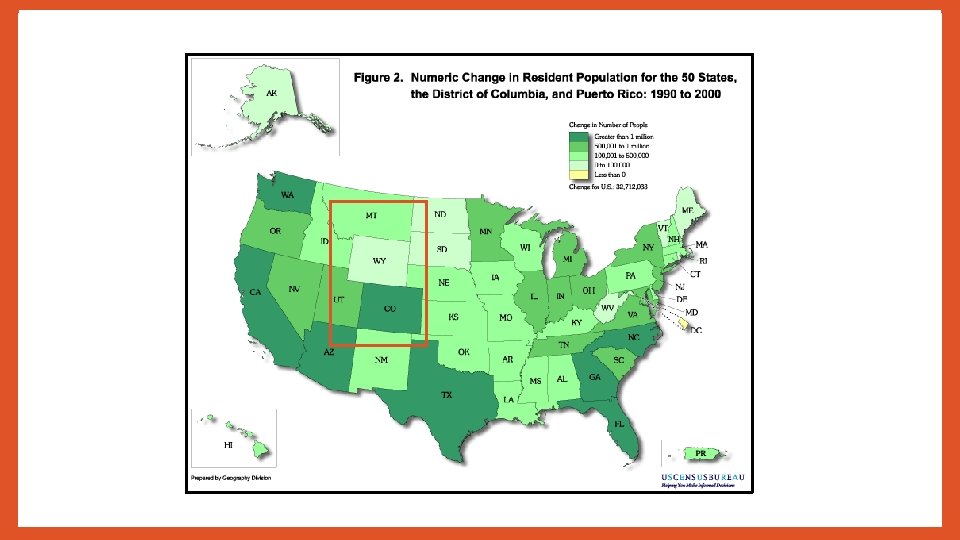
Counterurbanization • A new migration trend in MDCs during the late 20 th C when rural areas were characterized by net in-migration • Is most prevalent in places rich with natural amenities- environmental and cultural pull factors • Rocky Mountain States
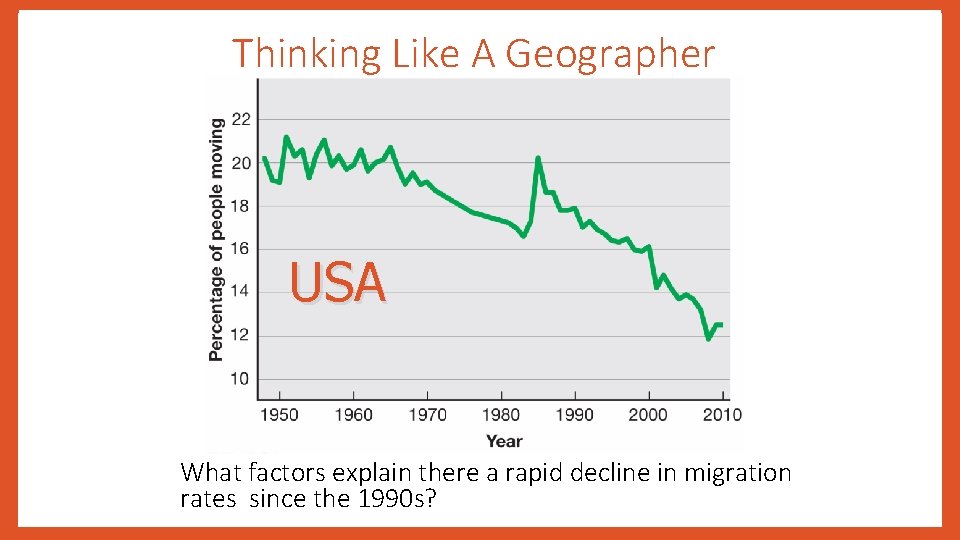
Thinking Like A Geographer USA What factors explain there a rapid decline in migration rates since the 1990 s?
Key Issue 3 Why Do People Migrate?
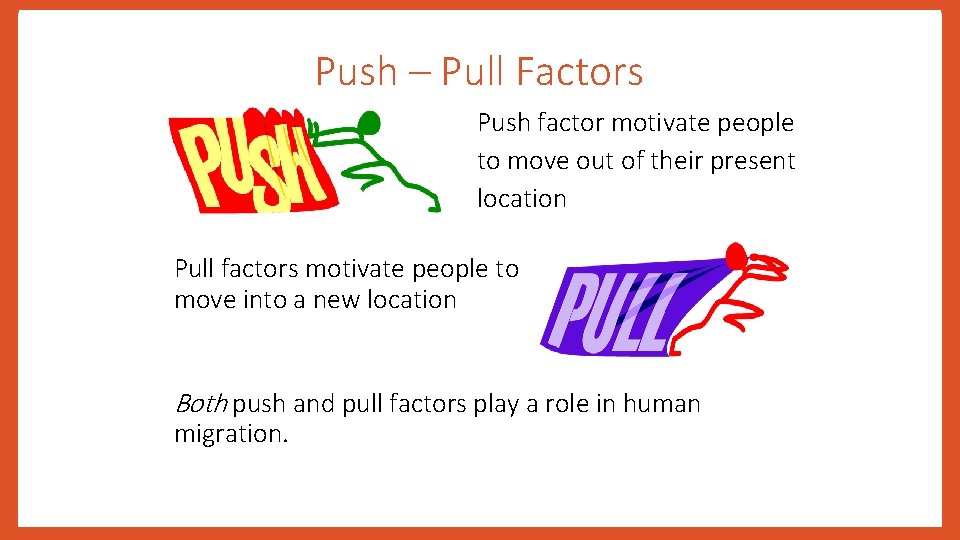
Push – Pull Factors Push factor motivate people to move out of their present location Pull factors motivate people to move into a new location Both push and pull factors play a role in human migration.
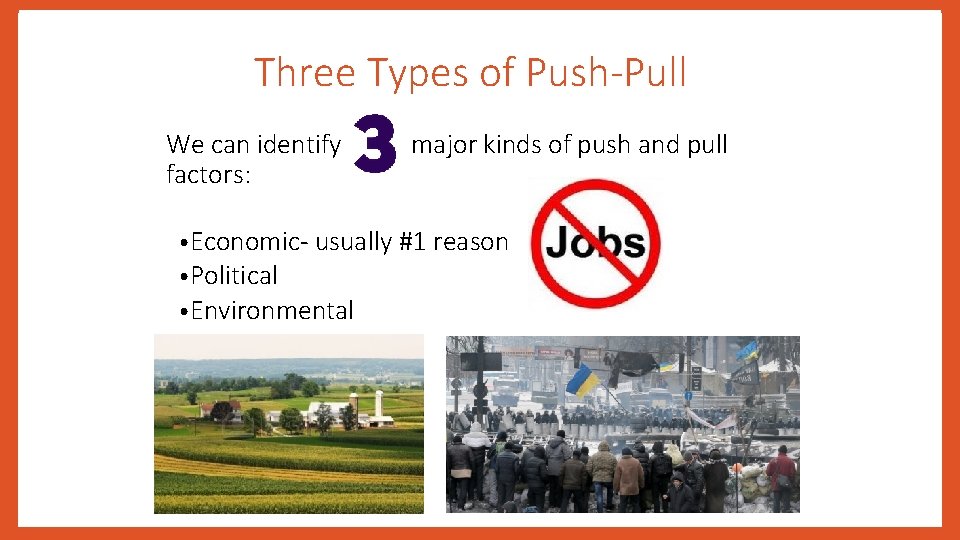
Three Types of Push-Pull We can identify factors: major kinds of push and pull • Economic- usually #1 reason • Political • Environmental
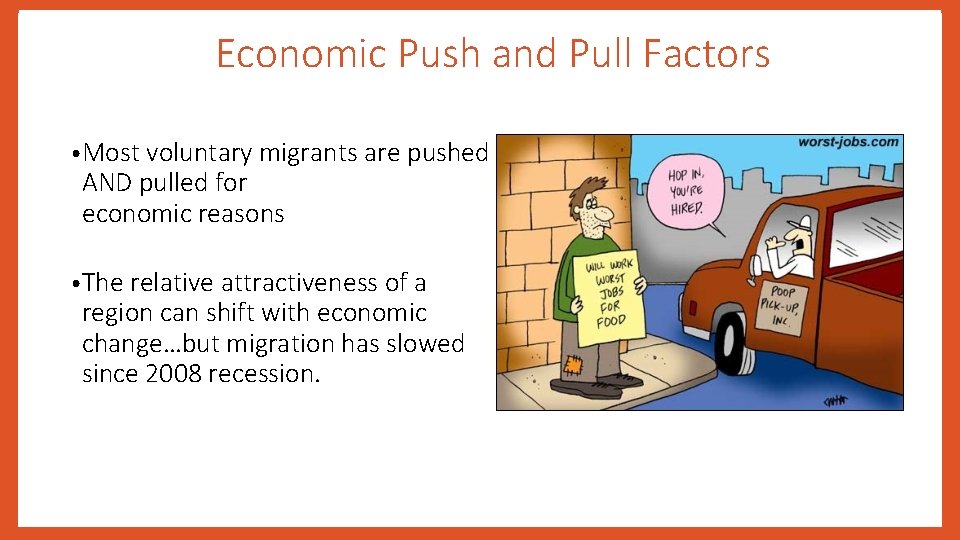
Economic Push and Pull Factors • Most voluntary migrants are pushed AND pulled for economic reasons • The relative attractiveness of a region can shift with economic change…but migration has slowed since 2008 recession.
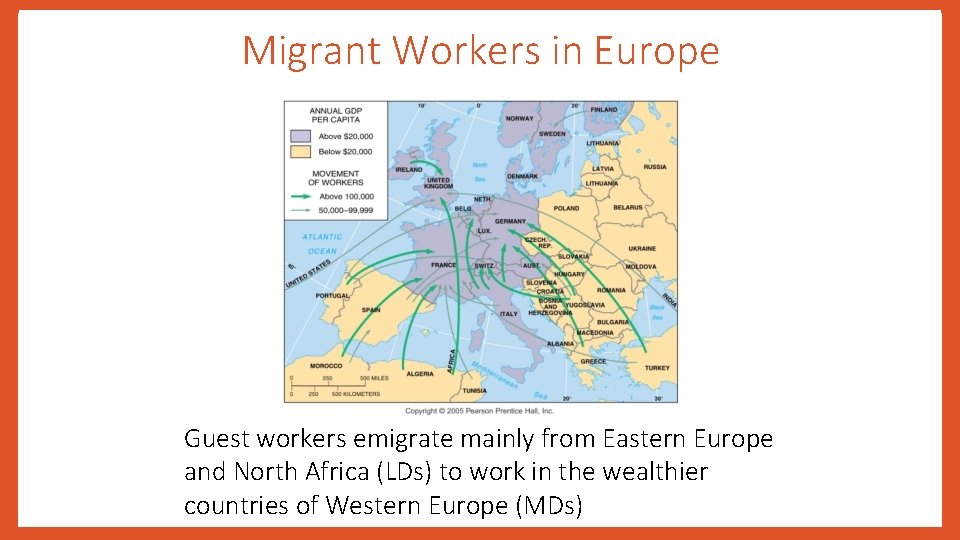
Migrant Workers in Europe Guest workers emigrate mainly from Eastern Europe and North Africa (LDs) to work in the wealthier countries of Western Europe (MDs)
Migrant Workers in Asia is both a SOURCE and a DESTINATION for migrant workers China • 40, 000 live and work in other countries • Is a destination for poor workers from surrounding countries • Still has MUCH MORE internal than international migration SW Asia • Oil Jobs pay more • Workers treated very poorly
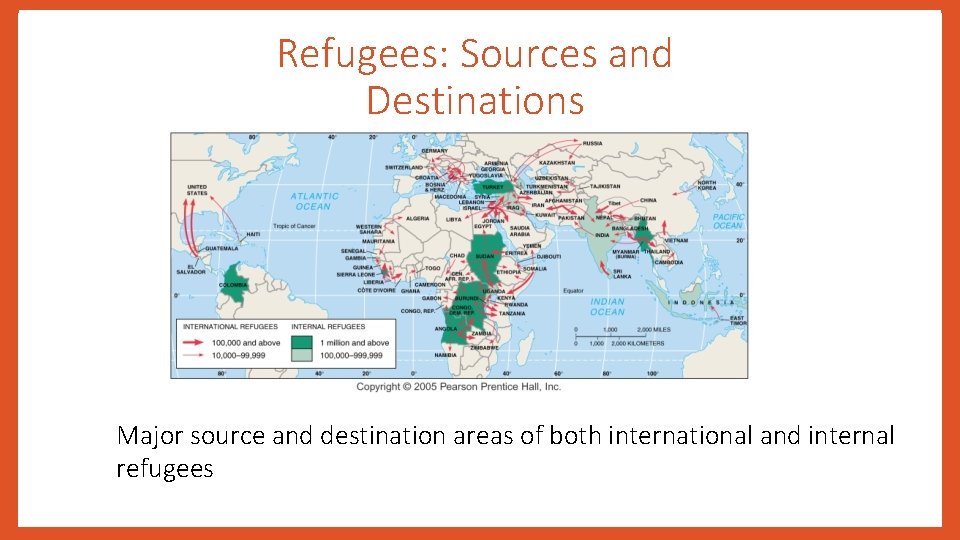
Political Push and Pull Factors United Nations recognizes groups of forced political migrants • refugees have been forced to migrate to avoid a potential threat to life/cannot return for fear of persecution • internally displaced persons (IDP) are similar to refugees, but have not migrated across an international border • asylum seekers have migrated to another country in hope of being recognized as refugees
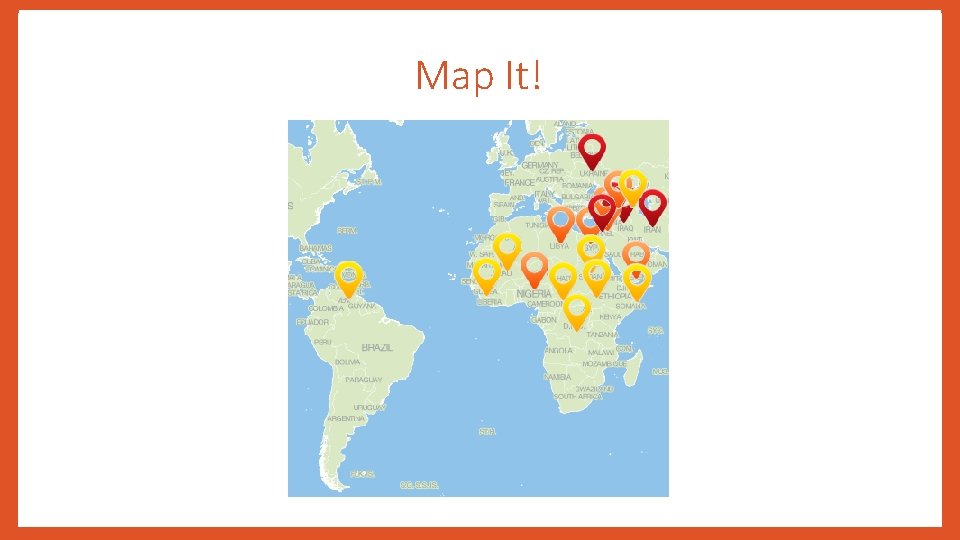
Turn and Talk… Let Your Ideas Explode Think about recent political instability- what regions of the world are migration “hot spots” and why?
Map It!
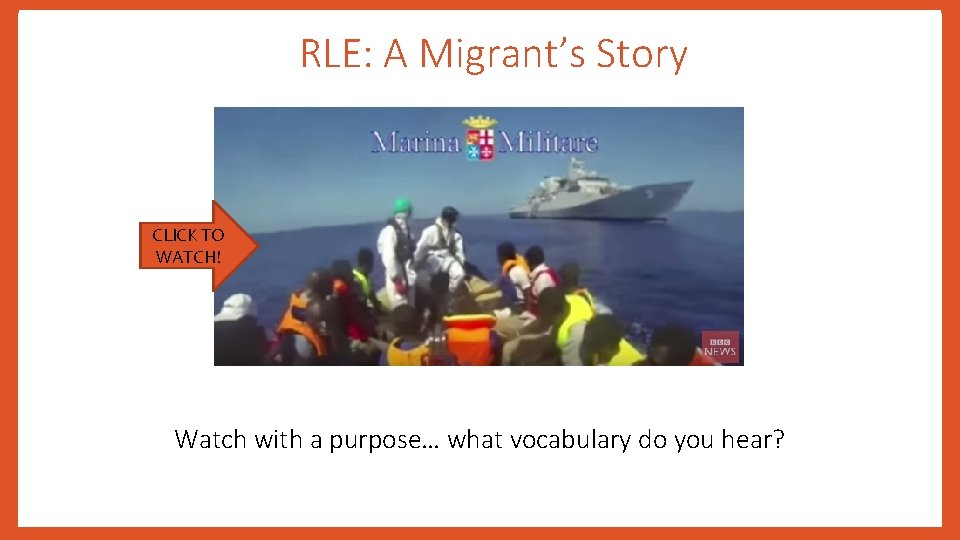
RLE: A Migrant’s Story CLICK TO WATCH! Watch with a purpose… what vocabulary do you hear?
Refugees: Sources and Destinations Major source and destination areas of both international and internal refugees
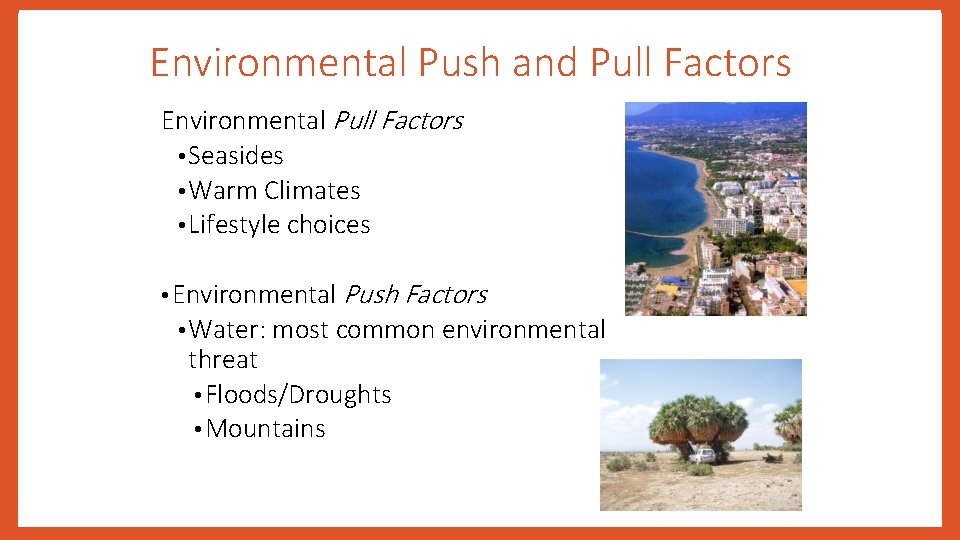
Environmental Push and Pull Factors Environmental Pull Factors • Seasides • Warm Climates • Lifestyle choices • Environmental Push Factors • Water: most common environmental threat • Floods/Droughts • Mountains
Key Issue 4 Why Do Migrants Face Obstacles?
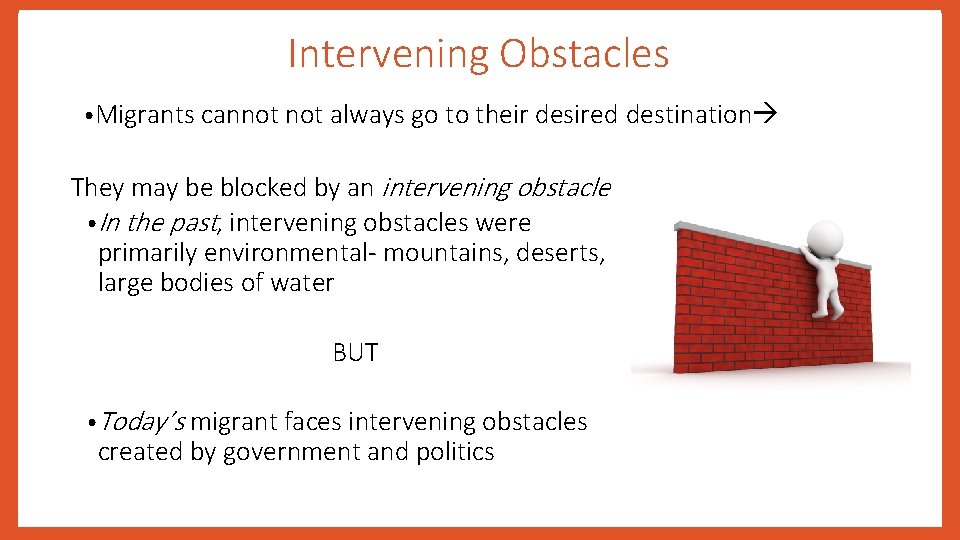
Intervening Obstacles • Migrants cannot always go to their desired They may be blocked by an intervening obstacle • In the past, intervening obstacles were primarily environmental- mountains, deserts, large bodies of water BUT • Today’s migrant faces intervening obstacles created by government and politics destination
U. S. Quota Laws In 1990, the global quota was raised to 700, 000 with no more than 7 percent from one country, but there are many qualifications and exceptions can alter the limit. http: //www. immigrationpolicy. org/just-facts/how-united -states-immigration-system-works-fact-sheet
Who Gets In? Since more seek admission to the U. S. than is permitted by the quotas, preferences are shown toward: • Family Reunification (about ¾ of immigrants) • Skilled Workers (about ¼ of immigrants) and may set up chain migration • Diversity (few immigrants- because their sending country historically has sent very few migrants)
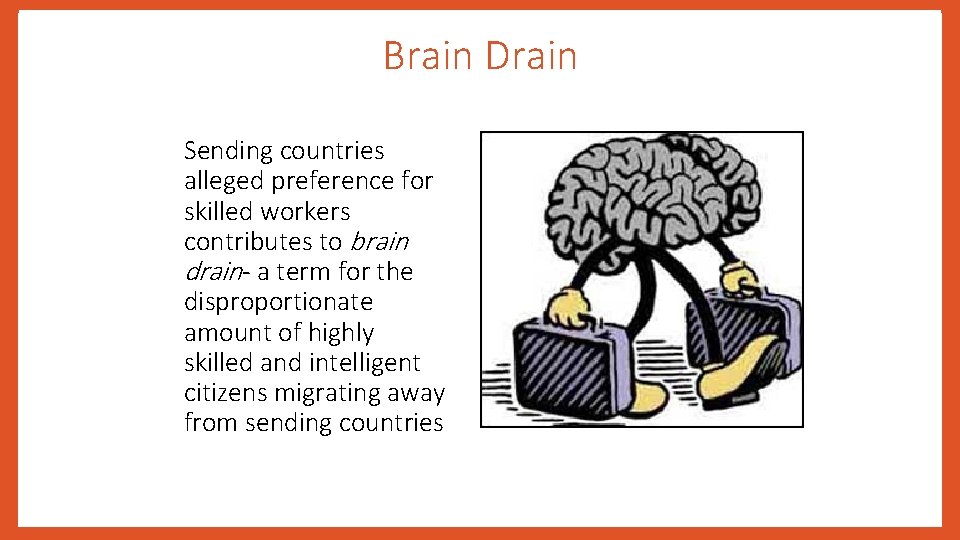
Brain Drain Sending countries alleged preference for skilled workers contributes to brain drain- a term for the disproportionate amount of highly skilled and intelligent citizens migrating away from sending countries
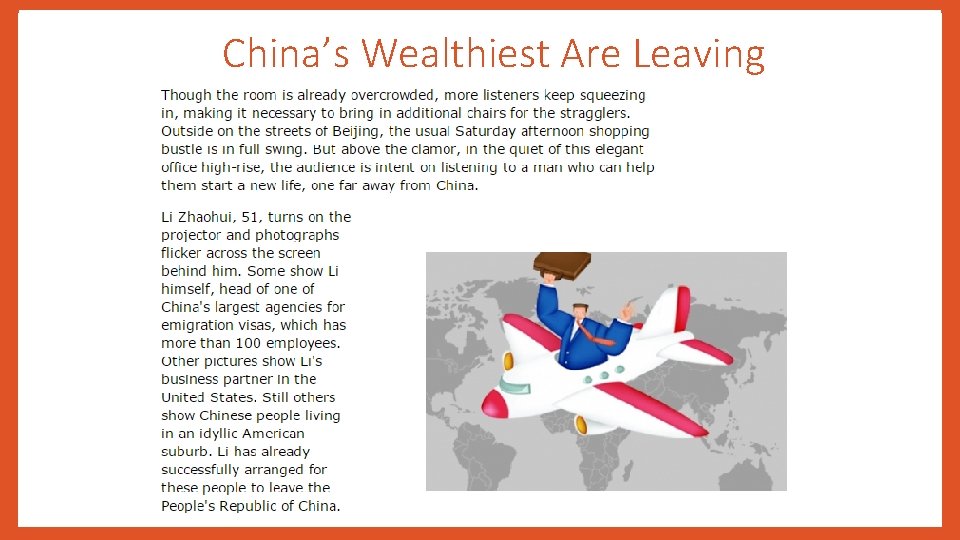
China’s Wealthiest Are Leaving
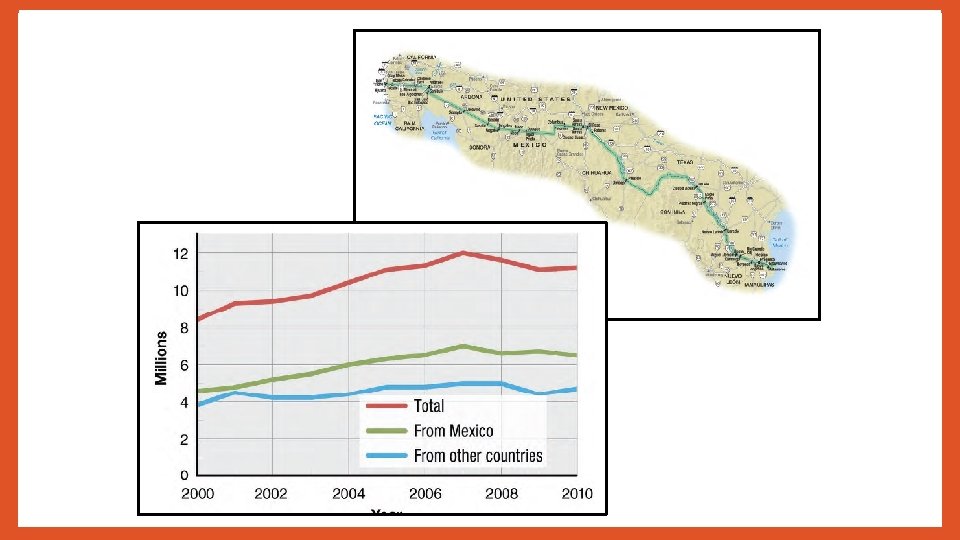
Undocumented Immigration to the United States • People who cannot legally enter the United States are now immigrating illegally- 58% are from Mexico • Census Bureau estimates 7 million undocumented immigrants are in the U. S. (other estimates are as high as 20 million!) • More than a million persons are caught annually trying to cross the southern U. S. border • Half of the undocumented residents legally enter the country as students or tourists and then remain after they are supposed to leave
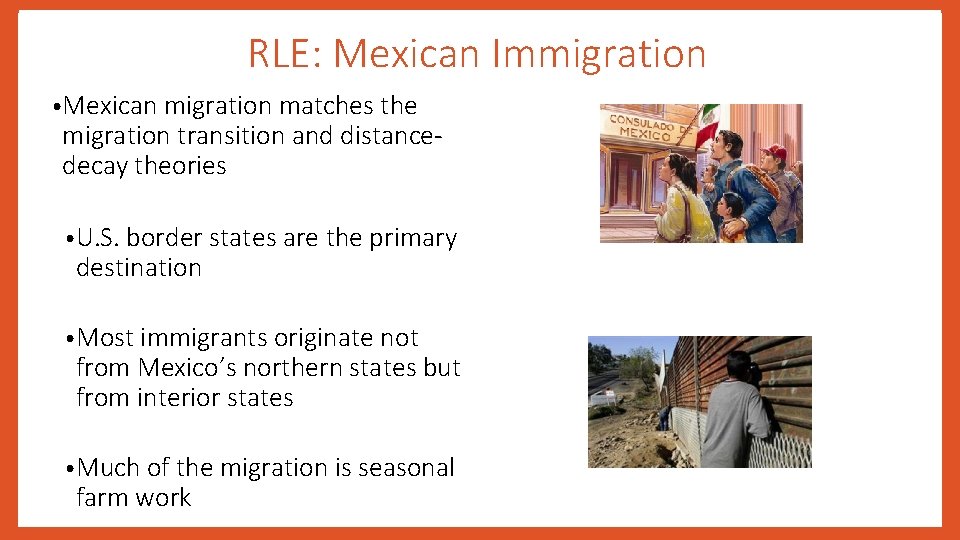
RLE: Mexican Immigration • Mexican migration matches the migration transition and distancedecay theories • U. S. border states are the primary destination • Most immigrants originate not from Mexico’s northern states but from interior states • Much of the migration is seasonal farm work
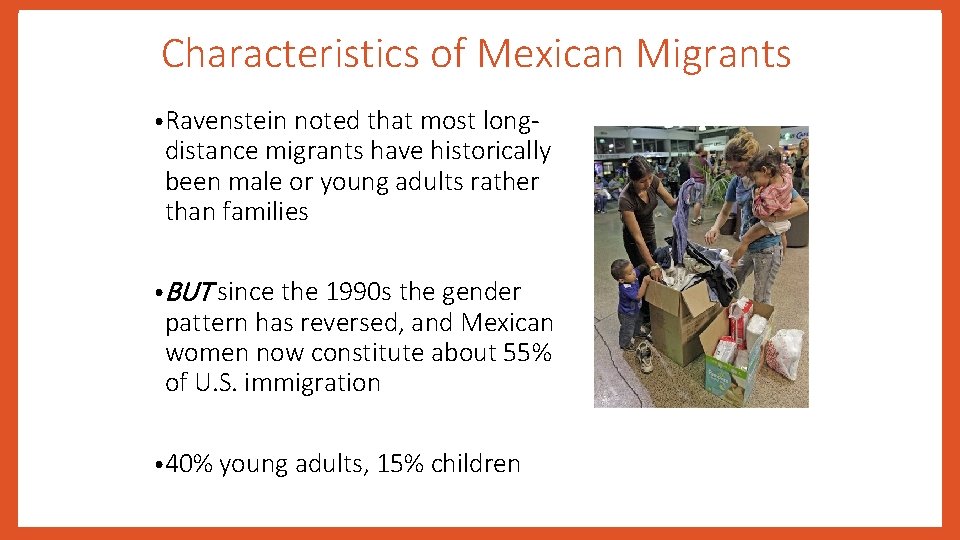
Characteristics of Mexican Migrants • Ravenstein noted that most long- distance migrants have historically been male or young adults rather than families • BUT since the 1990 s the gender pattern has reversed, and Mexican women now constitute about 55% of U. S. immigration • 40% young adults, 15% children
A Matter of Perspective • How do YOU frame the issue? • What bias do you bring to the table? How do the terms unauthorized immigrant, undocumented immigrant, and illegal alien reflect the bias of the speaker/writer?
A Matter of Perspective View from the U. S. • recognizes motives that compel unauthorized immigrants to enter illegally for better jobs, to reunite family, and to have a better way of life but not all welcome immigrants View from Mexico • residents of northern Mexico wish for compassion to be shown to unauthorized immigrants • residents of southern Mexico are less tolerant because of number of unauthorized immigrants entering Mexico from Guatemala
Not A New Issue
Many U. S. Citizens Support/Believe… • Increased Border Patrols • Workplace Initiatives • A “Path to Citizenship” • Allowing law enforcement officials to verify the legal status of anyone (but we fear racial profiling) • Unauthorized immigration is a federal level issue • Immigration is a complicated issue
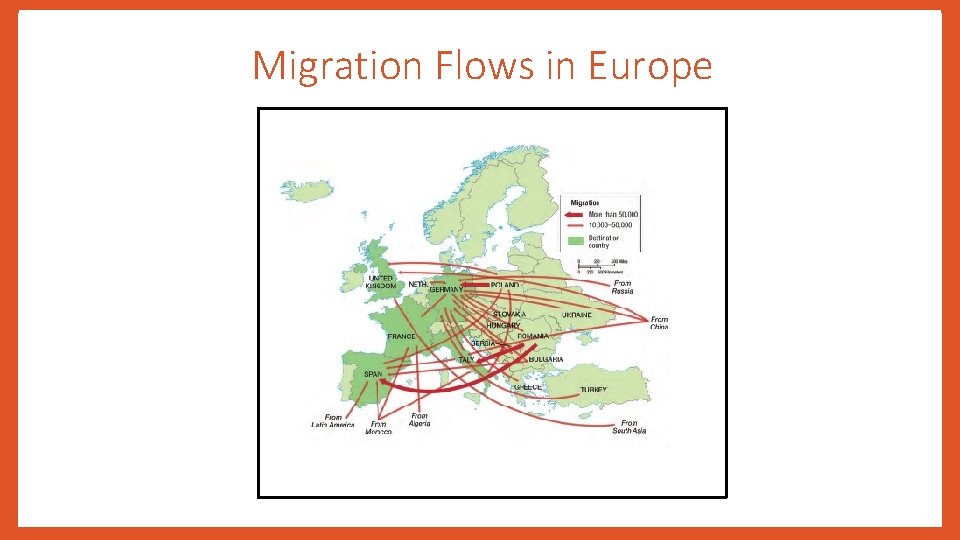
Migration Flows in Europe
Opponents of European Immigration • Do not support population growth that is fueled by immigration from other regions of the world • Fear is that the host country’s culture will be lost because immigrants adhere to different religions, speak different languages, and practice different cultural habits • Hostility to immigrants has become a central plank of some political parties in many European countries • Immigrants blamed for crime, unemployment rates, and high welfare costs
Europeans as Emigrants- Cultural Diffusion Europe was the source of most of the world’s emigrants, during the nineteenth century and European culture was spread throughout the world: • Indo-European languages are now spoken by half of the world • Christianity has the world’s largest number of adherents • Political structures and ideals used as a model • European art, music, literature, philosophy, and ethics have diffused throughout the world Europeans strongly identify with EMIGRATION, but have a mixed perspective on IMMIGRATION
Quiz Yourself!
Next… Folk and Popular Culture Start Reading!