
Chapter 3 Methods in Molecular Biology and Genetic

Chapter 3 Methods in Molecular Biology and Genetic Engineering
3. 1 Introduction • restriction endonuclease – An enzyme that recognizes specific short sequences of DNA and cleaves the duplex (sometimes at the target site, sometimes elsewhere, depending on type).
3. 1 Introduction • cloning vector – DNA (often derived from a plasmid or a bacteriophage genome) that can be used to propagate an incorporated DNA sequence in a host cell. – Vectors contain selectable markers and replication origins to allow identification and maintenance of the vector in the host.
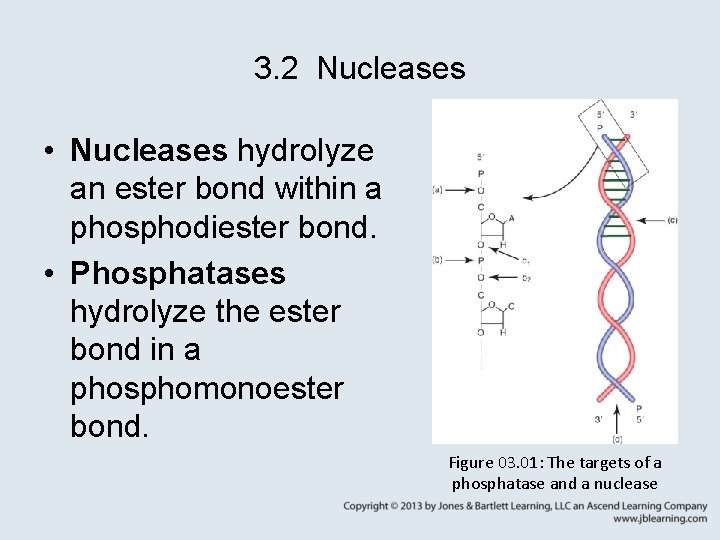
3. 2 Nucleases • Nucleases hydrolyze an ester bond within a phosphodiester bond. • Phosphatases hydrolyze the ester bond in a phosphomonoester bond. Figure 03. 01: The targets of a phosphatase and a nuclease

3. 2 Nucleases • endonuclease – Nuclease that cleaves phosphoester bonds within a nucleic acid chain. – It may be specific for RNA or for singlestranded or double-stranded DNA. • exonuclease – Nuclease that cleaves phosphoester bonds one at a time from the end of a polynucleotide chain. – It may be specific for either the 5′ or 3′ end of DNA or RNA.

3. 2 Nucleases • Restriction endonucleases can be used to cleave DNA into defined fragments. Figure 03. 02: Recognition site cleavage.
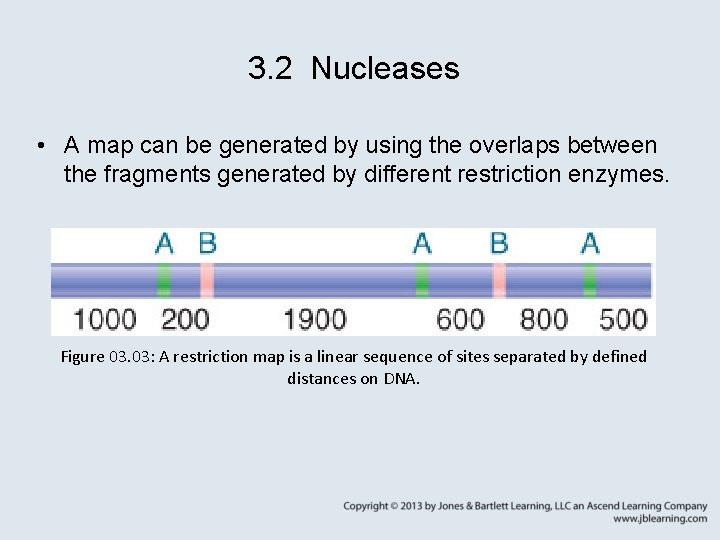
3. 2 Nucleases • A map can be generated by using the overlaps between the fragments generated by different restriction enzymes. Figure 03. 03: A restriction map is a linear sequence of sites separated by defined distances on DNA.
3. 3 Cloning • Cloning a fragment of DNA requires a specially engineered vector. • recombinant DNA – A DNA molecule that has been created by joining together two or more molecules from different sources. • ligating (or ligation) – The process of joining together two DNA fragments.
3. 3 Cloning • subclone – The process of breaking a cloned fragment into smaller fragments for further cloning. • multiple cloning site (MCS) – A sequence of DNA containing a series of tandem restriction endonuclease sites used in cloning vectors for creating recombinant molecules.
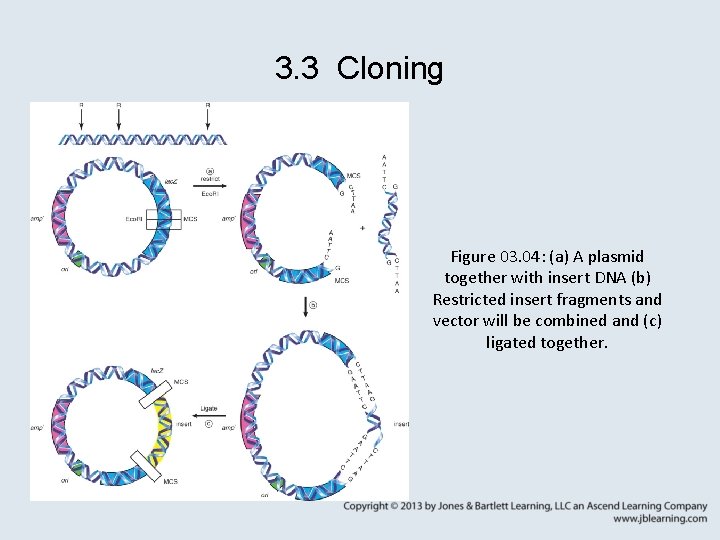
3. 3 Cloning Figure 03. 04: (a) A plasmid together with insert DNA (b) Restricted insert fragments and vector will be combined and (c) ligated together.
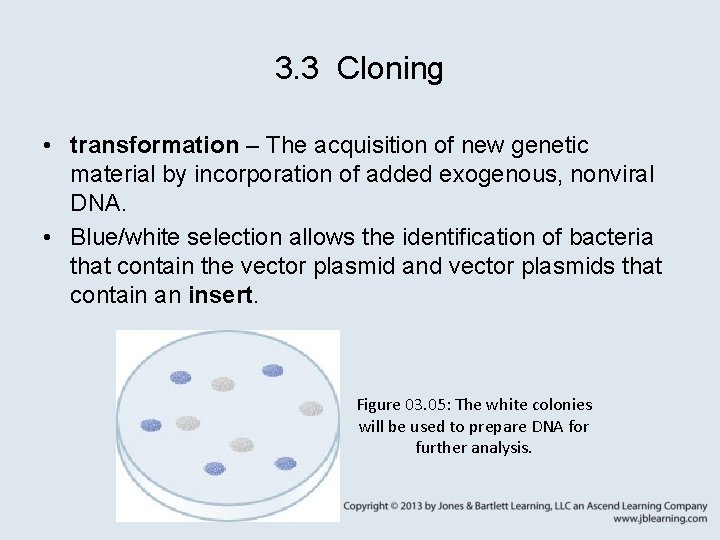
3. 3 Cloning • transformation – The acquisition of new genetic material by incorporation of added exogenous, nonviral DNA. • Blue/white selection allows the identification of bacteria that contain the vector plasmid and vector plasmids that contain an insert. Figure 03. 05: The white colonies will be used to prepare DNA for further analysis.
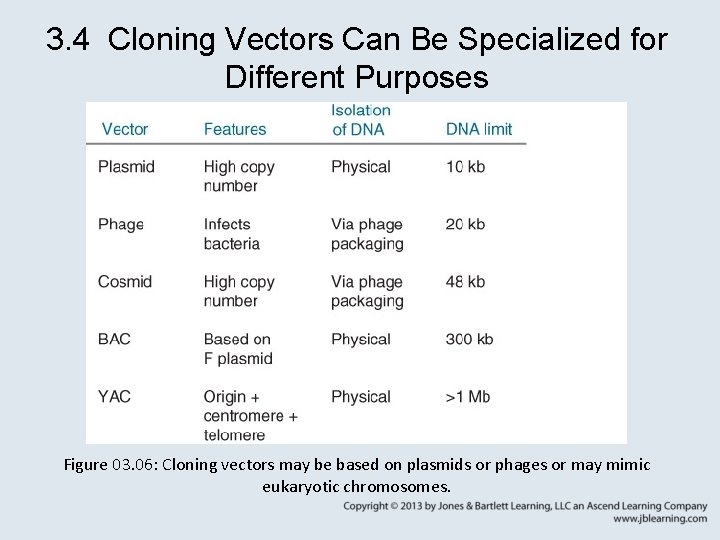
3. 4 Cloning Vectors Can Be Specialized for Different Purposes Figure 03. 06: Cloning vectors may be based on plasmids or phages or may mimic eukaryotic chromosomes.
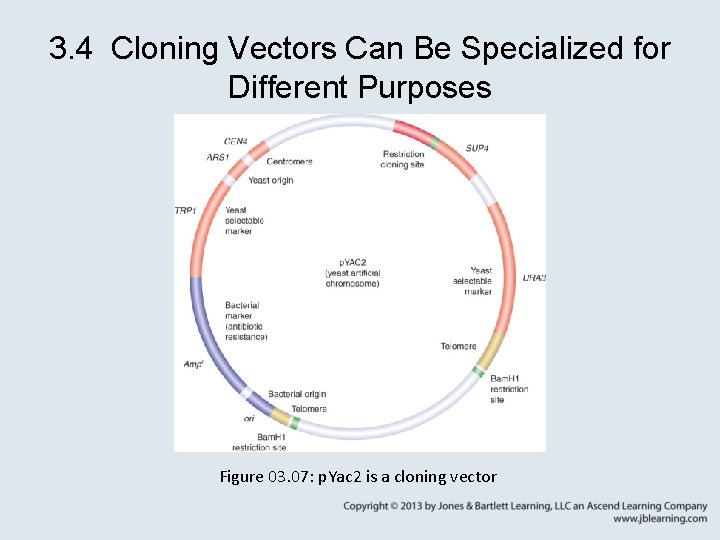
3. 4 Cloning Vectors Can Be Specialized for Different Purposes Figure 03. 07: p. Yac 2 is a cloning vector
3. 4 Cloning Vectors Can Be Specialized for Different Purposes • Cloning vectors may be bacterial plasmids, phages, cosmids, or yeast artificial chromosomes. • Shuttle vectors can be propagated in more than one type of host cell. • Expression vectors contain promoters that allow transcription of any cloned gene.
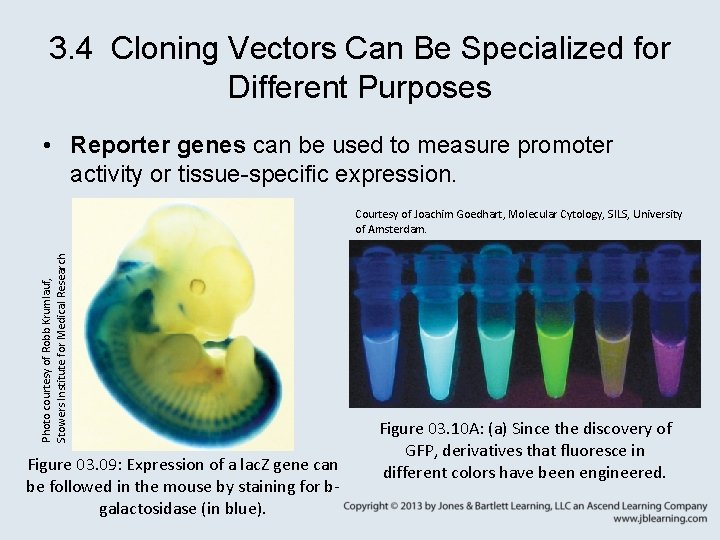
3. 4 Cloning Vectors Can Be Specialized for Different Purposes • Reporter genes can be used to measure promoter activity or tissue-specific expression. Photo courtesy of Robb Krumlauf, Stowers Institute for Medical Research Courtesy of Joachim Goedhart, Molecular Cytology, SILS, University of Amsterdam. Figure 03. 09: Expression of a lac. Z gene can be followed in the mouse by staining for bgalactosidase (in blue). Figure 03. 10 A: (a) Since the discovery of GFP, derivatives that fluoresce in different colors have been engineered.
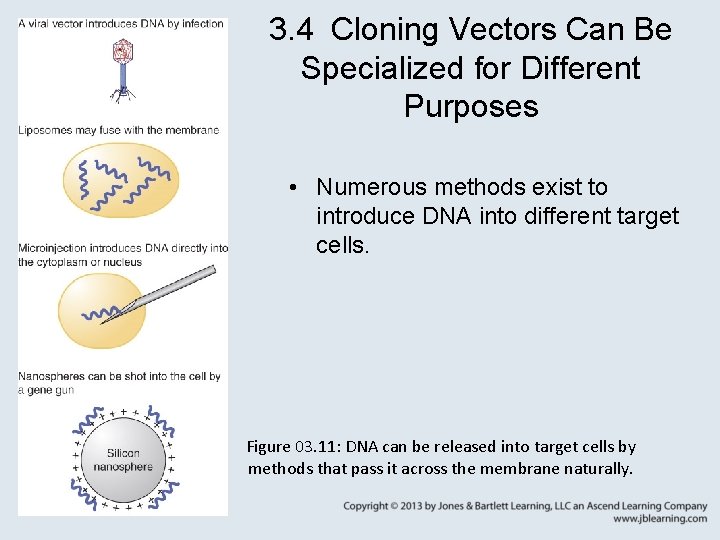
3. 4 Cloning Vectors Can Be Specialized for Different Purposes • Numerous methods exist to introduce DNA into different target cells. Figure 03. 11: DNA can be released into target cells by methods that pass it across the membrane naturally.
3. 5 Nucleic Acid Detection • Hybridization of a labeled nucleic acid to complementary sequences can identify specific nucleic acids. • probe – A radioactive nucleic acid, DNA or RNA, used to identify a complementary fragment.
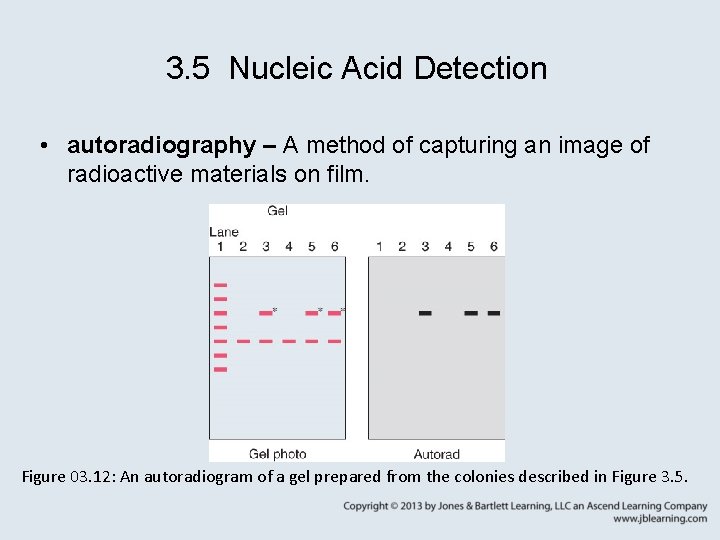
3. 5 Nucleic Acid Detection • autoradiography – A method of capturing an image of radioactive materials on film. Figure 03. 12: An autoradiogram of a gel prepared from the colonies described in Figure 3. 5.
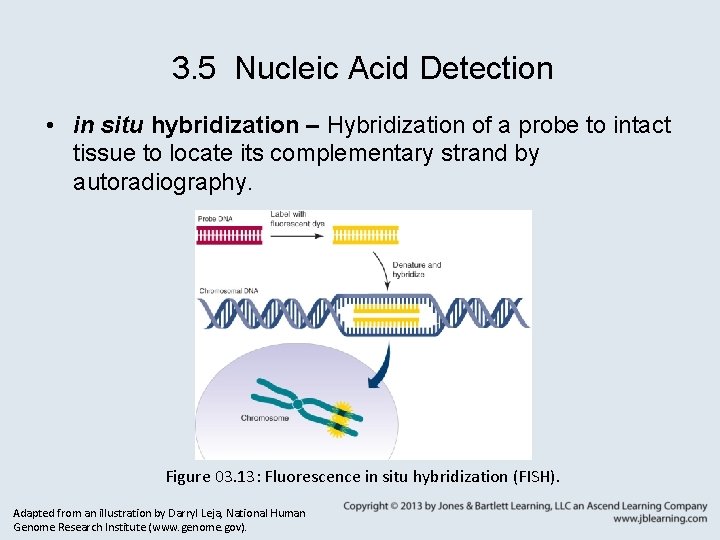
3. 5 Nucleic Acid Detection • in situ hybridization – Hybridization of a probe to intact tissue to locate its complementary strand by autoradiography. Figure 03. 13: Fluorescence in situ hybridization (FISH). Adapted from an illustration by Darryl Leja, National Human Genome Research Institute (www. genome. gov).
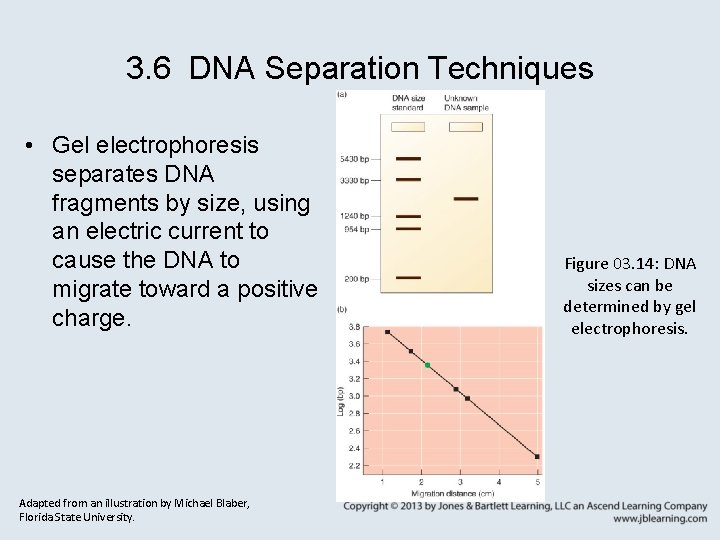
3. 6 DNA Separation Techniques • Gel electrophoresis separates DNA fragments by size, using an electric current to cause the DNA to migrate toward a positive charge. Adapted from an illustration by Michael Blaber, Florida State University. Figure 03. 14: DNA sizes can be determined by gel electrophoresis.
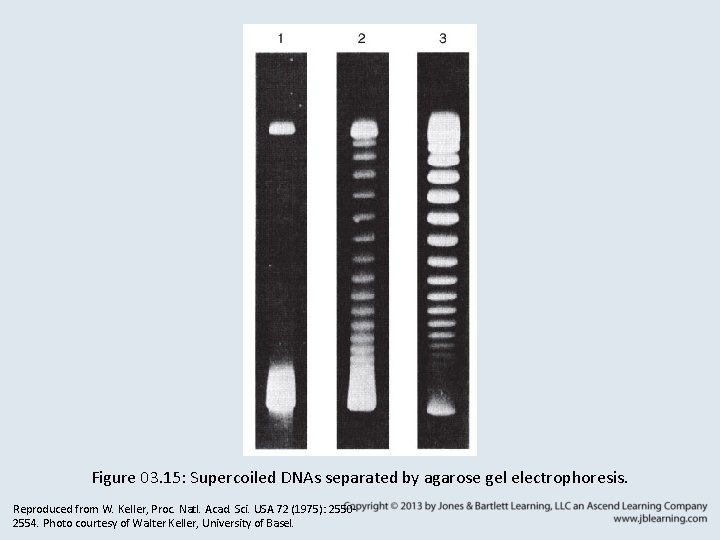
Figure 03. 15: Supercoiled DNAs separated by agarose gel electrophoresis. Reproduced from W. Keller, Proc. Natl. Acad. Sci. USA 72 (1975): 25502554. Photo courtesy of Walter Keller, University of Basel.
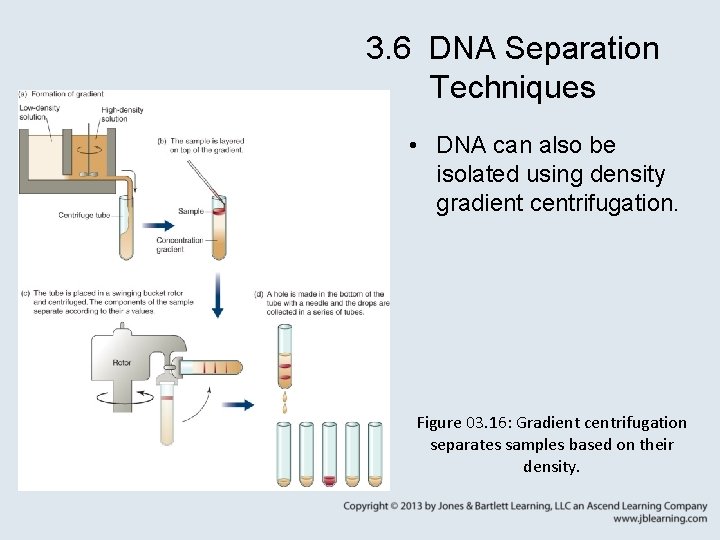
3. 6 DNA Separation Techniques • DNA can also be isolated using density gradient centrifugation. Figure 03. 16: Gradient centrifugation separates samples based on their density.
3. 7 DNA Sequencing • Classical chain termination sequencing uses dideoxynucleotides (dd. NTPs) to terminate DNA synthesis at particular nucleotides. • Primer - A single stranded nucleic acid molecule with a 3′ –OH used to initiate DNA polymerase replication of a paired template strand.
3. 7 DNA Sequencing • Fluorescently tagged dd. NTPs and capillary gel electrophoresis allow automated, high-throughput DNA sequencing. • The next generations of sequencing techniques aim to increase automation and decrease time and cost of sequencing.
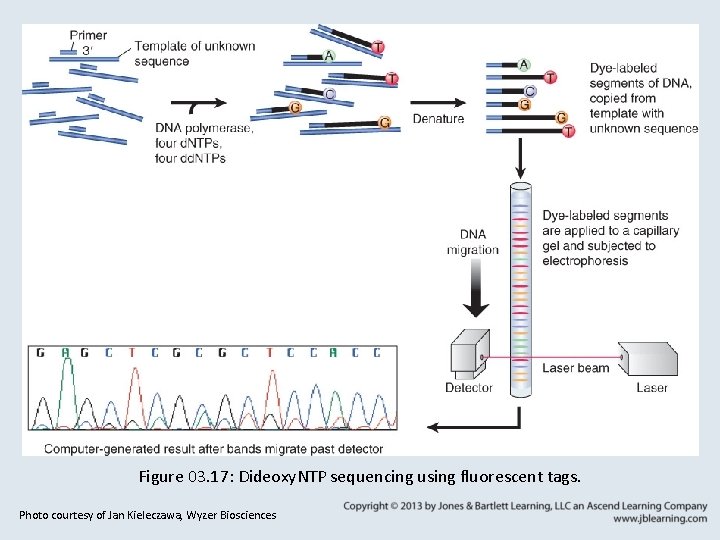
Figure 03. 17: Dideoxy. NTP sequencing using fluorescent tags. Photo courtesy of Jan Kieleczawa, Wyzer Biosciences
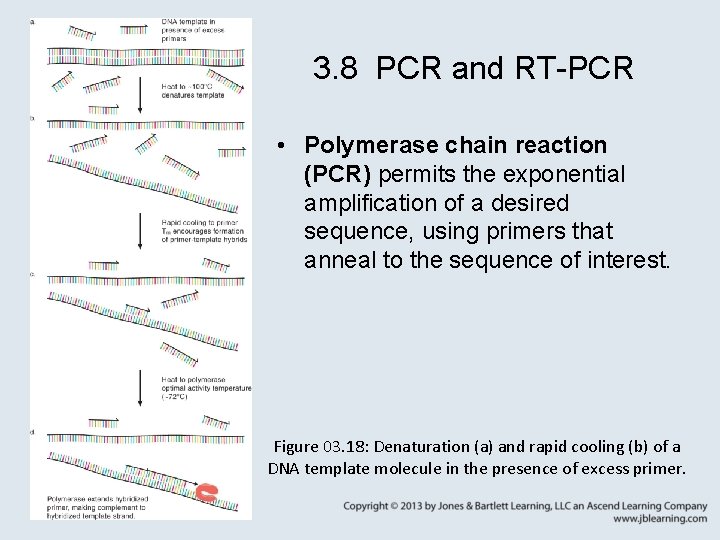
3. 8 PCR and RT-PCR • Polymerase chain reaction (PCR) permits the exponential amplification of a desired sequence, using primers that anneal to the sequence of interest. Figure 03. 18: Denaturation (a) and rapid cooling (b) of a DNA template molecule in the presence of excess primer.
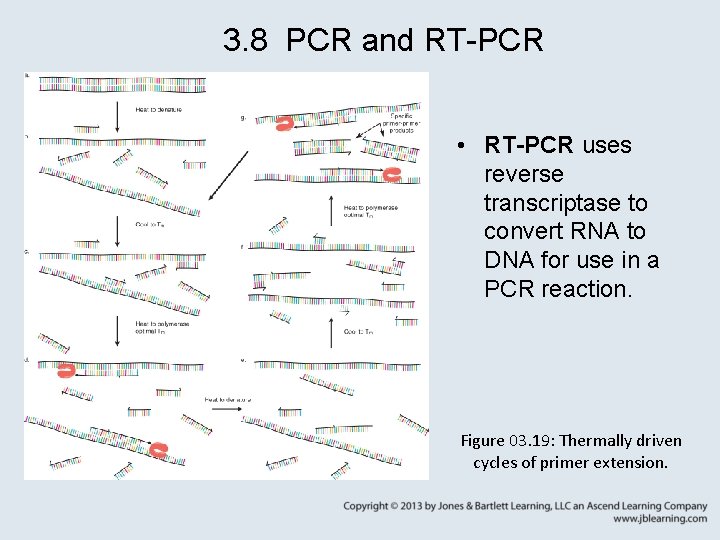
3. 8 PCR and RT-PCR • RT-PCR uses reverse transcriptase to convert RNA to DNA for use in a PCR reaction. Figure 03. 19: Thermally driven cycles of primer extension.
3. 8 PCR and RT-PCR • Real-time, or quantitative, PCR detects the products of PCR amplification during their synthesis, and is more sensitive and quantitative than conventional PCR. • PCR depends on the use of thermostable DNA polymerases that can withstand multiple cycles of template denaturation.
3. 8 PCR and RT-PCR • fluorescence resonant energy transfer (FRET) – A process whereby the emission from an excited fluorophore is captured and reemitted at a longer wavelength by a nearby second fluorophore whose excitation spectrum matches the emission frequency of the first fluorophore.
3. 9 Blotting Methods • Southern blotting involves the transfer of DNA from a gel to a membrane, followed by detection of specific sequences by hybridization with a labeled probe.
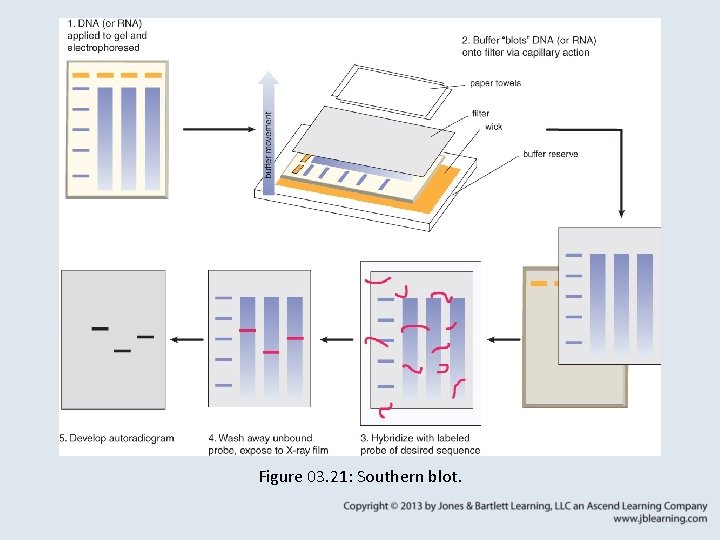
Figure 03. 21: Southern blot.
3. 9 Blotting Methods • Northern blotting is similar to Southern blotting, but involves the transfer of RNA from a gel to a membrane. • Western blotting entails separation of proteins on a sodium dodecyl sulfate (SDS) gel, transfer to a nitrocellulose membrane, and detection of proteins of interest using antibodies.
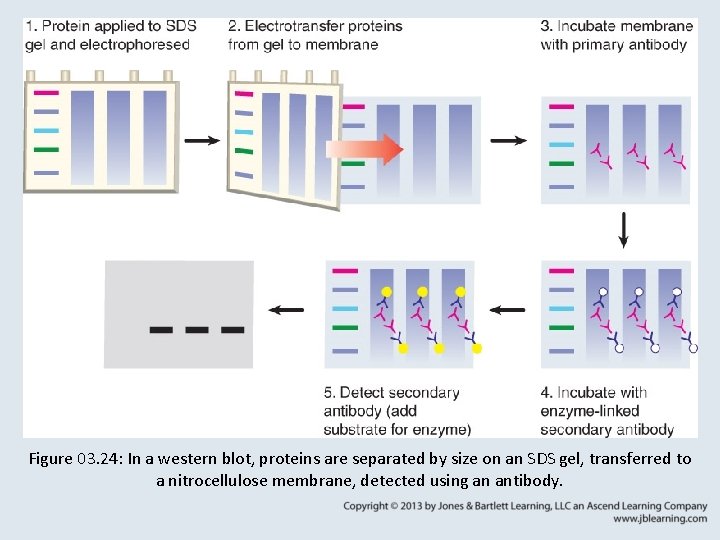
Figure 03. 24: In a western blot, proteins are separated by size on an SDS gel, transferred to a nitrocellulose membrane, detected using an antibody.
3. 9 Blotting Methods • epitope tag – A short peptide sequence that encodes a recognition site (“epitope”) for an antibody, typically fused to a protein of interest for detection or purification by the antibody.
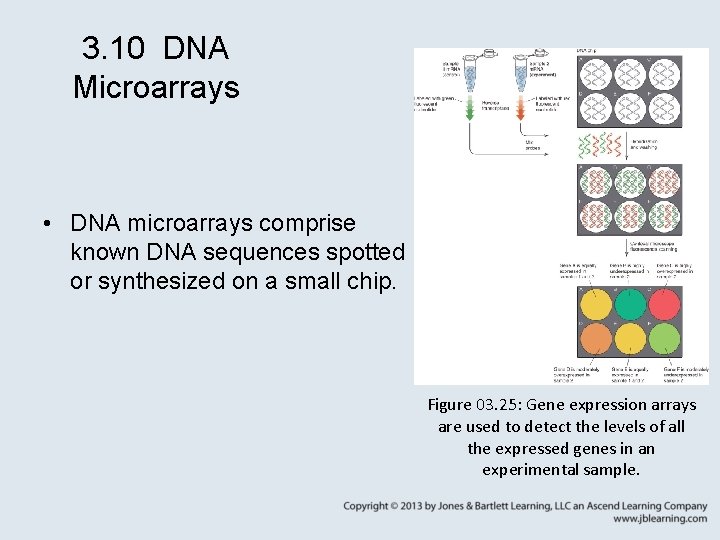
3. 10 DNA Microarrays • DNA microarrays comprise known DNA sequences spotted or synthesized on a small chip. Figure 03. 25: Gene expression arrays are used to detect the levels of all the expressed genes in an experimental sample.

3. 10 DNA Microarrays • Genome-wide transcription analysis is performed using labeled c. DNA from experimental samples hybridized to a microarray containing sequences from all ORFs of the organism being used. • SNP arrays permit genome-wide genotyping of singlenucleotide polymorphisms. • Array comparative genome hybridization (array-CGH) allows the detection of copy number changes in any DNA sequence compared between two samples.
- Slides: 36