
Chapter 3 Learning How to Love Connection to
- Slides: 17
Chapter 3: Learning How to Love
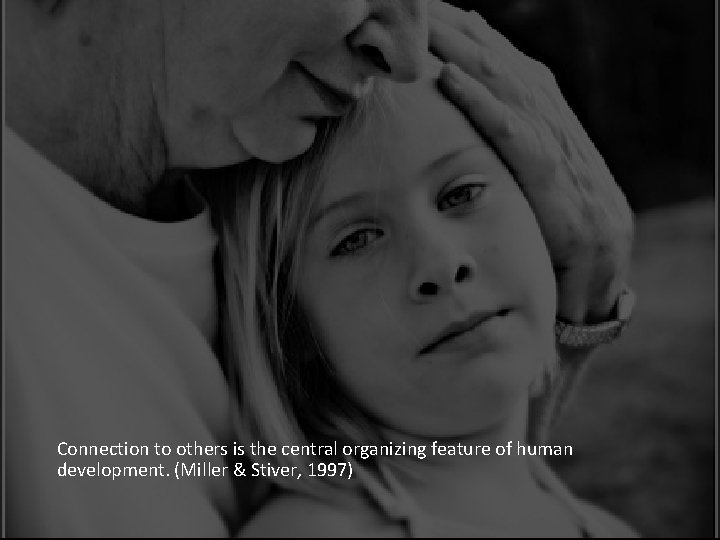
Connection to others is the central organizing feature of human development. (Miller & Stiver, 1997)
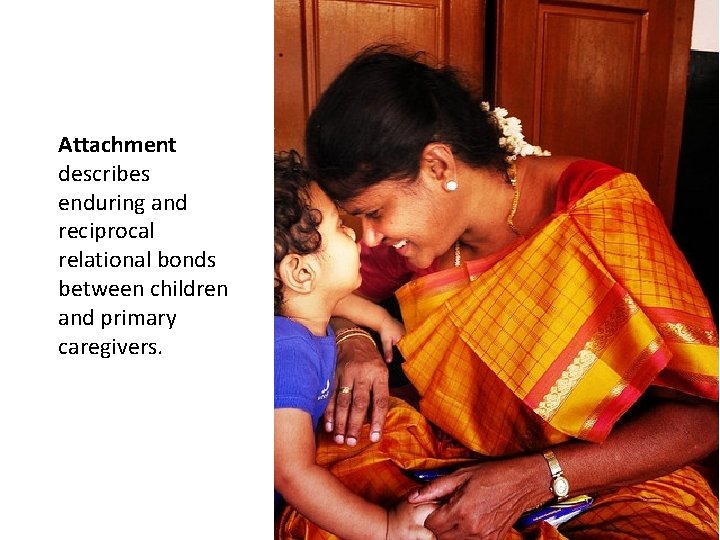
Attachment describes enduring and reciprocal relational bonds between children and primary caregivers.
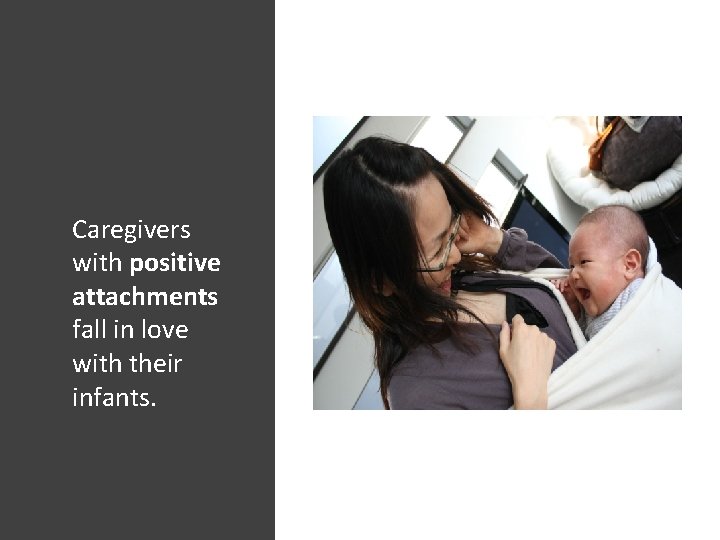
Caregivers with positive attachments fall in love with their infants.
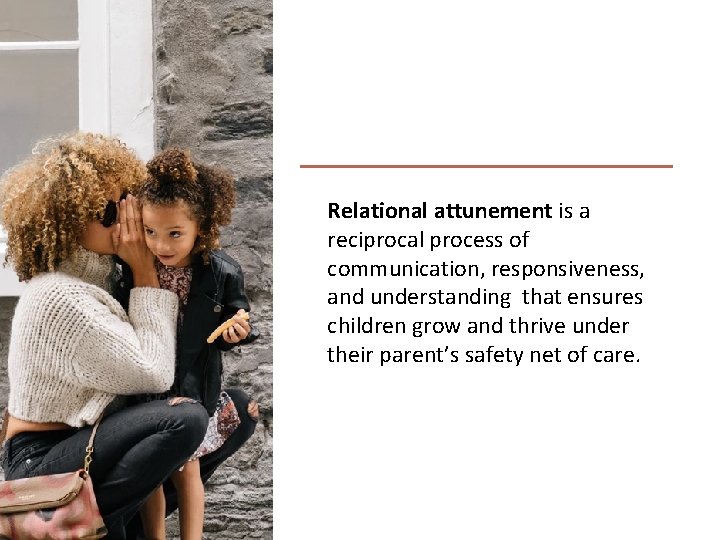
Relational attunement is a reciprocal process of communication, responsiveness, and understanding that ensures children grow and thrive under their parent’s safety net of care.
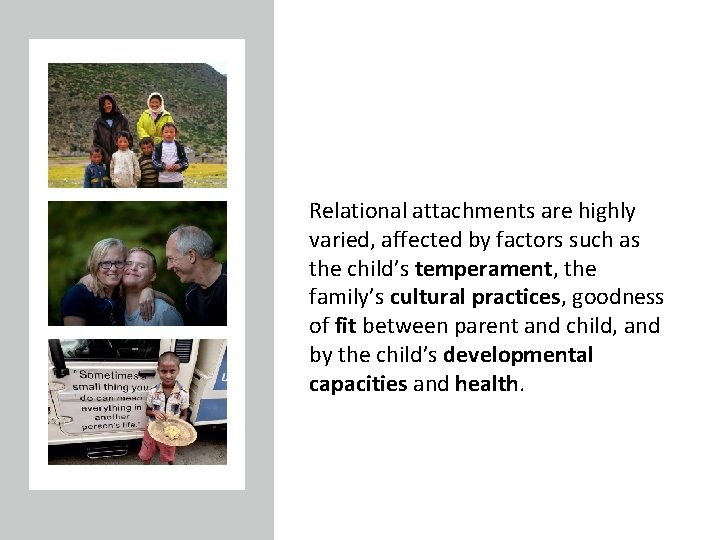
Relational attachments are highly varied, affected by factors such as the child’s temperament, the family’s cultural practices, goodness of fit between parent and child, and by the child’s developmental capacities and health.
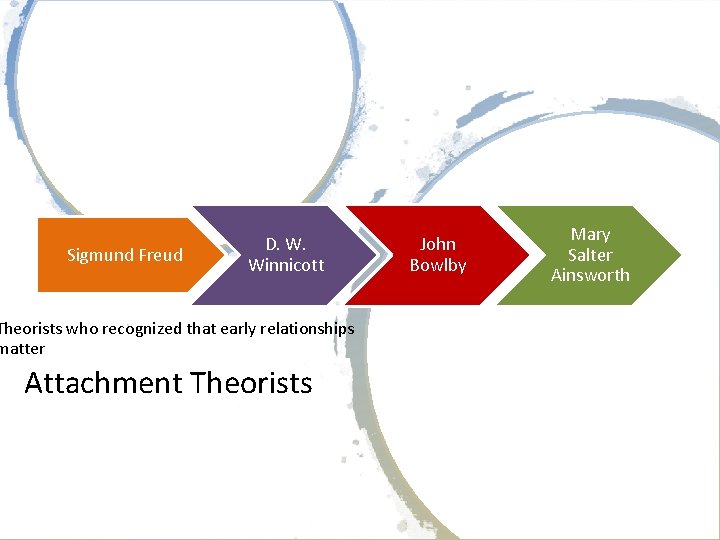
Sigmund Freud D. W. Winnicott Theorists who recognized that early relationships matter Attachment Theorists John Bowlby Mary Salter Ainsworth
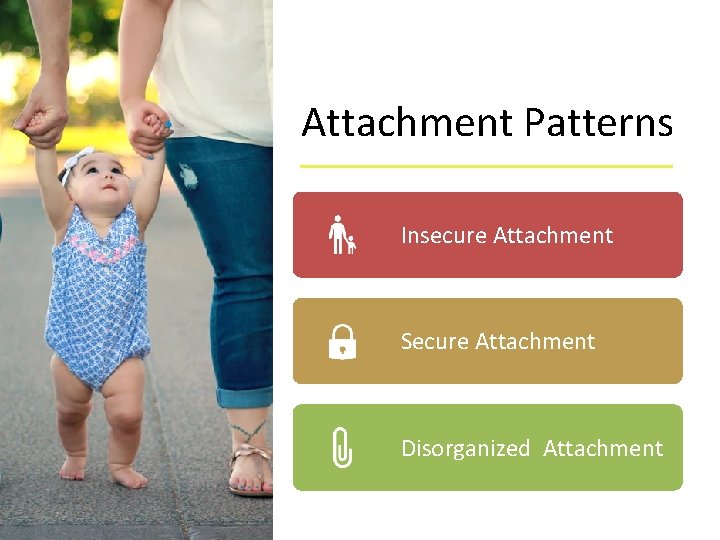
Attachment Patterns Insecure Attachment Secure Attachment Disorganized Attachment
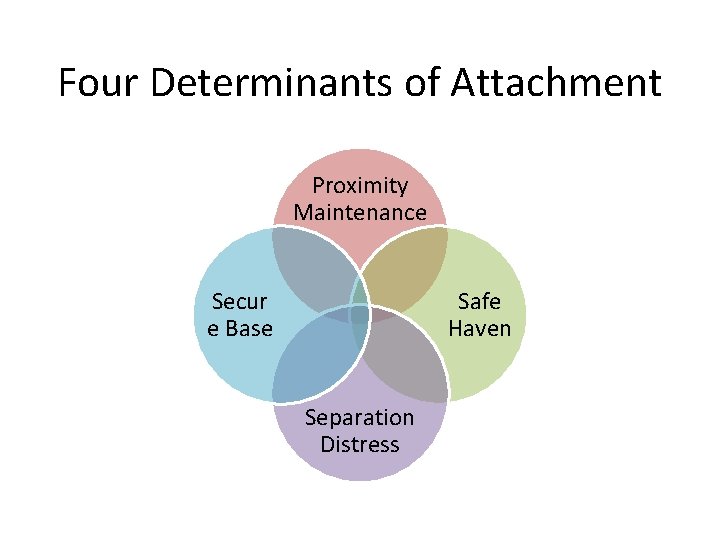
Four Determinants of Attachment Proximity Maintenance Secur e Base Safe Haven Separation Distress
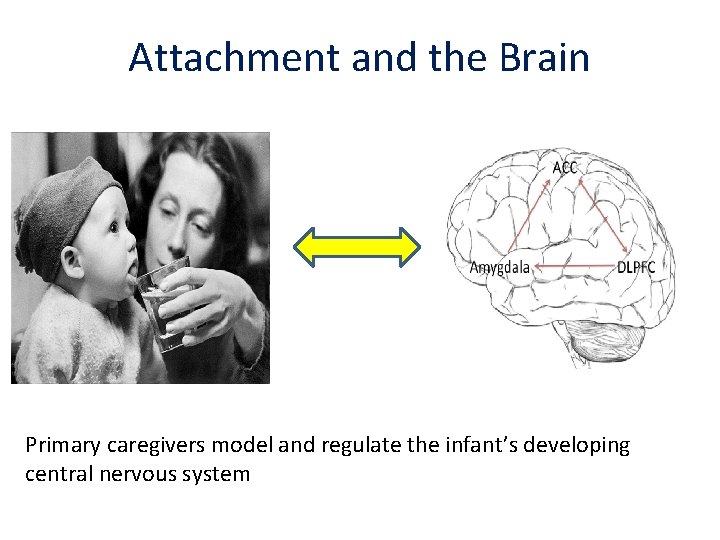
Attachment and the Brain Primary caregivers model and regulate the infant’s developing central nervous system
Relational practice engages child client and worker in transformational, brainchanging interventions.
Regardless of the quality of care, children yearn to be loved by their parents.
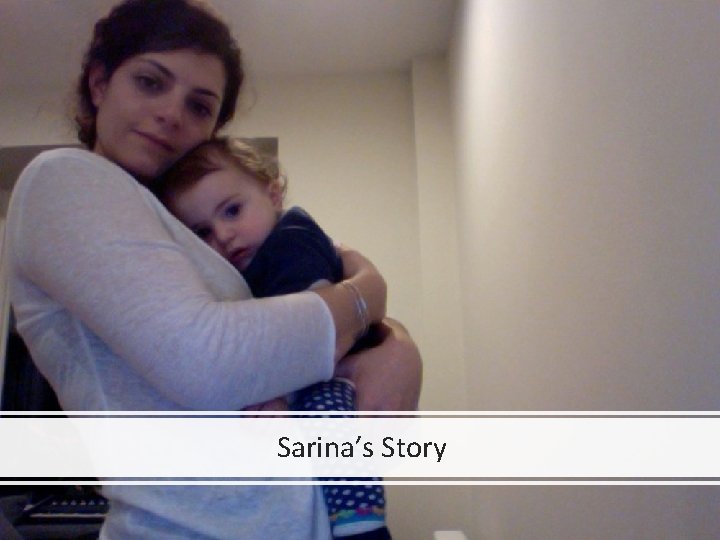
Sarina’s Story
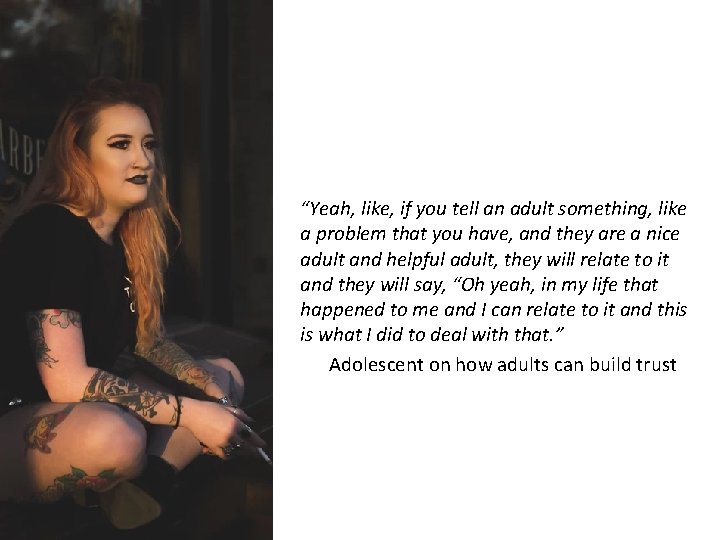
“Yeah, like, if you tell an adult something, like a problem that you have, and they are a nice adult and helpful adult, they will relate to it and they will say, “Oh yeah, in my life that happened to me and I can relate to it and this is what I did to deal with that. ” Adolescent on how adults can build trust
Reflective practice considers how clients’ stories resonate with workers’ personal attachment histories and affect professional perspectives and practice choices.
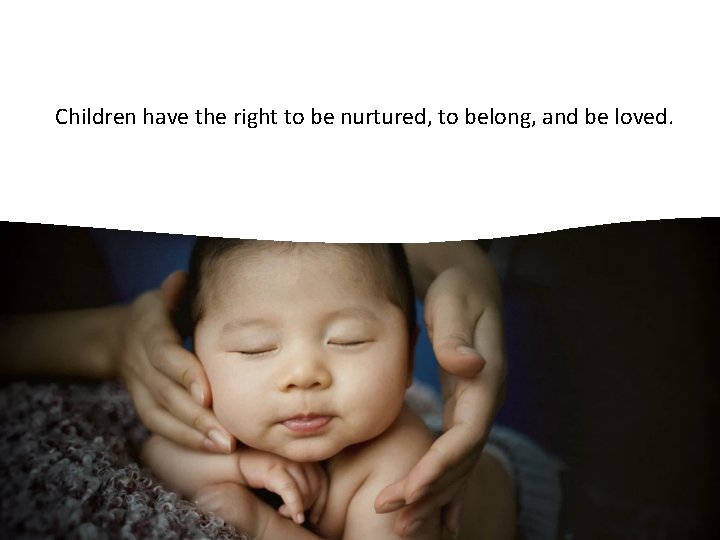
Children have the right to be nurtured, to belong, and be loved.
Conversation Starters • Describe the basic tenets of attachment. • How do attachment and neuroscience discoveries offer hope for those who have experienced early adversities? What are their implications across the life course. • Discuss attachment and caring as a human right. • Apply attachment theory to Sarina’s story? • Reflect upon your attitudes, assumptions, and beliefs about Sarina. How would they help or hinder your relationship?