
CHAPTER 3 KEY ISSUE 2 Where Do People



- Slides: 50
CHAPTER 3, KEY ISSUE 2 Where Do People Migrate Within a Country?
Interregional Migration �Most people are compelled to make interregional migrations because they believe their destination will offer greater economic opportunities.
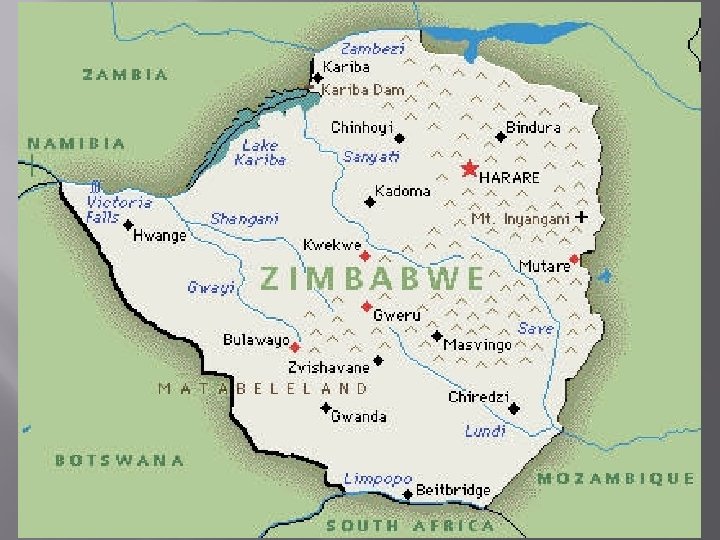
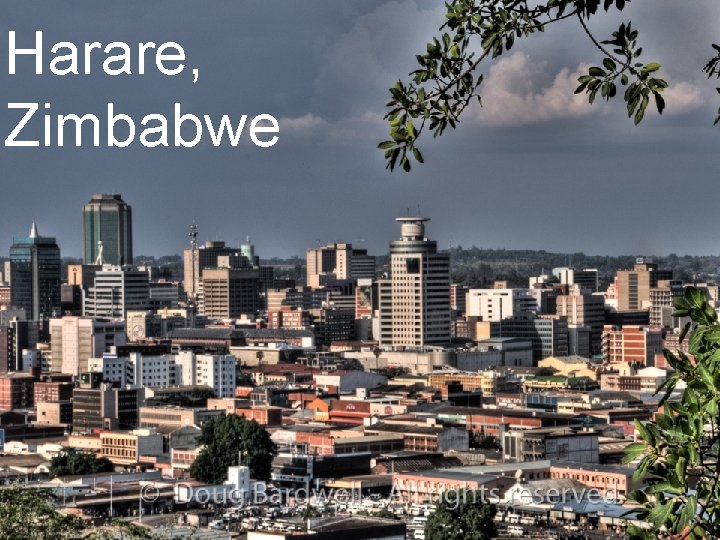
Harare, Zimbabwe
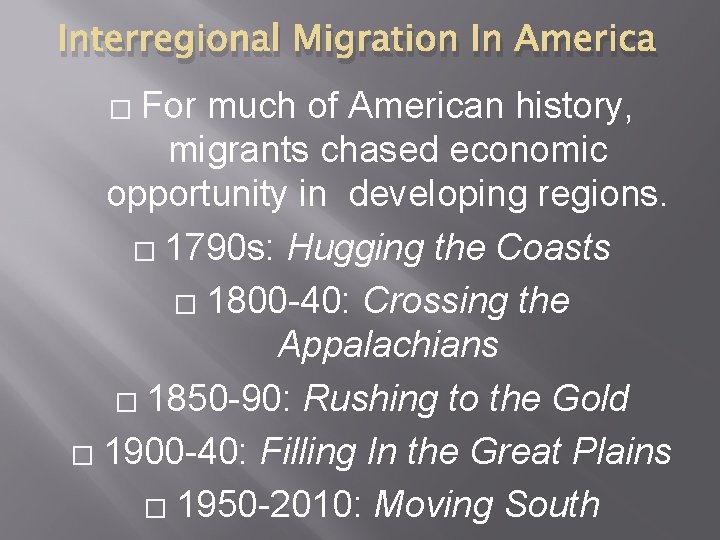
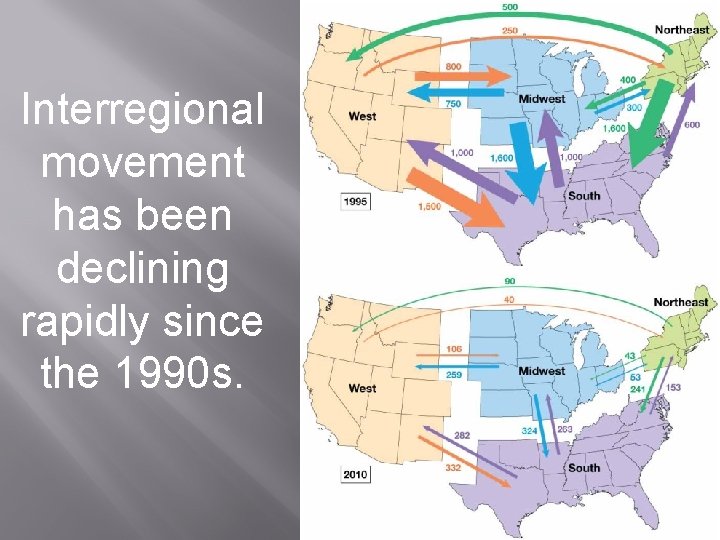
Interregional Migration In America For much of American history, migrants chased economic opportunity in developing regions. � 1790 s: Hugging the Coasts � 1800 -40: Crossing the Appalachians � 1850 -90: Rushing to the Gold � 1900 -40: Filling In the Great Plains � 1950 -2010: Moving South �
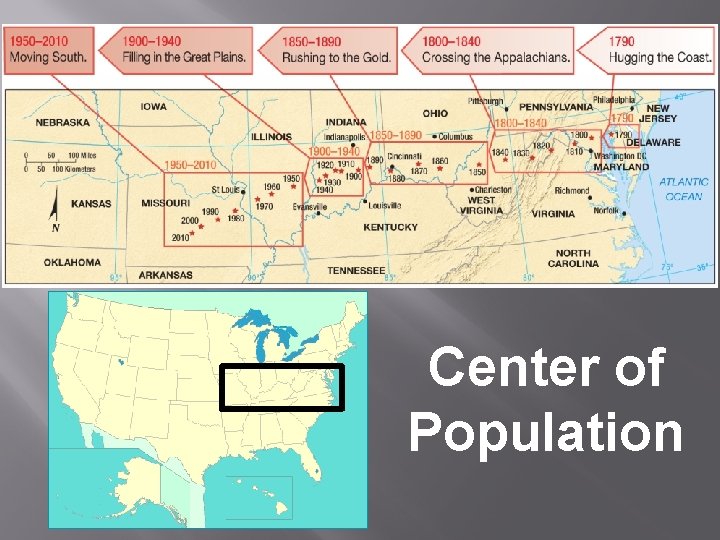
� Westward expansion contributed to a shift in the center of population.
Center of Population
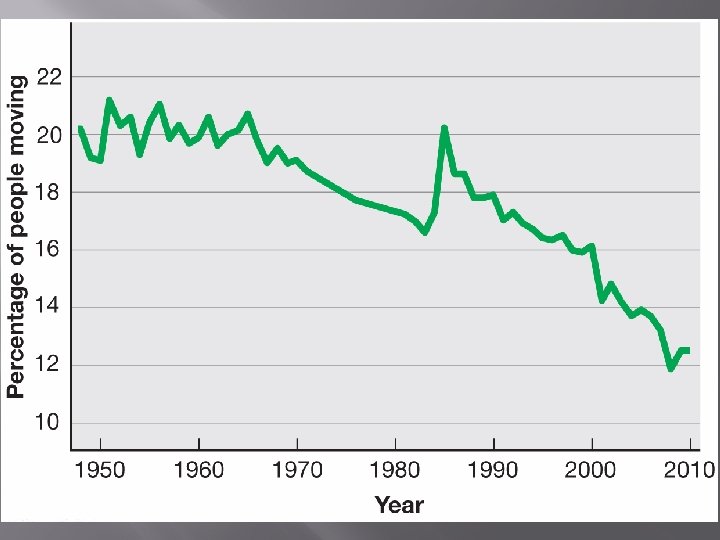
Interregional movement has been declining rapidly since the 1990 s.
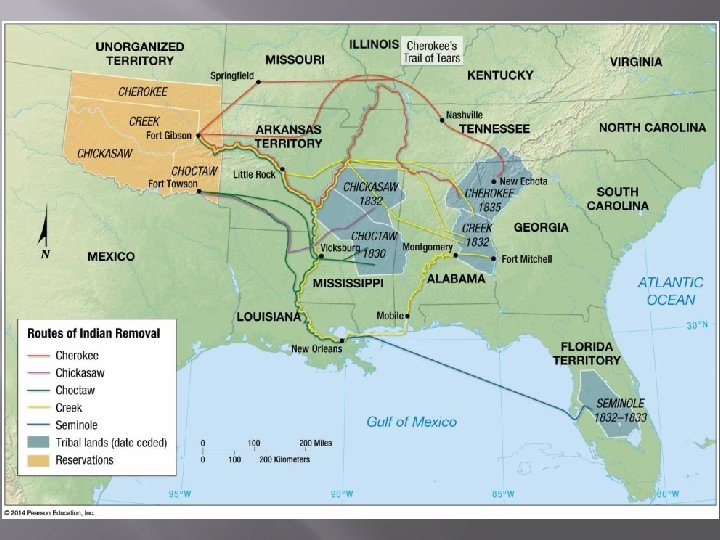
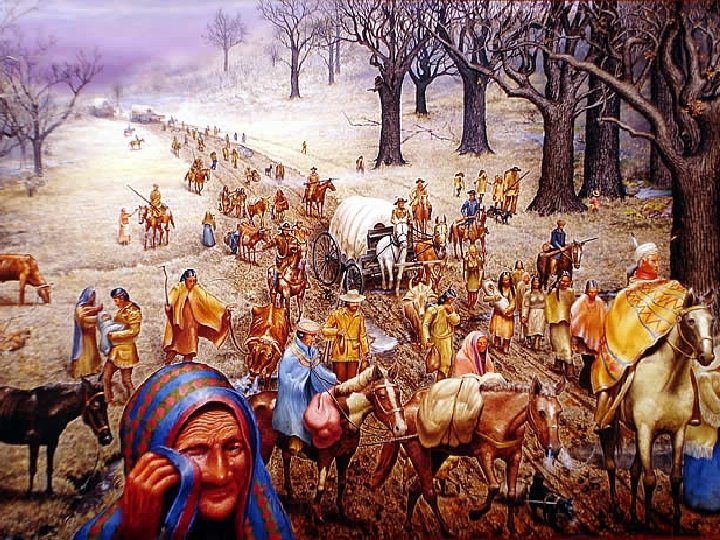
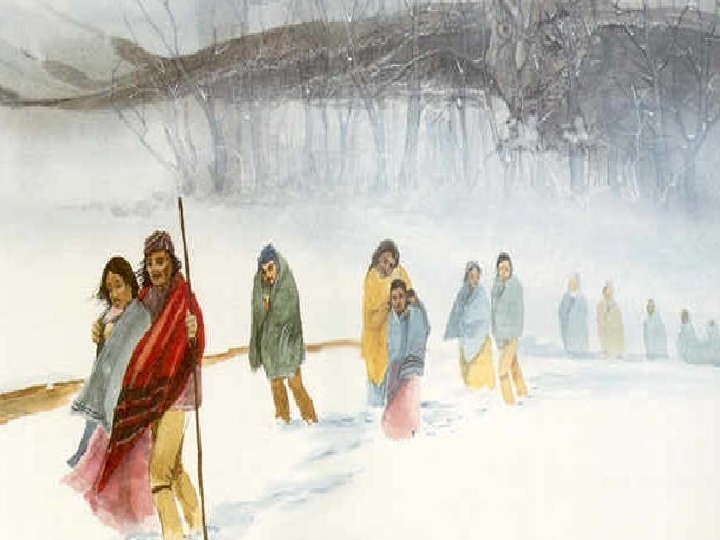
TRAIL of TEARS • Between 1830 and 1840, nearly 50, 000 native Americans in the South were forcible evicted from their land under the Indian Removal Act to make way for white settlers. • They were forced to march hundreds of miles on foot, exposing old and young alike to the elements. Thousands died en route. • They were forced onto two reservations in what is now Oklahoma. The US government refused to recognize any difference between their tribes and their cultures.
Interregional Migration in Large Countries �World’s five largest countries by land area are Russia, Canada, China, the U. S. , and Brazil.
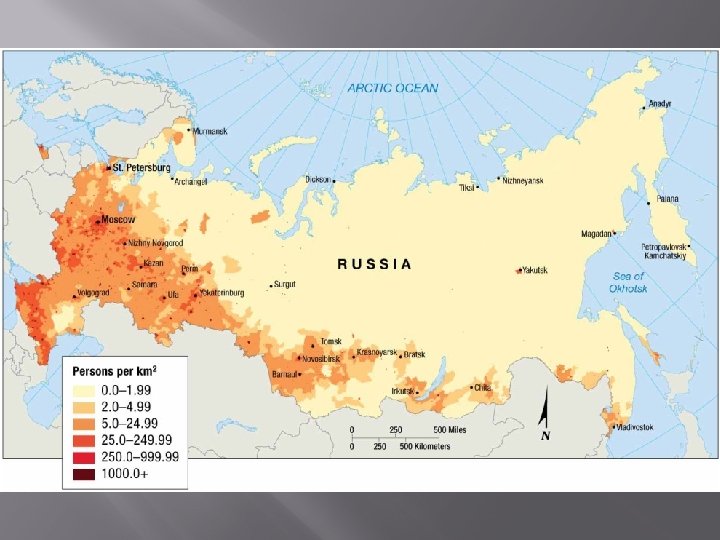
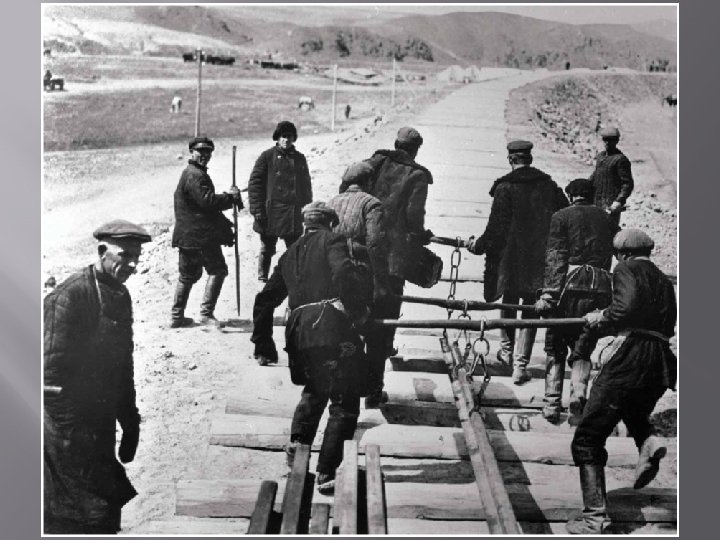
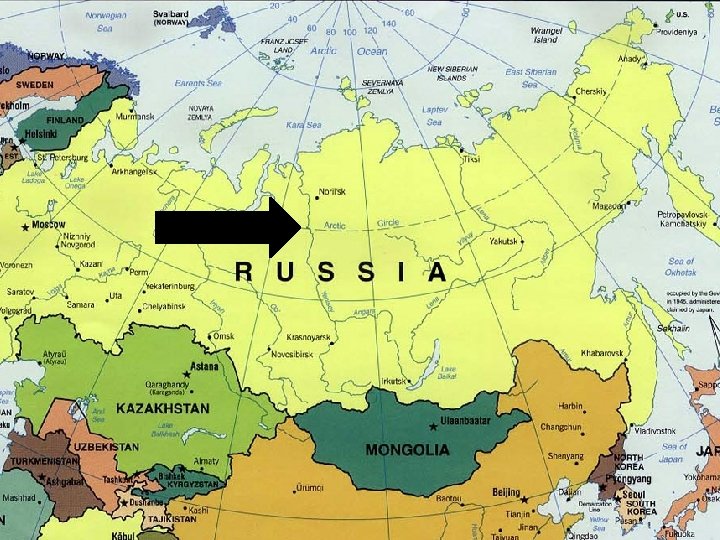
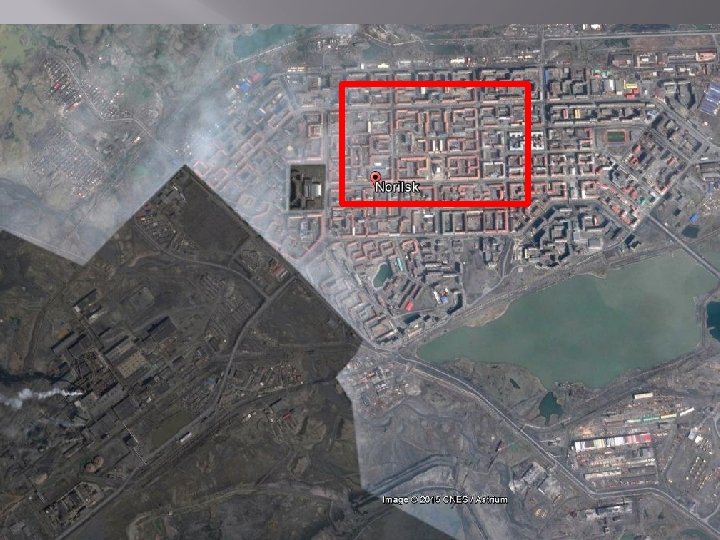
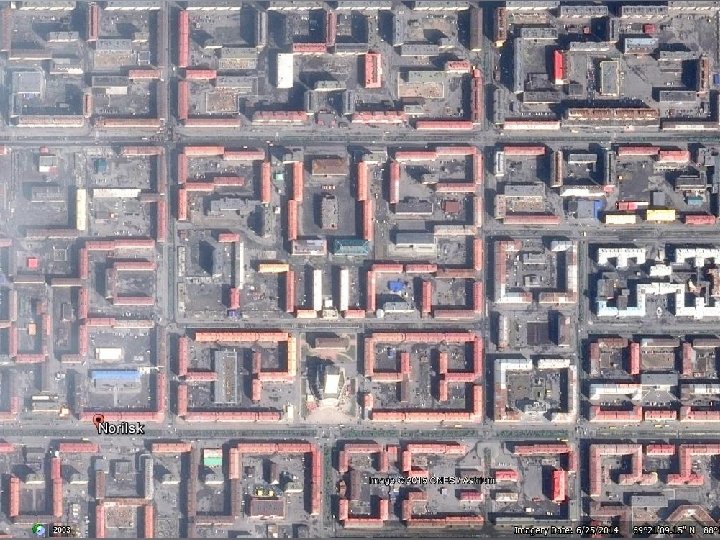
Movement in Russia/USSR: Interregional migration was encouraged eastward and northward by the government’s decision to locate new factories far away from existing population concentrations. � � � Economic incentives were offered to migrants- better wages, earlier retirement, more vacations. This continues to be the case. Political prisoners were used for the most grueling of tasks.
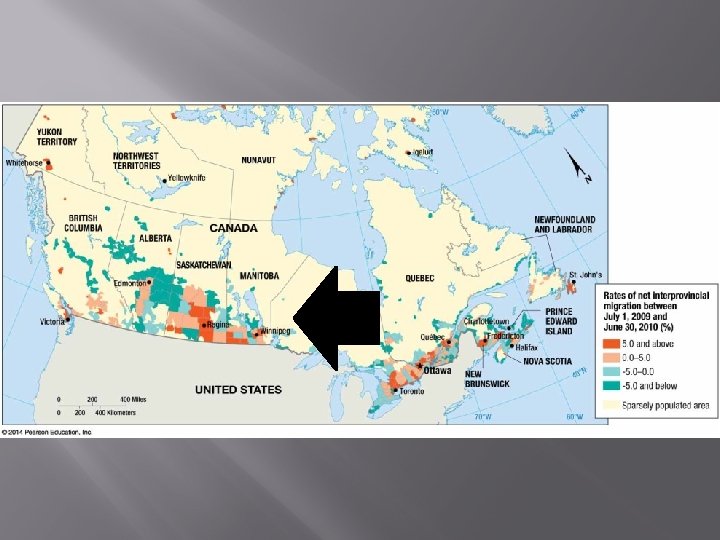
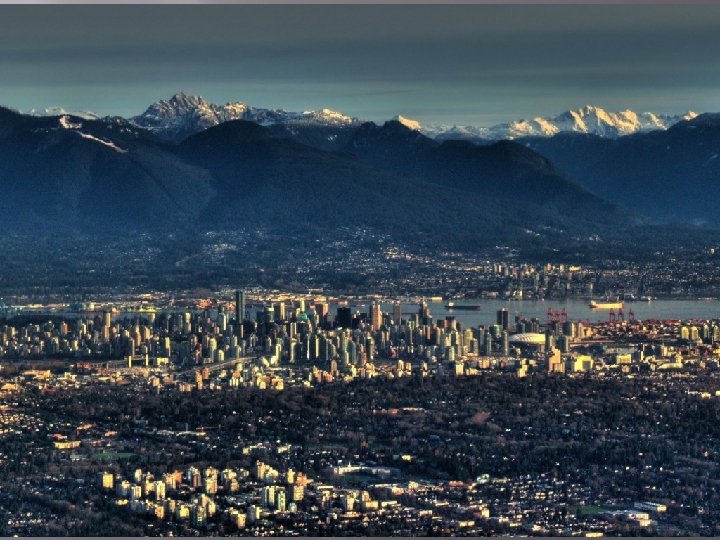
Movement in �Canada shares a similar east to west interregional migration pattern with the U. S. Three westernmost provinces are destinations for interregional migrants.
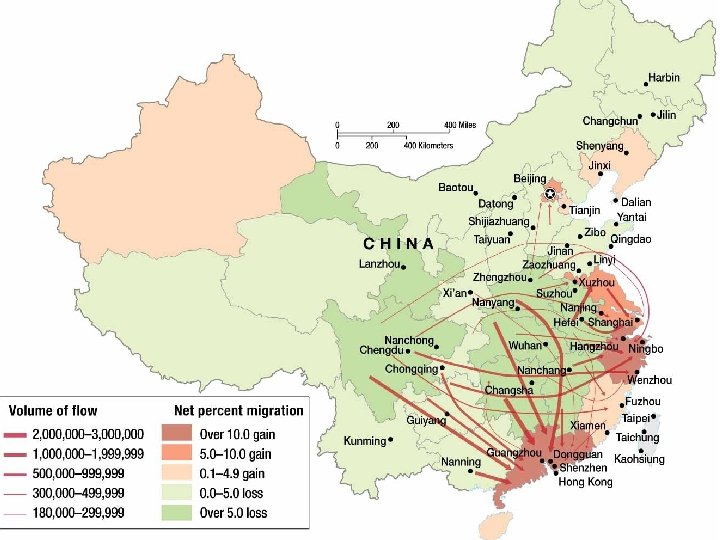
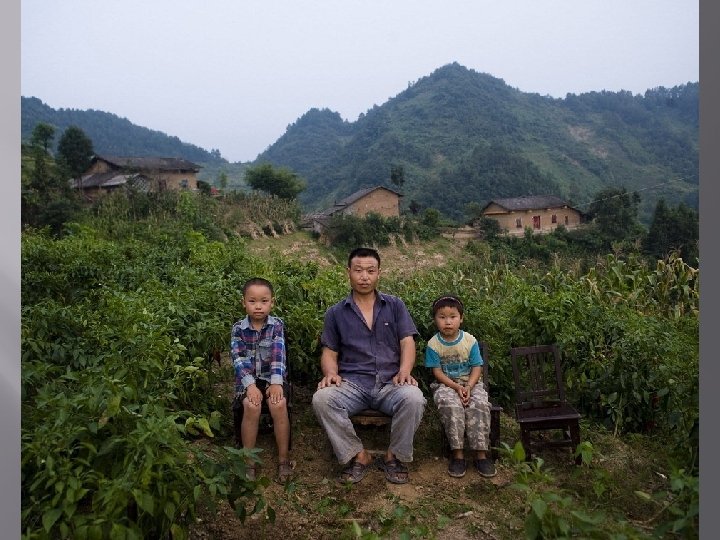
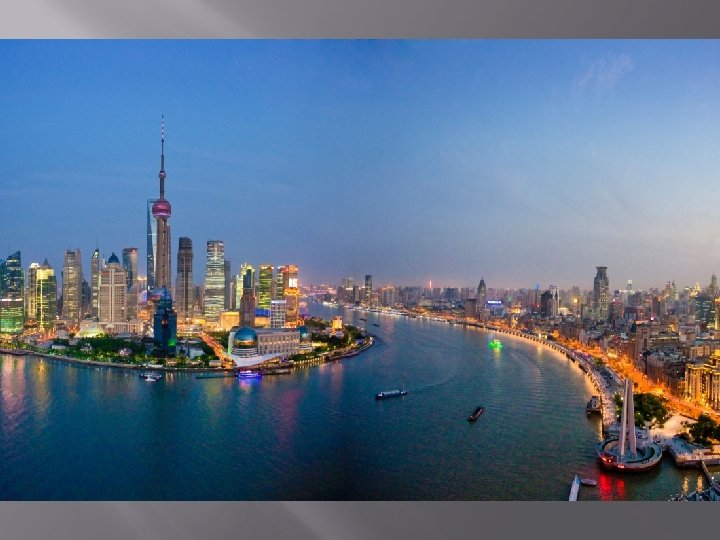
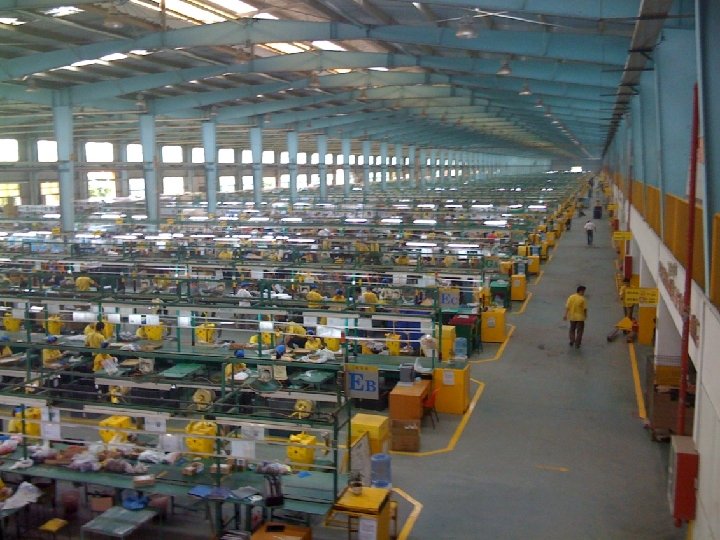
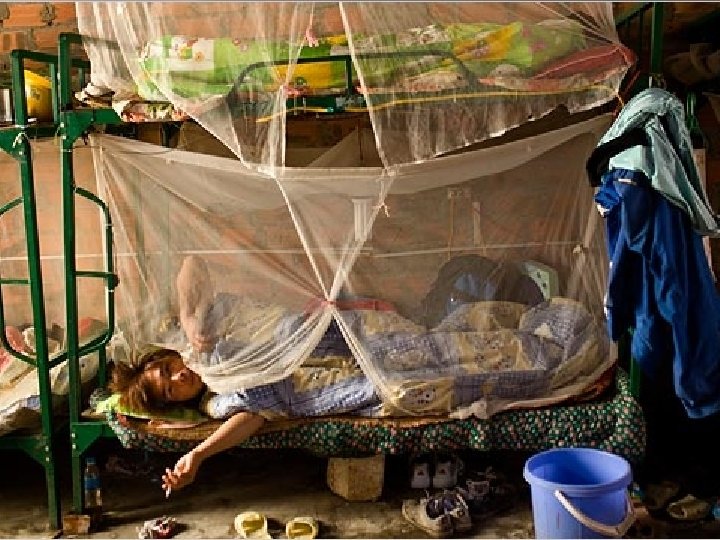
Movement in �In China, nearly 100 million people have emigrated from the rural interior to large urban areas along east coast where manufacturing is prevalent.
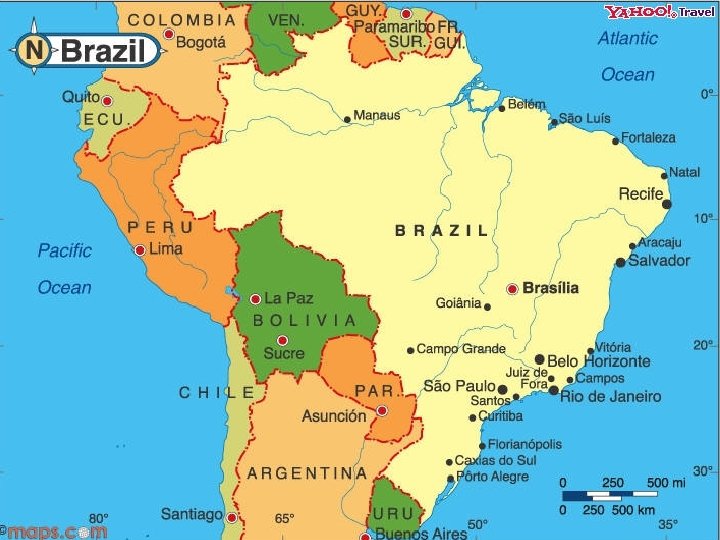
Movement in � In Brazil 1960, the Brazilian Government moved its capital from Rio De Janeiro to Brasília to encourage migration of coastal residents to move to the interior.
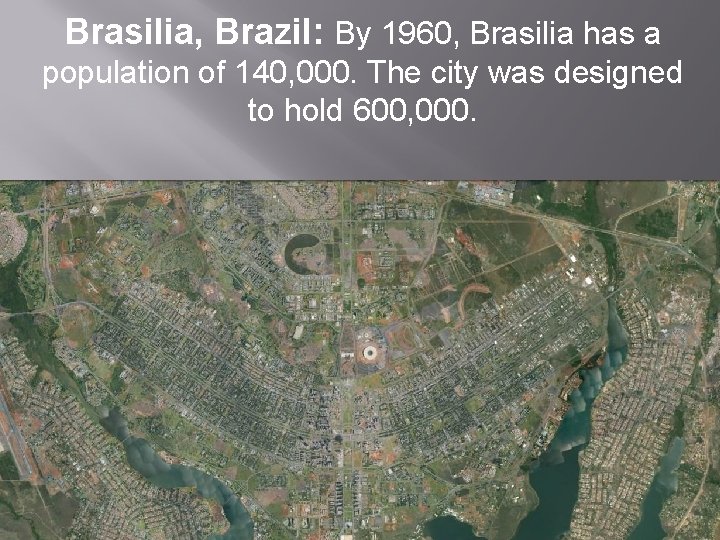
Brasilia, Brazil: By 1960, Brasilia has a population of 140, 000. The city was designed to hold 600, 000.
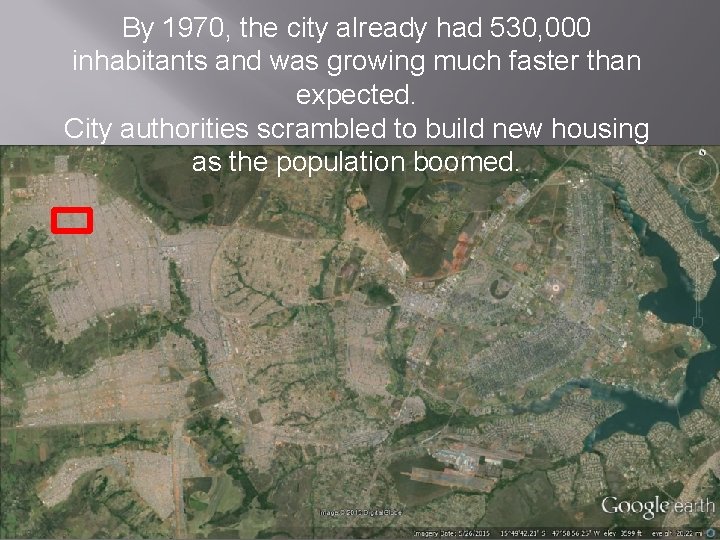
By 1970, the city already had 530, 000 inhabitants and was growing much faster than expected. City authorities scrambled to build new housing as the population boomed.
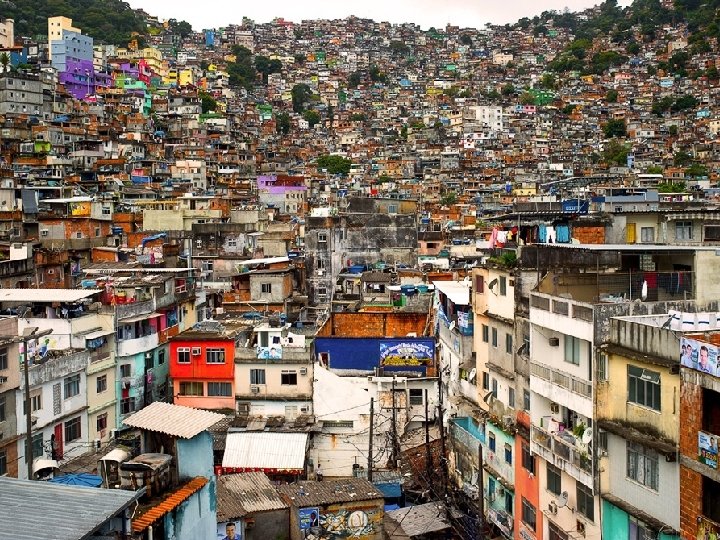
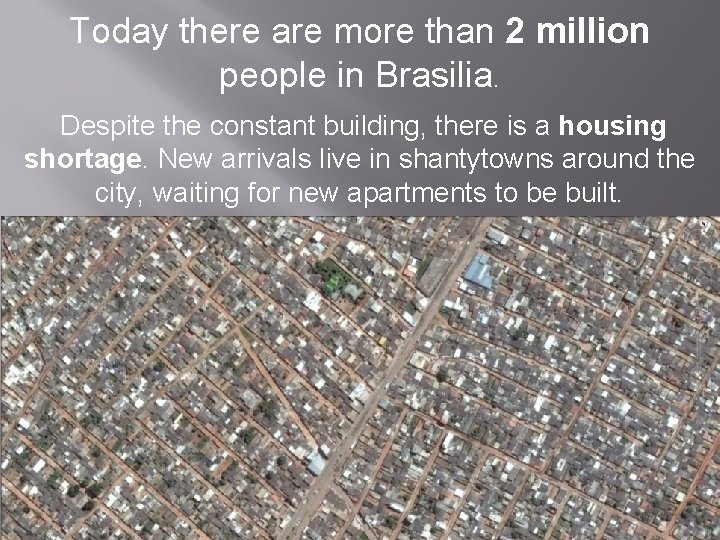
Today there are more than 2 million people in Brasilia. Despite the constant building, there is a housing shortage. New arrivals live in shantytowns around the city, waiting for new apartments to be built.
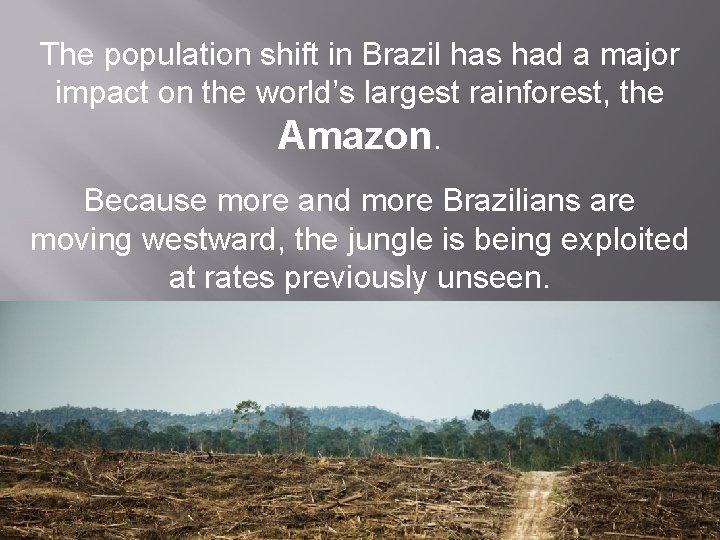
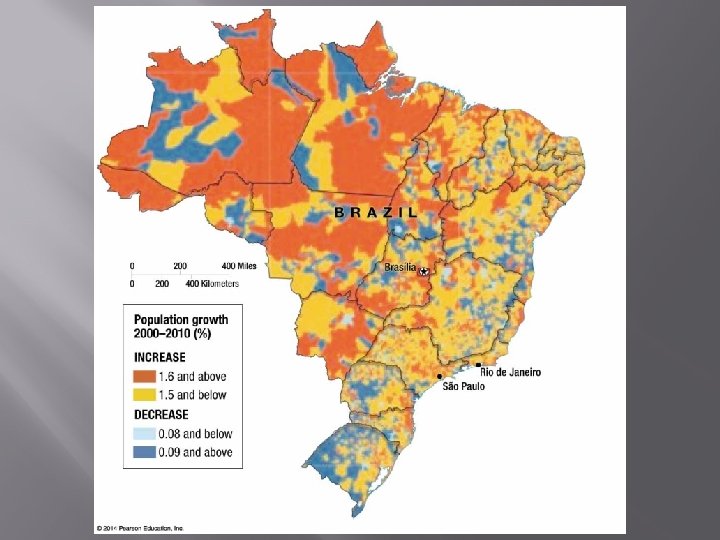
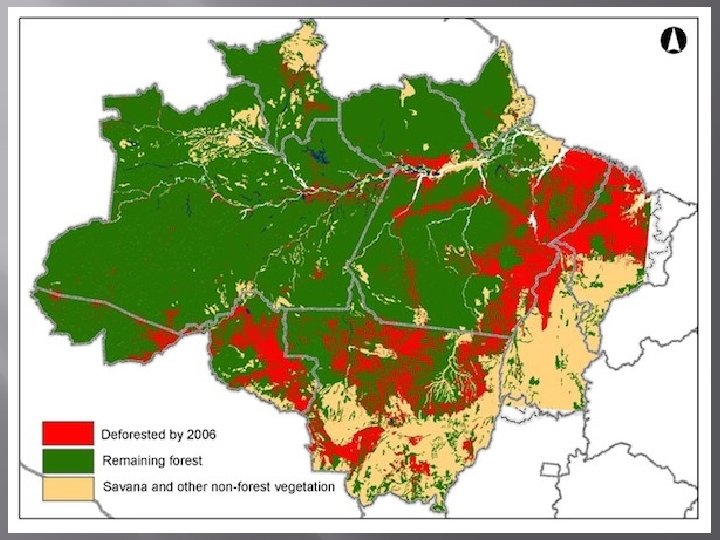
The population shift in Brazil has had a major impact on the world’s largest rainforest, the Amazon. Because more and more Brazilians are moving westward, the jungle is being exploited at rates previously unseen.
INTRAREGIONAL MIGRATION
�Countries in Stages 2 & 3 tend to see interregional migration from RURAL to URBAN areas. �Motivated by economic opportunity & population pressure.
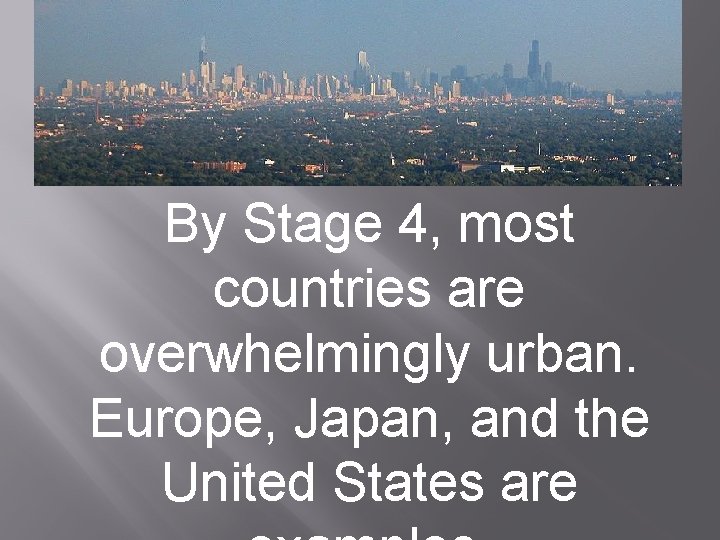
By Stage 4, most countries are overwhelmingly urban. Europe, Japan, and the United States are
� Percentage of urbanized population in U. S. 1800: 5 percent 1920: 50 percent 2010: 80 percent
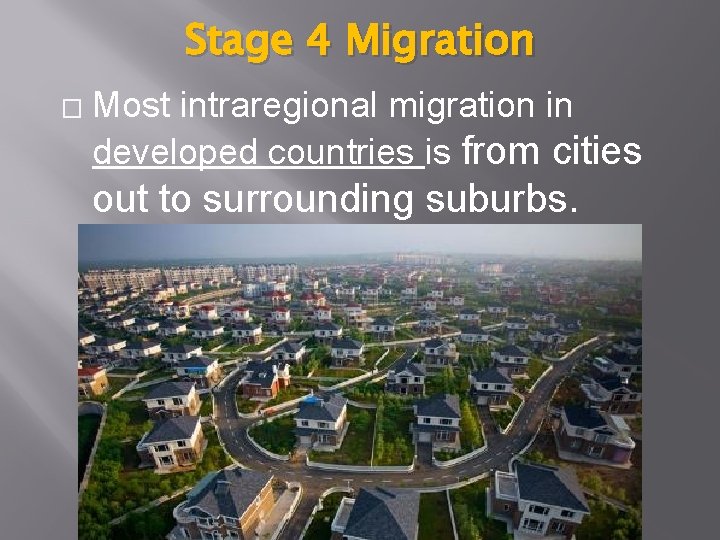
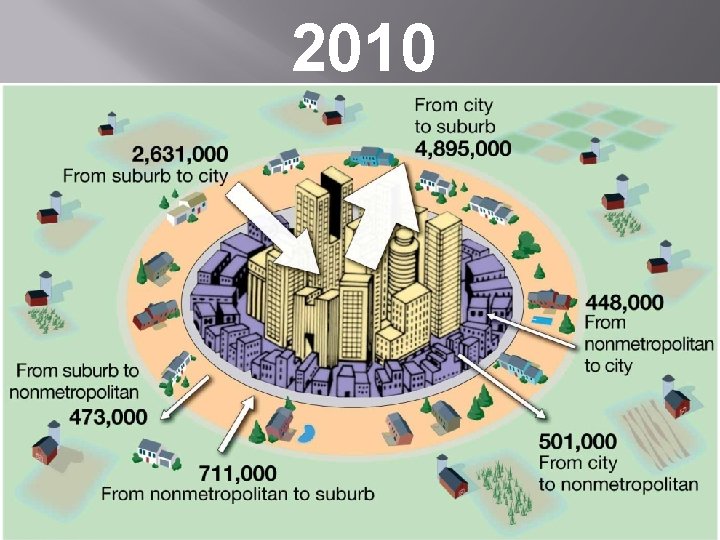
Stage 4 Migration � Most intraregional migration in developed countries is from cities out to surrounding suburbs.
Suburbanization is a LIFESTYLE choice, not an economic choice. • Single-family homes • No paying for parking • Good schools
2010
Intraregional Migration �Counterurbanization is a process unique to very developed countries. � People leave populated areas, seeking life in less developed, more picturesque places.
� Many are moving to states like Vermont, Colorado, Montana, and other places in search of a life in nature. Modern technology allows them to keep in touch with modernity.