
CHAPTER 3 JOINT ANATOMY and FUNCTION Joint Structure


- Slides: 21
CHAPTER 3 JOINT ANATOMY and FUNCTION
Joint Structure and Classification • Stability–mobility continuum • Joint stability: resistance to dislocation • Joint mobility: range of motion • Degree of stability/mobility determined by • Structural congruity of the bones (i. e. , “bony fit”) • Amount of support provided by tissues surrounding the joint (i. e. , periarticular tissues) • In general, joints with high stability have low mobility; conversely, joints with low stability have high mobility.
Functional Classification of Joints • Joints are classified functionally based on the type or extent of movement they allow. Synarthrosis (plural, -es) Amphiarthosis Diarthrosis No movement Limited movement Freely moving
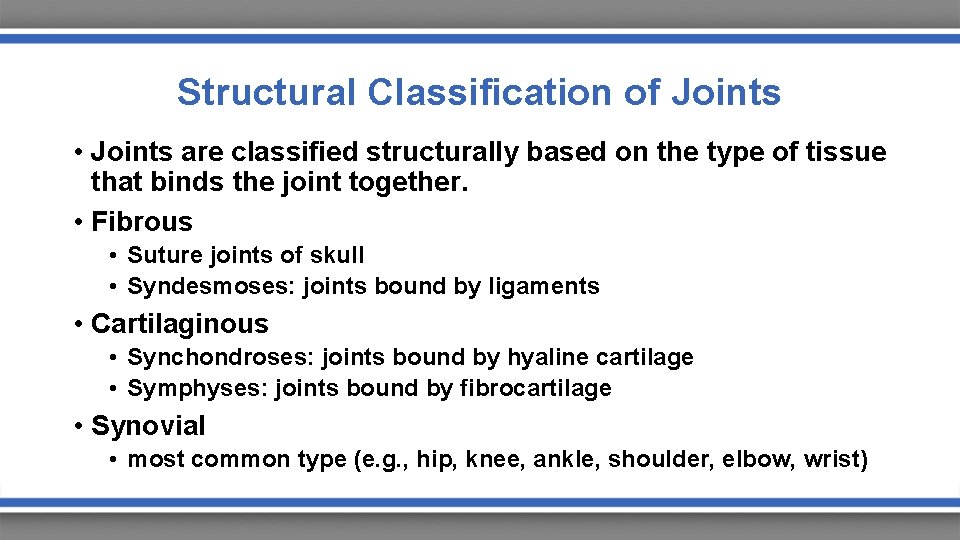
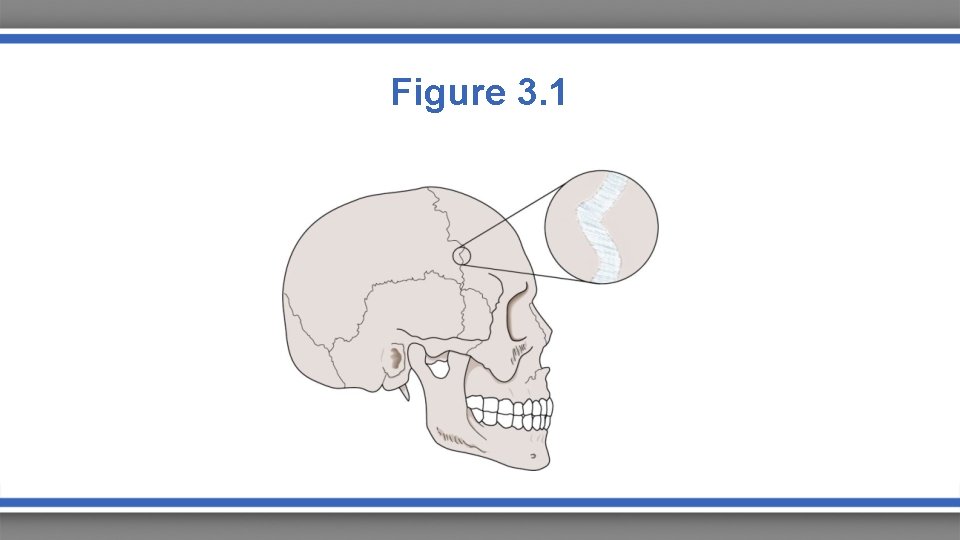
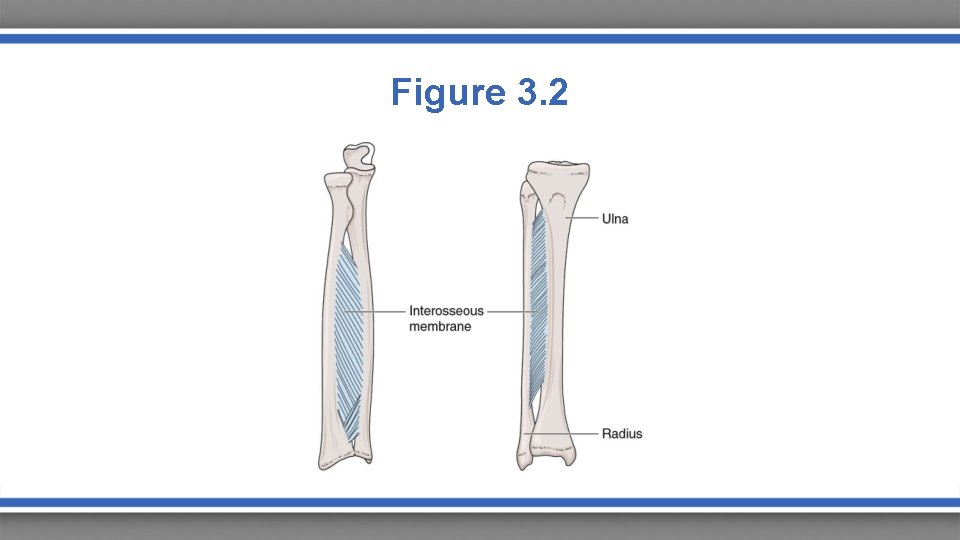
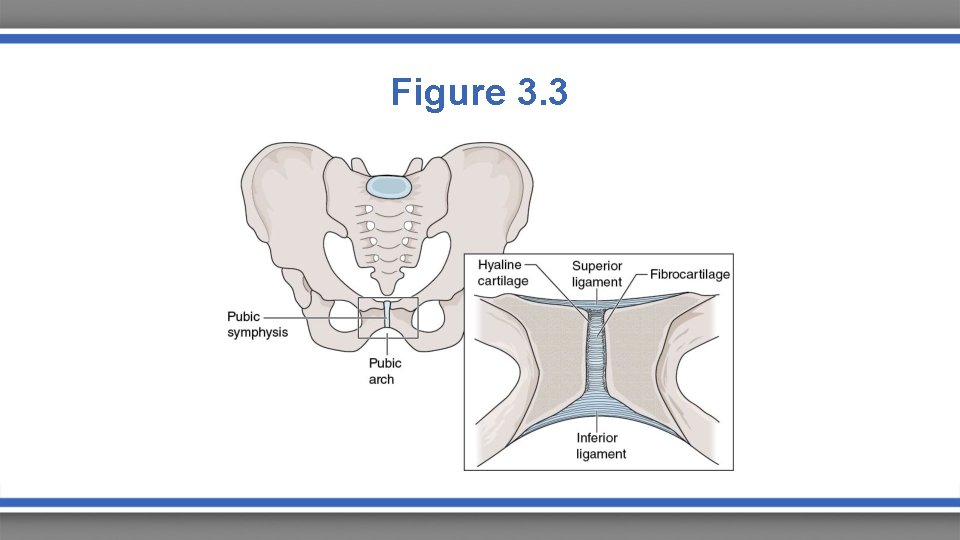
Structural Classification of Joints • Joints are classified structurally based on the type of tissue that binds the joint together. • Fibrous • Suture joints of skull • Syndesmoses: joints bound by ligaments • Cartilaginous • Synchondroses: joints bound by hyaline cartilage • Symphyses: joints bound by fibrocartilage • Synovial • most common type (e. g. , hip, knee, ankle, shoulder, elbow, wrist)
Figure 3. 1
Figure 3. 2
Figure 3. 3
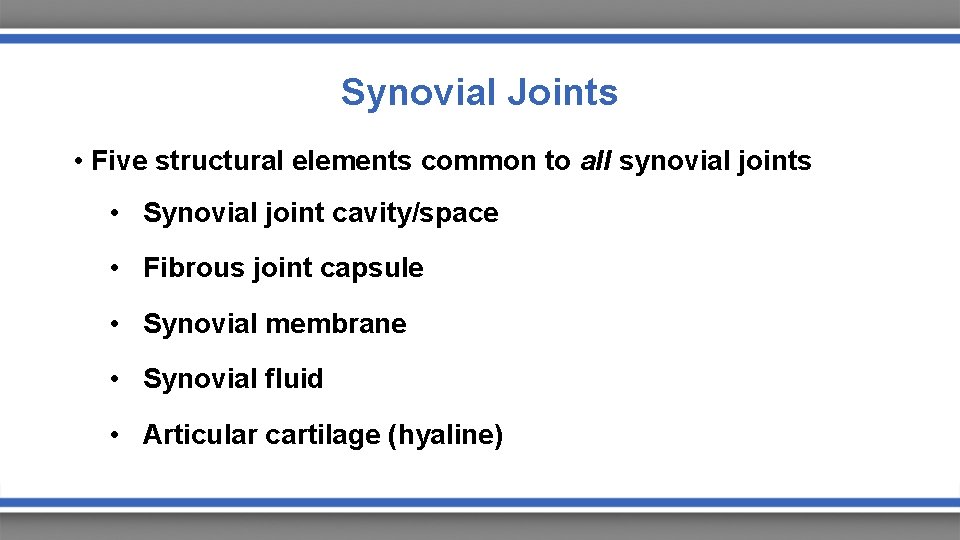
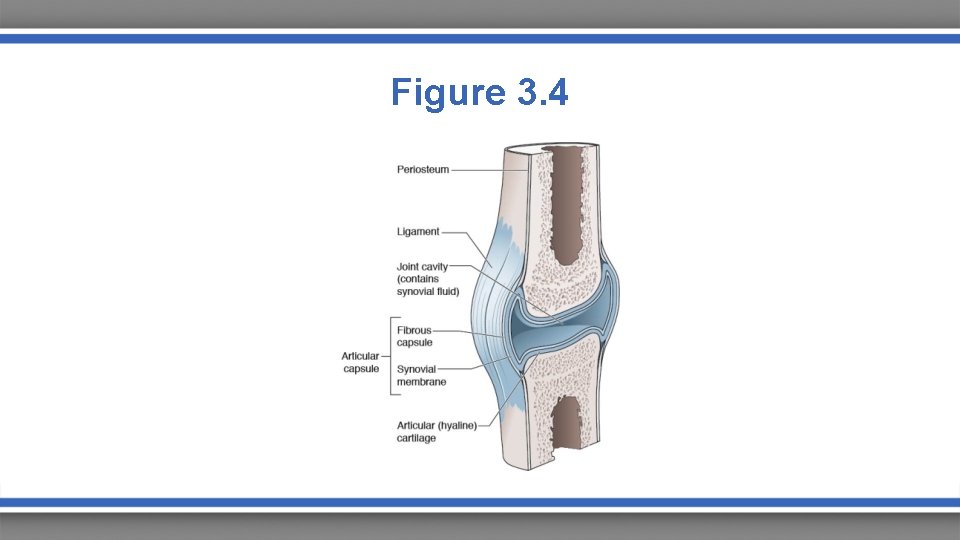
Synovial Joints • Five structural elements common to all synovial joints • Synovial joint cavity/space • Fibrous joint capsule • Synovial membrane • Synovial fluid • Articular cartilage (hyaline)
Figure 3. 4
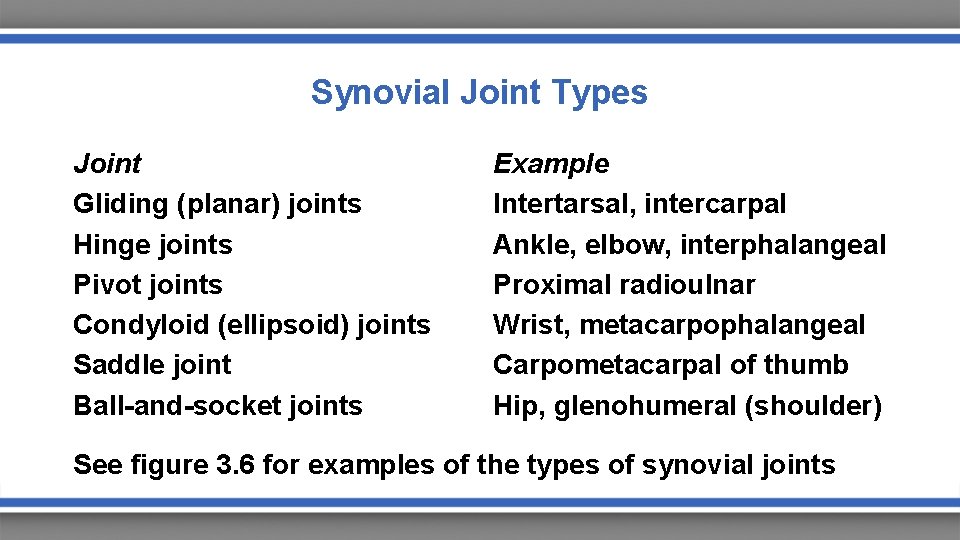
Synovial Joint Types Joint Gliding (planar) joints Hinge joints Pivot joints Condyloid (ellipsoid) joints Saddle joint Ball-and-socket joints Example Intertarsal, intercarpal Ankle, elbow, interphalangeal Proximal radioulnar Wrist, metacarpophalangeal Carpometacarpal of thumb Hip, glenohumeral (shoulder) See figure 3. 6 for examples of the types of synovial joints
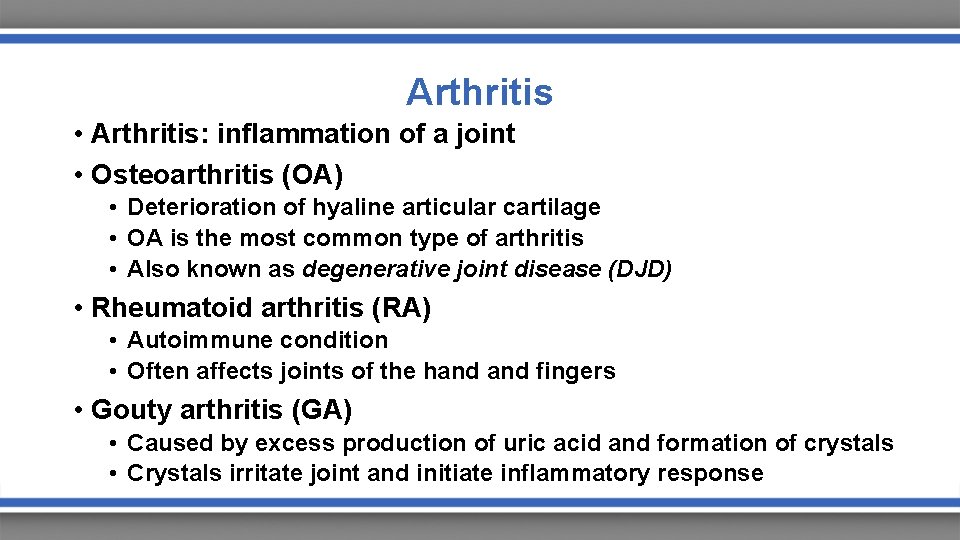
Arthritis • Arthritis: inflammation of a joint • Osteoarthritis (OA) • Deterioration of hyaline articular cartilage • OA is the most common type of arthritis • Also known as degenerative joint disease (DJD) • Rheumatoid arthritis (RA) • Autoimmune condition • Often affects joints of the hand fingers • Gouty arthritis (GA) • Caused by excess production of uric acid and formation of crystals • Crystals irritate joint and initiate inflammatory response
Movement Planes • Sagittal • Frontal (coronal) • Transverse
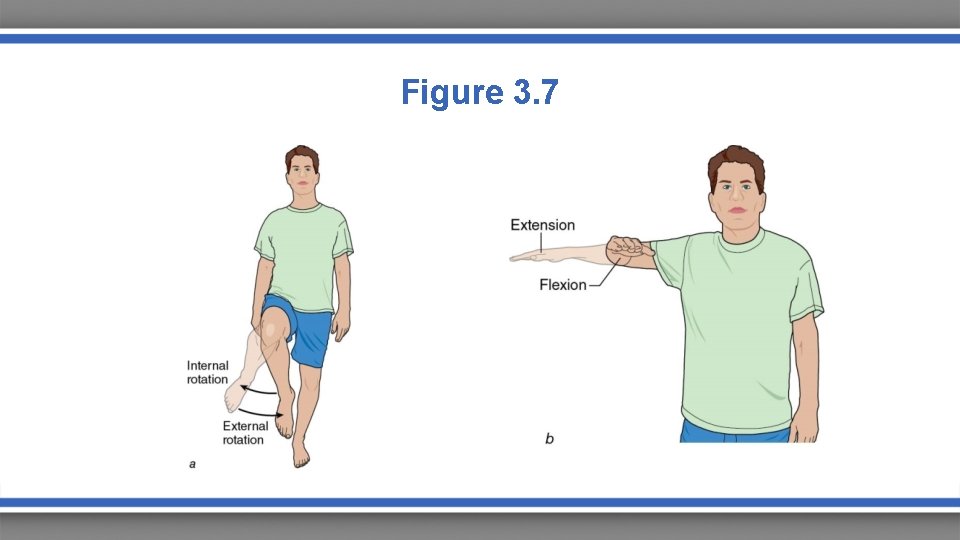
Figure 3. 7
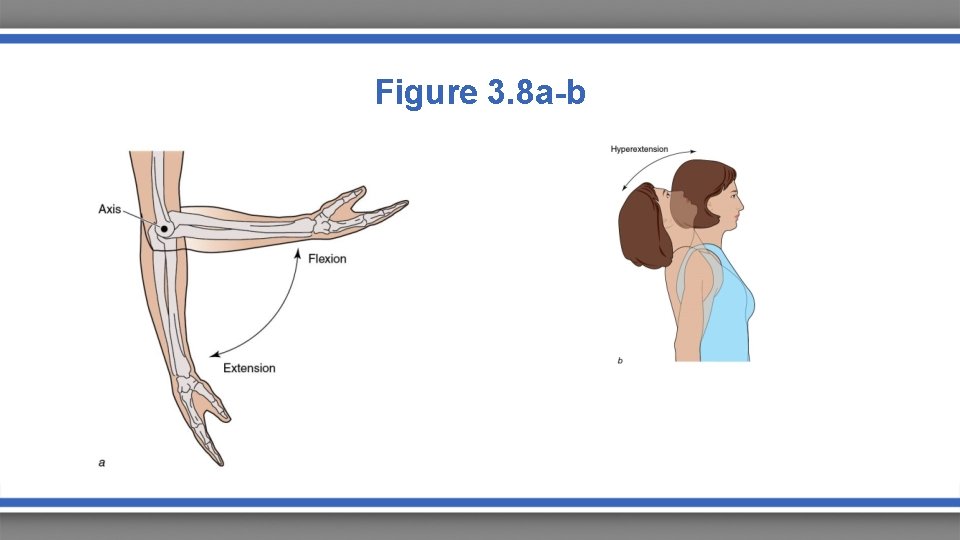
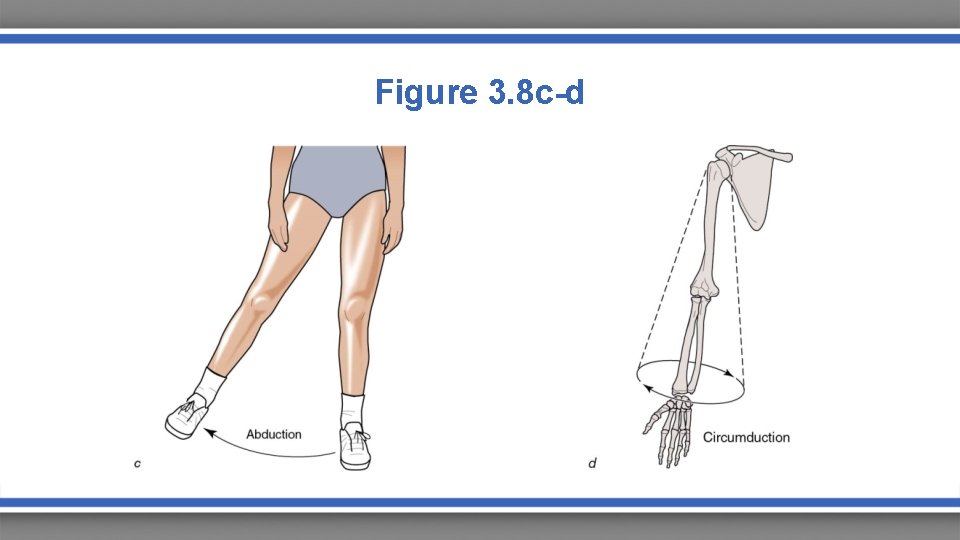
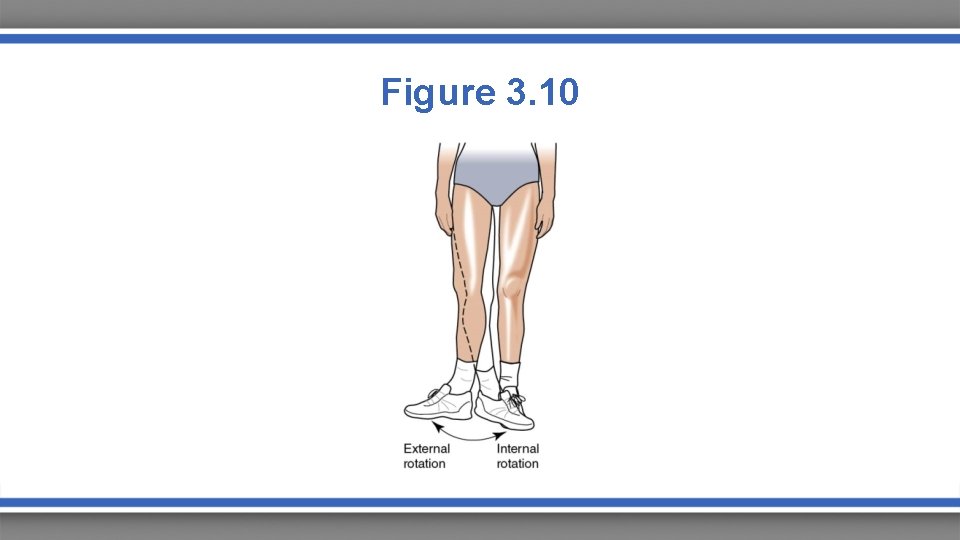
Joint Movement • Gliding movements (e. g. , intertarsals, intercarpals) • Angular movements (e. g. , flexion/extension, abduction/adduction) • Rotational movements (e. g. , internal/external rotation)
Figure 3. 8 a-b
Figure 3. 8 c-d
Figure 3. 10
Special Movements • Ankle plantar flexion and dorsiflexion • Subtalar inversion and eversion • Radioulnar pronation and supination • Radial deviation and ulnar deviation • Thumb opposition • Scapular depression and elevation; protraction and retraction; upward and downward rotation • Spinal lateral flexion • See figures 3. 11 through 3. 19
Joint Structure and Movement • Head, neck, and trunk • See table 3. 1 • See figures 3. 20 through 3. 24 • Upper extremity • See table 3. 2 • See figures 3. 25 through 3. 32 • Pelvis and lower extremity • See table 3. 3 • See figure 3. 33 through 3. 38 • Average ranges of motion: see table 3. 4
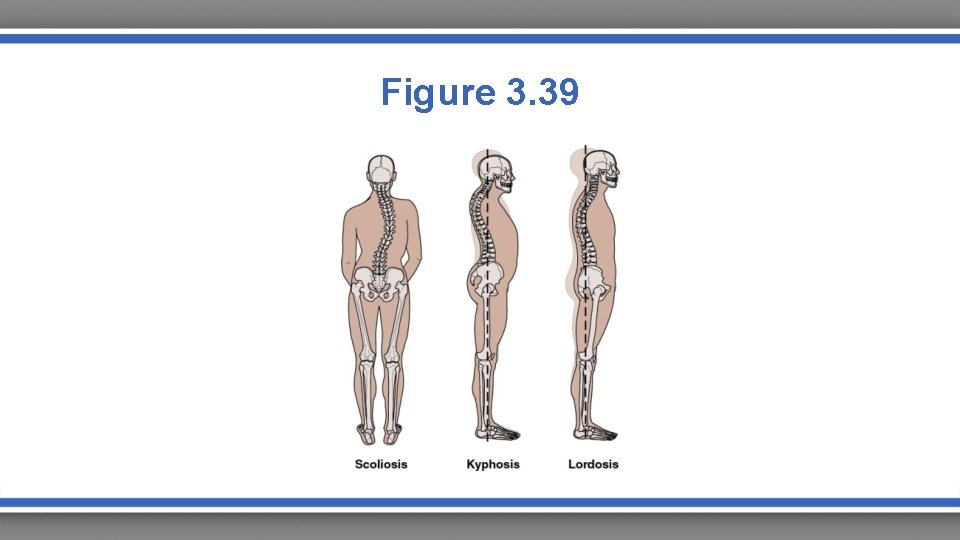
Spinal Deformities • Scoliosis • Lateral (frontal plane) curvature of the spine • Mild and non-progressive deviations well tolerated • Severe deviations may require bracing or surgery • Kyphosis • Sagittal-plane deformity, usually in thoracic region • Excessive flexion produced hunchback posture • Lordosis • Abnormal extension deformity, usually in lumbar region • Produces hollow or swayback posture
Figure 3. 39