
CHAPTER 3 INFORMATION AND DECISIONMAKING Business Leadership Management
CHAPTER 3: INFORMATION AND DECISION-MAKING Business Leadership: Management Fundamentals John R. Schermerhorn, Jr. , Barry Wright, and Lorie Guest © John Wiley & Sons Canada, Ltd.
PLANNING AHEAD — CHAPTER 3 LEARNING GOALS o Understand the role of information in the management process o Understand how managers use information to make decisions o Use the steps in the decision-making process o Understand the current issues in managerial decision-making 2

INFORMATION AND KNOWLEDGE— BASIC LINKAGES • Knowledge and knowledge workers provide a ? factor in today’s economy • Knowledge worker: – Someone whose value to the organization ? • Intellectual capital: – Shared knowledge of a workforce that can be used to ? 3

INFORMATION AND KNOWLEDGE — BASIC LINKAGES (CONT. ) • Knowledge and intellectual capital are ? organizational resources. • The productivity of knowledge and knowledge workers depends on: – ? competency 4
WHAT IS USEFUL INFORMATION? • Data –? • Information drives ? • Characteristics of useful information: –? –? –? 5
WHAT IS INFORMATION TECHNOLOGY? • Information Technology – Helps to ? , ? and ? information 6
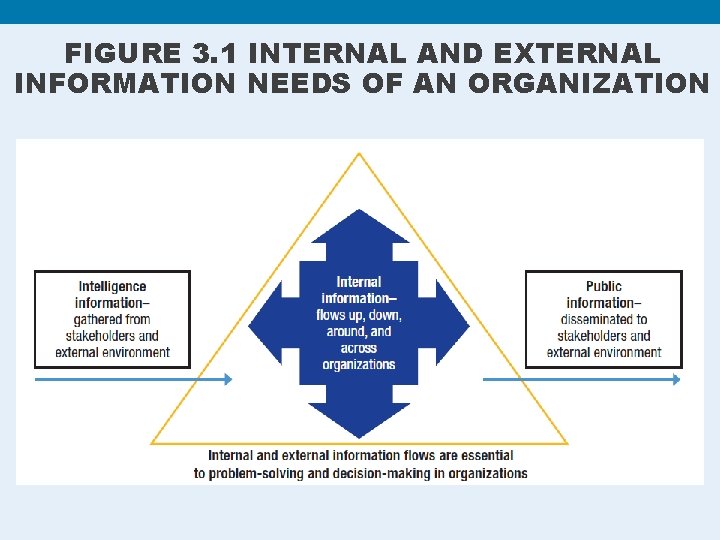
FIGURE 3. 1 INTERNAL AND EXTERNAL INFORMATION NEEDS OF AN ORGANIZATION
IMPLICATIONS OF IT WITHIN ORGANIZATIONS • • • Facilitation of communication and information sharing Operating with fewer middle managers Flattening of organizational structures Faster decision making Increased coordination and control
IMPLICATIONS OF IT FOR RELATIONSHIPS WITH EXTERNAL ENVIRONMENT • Helps with ? • Helps organizations with ? • Helps in ? 9
IMPLICATIONS OF IT FOR RELATIONSHIPS WITH INTERNAL ENVIRONMENT • Quick decision-making at lower levels translate into higher profit margins • Top level management well informed 10
INFORMATION NEEDS OF ORGANIZATIONS • Information exchanges with the ? environment: – Gather intelligence information – Provide public information • Information exchanges ? the organization: – Facilitate decision-making – Facilitate problem solving 11
BASIC INFORMATION SYSTEM CONCEPTS • Information system – Use of the latest IT to ? data for use in decision-making • Management Information System (MIS) –? 12
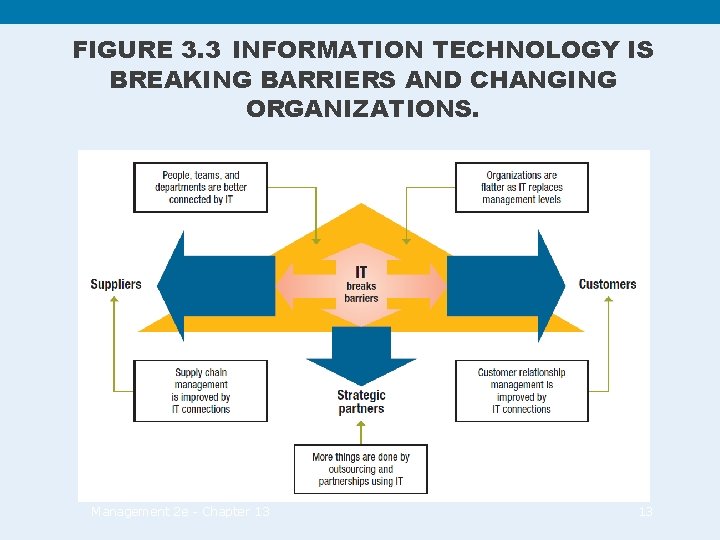
FIGURE 3. 3 INFORMATION TECHNOLOGY IS BREAKING BARRIERS AND CHANGING ORGANIZATIONS. Management 2 e - Chapter 13 13
MANAGERIAL ADVANTAGES OF IT UTILIZATION • Planning advantages: • Organizing advantages: 14
MANAGERIAL ADVANTAGES OF IT UTILIZATION (CONT. ) • Leading advantages: • Controlling advantages: 15
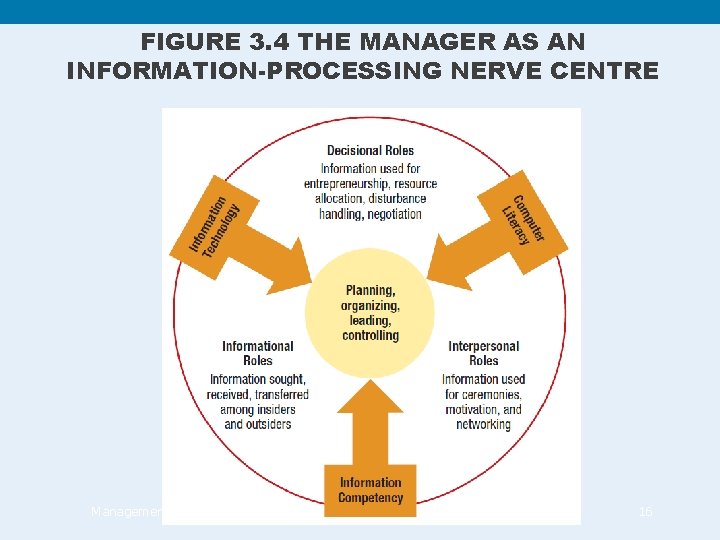
FIGURE 3. 4 THE MANAGER AS AN INFORMATION-PROCESSING NERVE CENTRE Management 2 e - Chapter 13 16
- Slides: 16