
Chapter 3 Geology of the Ocean Karleskint Turner
- Slides: 51
Chapter 3 Geology of the Ocean Karleskint Turner Small
Key Concepts • The world ocean has four main basins: the Atlantic, Pacific, Indian, and Arctic. • Life first evolved in the ocean. • The earth’s crust is composed of moving plates. • New seafloor is produced at ocean ridges and old seafloor is removed at ocean trenches.
Key Concepts • The ocean floor has topographical features similar to those found on continents. • The seafloor is composed of sediments derived from living as well as nonliving sources. • Latitude and longitude determinations are particularly necessary for precisely locating positions in the open sea, where there are no features at the surface.
World Ocean • Primitive earth and formation of the ocean – early earth thought to be composed of silicon compounds, iron, magnesium oxide, and other elements – gradually, the earth heated, causing melting and separation of elements – water vapor locked within minerals worked its way to the surface, where it cooled, condensed, and formed the ocean
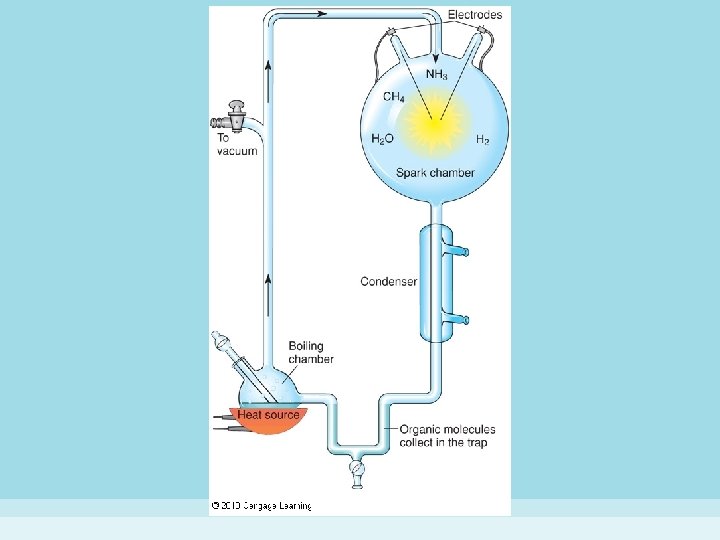
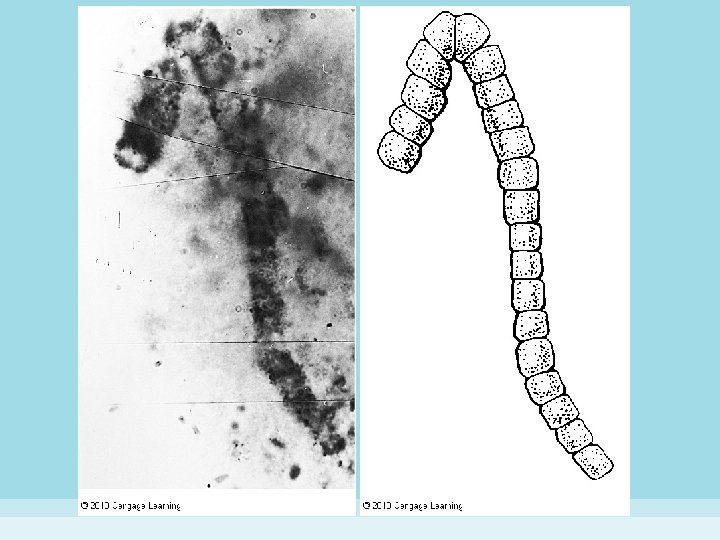
World Ocean • Ocean and the origin of life – atmosphere formed by gases escaping from deep within the planet – free oxygen formed oxides, oxygen did not accumulate until evolution of modern photosynthesis – Stanley Miller’s apparatus demonstrated that simple organic compounds could have been formed under conditions present on primitive earth
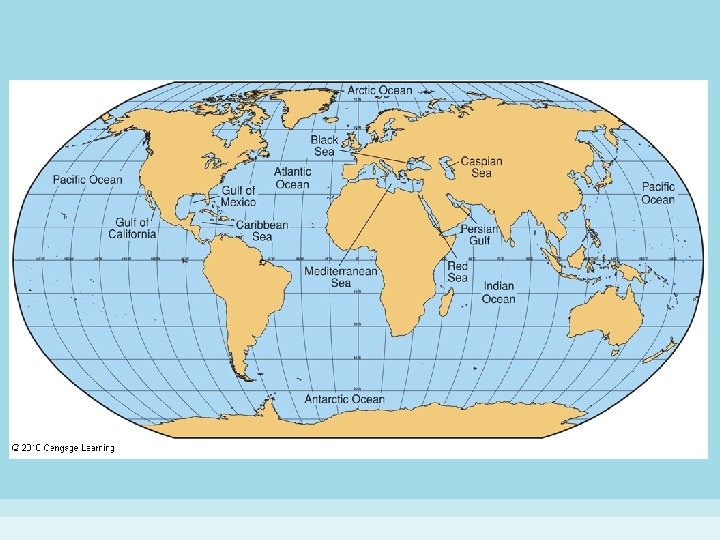
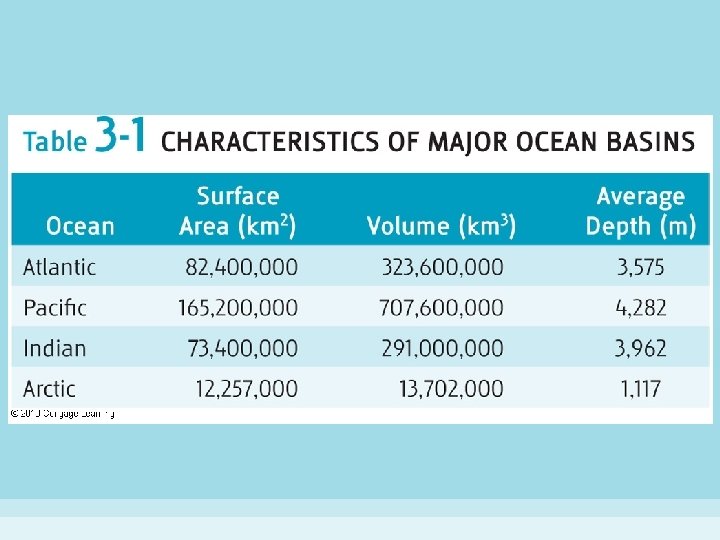
World Ocean • The ocean today – 4 major ocean basins: • • Pacific Atlantic Indian Arctic – Pacific Ocean - largest – Arctic Ocean - smallest – Seas - smaller than ocean, essentially landlocked
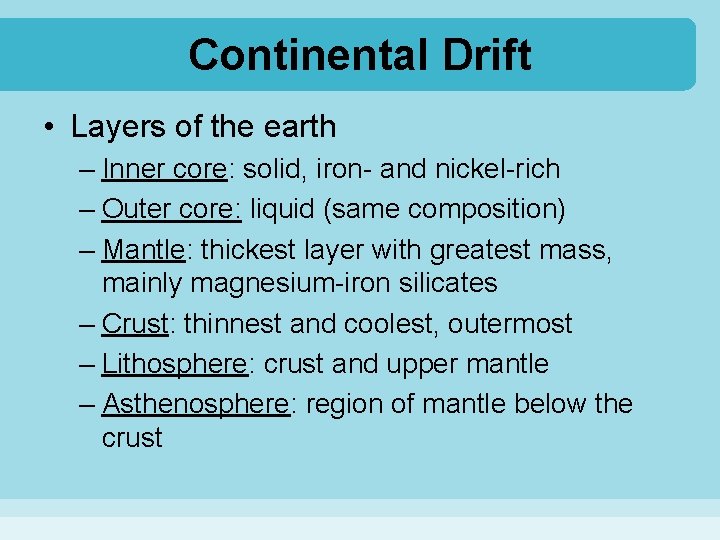
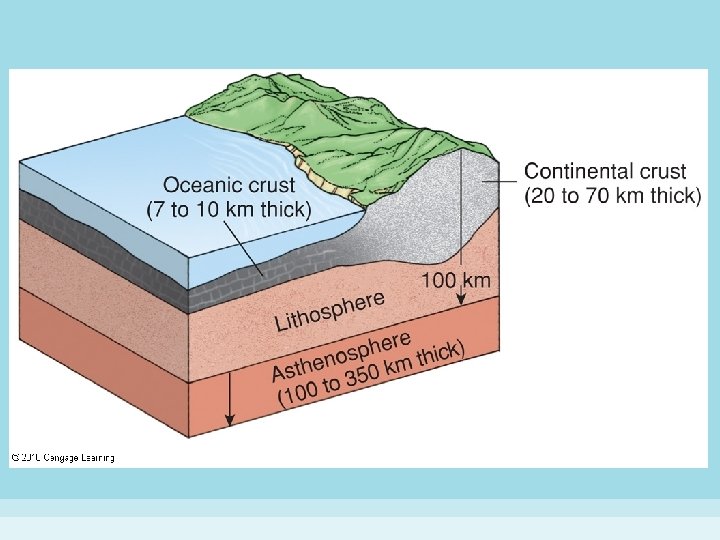
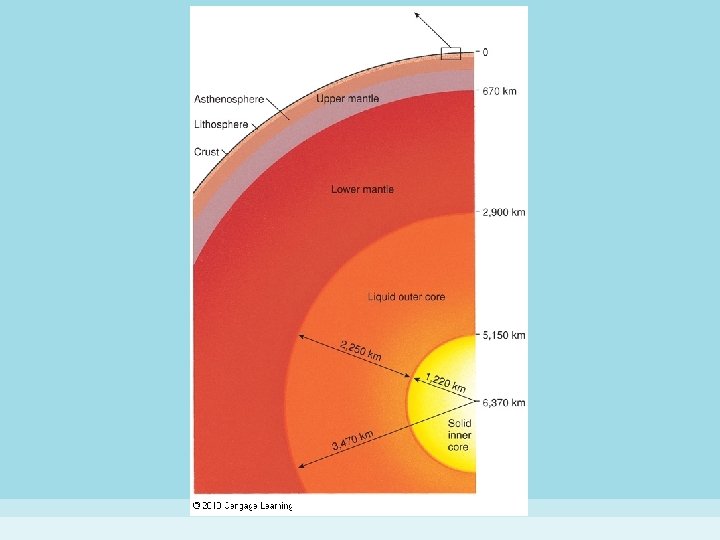
Continental Drift • Layers of the earth – Inner core: solid, iron- and nickel-rich – Outer core: liquid (same composition) – Mantle: thickest layer with greatest mass, mainly magnesium-iron silicates – Crust: thinnest and coolest, outermost – Lithosphere: crust and upper mantle – Asthenosphere: region of mantle below the crust
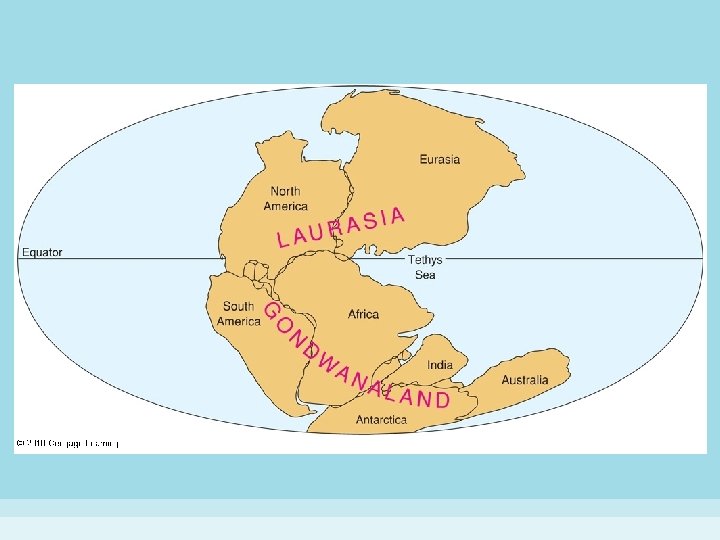
Continental Drift • Moving continents – Alfred Wegener – Continents fit together like pieces of jigsaw puzzle – One supercontinent - Pangaea – Laurasia and Gondwanaland
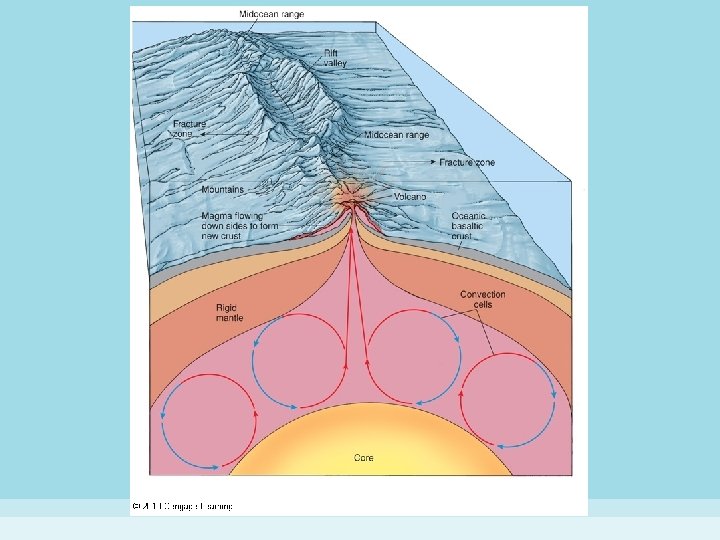
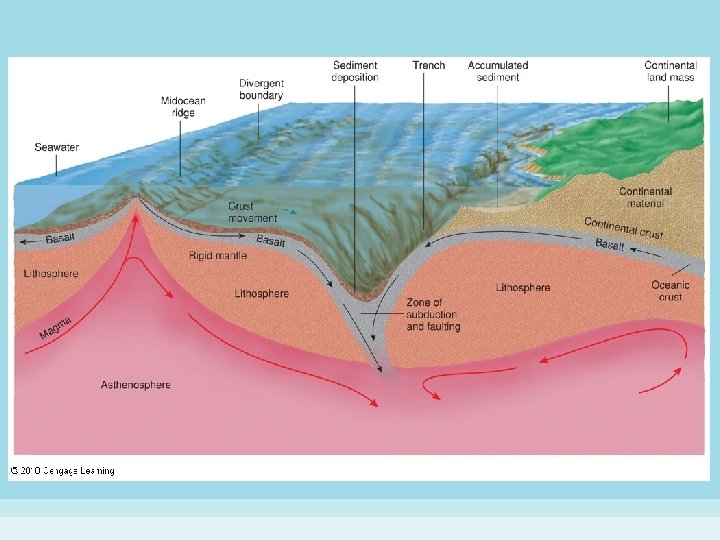
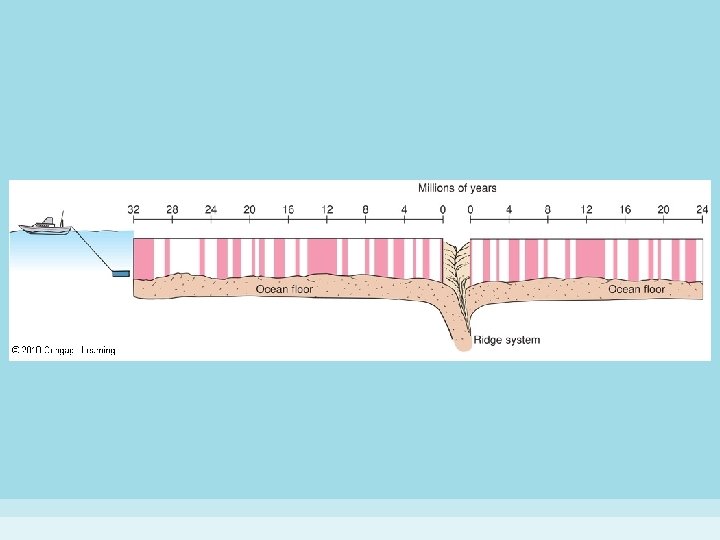
Continental Drift • Forces that drive continental movement – magma moves by convection currents – midocean ridges - form along cracks where magma breaks through the crust – at subduction zones, old crust sinks into the mantle where it is recycled – seafloor spreading causes continental drift
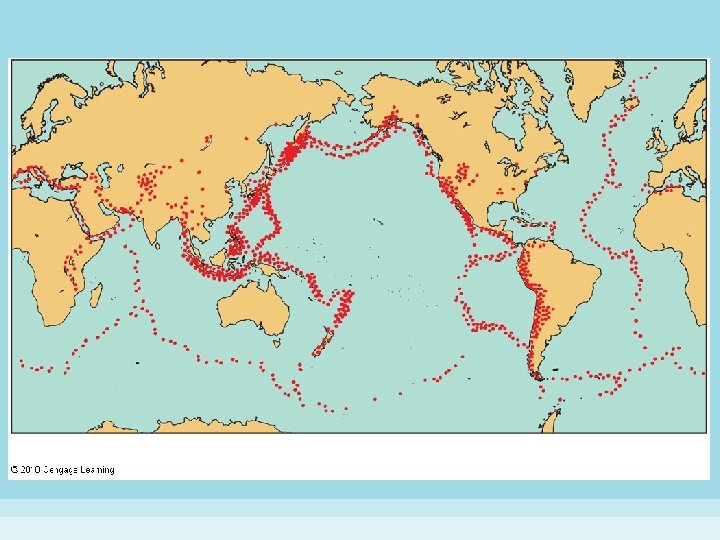
Continental Drift • Evidence for continental drift – fit of continental boundaries – earthquakes – seafloor temperatures highest near ridges – age of crust, as determined by samples drilled from the ocean bottom, increases with distance from a ridge
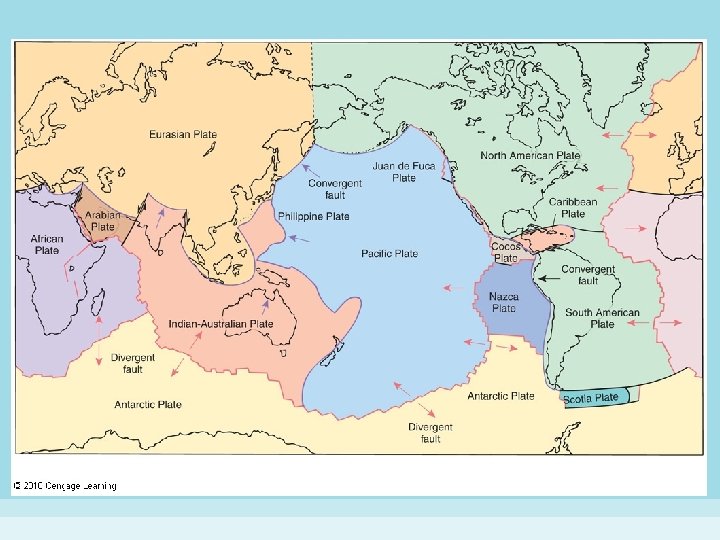
Continental Drift • Theory of plate tectonics – lithosphere is viewed as a series of rigid plates separated by earthquake belts – divergent plate boundaries: located at midocean ridges where plates move apart – convergent plate boundaries: located at trenches where plates move toward each other – faults: regions where plates move past each other (e. g. transform faults) – rift zones: where lithosphere splits
Continental Drift • Rift (Deep Sea Vent) Communities – depend on specialized environments found at divergence zones of the ocean floor – first discovered by Robert Ballard and J. F. Grassle in 1977, in the Galápagos Rift – primary producers are chemosynthetic bacteria
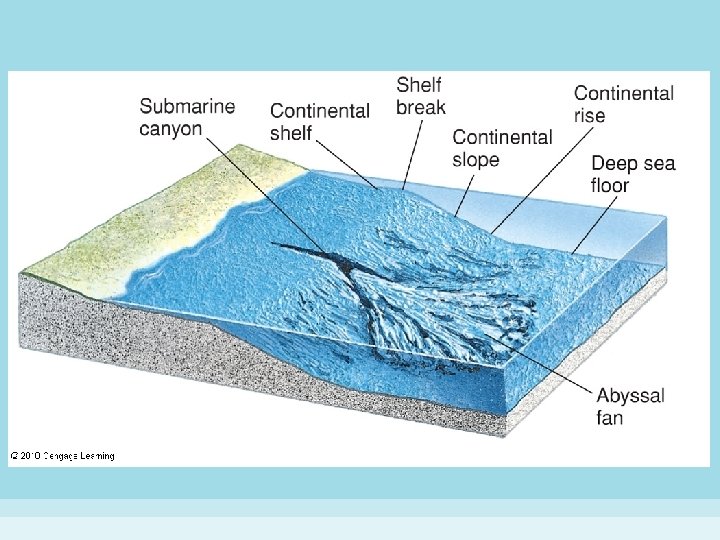
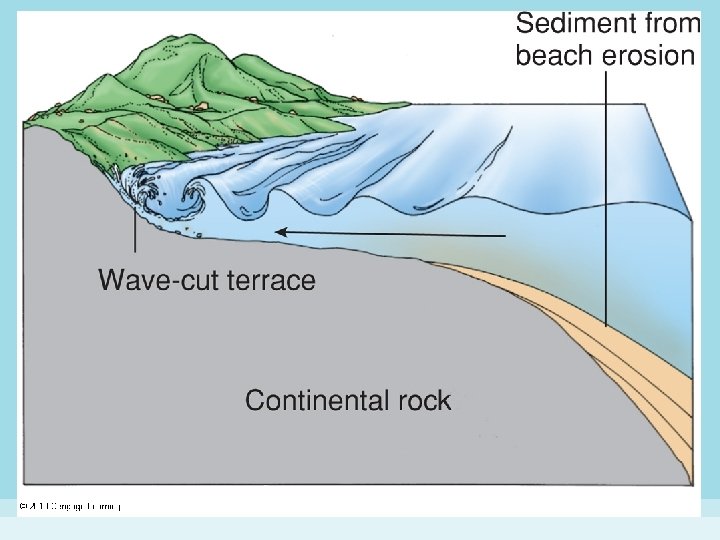
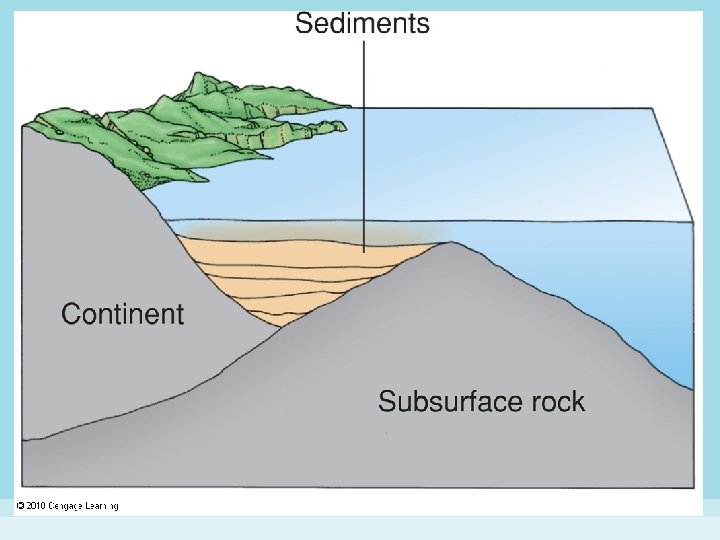
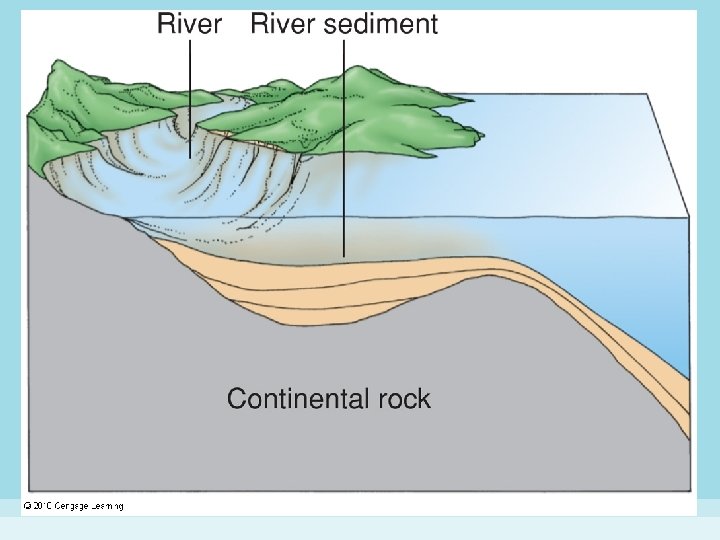
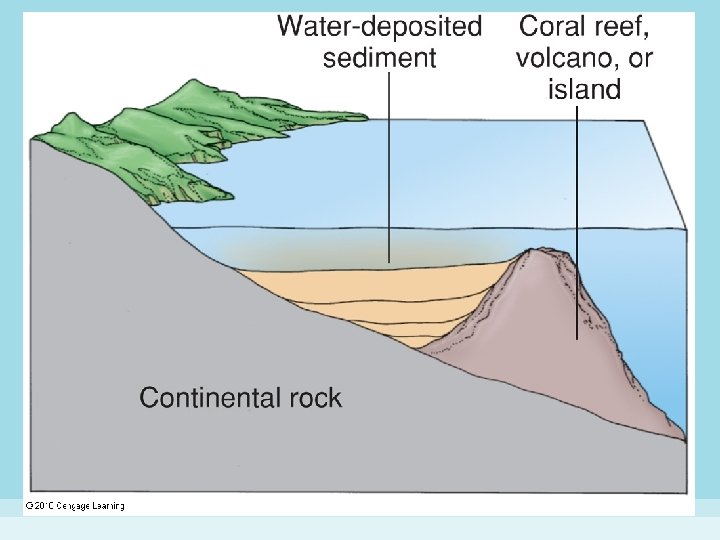
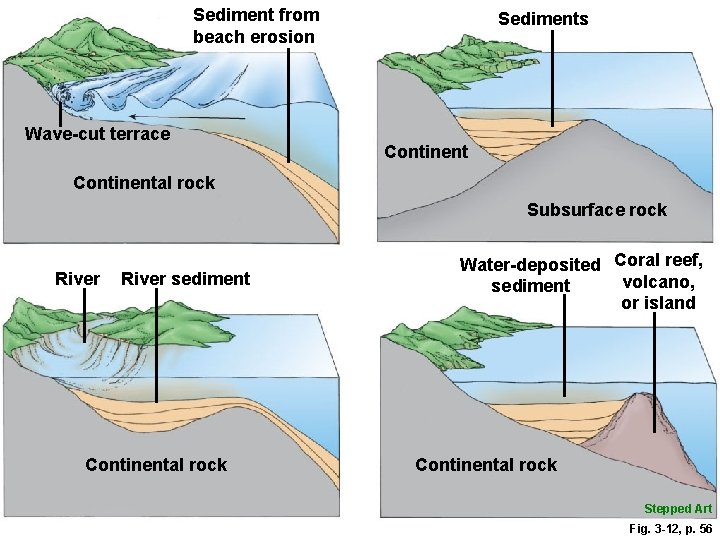
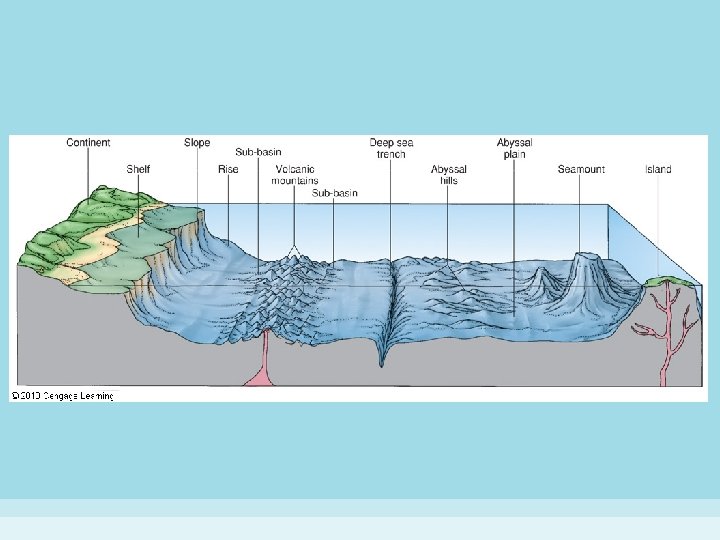
Ocean Bottom • Bathygraphic features – Geological features similar to land: mountain ranges; canyons, valleys; great expanses • Continental margins – continental shelf, continental slope, and shelf break • Submarine canyons • Continental Rises • Shaping Continental Shelves
Sediment from beach erosion Wave-cut terrace Sediments Continental rock Subsurface rock River sediment Continental rock Water-deposited Coral reef, volcano, sediment or island Continental rock Stepped Art Fig. 3 -12, p. 56
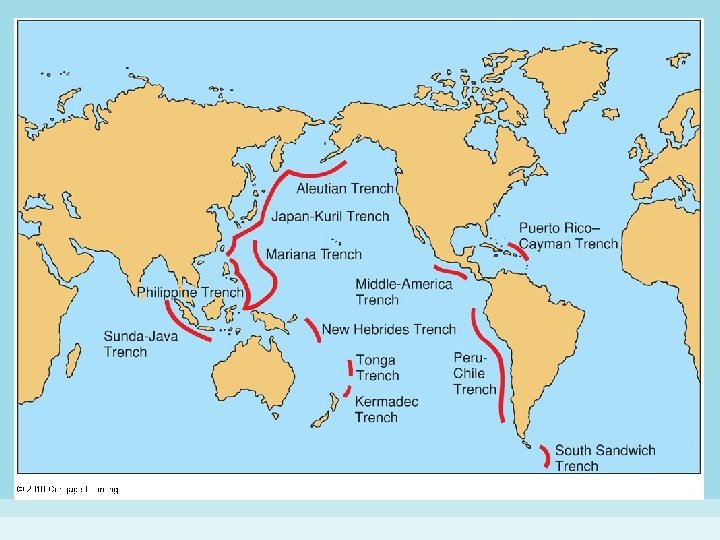
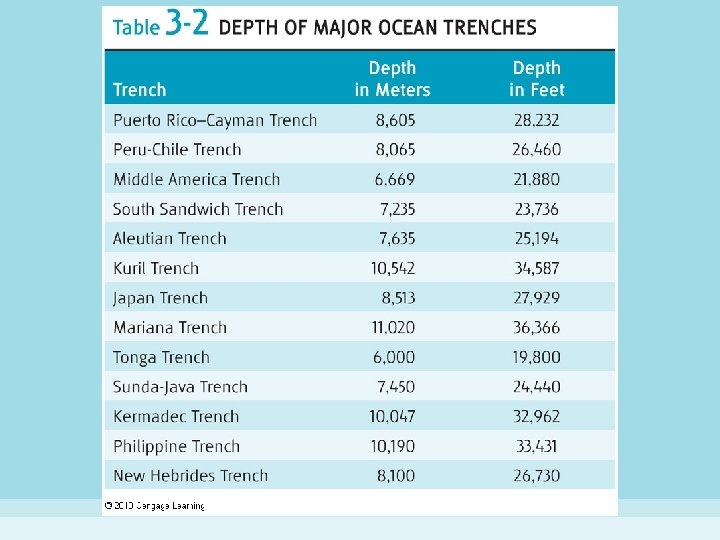
Ocean Bottom • Ocean basin – abyssal plains and hills – seamounts – ridges and rises – trenches and island arcs • Life on the ocean floor – continental shelves are highly productive – life on the abyssal plains is not abundant, no sunlight, no photosynthesis
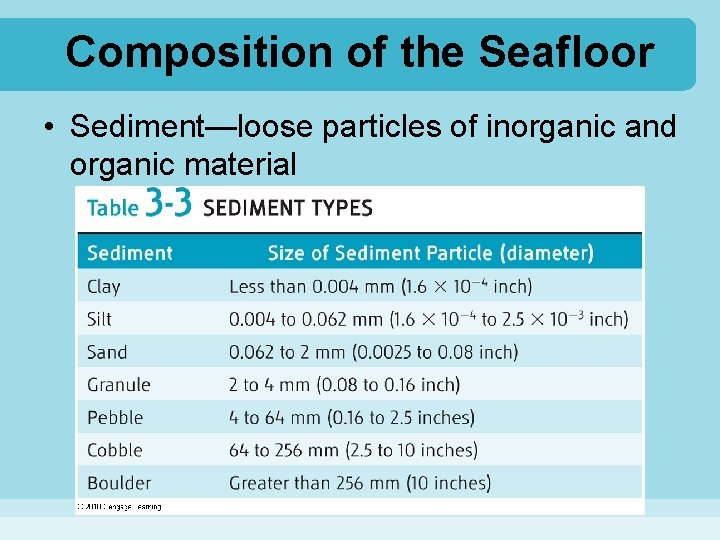
Composition of the Seafloor • Sediment—loose particles of inorganic and organic material
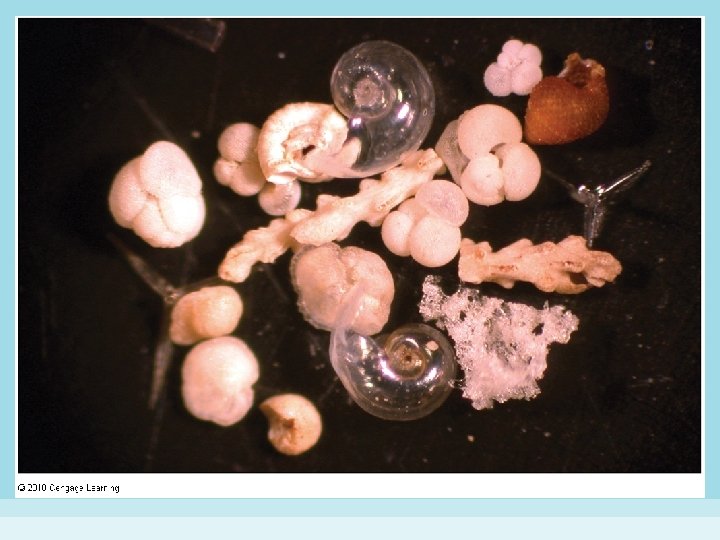
Composition of the Seafloor • Hydrogenous sediments – formed from seawater through a variety of chemical processes – e. g. carbonates, phosphorites, manganese nodules • Biogenous sediments – formed from remains of living organisms – mostly particles of corals, mollusk shells, shells of calcium carbonate or silicious planktonic organisms
Composition of the Seafloor • Terrigenous sediments – produced from continental rocks by the actions of wind, water, freezing, thawing – e. g. mud (clay + silt) • Cosmogenous sediments – iron-rich particles from outer space, land in the ocean and sink to the bottom
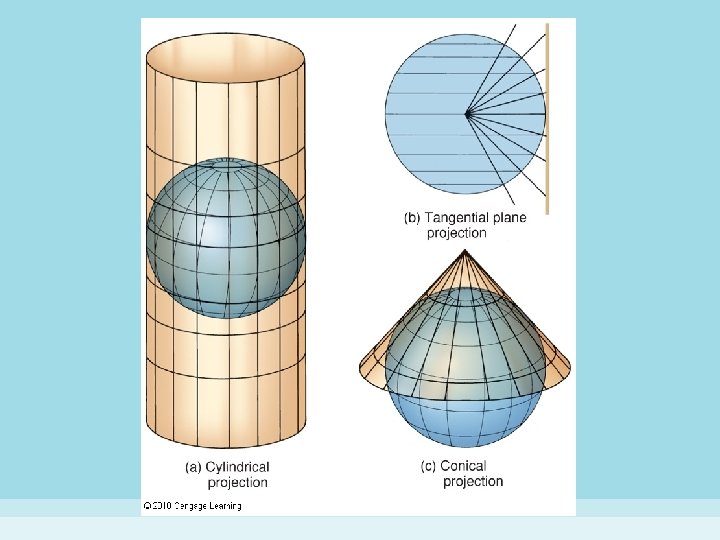
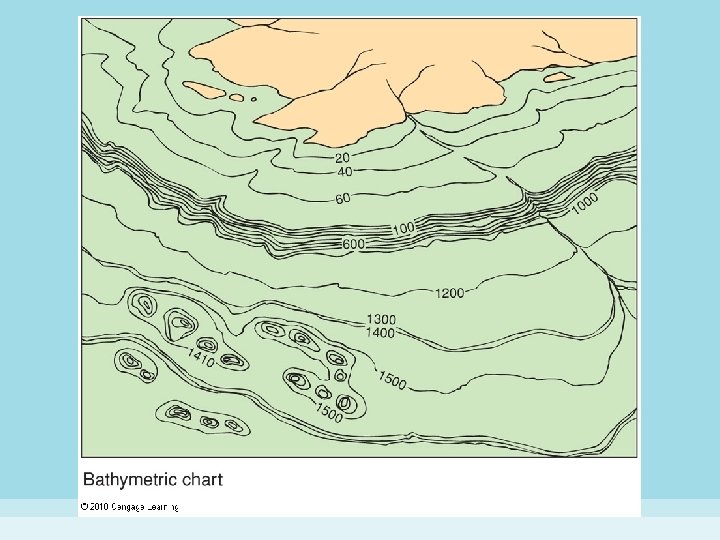
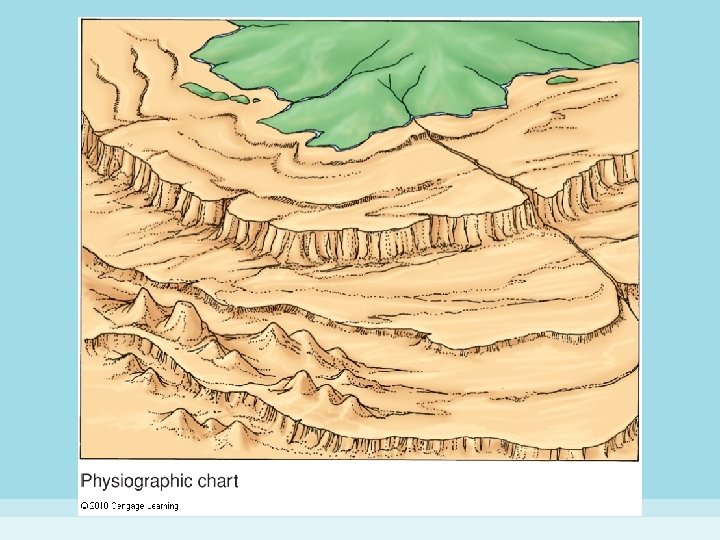
Finding Your Way around the Sea • Maps and charts – Mercator projections – bathymetric charts – physiographic charts
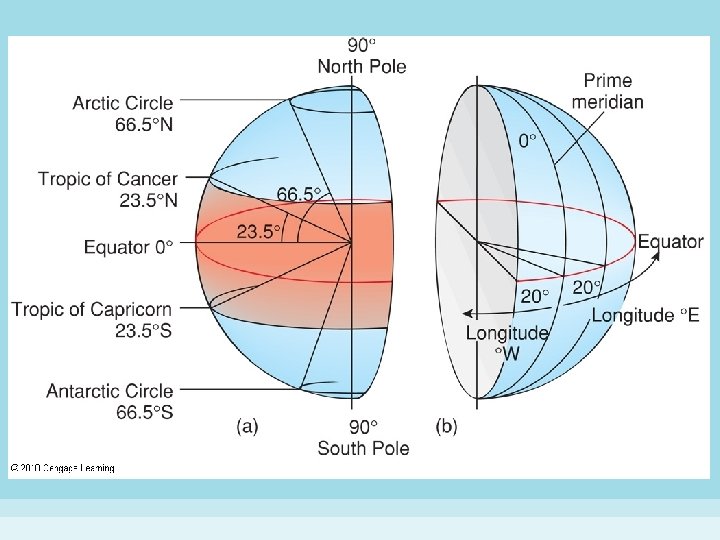
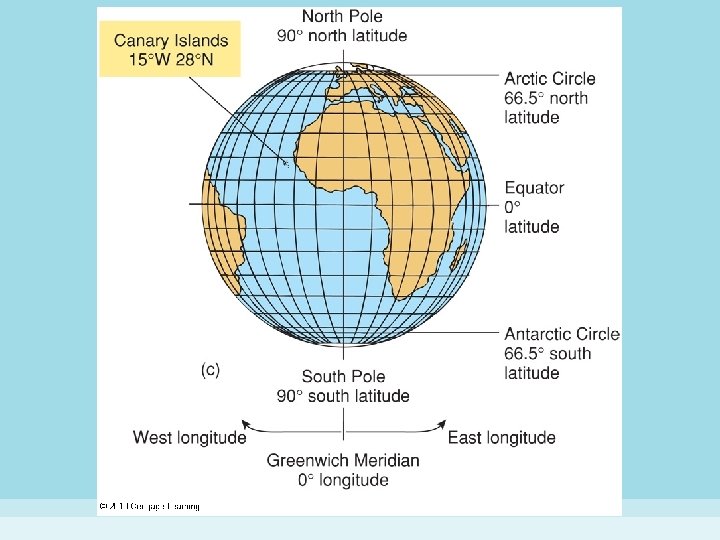
Finding Your Way around the Sea • Reference lines – latitude – longitude – divisions of latitude and longitude
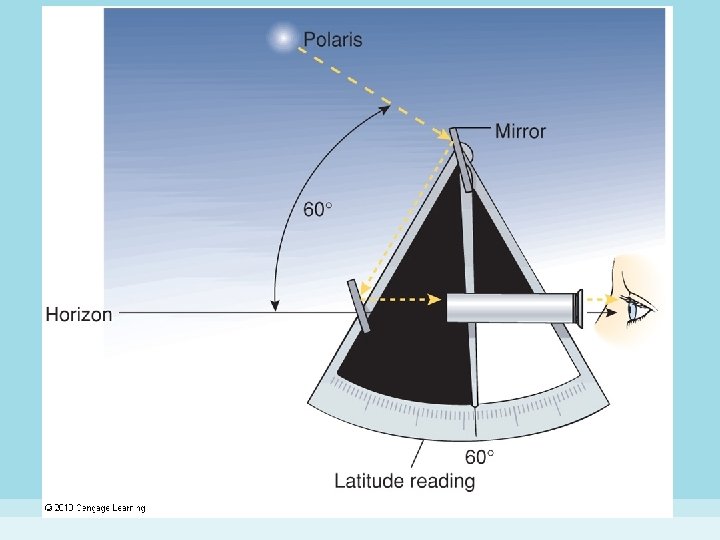
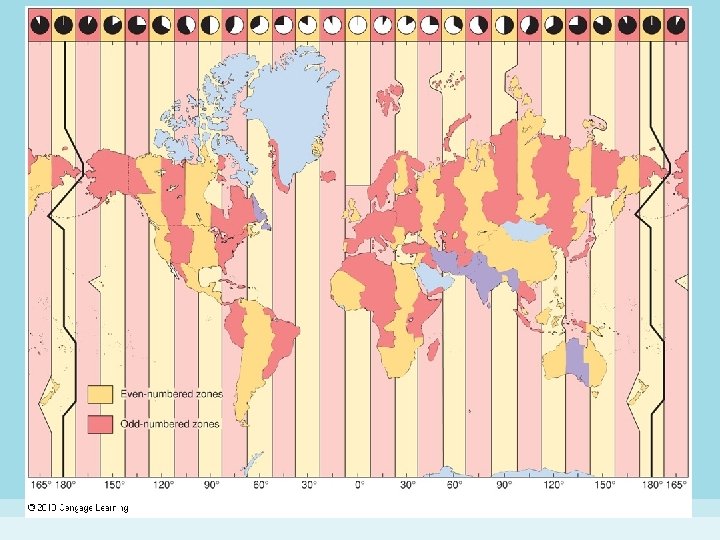
Finding Your Way around the Sea • Navigating the ocean – principles of navigation • a sextant was used to determine latitude based on the angle of the North Star with reference to the horizon • longitude determined using chronometer
Finding Your Way around the Sea • Navigating the ocean – Global Positioning System (GPS) • utilizes a system of satellites to determine position • GPS measures the time needed to receive a signal from at least 3 satellites, and calculates position