
Chapter 3 Gene Alignments Investigating Antibiotic Resistance Figure

Chapter 3 Gene Alignments: Investigating Antibiotic Resistance

Figure 3. 1: Agricultural use of antibiotics: a controversial topic with major medical consequences Cows: Courtesy of Scott Bauer/USDA ARS; pills: © Able. Stock
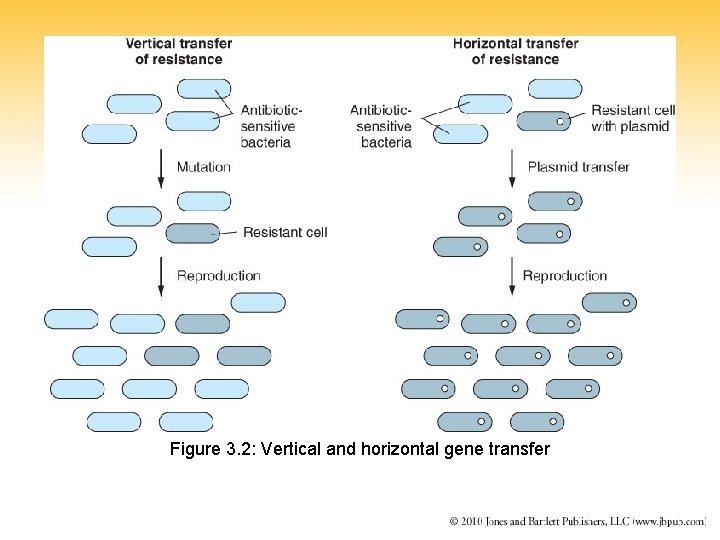
Figure 3. 2: Vertical and horizontal gene transfer
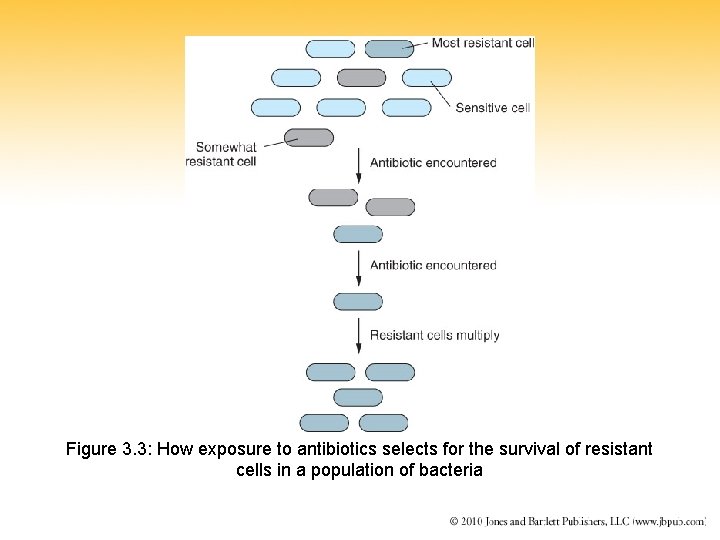
Figure 3. 3: How exposure to antibiotics selects for the survival of resistant cells in a population of bacteria

Figure 3. 4: A plasmid carrying an antibiotic-resistance gene can be transferred to a new cell by conjugation
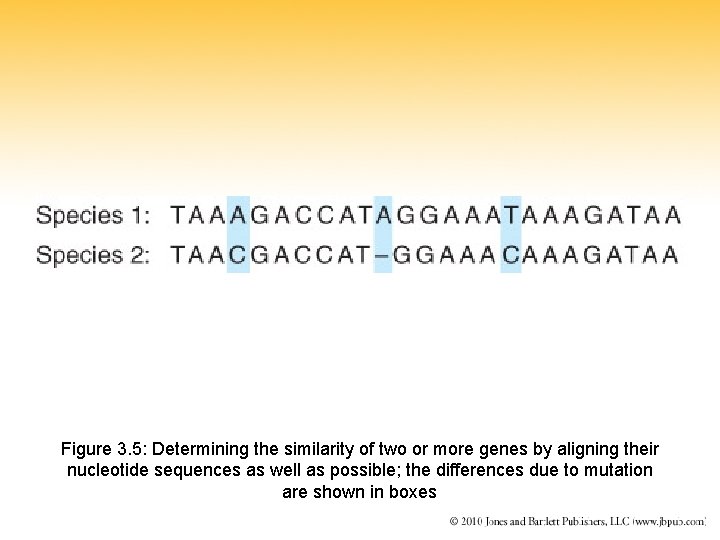
Figure 3. 5: Determining the similarity of two or more genes by aligning their nucleotide sequences as well as possible; the differences due to mutation are shown in boxes
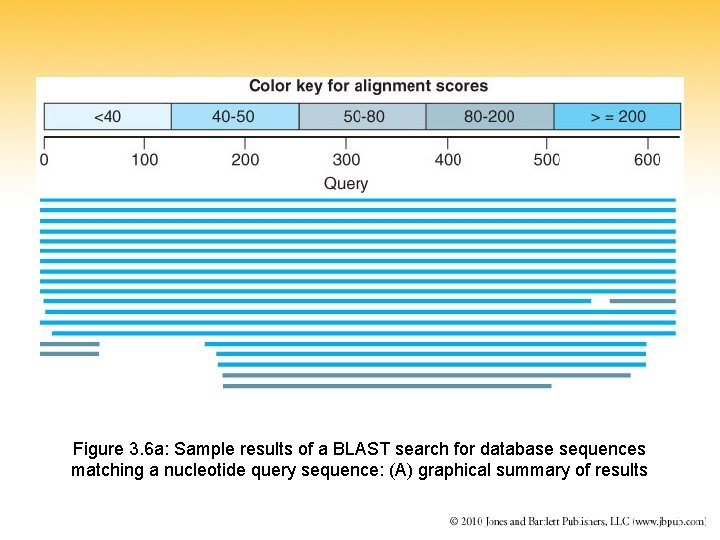
Figure 3. 6 a: Sample results of a BLAST search for database sequences matching a nucleotide query sequence: (A) graphical summary of results
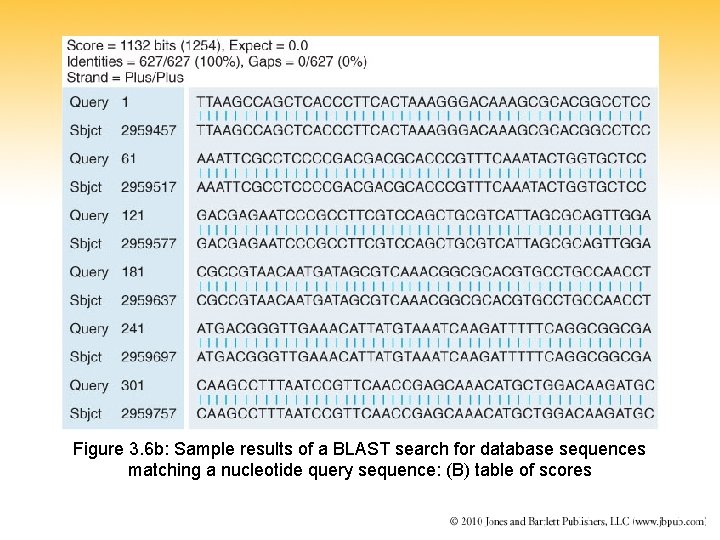
Figure 3. 6 b: Sample results of a BLAST search for database sequences matching a nucleotide query sequence: (B) table of scores
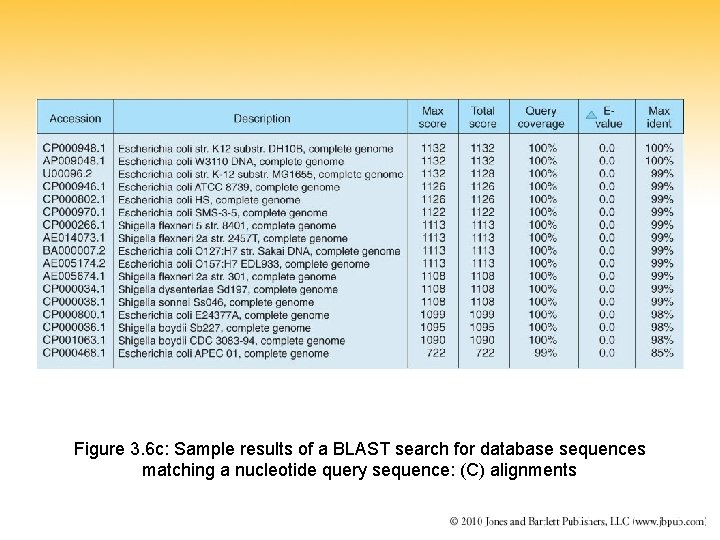
Figure 3. 6 c: Sample results of a BLAST search for database sequences matching a nucleotide query sequence: (C) alignments
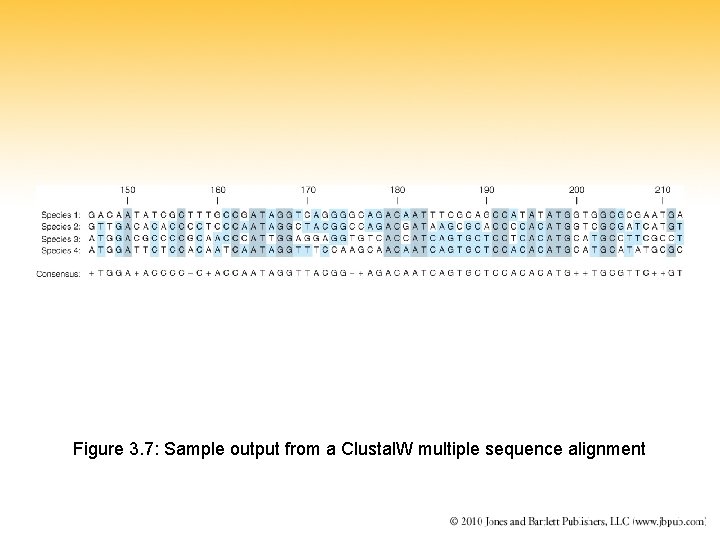
Figure 3. 7: Sample output from a Clustal. W multiple sequence alignment
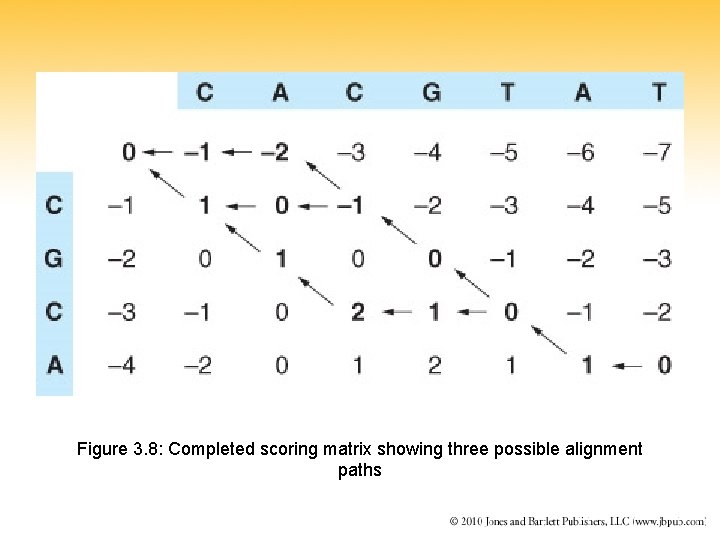
Figure 3. 8: Completed scoring matrix showing three possible alignment paths
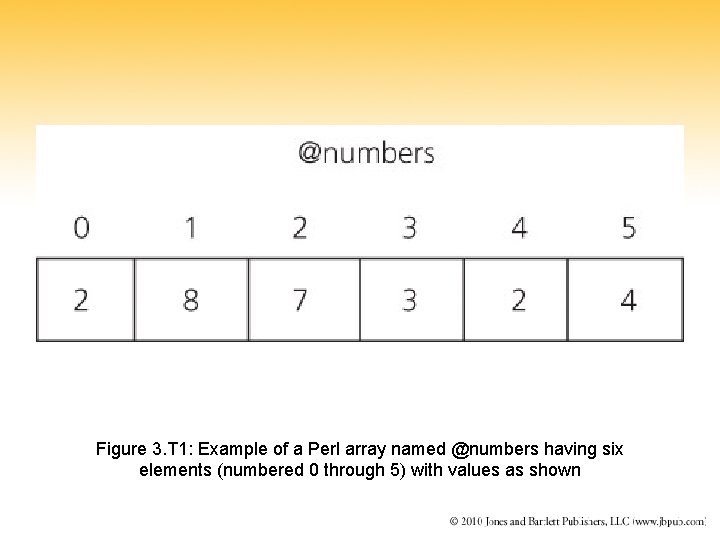
Figure 3. T 1: Example of a Perl array named @numbers having six elements (numbered 0 through 5) with values as shown
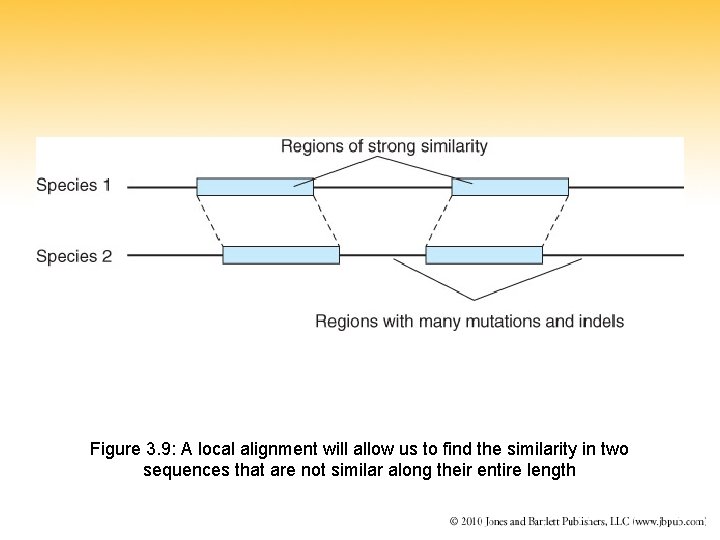
Figure 3. 9: A local alignment will allow us to find the similarity in two sequences that are not similar along their entire length
- Slides: 13