
Chapter 3 Customer Relationship Management LOYALYT CRM Empathy

- Slides: 31
Chapter 3 Customer Relationship Management LOYALYT &CRM
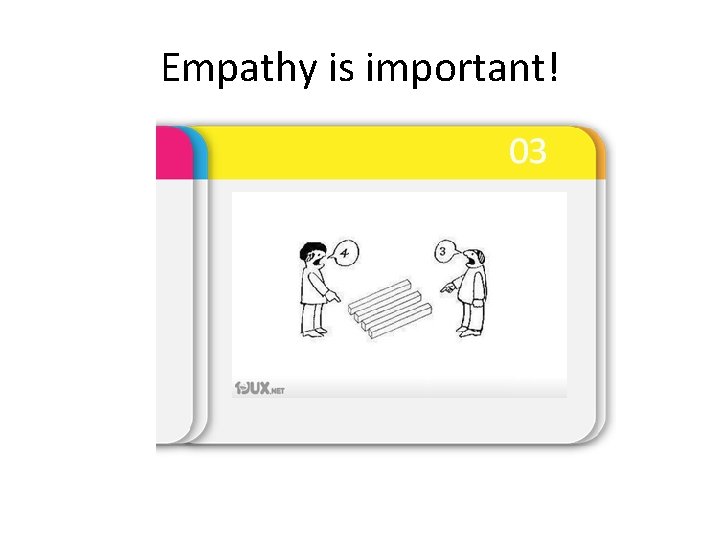
Empathy is important!
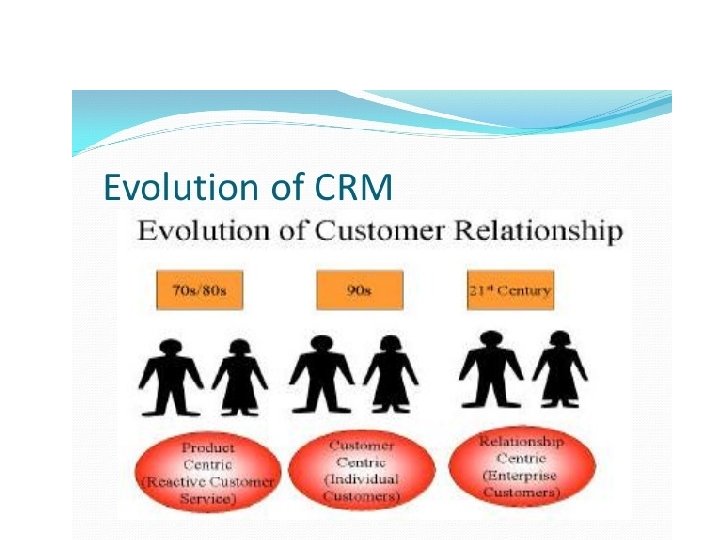
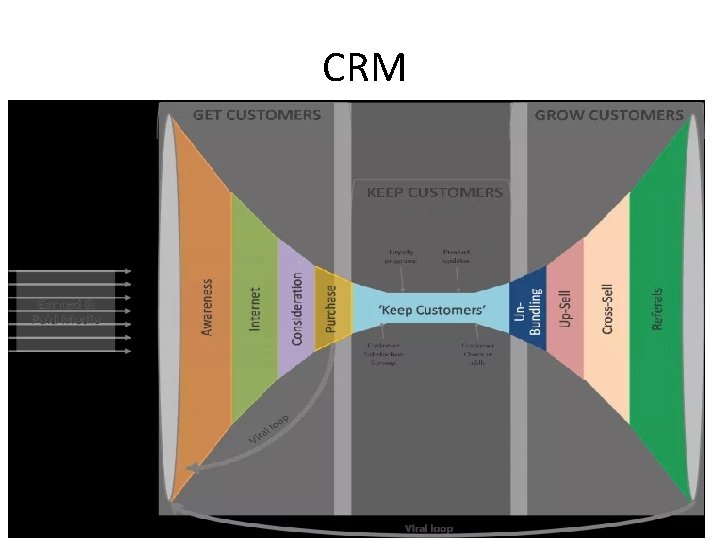
CRM • Customer relationship management (CRM) is a combination of people, processes and technology that seeks to understand a company’s customers. • It is an integrated approach to managing relationships by focusing on customer retention and relationship development. • A process that addresses all aspects of identfying customers, creating customer knowledge, building customer relationships and, shaping their perceptions of the organisation and its products (Payne & Frow, 2005).
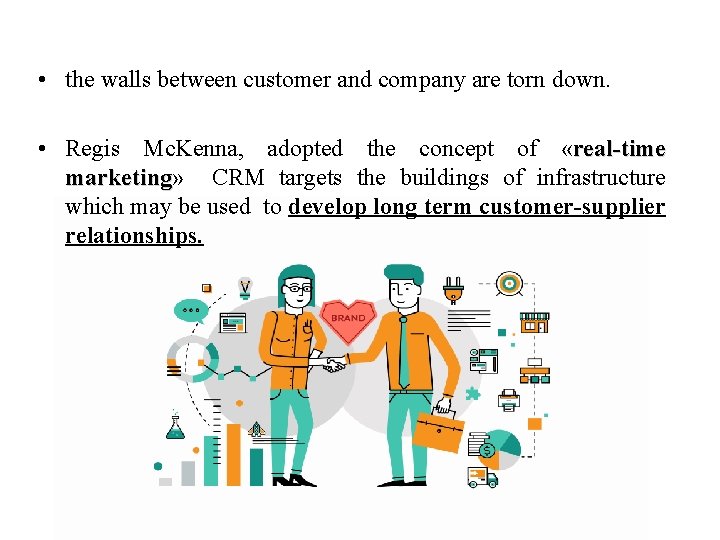
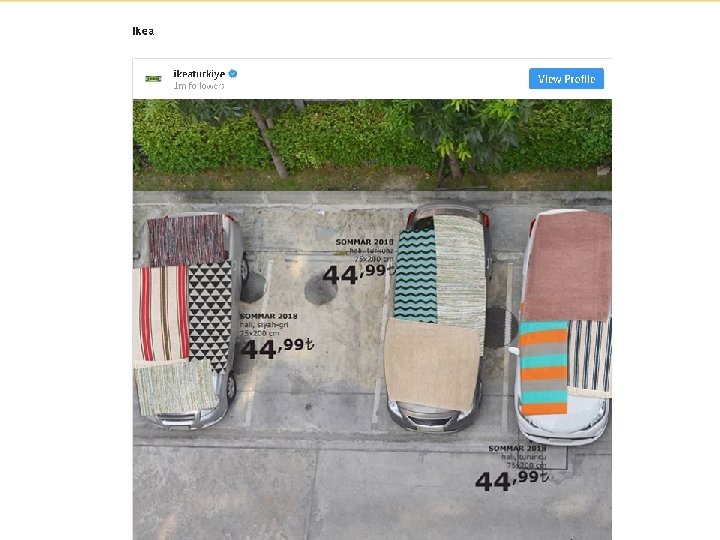
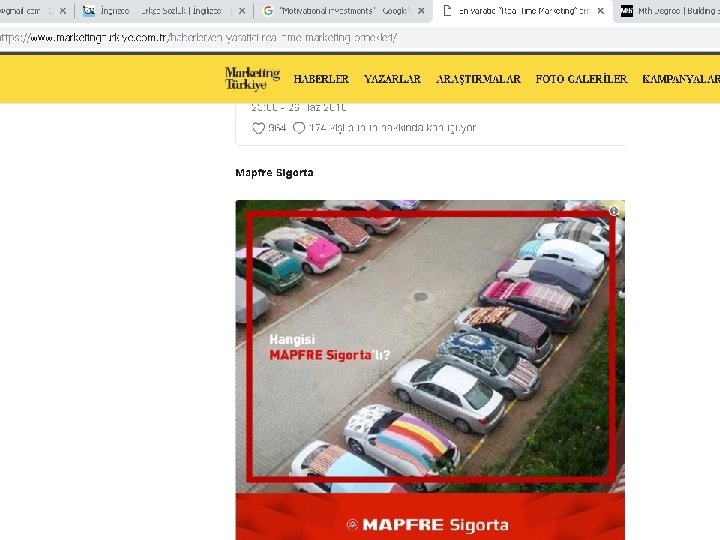
• the walls between customer and company are torn down. • Regis Mc. Kenna, adopted the concept of «real-time marketing» CRM targets the buildings of infrastructure marketing which may be used to develop long term customer-supplier relationships.
CRM
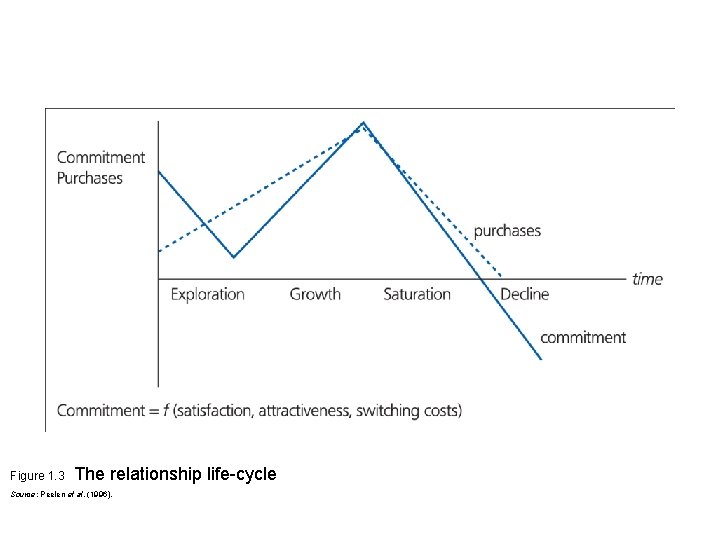
Figure 1. 3 The relationship life-cycle Source: Peelen et al. (1996).
The phases in relationship life cycle • Exploratory: the customer sees the promises made during communication fullfilled for the first time. The first impression make an important impression on the customer’s relations. The level of satisfaction is still relatively low the customers have little or no experience of the products or servicee supplier. The switching costs are still relativelly low. • The Growth: (3 months to 2 years): is charactarised by a sharp rise in the number of purchases. Customers would like to get to know the supplier’s products the satisfaction will be increased, the supplier is now examined more for its performance.
… • The Saturation (usually after more than two years) highest number of purchaes, from suppliers and the highest commitment degree, not many changes are occuring in either, behavior of purchases, the goodwill has been built up with the customer. Trust grows, switching costs increase. • The Decline phase: number of transactions starts to decrease, at ant time in the phases customers may enter into decline phase. Type of customer and the reduction in the need for the products will be decreased. No longer they neey a product such this.
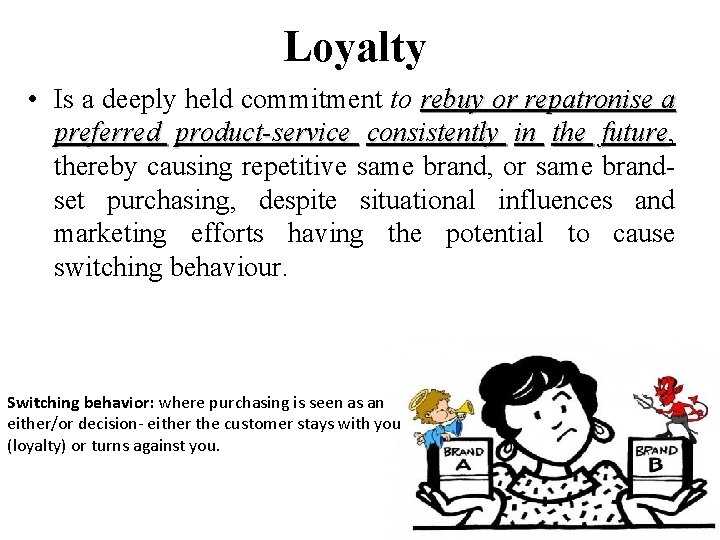
Loyalty • Is a deeply held commitment to rebuy or repatronise a preferred product-service consistently in the future, future thereby causing repetitive same brand, or same brandset purchasing, despite situational influences and marketing efforts having the potential to cause switching behaviour. Switching behavior: where purchasing is seen as an either/or decision- either the customer stays with you (loyalty) or turns against you.
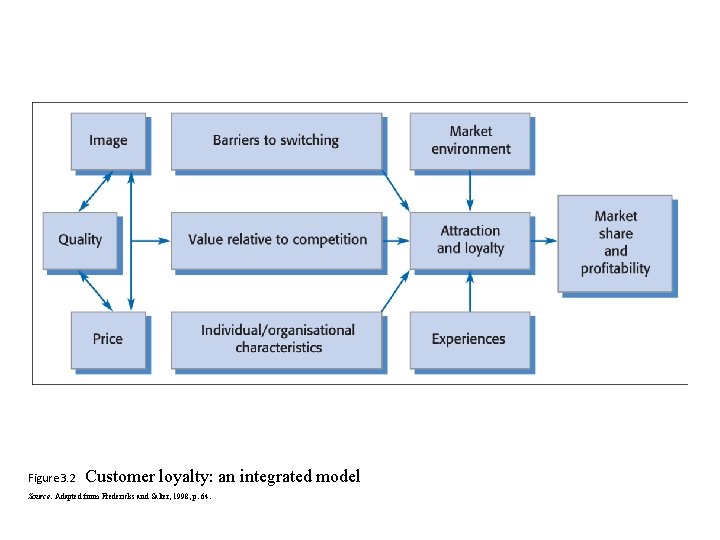
Antecedents to loyalty • There are two distinct viewpoints as to the antecedents to loyalty. • In Figure 3. 2. loyalty is seen as more often built on ‘hard’ dimensions, such as value for money, convenience, reliability, safety and functionality, and that these are the prime drivers for product or service choice (Christopher, 1996, p. 60).
Figure 3. 2 Customer loyalty: an integrated model Source: Adapted from Fredericks and Salter, 1998, p. 64.
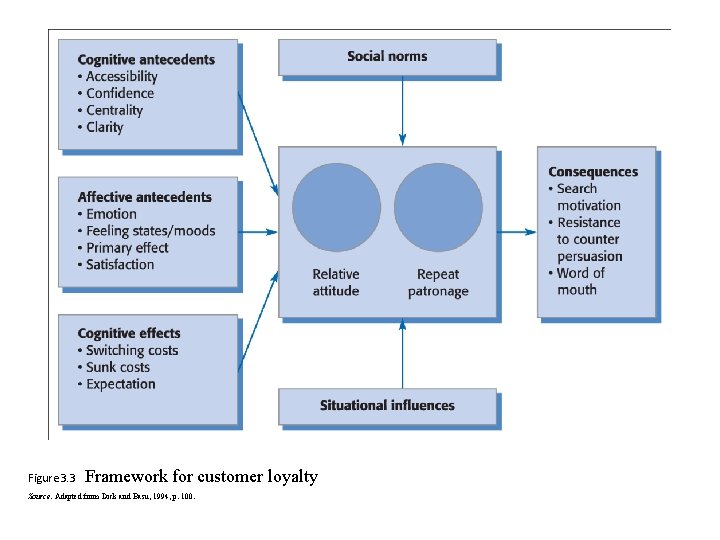
• An alternative view by Dick and Basu (1994, p. 99). • ‘softer’, more intangible factors such as emotion and satisfaction are seen to affect attitude in a decisive way. • Customer loyalty is viewed principally as a result of the bond between an individual’s relative attitude and repeat patronage, again mediated by social norms and situational influences or experiences (Figure 3. 3).
Figure 3. 3 Framework for customer loyalty Source: Adapted from Dick and Basu, 1994, p. 100.
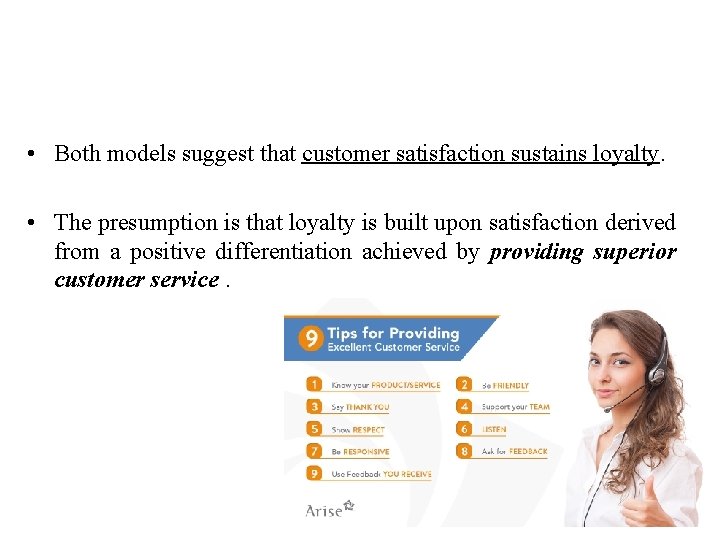
• Both models suggest that customer satisfaction sustains loyalty. • The presumption is that loyalty is built upon satisfaction derived from a positive differentiation achieved by providing superior customer service.
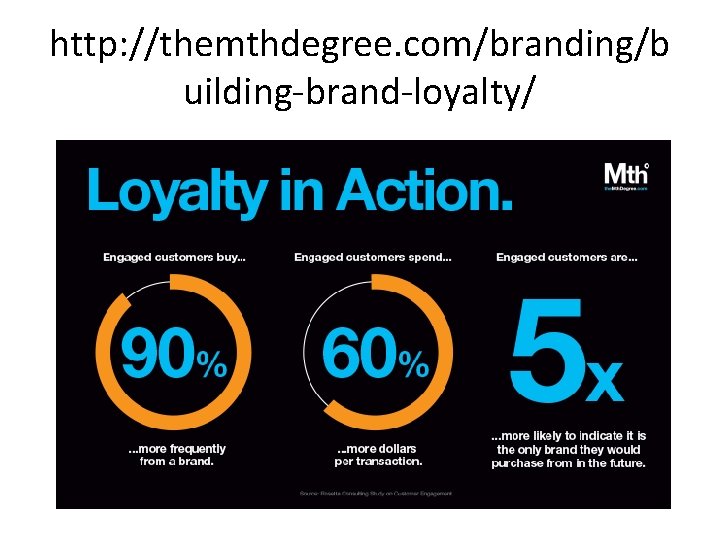
http: //themthdegree. com/branding/b uilding-brand-loyalty/
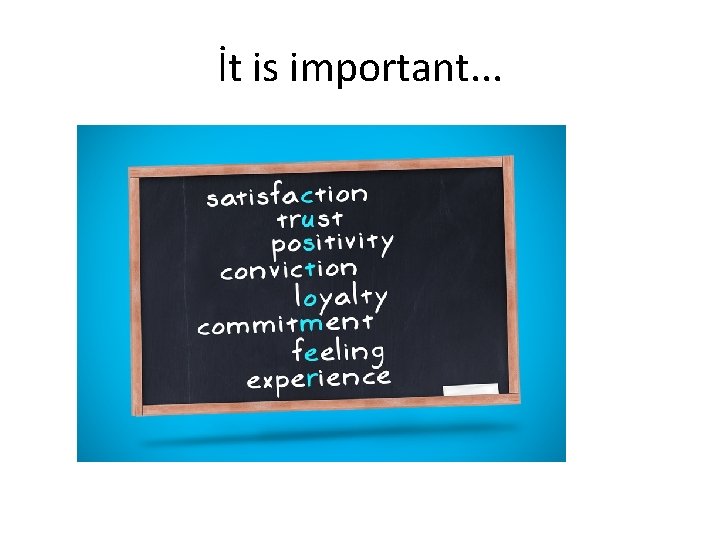
İt is important. . .
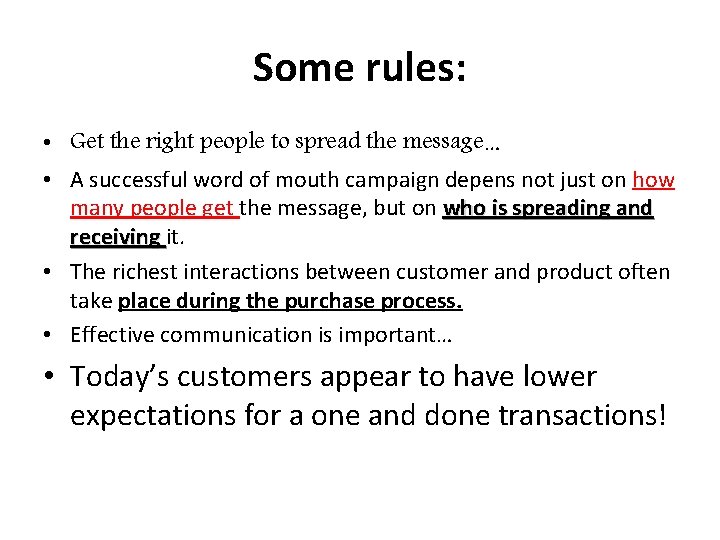
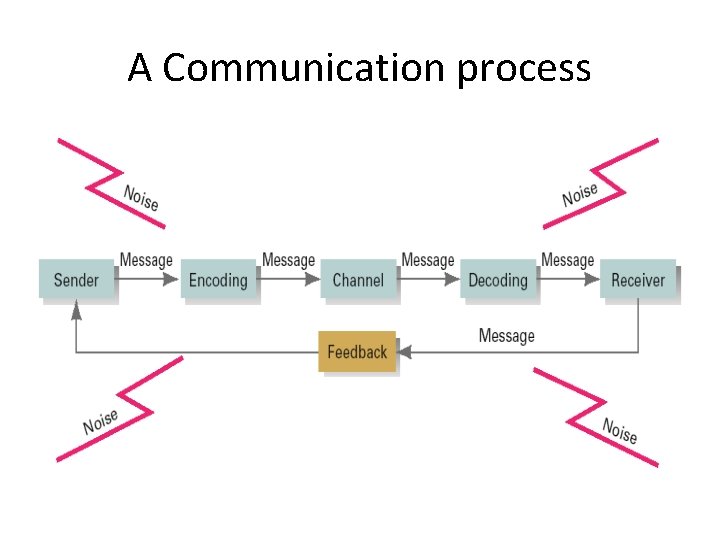
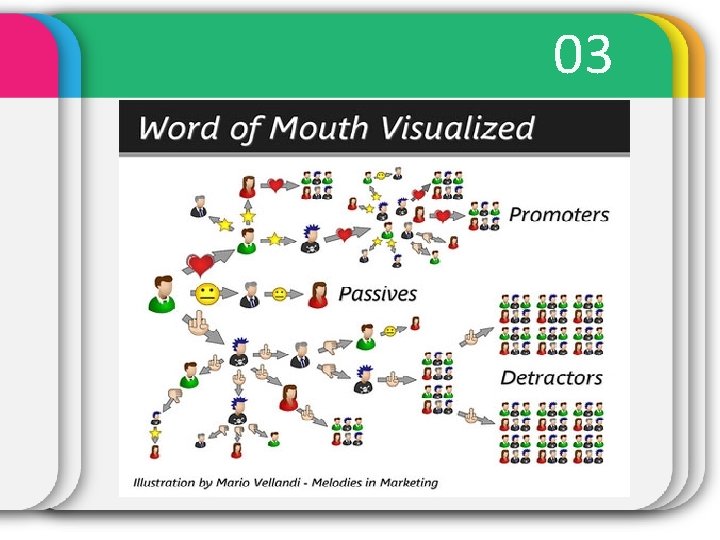
Some rules: • Get the right people to spread the message… • A successful word of mouth campaign depens not just on how many people get the message, but on who is spreading and receiving it. • The richest interactions between customer and product often take place during the purchase process. • Effective communication is important… • Today’s customers appear to have lower expectations for a one and done transactions!
A Communication process
03 Power. Point picture page
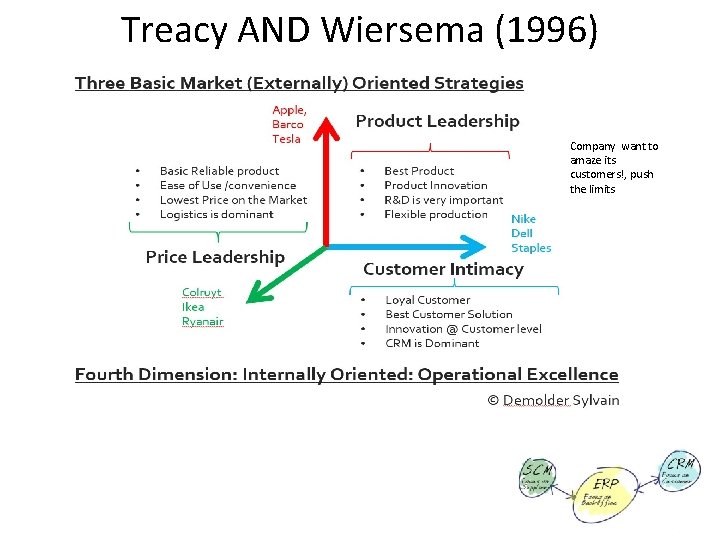
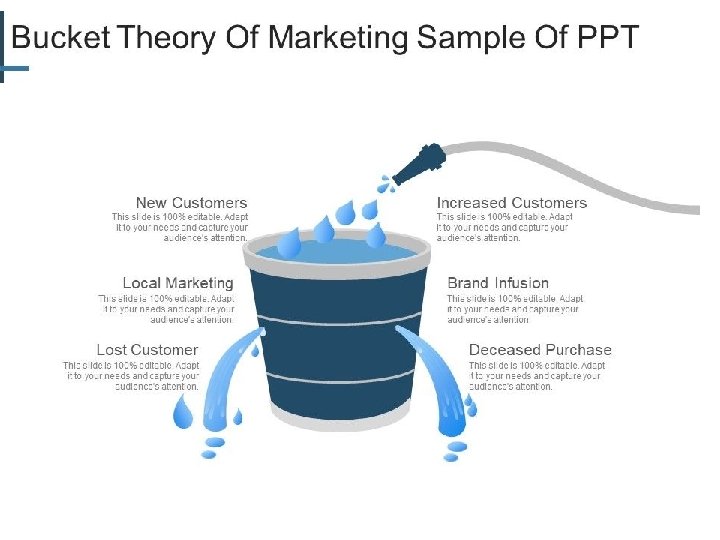
The next chapters… • Market oriented strategies (Treacy & Wiersame, 1996) • Leacky Bucket Theory/ Customer Lifetime Value, • ET AL.
Treacy AND Wiersema (1996) Company want to amaze its customers!, push the limits