
Chapter 3 Components Couplers Isolators and Circulators Multiplexers
![3. 1 Couplers [ wavelength independent, wavelength selective for 1. 31/1. 55 multiplexing] 1](https://slidetodoc.com/presentation_image/1a713191133a2d2b18ac40cb2262484c/image-2.jpg "3. 1 Couplers [ wavelength independent, wavelength selective for 1. 31/1. 55 multiplexing] 1")

- Slides: 102
Chapter 3 Components Couplers, Isolators and Circulators, Multiplexers and Filters, Optical Amplifiers, Transmitters, Detectors switches, Wavelength converters. 1
3. 1 Couplers [ wavelength independent, wavelength selective for 1. 31/1. 55 multiplexing] 1 α 1 -α α:coupling ratio 3 d. B couple α= 1/2 α = 0. 95 (for monitoring) 2
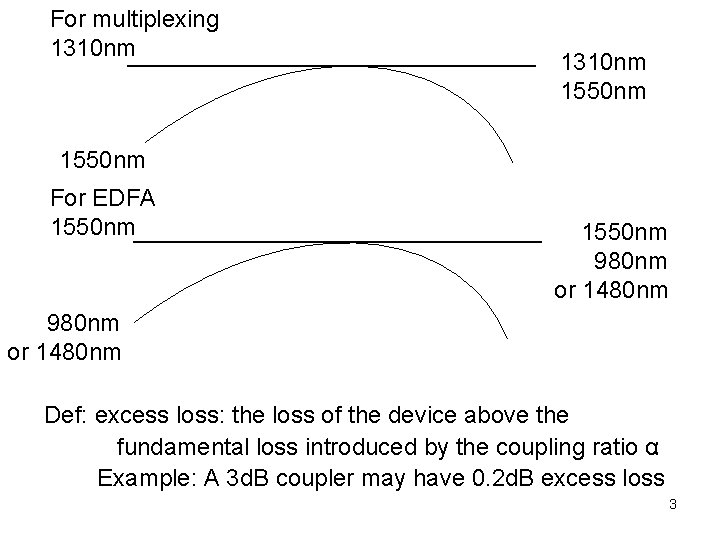
For multiplexing 1310 nm 1550 nm For EDFA 1550 nm 980 nm or 1480 nm Def: excess loss: the loss of the device above the fundamental loss introduced by the coupling ratio α Example: A 3 d. B coupler may have 0. 2 d. B excess loss 3
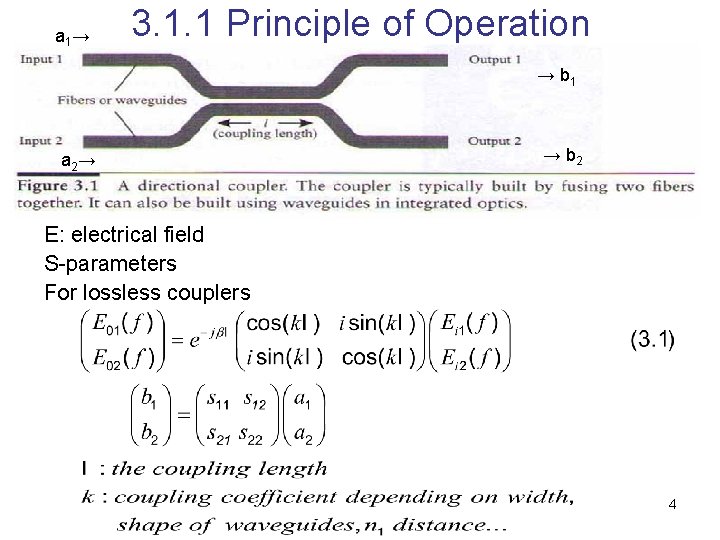
a 1 → 3. 1. 1 Principle of Operation → b 1 a 2 → → b 2 E: electrical field S-parameters For lossless couplers 4
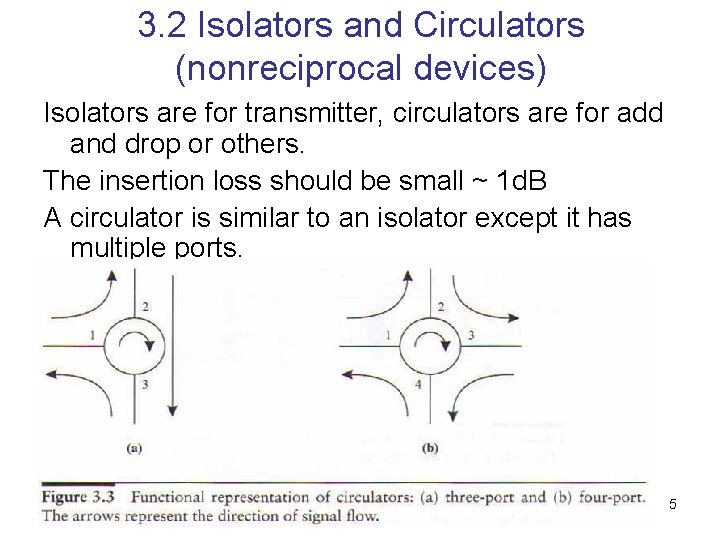
3. 2 Isolators and Circulators (nonreciprocal devices) Isolators are for transmitter, circulators are for add and drop or others. The insertion loss should be small ~ 1 d. B A circulator is similar to an isolator except it has multiple ports. 5
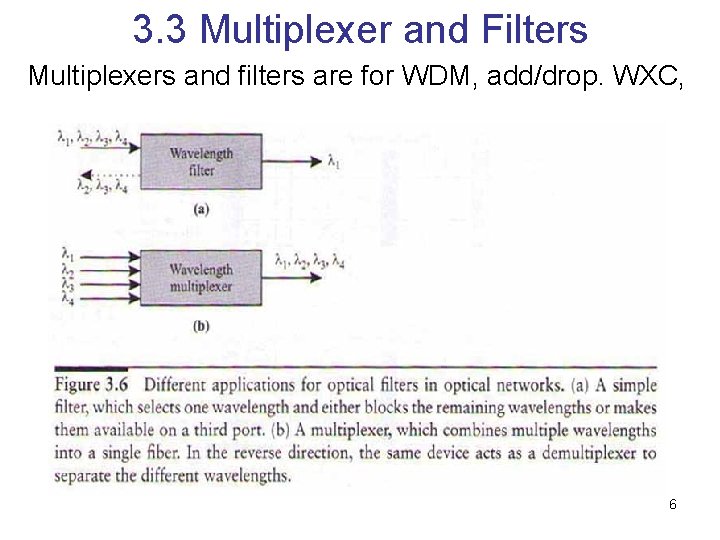
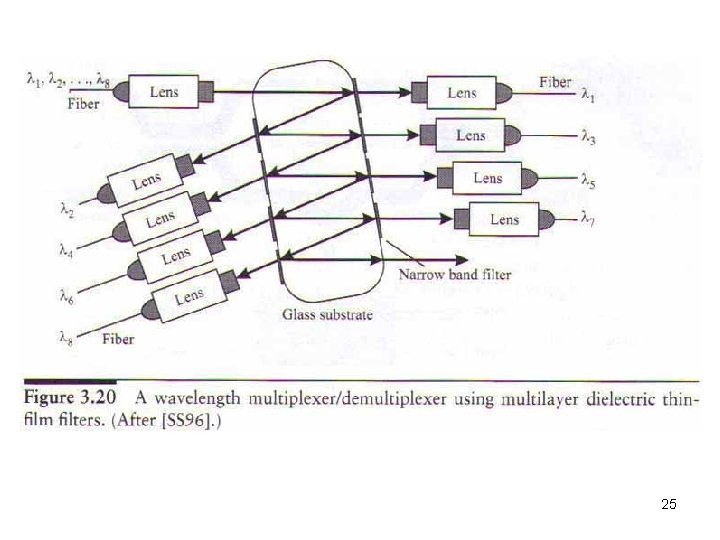
3. 3 Multiplexer and Filters Multiplexers and filters are for WDM, add/drop. WXC, 6
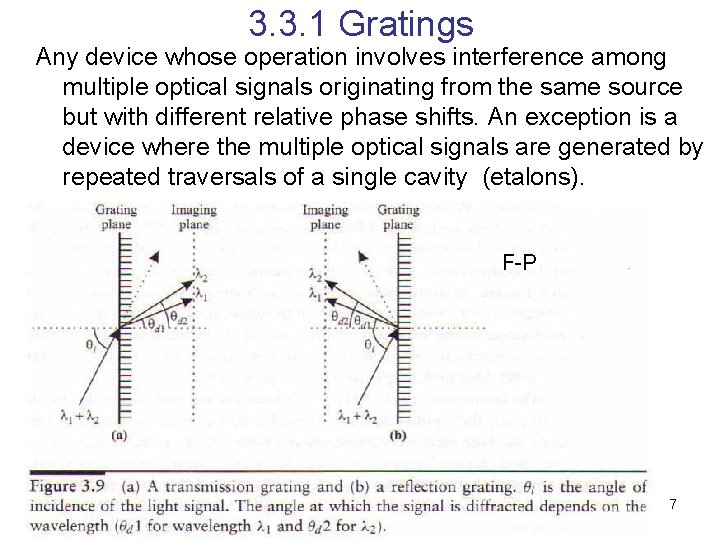
3. 3. 1 Gratings Any device whose operation involves interference among multiple optical signals originating from the same source but with different relative phase shifts. An exception is a device where the multiple optical signals are generated by repeated traversals of a single cavity (etalons). F-P 7
8
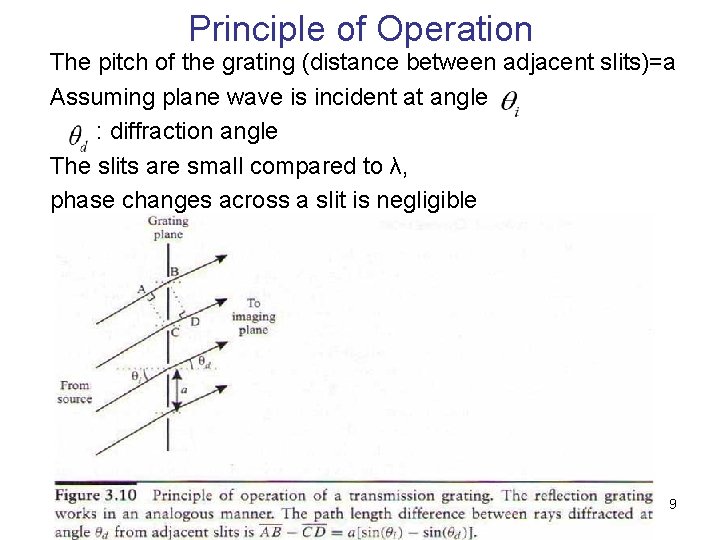
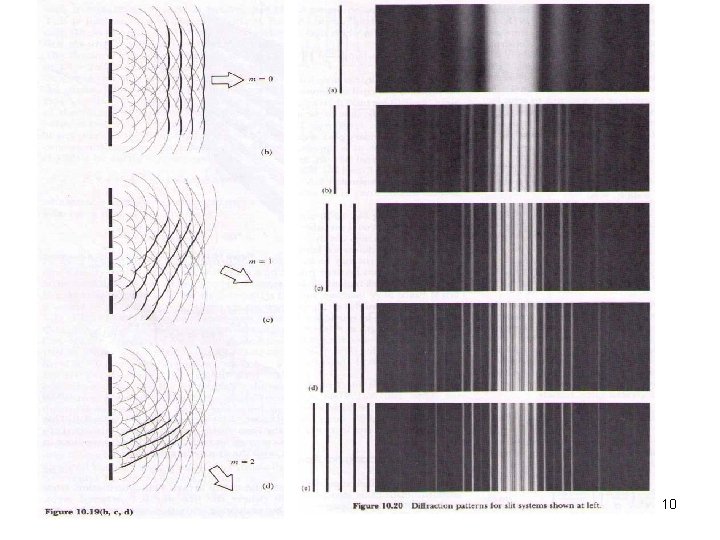
Principle of Operation The pitch of the grating (distance between adjacent slits)=a Assuming plane wave is incident at angle : diffraction angle The slits are small compared to λ, phase changes across a slit is negligible 9
10
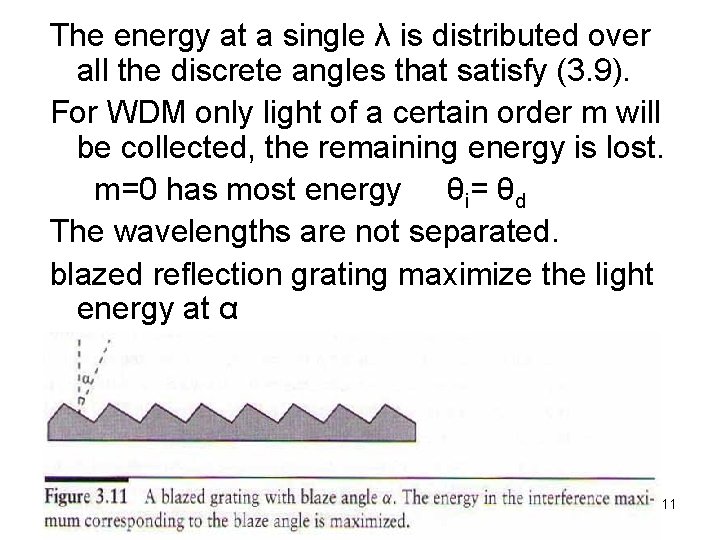
The energy at a single λ is distributed over all the discrete angles that satisfy (3. 9). For WDM only light of a certain order m will be collected, the remaining energy is lost. m=0 has most energy θi= θd The wavelengths are not separated. blazed reflection grating maximize the light energy at α 11
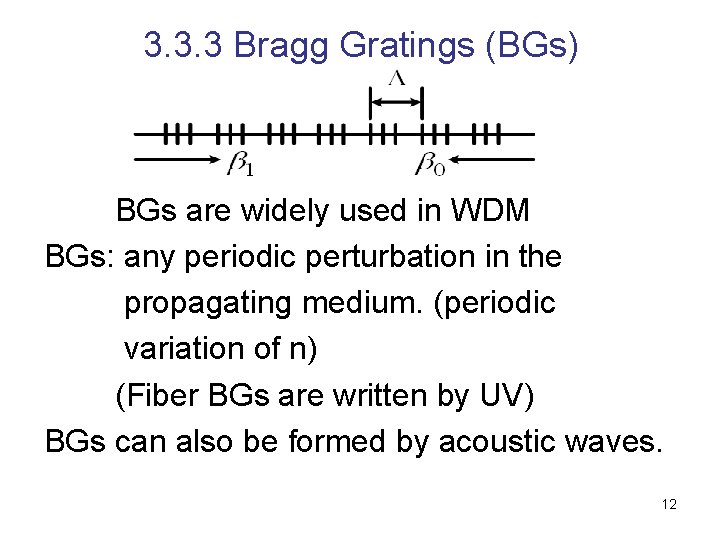
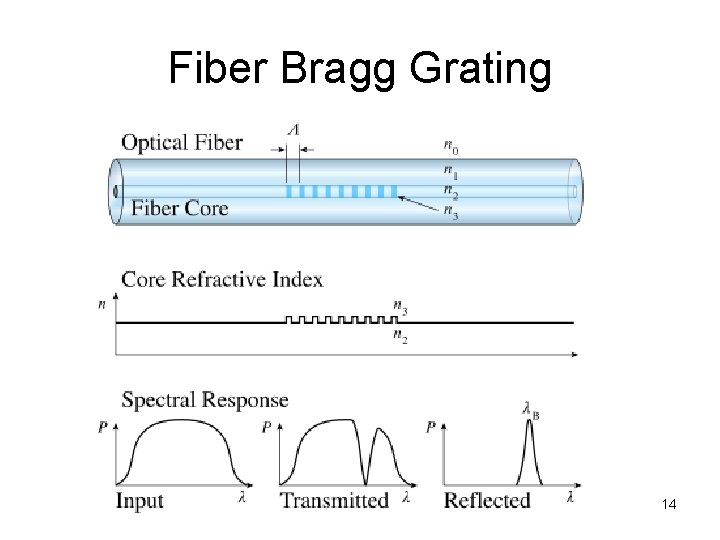
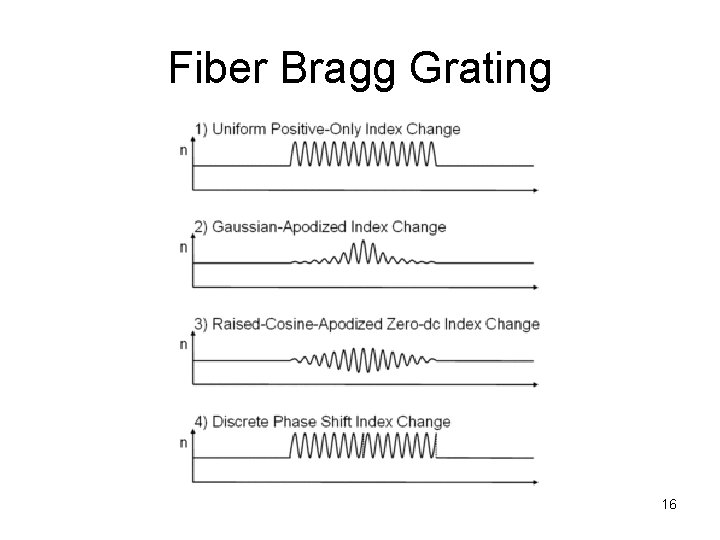
3. 3. 3 Bragg Gratings (BGs) BGs are widely used in WDM BGs: any periodic perturbation in the propagating medium. (periodic variation of n) (Fiber BGs are written by UV) BGs can also be formed by acoustic waves. 12
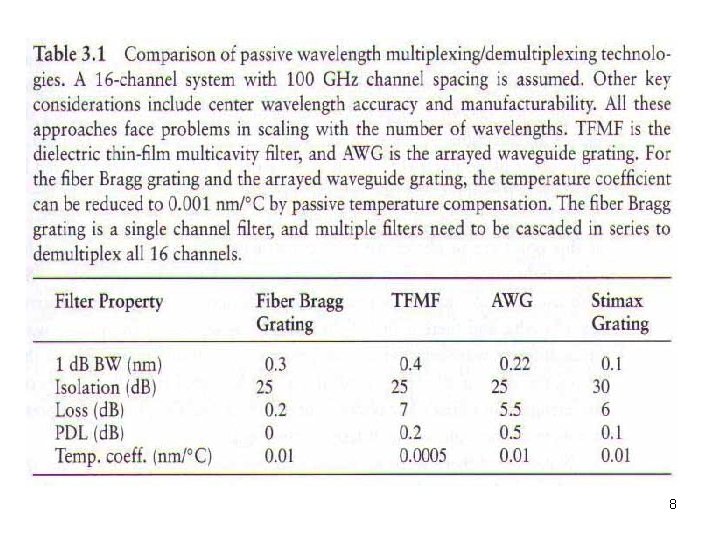
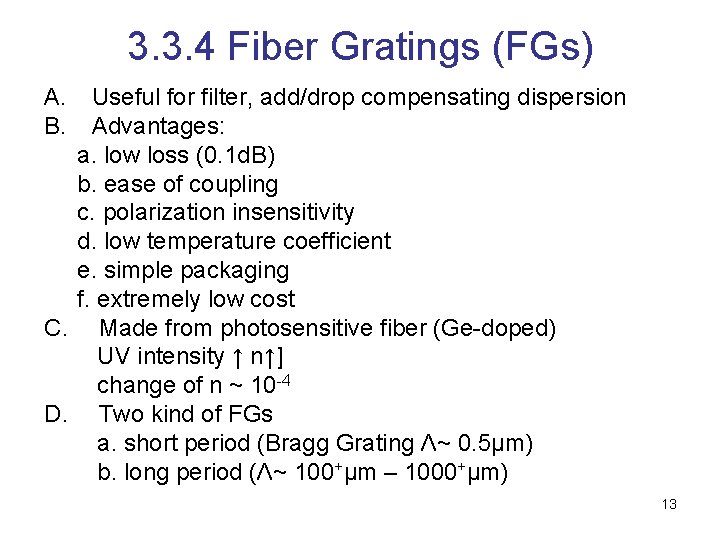
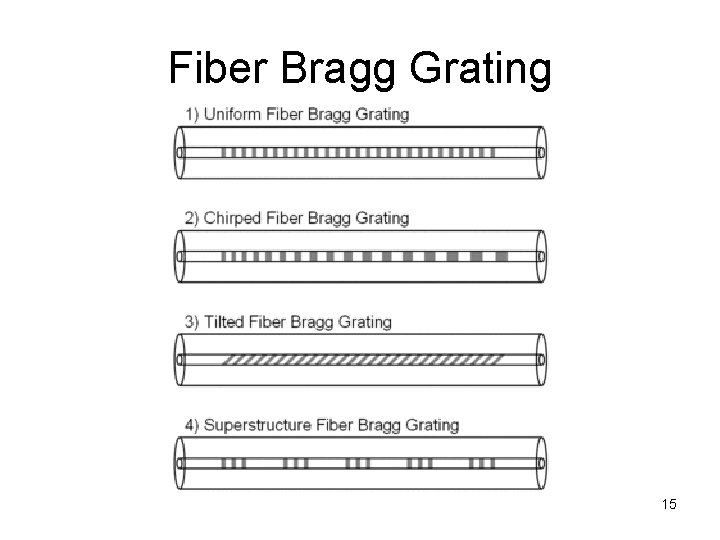
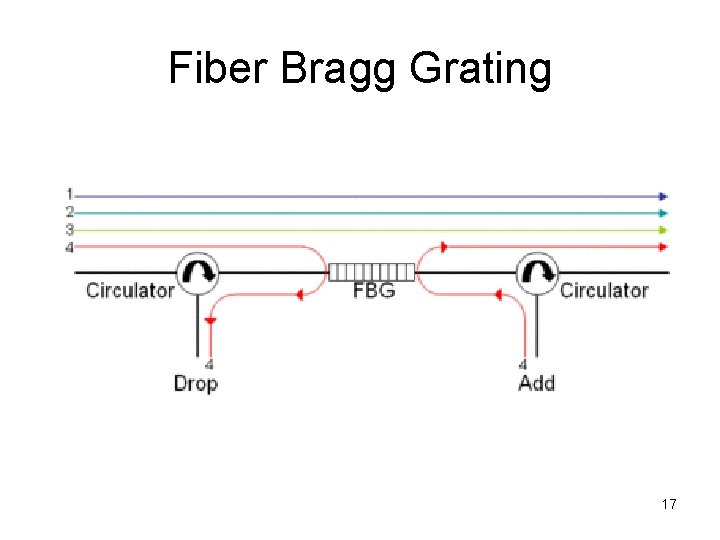
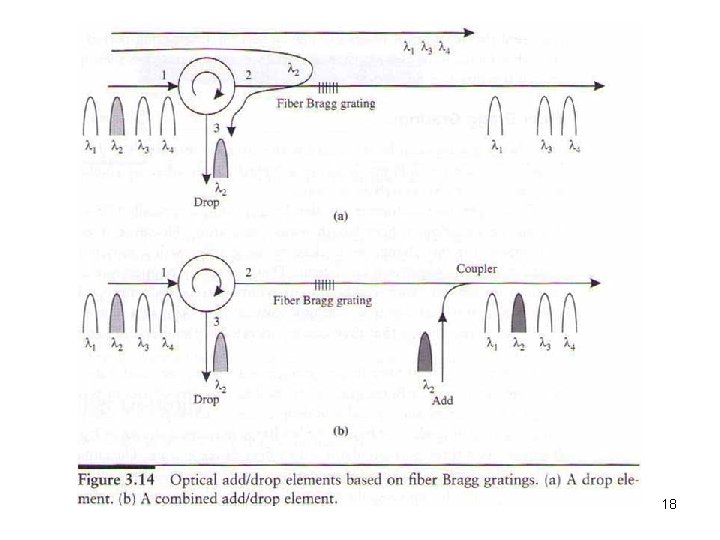
3. 3. 4 Fiber Gratings (FGs) A. Useful for filter, add/drop compensating dispersion B. Advantages: a. low loss (0. 1 d. B) b. ease of coupling c. polarization insensitivity d. low temperature coefficient e. simple packaging f. extremely low cost C. Made from photosensitive fiber (Ge-doped) UV intensity ↑ n↑] change of n ~ 10 -4 D. Two kind of FGs a. short period (Bragg Grating Λ~ 0. 5μm) b. long period (Λ~ 100+μm – 1000+μm) 13
Fiber Bragg Grating 14
Fiber Bragg Grating 15
Fiber Bragg Grating 16
Fiber Bragg Grating 17
18
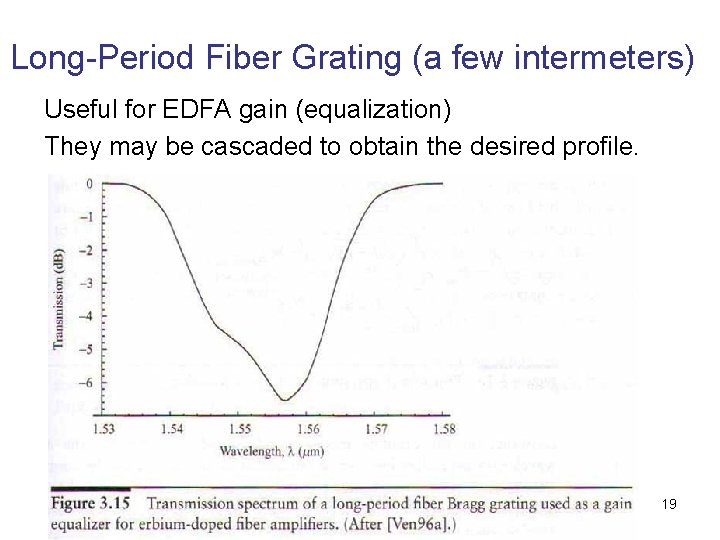
Long-Period Fiber Grating (a few intermeters) Useful for EDFA gain (equalization) They may be cascaded to obtain the desired profile. 19
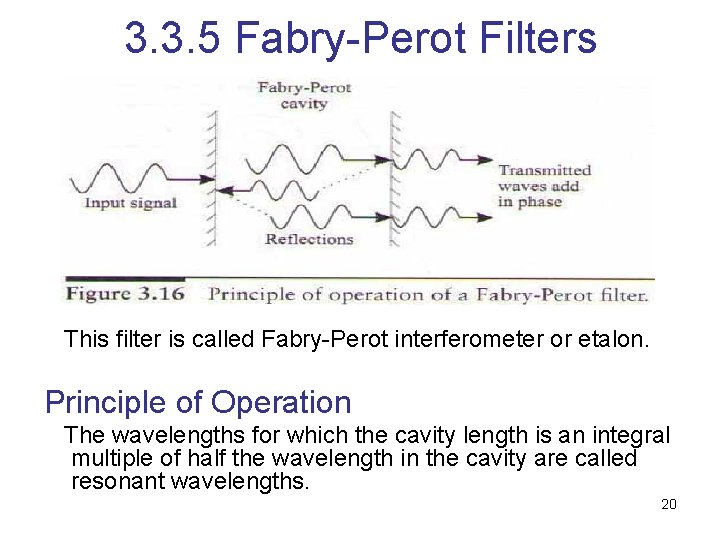
3. 3. 5 Fabry-Perot Filters This filter is called Fabry-Perot interferometer or etalon. Principle of Operation The wavelengths for which the cavity length is an integral multiple of half the wavelength in the cavity are called resonant wavelengths. 20
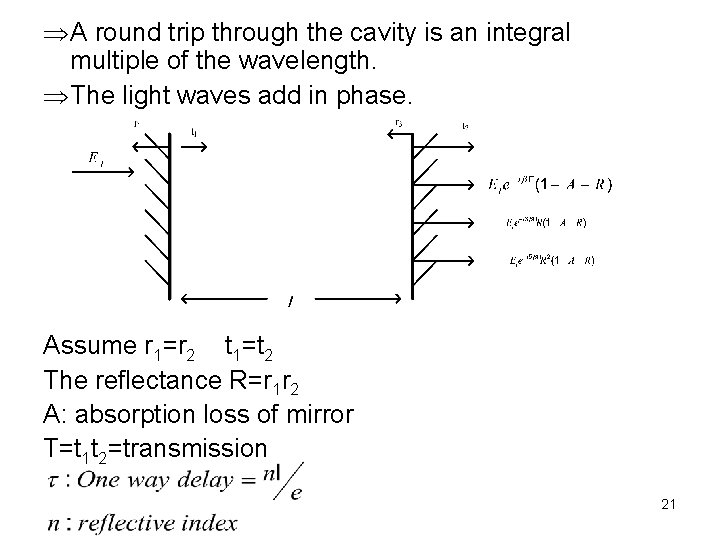
Þ A round trip through the cavity is an integral multiple of the wavelength. Þ The light waves add in phase. Assume r 1=r 2 t 1=t 2 The reflectance R=r 1 r 2 A: absorption loss of mirror T=t 1 t 2=transmission 21
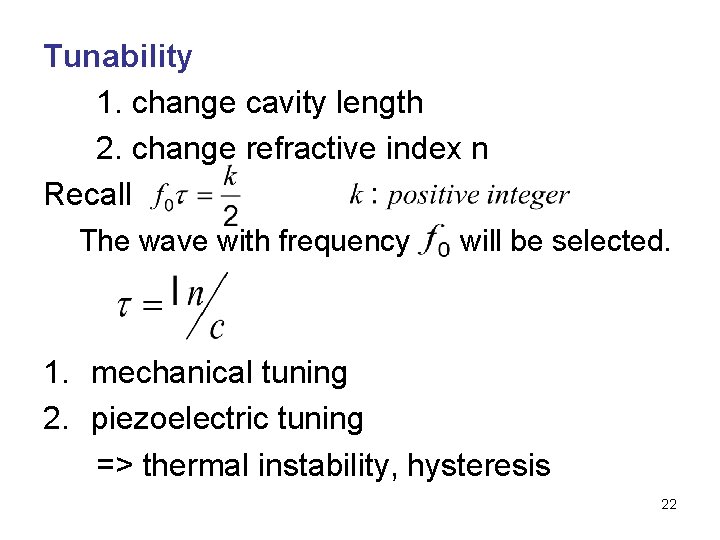
Tunability 1. change cavity length 2. change refractive index n Recall The wave with frequency will be selected. 1. mechanical tuning 2. piezoelectric tuning => thermal instability, hysteresis 22
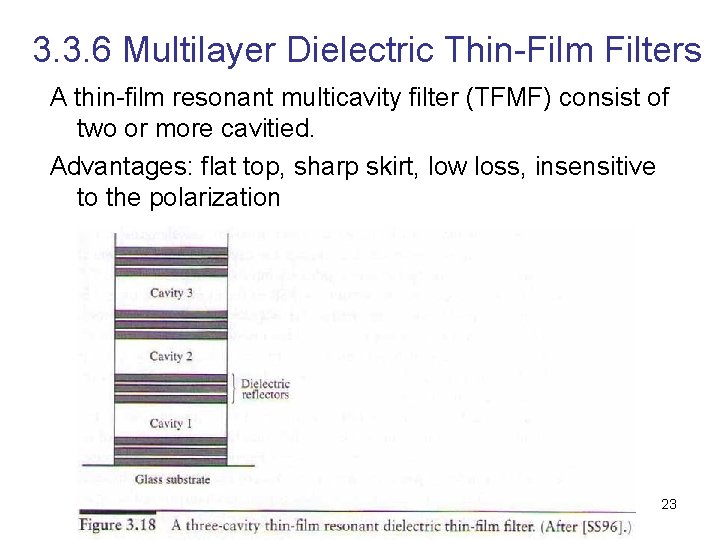
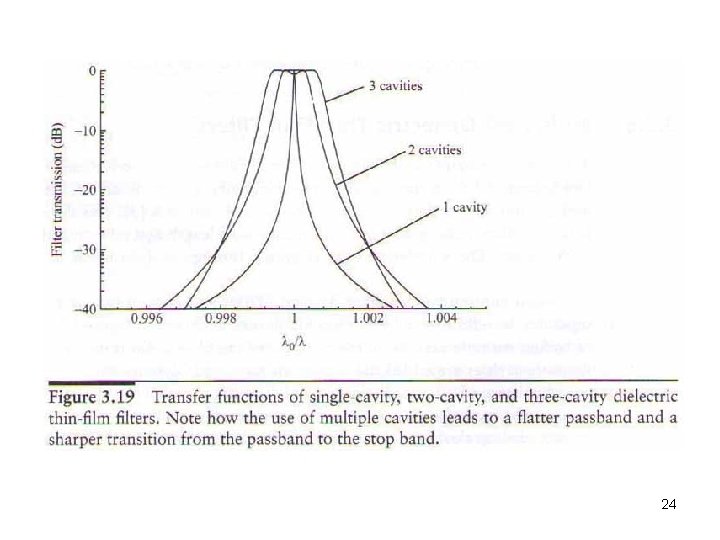
3. 3. 6 Multilayer Dielectric Thin-Film Filters A thin-film resonant multicavity filter (TFMF) consist of two or more cavitied. Advantages: flat top, sharp skirt, low loss, insensitive to the polarization 23
24
25
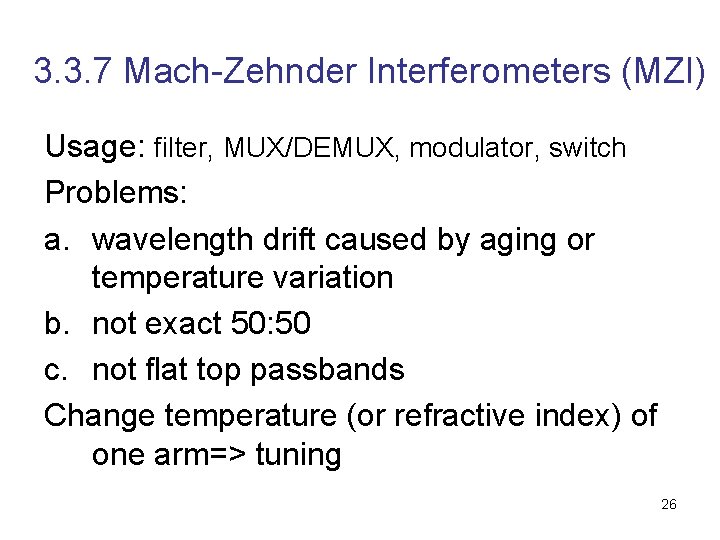
3. 3. 7 Mach-Zehnder Interferometers (MZI) Usage: filter, MUX/DEMUX, modulator, switch Problems: a. wavelength drift caused by aging or temperature variation b. not exact 50: 50 c. not flat top passbands Change temperature (or refractive index) of one arm=> tuning 26
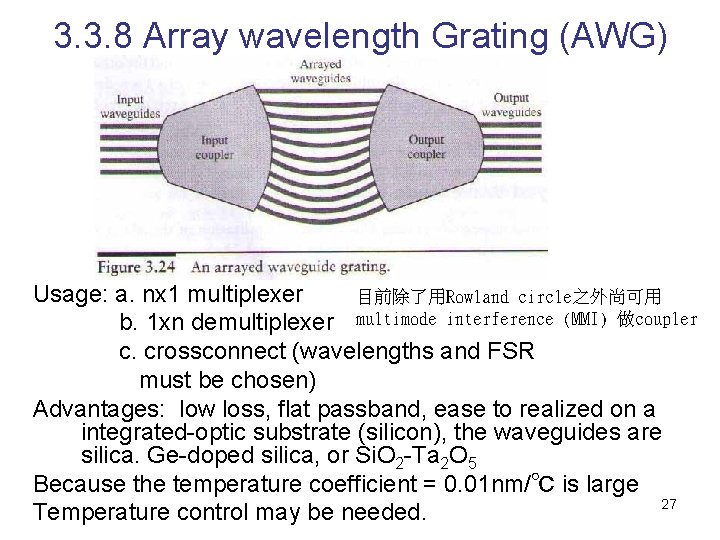
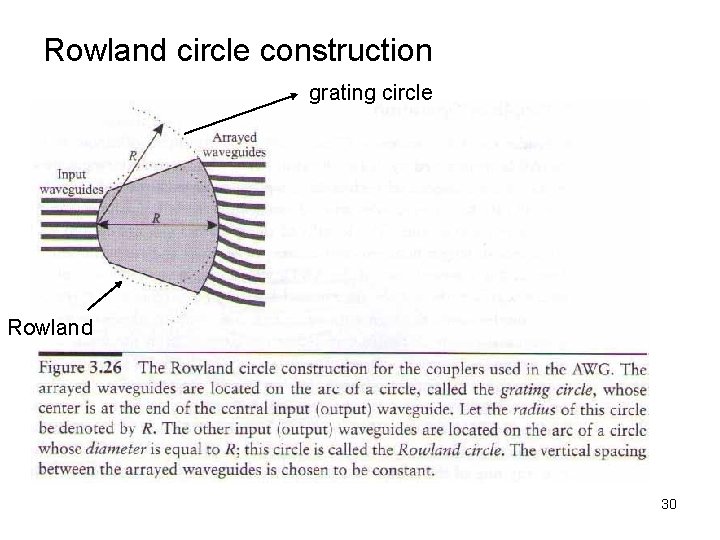
3. 3. 8 Array wavelength Grating (AWG) Usage: a. nx 1 multiplexer 目前除了用Rowland circle之外尚可用 b. 1 xn demultiplexer multimode interference (MMI) 做coupler c. crossconnect (wavelengths and FSR must be chosen) Advantages: low loss, flat passband, ease to realized on a integrated-optic substrate (silicon), the waveguides are silica. Ge-doped silica, or Si. O 2 -Ta 2 O 5 Because the temperature coefficient = 0. 01 nm/℃ is large 27 Temperature control may be needed.
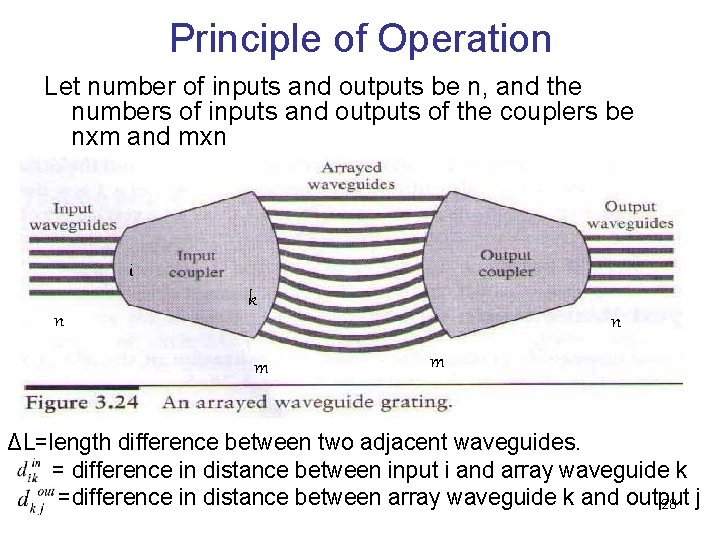
Principle of Operation Let number of inputs and outputs be n, and the numbers of inputs and outputs of the couplers be nxm and mxn i n k m n m ΔL=length difference between two adjacent waveguides. = difference in distance between input i and array waveguide k =difference in distance between array waveguide k and output j 28
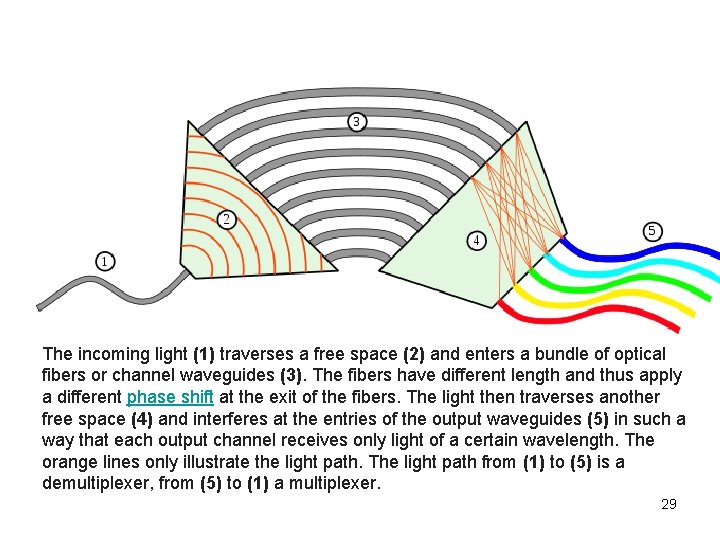
The incoming light (1) traverses a free space (2) and enters a bundle of optical fibers or channel waveguides (3). The fibers have different length and thus apply a different phase shift at the exit of the fibers. The light then traverses another free space (4) and interferes at the entries of the output waveguides (5) in such a way that each output channel receives only light of a certain wavelength. The orange lines only illustrate the light path. The light path from (1) to (5) is a demultiplexer, from (5) to (1) a multiplexer. 29
Rowland circle construction grating circle Rowland 30
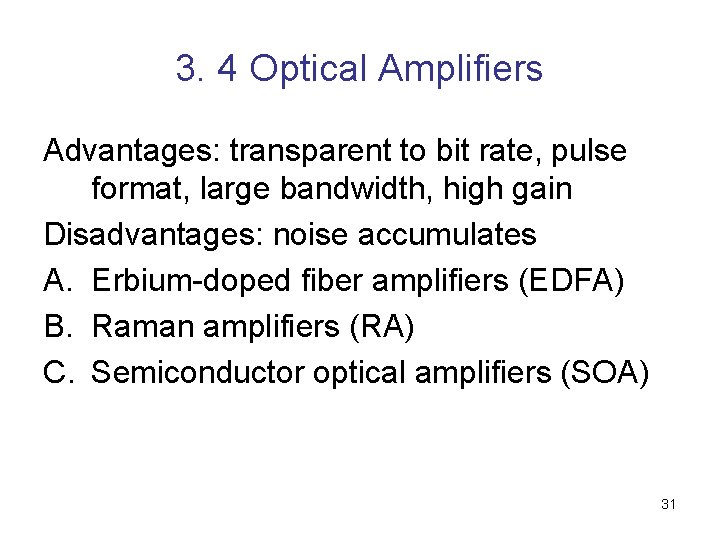
3. 4 Optical Amplifiers Advantages: transparent to bit rate, pulse format, large bandwidth, high gain Disadvantages: noise accumulates A. Erbium-doped fiber amplifiers (EDFA) B. Raman amplifiers (RA) C. Semiconductor optical amplifiers (SOA) 31
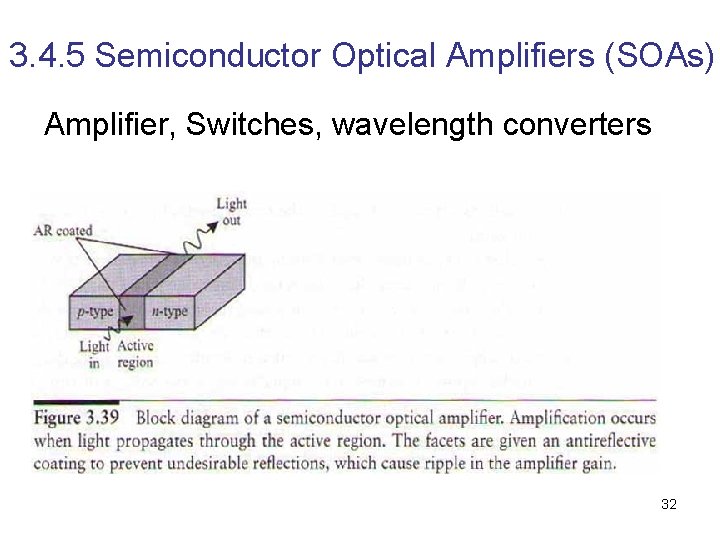
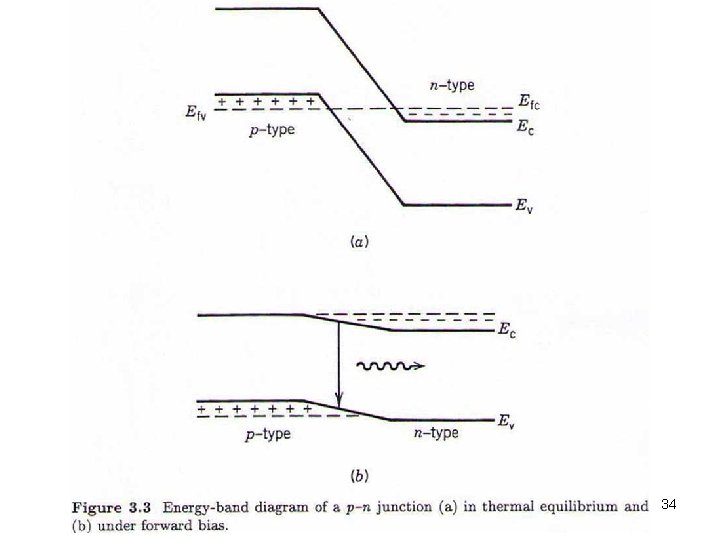
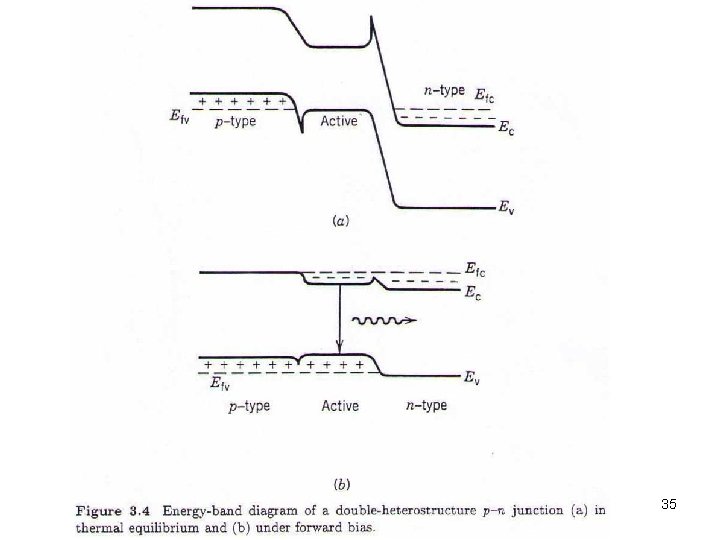
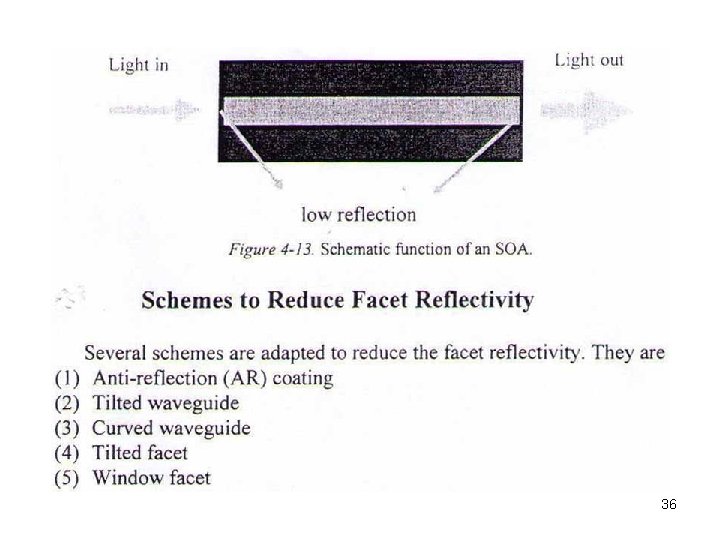
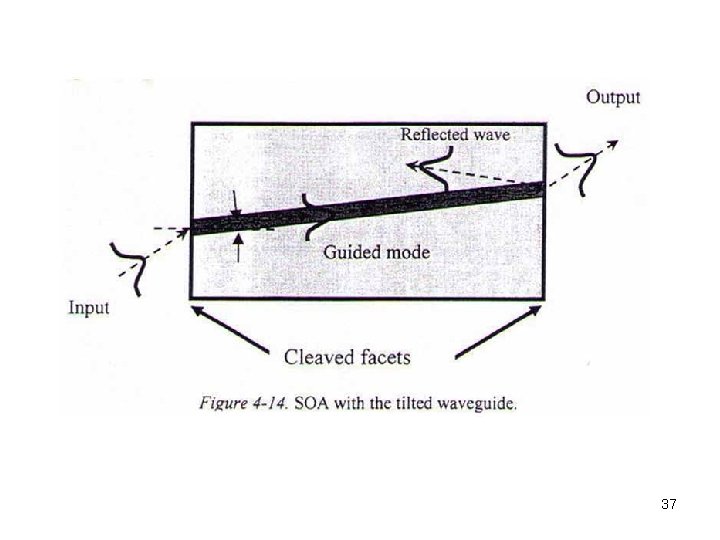
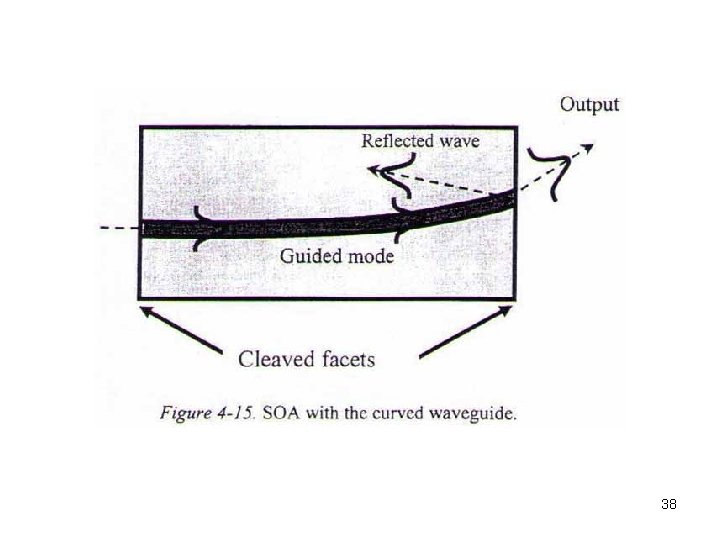
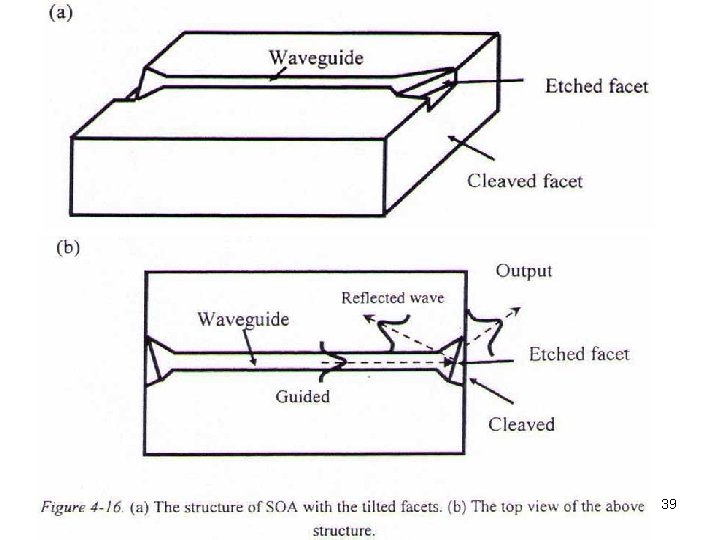
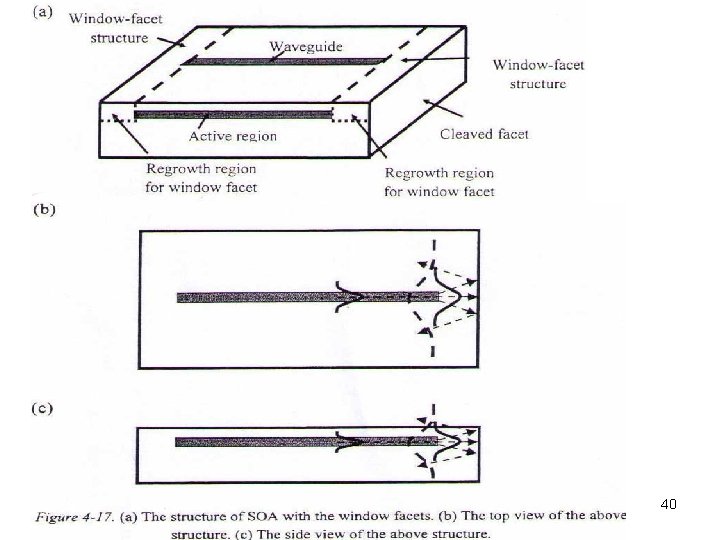
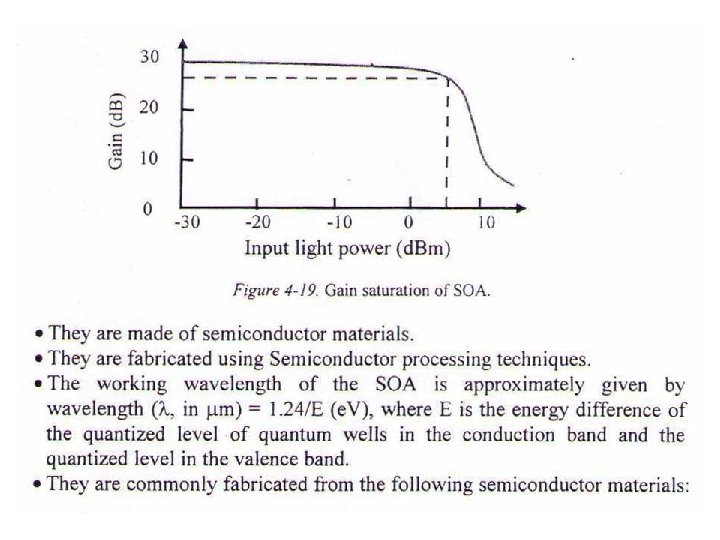
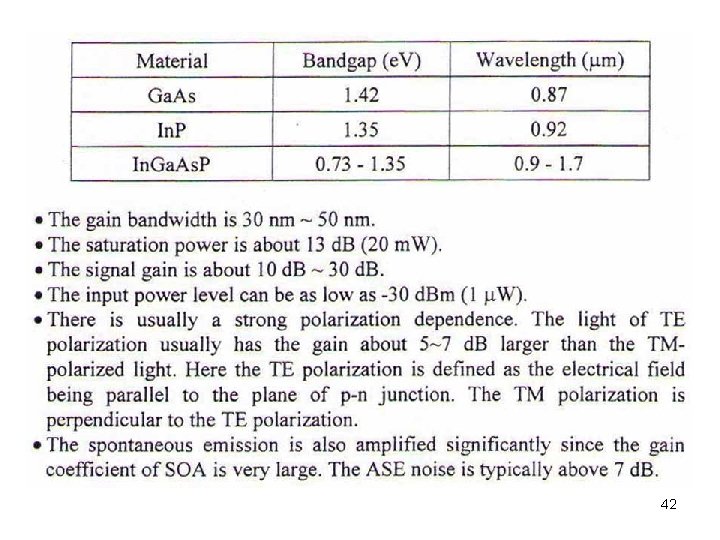
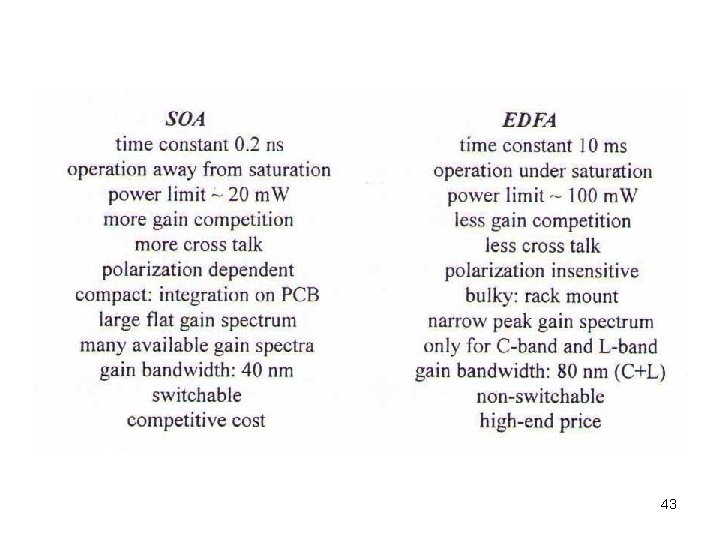
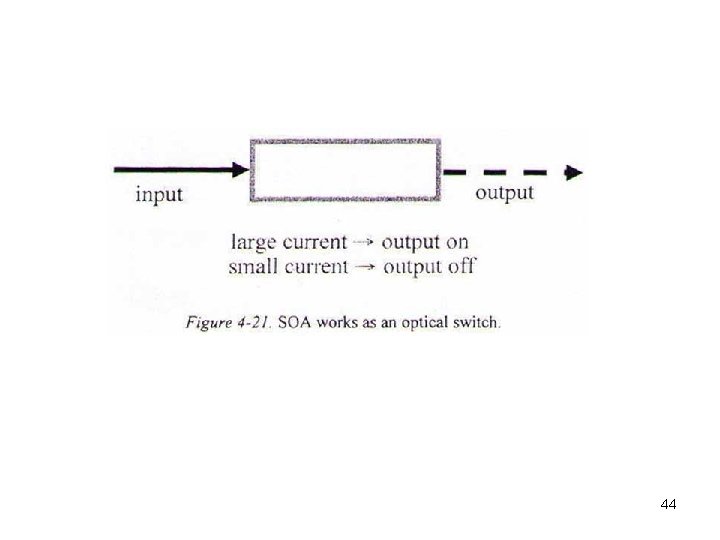
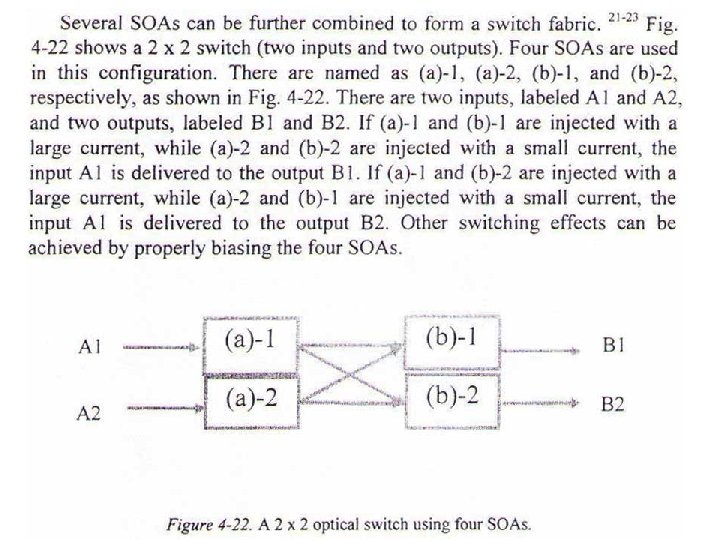
3. 4. 5 Semiconductor Optical Amplifiers (SOAs) Amplifier, Switches, wavelength converters 32
33
34
35
36
37
38
39
40
41
42
43
44
45
46
3. 5 Transmitters A transmitter includes a driving circuit and a light source. The light source can be laser or LED. For WDM systems, a laser needs to have the following important characteristics: a. Reasonably high power 0~10 d. Bm, low threshold current, high slop efficiency b. Narrow spectral width c. Wavelength stability (low aging effect) d. Small chirping (direct modulation) 47
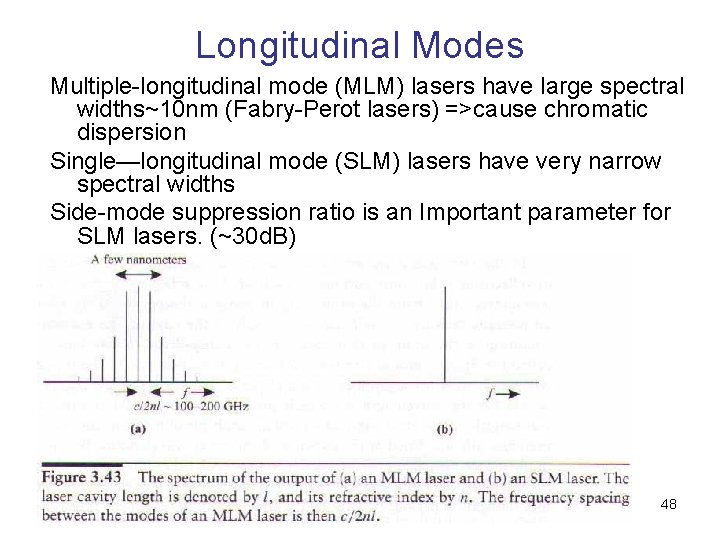
Longitudinal Modes Multiple-longitudinal mode (MLM) lasers have large spectral widths~10 nm (Fabry-Perot lasers) =>cause chromatic dispersion Single—longitudinal mode (SLM) lasers have very narrow spectral widths Side-mode suppression ratio is an Important parameter for SLM lasers. (~30 d. B) 48
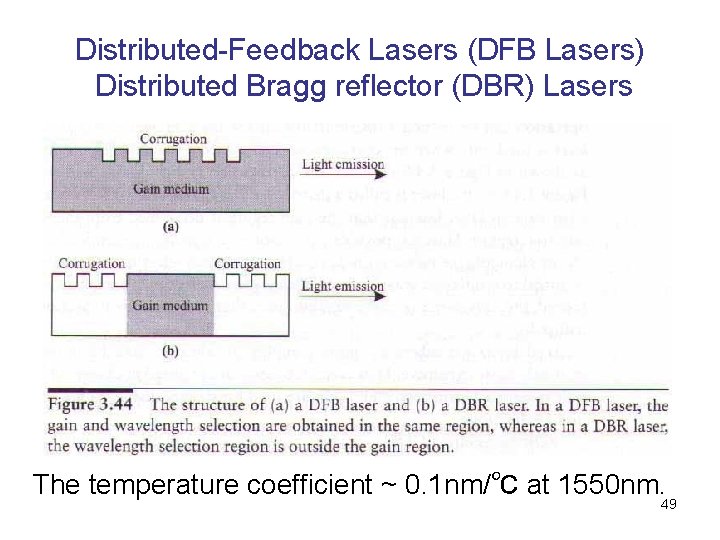
Distributed-Feedback Lasers (DFB Lasers) Distributed Bragg reflector (DBR) Lasers The temperature coefficient ~ 0. 1 nm/℃ at 1550 nm. 49
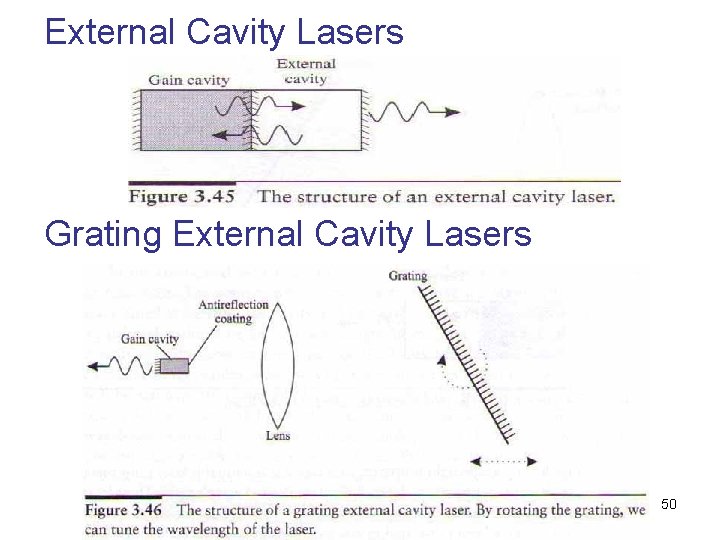
External Cavity Lasers Grating External Cavity Lasers 50
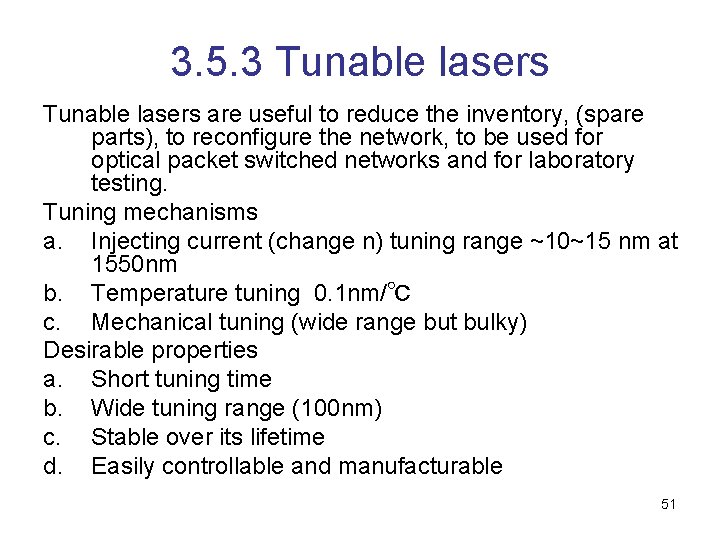
3. 5. 3 Tunable lasers are useful to reduce the inventory, (spare parts), to reconfigure the network, to be used for optical packet switched networks and for laboratory testing. Tuning mechanisms a. Injecting current (change n) tuning range ~10~15 nm at 1550 nm b. Temperature tuning 0. 1 nm/℃ c. Mechanical tuning (wide range but bulky) Desirable properties a. Short tuning time b. Wide tuning range (100 nm) c. Stable over its lifetime d. Easily controllable and manufacturable 51
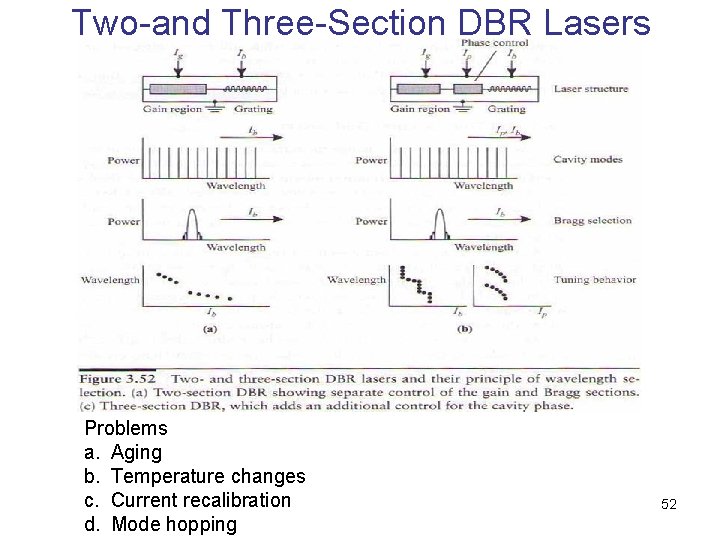
Two-and Three-Section DBR Lasers Problems a. Aging b. Temperature changes c. Current recalibration d. Mode hopping 52
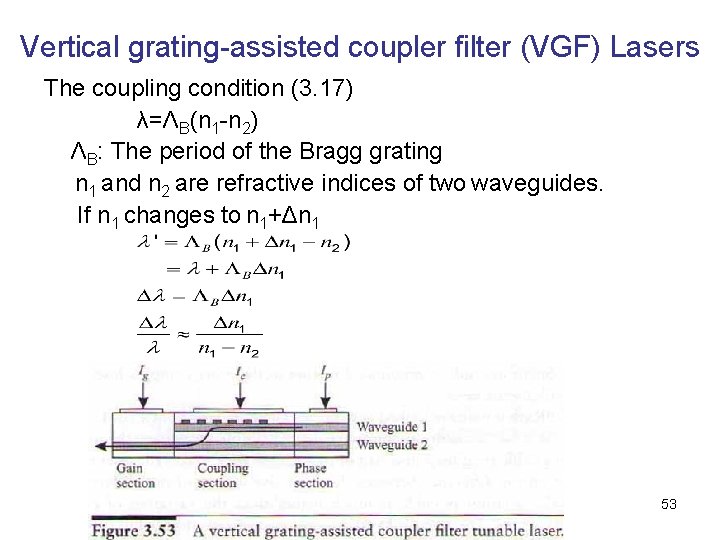
Vertical grating-assisted coupler filter (VGF) Lasers The coupling condition (3. 17) λ=ΛB(n 1 -n 2) ΛB: The period of the Bragg grating n 1 and n 2 are refractive indices of two waveguides. If n 1 changes to n 1+Δn 1 53
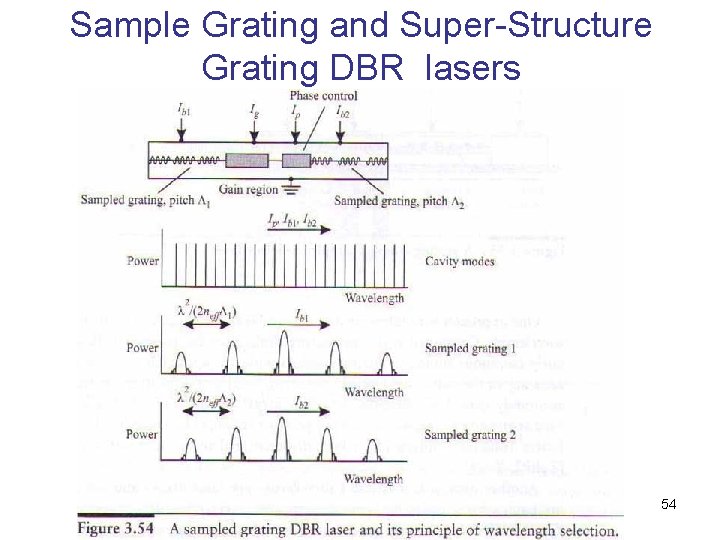
Sample Grating and Super-Structure Grating DBR lasers 54
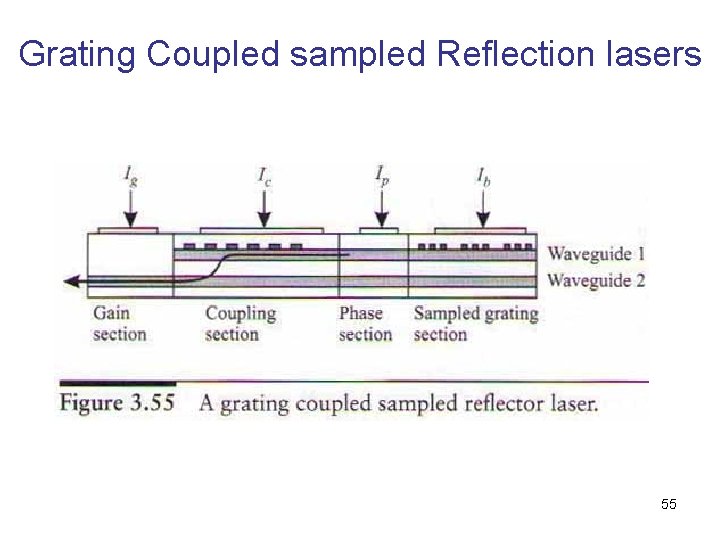
Grating Coupled sampled Reflection lasers 55
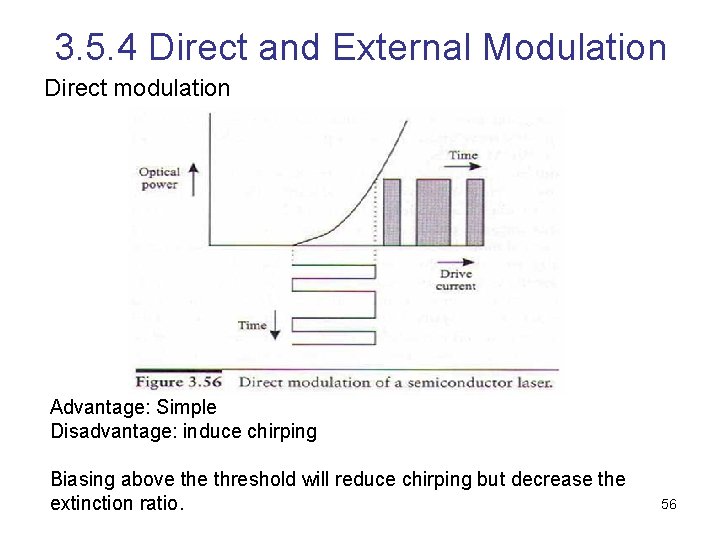
3. 5. 4 Direct and External Modulation Direct modulation Advantage: Simple Disadvantage: induce chirping Biasing above threshold will reduce chirping but decrease the extinction ratio. 56
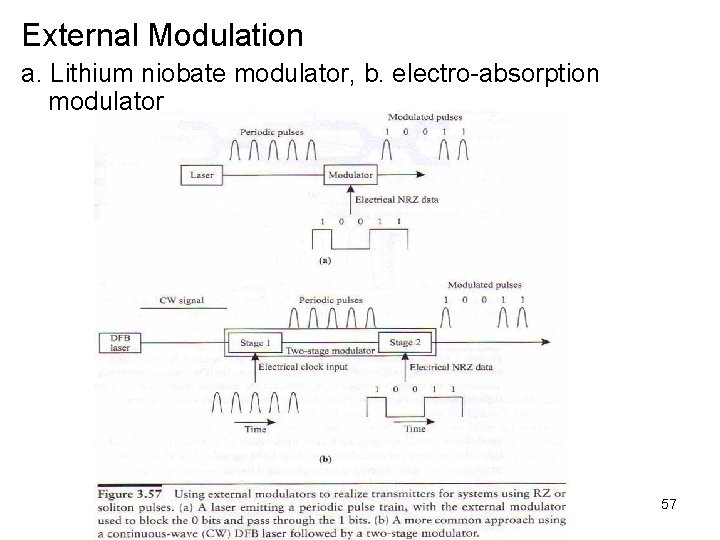
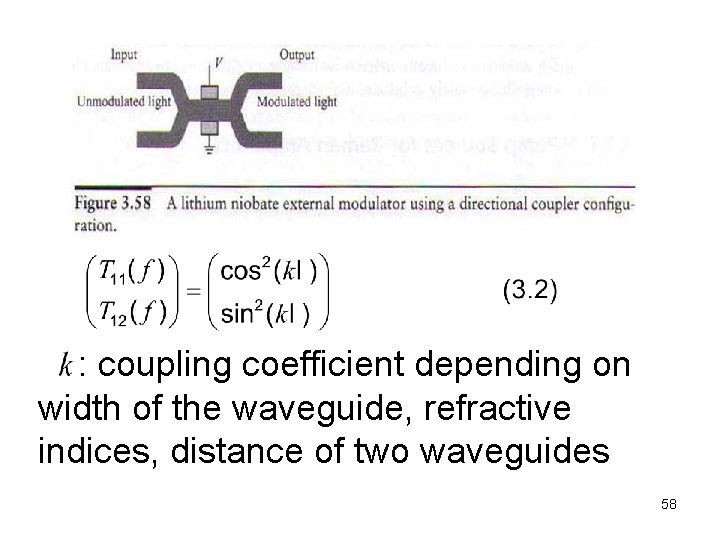
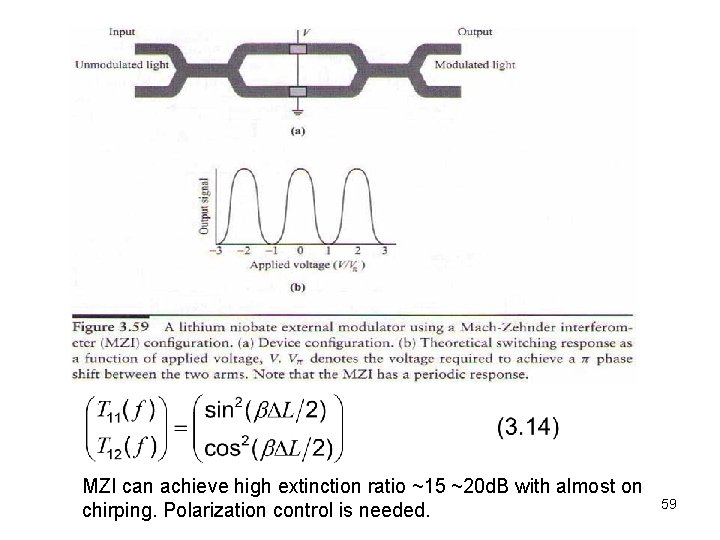
External Modulation a. Lithium niobate modulator, b. electro-absorption modulator 57
: coupling coefficient depending on width of the waveguide, refractive indices, distance of two waveguides 58
MZI can achieve high extinction ratio ~15 ~20 d. B with almost on chirping. Polarization control is needed. 59
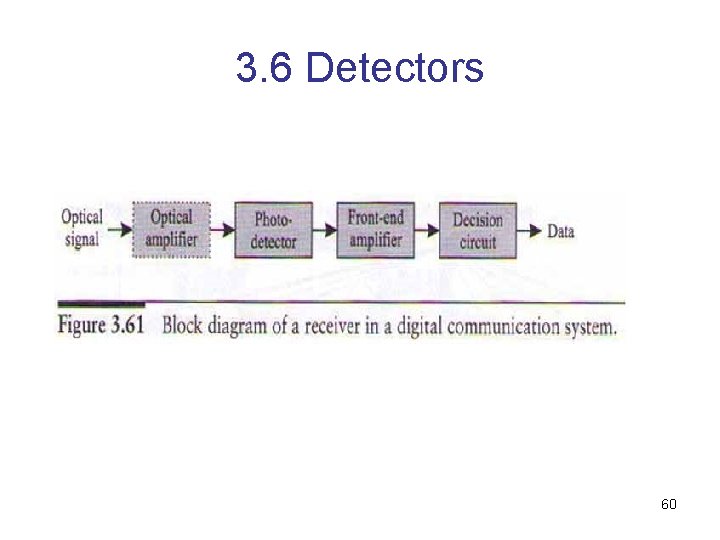
3. 6 Detectors 60
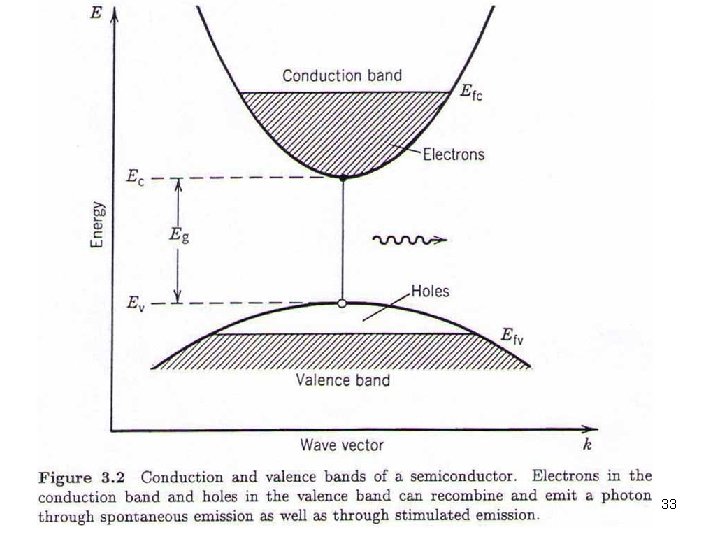
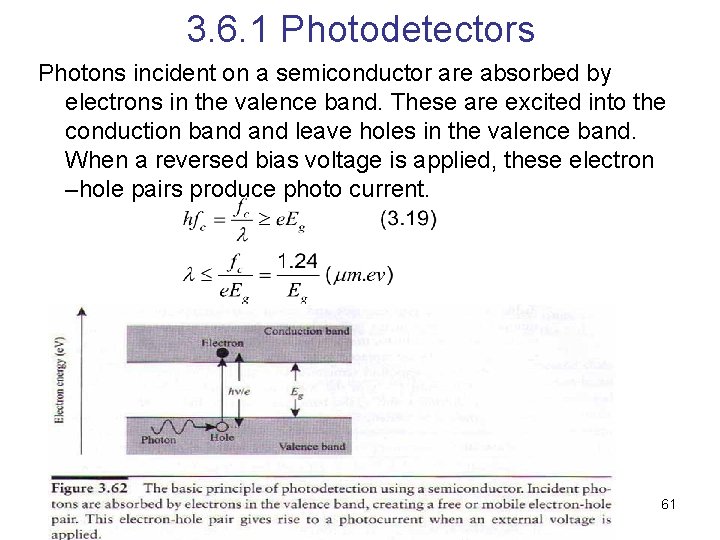
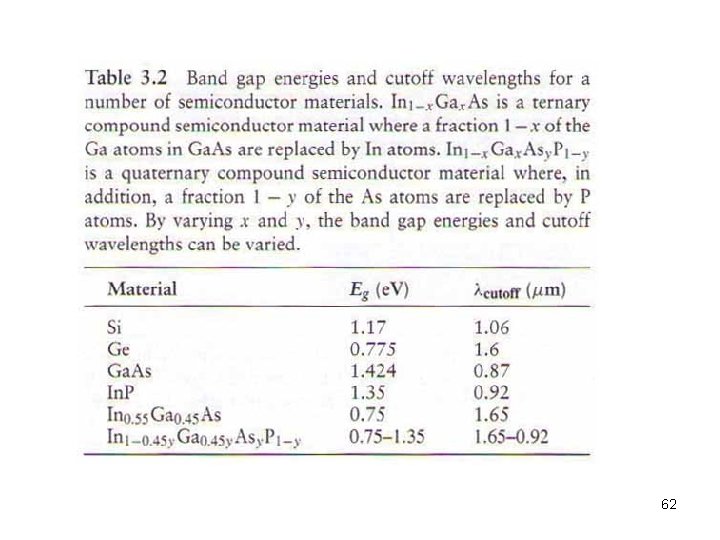
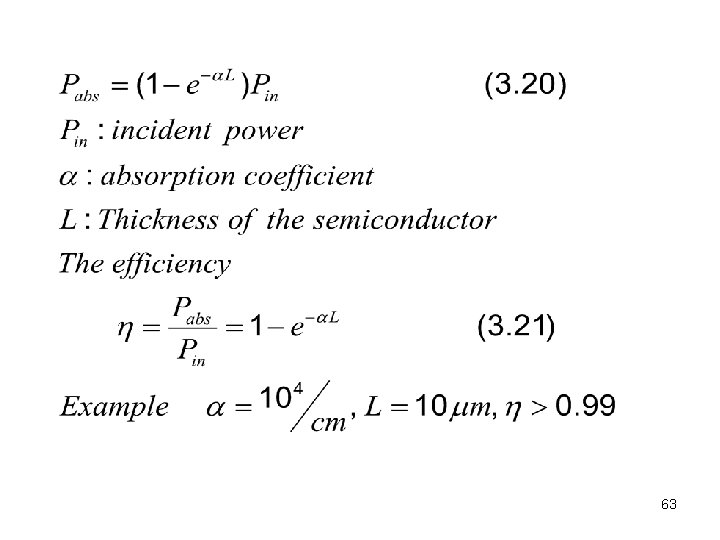
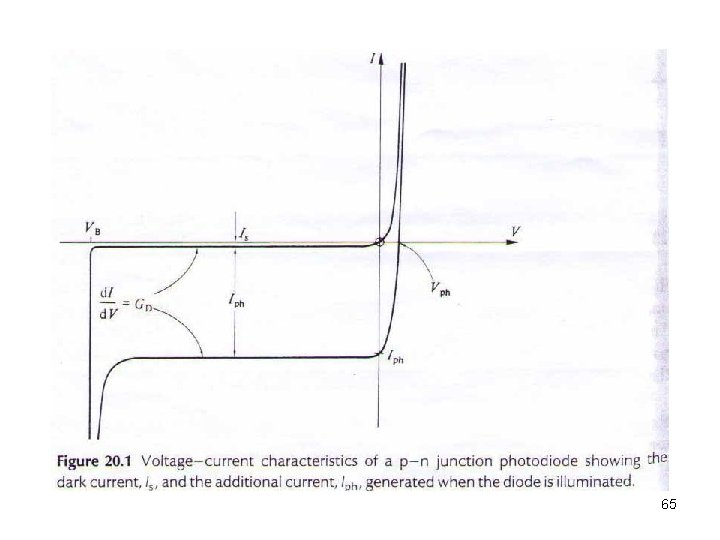
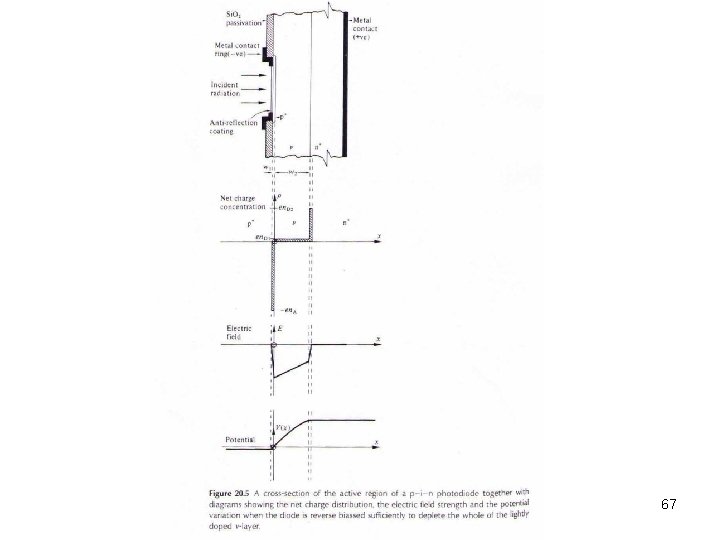
3. 6. 1 Photodetectors Photons incident on a semiconductor are absorbed by electrons in the valence band. These are excited into the conduction band leave holes in the valence band. When a reversed bias voltage is applied, these electron –hole pairs produce photo current. 61
62
63
64
65
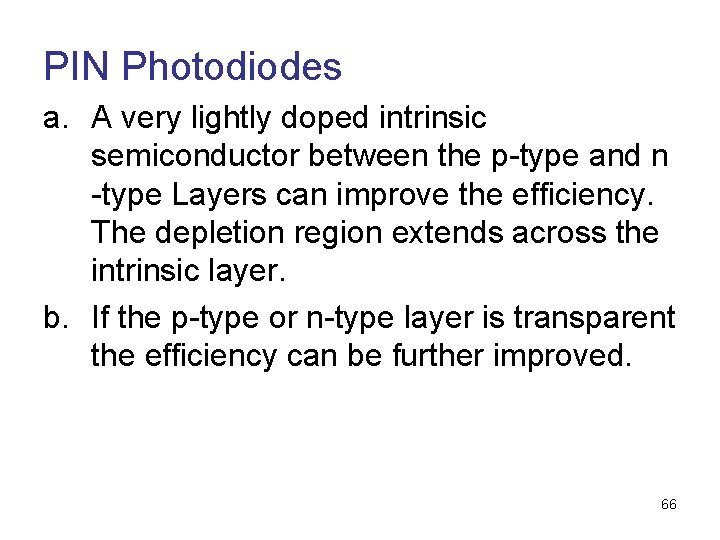
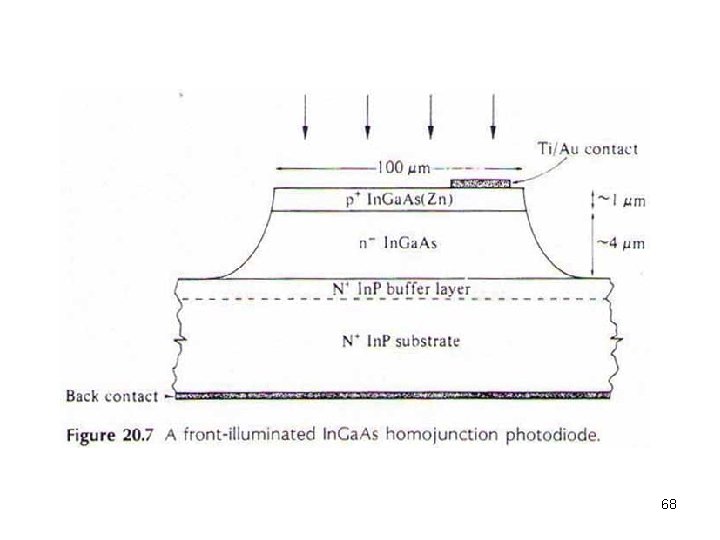
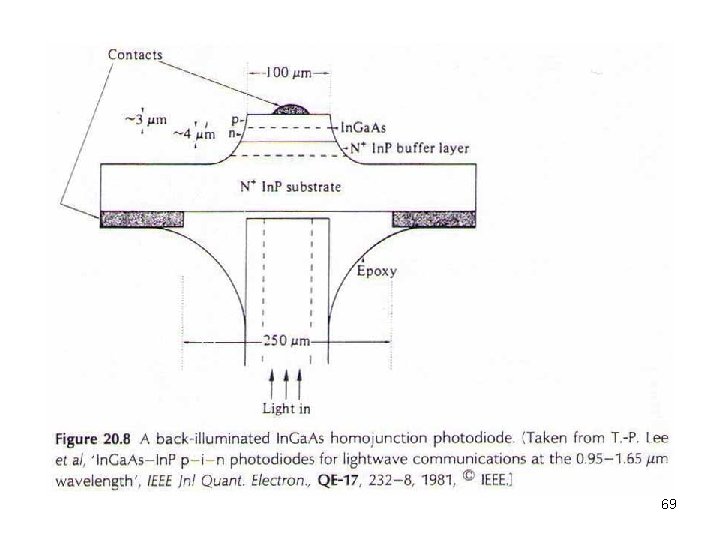
PIN Photodiodes a. A very lightly doped intrinsic semiconductor between the p-type and n -type Layers can improve the efficiency. The depletion region extends across the intrinsic layer. b. If the p-type or n-type layer is transparent the efficiency can be further improved. 66
67
68
69
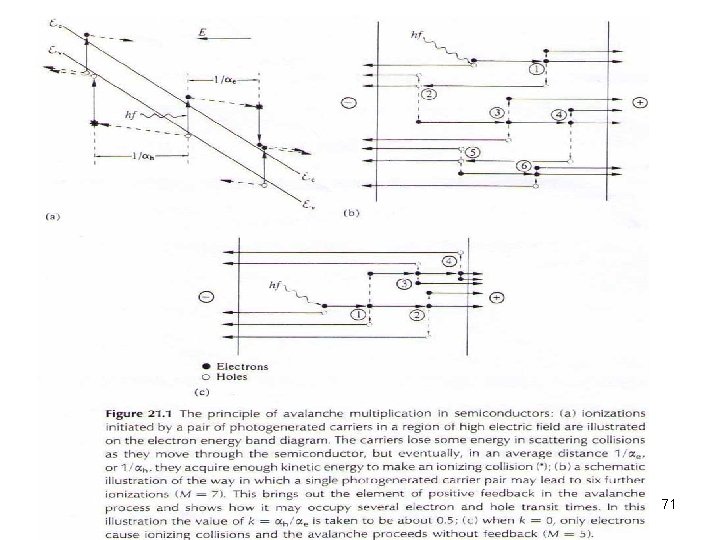
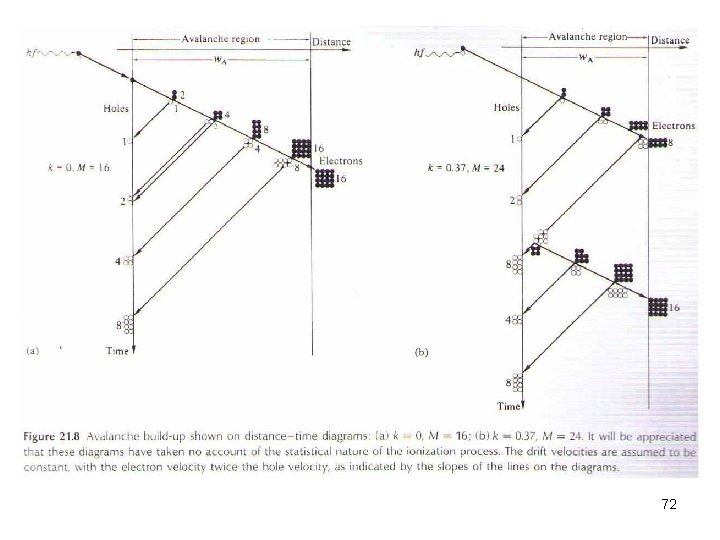
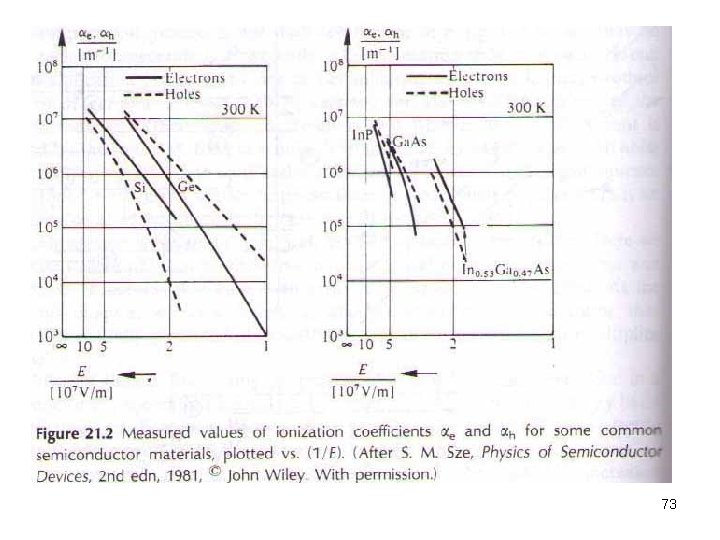
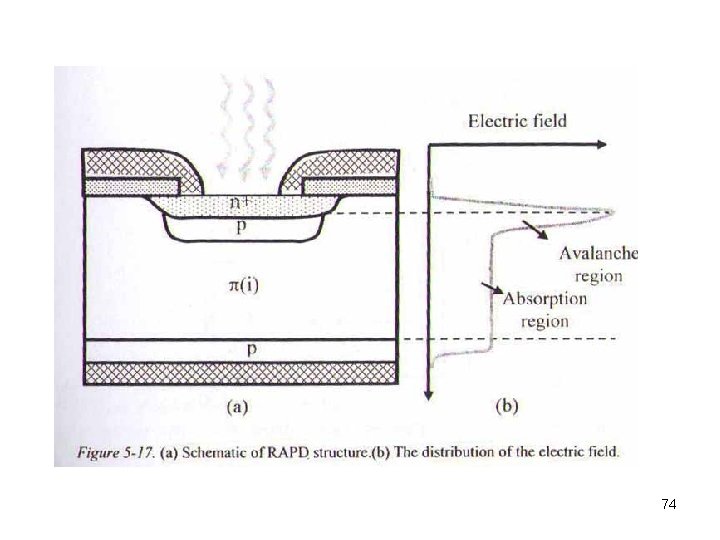
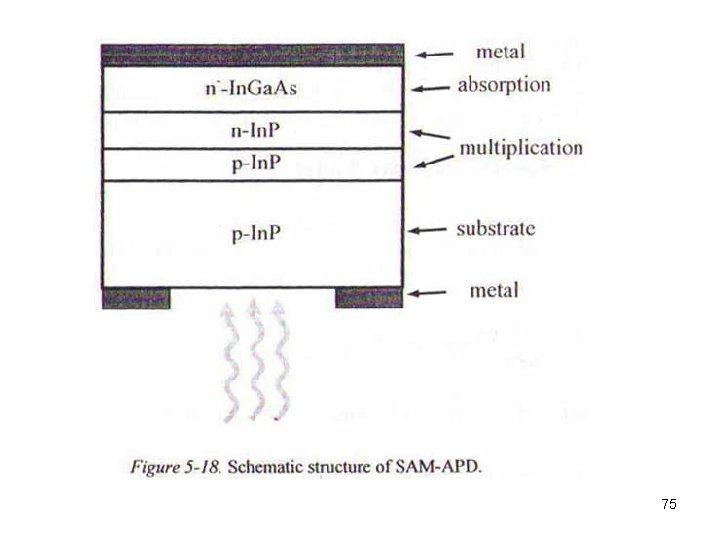
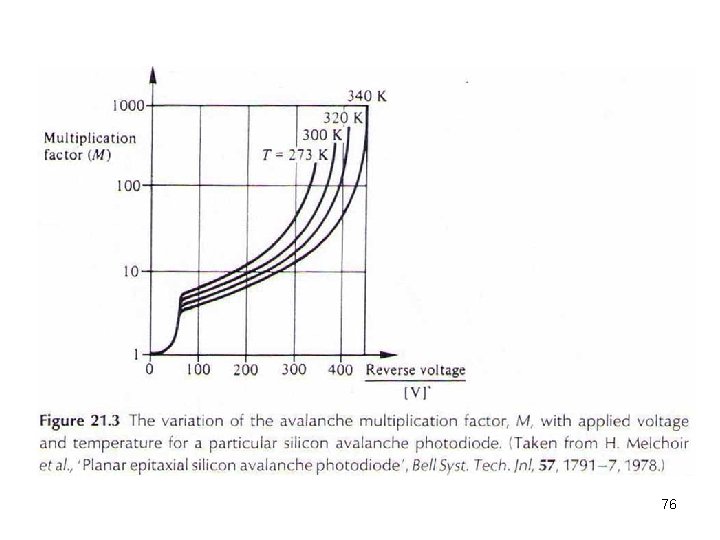
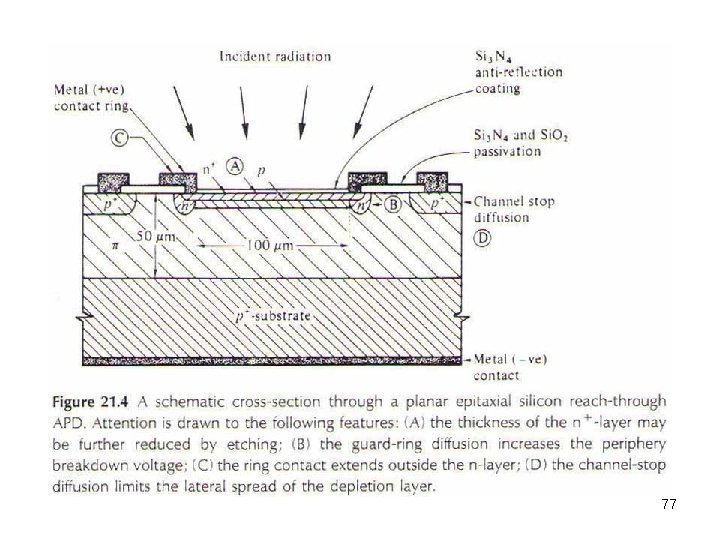
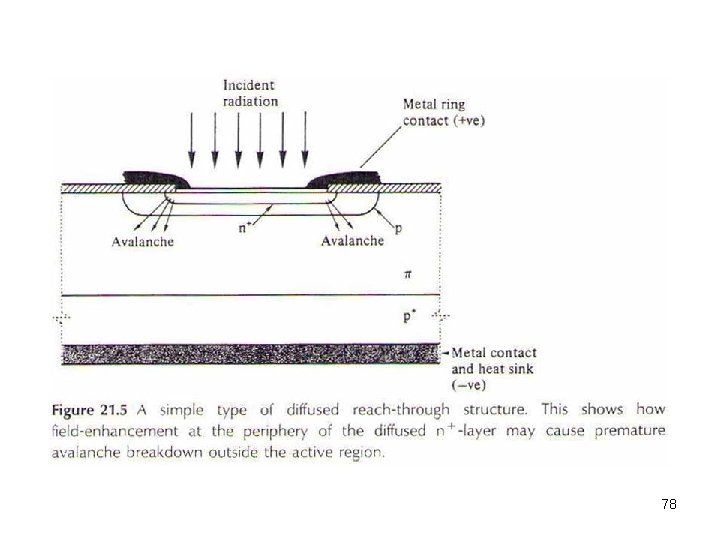
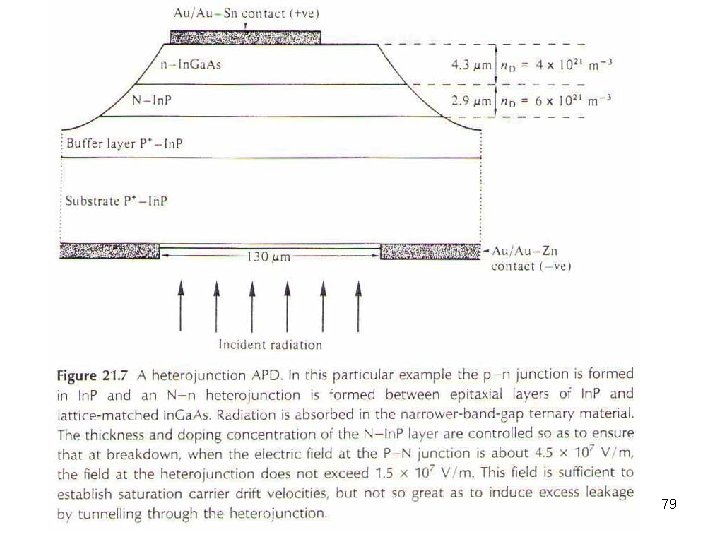
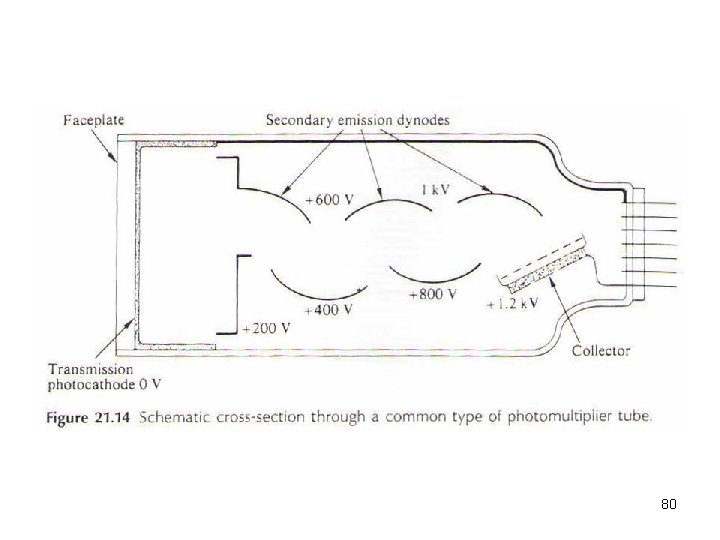
Avalanche Photodiodes (APD) When the generated election in a very high electric field, it can generate more secondary electron-hole pairs. This process is called avalanche multiplication. Gm: multiplicative gain M: multiplication factor (Gm: M-1) Large Gm will induce large noise. If Gm→∞, avalanche breakdown occurs. 70
71
72
73
74
75
76
77
78
79
80
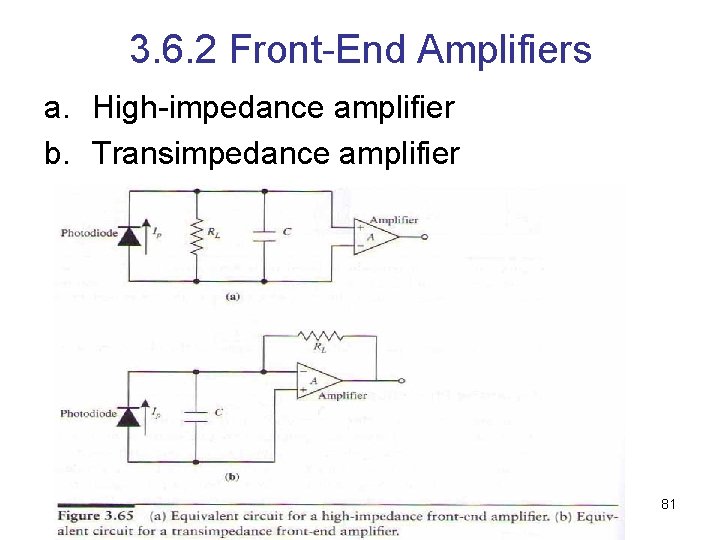
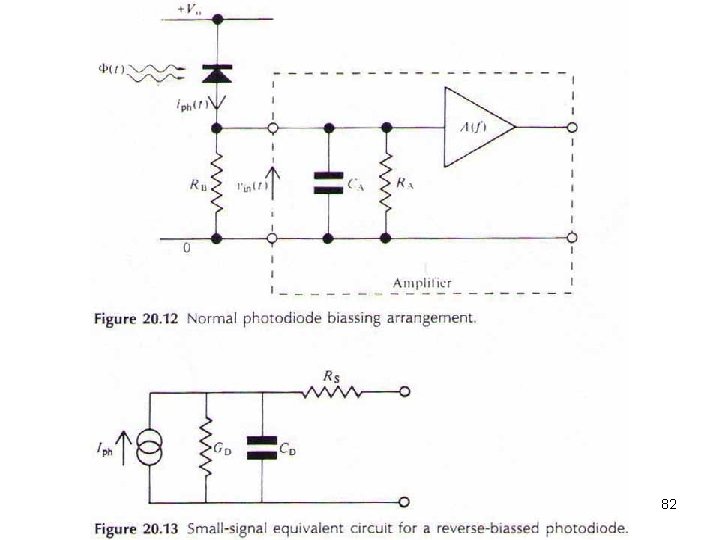
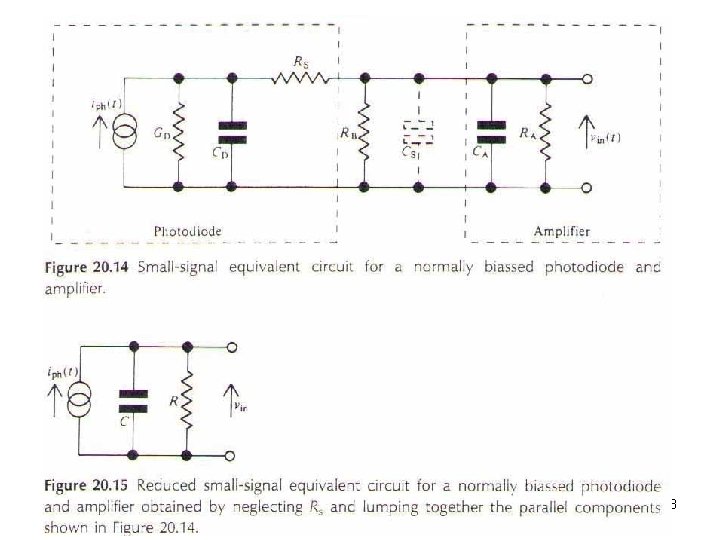
3. 6. 2 Front-End Amplifiers a. High-impedance amplifier b. Transimpedance amplifier 81
82
83
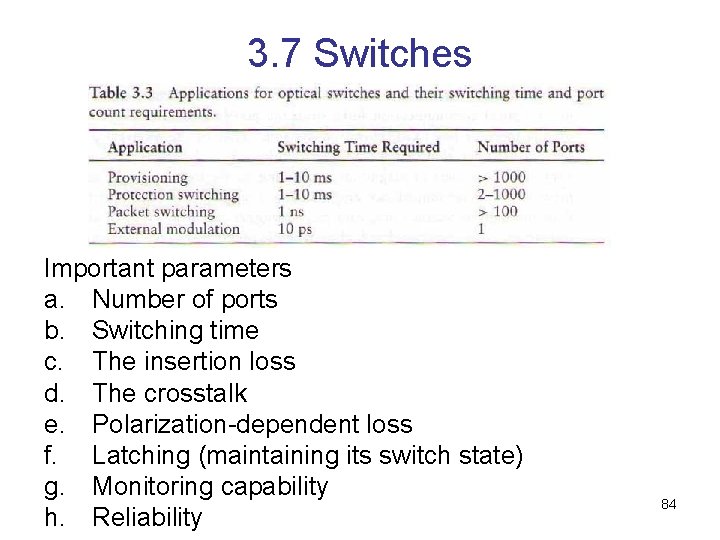
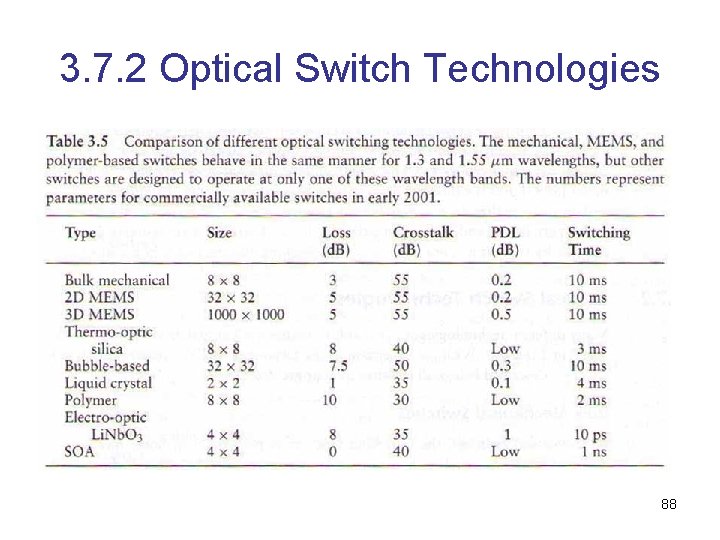
3. 7 Switches Important parameters a. Number of ports b. Switching time c. The insertion loss d. The crosstalk e. Polarization-dependent loss f. Latching (maintaining its switch state) g. Monitoring capability h. Reliability 84
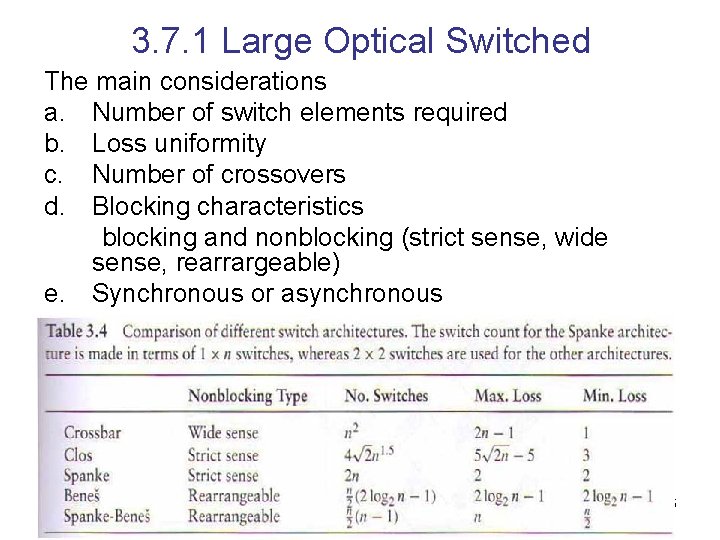
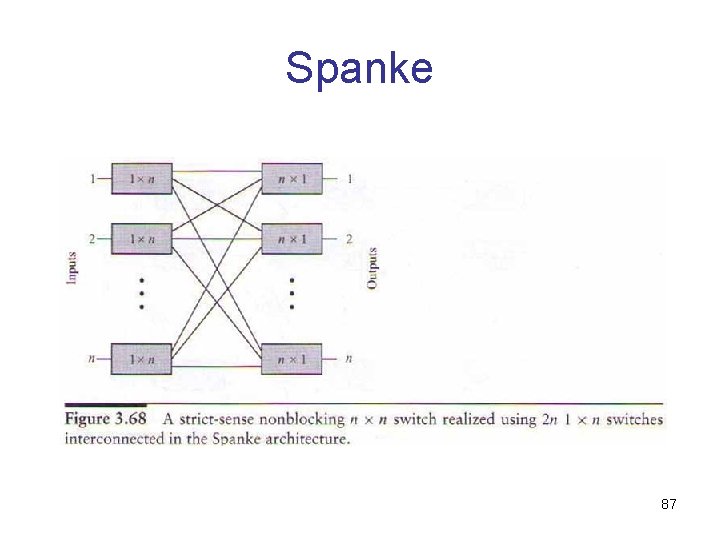
3. 7. 1 Large Optical Switched The main considerations a. Number of switch elements required b. Loss uniformity c. Number of crossovers d. Blocking characteristics blocking and nonblocking (strict sense, wide sense, rearrargeable) e. Synchronous or asynchronous 85
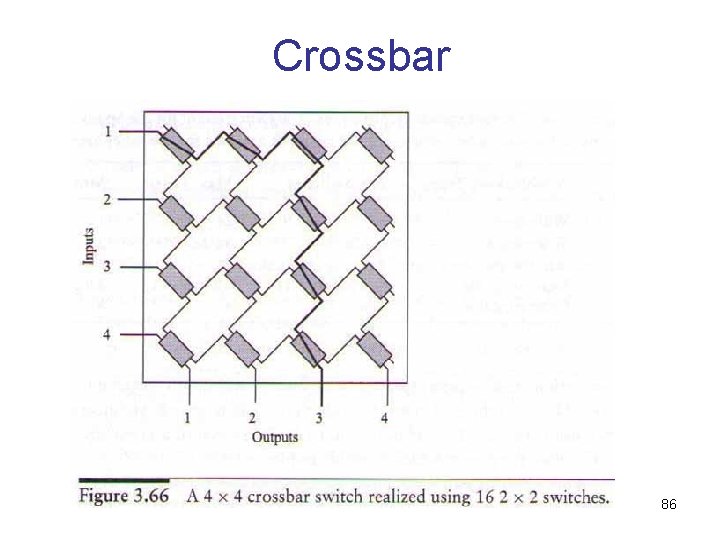
Crossbar 86
Spanke 87
3. 7. 2 Optical Switch Technologies 88
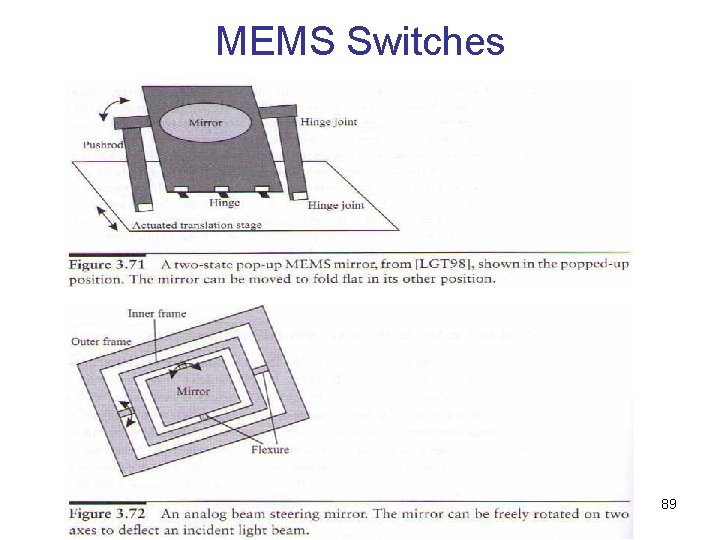
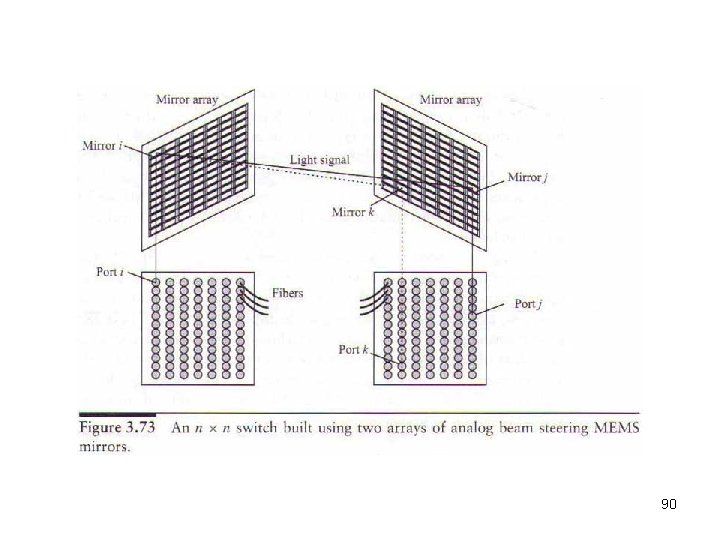
MEMS Switches 89
90
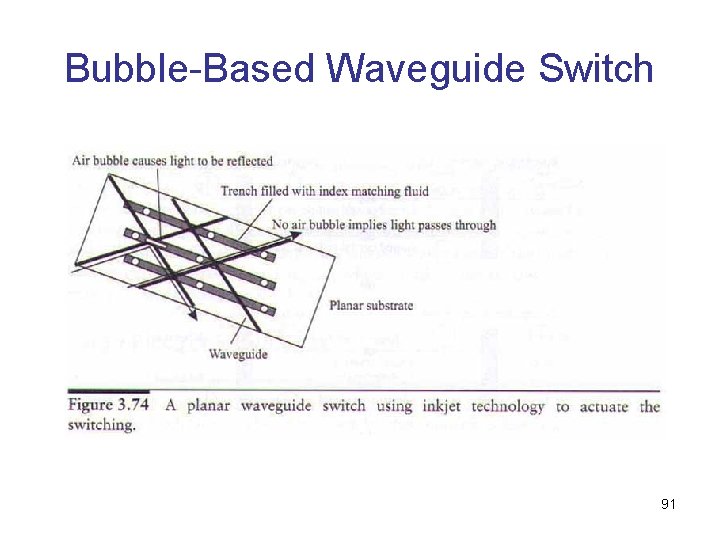
Bubble-Based Waveguide Switch 91
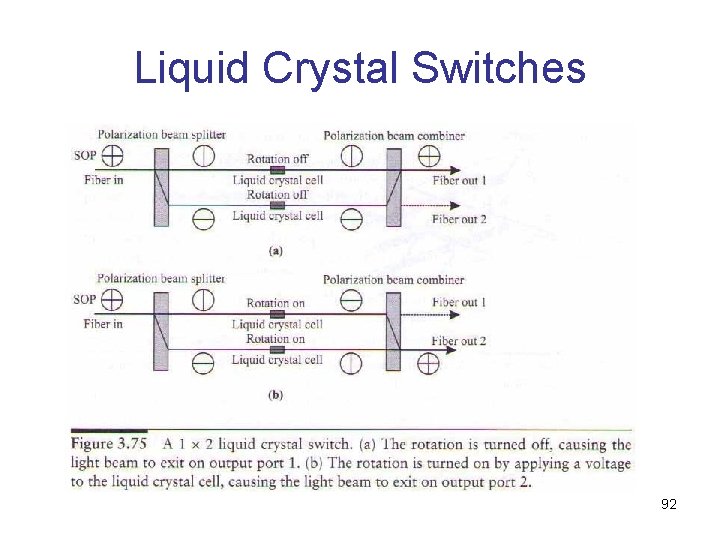
Liquid Crystal Switches 92
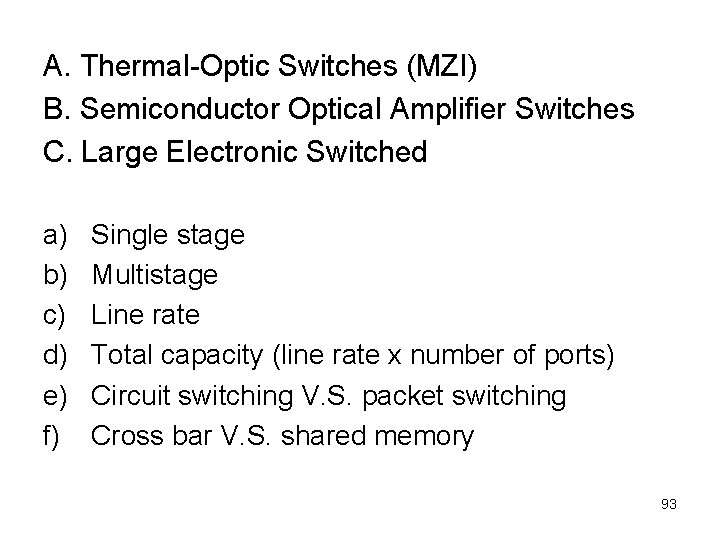
A. Thermal-Optic Switches (MZI) B. Semiconductor Optical Amplifier Switches C. Large Electronic Switched a) b) c) d) e) f) Single stage Multistage Line rate Total capacity (line rate x number of ports) Circuit switching V. S. packet switching Cross bar V. S. shared memory 93
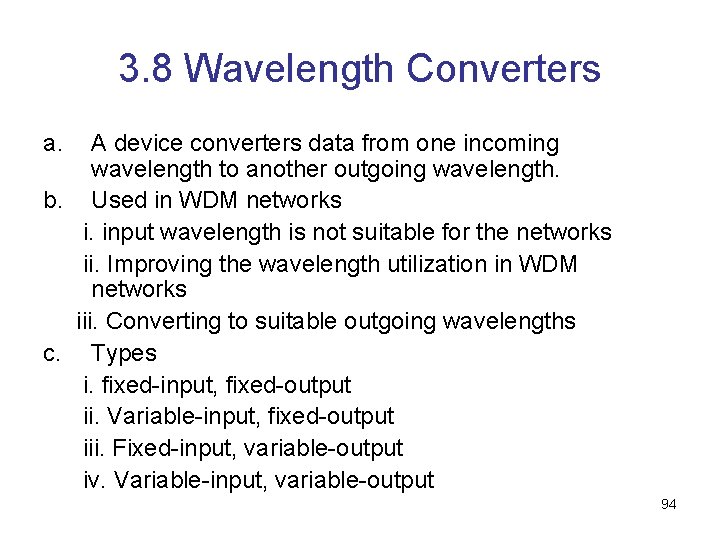
3. 8 Wavelength Converters a. A device converters data from one incoming wavelength to another outgoing wavelength. b. Used in WDM networks i. input wavelength is not suitable for the networks ii. Improving the wavelength utilization in WDM networks iii. Converting to suitable outgoing wavelengths c. Types i. fixed-input, fixed-output ii. Variable-input, fixed-output iii. Fixed-input, variable-output iv. Variable-input, variable-output 94
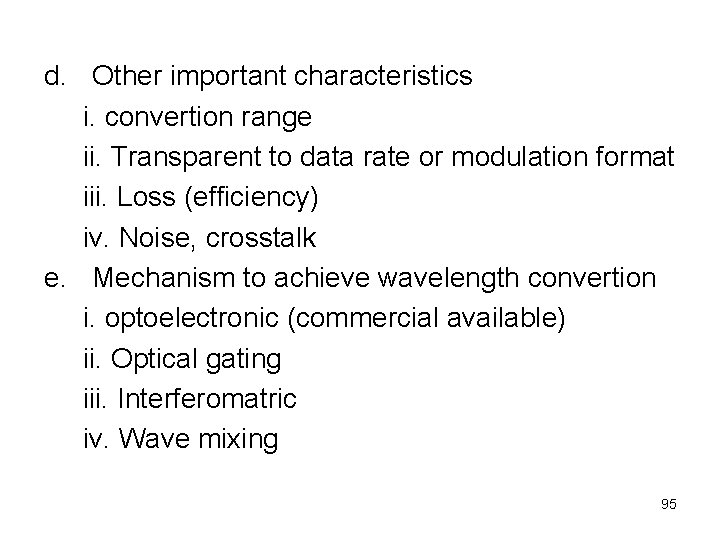
d. Other important characteristics i. convertion range ii. Transparent to data rate or modulation format iii. Loss (efficiency) iv. Noise, crosstalk e. Mechanism to achieve wavelength convertion i. optoelectronic (commercial available) ii. Optical gating iii. Interferomatric iv. Wave mixing 95
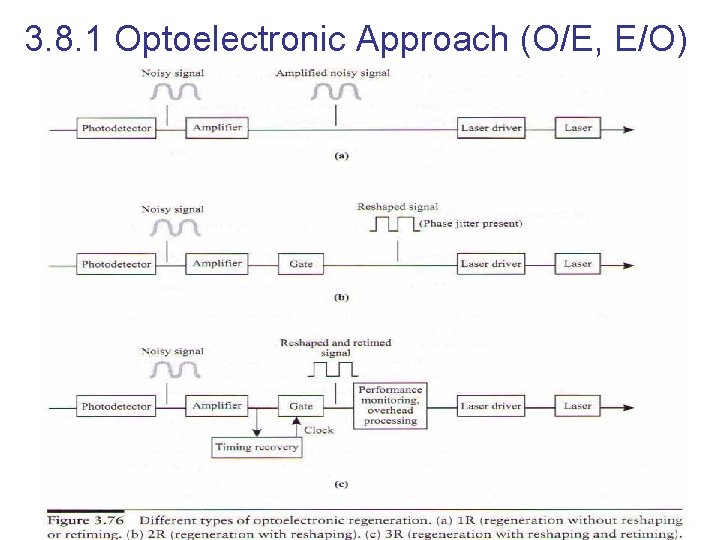
3. 8. 1 Optoelectronic Approach (O/E, E/O) 96
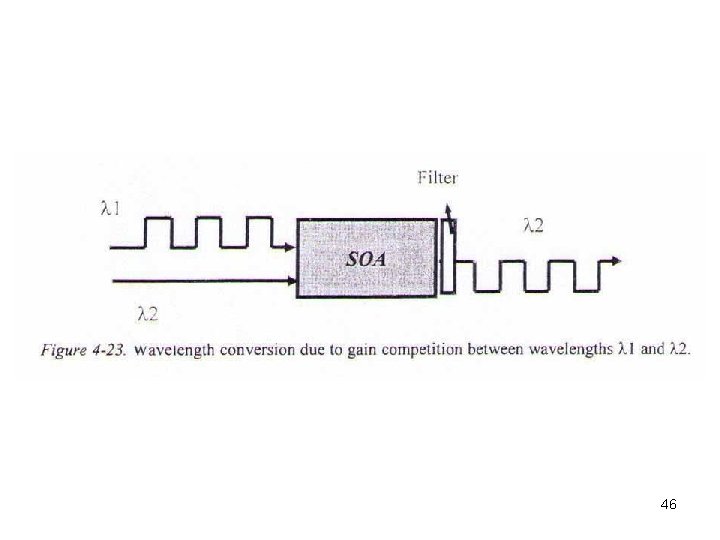
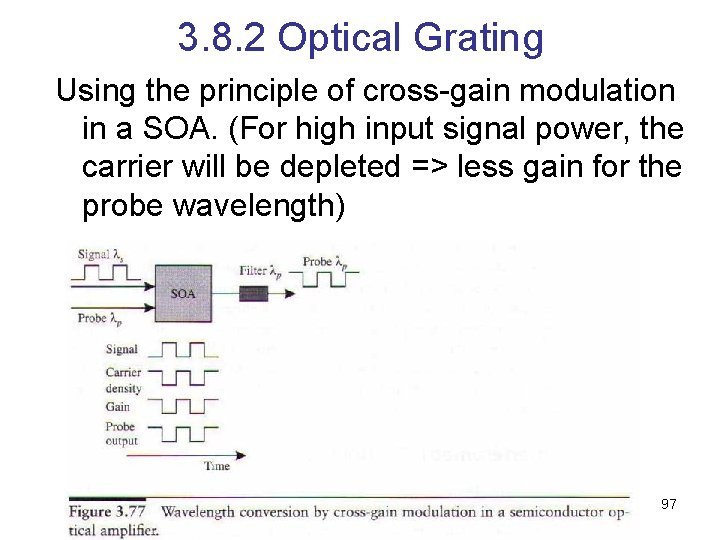
3. 8. 2 Optical Grating Using the principle of cross-gain modulation in a SOA. (For high input signal power, the carrier will be depleted => less gain for the probe wavelength) 97
Disadvantages i. small extinction ratio ii. High input signal power to deplete the carriers (simultaneously changes n) iii. Requiring to filter this high-powered signal iv. Changing refractive index inducing pulse distortion 98
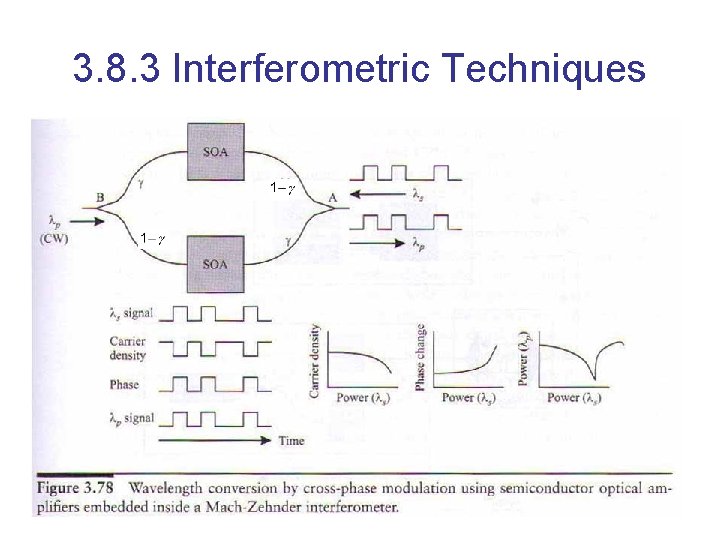
3. 8. 3 Interferometric Techniques 99
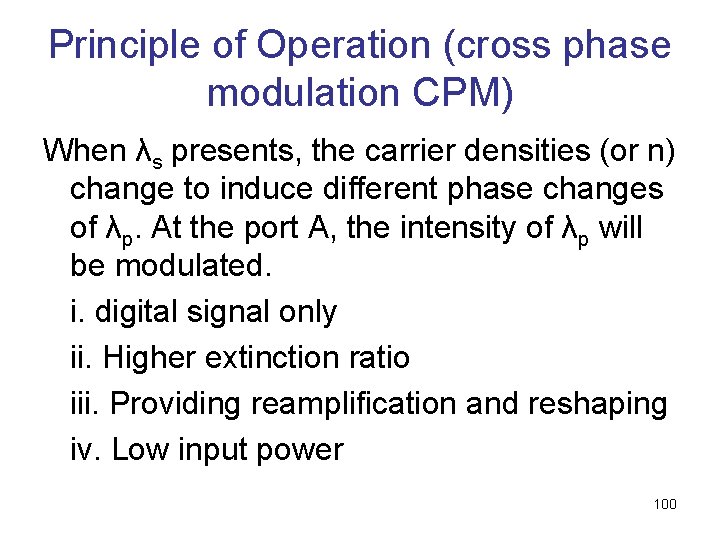
Principle of Operation (cross phase modulation CPM) When λs presents, the carrier densities (or n) change to induce different phase changes of λp. At the port A, the intensity of λp will be modulated. i. digital signal only ii. Higher extinction ratio iii. Providing reamplification and reshaping iv. Low input power 100
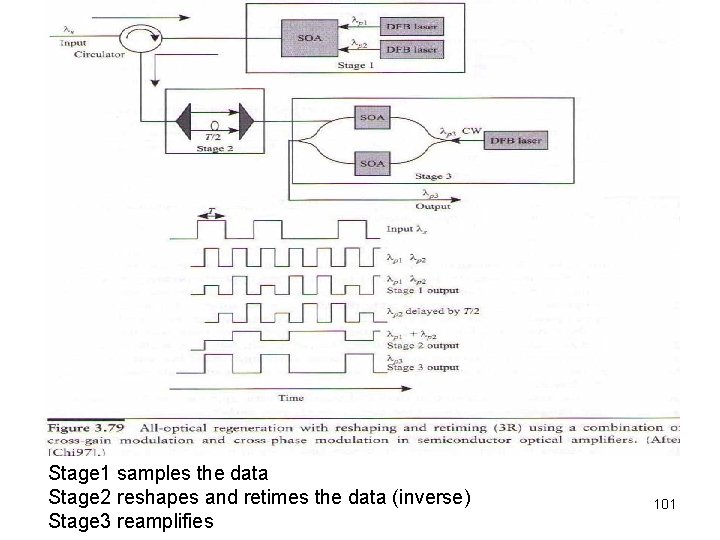
Stage 1 samples the data Stage 2 reshapes and retimes the data (inverse) Stage 3 reamplifies 101
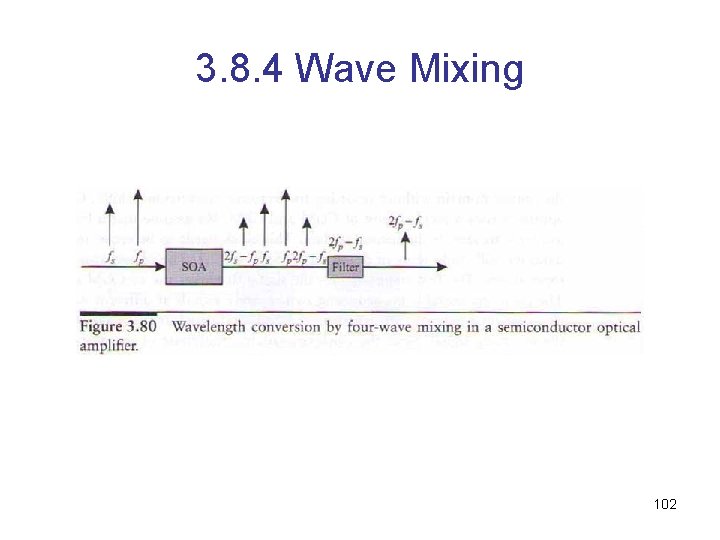
3. 8. 4 Wave Mixing 102