
Chapter 3 Cell structure Cell membrane Endocytosis and
Chapter 3 • Cell structure • Cell membrane • Endocytosis and Exocytosis • Cytoplasm • Cell Organelles: - Lysosom, Mitochondria, Endoplasmic reticulum, Golgi Apparatus, cell Nucleus • DNA, RNA • Protein Synthesis and Secretion
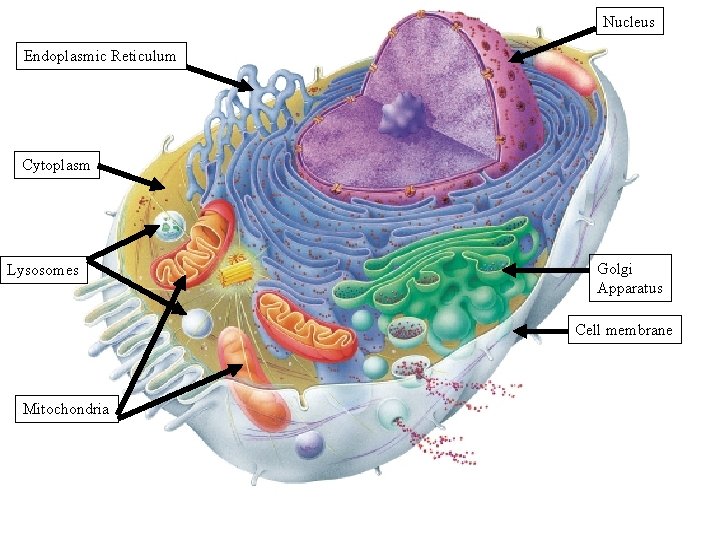
THE CELL Nucleus Endoplasmic Reticulum Cytoplasm Lysosomes Golgi Apparatus Cell membrane Mitochondria
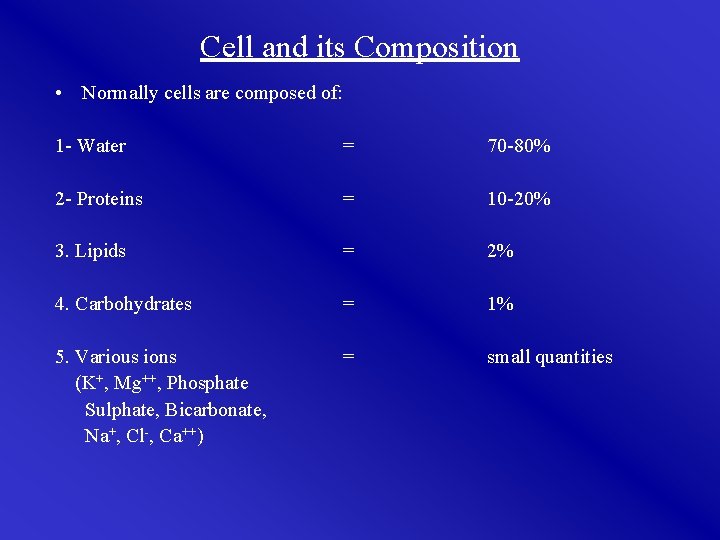
Cell and its Composition • Normally cells are composed of: 1 - Water = 70 -80% 2 - Proteins = 10 -20% 3. Lipids = 2% 4. Carbohydrates = 1% 5. Various ions (K+, Mg++, Phosphate Sulphate, Bicarbonate, Na+, Cl-, Ca++) = small quantities
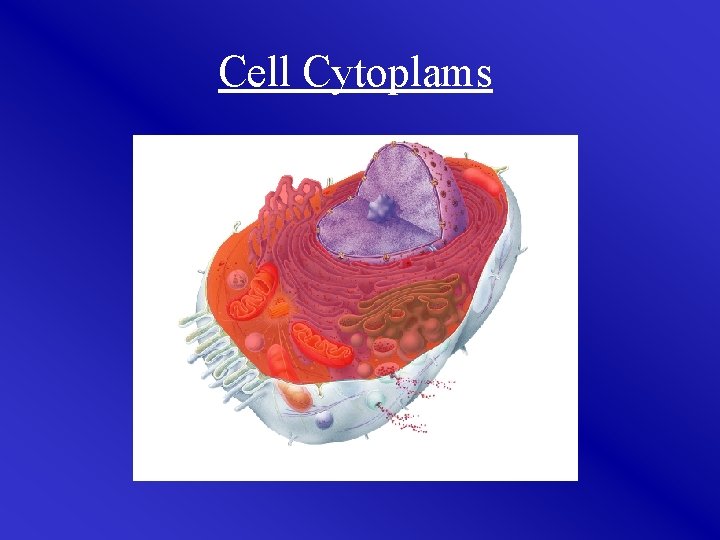
The Cell • There are many different types of cells in the body. Cells differ according to their structure and function. • A cell can be divided into 3 principal parts: 1 - Cell membrane: permeable membrane surrounding the cell. It separates intracellular from extracellular environment. 2 - Cytoplasm and Organelles: Cytoplasm is fluid-jelly like content of the cell in which the organelles float. 3 - Nucleus: spheric body in the cell which contains genetic material. It is the commanding center of the cell.
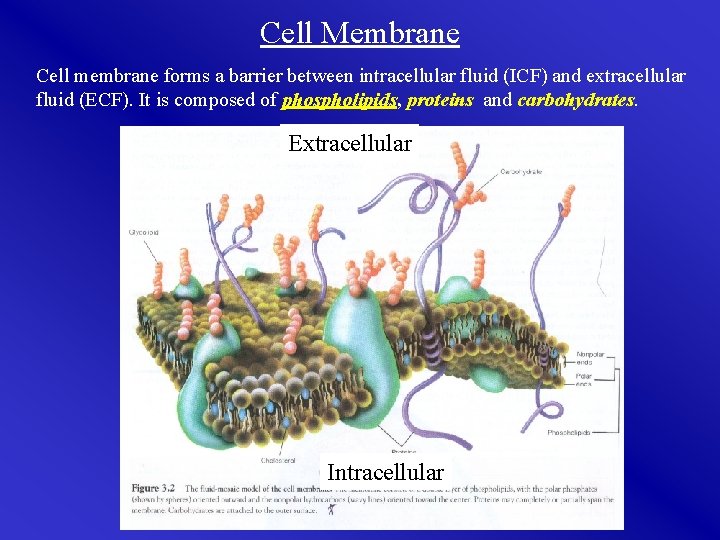
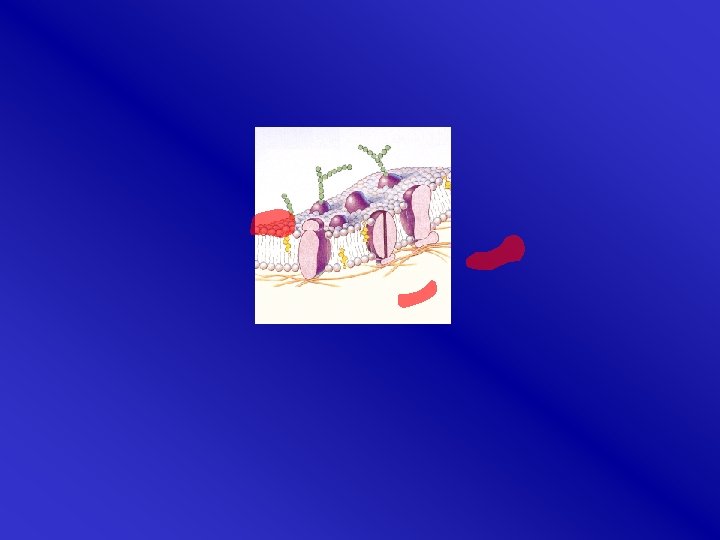
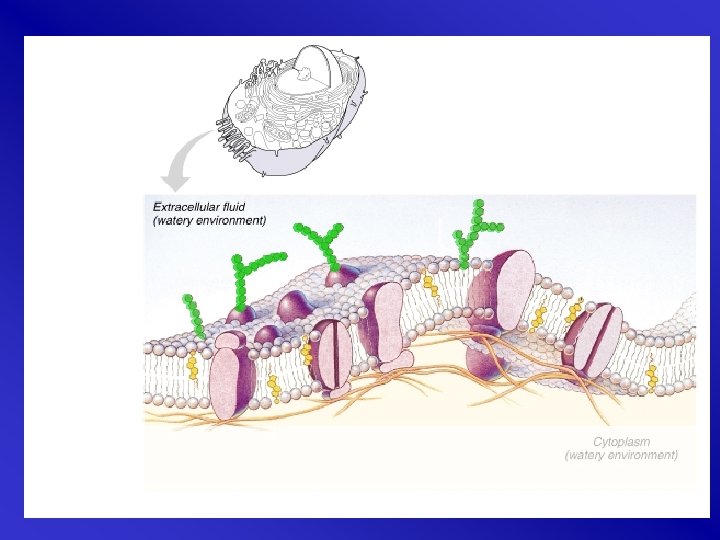
Cell Membrane Cell membrane forms a barrier between intracellular fluid (ICF) and extracellular fluid (ECF). It is composed of phospholipids, proteins and carbohydrates. Extracellular Intracellular
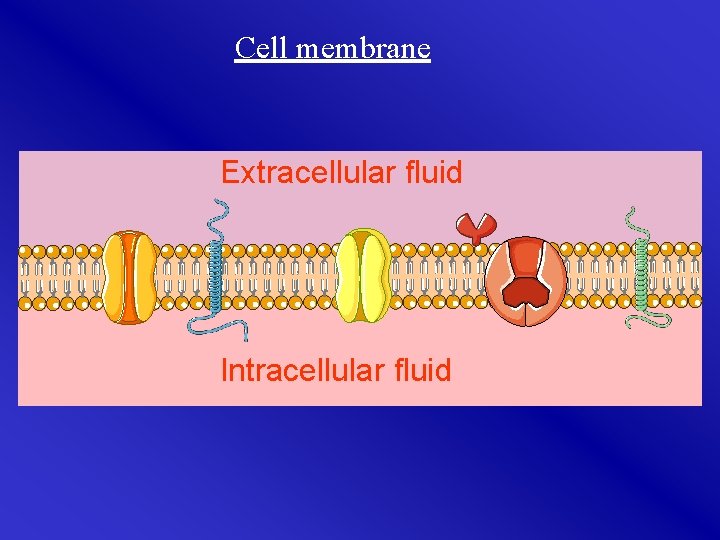
Cell membrane Extracellular fluid Intracellular fluid
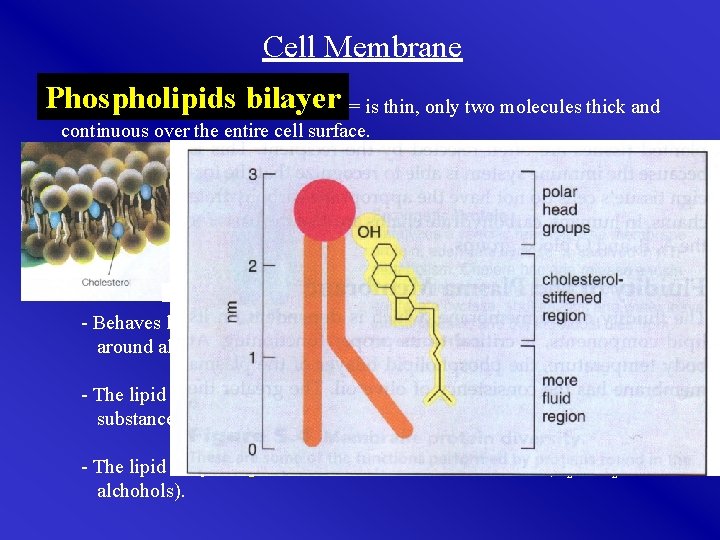
Cell Membrane Phospholipids bilayer = is thin, only two molecules thick and continuous over the entire cell surface. - Behaves like fluid, therefore the floating membrane proteins can move around all areas of the cell membrane. - The lipid bilayer is almost impermeable to water and water soluble substances (glucose, urea, various ions). - The lipid bilayer is permeable to fat-soluble substances (O 2, CO 2, and alchohols).
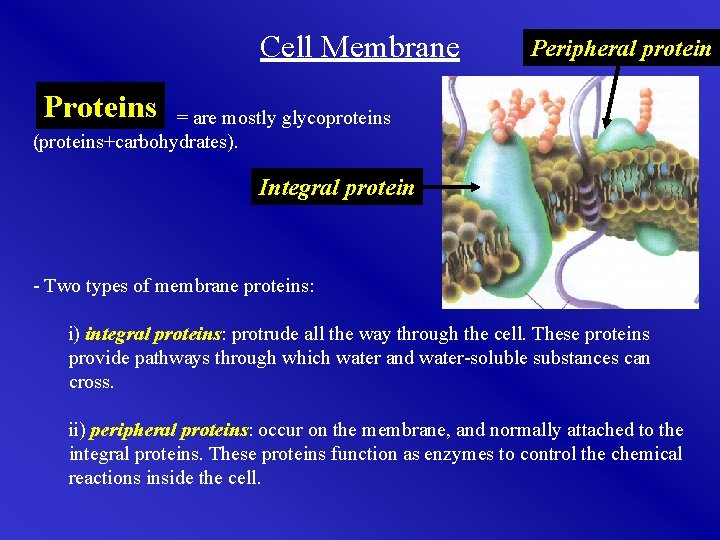
Cell Membrane Peripheral protein Proteins = are mostly glycoproteins (proteins+carbohydrates). Integral protein - Two types of membrane proteins: i) integral proteins: protrude all the way through the cell. These proteins provide pathways through which water and water-soluble substances can cross. ii) peripheral proteins: occur on the membrane, and normally attached to the integral proteins. These proteins function as enzymes to control the chemical reactions inside the cell.
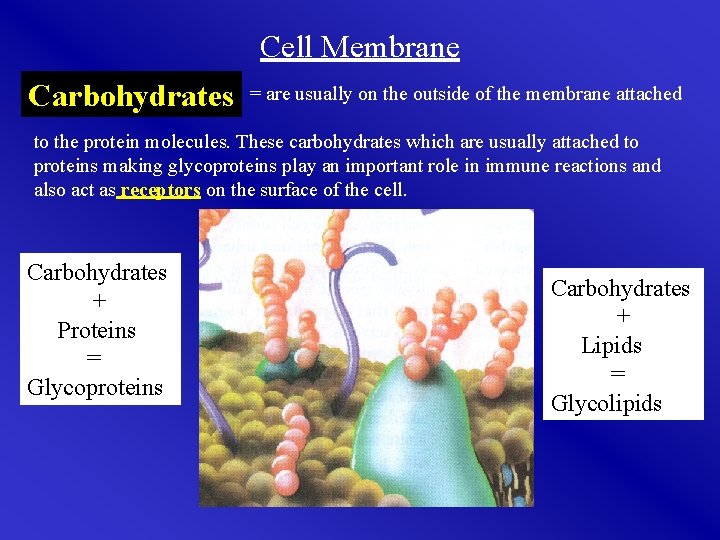
Cell Membrane Carbohydrates = are usually on the outside of the membrane attached to the protein molecules. These carbohydrates which are usually attached to proteins making glycoproteins play an important role in immune reactions and also act as receptors on the surface of the cell. Carbohydrates + Proteins = Glycoproteins Carbohydrates + Lipids = Glycolipids
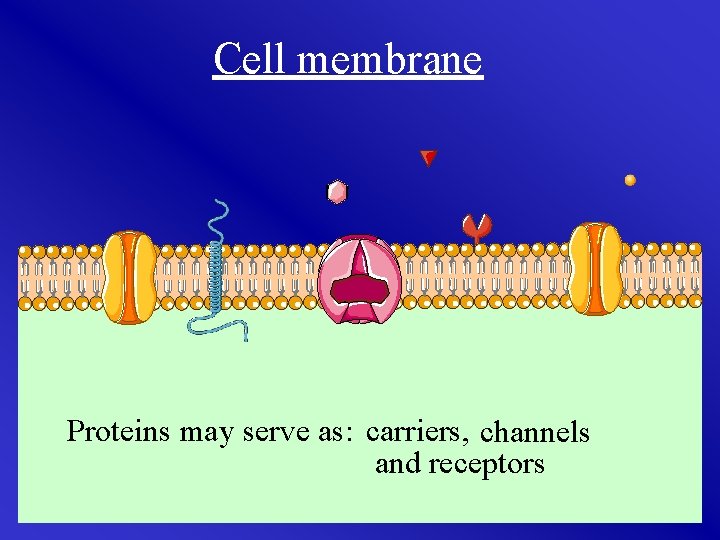
Cell membrane Proteins may serve as: carriers, channels and receptors
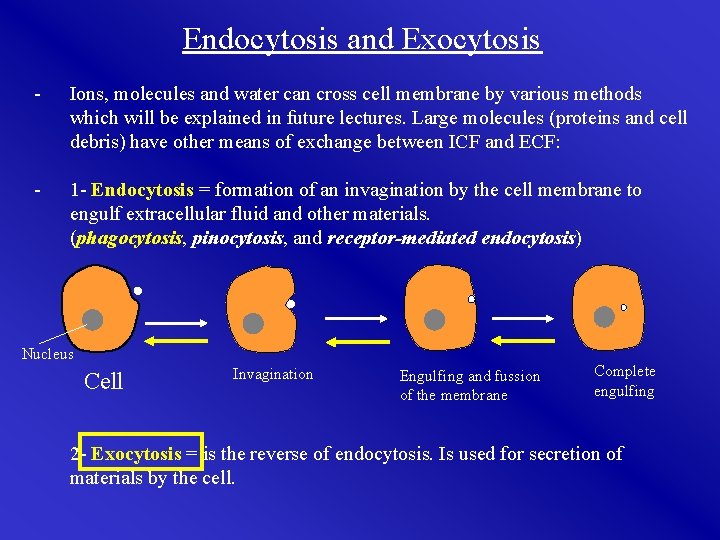
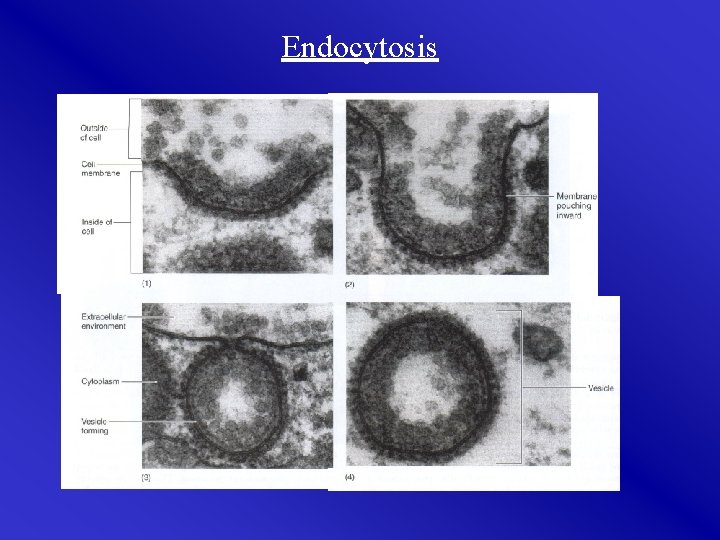
Endocytosis and Exocytosis - Ions, molecules and water can cross cell membrane by various methods which will be explained in future lectures. Large molecules (proteins and cell debris) have other means of exchange between ICF and ECF: - 1 - Endocytosis = formation of an invagination by the cell membrane to engulf extracellular fluid and other materials. (phagocytosis, pinocytosis, and receptor-mediated endocytosis) Nucleus Cell Invagination Engulfing and fussion of the membrane Complete engulfing 2 - Exocytosis = is the reverse of endocytosis. Is used for secretion of materials by the cell.
Endocytosis
Cell Cytoplams
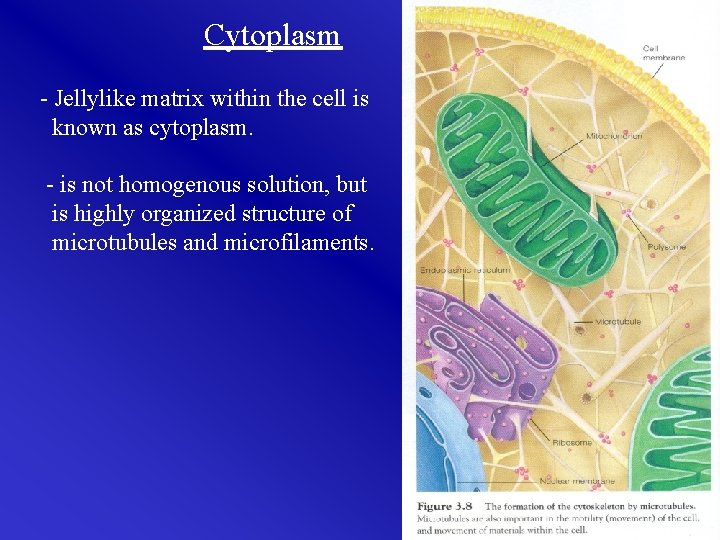
Cytoplasm - Jellylike matrix within the cell is known as cytoplasm. - is not homogenous solution, but is highly organized structure of microtubules and microfilaments.
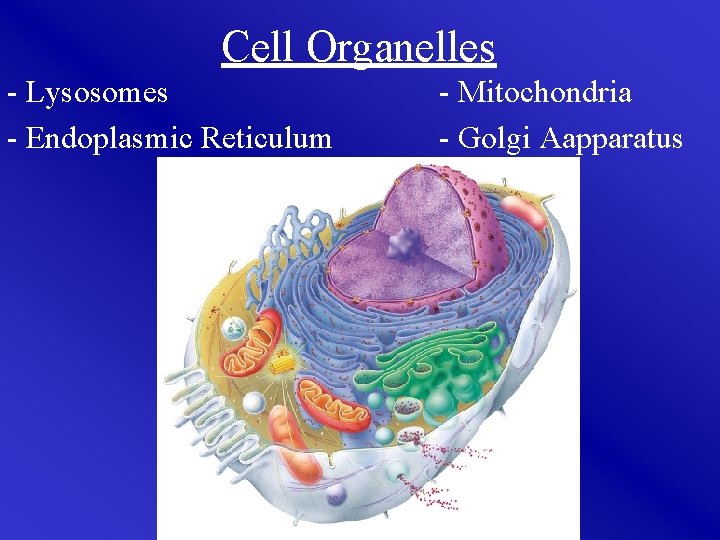
Cell Organelles - Lysosomes - Endoplasmic Reticulum - Mitochondria - Golgi Aapparatus
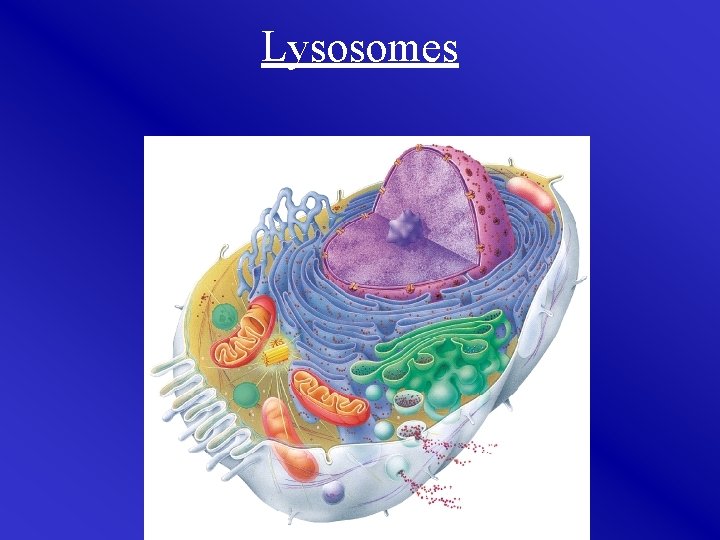
Lysosomes
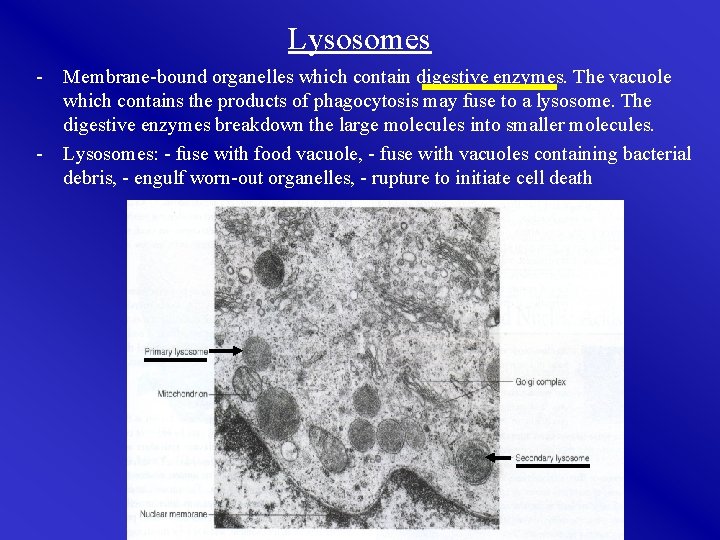
Lysosomes - Membrane-bound organelles which contain digestive enzymes. The vacuole which contains the products of phagocytosis may fuse to a lysosome. The digestive enzymes breakdown the large molecules into smaller molecules. - Lysosomes: - fuse with food vacuole, - fuse with vacuoles containing bacterial debris, - engulf worn-out organelles, - rupture to initiate cell death
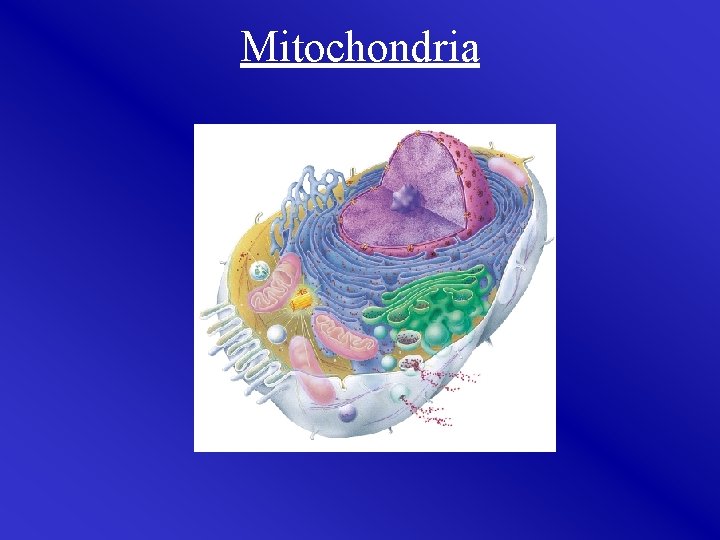
Mitochondria
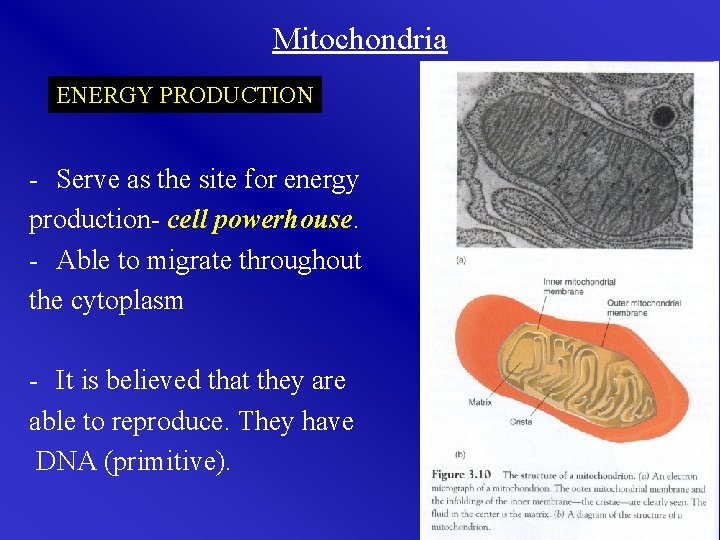
Mitochondria ENERGY PRODUCTION - Serve as the site for energy production- cell powerhouse. - Able to migrate throughout the cytoplasm - It is believed that they are able to reproduce. They have DNA (primitive).
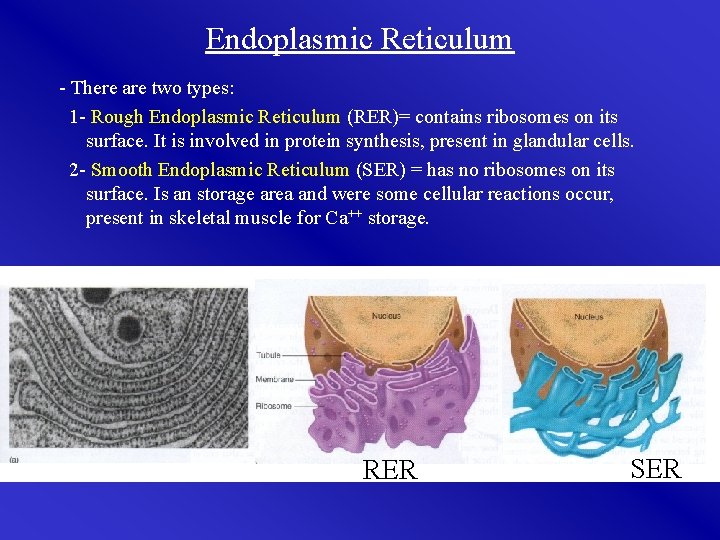
Endoplasmic Reticulum - There are two types: 1 - Rough Endoplasmic Reticulum (RER)= contains ribosomes on its surface. It is involved in protein synthesis, present in glandular cells. 2 - Smooth Endoplasmic Reticulum (SER) = has no ribosomes on its surface. Is an storage area and were some cellular reactions occur, present in skeletal muscle for Ca++ storage. RER SER
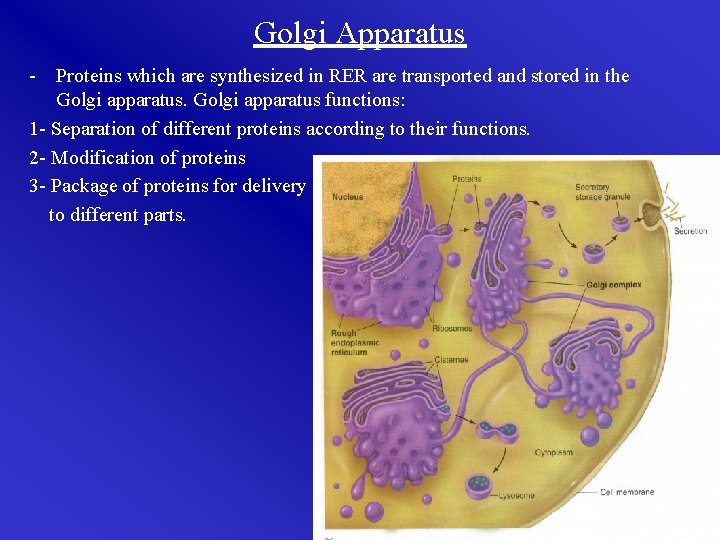
Golgi Apparatus - Proteins which are synthesized in RER are transported and stored in the Golgi apparatus functions: 1 - Separation of different proteins according to their functions. 2 - Modification of proteins 3 - Package of proteins for delivery to different parts.
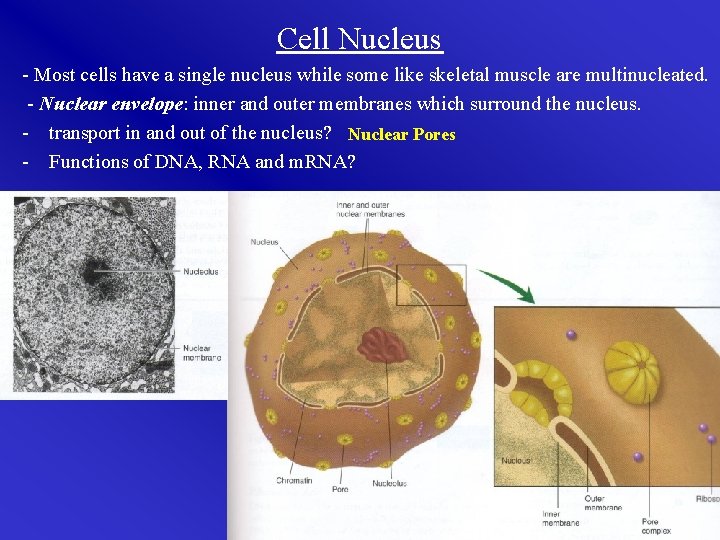
Cell Nucleus - Most cells have a single nucleus while some like skeletal muscle are multinucleated. - Nuclear envelope: inner and outer membranes which surround the nucleus. - transport in and out of the nucleus? Nuclear Pores - Functions of DNA, RNA and m. RNA?
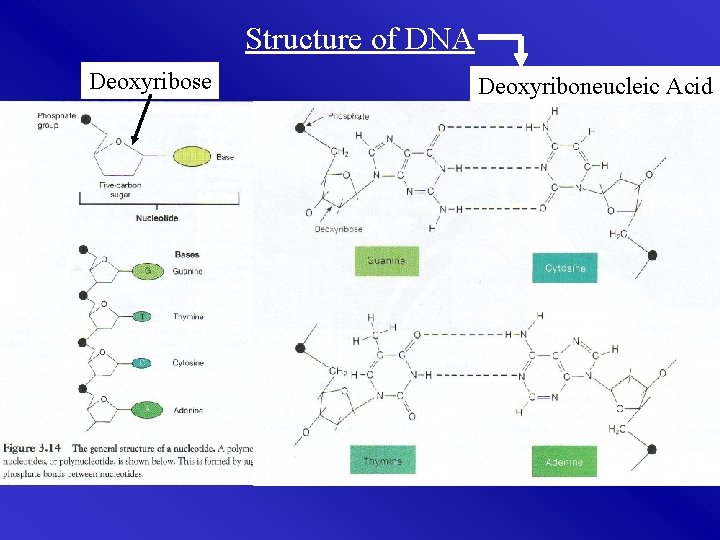
Structure of DNA Deoxyribose Deoxyriboneucleic Acid
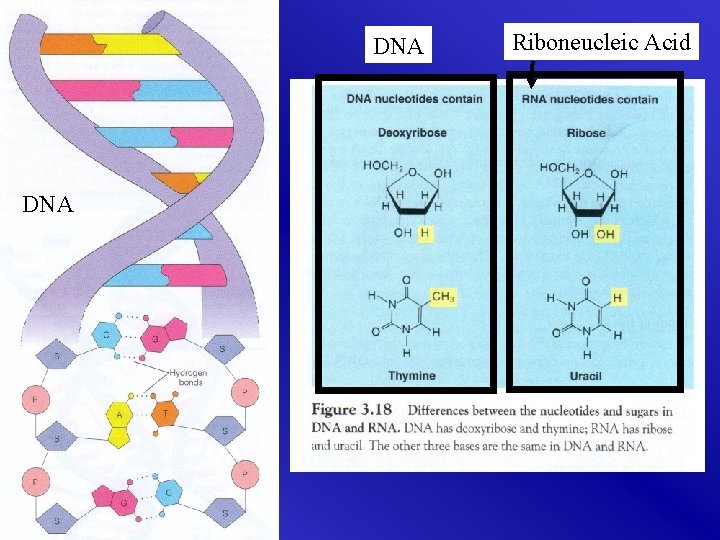
DNA Riboneucleic Acid
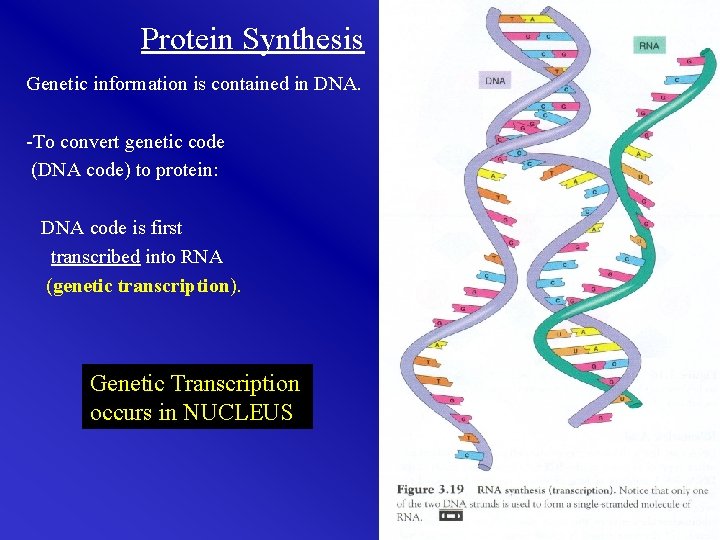
Protein Synthesis Genetic information is contained in DNA. -To convert genetic code (DNA code) to protein: DNA code is first transcribed into RNA (genetic transcription). Genetic Transcription occurs in NUCLEUS
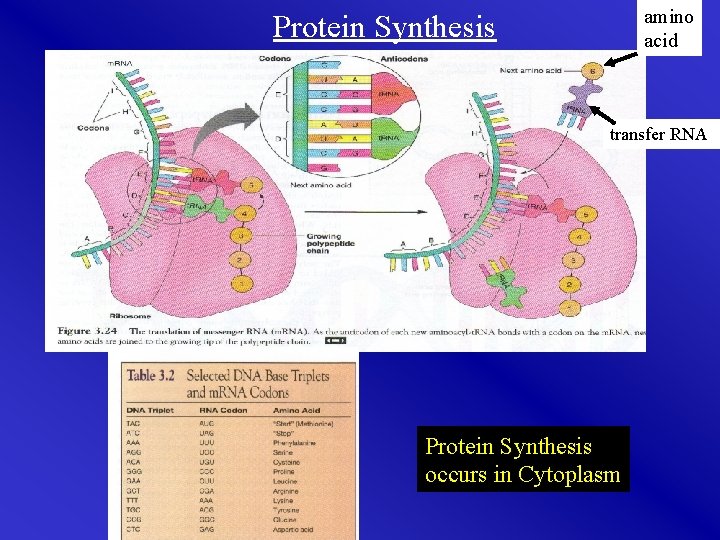
amino acid Protein Synthesis transfer RNA Protein Synthesis occurs in Cytoplasm
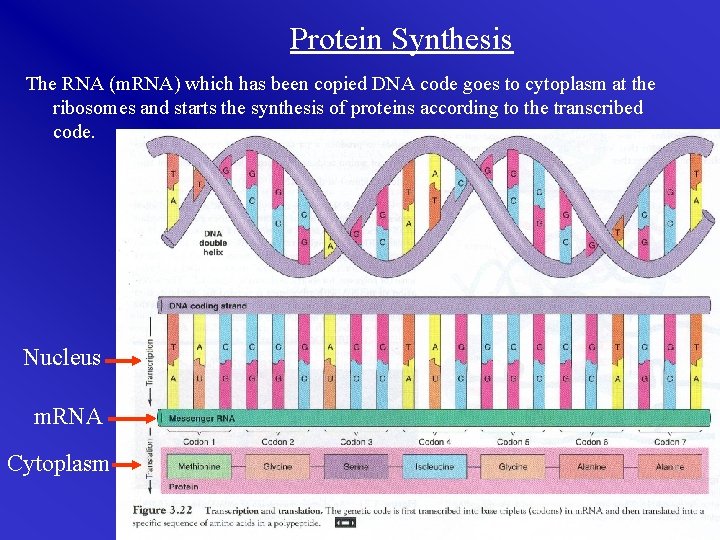
Protein Synthesis The RNA (m. RNA) which has been copied DNA code goes to cytoplasm at the ribosomes and starts the synthesis of proteins according to the transcribed code. Nucleus m. RNA Cytoplasm
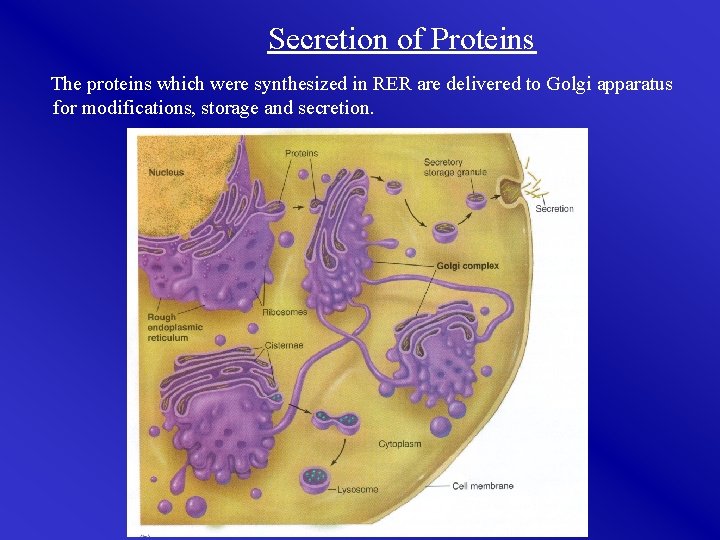
Secretion of Proteins The proteins which were synthesized in RER are delivered to Golgi apparatus for modifications, storage and secretion.
- Slides: 30