
Chapter 3 Ancient Mesopotamia Lesson 1 Geography of
- Slides: 14
Chapter 3: Ancient Mesopotamia Lesson 1 Geography of Mesopotamia
MAIN IDEAS Geography The land between the Tigris and Euphrates rivers was a good region for agriculture. Geography The environment of Mesopotamia presented several challenges to the people who lived there. Geography Mesopotamians changed their environment to improve life.
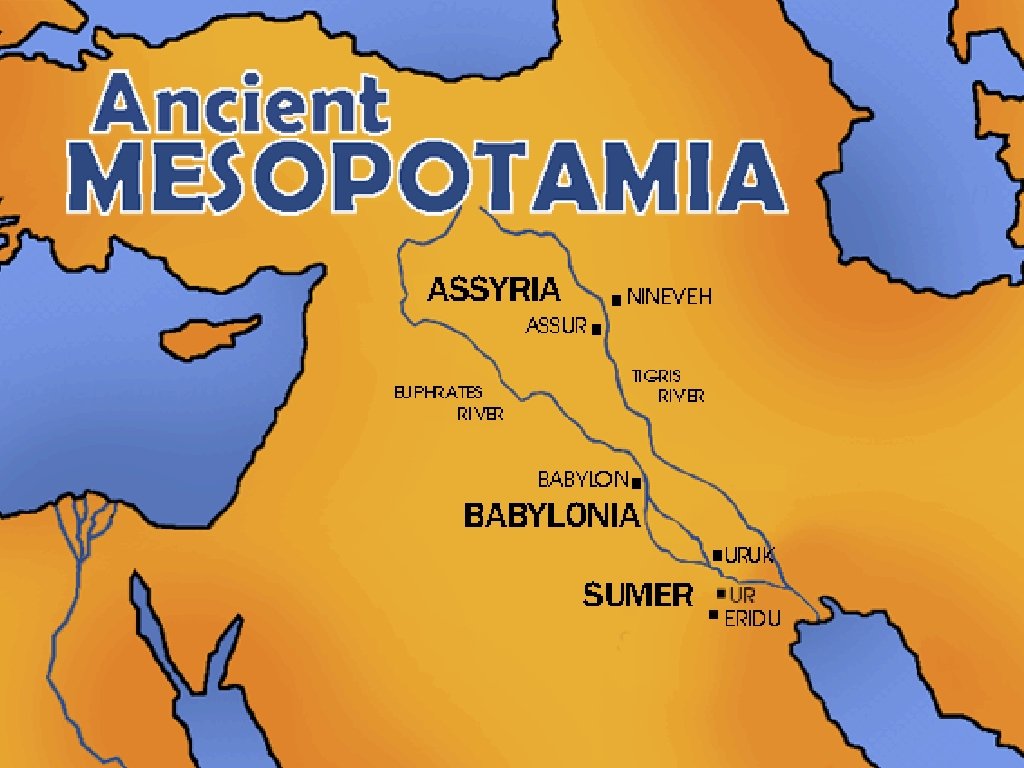
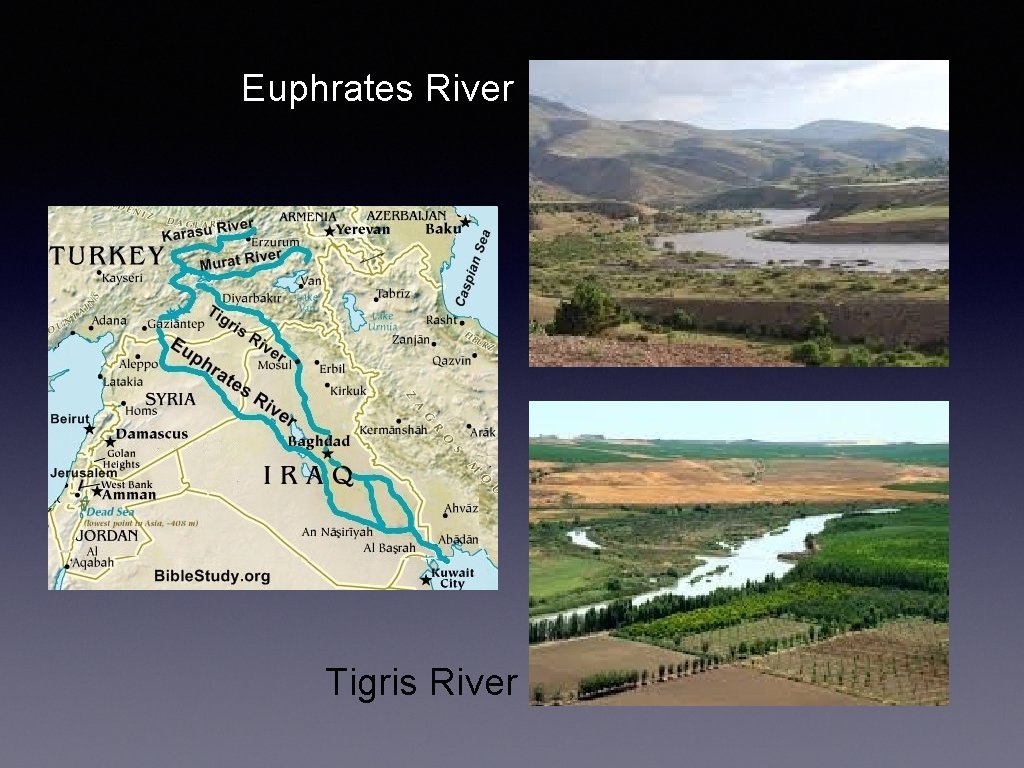
The Land Between Two Rivers EQ: How did the land between the Tigris and Euphrates rivers support agriculture? Mesopotamia Tigris and Euphrates rivers are in Southwest Asia (from Turkey, Kurdistan to Persian Gulf). Region is called Mesopotamia, “land between the rivers. ” Rivers provide water and a means for travel.
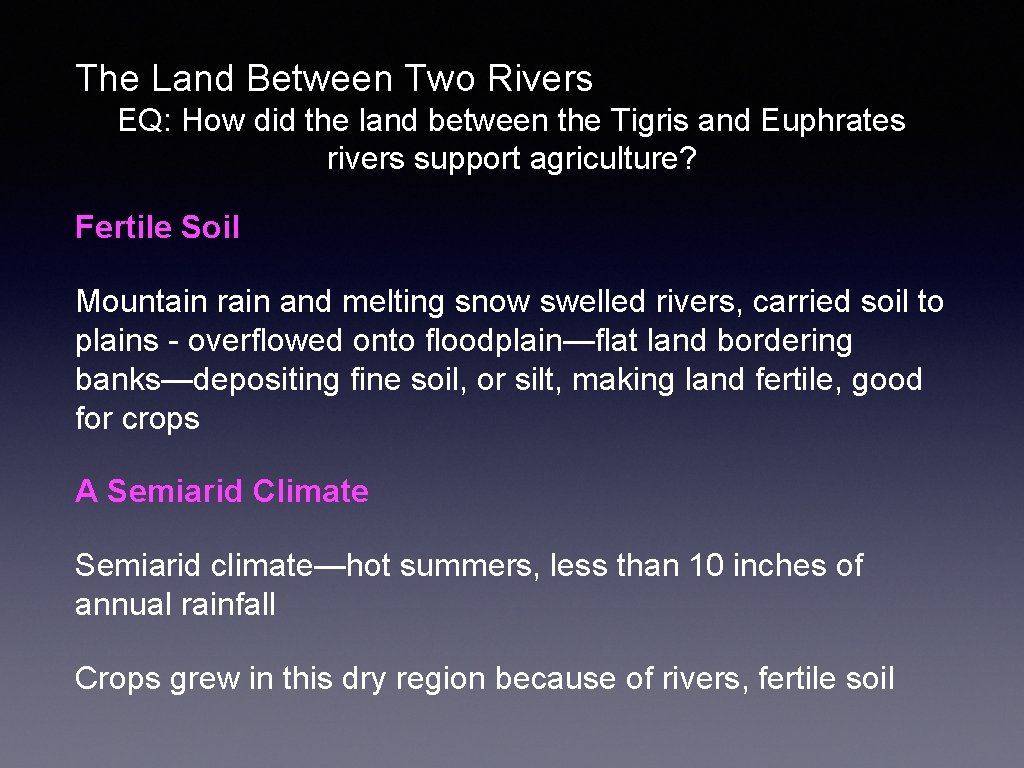
Euphrates River Tigris River
The Land Between Two Rivers EQ: How did the land between the Tigris and Euphrates rivers support agriculture? Fertile Soil Mountain rain and melting snow swelled rivers, carried soil to plains - overflowed onto floodplain—flat land bordering banks—depositing fine soil, or silt, making land fertile, good for crops A Semiarid Climate Semiarid climate—hot summers, less than 10 inches of annual rainfall Crops grew in this dry region because of rivers, fertile soil
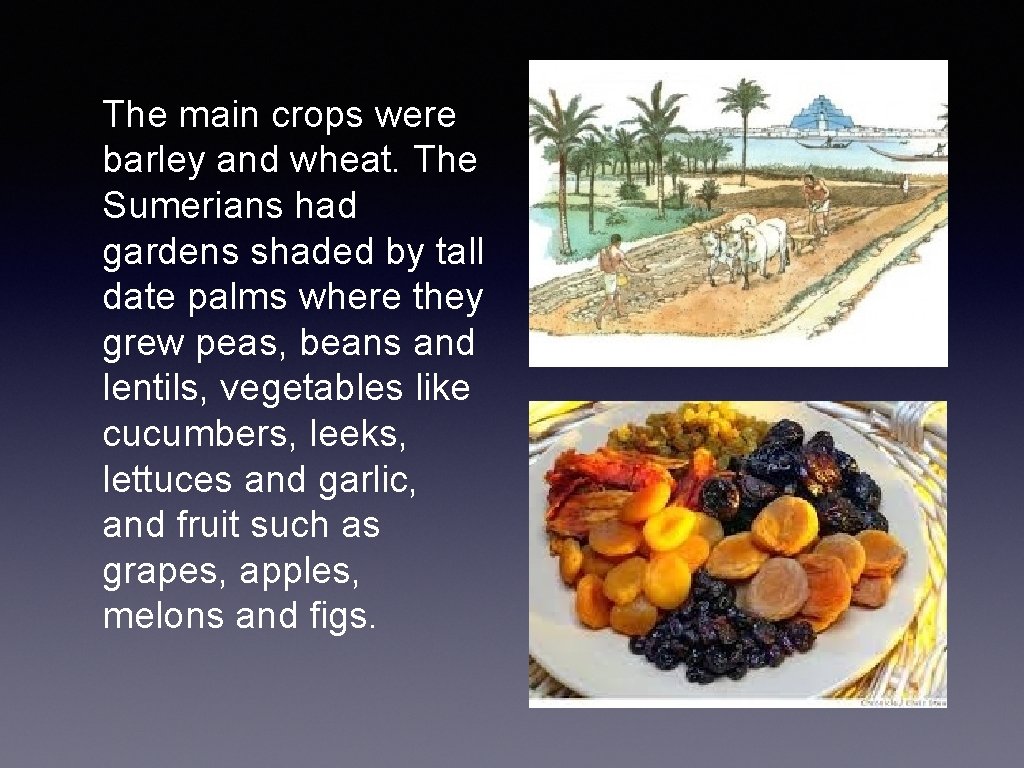
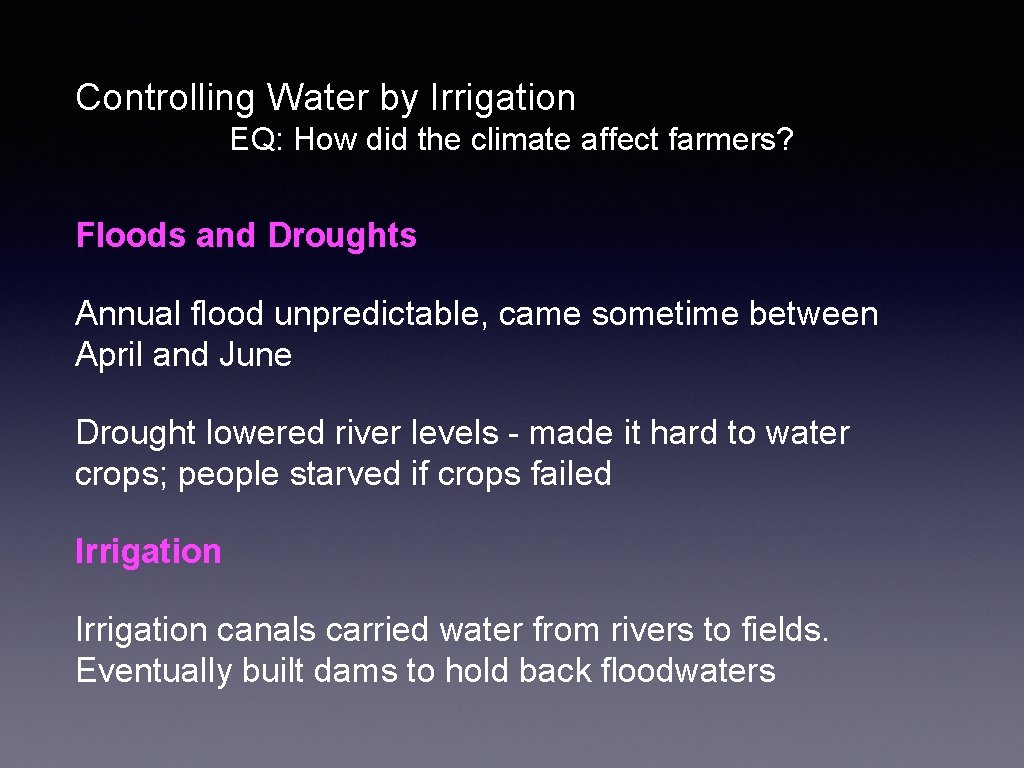
The main crops were barley and wheat. The Sumerians had gardens shaded by tall date palms where they grew peas, beans and lentils, vegetables like cucumbers, leeks, lettuces and garlic, and fruit such as grapes, apples, melons and figs.
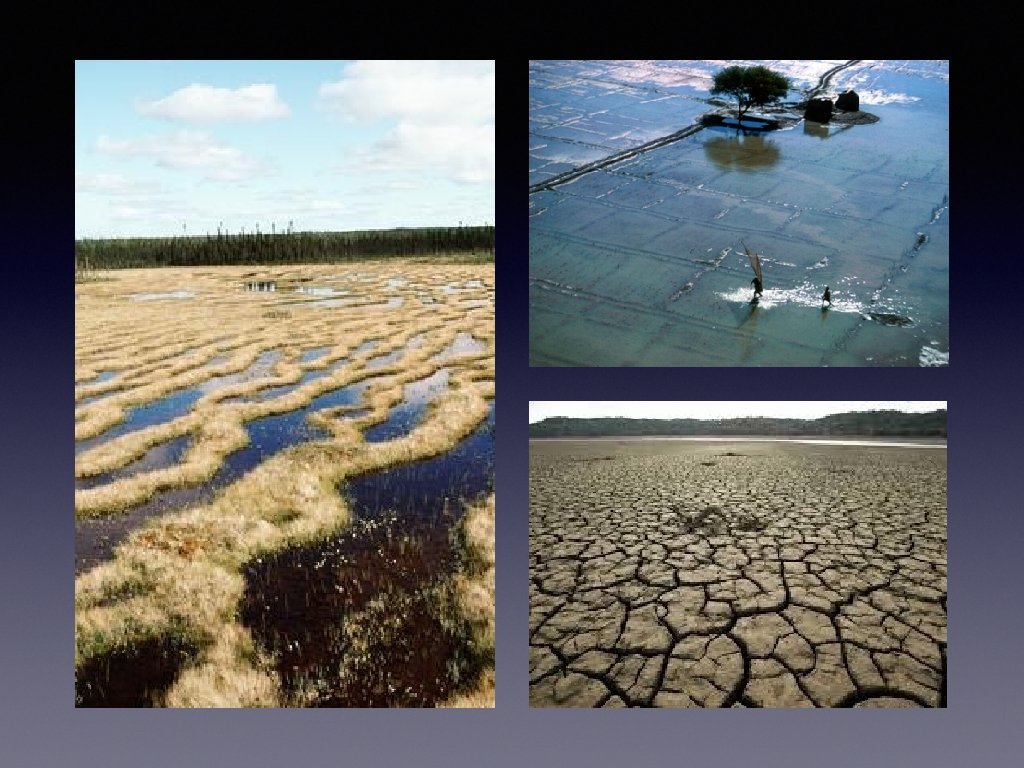
Controlling Water by Irrigation EQ: How did the climate affect farmers? Floods and Droughts Annual flood unpredictable, came sometime between April and June Drought lowered river levels - made it hard to water crops; people starved if crops failed Irrigation canals carried water from rivers to fields. Eventually built dams to hold back floodwaters
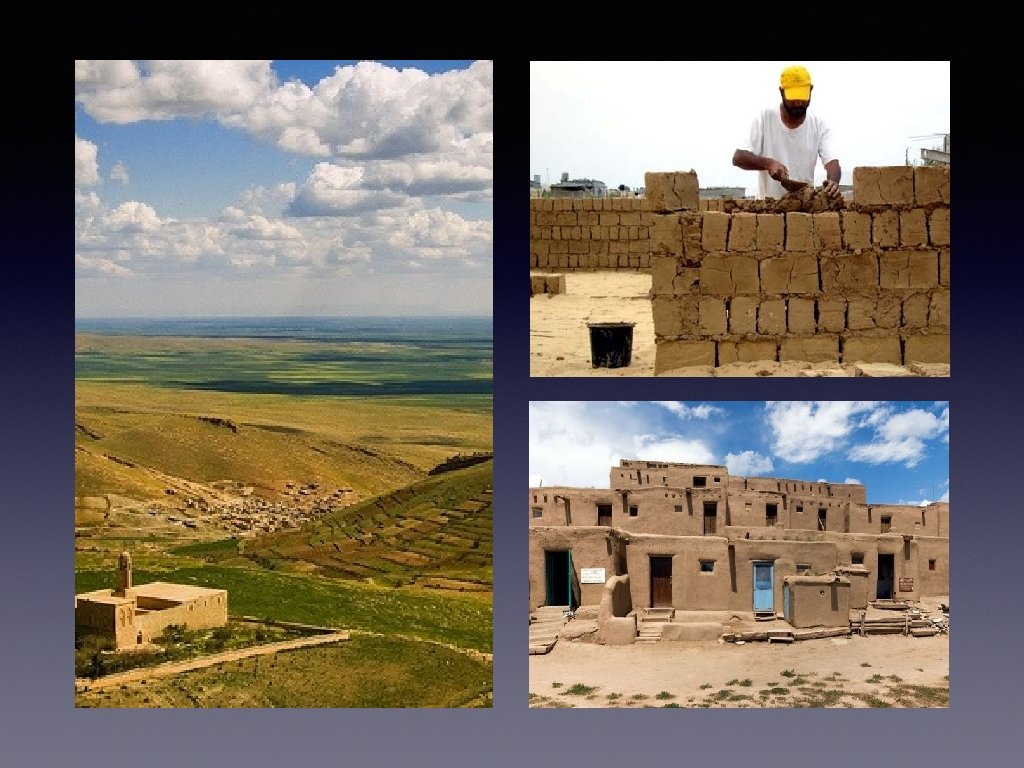
Finding Resources EQ: How did Mesopotamians cope with a lack of resources? Mud Houses and Walls Mesopotamia had no forests for wood, lacked building materials; used mud for bricks, plaster Area had few mountains or natural barriers so it was easy to invade Mesopotamians built mud walls around villages for protection
Finding Resources EQ: How did Mesopotamians cope with a lack of resources? Finding Resources Mesopotamians traded their surplus (extra) grain for stone, wood, metal Digging canals, building walls, trading were done continuously. Community leaders began to organize groups to do the work
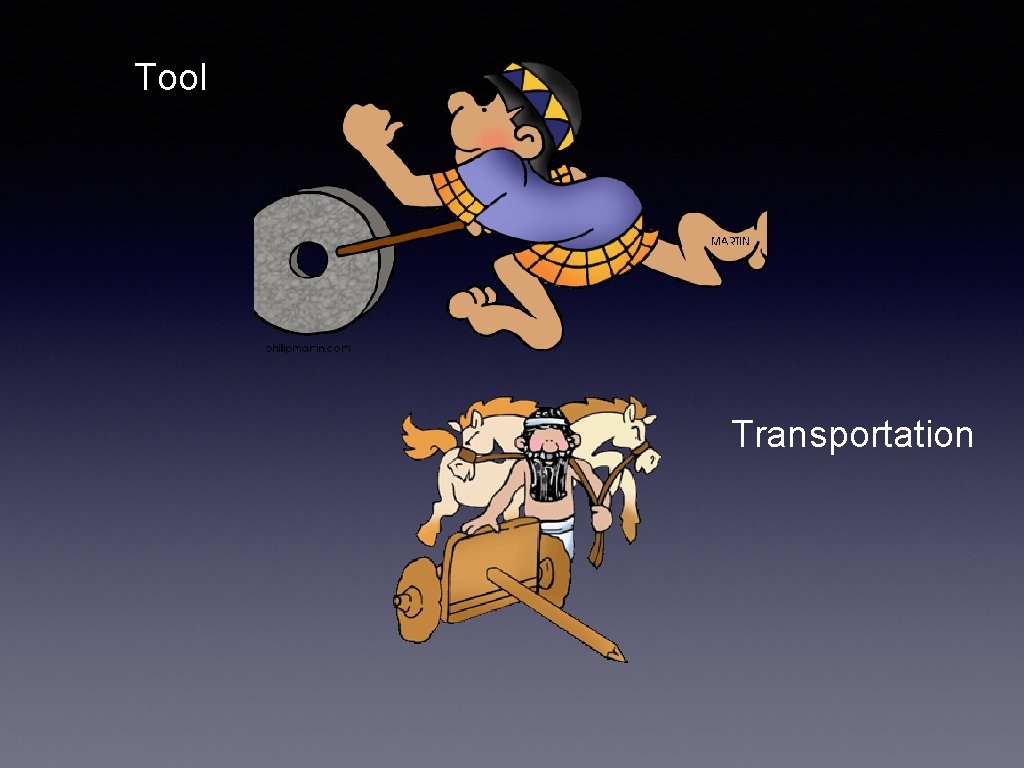
Tool Transportation
Summary & So What … Lesson Summary The Tigris and Euphrates rivers made the soil of Mesopotamia good for growing crops. The people of Mesopotamia developed an irrigation system to bring water to crops. Mesopotamia had few resources. People traded surplus crops to get what they needed. Why It Matters Now. . . The Mesopotamians had to overcome a lack of resources. Today people still work to solve shortages of water, food, and resources.