
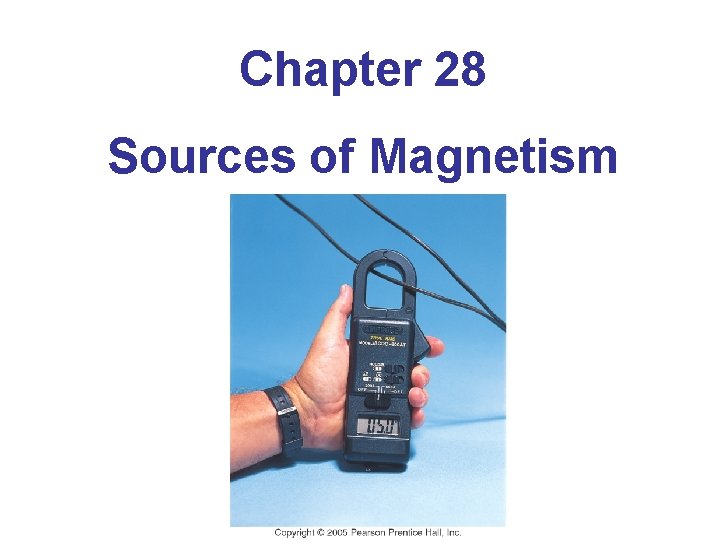
Chapter 28 Sources of Magnetism Units of Chapter
- Slides: 40
Chapter 28 Sources of Magnetism
Units of Chapter 28 • 28. 1 Magnetic Field Due to a Long Straight Wire • 28. 2 Force between Two Parallel Wires: 1 - 8 • † 28. 3 Operational Definitions of the Ampere and the Coulomb • 28. 4 Ampère’s Law • † 28. 5 Magnetic Field of a Solenoid and Toroid: 9 - 12 • † 28. 6 Biot-Savart Law: 13 & 14
Units of Chapter 28 • † 28. 7 Magnetic Materials - Ferromagnetism: 15 • 28. 8 Electromagnets and Solenoids • † 28. 9 Magnetic Fields in Magnetic Materials; Hysteresis • † 28. 10 Paramagnetism and Diamagnetism
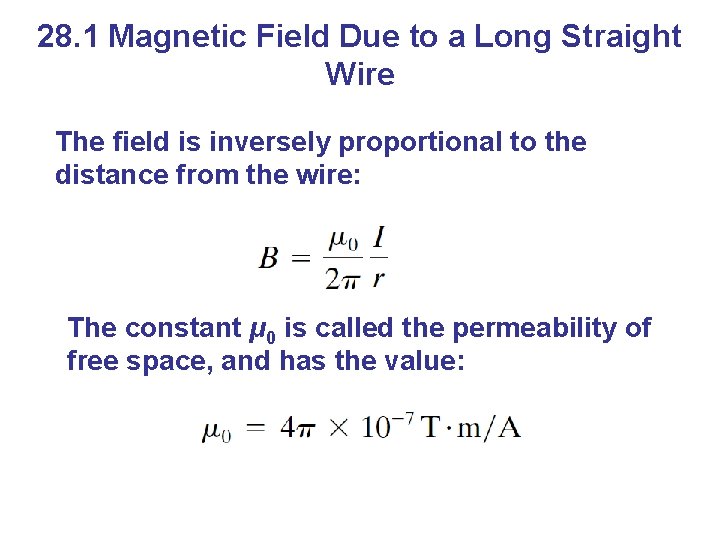
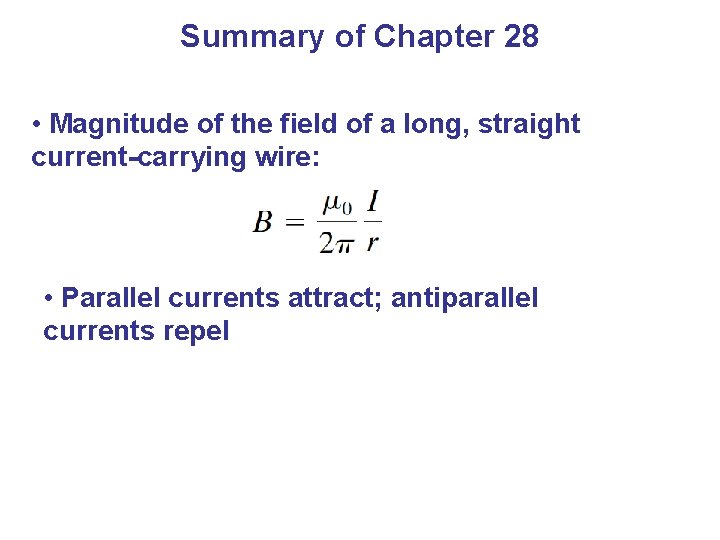
28. 1 Magnetic Field Due to a Long Straight Wire The field is inversely proportional to the distance from the wire: The constant μ 0 is called the permeability of free space, and has the value:
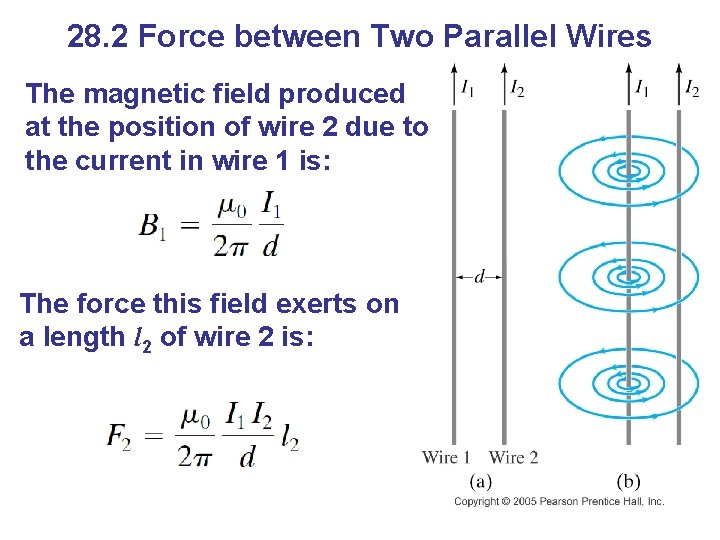
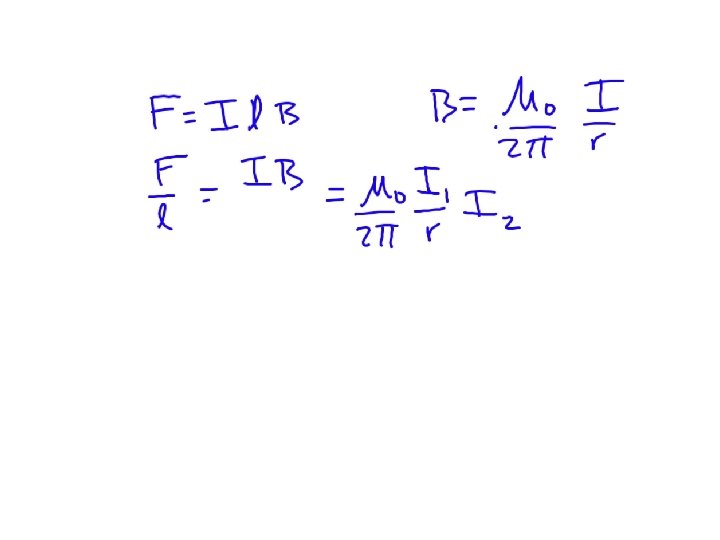
28. 2 Force between Two Parallel Wires The magnetic field produced at the position of wire 2 due to the current in wire 1 is: The force this field exerts on a length l 2 of wire 2 is:
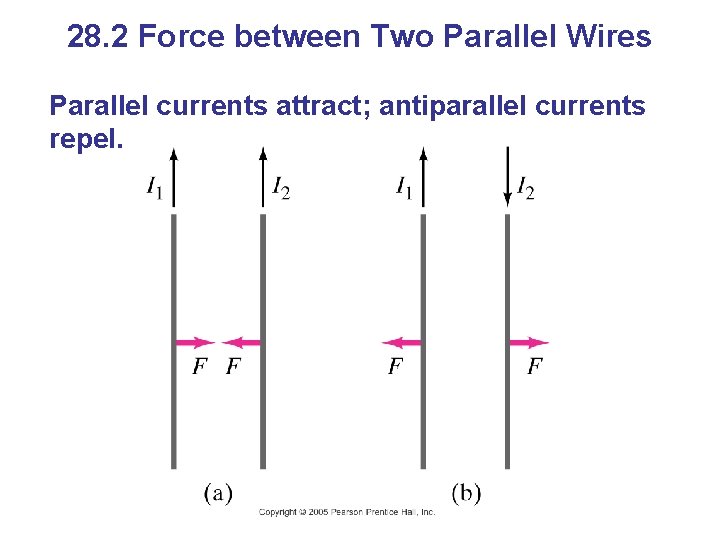
28. 2 Force between Two Parallel Wires Parallel currents attract; antiparallel currents repel.
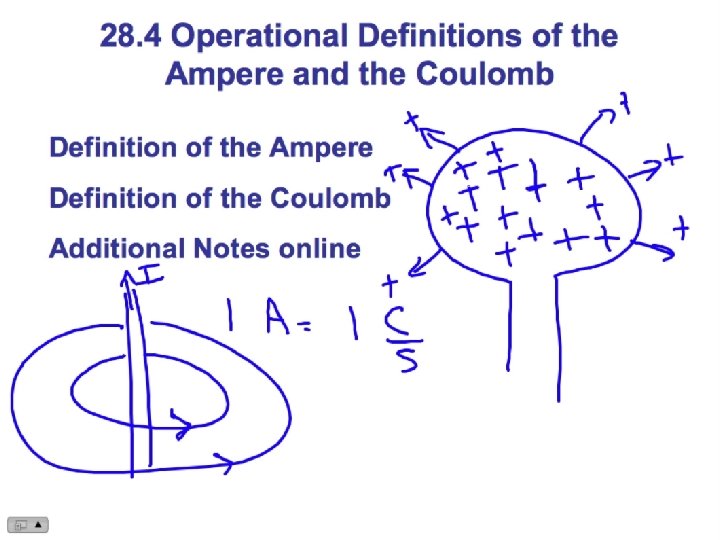
28. 4 Operational Definitions of the Ampere and the Coulomb Definition of the Ampere Definition of the Coulomb Additional Notes online
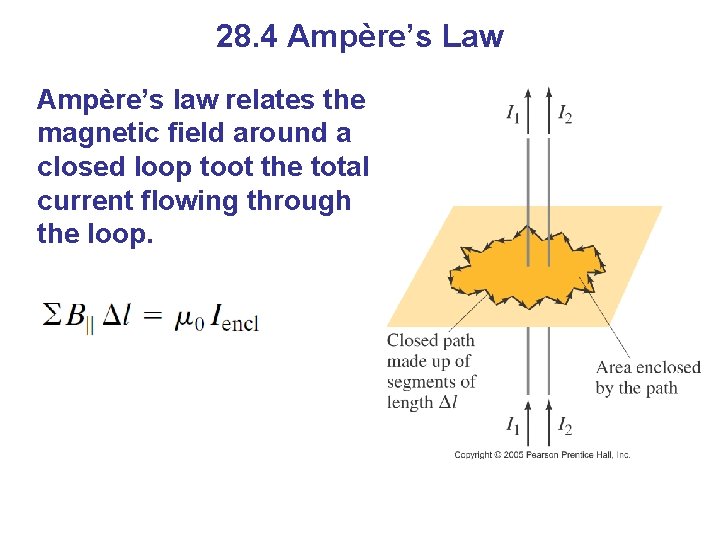
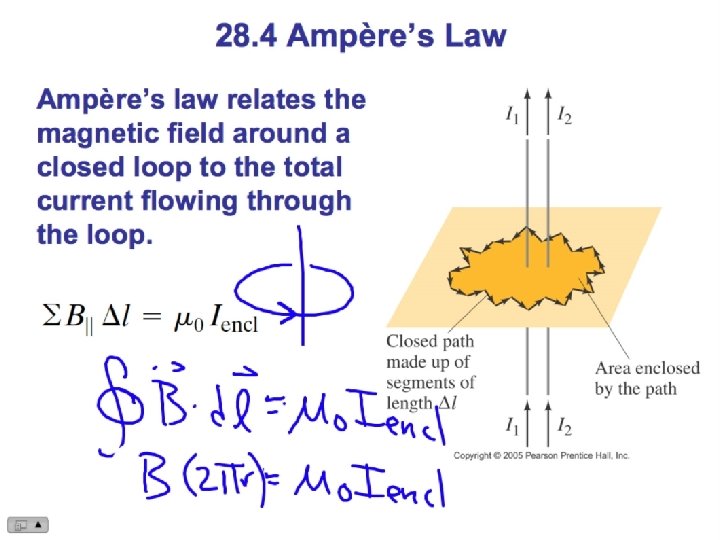
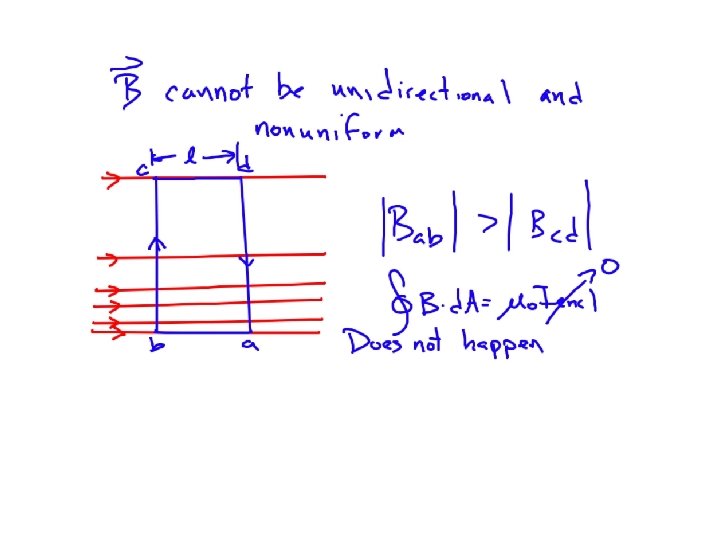
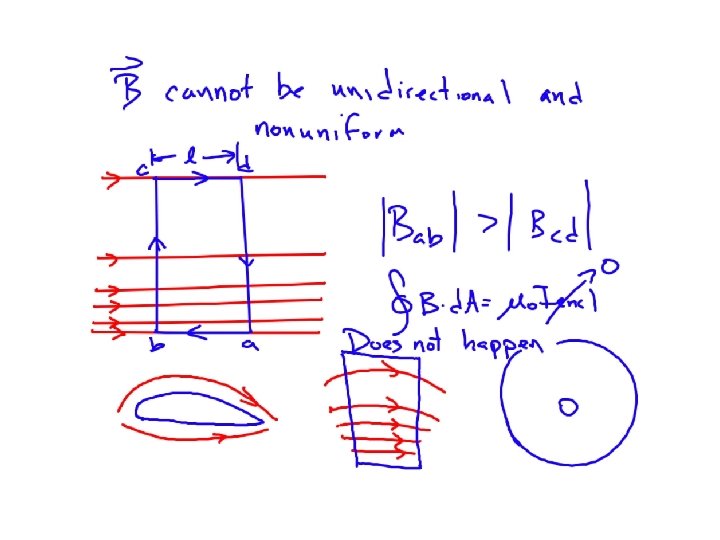
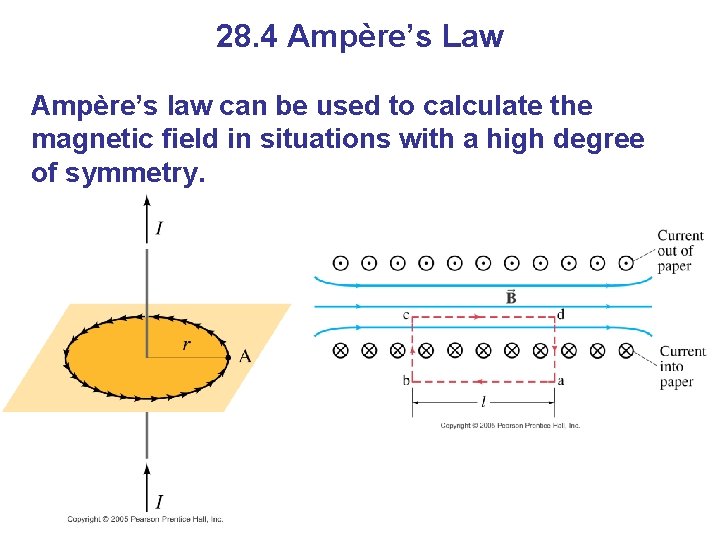
28. 4 Ampère’s Law Ampère’s law relates the magnetic field around a closed loop toot the total current flowing through the loop.
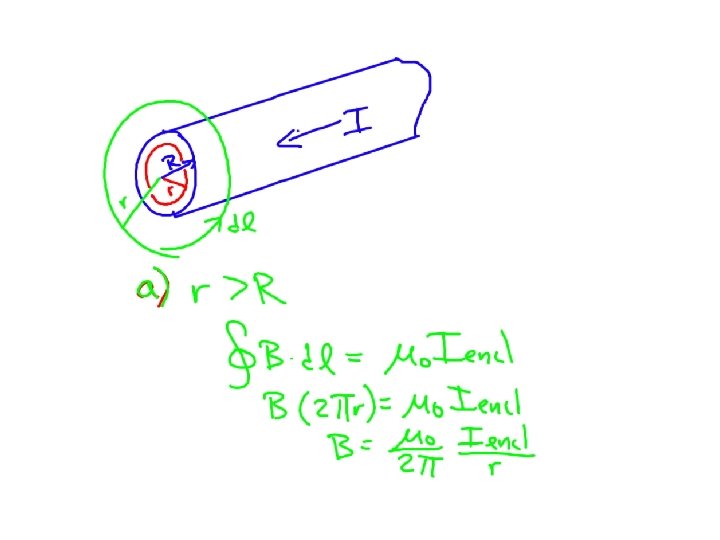
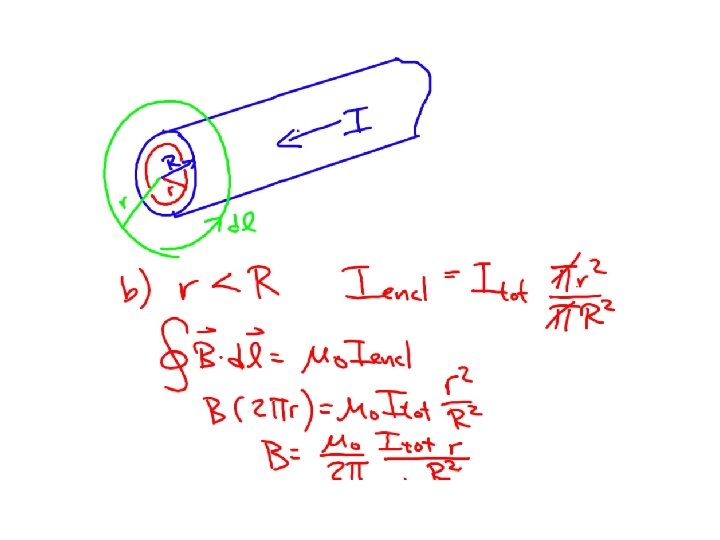
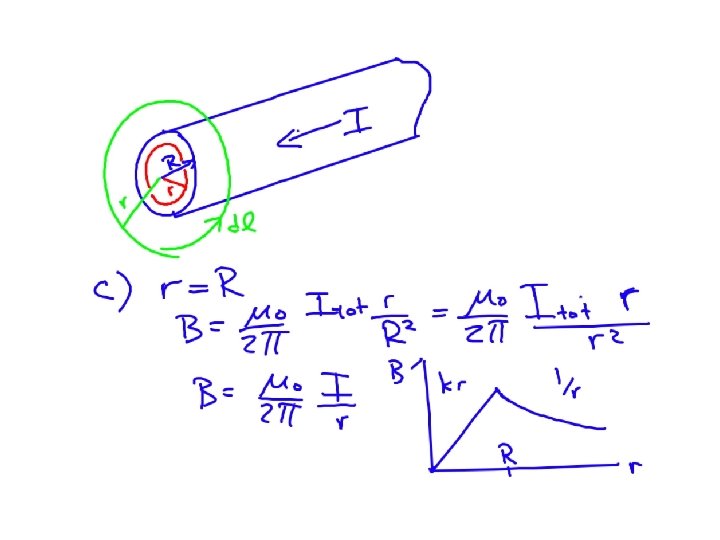
28. 4 Ampère’s Law Ampère’s law can be used to calculate the magnetic field in situations with a high degree of symmetry.
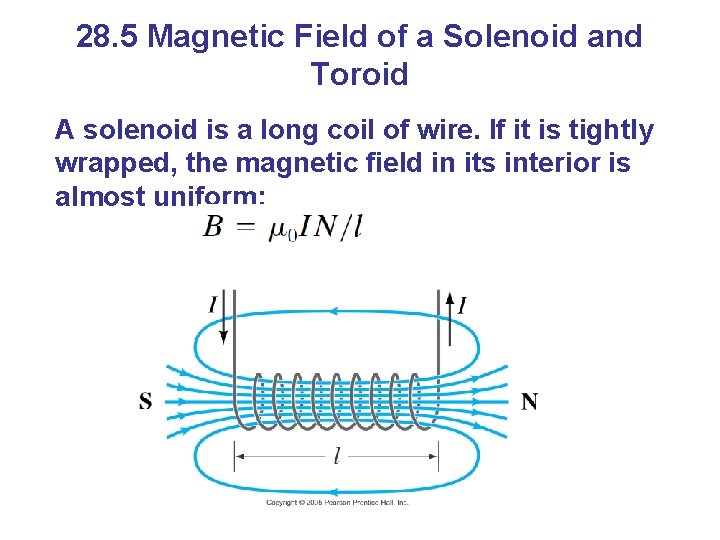
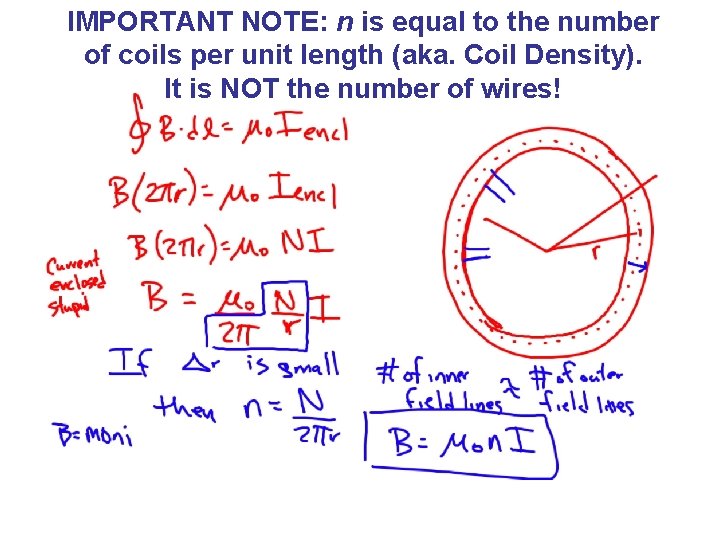
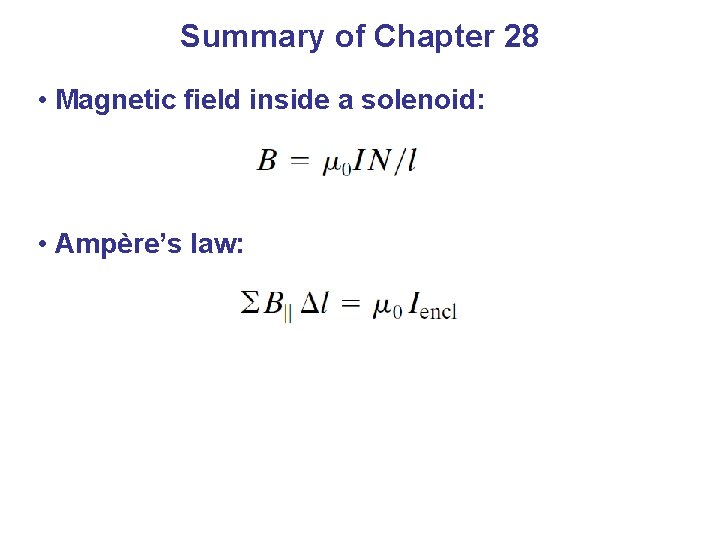
28. 5 Magnetic Field of a Solenoid and Toroid A solenoid is a long coil of wire. If it is tightly wrapped, the magnetic field in its interior is almost uniform:
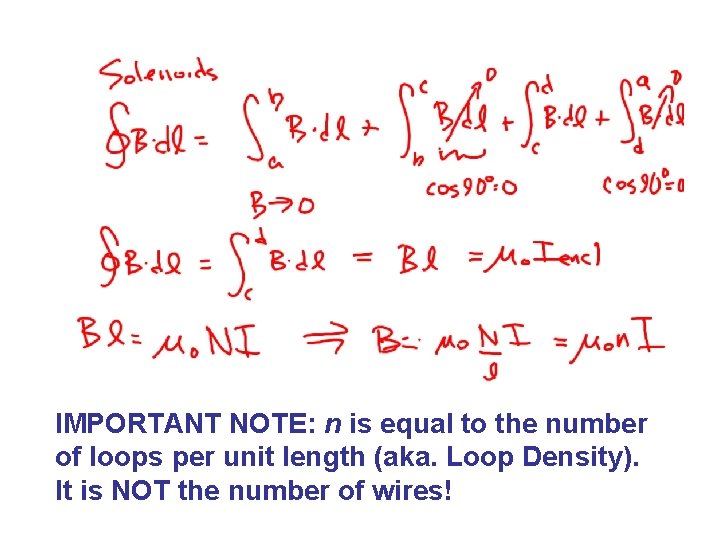
IMPORTANT NOTE: n is equal to the number of loops per unit length (aka. Loop Density). It is NOT the number of wires!
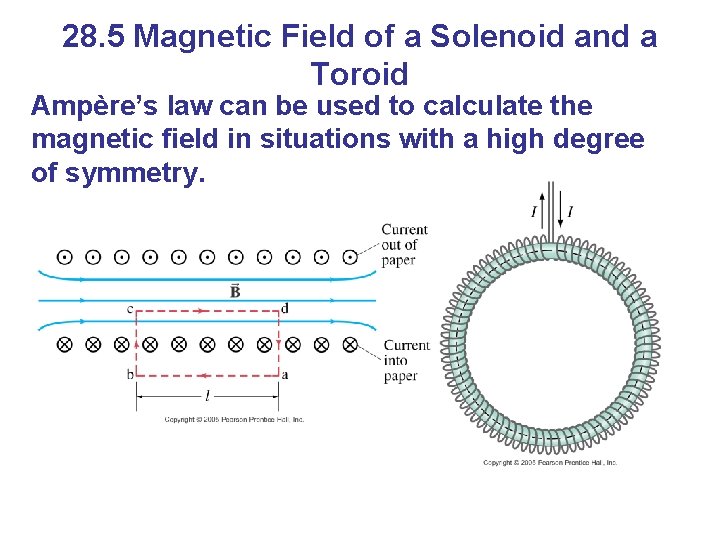
28. 5 Magnetic Field of a Solenoid and a Toroid Ampère’s law can be used to calculate the magnetic field in situations with a high degree of symmetry.
IMPORTANT NOTE: n is equal to the number of coils per unit length (aka. Coil Density). It is NOT the number of wires!
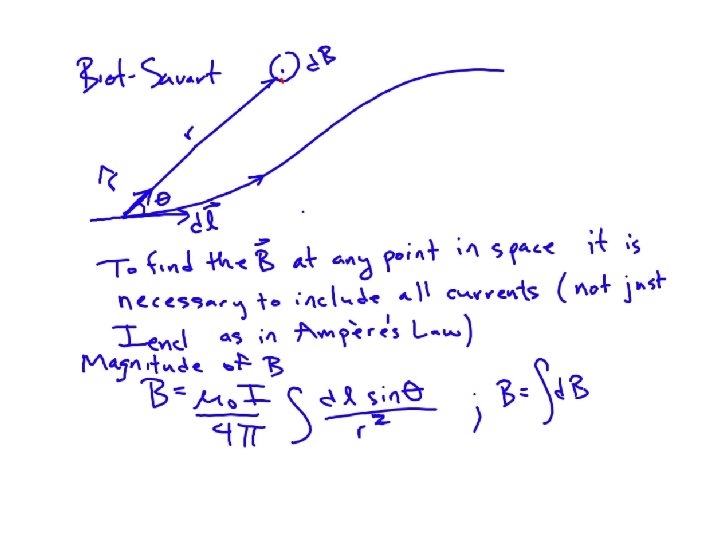
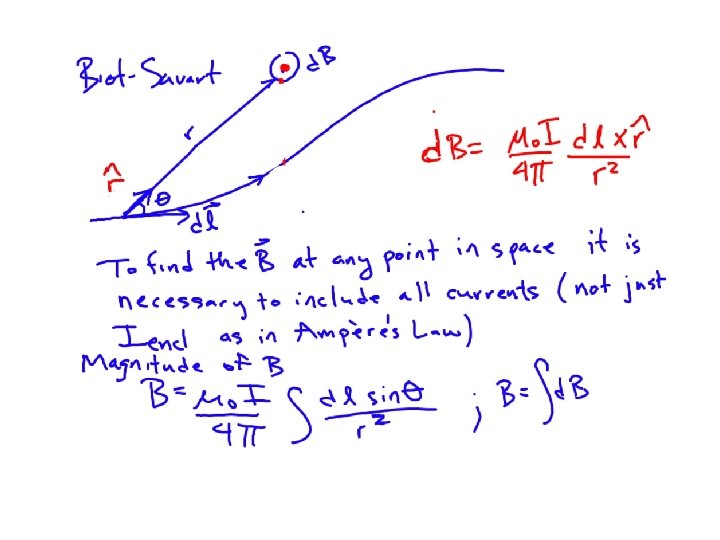
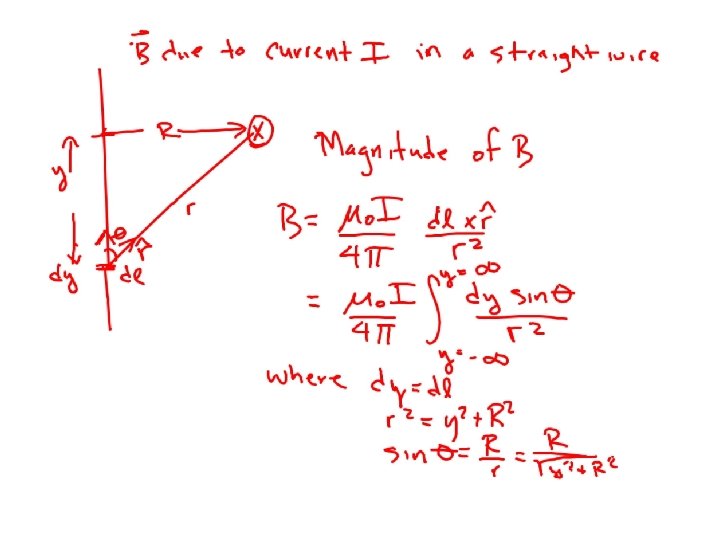
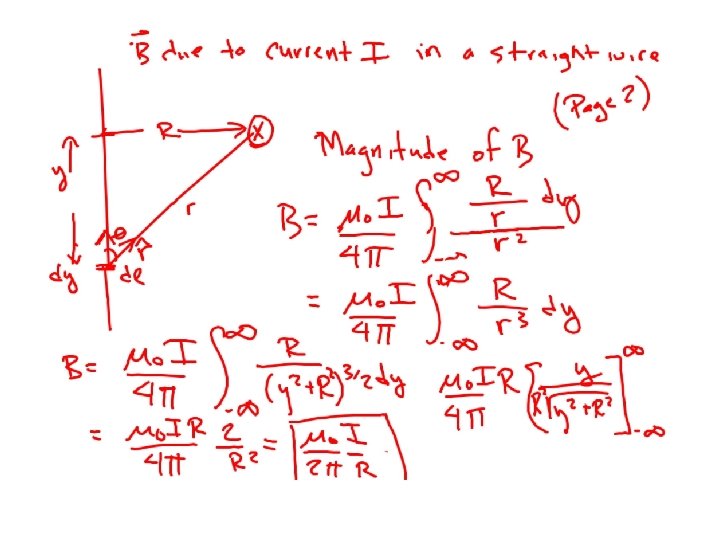
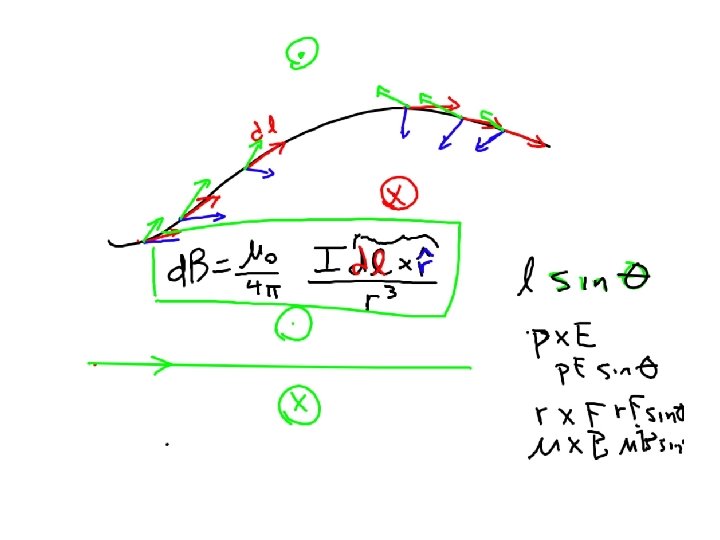
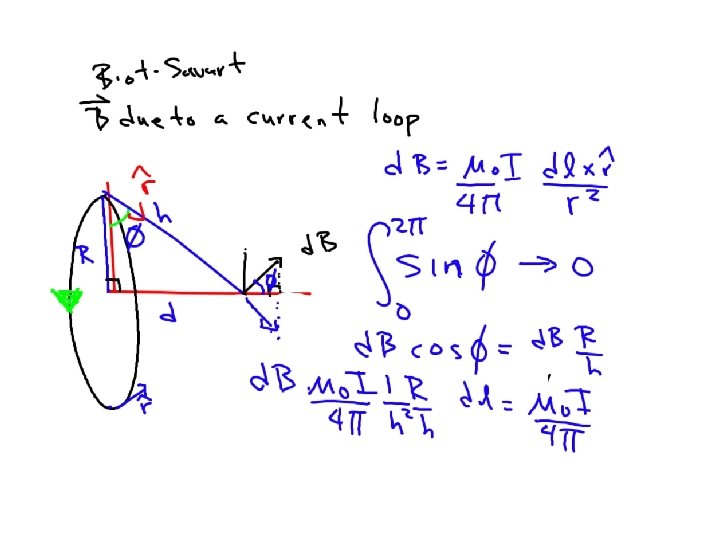
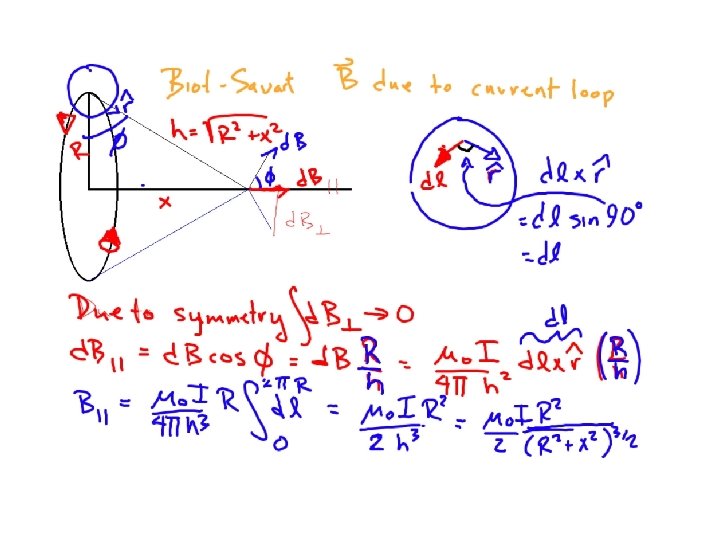
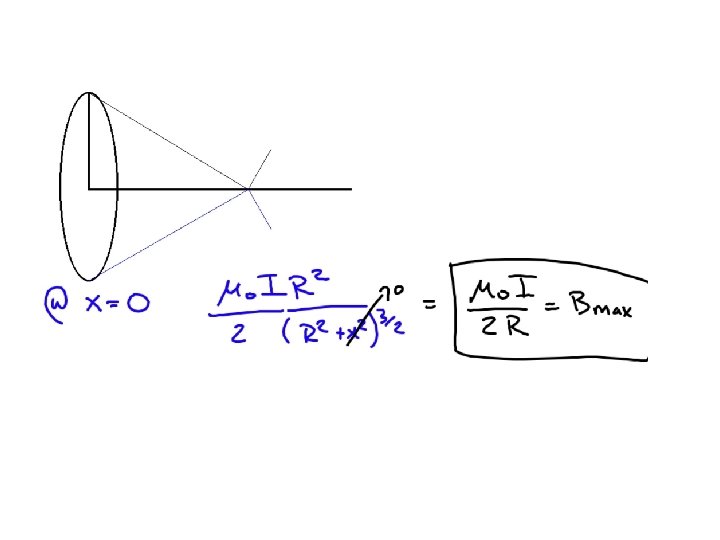
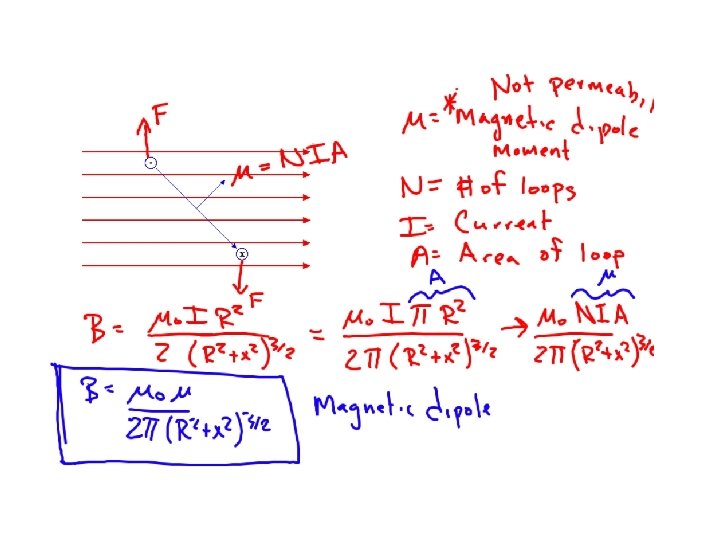
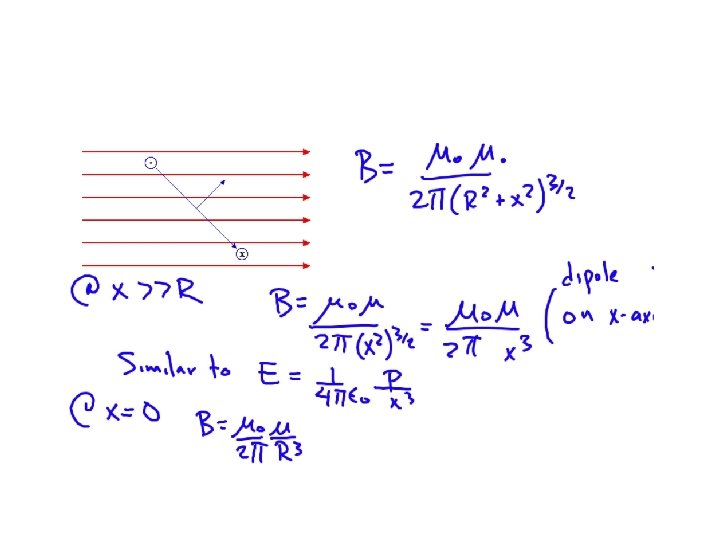
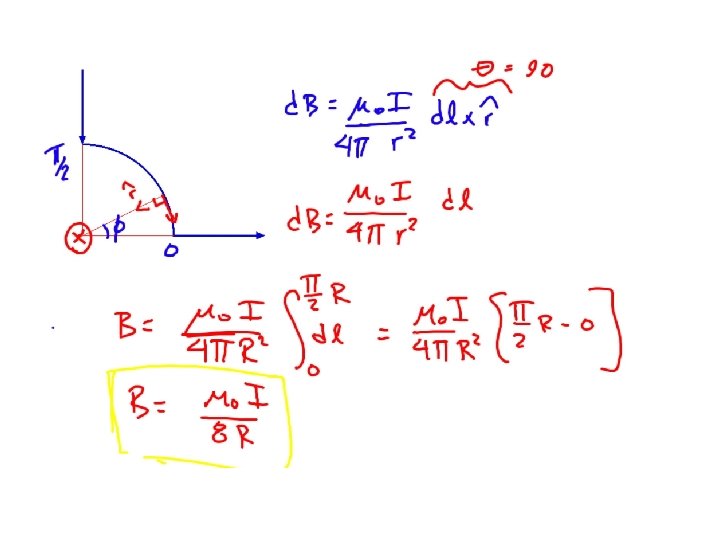
28. 6 Biot-Savart Law • B due to current I in straight wire • Current loop • Magnetic Dipole Moment • B due to a wire segment
28. 7 Magnetic Materials - Ferromagnetism Ferromagnetic materials are those that can become strongly magnetized, such as iron and nickel. These materials are made up of tiny regions called domains; the magnetic field in each domain is in a single direction.
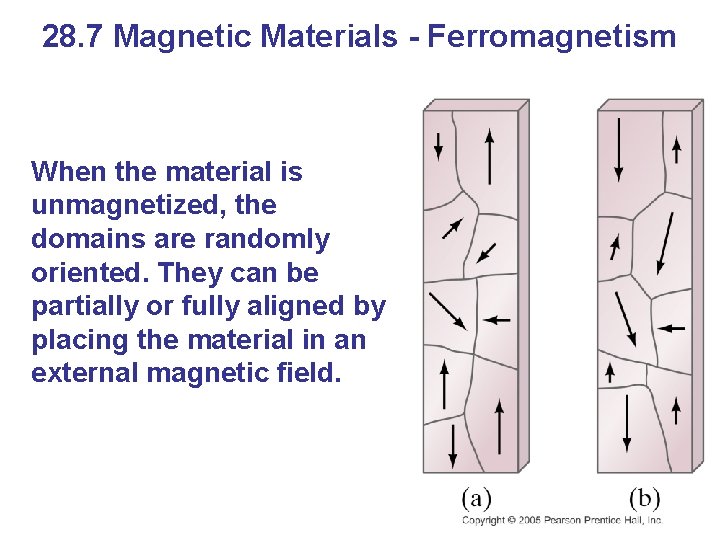
28. 7 Magnetic Materials - Ferromagnetism When the material is unmagnetized, the domains are randomly oriented. They can be partially or fully aligned by placing the material in an external magnetic field.
28. 7 Magnetic Materials - Ferromagnetism A magnet, if undisturbed, will tend to retain its magnetism. It can be demagnetized by shock or heat. The relationship between the external magnetic field and the internal field in a ferromagnet is not simple, as the magnetization can vary.
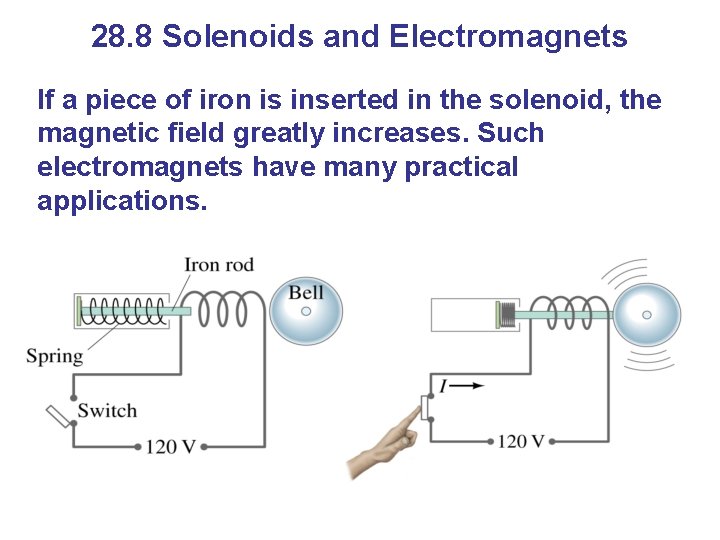
28. 8 Solenoids and Electromagnets If a piece of iron is inserted in the solenoid, the magnetic field greatly increases. Such electromagnets have many practical applications.
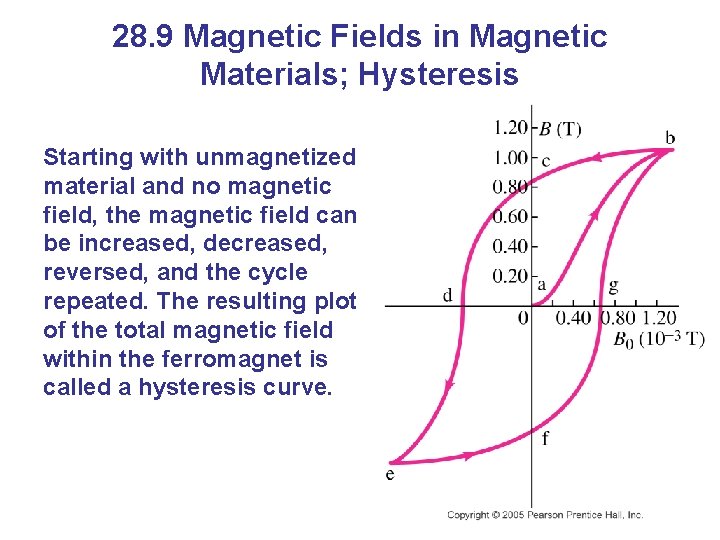
28. 9 Magnetic Fields in Magnetic Materials; Hysteresis Starting with unmagnetized material and no magnetic field, the magnetic field can be increased, decreased, reversed, and the cycle repeated. The resulting plot of the total magnetic field within the ferromagnet is called a hysteresis curve.
Summary of Chapter 28 • Magnitude of the field of a long, straight current-carrying wire: • Parallel currents attract; antiparallel currents repel
Summary of Chapter 28 • Magnetic field inside a solenoid: • Ampère’s law: