
Chapter 27 Bacteria and Archaea Power Point Lecture
Chapter 27 Bacteria and Archaea Power. Point® Lecture Presentations for Biology Eighth Edition Neil Campbell and Jane Reece Lectures by Chris Romero, updated by Erin Barley with contributions from Joan Sharp Copyright © 2008 Pearson Education, Inc. , publishing as Pearson Benjamin Cummings
Overview: Masters of Adaptation • Prokaryotes thrive almost everywhere, including places too acidic, salty, cold, or hot for most other organisms • Most prokaryotes are microscopic, but what they lack in size they make up for in numbers • There are more in a handful of fertile soil than the number of people who have ever lived Copyright © 2008 Pearson Education, Inc. , publishing as Pearson Benjamin Cummings
• They have an astonishing genetic diversity • Prokaryotes are divided into two domains: bacteria and archaea Video: Tubeworms Copyright © 2008 Pearson Education, Inc. , publishing as Pearson Benjamin Cummings
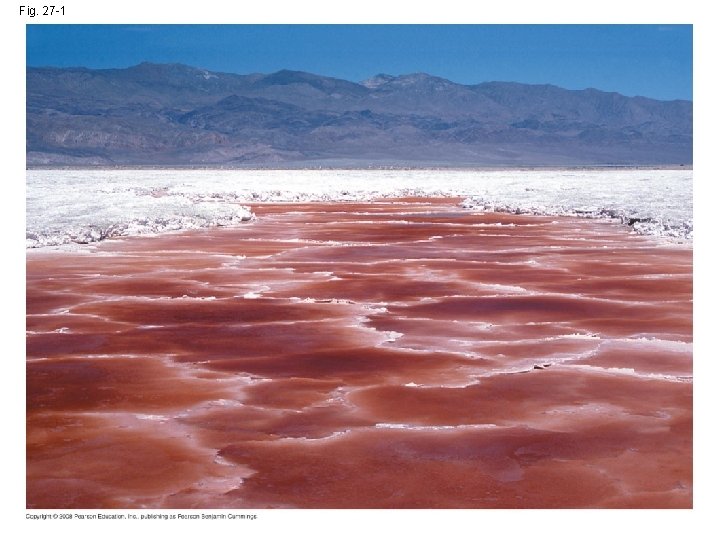
Fig. 27 -1
Concept 27. 1: Structural and functional adaptations contribute to prokaryotic success • Most prokaryotes are unicellular, although some species form colonies • Most prokaryotic cells are 0. 5– 5 µm, much smaller than the 10– 100 µm of many eukaryotic cells • Prokaryotic cells have a variety of shapes • The three most common shapes are spheres (cocci), rods (bacilli), and spirals Copyright © 2008 Pearson Education, Inc. , publishing as Pearson Benjamin Cummings
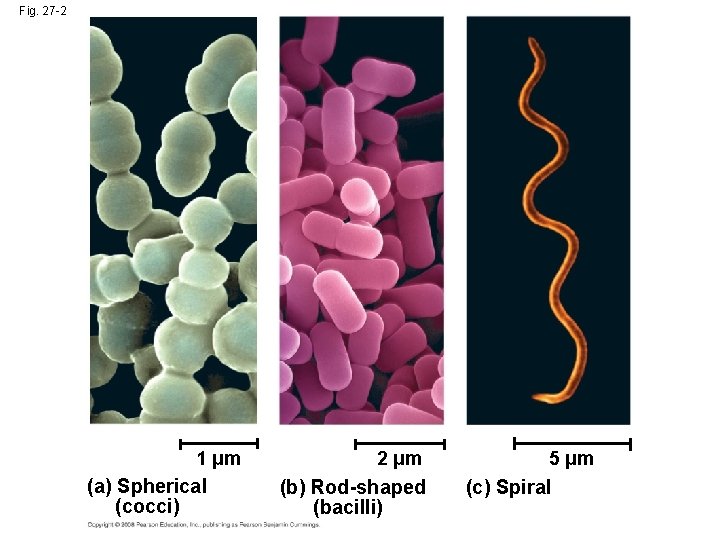
Fig. 27 -2 1 µm (a) Spherical (cocci) 2 µm (b) Rod-shaped (bacilli) 5 µm (c) Spiral
Cell-Surface Structures • An important feature of nearly all prokaryotic cells is their cell wall, which maintains cell shape, provides physical protection, and prevents the cell from bursting in a hypotonic environment • Eukaryote cell walls are made of cellulose or chitin • Bacterial cell walls contain peptidoglycan, a network of sugar polymers cross-linked by polypeptides Copyright © 2008 Pearson Education, Inc. , publishing as Pearson Benjamin Cummings
• Archaea contain polysaccharides and proteins but lack peptidoglycan • Using the Gram stain, scientists classify many bacterial species into Gram-positive and Gram-negative groups based on cell wall composition • Gram-negative bacteria have less peptidoglycan and an outer membrane that can be toxic, and they are more likely to be antibiotic resistant Copyright © 2008 Pearson Education, Inc. , publishing as Pearson Benjamin Cummings
• Many antibiotics target peptidoglycan and damage bacterial cell walls Copyright © 2008 Pearson Education, Inc. , publishing as Pearson Benjamin Cummings
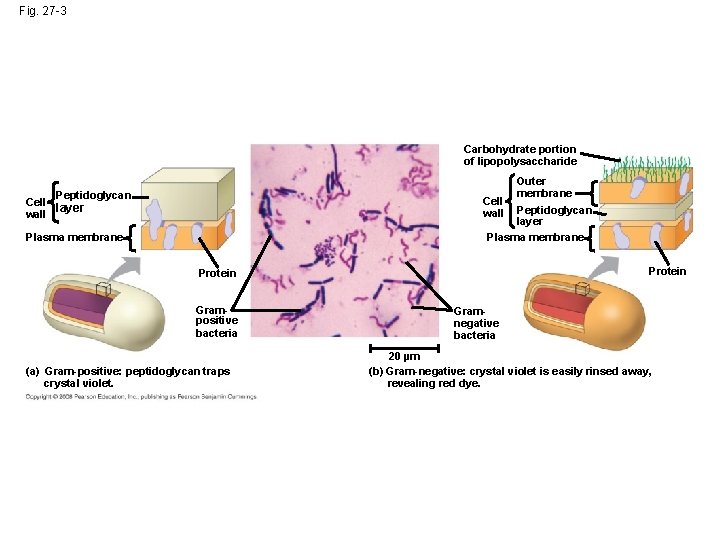
Fig. 27 -3 Carbohydrate portion of lipopolysaccharide Peptidoglycan Cell wall Cell layer wall Outer membrane Peptidoglycan layer Plasma membrane Protein Grampositive bacteria (a) Gram-positive: peptidoglycan traps crystal violet. Gramnegative bacteria 20 µm (b) Gram-negative: crystal violet is easily rinsed away, revealing red dye.
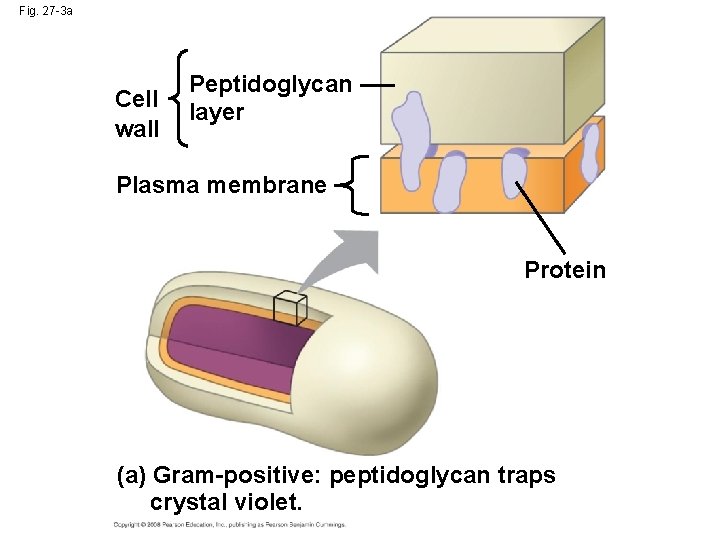
Fig. 27 -3 a Cell wall Peptidoglycan layer Plasma membrane Protein (a) Gram-positive: peptidoglycan traps crystal violet.
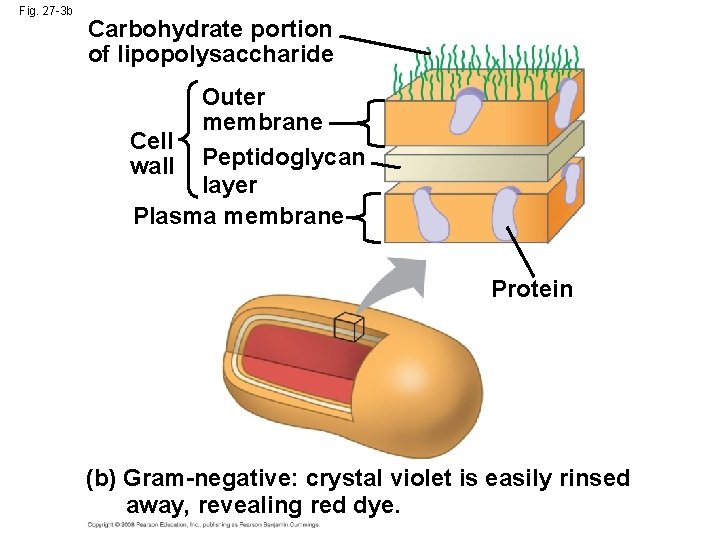
Fig. 27 -3 b Carbohydrate portion of lipopolysaccharide Outer membrane Cell wall Peptidoglycan layer Plasma membrane Protein (b) Gram-negative: crystal violet is easily rinsed away, revealing red dye.
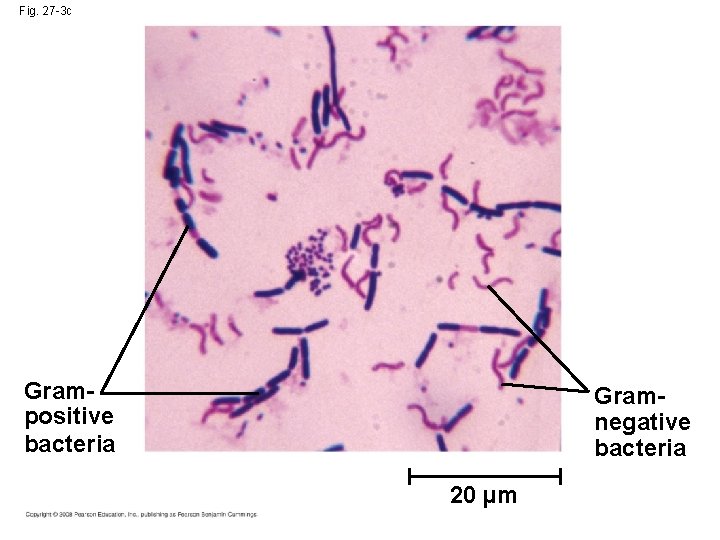
Fig. 27 -3 c Grampositive bacteria Gramnegative bacteria 20 µm
• A polysaccharide or protein layer called a capsule covers many prokaryotes Copyright © 2008 Pearson Education, Inc. , publishing as Pearson Benjamin Cummings
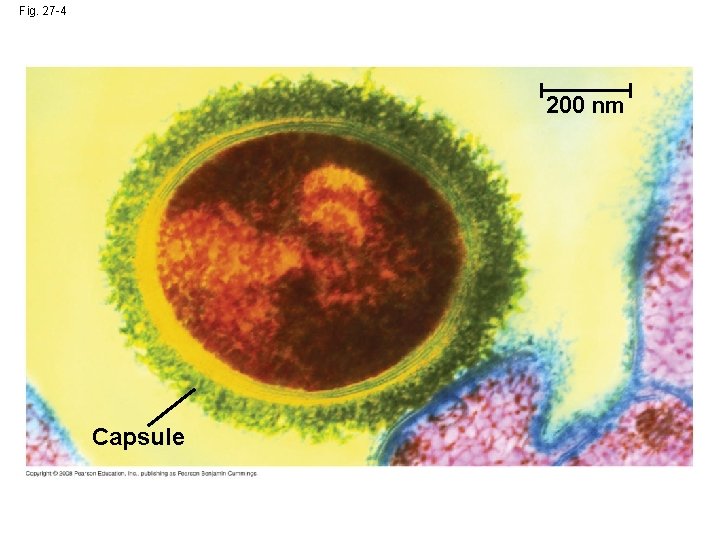
Fig. 27 -4 200 nm Capsule
• Some prokaryotes have fimbriae (also called attachment pili), which allow them to stick to their substrate or other individuals in a colony • Sex pili are longer than fimbriae and allow prokaryotes to exchange DNA Copyright © 2008 Pearson Education, Inc. , publishing as Pearson Benjamin Cummings
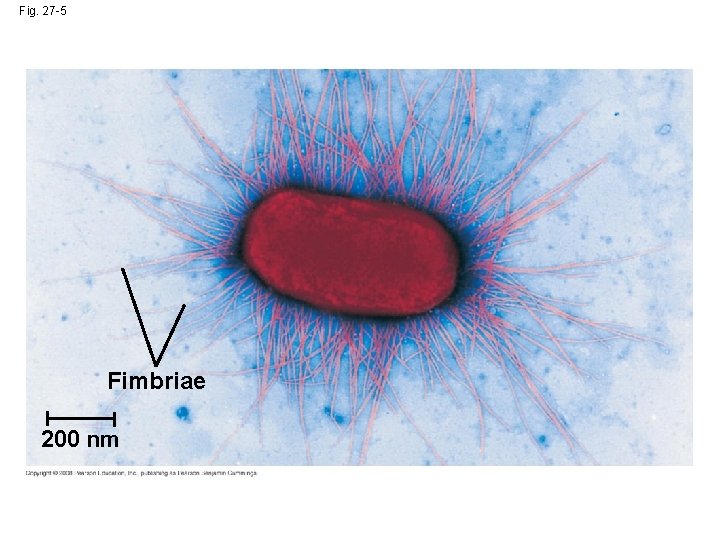
Fig. 27 -5 Fimbriae 200 nm
Motility • Most motile bacteria propel themselves by flagella that are structurally and functionally different from eukaryotic flagella • In a heterogeneous environment, many bacteria exhibit taxis, the ability to move toward or away from certain stimuli Video: Prokaryotic Flagella (Salmonella typhimurium) Copyright © 2008 Pearson Education, Inc. , publishing as Pearson Benjamin Cummings
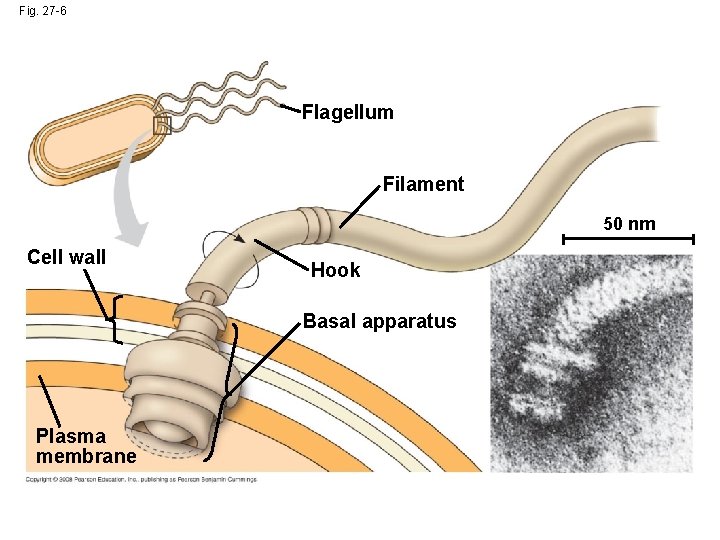
Fig. 27 -6 Flagellum Filament 50 nm Cell wall Hook Basal apparatus Plasma membrane
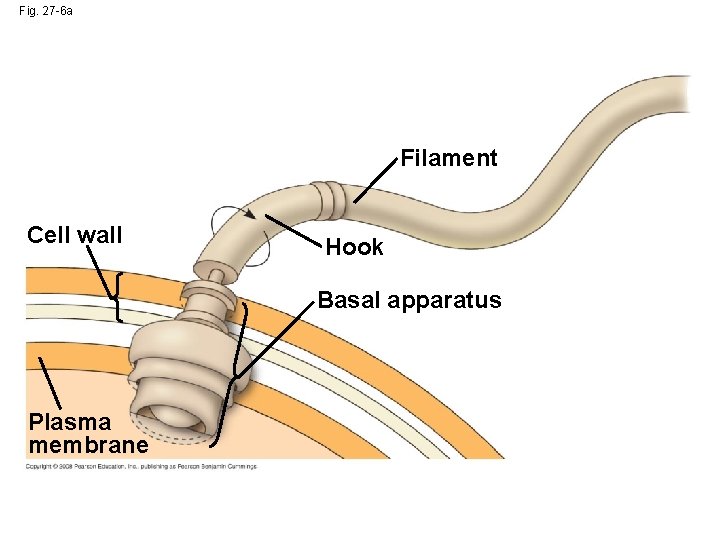
Fig. 27 -6 a Filament Cell wall Hook Basal apparatus Plasma membrane
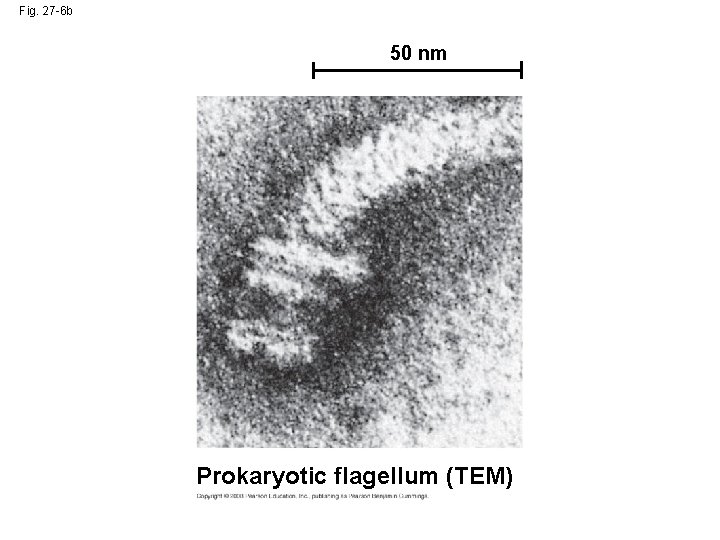
Fig. 27 -6 b 50 nm Prokaryotic flagellum (TEM)
Internal and Genomic Organization • Prokaryotic cells usually lack complex compartmentalization • Some prokaryotes do have specialized membranes that perform metabolic functions Copyright © 2008 Pearson Education, Inc. , publishing as Pearson Benjamin Cummings
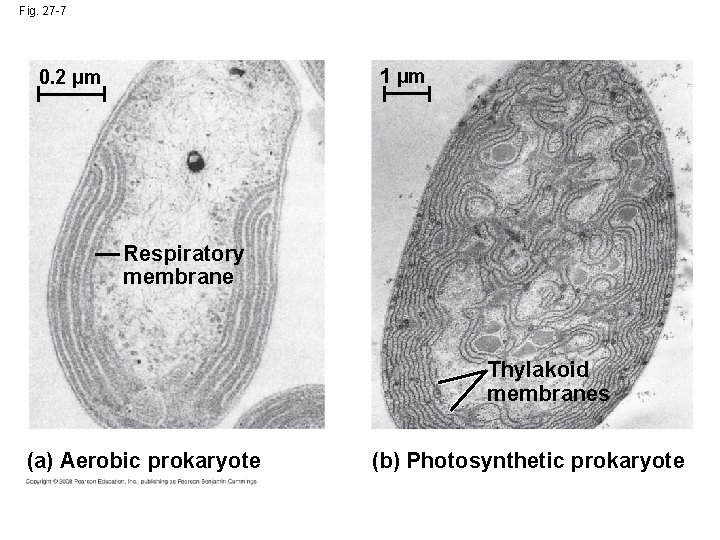
Fig. 27 -7 1 µm 0. 2 µm Respiratory membrane Thylakoid membranes (a) Aerobic prokaryote (b) Photosynthetic prokaryote
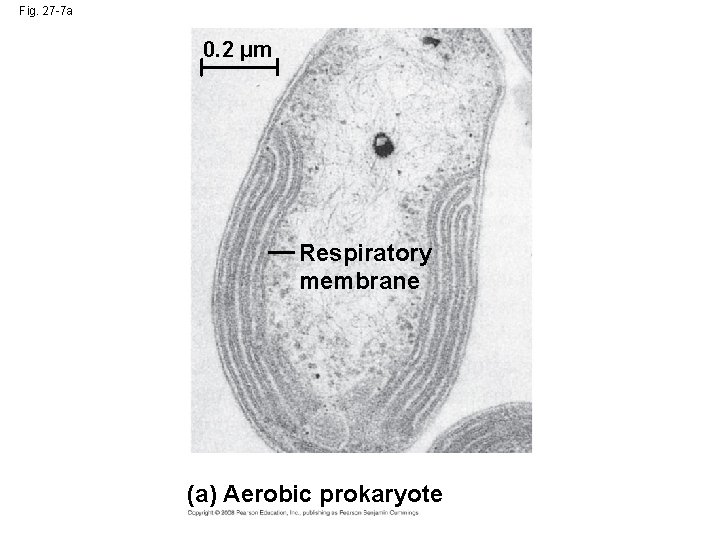
Fig. 27 -7 a 0. 2 µm Respiratory membrane (a) Aerobic prokaryote
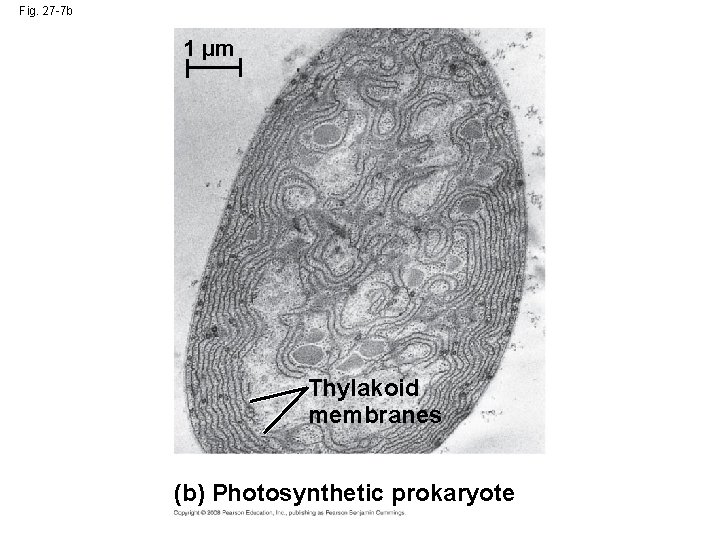
Fig. 27 -7 b 1 µm Thylakoid membranes (b) Photosynthetic prokaryote
• The prokaryotic genome has less DNA than the eukaryotic genome • Most of the genome consists of a circular chromosome • Some species of bacteria also have smaller rings of DNA called plasmids Copyright © 2008 Pearson Education, Inc. , publishing as Pearson Benjamin Cummings
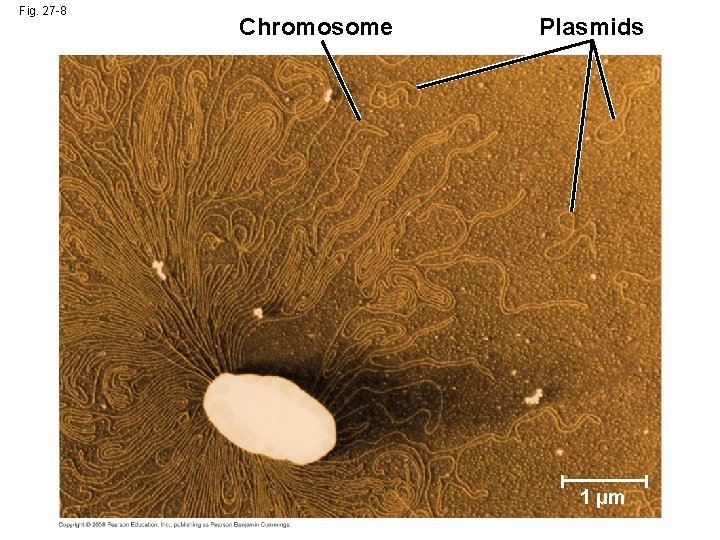
Fig. 27 -8 Chromosome Plasmids 1 µm
• The typical prokaryotic genome is a ring of DNA that is not surrounded by a membrane and that is located in a nucleoid region Copyright © 2008 Pearson Education, Inc. , publishing as Pearson Benjamin Cummings
Reproduction and Adaptation • Prokaryotes reproduce quickly by binary fission and can divide every 1– 3 hours • Many prokaryotes form metabolically inactive endospores, which can remain viable in harsh conditions for centuries Copyright © 2008 Pearson Education, Inc. , publishing as Pearson Benjamin Cummings
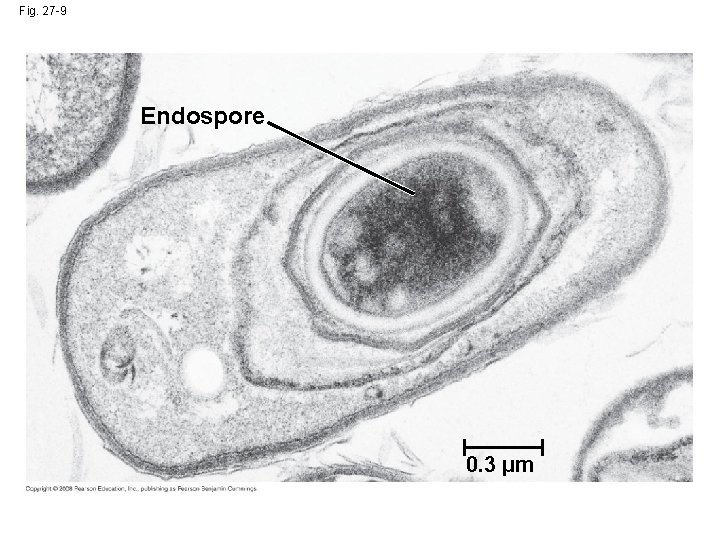
Fig. 27 -9 Endospore 0. 3 µm
• Prokaryotes can evolve rapidly because of their short generation times Copyright © 2008 Pearson Education, Inc. , publishing as Pearson Benjamin Cummings
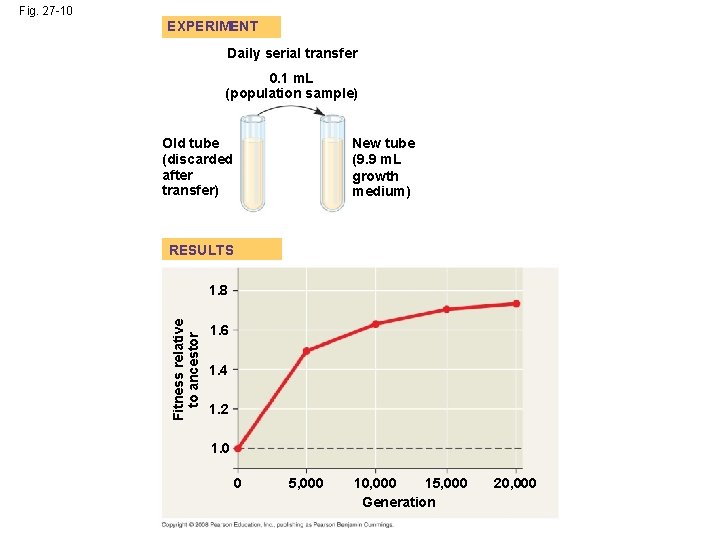
Fig. 27 -10 EXPERIMENT Daily serial transfer 0. 1 m. L (population sample) New tube (9. 9 m. L growth medium) Old tube (discarded after transfer) RESULTS Fitness relative to ancestor 1. 8 1. 6 1. 4 1. 2 1. 0 0 5, 000 10, 000 15, 000 Generation 20, 000
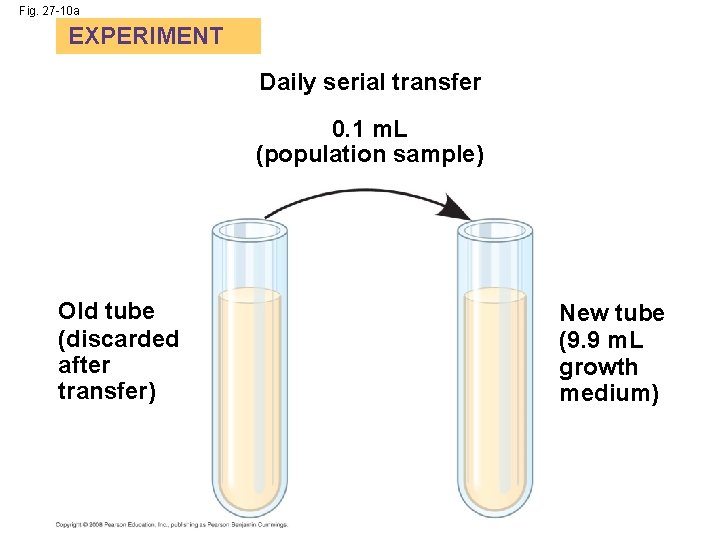
Fig. 27 -10 a EXPERIMENT Daily serial transfer 0. 1 m. L (population sample) Old tube (discarded after transfer) New tube (9. 9 m. L growth medium)
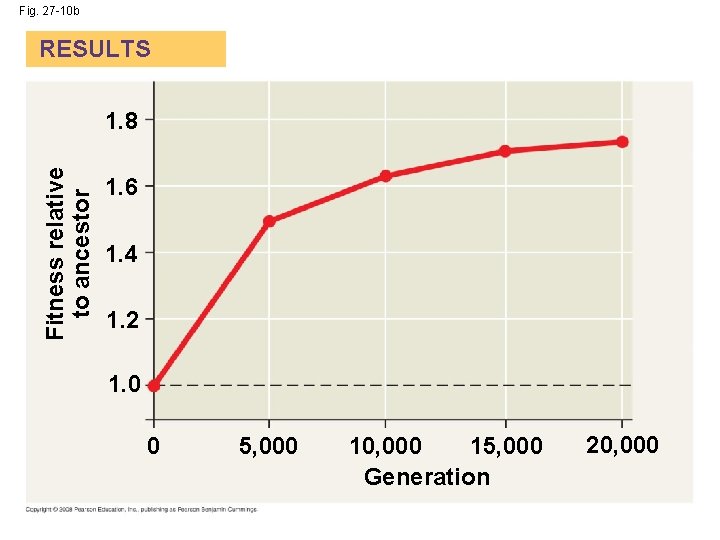
Fig. 27 -10 b RESULTS Fitness relative to ancestor 1. 8 1. 6 1. 4 1. 2 1. 0 0 5, 000 10, 000 15, 000 Generation 20, 000
Concept 27. 2: Rapid reproduction, mutation, and genetic recombination promote genetic diversity in prokaryotes • Prokaryotes have considerable genetic variation • Three factors contribute to this genetic diversity: – Rapid reproduction – Mutation – Genetic recombination Copyright © 2008 Pearson Education, Inc. , publishing as Pearson Benjamin Cummings
Rapid Reproduction and Mutation • Prokaryotes reproduce by binary fission, and offspring cells are generally identical • Mutation rates during binary fission are low, but because of rapid reproduction, mutations can accumulate rapidly in a population • High diversity from mutations allows for rapid evolution Copyright © 2008 Pearson Education, Inc. , publishing as Pearson Benjamin Cummings
Genetic Recombination • Additional diversity arises from genetic recombination • Prokaryotic DNA from different individuals can be brought together by transformation, transduction, and conjugation Copyright © 2008 Pearson Education, Inc. , publishing as Pearson Benjamin Cummings
Transformation and Transduction • A prokaryotic cell can take up and incorporate foreign DNA from the surrounding environment in a process called transformation • Transduction is the movement of genes between bacteria by bacteriophages (viruses that infect bacteria) Copyright © 2008 Pearson Education, Inc. , publishing as Pearson Benjamin Cummings
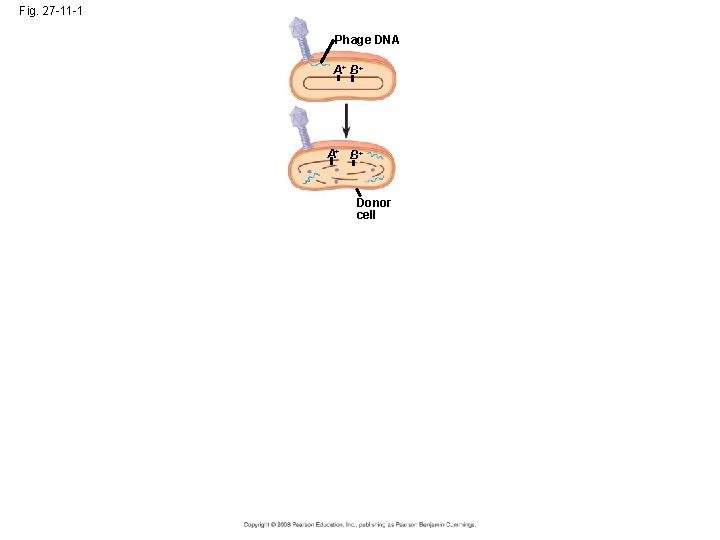
Fig. 27 -11 -1 Phage DNA A+ B+ Donor cell
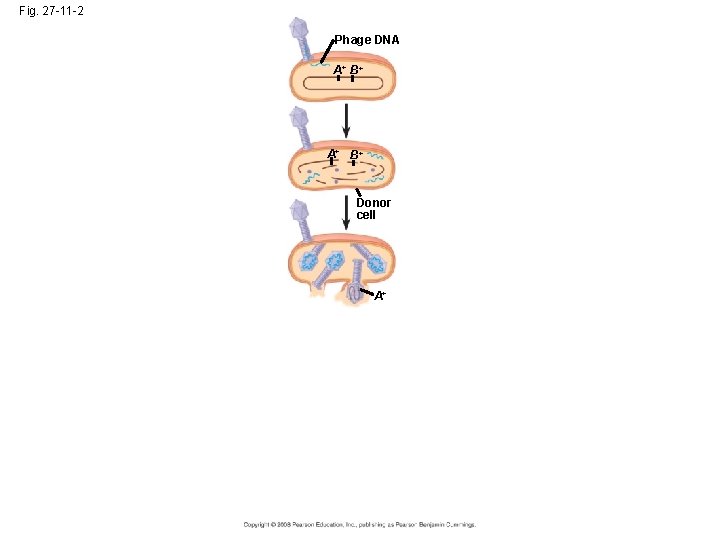
Fig. 27 -11 -2 Phage DNA A+ B+ Donor cell A+
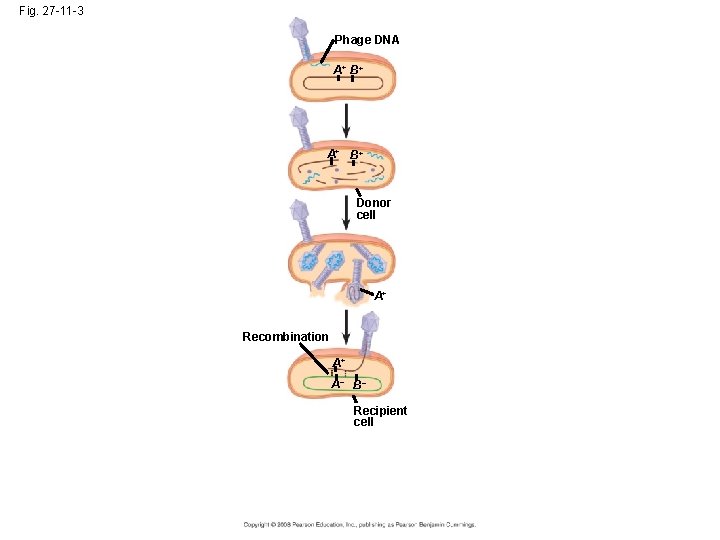
Fig. 27 -11 -3 Phage DNA A+ B+ Donor cell A+ Recombination A+ A– B– Recipient cell
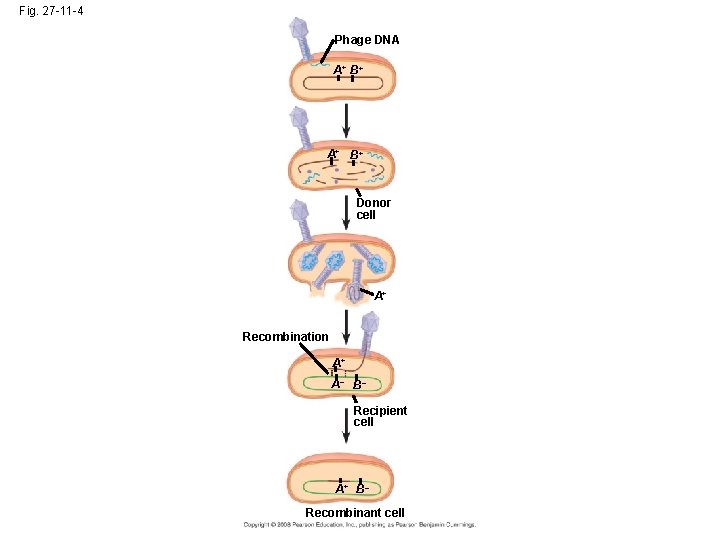
Fig. 27 -11 -4 Phage DNA A+ B+ Donor cell A+ Recombination A+ A– B– Recipient cell A+ B– Recombinant cell
Conjugation and Plasmids • Conjugation is the process where genetic material is transferred between bacterial cells • Sex pili allow cells to connect and pull together for DNA transfer • A piece of DNA called the F factor is required for the production of sex pili • The F factor can exist as a separate plasmid or as DNA within the bacterial chromosome Copyright © 2008 Pearson Education, Inc. , publishing as Pearson Benjamin Cummings
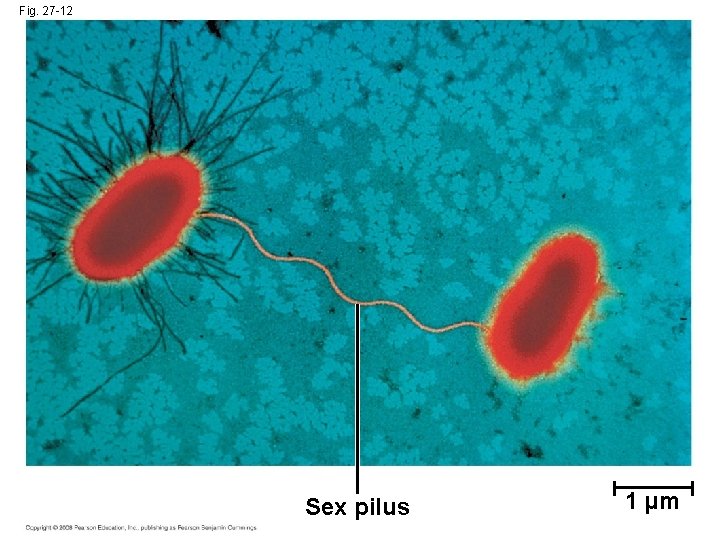
Fig. 27 -12 Sex pilus 1 µm
The F Factor as a Plasmid • Cells containing the F plasmid function as DNA donors during conjugation • Cells without the F factor function as DNA recipients during conjugation • The F factor is transferable during conjugation Copyright © 2008 Pearson Education, Inc. , publishing as Pearson Benjamin Cummings
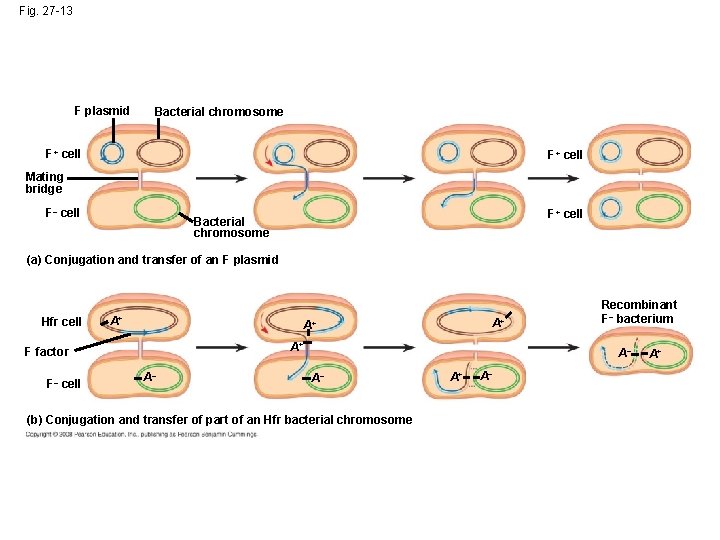
Fig. 27 -13 F plasmid Bacterial chromosome F+ cell Mating bridge F– cell F+ cell Bacterial chromosome (a) Conjugation and transfer of an F plasmid Hfr cell A+ A+ A+ F factor F– cell A+ A– Recombinant F– bacterium A– A– (b) Conjugation and transfer of part of an Hfr bacterial chromosome A+ A– A+
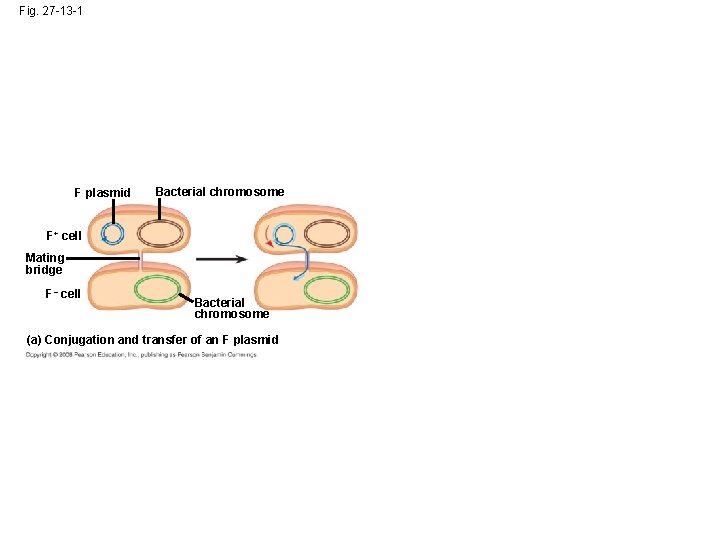
Fig. 27 -13 -1 F plasmid Bacterial chromosome F+ cell Mating bridge F– cell Bacterial chromosome (a) Conjugation and transfer of an F plasmid
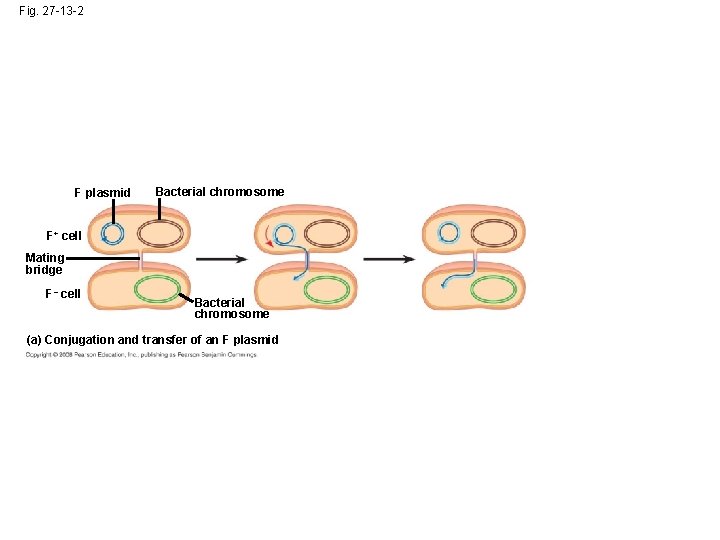
Fig. 27 -13 -2 F plasmid Bacterial chromosome F+ cell Mating bridge F– cell Bacterial chromosome (a) Conjugation and transfer of an F plasmid
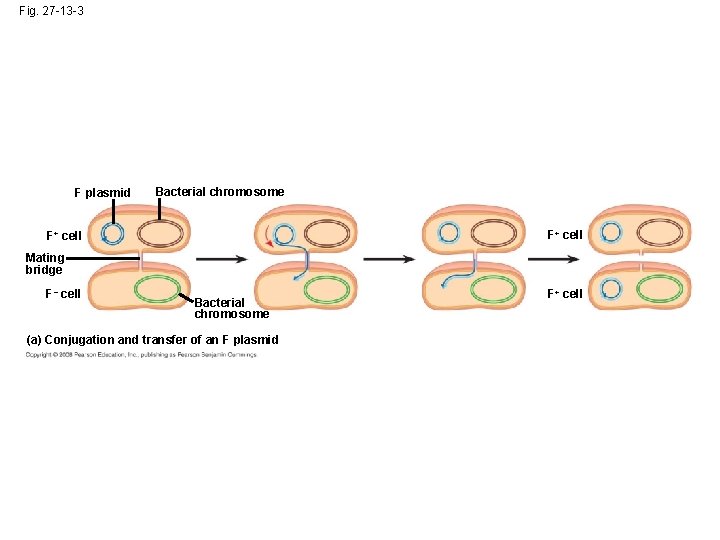
Fig. 27 -13 -3 F plasmid Bacterial chromosome F+ cell Mating bridge F– cell Bacterial chromosome (a) Conjugation and transfer of an F plasmid F+ cell
The F Factor in the Chromosome • A cell with the F factor built into its chromosomes functions as a donor during conjugation • The recipient becomes a recombinant bacterium, with DNA from two different cells • It is assumed that horizontal gene transfer is also important in archaea Copyright © 2008 Pearson Education, Inc. , publishing as Pearson Benjamin Cummings
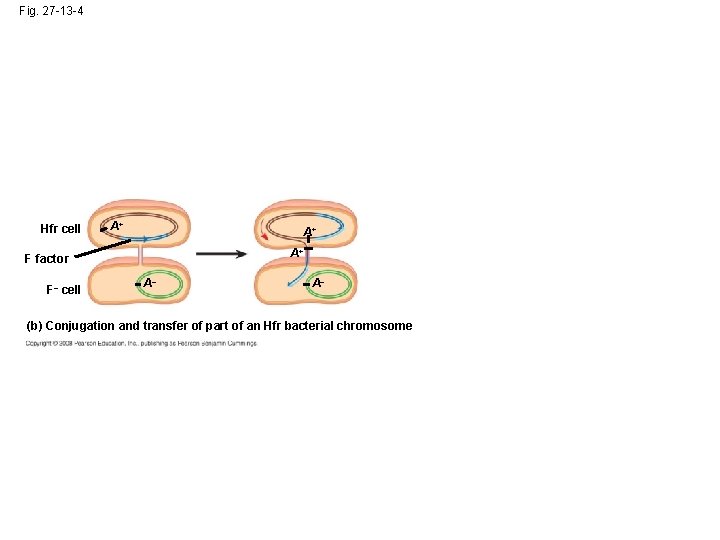
Fig. 27 -13 -4 Hfr cell A+ A+ A+ F factor F– cell A– A– (b) Conjugation and transfer of part of an Hfr bacterial chromosome
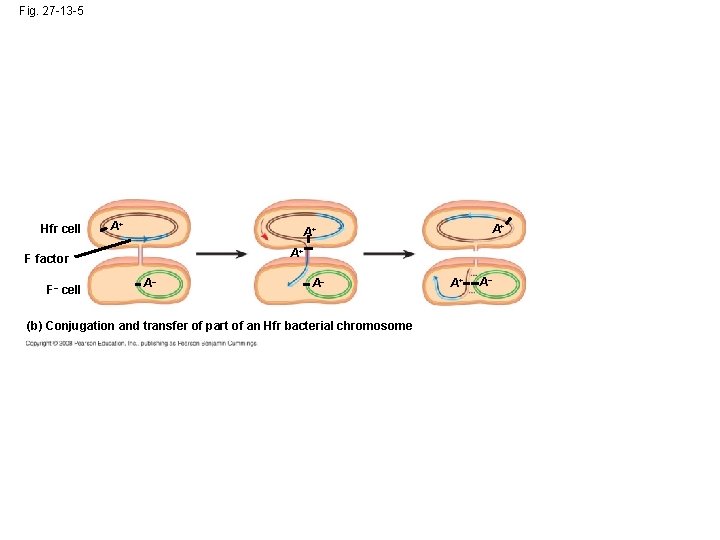
Fig. 27 -13 -5 Hfr cell A+ A+ F factor F– cell A+ A+ A– A– (b) Conjugation and transfer of part of an Hfr bacterial chromosome A+ A–
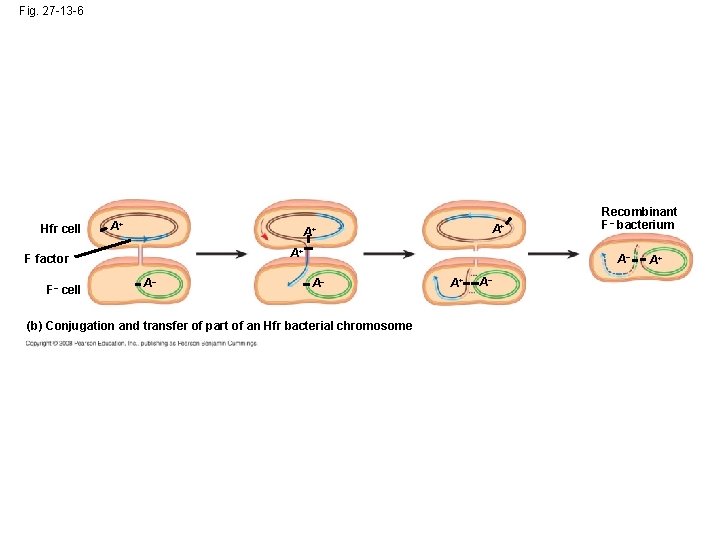
Fig. 27 -13 -6 Hfr cell A+ A+ A+ F factor F– cell A+ A– Recombinant F– bacterium A– A– (b) Conjugation and transfer of part of an Hfr bacterial chromosome A+ A– A+
R Plasmids and Antibiotic Resistance • R plasmids carry genes for antibiotic resistance • Antibiotics select for bacteria with genes that are resistant to the antibiotics • Antibiotic resistant strains of bacteria are becoming more common Copyright © 2008 Pearson Education, Inc. , publishing as Pearson Benjamin Cummings
Concept 27. 3: Diverse nutritional and metabolic adaptations have evolved in prokaryotes • Phototrophs obtain energy from light • Chemotrophs obtain energy from chemicals • Autotrophs require CO 2 as a carbon source • Heterotrophs require an organic nutrient to make organic compounds • These factors can be combined to give the four major modes of nutrition: photoautotrophy, chemoautotrophy, photoheterotrophy, and chemoheterotrophy Copyright © 2008 Pearson Education, Inc. , publishing as Pearson Benjamin Cummings
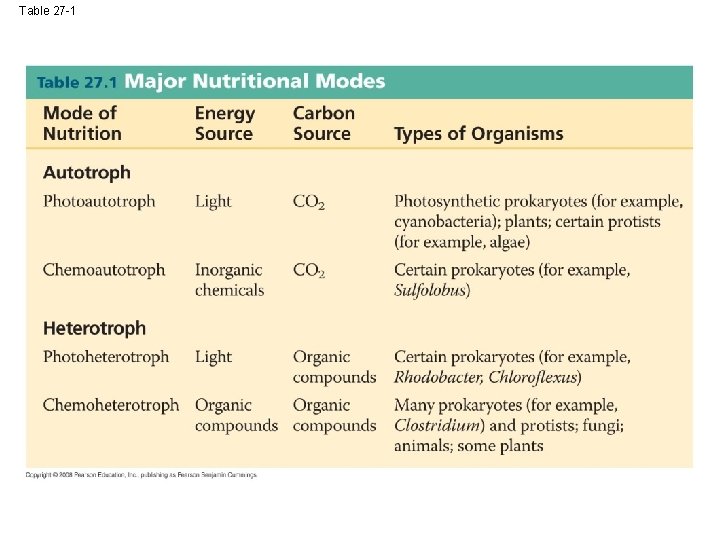
Table 27 -1
The Role of Oxygen in Metabolism • Prokaryotic metabolism varies with respect to O 2: – Obligate aerobes require O 2 for cellular respiration – Obligate anaerobes are poisoned by O 2 and use fermentation or anaerobic respiration – Facultative anaerobes can survive with or without O 2 Copyright © 2008 Pearson Education, Inc. , publishing as Pearson Benjamin Cummings
Nitrogen Metabolism • Prokaryotes can metabolize nitrogen in a variety of ways • In nitrogen fixation, some prokaryotes convert atmospheric nitrogen (N 2) to ammonia (NH 3) Copyright © 2008 Pearson Education, Inc. , publishing as Pearson Benjamin Cummings
Metabolic Cooperation • Cooperation between prokaryotes allows them to use environmental resources they could not use as individual cells • In the cyanobacterium Anabaena, photosynthetic cells and nitrogen-fixing cells called heterocytes exchange metabolic products Video: Cyanobacteria (Oscillatoria) Copyright © 2008 Pearson Education, Inc. , publishing as Pearson Benjamin Cummings
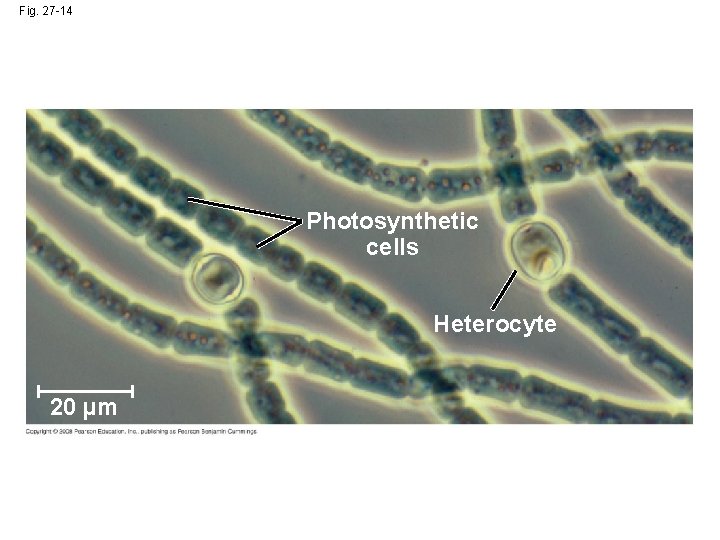
Fig. 27 -14 Photosynthetic cells Heterocyte 20 µm
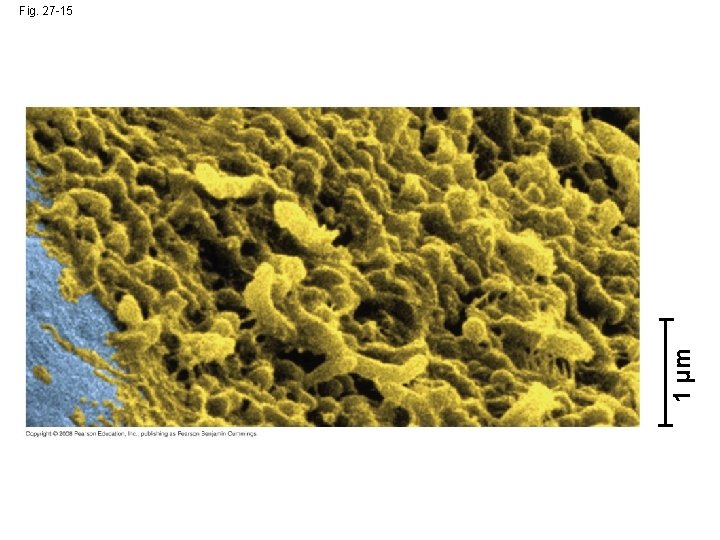
• In some prokaryotic species, metabolic cooperation occurs in surface-coating colonies called biofilms Copyright © 2008 Pearson Education, Inc. , publishing as Pearson Benjamin Cummings
1 µm Fig. 27 -15
- Slides: 62