
Chapter 24 Introduction to Elevations Introduction Elevations Essential
- Slides: 23
Chapter 24 Introduction to Elevations
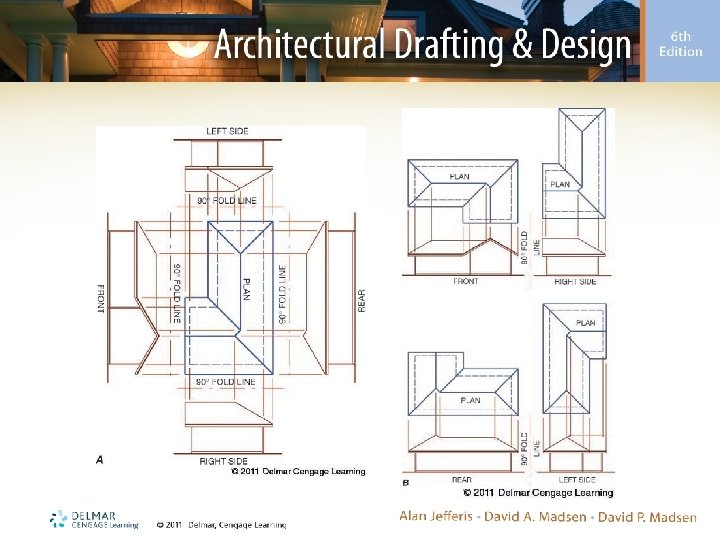
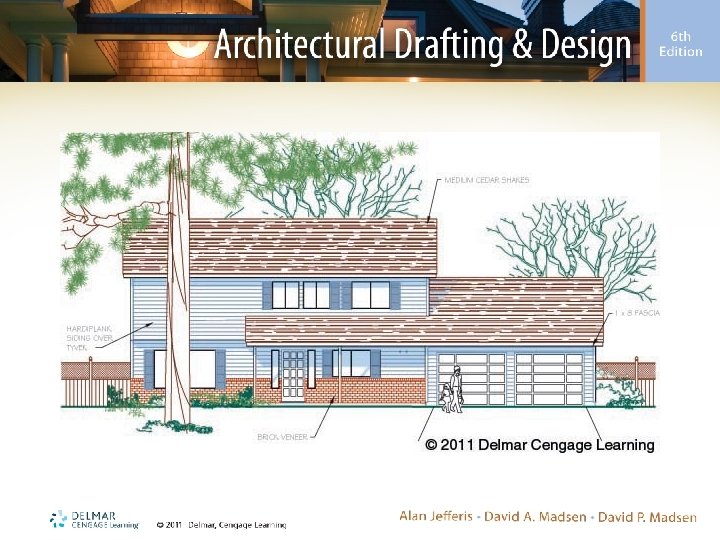
Introduction • Elevations – Essential part of design and drawing process – Group of drawings that show building exterior – Drafter must carefully plan number, type, and scale used – Skill are needed to accurately represent materials • Without spending unnecessary drawing time
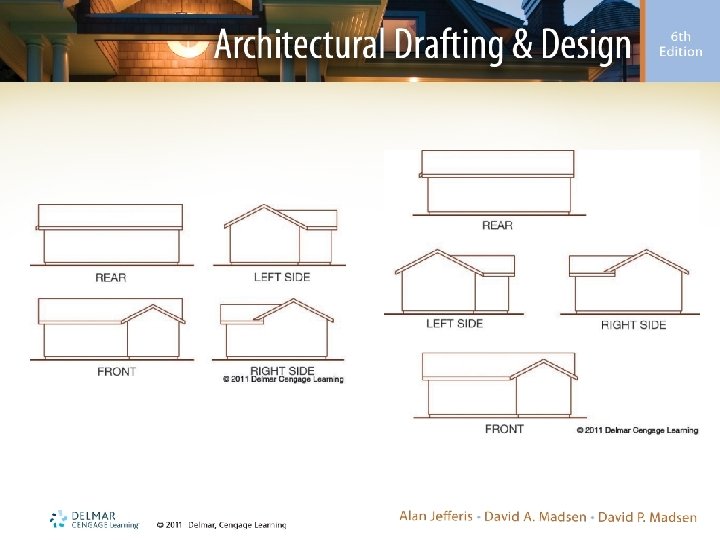
Major Considerations of Drawing Elevations • Major areas to be considered: – Required number – Type – Scale – Placement – Identification
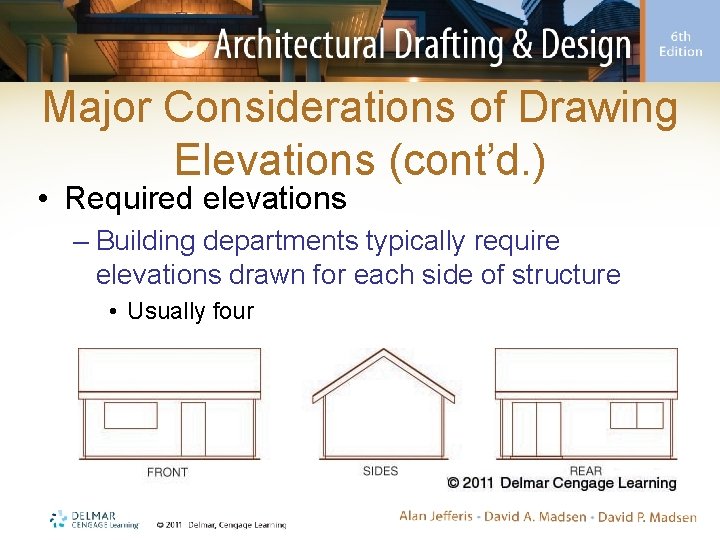
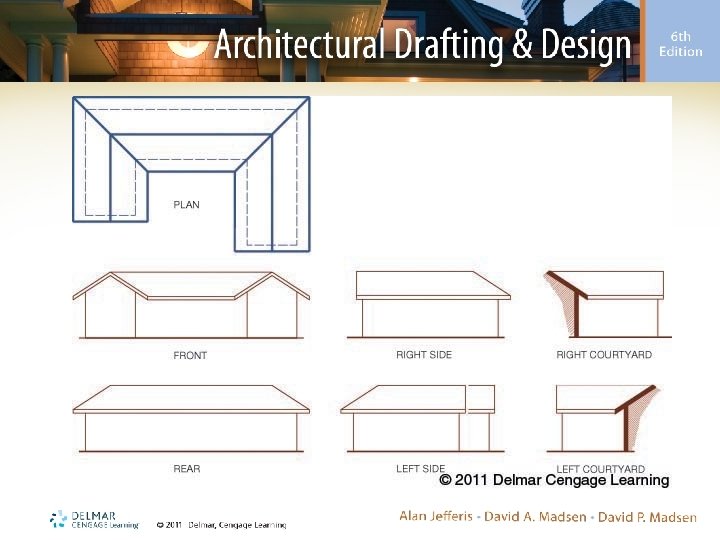
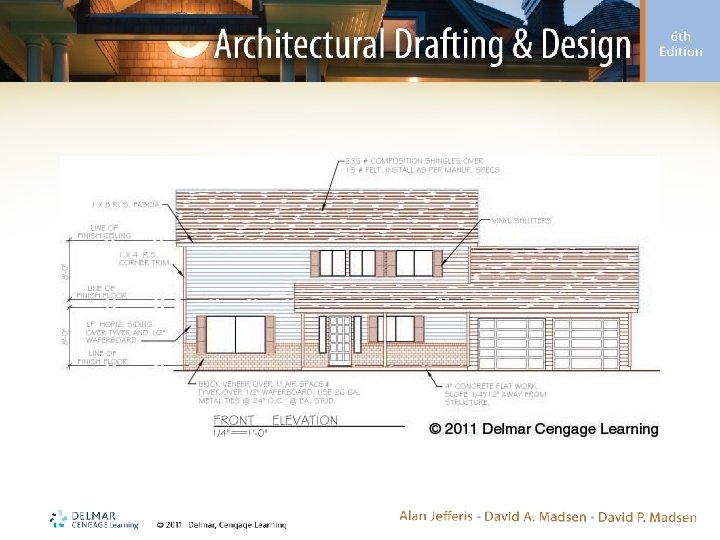
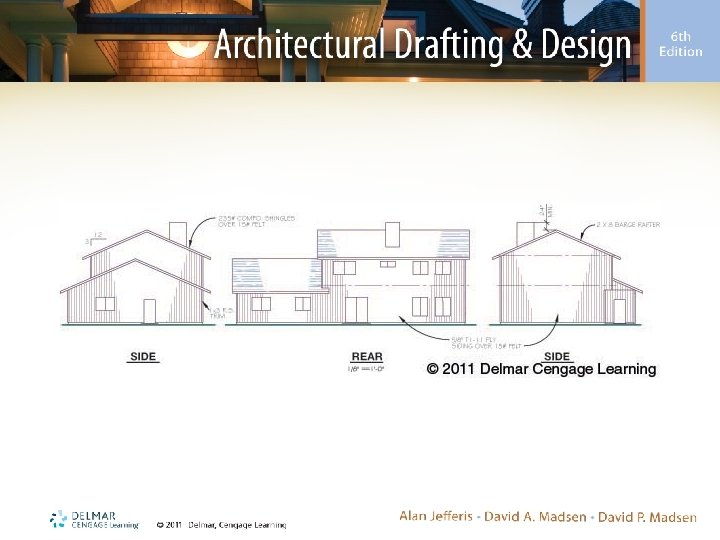
Major Considerations of Drawing Elevations (cont’d. ) • Required elevations – Building departments typically require elevations drawn for each side of structure • Usually four
Major Considerations of Drawing Elevations (cont’d. ) • Types of elevations: – Presentation • Range from sketches to very detailed drawings – Working • Used in construction process • Provides information for building team and municipality overseeing the project – Additional information is added to each note • Regardless of drawing method
Major Considerations of Drawing Elevations (cont’d. ) • Elevation scales: – Typically drawn at same scale as floor plan • Elevation placement – Layout depends on: • Scale, drawing sheet size, and number of drawings • Identifying elevations – Three common methods • Depends on client and if elevations are site specific
Representing Materials in Elevation • Four categories: – Roofing – Wall coverings – Doors – Windows • Additional considerations: – Rails – Shutters – Eave vents – Chimneys
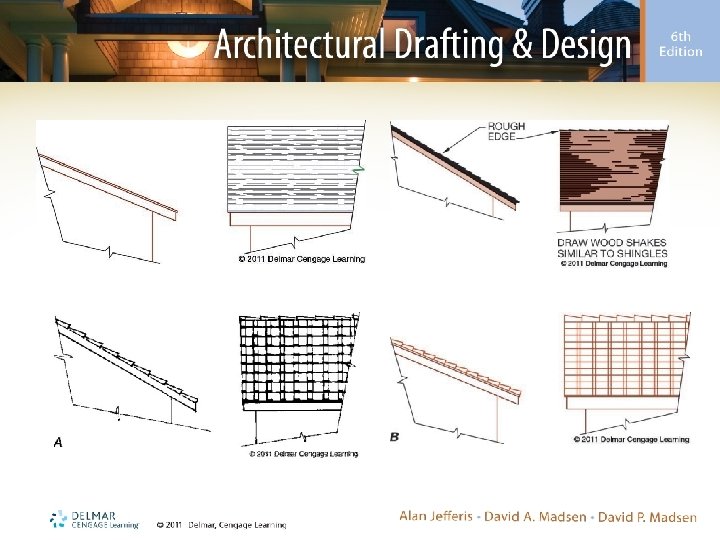
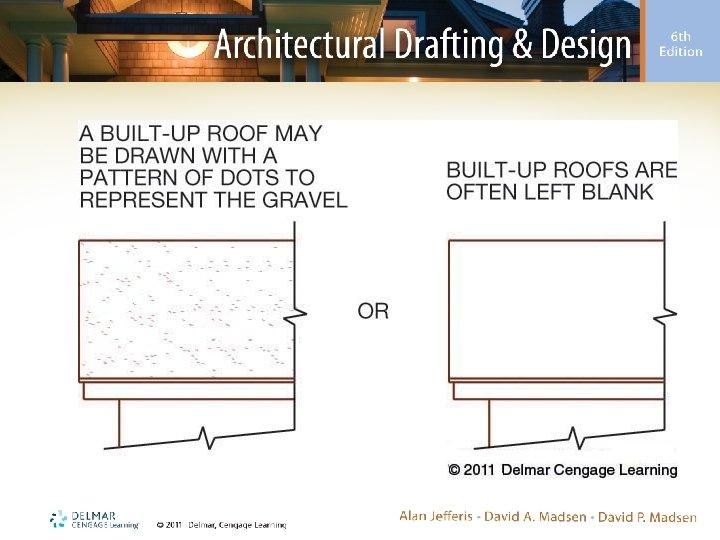
Representing Materials in Elevation (cont’d. ) • Roofing materials – Shingles – Wood shakes and shingles – Tile – Built-up roofs – Skylights
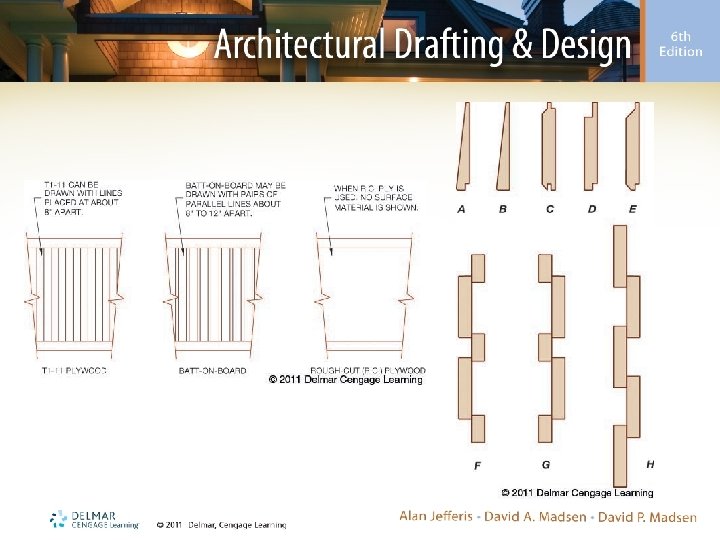
Representing Materials in Elevation (cont’d. ) • Wall coverings – Wood and wood substitutes – Masonry • • • Brick Concrete blocks Stone Metal Plaster or stucco
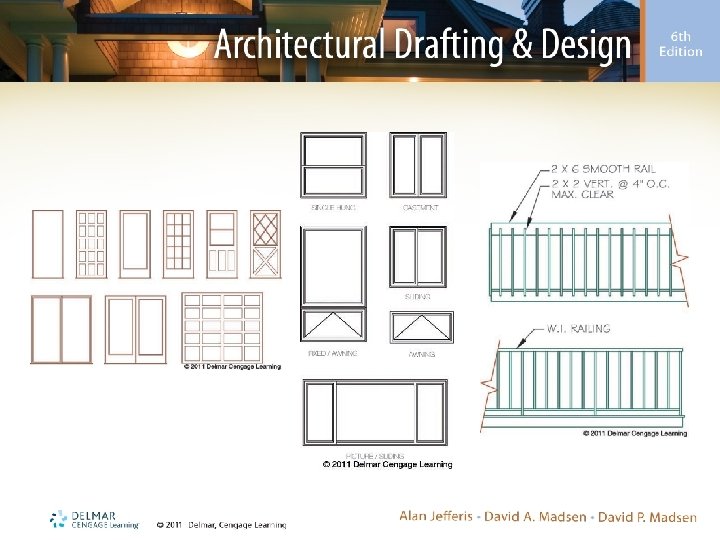
Representing Materials in Elevation (cont’d. ) • Doors – Drawn to resemble type specified in door schedule • Windows – Care must be given to frame material • Rails – Can be solid or open
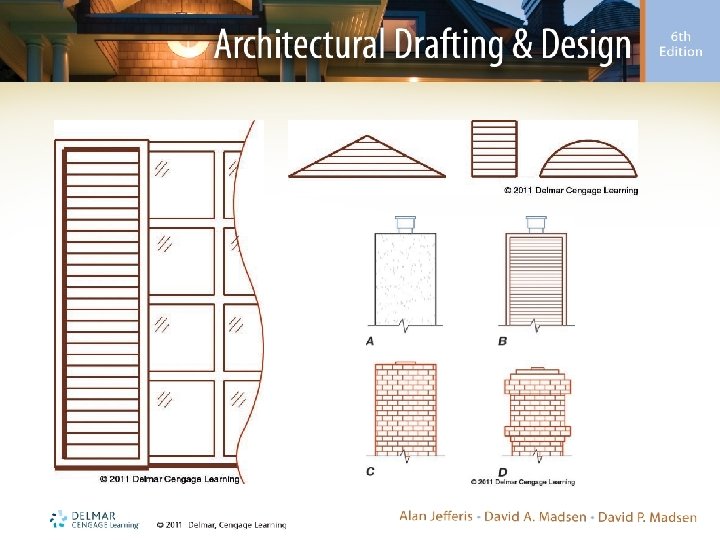
Representing Materials in Elevation (cont’d. ) • Shutters – Sometimes used as part of exterior design – Must be shown on elevations • Gable end wall vents – Similar to drawing shutters • Chimney – Several representation methods